
Planning Japan · Overtourism
The simplest way to skip the crowds in Japan in 2026 is to treat each famous sight as one stop, not the whole trip — pair it with a quieter place nearby, and go at dawn. The pressure is real: shopkeepers along the path to Fushimi Inari now say 80–90% of their customers come from abroad, Arashiyama’s 400-meter bamboo path turns claustrophobic by late morning, and Fujiyoshida cancelled its 2026 Chureito Pagoda cherry festival outright after blossom-season crowds hit up to 10,000 people a day, with three-hour queues to climb the 398 steps. This guide pairs 12 of those magnets with the calmer places I send travelers to instead — almost every one of them somewhere I’ve already walked and written up in detail.
Why is Japan so crowded in 2026 — and where is everyone going?
The crowding is real, but it is concentrated. Japan drew a record 42.7 million foreign visitors in 2025, and most of them funnel through the same handful of sights on the Tokyo–Kyoto–Osaka “Golden Route.” The wider numbers are actually softening at the edges — January 2026 arrivals fell 4.9% year-on-year (the first monthly decline in about four years, driven by a sharp drop in Chinese visitors) before February rebounded 6.4% — yet the magnets themselves stay jammed because that is where everyone is pointed.
The government is now actively trying to spread people out. The Japan Tourism Agency’s “beyond the Golden Route” push is steering visitors toward Tohoku, the San’in coast, Kyushu and Shikoku, with managed-tourism regions set to expand toward 100 areas by 2030. Costs are shifting too: the departure tax tripled from ¥1,000 to ¥3,000 on July 1, 2026, the yen has slipped past ¥160 to the dollar, and dual pricing is no longer hypothetical — Himeji Castle now charges overseas visitors ¥2,500 against ¥1,000 for city residents.
None of that should put you off. It just means the smart move in 2026 is to treat the famous photo as one stop, not the whole trip — and to know where the quiet version of it is. Here are mine.
Kyoto: where do I go instead of the four most crowded spots?
Kyoto is the pressure cooker. City data shows foreign visitors to Higashiyama up about 66% and to Arashiyama up 22% in a single year, even as Japanese visitors fall. Overcrowded buses are a major resident grievance — large suitcases are now refused on many city buses, and the city has announced a two-tier bus fare (about ¥200 for residents versus ¥350–400 for visitors, tied to ID, though the start date is still under review). You don’t have to leave Kyoto to escape this. You mostly have to leave the four blocks everyone else is standing on.
Arashiyama Bamboo Grove
The walkable path is only ~400 m and feels claustrophobic roughly 11:00–15:00. Crowding got bad enough that authorities felled about 20 bamboo stalks in November 2025 after a survey found ~350 carved with graffiti.
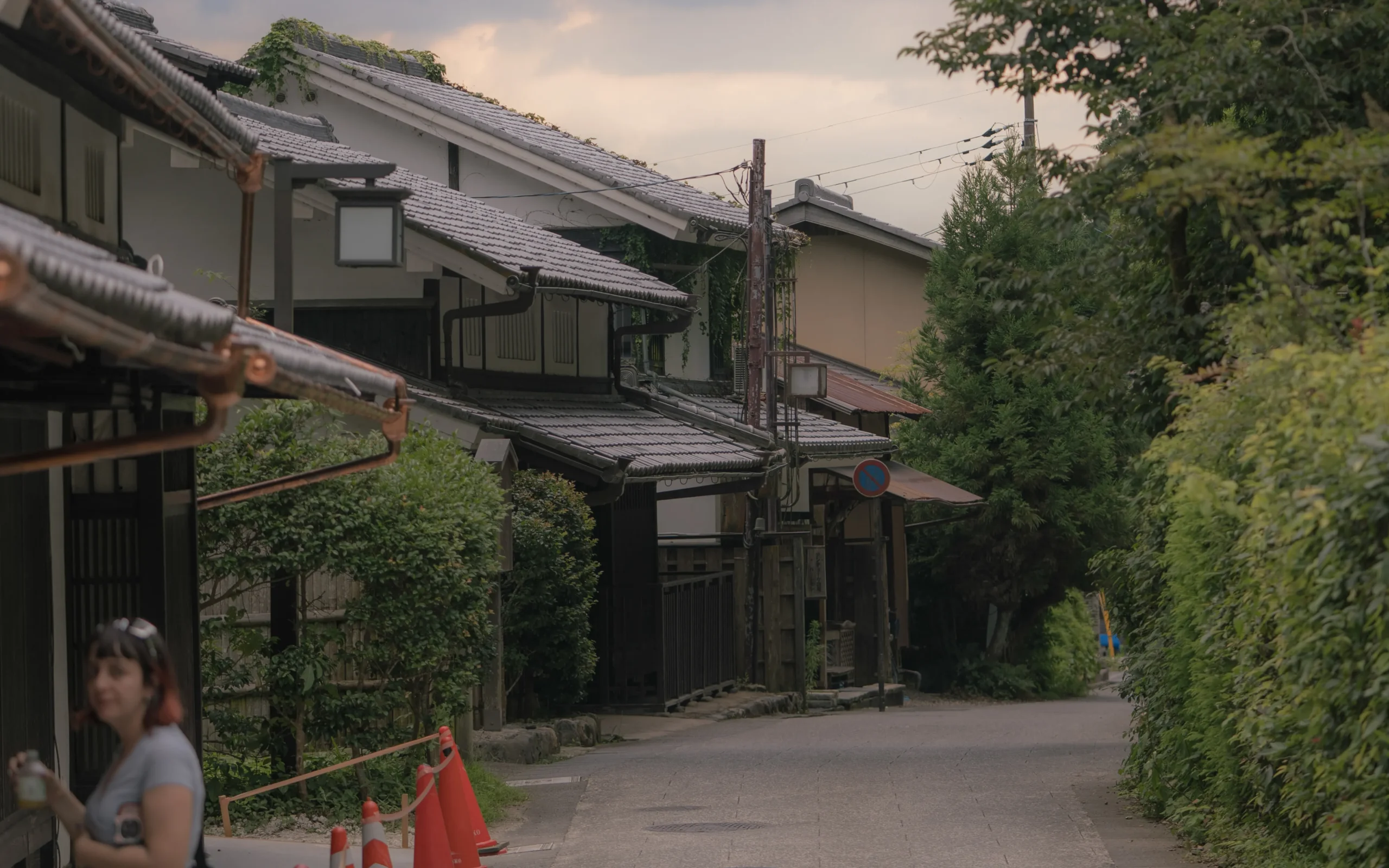
Saga-Toriimoto & Adashino Nenbutsuji — same Sagano hills, almost no one
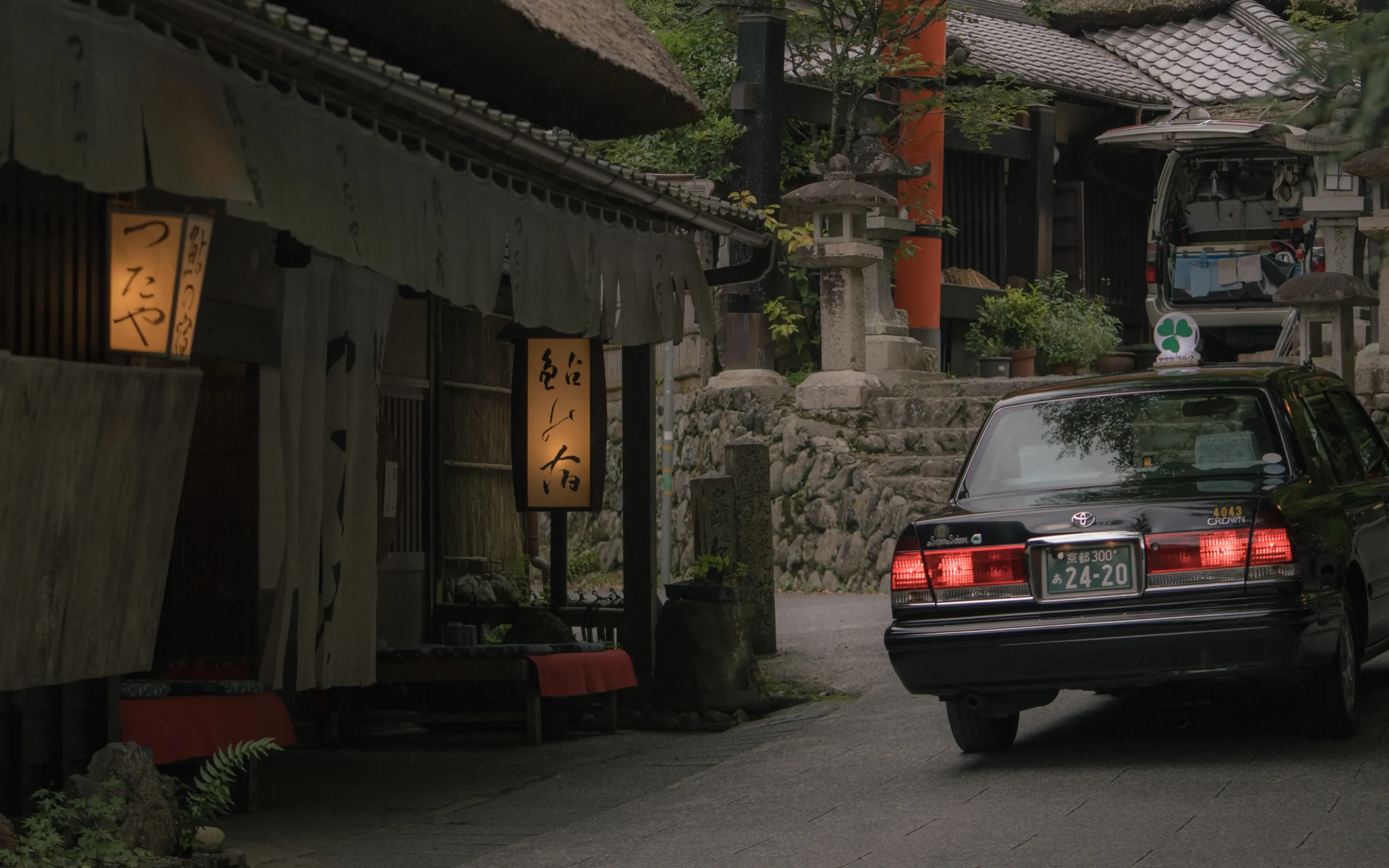
A ten-minute walk uphill from the bamboo crush is Saga-Toriimoto, a preserved Kyoto street of thatched-roof teahouses where the lane often empties out completely between tour buses. At its top, Adashino Nenbutsuji keeps thousands of stone Buddhas in a quiet bamboo-backed grove — the contemplative version of the photo you came for.
Fushimi Inari Taisha
Ranked the #3 most-searched spot in Japan for international visitors (NAVITIME, 2025) and cited at ~10 million visitors a year. There’s no booking or cap — just shoulder-to-shoulder torii.
The rest of Fushimi — the part almost no one walks
Most people tap out after the torii and leave. They miss the actual neighborhood. A full day in Fushimi takes you through the sake-brewery district, Ryoma Sakamoto’s history, and a canal boat — the same train stop, a fraction of the people. (Go to the shrine itself at dawn, then spend the day down here.)

Kiyomizu-dera & the Higashiyama slopes
The narrow Sannenzaka and Ninenzaka lanes to Kiyomizu-dera are overwhelming year-round and brutal in cherry-blossom (late March–early April) and autumn-foliage (second half of November) seasons.
The same streets — just at the right hour
This swap is about timing, not place. Early morning and late evening are when Kyoto belongs to you, and my Higashiyama golden-hour walk threads the Yasaka Pagoda to Kiyomizu-dera when the light is best and the lanes are nearly empty. Same view, none of the elbows.
Gion’s geisha alleys
After years of tourists chasing and grabbing geiko and maiko, the district council barred photography on its private streets (a privately set ¥10,000 deterrent, since 2019) and, from April 2024, asked visitors to stay out of the narrow private alleys entirely, with multilingual signs.
Yasaka Shrine & a night at the Minamiza — Gion done respectfully
You can still experience Gion without crossing a line. Yasaka Shrine sits on the public main street, free and open late, and a performance at the 400-year-old Minamiza kabuki theatre gives you the district’s living tradition from a seat you’re actually allowed to photograph.
Nara and Mt Fuji: what are the quiet swaps?
These two regions are where I have the deepest first-hand library, so the alternatives here are the ones I’m most confident sending you to.
Nara Park & Todai-ji deer crush
The park’s sacred deer hit 1,465 in July 2025, the highest since records began in 1953. Visitor injuries from deer reached 159 in the latest reported year — 111 of them foreign tourists — and Nara revised its park ordinance in April 2025 to ban harmful acts toward the animals.
Asuka & Nishinokyo’s quiet temples
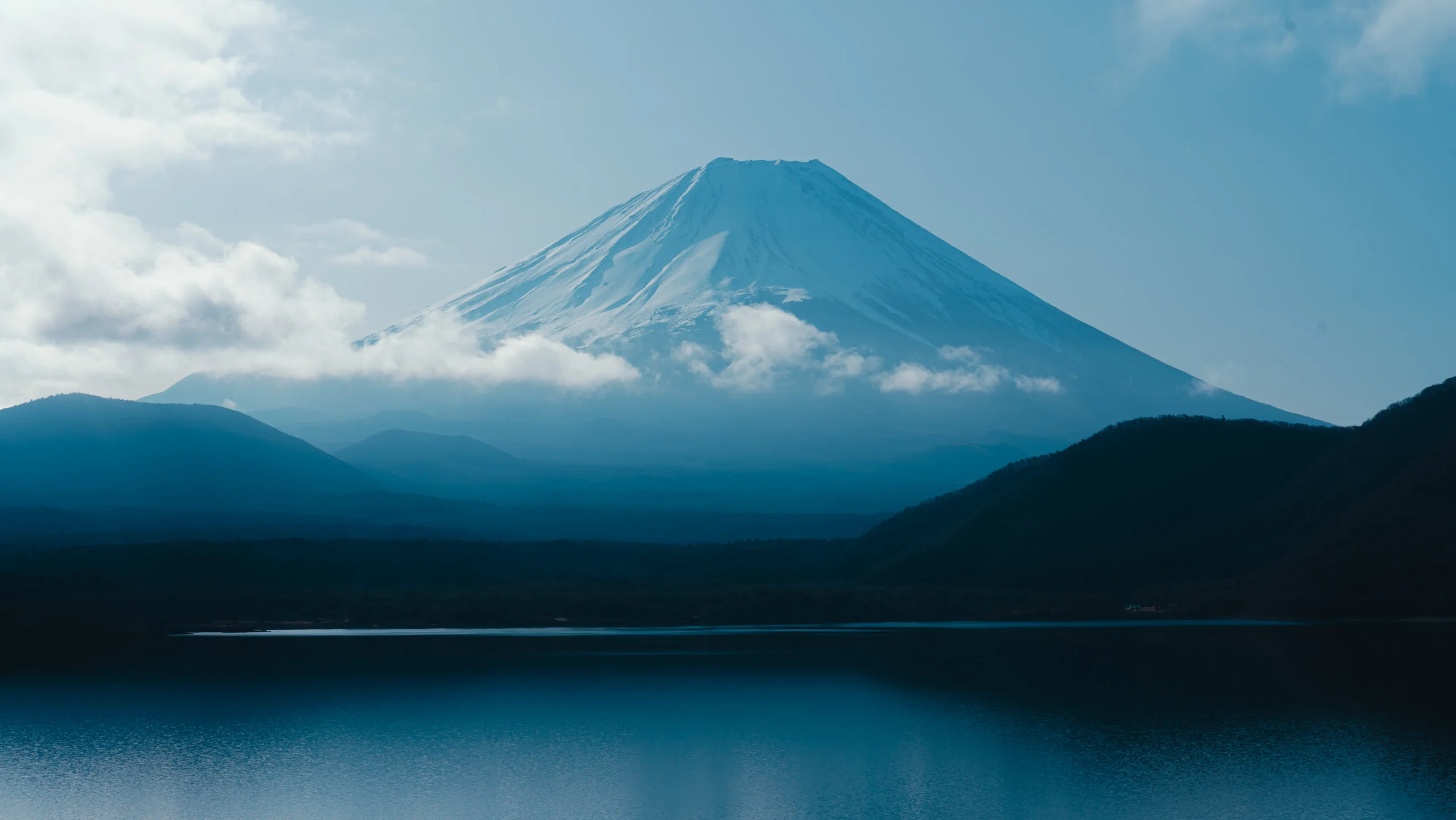
Nara Prefecture is full of major temples the day-trippers never reach. Okadera in Asuka (Japan’s first yakuyoke site, famous for 3,000 rhododendrons each spring), the mountain pagoda of Murō-ji, and the twin-pagoda World Heritage Yakushi-ji all deliver the history without the bus crowds. If you still want the Great Buddha, my Todai-ji & deer guide tells you exactly when to arrive.
Chureito Pagoda (Arakurayama)
The five-storied-pagoda-with-Fuji shot draws up to 10,000 people a day in blossom season, with queues of about three hours to climb the 398 steps. Fujiyoshida cancelled the 2026 cherry festival entirely (announced Feb 3, 2026) over overtourism — the park stays open, but there’s no longer an event to anchor the crowds.
The other Fuji viewpoints around Kawaguchiko & Saiko
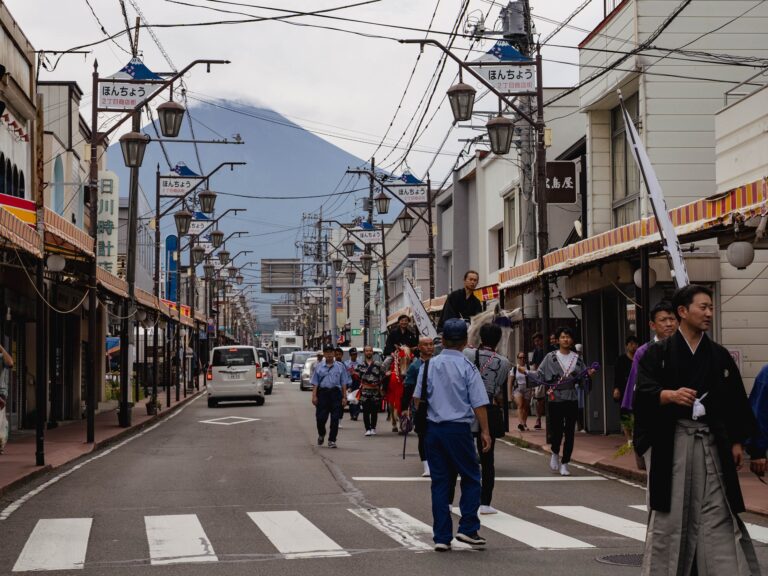
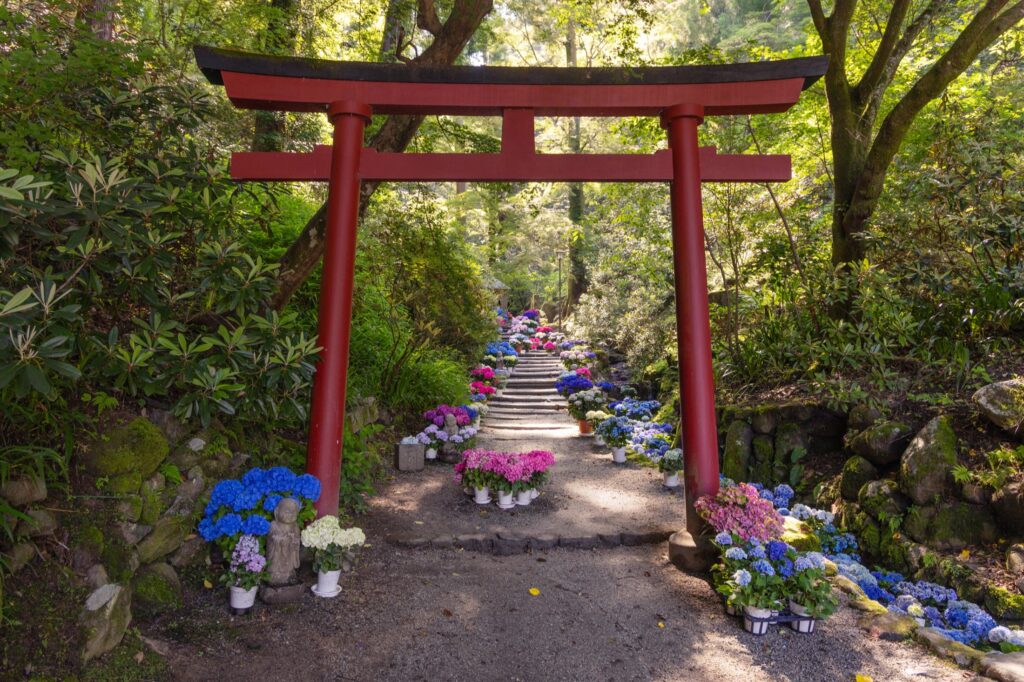
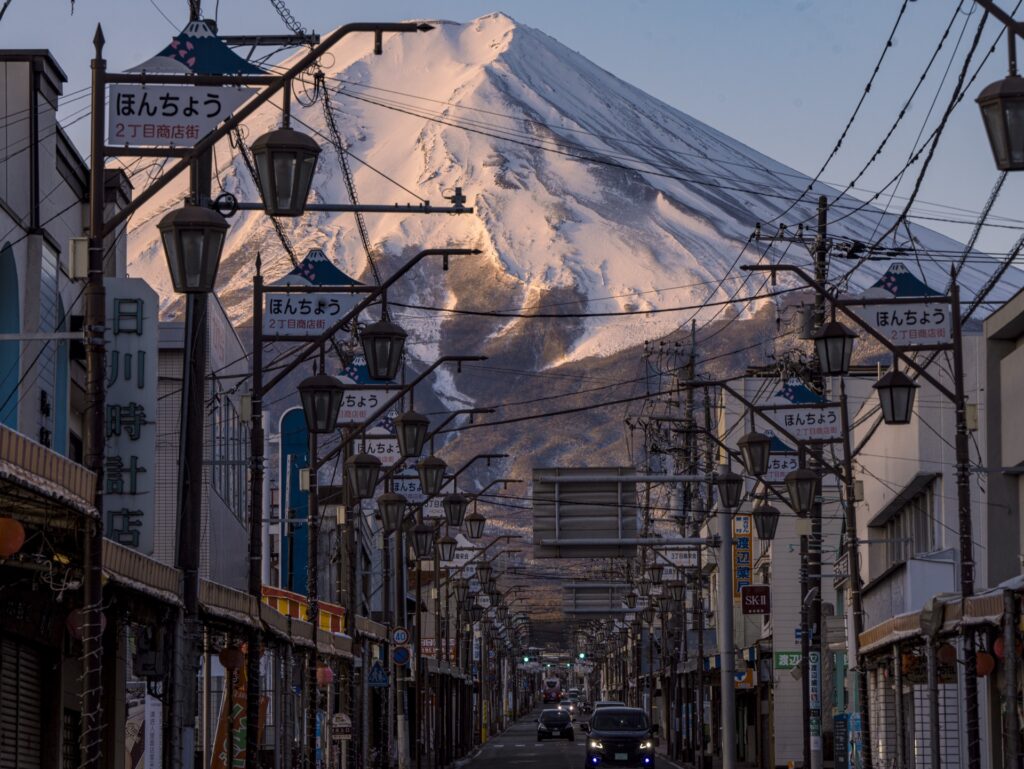
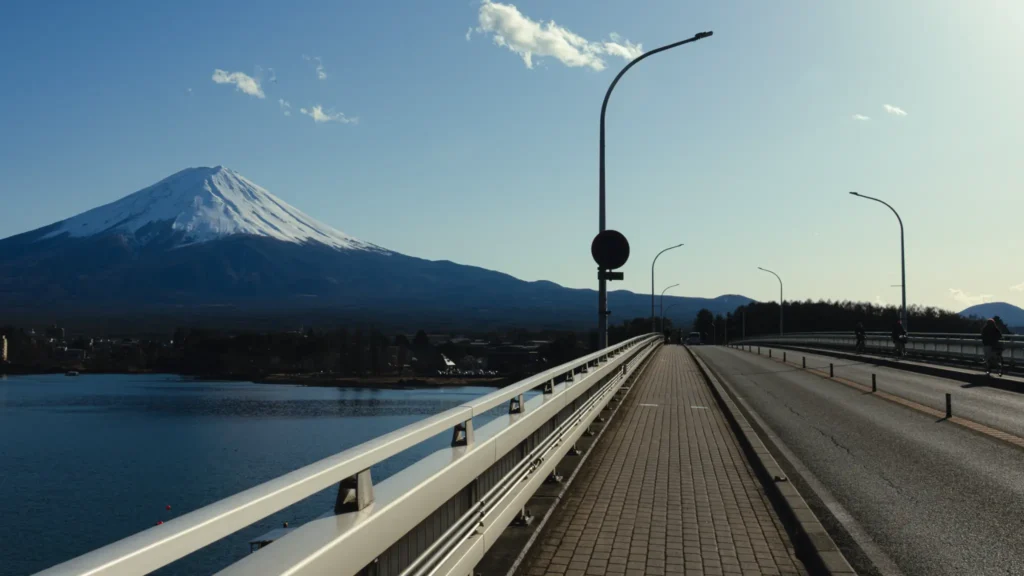
This is home turf for me. For the same Fuji without the queue, I’d take the Honmachi 2-chōme street shot, the Tenkū-no-Torii sky gate, or the genuinely calm shores of Lake Saiko and Lake Motosu (the view that’s literally on the ¥1,000 note). My Arakurayama guide and the 2026 festival-cancellation notice have the full picture if you still want to go.
The “Lawson Mt Fuji” convenience-store spot
Crowds jaywalking for the shot of Fuji above a Kawaguchiko Lawson got so bad the town put up a barrier — a 2.5 m × 20 m black screen in May 2024 (tourists cut holes in it), replaced by a lower brown tarp re-erected in August 2025.
Compositions that don’t need a barrier
Skip the novelty shot for the real thing: Kawaguchiko Ōhashi bridge, the seasonal blooms framing Fuji at Ōishi Park, or — if you’ve gone as far as Kamakura — Fuji floating over the sea from Shichirigahama.
Tokyo and Osaka: how do I swap the scramble for a slower city?
The big-city magnets are less about damaged sites and more about sheer density — and both cities have a calmer neighborhood a short ride away.
Shibuya Scramble Crossing
Often called the world’s busiest crossing — roughly 3,000 people per green light. Shibuya now enforces a year-round public street-drinking ban from 18:00–05:00 (ward ordinance, since October 2024) to manage the night crowds.
Kichijoji — the Tokyo neighborhood locals actually rate
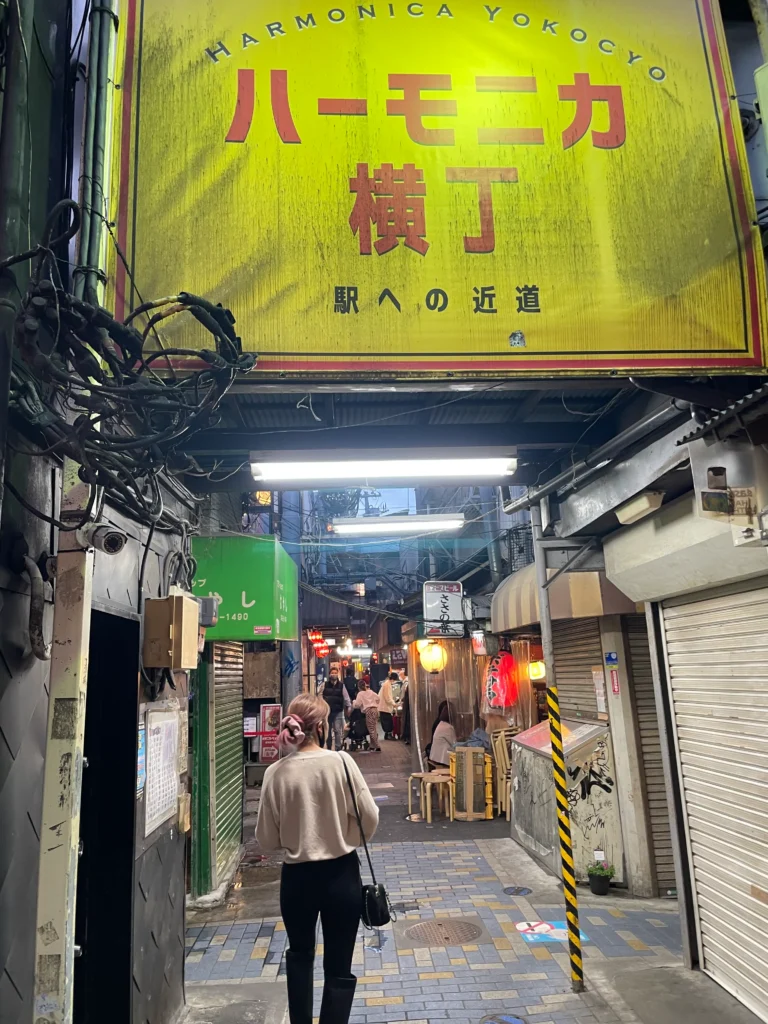
Twenty minutes west, Kichijoji is the version of Tokyo I’d want a first-timer to see: a lap of Inokashira Park and a drink in the lantern-lit lanes of Harmonica Yokochō beats a selfie in the scramble every time.
Senso-ji & Nakamise, Asakusa
Cited at roughly 30 million visitors a year and among Tokyo’s most tourist-dense spots; on weekends Nakamise-dōri is a slow shuffle.
Jindaiji — Tokyo’s quiet old temple town
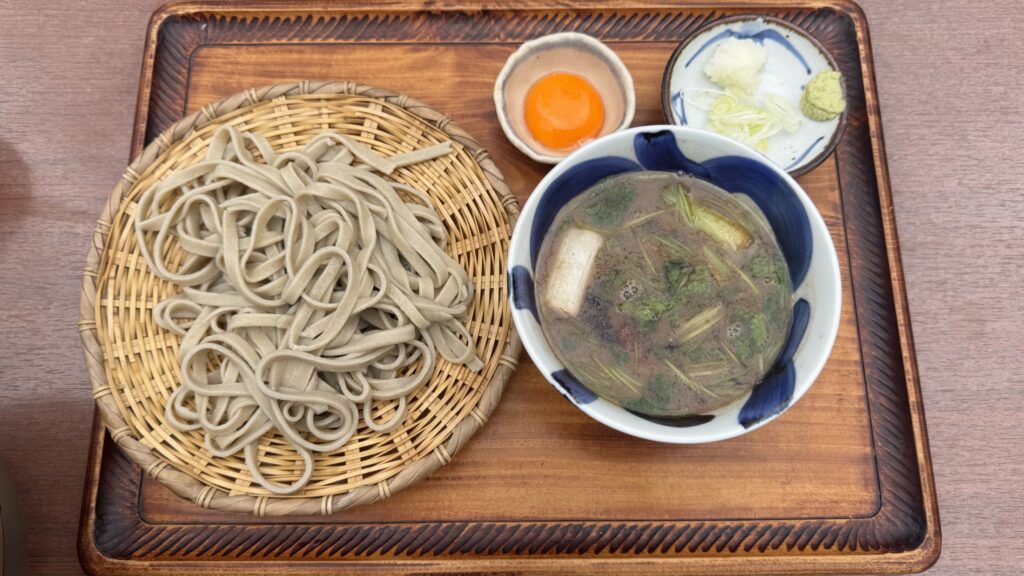
Tokyo’s second-oldest temple sits in a wooded pocket of Chōfu with a soba street instead of a souvenir gauntlet. Eat at Tamanoya’s 100% buckwheat soba or Suzume no Oyado, and time a visit for the huge Jindaiji Daruma market if you want festival energy without Asakusa’s wall of people.
Dotonbori, Osaka
About 30 million visitors a year; a survey found 32% of foreign visitors named congestion their top complaint. Osaka opened Dotonbori’s first designated outdoor smoking area in February 2026 to manage the crush.
Osaka on foot — and a half-day in the hills
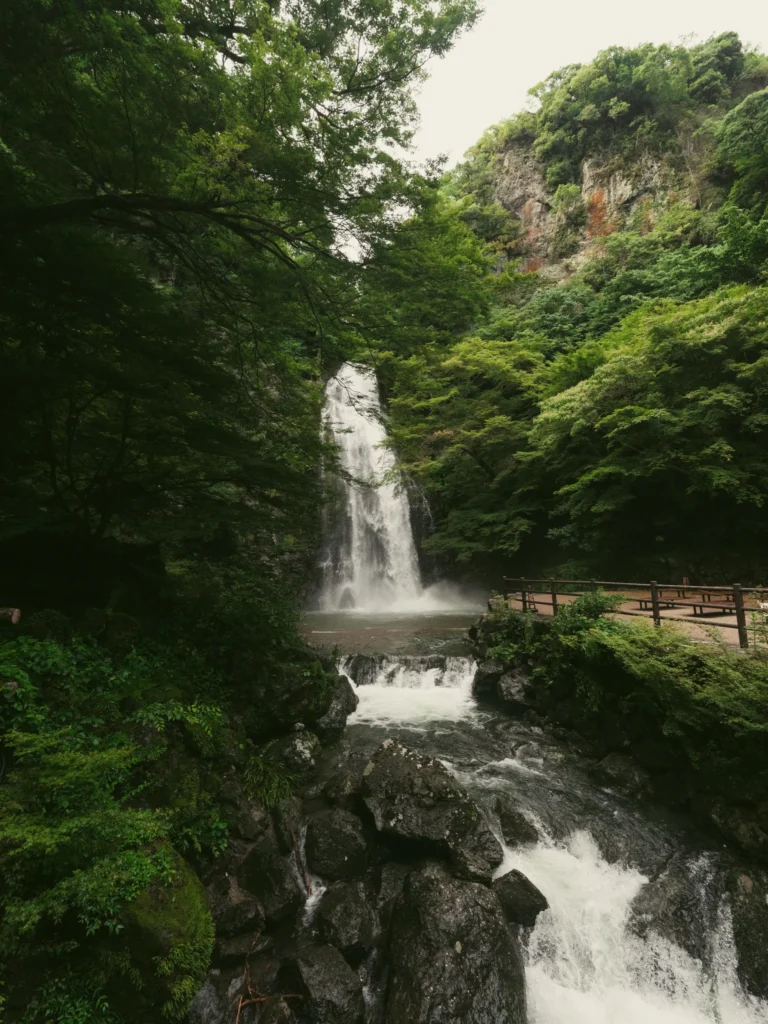
Dotonbori is worth one pass; just don’t stop there. My one-day Osaka walk links it to the older, friendlier Shinsekai, and when the city gets too much, Minoo Falls is a 33-meter waterfall you can reach in half a day straight from Umeda.
Two more swaps worth the train ride
Shirakawa-go gassho village
The winter light-up drew over 8,000 people a night before it went reservation-only — and entry remains capped and pre-booked for 2026 (overnight stays by lottery, applications Oct 1–31).
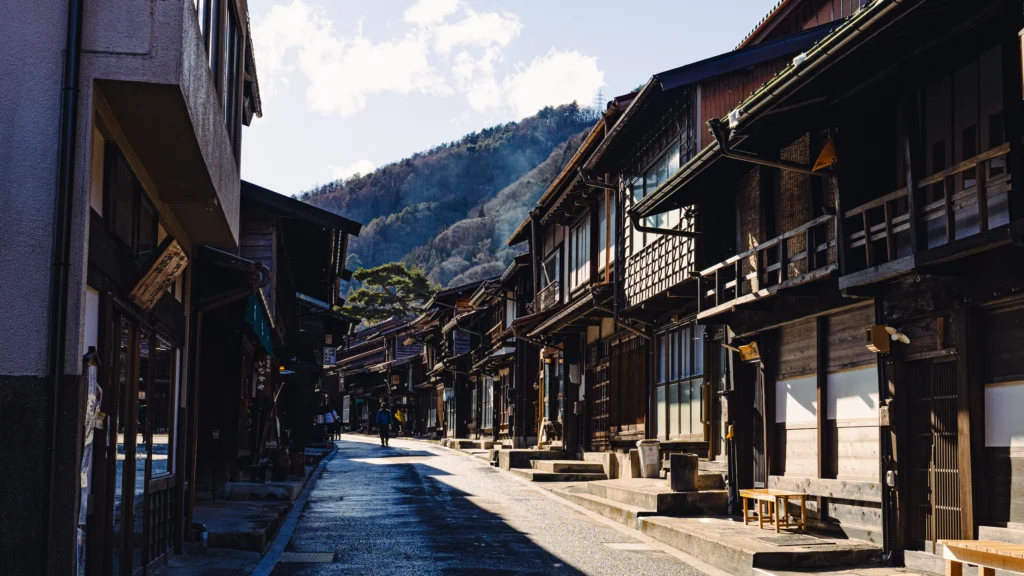
The Kiso Valley & Ouchi-juku post towns
For the same Edo-era timber streets without a reservation system, I’d walk Tsumago-juku and Narai-juku on the old Nakasendo (the one-day Kiso itinerary links them), or head north to Ouchi-juku in Fukushima. If you’re set on Shirakawa-go, here’s how to do it well.
Miyajima’s floating torii
Miyajima drew 4.65 million visitors in 2023 and set an all-time monthly record (297,776) in February 2024 after the torii restoration finished. It now levies a ¥100 visitor tax per crossing, added to the ferry fare since October 2023.
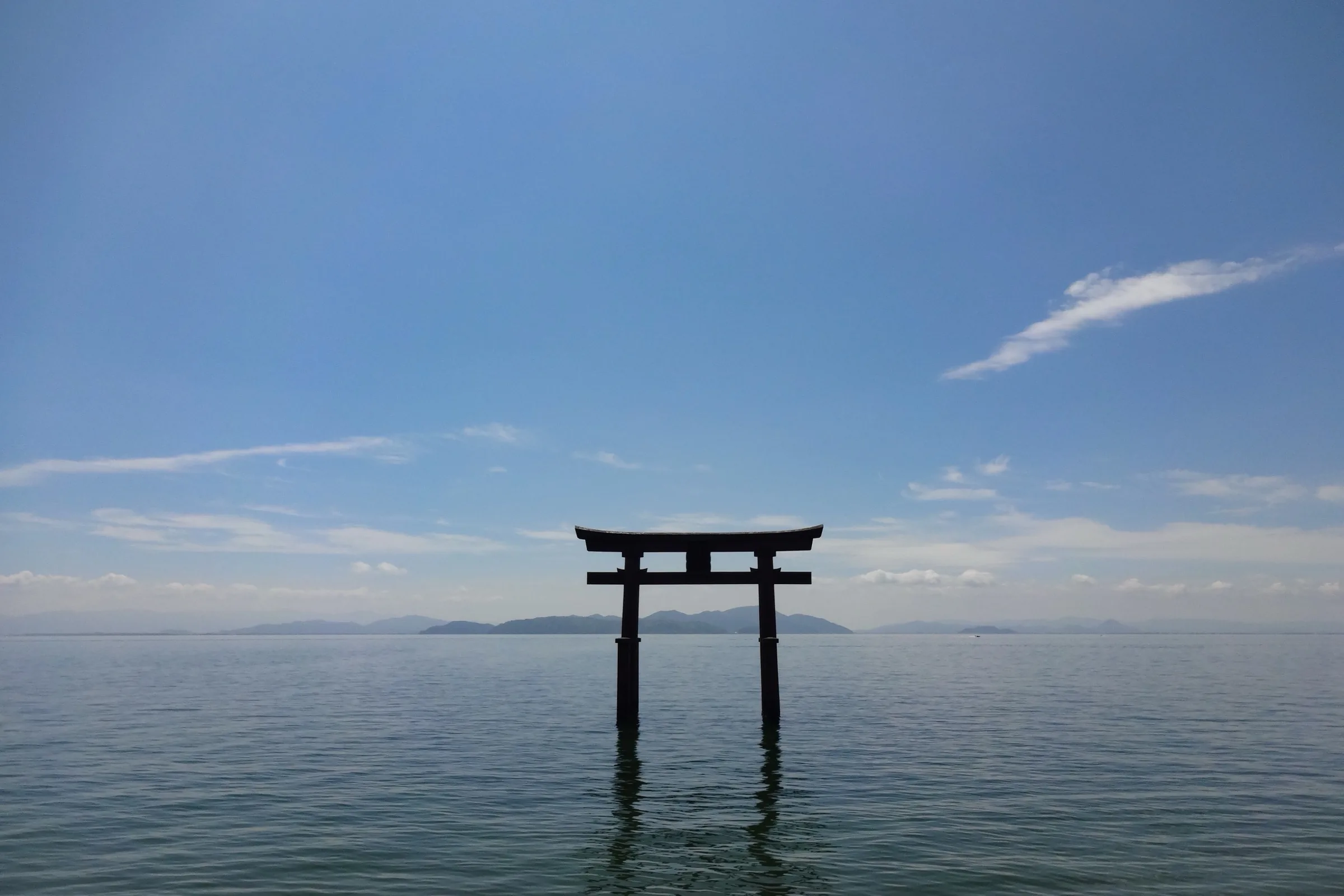
Shirahige Shrine’s torii on Lake Biwa
If you came to Japan for a vermilion torii standing in water, Lake Biwa has one too. Shirahige Shrine’s torii sits just offshore on Japan’s largest lake, about an hour from Kyoto, and it’s far quieter than Miyajima — though sunrise photographers do gather — so pair it with a quiet day on Lake Biwa’s western shore. (Miyajima is still worth it; my island guide has the tide and ferry timing.)
What if I want to skip the Golden Route entirely?
Sometimes the best swap isn’t a single spot — it’s a whole different region. This is what the government’s “beyond the Golden Route” push is really about, and it’s the trip I’d plan for a second visit. Start with Beyond the Golden Route: three hidden-gems itineraries, then pick a thread:
Shikoku & the Seto Inland Sea
Art islands, the Iya Valley and Dōgo Onsen on a 5-day Shikoku route — one of the regions the government’s dispersal push is steering visitors toward.
Tohoku, north of the crowds
Sendai, Yamadera, Ginzan Onsen and Hirosaki on a 5-day Tohoku loop — cooler in summer and a fraction as busy.
Kansai beyond Kyoto
Hidden temples and sacred trails across 7 days in Kansai, so Kyoto becomes one chapter, not the whole book.
San’in coast
The “land of the gods” — Izumo, Matsue and the Tottori Sand Dunes, plus the concrete-and-light Shōji Ueda photography museum, plus the tatara sword country of Okuizumo.
Okinawa beyond the beaches
Skip the resort south for wild Yanbaru: ASMUI, a karst-and-forest walk near Cape Hedo.
A rail oddity in Gunma
On the way north, Doai Station — Japan’s mole station, 486 steps underground.
If you’d rather follow a themed thread, my color routes string the quiet spots together: the Sapphire Route (blue water and sky), the Emerald Route (alps and forest), and the Ruby Route through Kyushu’s volcanoes.
Plan a Quieter Trip
How do I skip the crowds? Timing and tools that work
Three habits do most of the work, wherever you end up.
Japan’s Hidden Gems (44 by region)
The full map: 44 of Japan’s hidden gems, region by region.
Tone River Grand Fireworks 2026
A huge fireworks night an hour north of Tokyo – dates, free spots and paid seats.
Go at dawn (or after dark)
The single biggest lever. Kiyomizu-dera, Fushimi Inari and the bamboo grove are nearly empty before 8 a.m. and reopen to you again in the evening. Most tour buses run 10:00–15:00.
Check the live congestion forecast
Kyoto City publishes a free real-time, hourly congestion forecast covering the busiest districts like Gion, Arashiyama and the Kiyomizu path. Look before you set out and flip your order around the busy hours.
Travel light, ride smart
Large suitcases are increasingly refused on Kyoto city buses; forward your bag ahead or use the station’s hands-free delivery, and walk or take the subway instead.
A couple of 2026 money notes while you plan: budget for the departure tax, now ¥3,000 since July 1, watch for dual pricing creeping in at headline attractions, and remember the weak yen (past ¥160 to the dollar) still makes regional Japan excellent value. My 2026 essential tips, budget guide and Golden Week guide go deeper, and if you’re weighing rail costs, the JR Pass math for 2026 matters more once you leave the main line.
The 12 swaps at a glance
| Skip (or just time well) | Go here instead | Why it works |
|---|---|---|
| Arashiyama Bamboo Grove | Saga-Toriimoto & Adashino Nenbutsuji | Same Sagano hills, 10 min uphill, near-empty |
| Fushimi Inari torii | The Fushimi sake district | Same train stop, the part nobody walks |
| Kiyomizu-dera / Higashiyama | The same slopes at dawn / golden hour | Same view, none of the elbows |
| Gion’s private alleys | Yasaka Shrine & the Minamiza | The district done respectfully and legally |
| Nara Park deer crush | Okadera, Murō-ji, Yakushi-ji | Major Nara temples without the buses |
| Chureito Pagoda | Honmachi 2-chōme, Saiko, Motosu | Same Fuji, no 3-hour queue |
| “Lawson Mt Fuji” spot | Kawaguchiko Ōhashi, Ōishi Park | Real compositions, no barrier |
| Shibuya Crossing | Kichijoji (Inokashira + Harmonica Yokochō) | The Tokyo locals actually rate |
| Senso-ji / Asakusa | Jindaiji temple town | Old temple, soba street, no gauntlet |
| Dotonbori | Shinsekai + Minoo Falls | One pass, then escape to the hills |
| Shirakawa-go | Tsumago, Narai-juku, Ouchi-juku | Edo streets, no reservation cap |
| Miyajima floating torii | Shirahige Shrine, Lake Biwa | A torii in the water, an hour from Kyoto |
FAQ
Is Japan too crowded to visit in 2026?
No — the crowding is concentrated, not everywhere. Japan hit a record 42.7 million foreign visitors in 2025, but they cluster on the same Golden Route sights. Step one train line out, go at dawn, or pick a region like Tohoku or San’in and you’ll often have remarkable places nearly to yourself.
What are the most overcrowded places in Japan right now?
The worst pressure points in 2026 are Kyoto’s Arashiyama bamboo grove, Fushimi Inari, Kiyomizu-dera and Gion; Nara Park’s deer area; the Chureito Pagoda and the “Lawson Mt Fuji” corner near Kawaguchiko; Shibuya Crossing, Senso-ji and Dotonbori in the big cities; and Shirakawa-go and Miyajima. Each has a quieter swap in this guide.
What’s the best alternative to Fushimi Inari or the Arashiyama bamboo grove?
For Fushimi Inari, spend the day in the surrounding Fushimi sake district instead of only the torii path — same train stop, far fewer people. For Arashiyama, walk ten minutes uphill to the preserved Saga-Toriimoto street and Adashino Nenbutsuji, which sit in the same Sagano hills with almost no crowds.
Is there dual pricing for foreign tourists in Japan in 2026?
Yes, and it’s expanding. The clearest example is Himeji Castle, which from March 2026 charges overseas visitors ¥2,500 versus ¥1,000 for city residents. Miyajima adds a ¥100 visitor tax to the ferry fare, and other spots have introduced foreign-visitor surcharges. Budget for it, and note the departure tax rose to ¥3,000 on July 1, 2026.
When are the worst times for crowds in Japan?
Cherry-blossom season (late March to early April), autumn foliage (mid-to-late November), and Golden Week (April 25 to May 7 in 2026, with about 23.9 million domestic travelers on the move). Within any day, 10:00–15:00 is peak; dawn and evening are reliably calmer.
How do I see the Chureito Pagoda in 2026 now that the festival is cancelled?
The park and observation deck stay open — Fujiyoshida only cancelled the cherry-blossom festival event (announced February 3, 2026) after crowds hit up to 10,000 a day and queues ran about three hours. Without the event, go on a clear weekday morning. Or take the same Mt Fuji shot from quieter spots like Honmachi 2-chōme, Lake Saiko or Lake Motosu.
Do I still need a JR Pass if I travel off the Golden Route?
Often not. Since the 2023 price rise the nationwide pass only pays off with several long Shinkansen legs, and many regional trips are cheaper on point-to-point tickets plus a regional pass. It’s worth running the numbers for your actual route before buying.
What is the “beyond the Golden Route” push?
It’s the Japan Tourism Agency’s effort to spread visitors away from the Tokyo–Kyoto–Osaka corridor toward regions like Tohoku, the San’in coast, Kyushu and Shikoku, with managed-tourism areas expanding toward 100 by 2030. For travelers it’s a gift: the quiet, less-photographed Japan is exactly what’s being promoted.
Plan the Quieter Version
Pick where you’d rather be standing, then book the stay first.
Join travelers discovering Japan's hidden side
Weekly dispatches from off-the-beaten-path Japan — spots and stories you won't find in guidebooks.
No spam. Unsubscribe anytime.
Welcome aboard!
You're in. See you in your inbox soon.