Southern Japan · Volcanic & Subtropical

Kyushu & Okinawa — volcanoes, hot springs, and the subtropics.

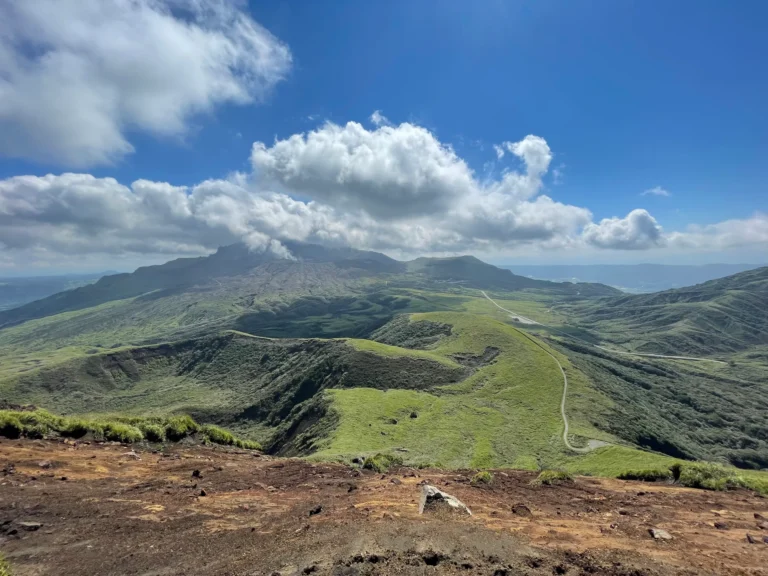
Yakushima’s ancient cedars, Aso’s volcanic caldera, Beppu’s onsen, and Okinawa’s coral seas.

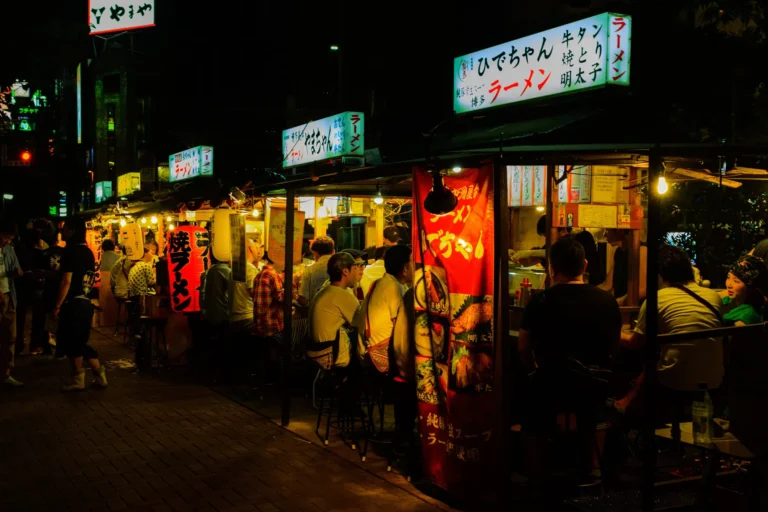
Kyushu covers Fukuoka, Saga, Nagasaki, Kumamoto, Oita, Miyazaki, and Kagoshima. Okinawa is its own world — a former island kingdom some 700 km southwest of Kagoshima. We have deep coverage of Yakushima (Kagoshima), Aso (Kumamoto), and the Fukuoka food scene; Okinawa coverage is growing.

When to visit

October–April for Kyushu (cooler, less typhoon). June–September for Okinawa beaches (typhoon-aware). January–February for Beppu / Yufuin onsen in cold weather. May for fresh cedar greens on Yakushima.

How to get there

Sanyo Shinkansen reaches Hakata (Fukuoka) from Shin-Osaka in about 2h 30min. Kyushu Shinkansen runs Hakata→Kagoshima-Chuo. Yakushima: hydrofoil/ferry from Kagoshima or fly. Okinawa: flying is by far the fastest; ferries also run from Kagoshima via the Amami Islands.

All Kyushu & Okinawa articles

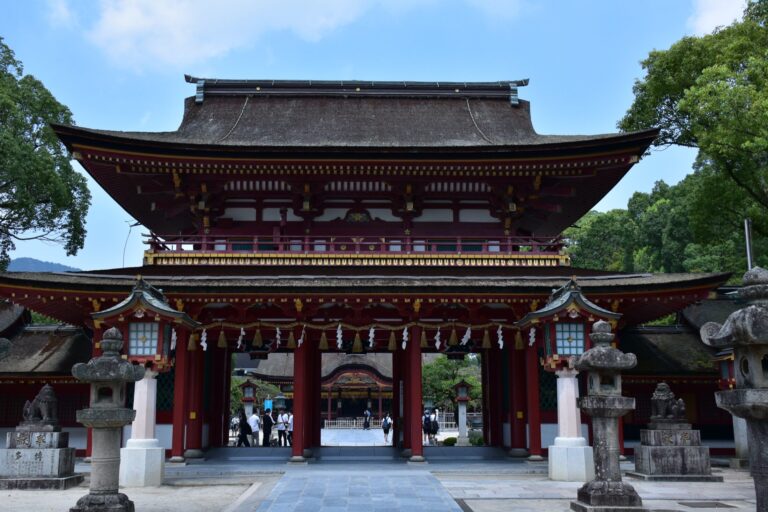
Northern Kyushu in 4 Days: Dazaifu, Yoshinogari, Arita, Imari and Karatsu by Rail (2026)

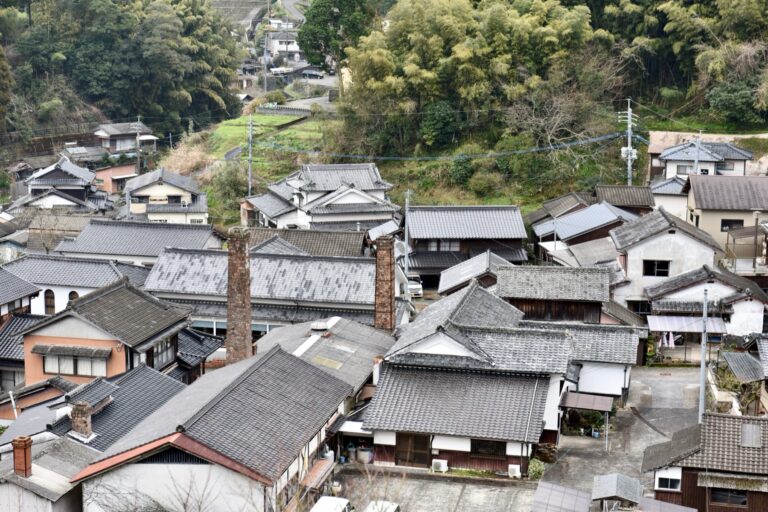
An elevated view of a traditional Japanese village of tiled-roof houses with tall brick kiln chimneys rising among them, a historic porcelain kiln village in the Imari area of Saga

A four-day loop from Fukuoka through Saga without a rental car: Dazaifu, the Yayoi settlement at Yoshinogari, a night in Takeo Onsen, the porcelain towns of Arita and Imari, and Karatsu, back to Fukuoka on the line that runs into the subway. Train times from JR Kyushu's October 2026 timetables, including the nine-a-day Imari–Karatsu line.