
Japan itineraries · 7 days · no car
Tokyo, Kyoto and Osaka are the Golden Route most first trips follow. These are three one-week routes for the trip after that, each in a different part of the country: Hokkaido and Tohoku, the Japan Alps, and Kyushu. All three run on trains and scheduled buses, each has a full day-by-day page with 2026 times and fares, and the real difference between them is the season each one works in.
The three routes side by side
| Sapphire | Emerald | Ruby | |
|---|---|---|---|
| Region | Hokkaido, Aomori, Miyagi | Nagano, Toyama, Ishikawa, Gifu | Fukuoka, Oita, Kumamoto, Kagoshima |
| Start → end | Sapporo → Tokyo, one way | Tokyo → Tokyo circuit | Hakata → Hakata loop |
| Nights | 6 | 6 | 6 |
| Transport | Trains and JR buses | Trains, buses, cable cars | Trains, highway bus, ferry |
| When it works | 1 Apr – 11 Nov (2026) | 15 Apr – 30 Nov (2026) | All year |
| Best months | October | May–June, late Sep–Oct | Oct–Nov, Mar–May |
| Transport fares | About ¥47,000 | About ¥53,000 | About ¥36,000 |
| The big day | A 9 km walk through the Oirase Gorge (can be shortened) | About 9 hours over the Alps on the Tateyama Kurobe Alpine Route | Kyushu Odan Bus from Yufuin to Aso, 2 h 23 min |
| The catch | Oirase and Lake Towada buses run to 11 November (some trips to 17 November, 2026) | Alpine Route closed December to mid-April | Aso’s crater closed at Level 2 (October 2026); Kyushu Shinkansen on a changed timetable after the July quake |
Fares are adult, regular-season tickets bought leg by leg, as checked in October 2026; each route page lists exactly which legs are in its total. Flights, hotels and entry fees are extra on all three. To price the flight, search flights to Japan; for the Sapphire Route, which starts in Sapporo, check flights to New Chitose.
Sapphire Route: Sapporo to Tokyo by train and JR bus
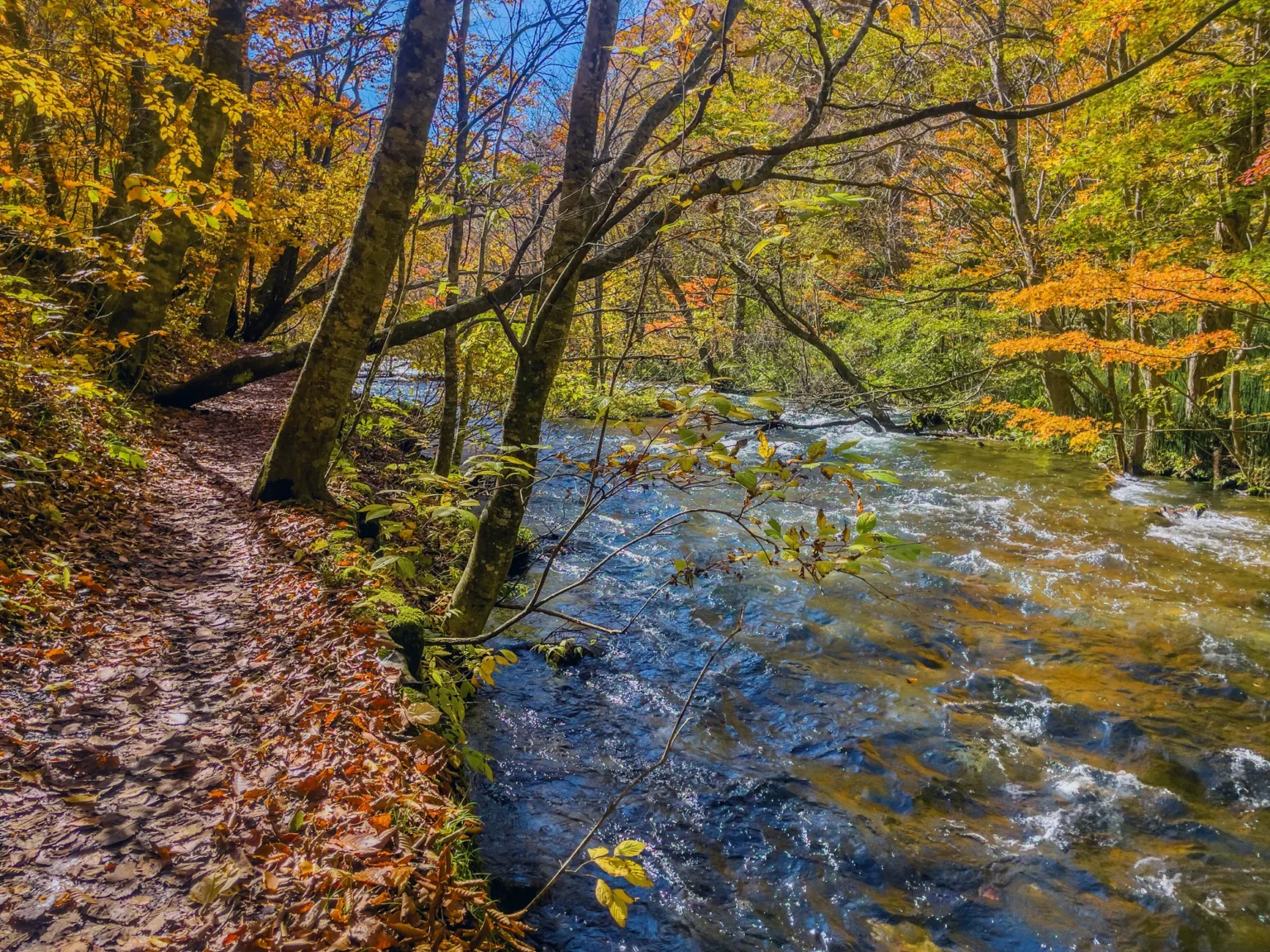
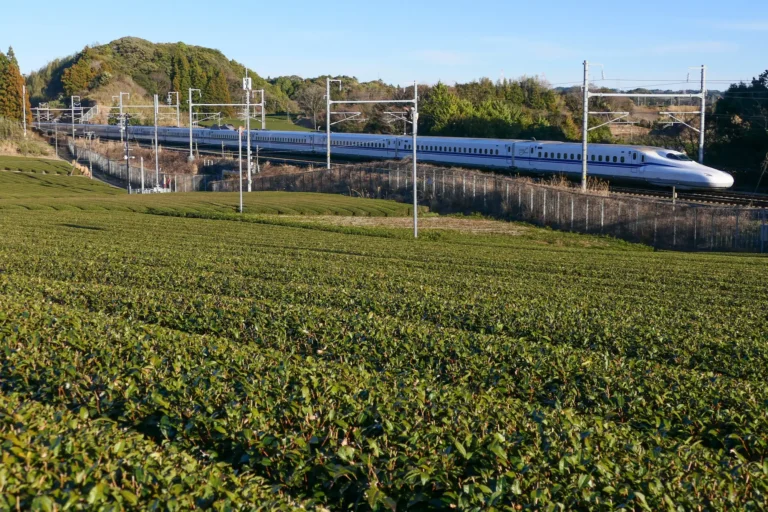
A one-way week south from Sapporo: the Hokuto limited express to Hakodate for its morning market and the night view from Mt Hakodate, the shinkansen under the Tsugaru Strait to Aomori, then a JR bus over the Hakkoda mountains into the Oirase Gorge and a walk of about 9 km beside the stream to Lake Towada. From the lake a JR bus runs down to Hachinohe for the shinkansen to Sendai and a local train to Matsushima-Kaigan on Matsushima Bay, and the last day is the shinkansen back to Tokyo. October is the best month, with Oirase’s colour usually peaking in late October; note that the Mt Hakodate ropeway is closed for inspection from 20 October to 8 November 2026.
Read the Sapphire Route day by day
Emerald Route: across the Japan Alps
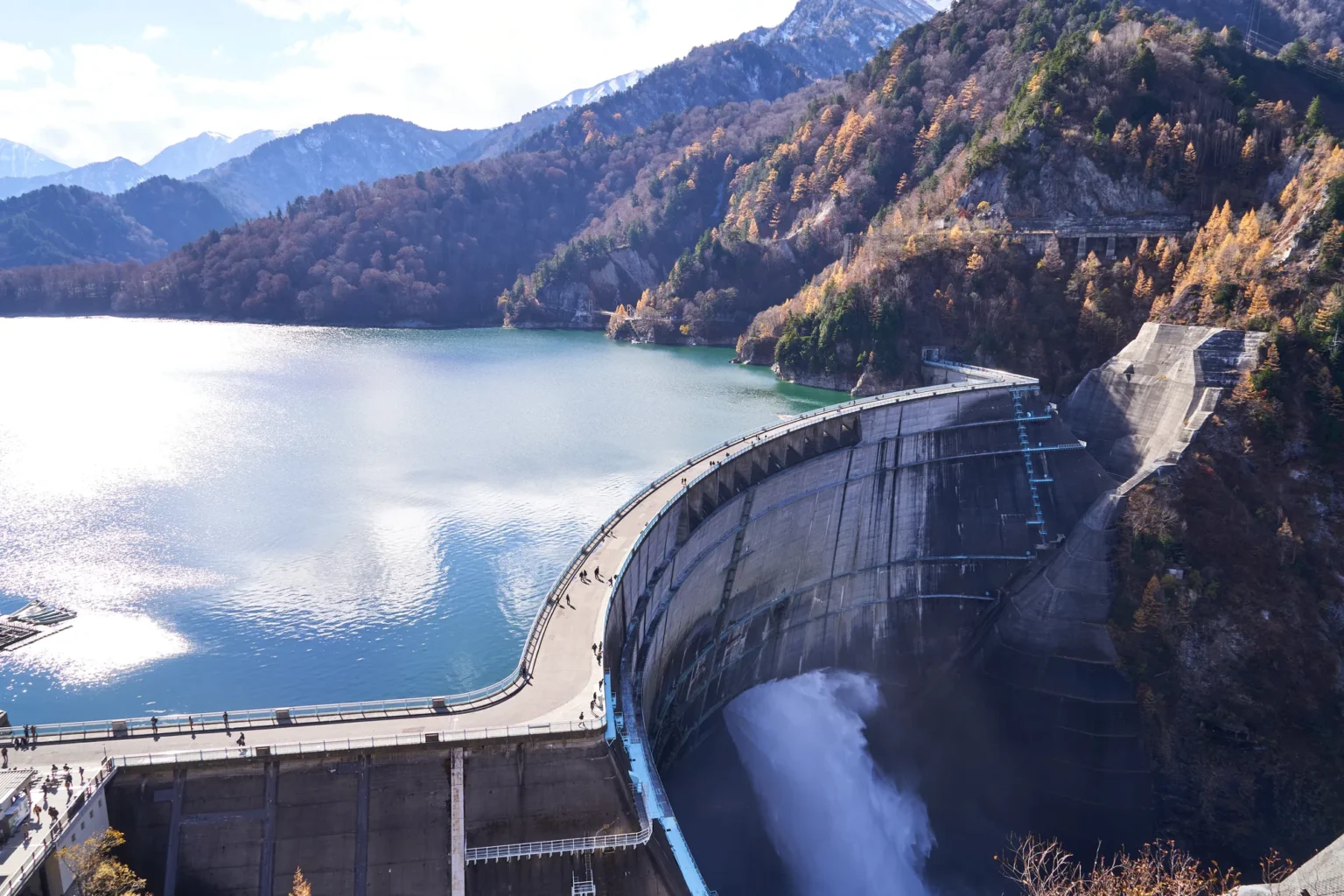
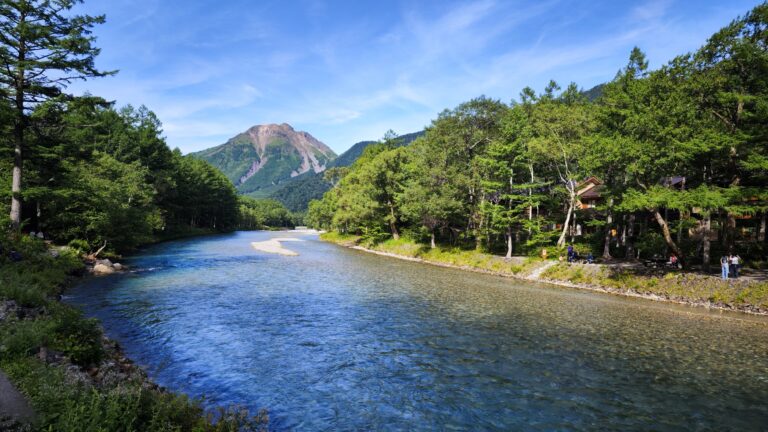
The shinkansen from Tokyo to Nagano for Zenkoji, a night in the hot-spring towns of Yudanaka or Shibu, and the snow monkeys at Jigokudani (in autumn they may not come down to the pool at all). Day 3 is the long one: about 9 hours from Nagano to Toyama over the Tateyama Kurobe Alpine Route by bus, electric bus, cable car and ropeway. From there it is Kanazawa’s garden and teahouse quarter, the thatched farmhouses of Shirakawa-go by bus, two nights in Takayama, and the Hida limited express to Nagoya for the shinkansen back to Tokyo. From December to mid-April the Alpine Route is closed; the winter version takes the shinkansen from Nagano to Kanazawa instead.
Read the Emerald Route day by day
Ruby Route: a Kyushu loop of hot springs and volcanoes

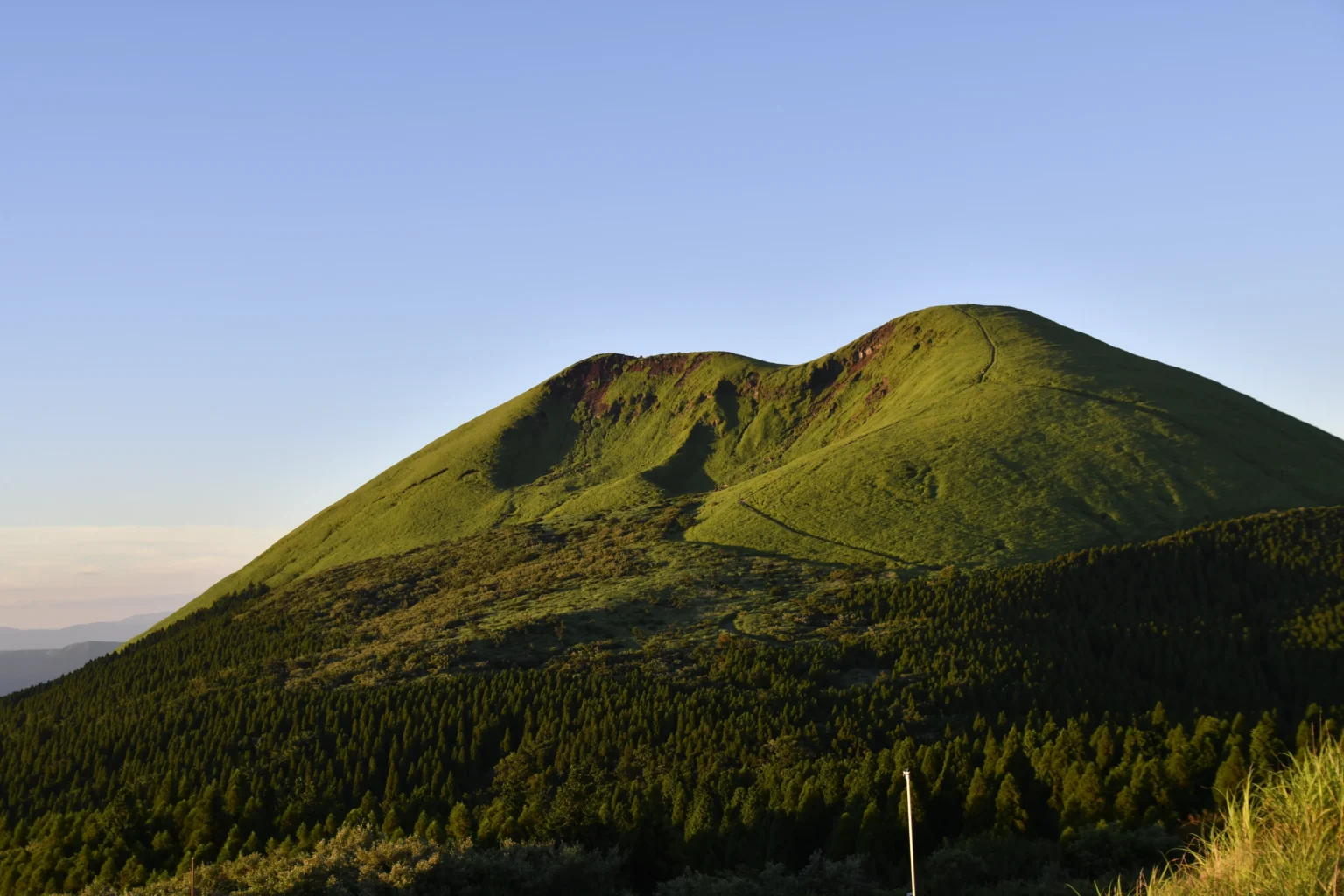
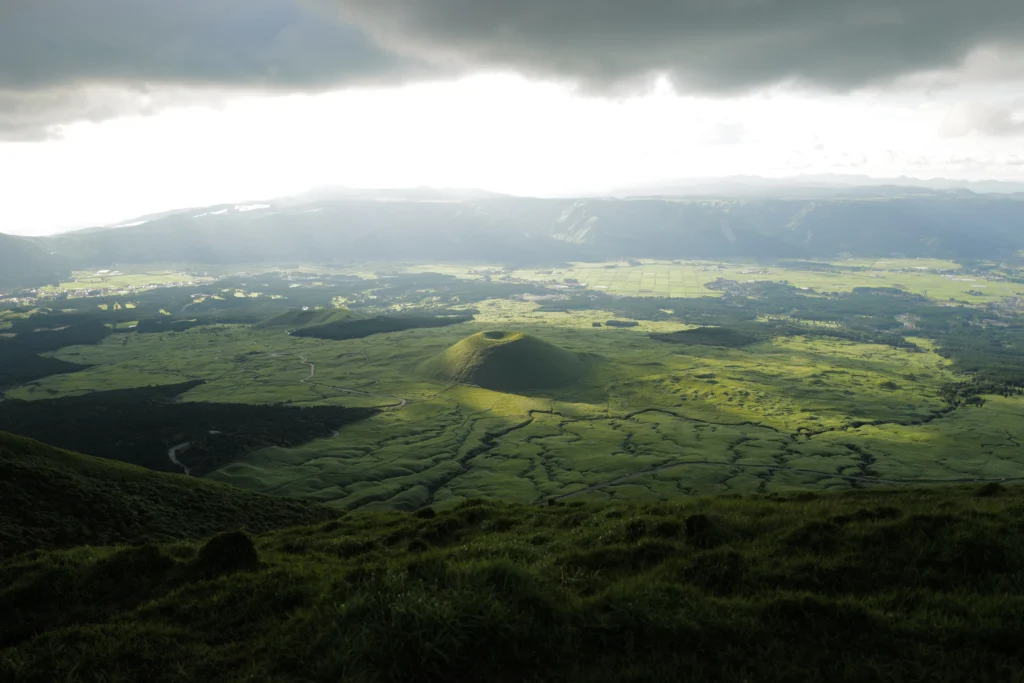
From Hakata by limited express to Beppu for the seven “hells” and a sand bath at Takegawara Onsen, a bus to Yufuin for a ryokan night, then the Kyushu Odan Bus over the Kuju highlands into the Aso caldera, the one ticket on the route to book early. After a night at Uchinomaki Onsen it is a limited express to Kumamoto for its castle, the shinkansen to Kagoshima for the ferry to Sakurajima, and the shinkansen back to Hakata. It is the cheapest of the three and the only one that runs as written all year. In autumn 2026 it comes with two checks: Aso was at Volcanic Alert Level 2 in October with the crater area closed, and a magnitude 7.1 earthquake hit the Kumamoto region on 28 July 2026. Kumamoto Castle is open normally again, and the Kyushu Shinkansen has run the whole line since 18 September on a changed timetable.
Read the Ruby Route day by day
Which one, by month
| Travelling in | Pick |
|---|---|
| December – March | Ruby; December to February is the best time for Beppu’s steam. Emerald works in its winter version (shinkansen from Nagano to Kanazawa), with the best chance of bathing monkeys. Sapphire’s Oirase buses don’t run; its winter version swaps the gorge for a bath at Sukayu Onsen. |
| April – June | Emerald from 15 April, with walls of cleared snow at Murodo (15 April to 25 June in 2026). Sapphire for fresh green in the Oirase Gorge in May and June. Ruby is mild and green until May; from June Kyushu is hot and wet. |
| July – August | Emerald for Murodo, the cool escape, though the valleys and Kanazawa are hot. Sapphire if you can time it for Aomori’s Nebuta festival, 2–7 August. Kyushu is hot, wet and in typhoon season. |
| September – November | Any of the three. Emerald’s colour moves down from Murodo in mid-September to Bijodaira by late October; Oirase usually peaks in late October, and its buses run to 11 November, with some trips to 17 November; Ruby has silver grass on Aso and autumn colour around Yufuin in October and November. |
Fitting one round the Golden Route
The Emerald Route changes trains at Nagoya on its last day, on the shinkansen line between Tokyo and Kyoto. To join it from Kyoto, run it in reverse from Nagoya, about 35 minutes from Kyoto by shinkansen, and finish with the shinkansen from Nagano to Tokyo. The Ruby Route starts and ends at Hakata, at the western end of the shinkansen line through Kyoto and Hiroshima, which suits a trip that continues west from Kyoto. The Sapphire Route is a separate trip: fly to Sapporo and come back to Tokyo by shinkansen from Sendai. If you have only a week, my 7-day Tokyo–Kyoto–Osaka itinerary is the place to start; with 8–10 days, add one quiet detour. For the Sapphire Route’s outward journey, compare Tokyo to Hokkaido transport options.
In Kyoto itself, two quieter evenings: the Higashiyama walk from Yasaka Pagoda to Kiyomizudera at golden hour, and a night at Hoshinoya Kyoto. On the Ruby Route, COMOREBI Yufuin is one way to spend the Yufuin night.
Questions
Do I need a car for any of these routes?
No. All three are planned on trains, scheduled buses and, for Sakurajima, a ferry. A car helps only around the Aso caldera on the Ruby Route and for viewpoints around Lake Towada that the bus doesn’t reach on the Sapphire Route. The Alpine Route on the Emerald Route is closed to private cars anyway.
Can I join two routes together?
Yes, Emerald and Ruby: both touch the shinkansen line through Nagoya, Kyoto and Hiroshima to Hakata. Leave Emerald at Nagoya instead of going back to Tokyo, and allow extra days for the stops and travel in between. Sapphire is at the other end of the country.
Is a rail pass worth it?
Compare the single-ticket totals above (about ¥36,000–53,000 per route) with the pass you are considering. Not every leg is JR: the Alpine Route, the Shirakawa-go buses, the Kyushu Odan Bus and the Sakurajima ferry are paid separately, while the JR buses into the Oirase Gorge are covered by the Japan Rail Pass and JR East Pass. On the Ruby Route the train legs alone come to ¥28,320. My JR Pass vs individual tickets guide walks through the maths.
Why are they called Sapphire, Emerald and Ruby?
For the colour of each region: the blue water of Oirase, Lake Towada and Matsushima Bay, the green of the Alps, and the red of Kyushu’s volcanoes and hot-spring “hells”.
Sources: the three route pages and their October 2026 checks (JR Bus Tohoku, Tateyama Kurobe Alpine Route, Kyushu Sanko Bus, Kumamoto Castle, Japan Meteorological Agency, JR Kyushu, ekitan fare searches). Checked October 2026.
Japan’s Hidden Gems (44 by region)
The complete hub – 44 hidden gems across every region of Japan.
Skip the Crowds in Japan (2026)
A wider playbook for dodging the Golden-Route crush, spot by spot.
Tono, Iwate
Japan’s folklore country — a thatched farm village and the kappa stream.
Sasagawa Nagare, Niigata
An 11 km wave-carved Sea of Japan coast, best seen by boat.
Okuizumo, Shimane
Where Japanese swords begin — tatara ironmaking and forging demos.
ASMUI, Okinawa
Okinawa beyond the beaches — a karst-and-forest walk in wild Yanbaru.
Doai Station, Gunma
Japan’s mole station — 486 steps down to an underground platform.
Join travelers discovering Japan's hidden side
Weekly dispatches from off-the-beaten-path Japan — spots and stories you won't find in guidebooks.
No spam. Unsubscribe anytime.
Welcome aboard!
You're in. See you in your inbox soon.