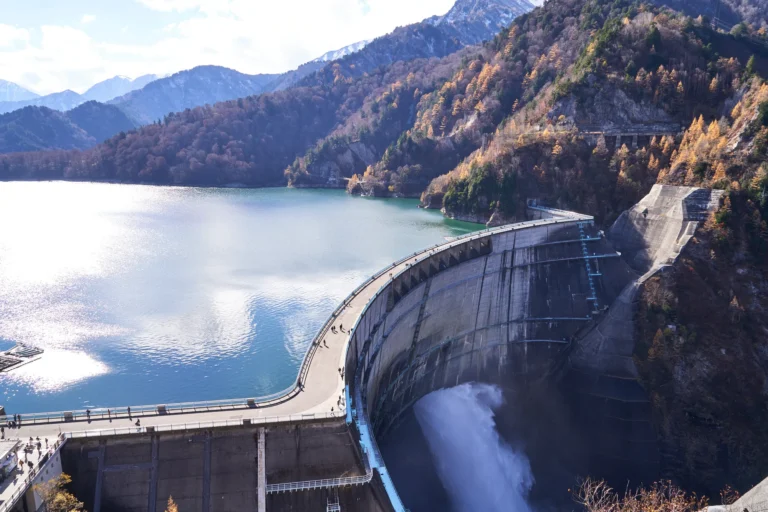
Hokkaido · Aomori · Miyagi · 7 days by train and bus
The Sapphire Route is a seven-day northern Japan itinerary from Sapporo to Tokyo that never needs a car: a limited express down to Hakodate, under the Tsugaru Strait to Aomori, a JR bus into the Oirase Gorge and Lake Towada, then the shinkansen to Sendai and a local train to Matsushima Bay. The gorge bus runs only from spring to early November (1 April to 11 November in 2026), so this guide gives two versions: the green-season week, and a winter week that swaps the gorge walk for a snow-bound hot spring in the Hakkoda mountains.

This is the route I suggest to people who have done Tokyo and Kyoto and want the north without renting a car. It strings together three things the south doesn’t have: a harbour city built by foreign trade in the 1850s, a beech-forest gorge you walk beside for three hours, and Matsushima, one of Japan’s three classic scenic views.
Going this direction means you fly into Sapporo and end with a 90-minute shinkansen into Tokyo rather than a flight back from Hokkaido. Every leg runs in both directions, though, so if Tokyo is your arrival city, run it in reverse. For the best way to get from Tokyo up to Hokkaido in the first place, see my Tokyo to Hokkaido guide.
The week at a glance
| Day | Green season (April–early November) | Winter (mid-November–March) |
|---|---|---|
| 1 | Fly to New Chitose, train into Sapporo · Sapporo | Same |
| 2 | Hokuto limited express to Hakodate · Hakodate | Same |
| 3 | Hakodate on foot and by tram · Hakodate | Same |
| 4 | Hakodate Liner + Hayabusa to Shin-Aomori · Aomori | Same |
| 5 | JR bus to Oirase, walk the gorge, on to Lake Towada · Lake Towada (Yasumiya) | JR bus to Sukayu Onsen and back · Aomori |
| 6 | JR bus to Hachinohe, shinkansen to Sendai, train to Matsushima · Matsushima | Shinkansen Shin-Aomori → Sendai, train to Matsushima · Matsushima |
| 7 | Matsushima morning, back via Sendai to Tokyo | Same |
Who it suits: people who have already done Tokyo and Kyoto, like seafood and a long walk, and are happy to trade nightlife for gorges and quiet lakes. If you can’t manage three hours on a forest path, you can still come: ride the bus through the gorge and walk only a short stretch. Who it doesn’t: anyone who wants big-city evenings every night.
Day 1: Arrive in Sapporo
| Getting there | Fly to New Chitose; JR airport train to Sapporo from 33 min · ¥1,230 unreserved |
|---|---|
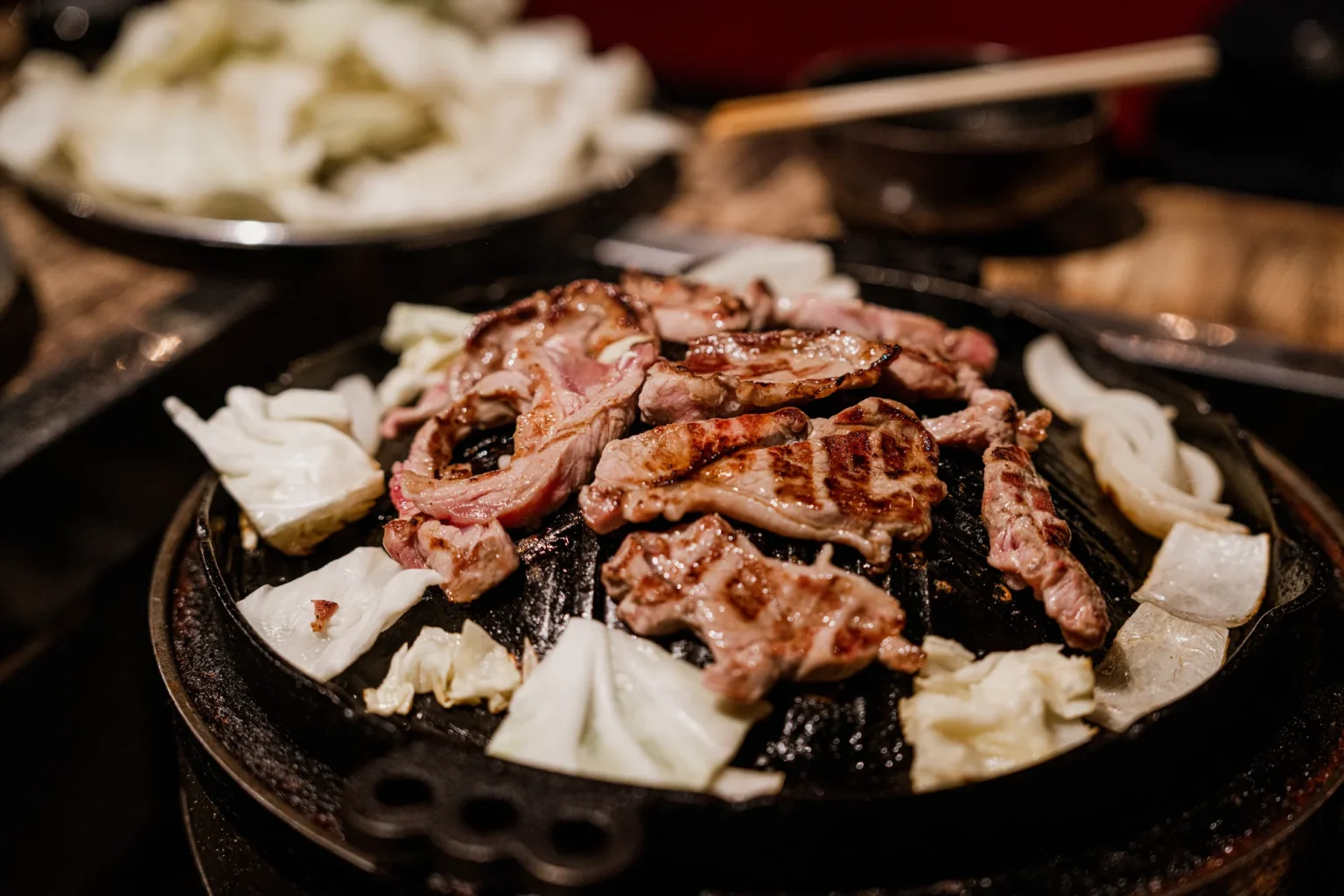
| Evening | Odori Park, then a jingisukan (grilled lamb) dinner in Susukino |
| Sleep | Near Sapporo Station: Day 2 starts with a train |
Fly in. The train from Tokyo takes most of a day, because the shinkansen still ends at Shin-Hakodate-Hokuto and you change to a limited express there; my Tokyo to Hokkaido guide compares the options. On arrival day, keep it simple: walk the length of Odori Park and eat jingisukan, lamb grilled at your table on a domed iron plate, which is Sapporo’s local dish. If you arrive early, the Sapporo Clock Tower, a 19th-century hall of the city’s old agricultural college, is a short walk from the station.
Ad · We earn a commission on qualifying bookings made through this link.
Where to stay in Sapporo
Compare hotels and ryokan in Sapporo on Booking.com. Check the location on the map and the cancellation terms for your exact dates before you book.
Day 2: Sapporo to Hakodate
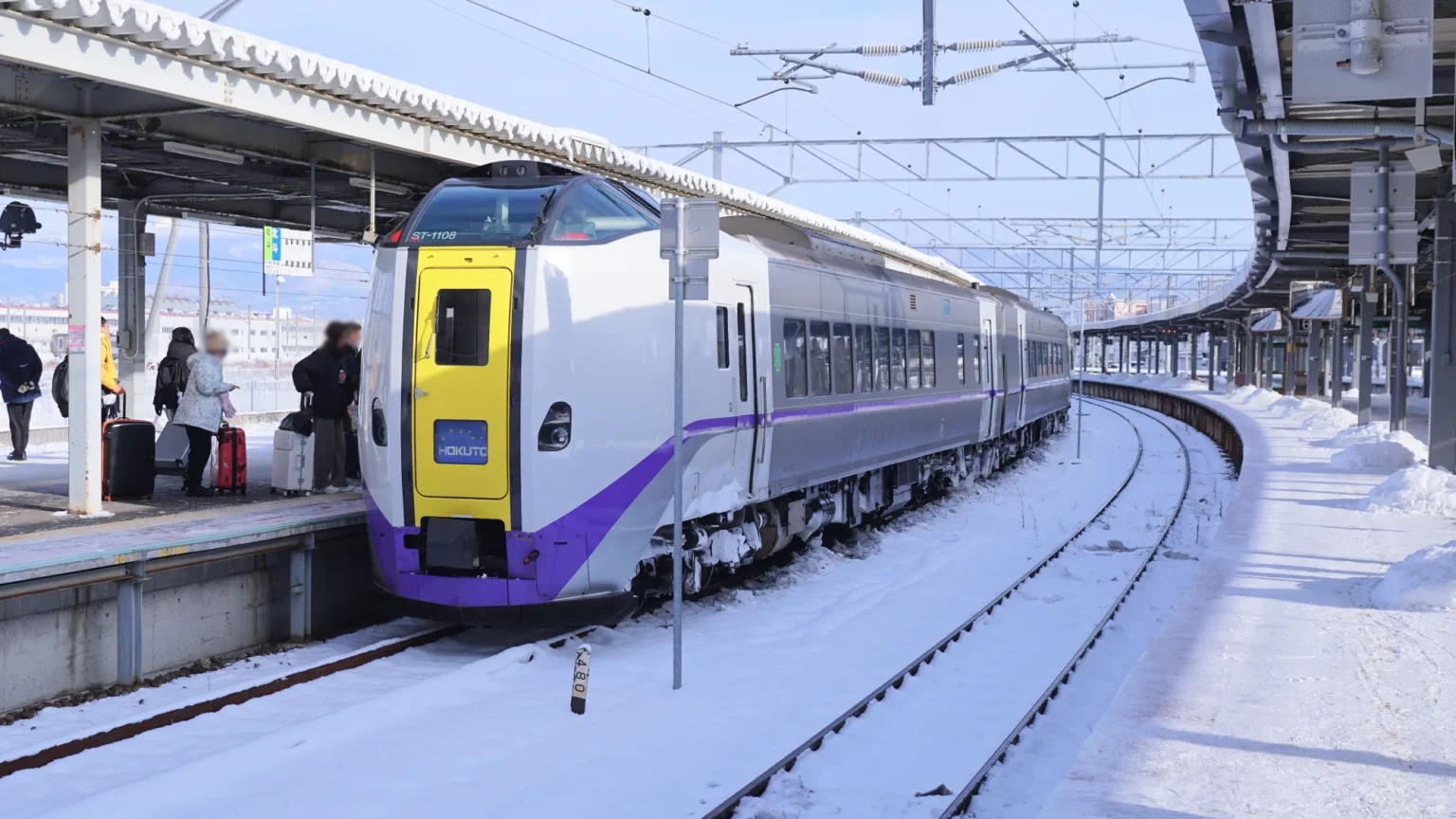
| Train | Limited express Hokuto, Sapporo → Hakodate, no change, about 3 h 30 min–4 h · ¥9,770 with the seat (all seats reserved) |
|---|---|
| Afternoon | Motomachi slopes, Kanemori red-brick warehouses |
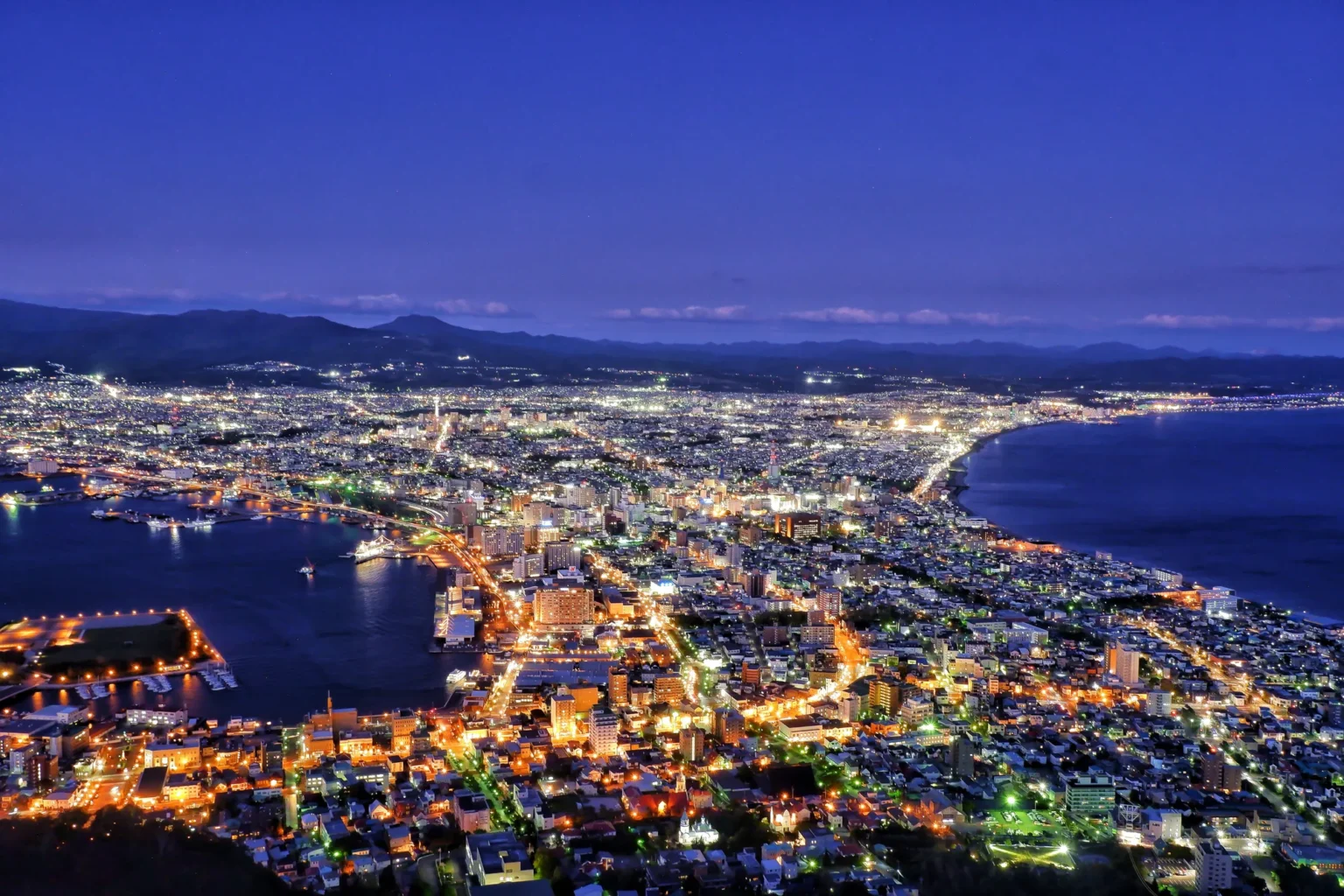
| Night | Mt Hakodate night view by ropeway, ¥1,800 return |
Every seat on JR Hokkaido’s limited expresses is reserved, so book the Hokuto in advance or at the station; there are no unreserved cars to fall back on. Check JR Hokkaido’s service information in the days before you travel, especially in winter.
Motomachi and the warehouses
Hakodate was one of the first ports Japan opened to foreign trade, in 1859, and the slope district of Motomachi still has the churches and consulates that came with it. Leave your bag at the hotel, walk up the slopes, then down to the Kanemori warehouses on the bay. The Old Public Hall of Hakodate Ward, a 1910 western-style hall at the top of Motomachi, is open 9:00–17:00 from November to March (to 18:00 from April to October), ¥300.
Mt Hakodate after dark
Go up Mt Hakodate after dark. The ropeway costs ¥1,800 return and runs from 10:00; the last car up is 21:30 from 20 April to 30 September and 20:30 the rest of the year. Strong wind can stop it, especially in winter; check the operator’s site on the day.
Ad · We earn a commission on qualifying bookings made through this link.
Where to stay in Hakodate
Compare hotels and ryokan in Hakodate on Booking.com. Check the location on the map and the cancellation terms for your exact dates before you book.
Day 3: Hakodate
| Early | Hakodate Morning Market, by the station: 5:00–14:00 (May–December), 6:00–14:00 (January–April) |
|---|---|
| Late morning | Tram to Goryokaku; the tower is ¥1,200, 9:00–18:00 |
| Afternoon | The Magistrate’s Office inside the fort, or Yunokawa Onsen by tram |
The morning market
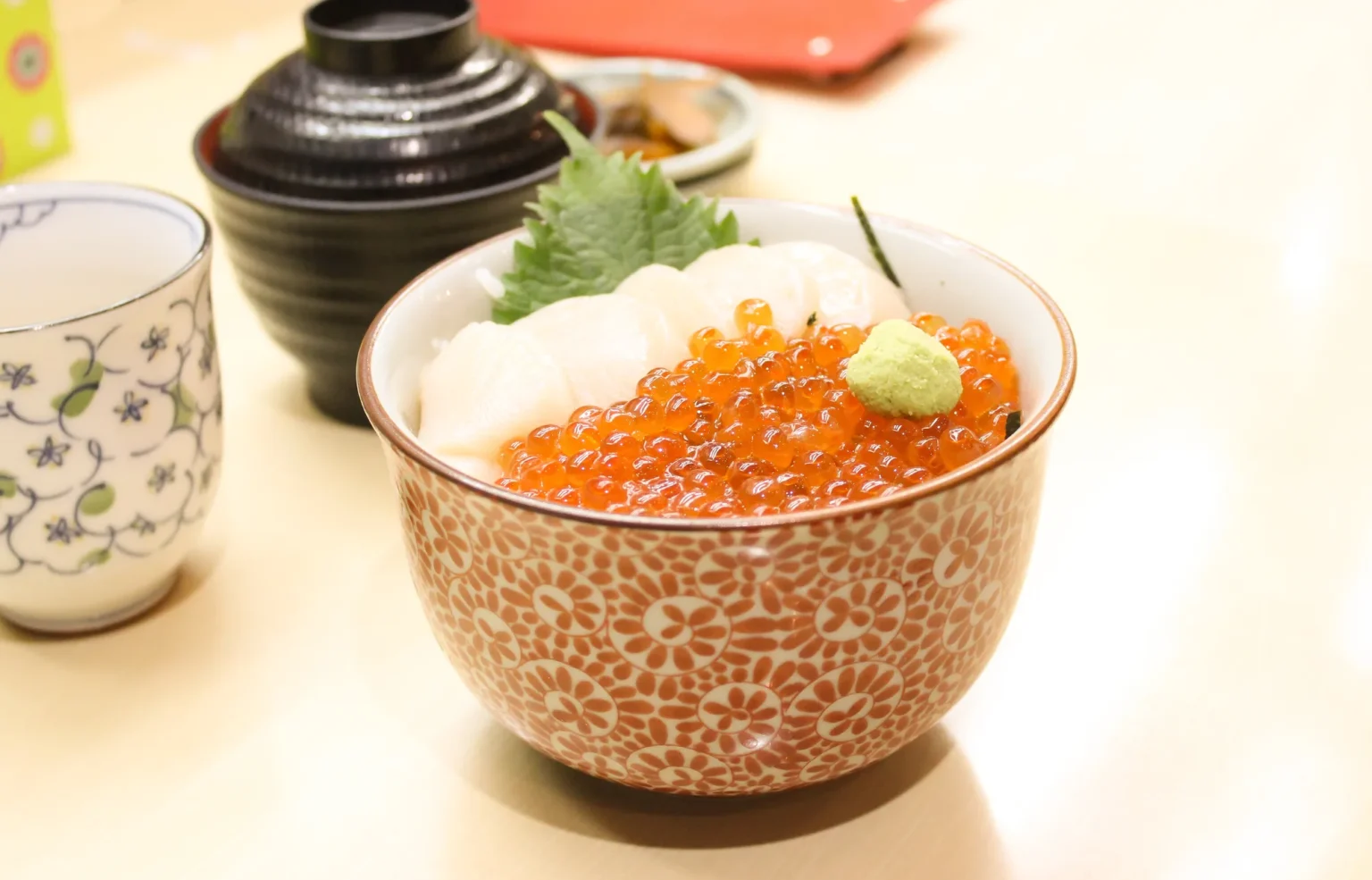
Breakfast at the morning market is the main reason to stay a second night. A seafood rice bowl (kaisendon) of scallops, salmon roe or sea urchin is the usual order; hours differ from shop to shop.
Goryokaku, the star fort
Goryokaku is a star-shaped fort finished in 1864; the park around it is free to walk, and the tower next door shows the star shape from above for ¥1,200. Inside the walls, the Hakodate Magistrate’s Office has been rebuilt as it stood in the 1860s; Hakodate City lists it open 9:00–17:00 from November to March (to 18:00 from April to October) and closed from 31 December to 3 January.
Day 4: Under the strait to Aomori
| Train | Hakodate Liner to Shin-Hakodate-Hokuto, Hayabusa to Shin-Aomori, about 1 h 30 min · ¥8,490 |
|---|---|
| Afternoon | Nebuta Museum Wa Rasse, next to Aomori Station: ¥620 |
| Sleep | Near Aomori Station: the Day 5 bus leaves from its east exit at 8:10 |
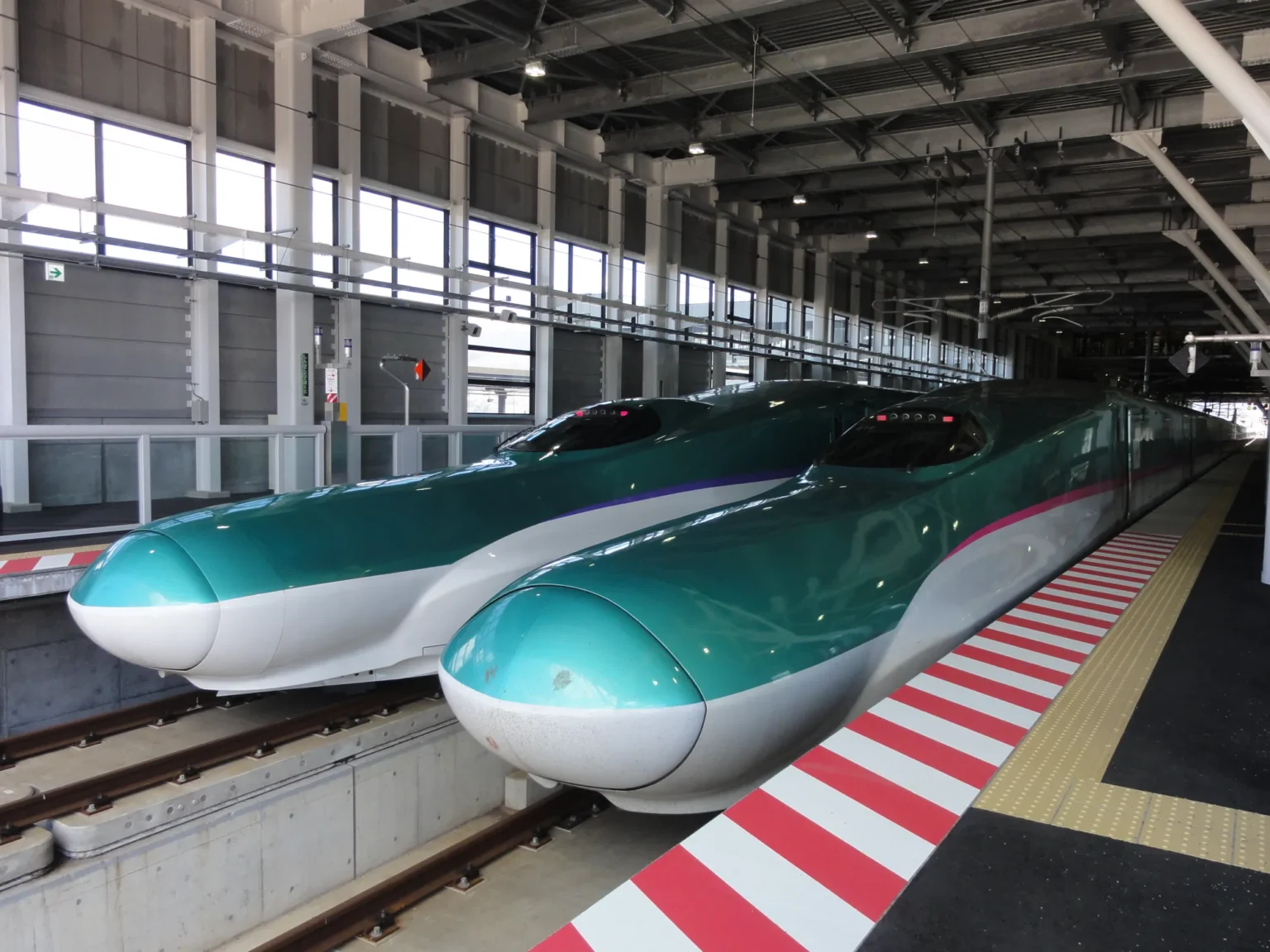
The Hayabusa runs through the Seikan Tunnel under the Tsugaru Strait. From Shin-Aomori, a local train takes a few minutes into Aomori Station.
Wa Rasse and the Nebuta floats
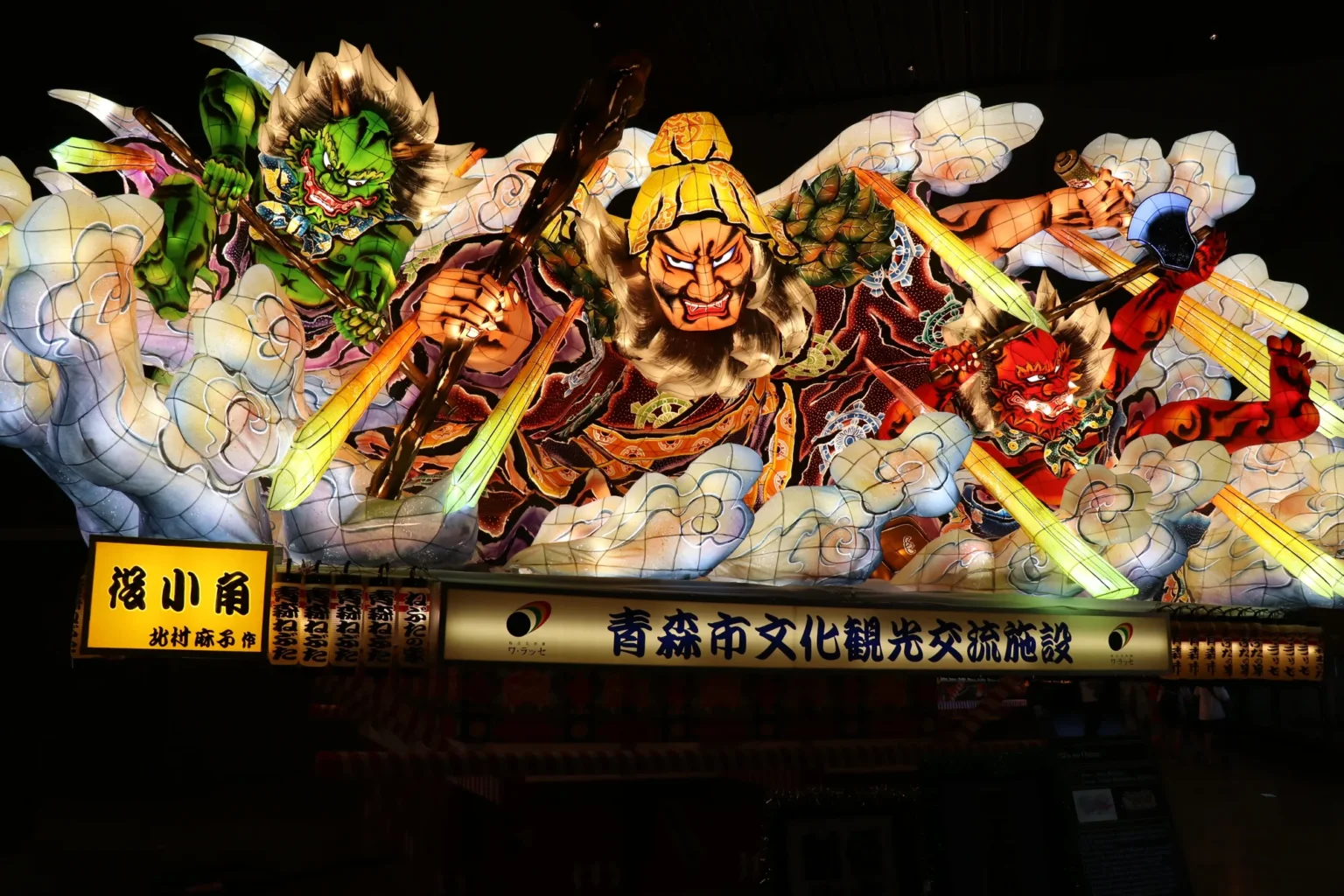
The Nebuta festival is held from 2 to 7 August every year; if you can’t be here for it, Wa Rasse is the next best thing: full-size festival floats stand indoors, lit as they are on parade nights. It opens 9:00–18:00 from September to April and until 19:00 from May to August, and closes on 9–10 August and on 31 December and 1 January. With a spare afternoon, the Sannai-Maruyama Site, a large Jomon-period settlement on the edge of the city, is ¥410 and reached by city bus.
Ad · We earn a commission on qualifying bookings made through this link.
Where to stay in Aomori
Compare hotels and ryokan in Aomori on Booking.com. Check the location on the map and the cancellation terms for your exact dates before you book.
Day 5 (green season): Oirase Gorge on foot, then Lake Towada
| Bus | JR bus Mizuumi-go, Aomori Station east exit 8:10 → Ishigedo 10:19 · ¥2,820 (2026 timetable) |
|---|---|
| Walk | Ishigedo → Nenokuchi along the stream, about 9 km, 3 h 15 min |
| To the lake | Bus Nenokuchi → Yasumiya, about 15 min, ¥720 |
| Sleep | An inn at Yasumiya on Lake Towada (see Where to stay) |
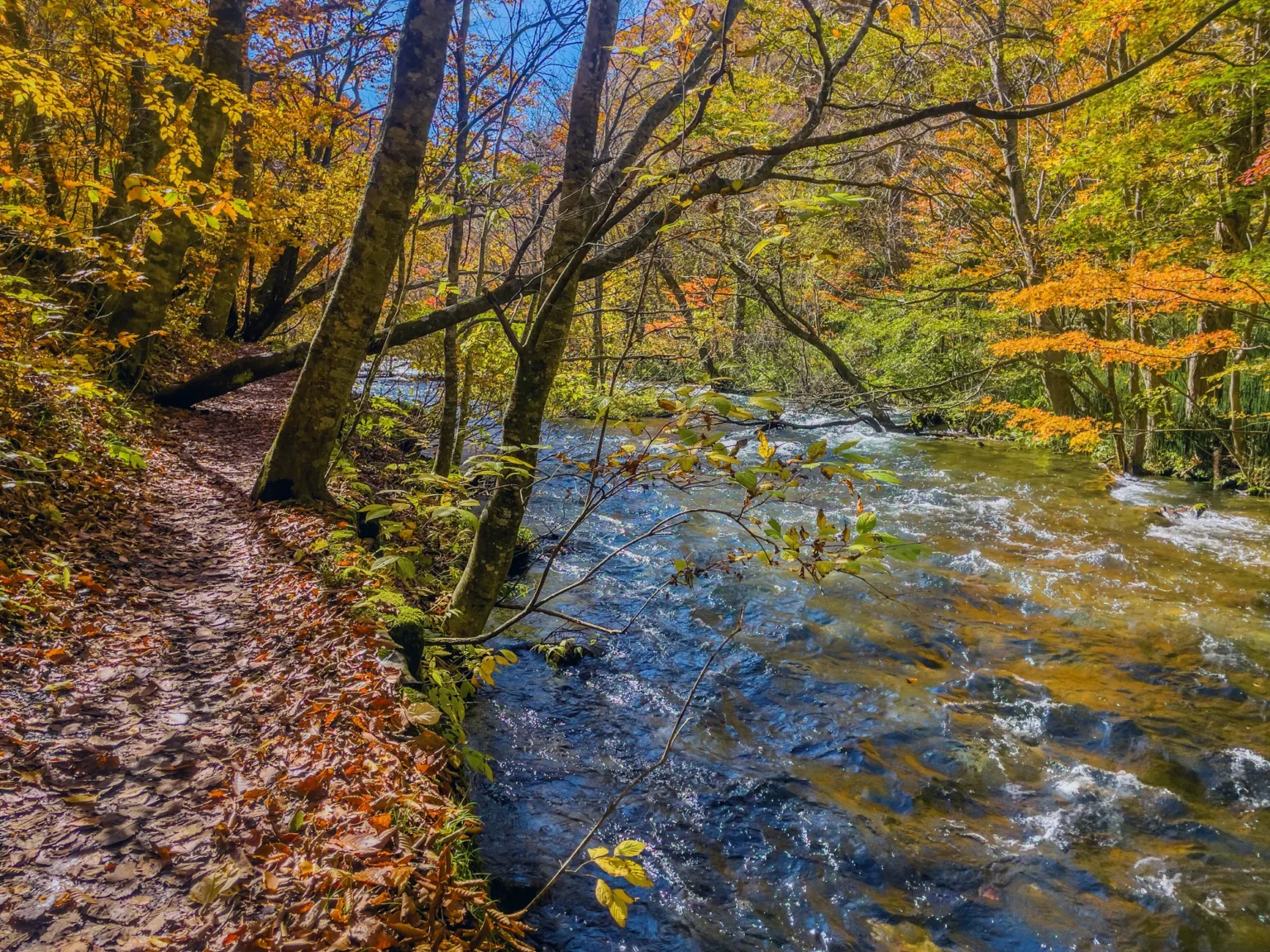
This is the day the route is built around. On the 2026 timetable, the 8:10 Mizuumi-go climbed over the Hakkoda mountains, stopped at Sukayu Onsen, and dropped into the Oirase valley. Get off at Ishigedo and walk upstream on the path beside the river to Nenokuchi, where the stream leaves Lake Towada. The Ministry of the Environment gives about 9 km and 3 h 15 min, past the Ashura rapids, Kumoi Falls and Choshi Otaki. My Oirase Gorge guide covers the walk stop by stop.
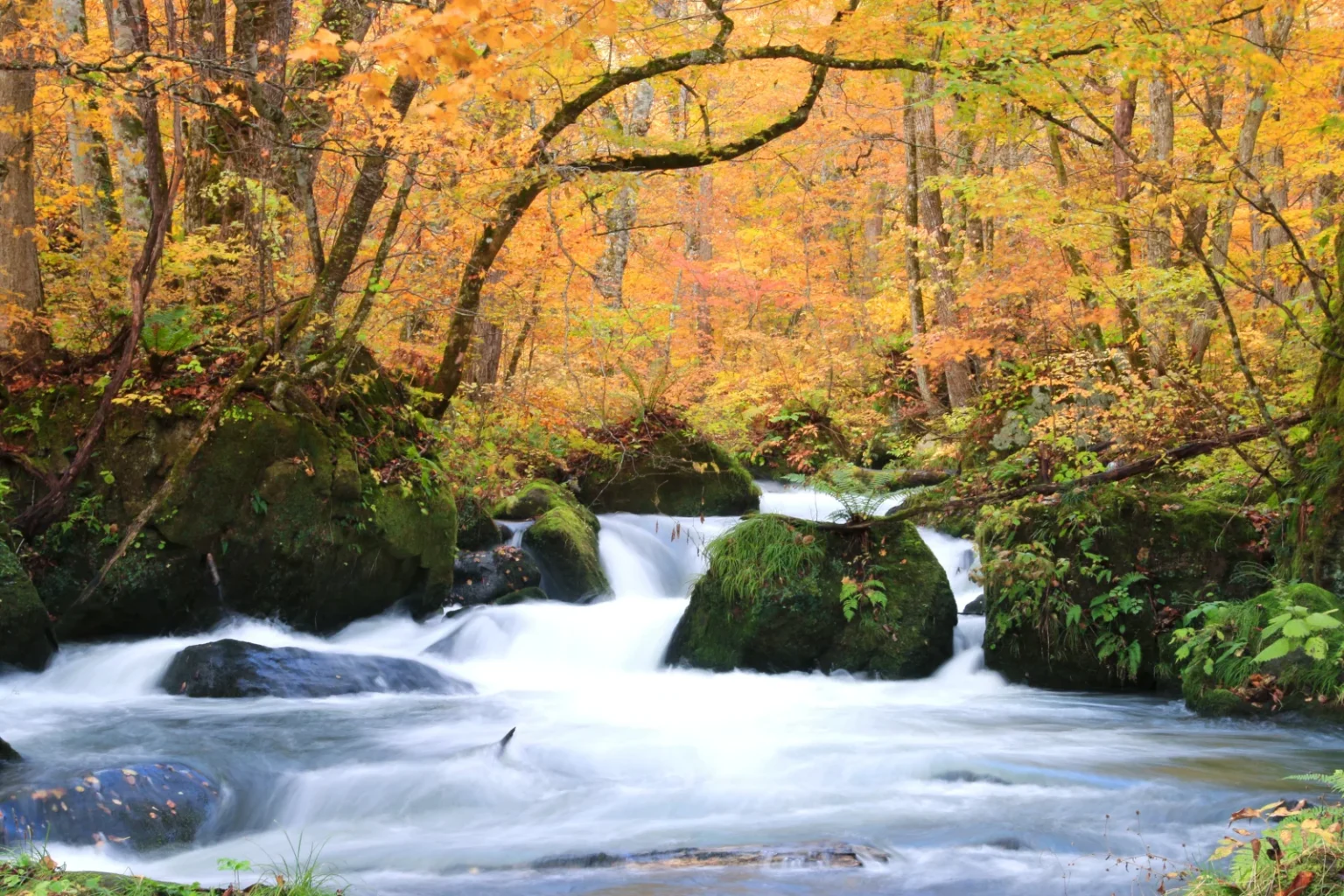
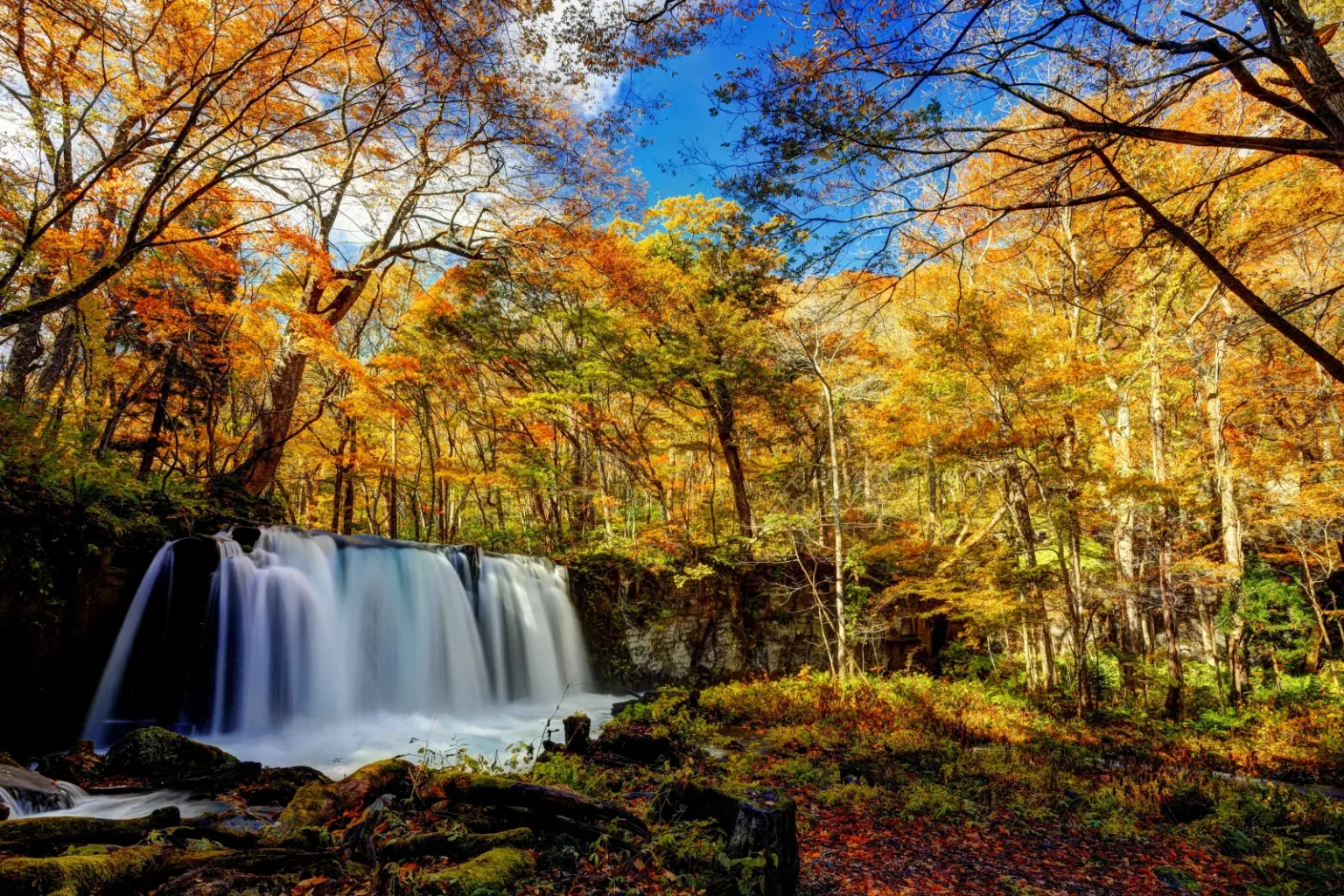
If 9 km is too much, the bus stops at several points along the gorge, so you can ride on to Kumoi Falls or Choshi Otaki and walk only the stretch you want. Send big luggage ahead by courier from your Aomori hotel (ask at the front desk how many days it needs); you won’t want it on the path.
Lake Towada
From Nenokuchi, buses run on to Yasumiya, the village on the lake shore, for ¥720. A sightseeing boat also crosses from Nenokuchi to Yasumiya in about 50 minutes; it is seasonal (in 2026, 24 April to 5 November), so check the operator’s timetable before you plan around it.
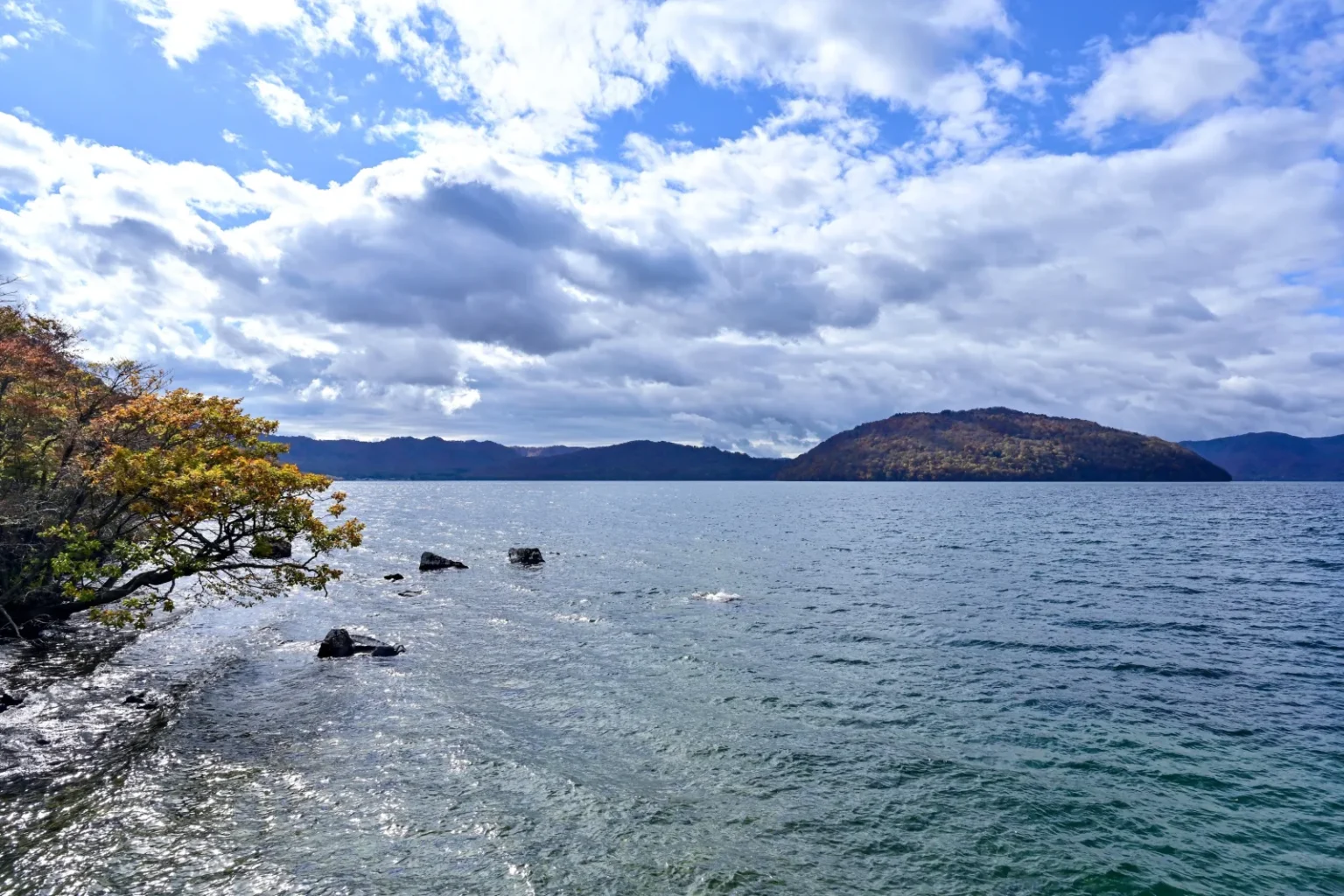
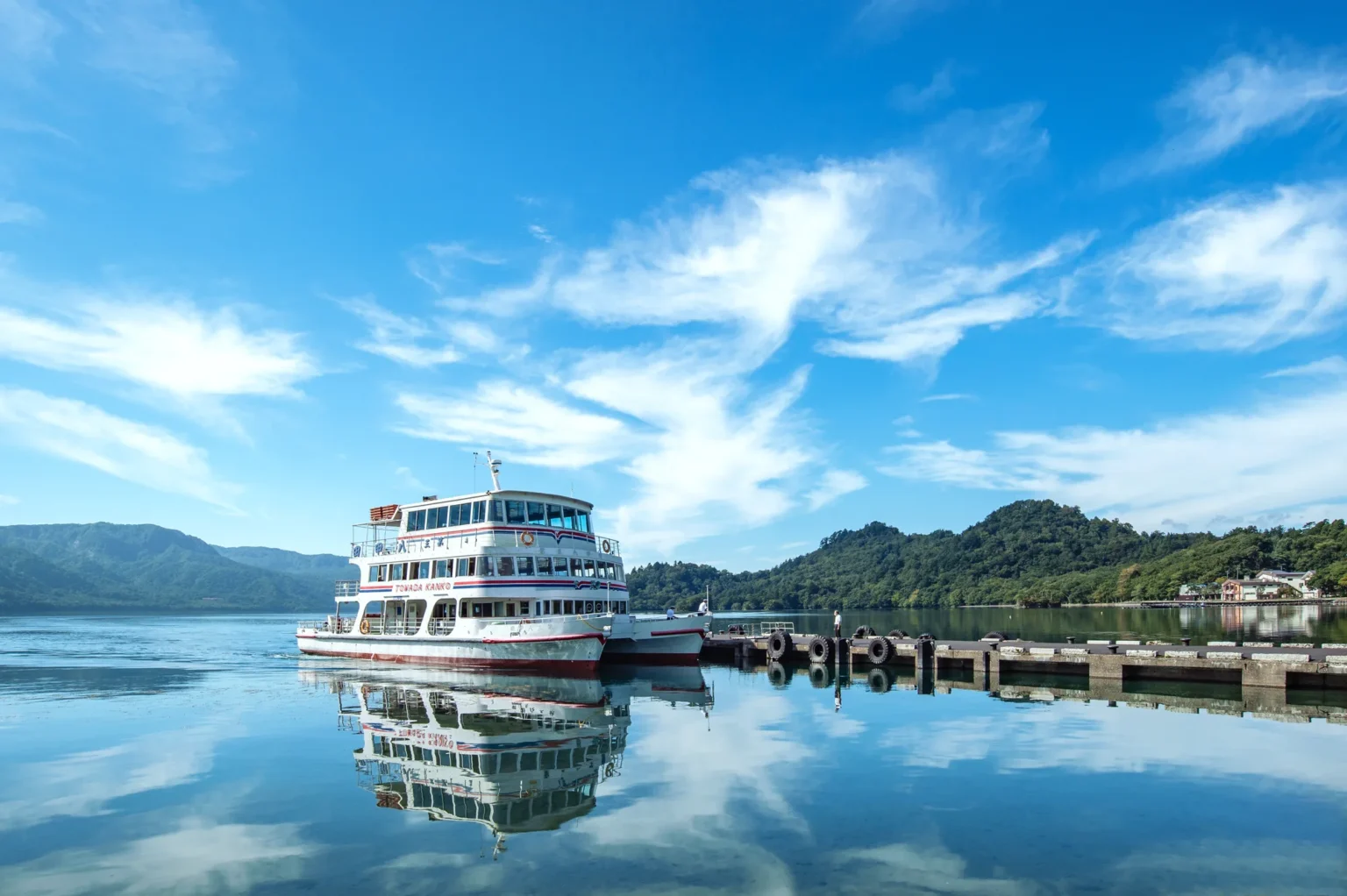
Bus season. In 2026 the Mizuumi-go and Oirase-go ran from 1 April to 11 November, with some Oirase-go trips to 17 November. JR Bus Tohoku had not published its 2027 green-season timetable on 4 November 2026; the times and fares on this day are from 2026. The buses take the Japan Rail Pass and the JR East Pass, but not the JR East–South Hokkaido Rail Pass. Pay cash or with an IC card when you get off; the farebox can’t change ¥5,000 or ¥10,000 notes.
Day 6 (green season): Lake Towada to Matsushima
| Bus | JR bus Oirase-go, Yasumiya 10:00 → Hachinohe Station west exit 12:20 · ¥3,050 (2026 timetable) |
|---|---|
| Shinkansen | Hayabusa, Hachinohe → Sendai, about 1 h 10–20 min · ¥9,660 |
| Local train | JR Senseki Line, Sendai → Matsushima-Kaigan, about 38 min · ¥440 |
| Sleep | Matsushima, by the bay (see Where to stay) |
The 10:00 Oirase-go runs back down the whole gorge, so you see the river once more from the window, then crosses farmland to Hachinohe. On the 2026 timetable it took no reservations in this direction, so you simply boarded. Give yourself at least one later shinkansen as a fallback on a busy foliage weekend.
Matsushima Bay
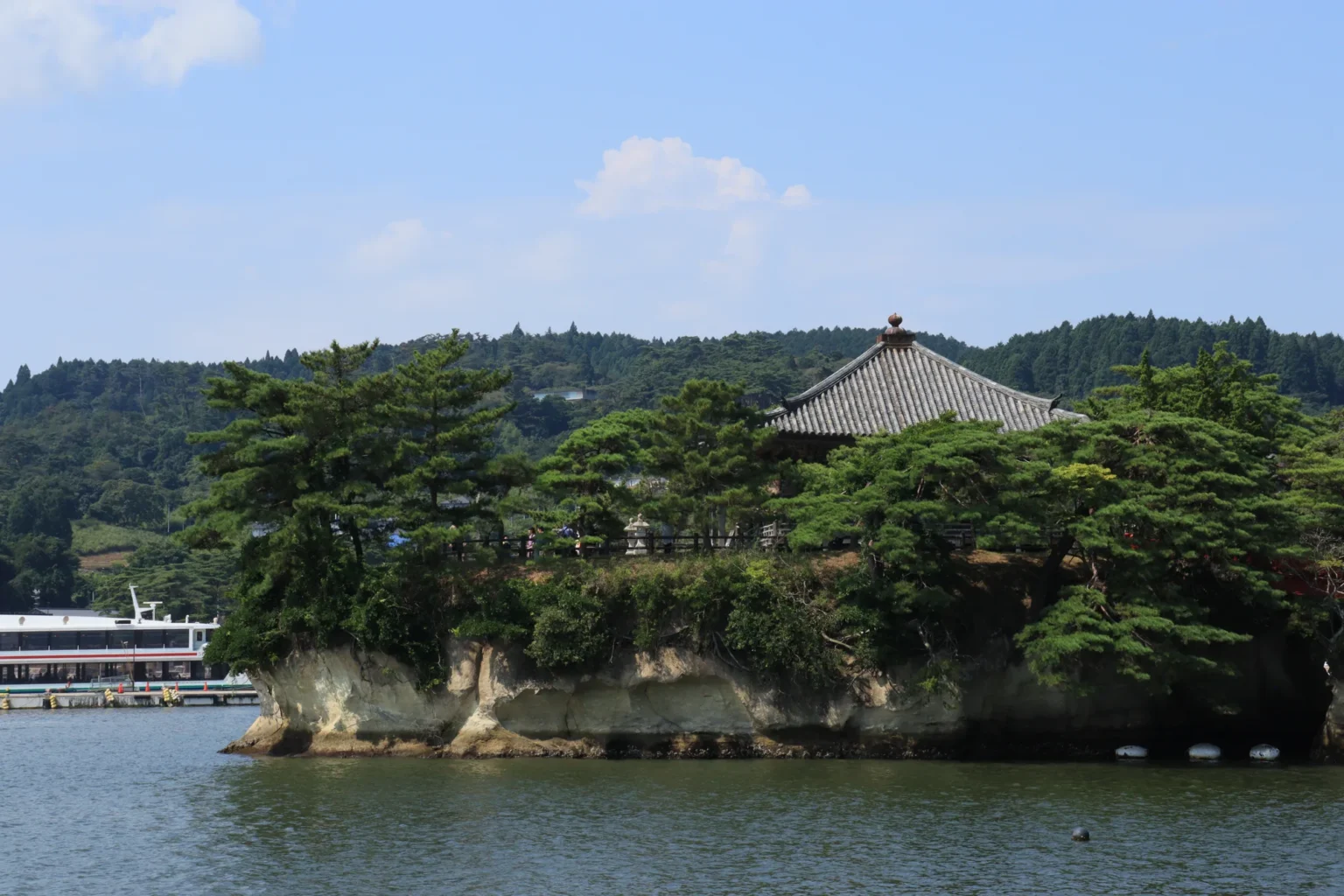
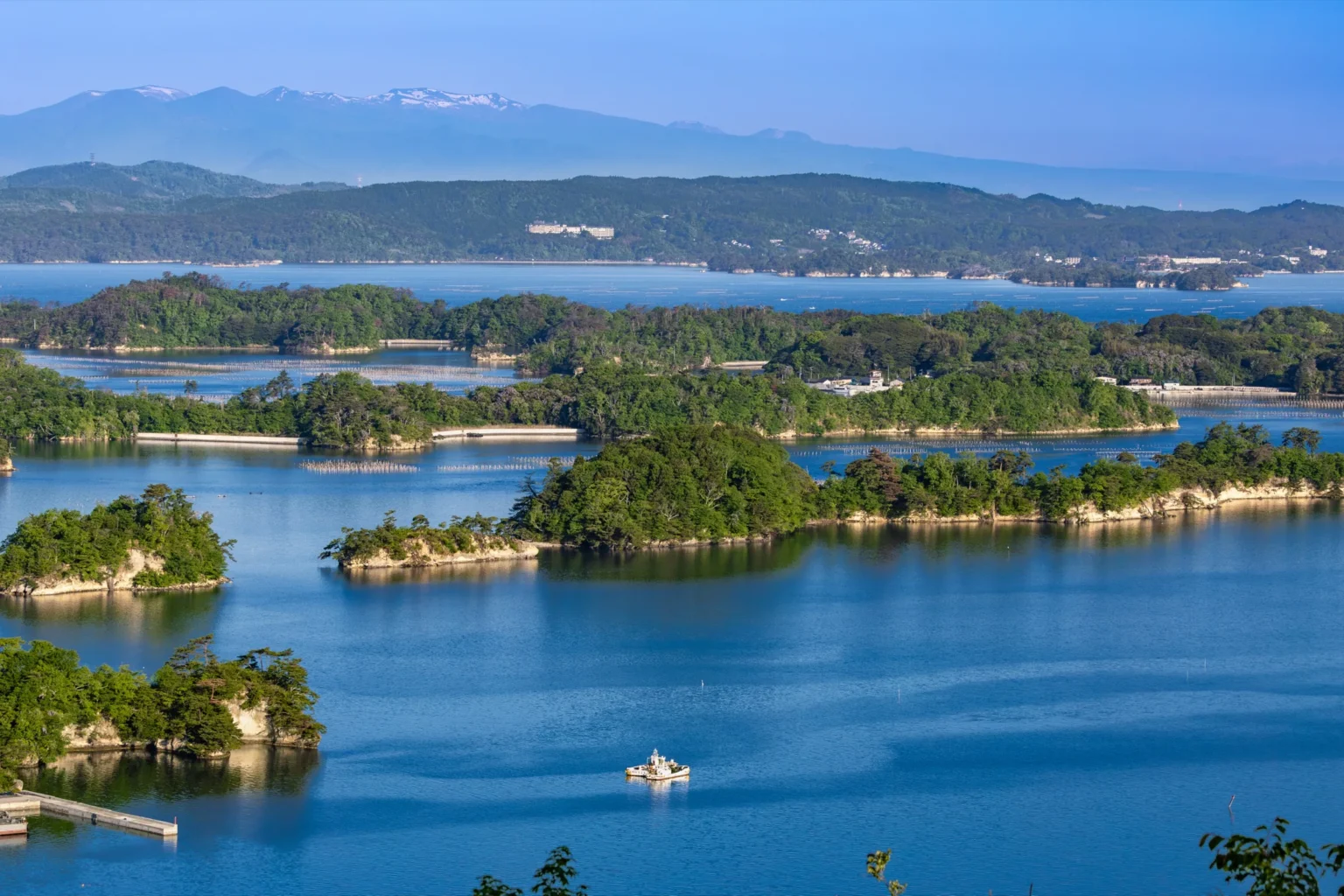
Matsushima is one of the three classic scenic views of Japan, a bay scattered with more than two hundred pine-covered islands. In the evening, walk out to Godaido, the small hall on a rock joined to the shore by short bridges, and watch the light go on the islands.
Day 7: Matsushima to Tokyo
| Morning | Zuiganji temple, ¥1,000, from 8:30; bay cruise, about 50 min, ¥1,500 |
|---|---|
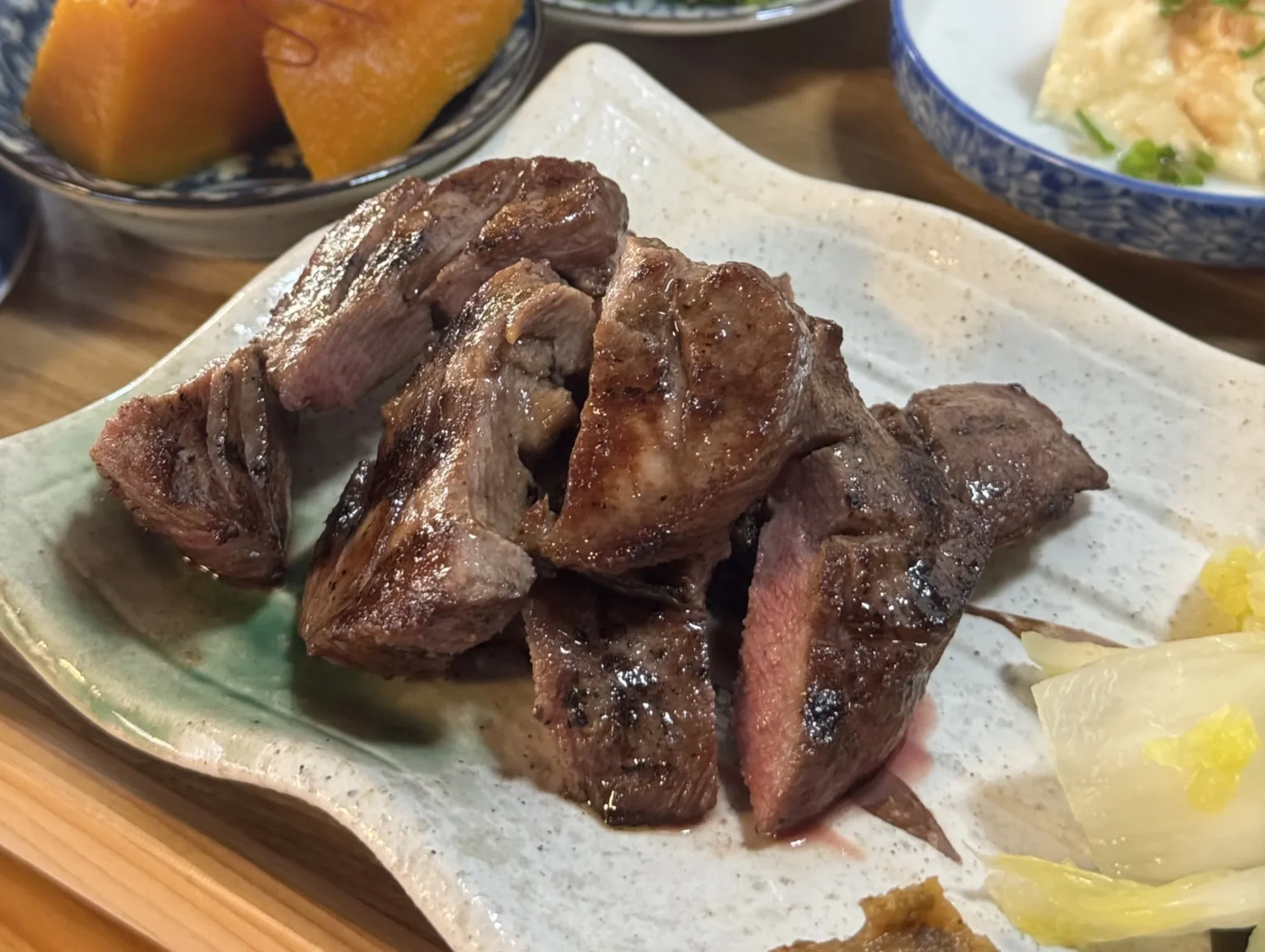
| Lunch | Back to Sendai (38 min, ¥440) for gyutan, grilled beef tongue |
| Shinkansen | Sendai → Tokyo, about 1 h 30 min · ¥11,630 |
Zuiganji and Entsuin
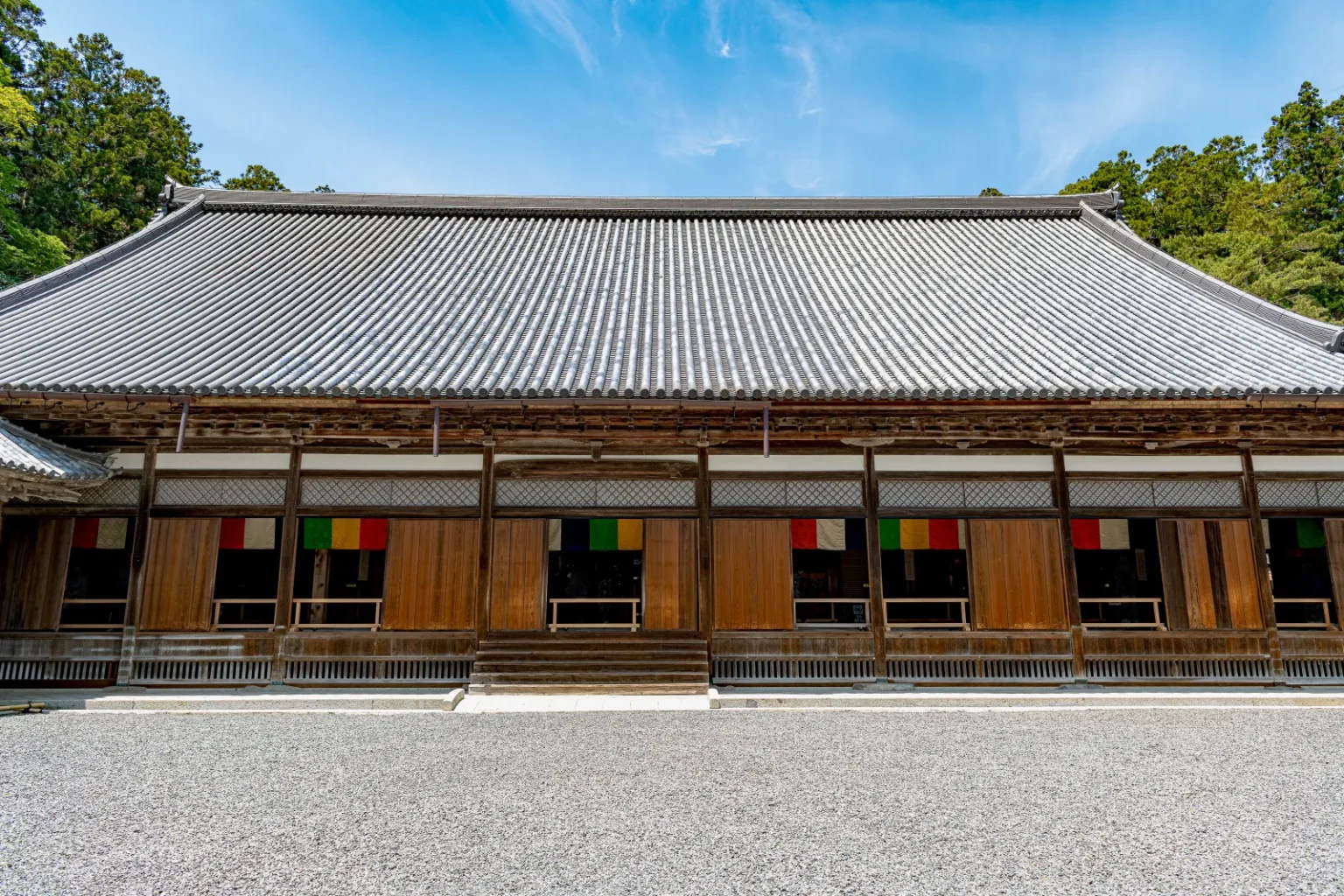
Zuiganji, the Date family’s Zen temple, opens at 8:30; admission went up to ¥1,000 in April 2026. Its closing time moves with the season: 15:30 in December and January, 16:00 in February and November, 16:30 in March and October, 17:00 from April to September. Next door, Entsuin, the mausoleum temple of Date Mitsumune, is ¥500, 9:00–16:00.
The bay cruise
The Marubun cruise boats loop the bay in about 50 minutes, past Niojima and the other named islands. The operator lists regular sailings from 10:00 to 15:00, with extra boats at 9:00 and 16:00 on some days; the fare is ¥1,500, or ¥2,100 for the upper green deck. Then take the train back to Sendai for a gyutan lunch and the shinkansen home. If you want more of Tohoku, my 5-day Tohoku itinerary covers Sendai, Yamadera and Ginzan Onsen.
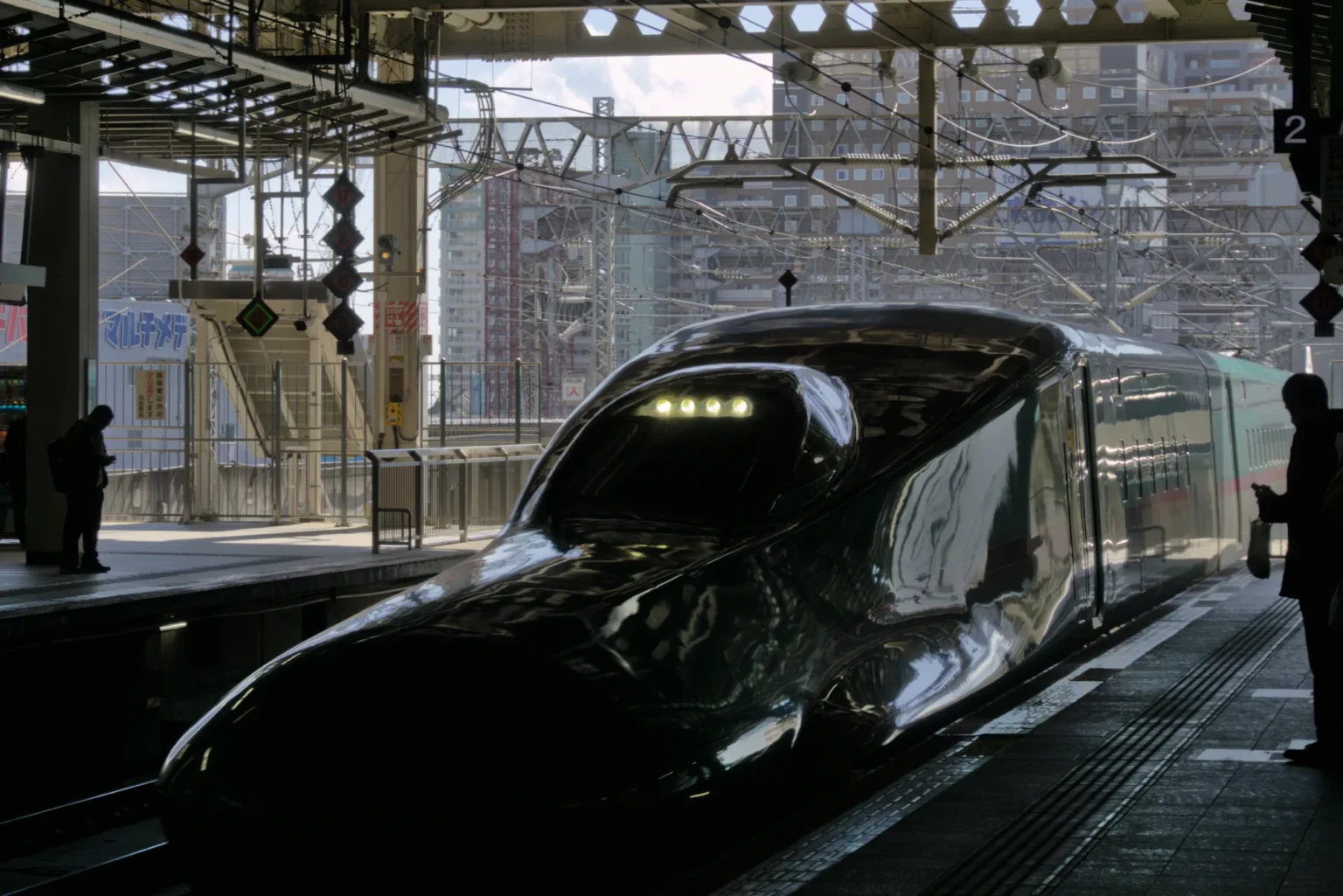
The winter version (mid-November–March)
The Mizuumi-go to the Oirase Gorge and Lake Towada stops for the winter from 12 November, so Days 5 and 6 change. Sapporo, Hakodate, Aomori and Matsushima all work by train in winter, and JR Bus keeps one mountain bus running: the Hakkoda-go from Aomori to Sukayu Onsen.
| Day | Winter plan |
|---|---|
| 5 | JR bus Hakkoda-go, Aomori Station 8:10 → Sukayu Onsen 9:25 · ¥1,570, plus a ¥300 seat reservation; back at 10:55, 13:30 or 14:50 (Aomori 12:03, 14:38 or 15:58) · sleep Aomori again |
| 6 | Hayabusa, Shin-Aomori → Sendai, about 1 h 33 min · about ¥11,600 depending on the date; Senseki Line to Matsushima · sleep Matsushima |
Sukayu Onsen in the snow
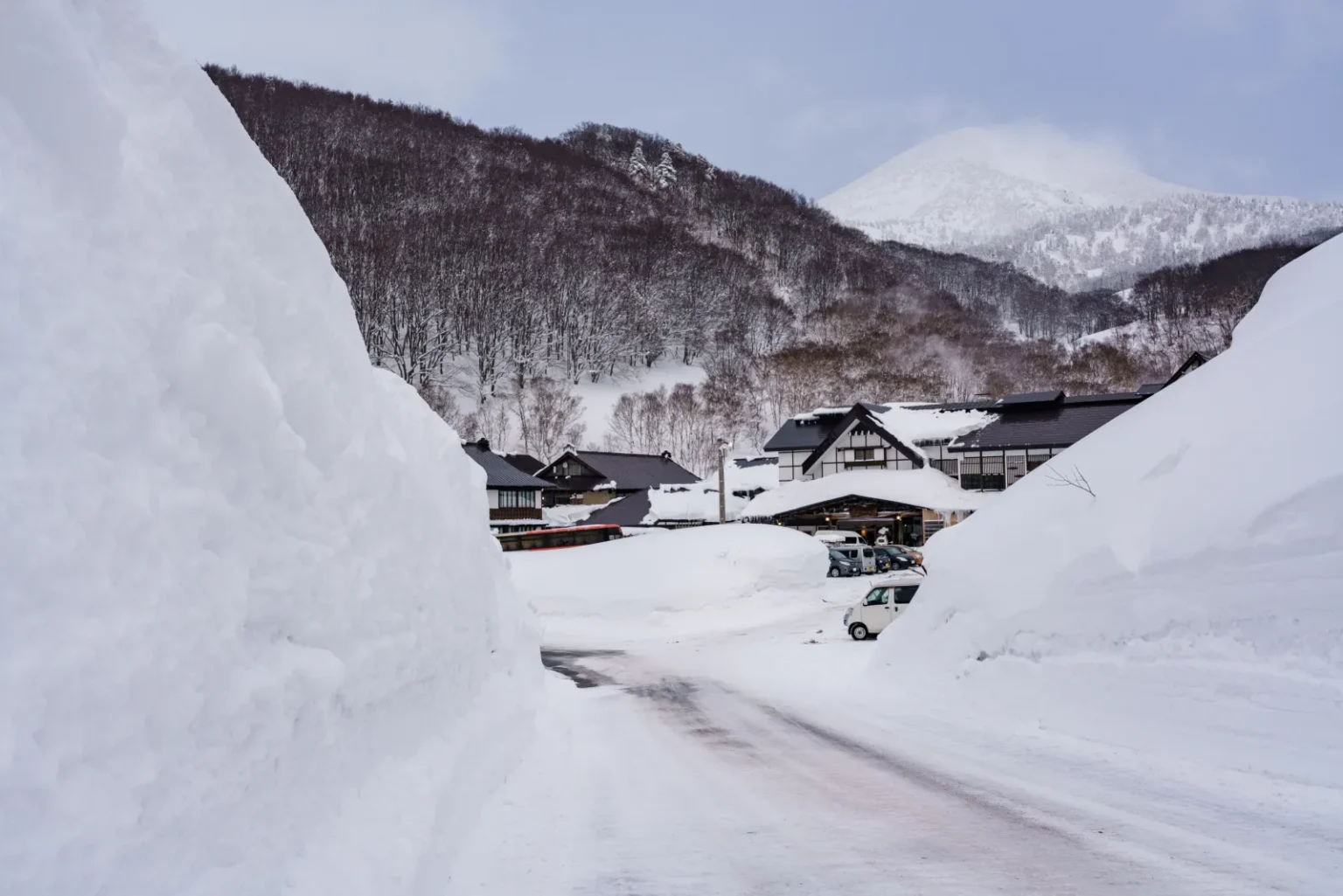
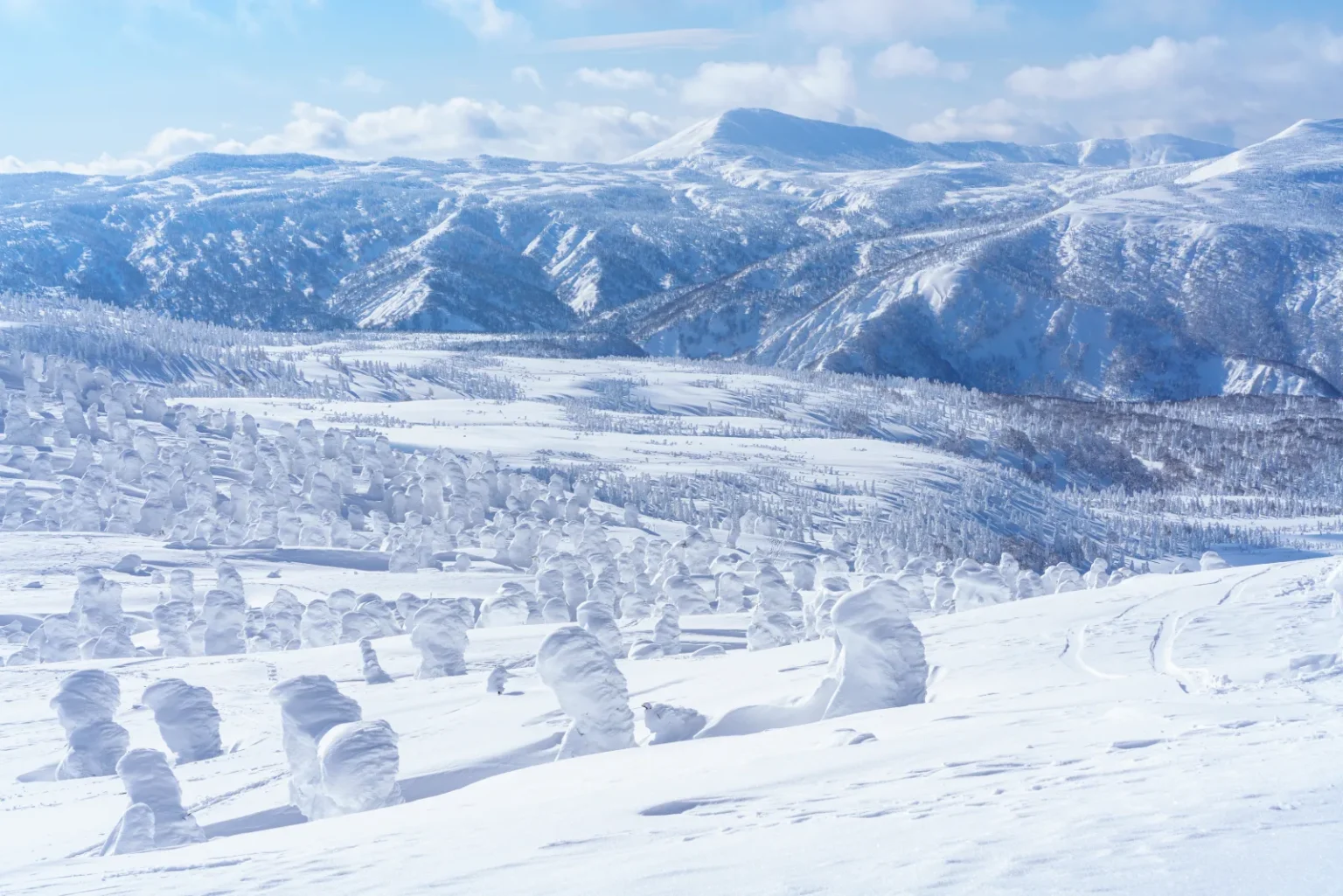
Sukayu is an old hot-spring inn high in the Hakkoda mountains, where the road runs between walls of cleared snow in midwinter. The Hakkoda-go runs every day from 12 November 2026 to 31 March 2027. From Aomori and Shin-Aomori its three morning buses (8:10, 9:20 and 10:50 from Aomori) need a reservation, ¥300 a seat, which opens three months ahead at 10:00; JR Bus said its booking site would go live around mid-November 2026. Rail-pass holders reserve too. Buses back from Sukayu need no reservation. The bus also stops at the Hakkoda Ropeway station on the way up; the ropeway operator says the snow monsters on the summit are typically at their best from January to late February.
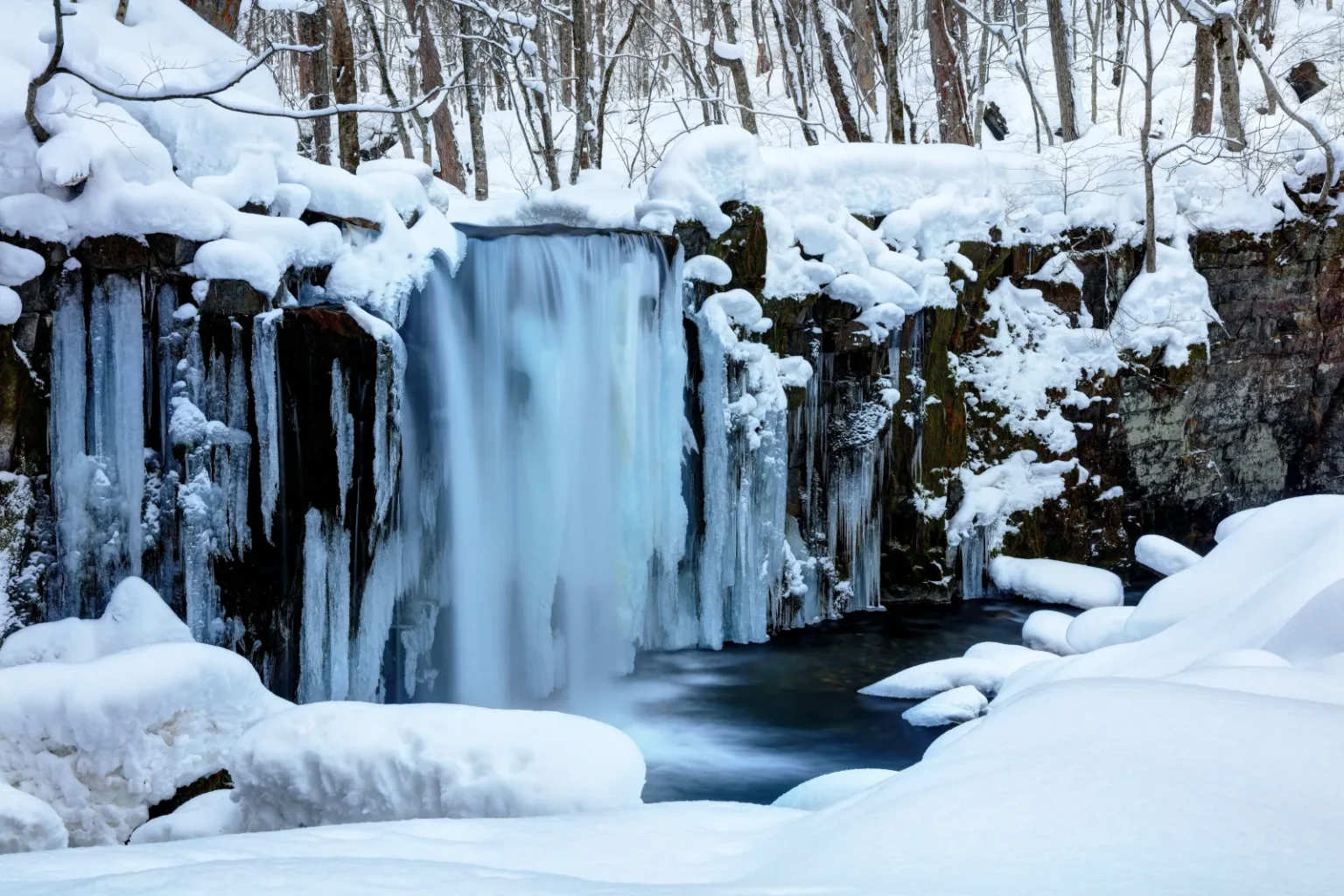
The frozen Oirase Gorge
The gorge itself is not closed in winter, but the road has sections that close, and you should not try the riverside walk on your own on snow and ice. Two ways in on specified dates from 25 December 2026 to 28 February 2027: the winter Oirase-go from Hachinohe, which needs a reservation for every stop, and organised Winter Oirase day and night tours, mostly at weekends, ¥3,300–4,400 for adults. The tour operator asks for warm clothing and non-slip shoes. A Lake Towada access bus also runs on set dates, by reservation.
Looking at tours from Aomori, including winter trips into the gorge?
Aomori tours on KlookWhat it costs
| Leg | Green season | Winter |
|---|---|---|
| Sapporo → Hakodate (Hokuto, reserved) | ¥9,770 | ¥9,770 |
| Hakodate → Shin-Aomori | ¥8,490 | ¥8,490 |
| Aomori → Ishigedo (JR bus, 2026) | ¥2,820 | — |
| Nenokuchi → Yasumiya (JR bus, 2026) | ¥720 | — |
| Yasumiya → Hachinohe (JR bus, 2026) | ¥3,050 | — |
| Hachinohe → Sendai (Hayabusa) | ¥9,660 | — |
| Aomori ⇄ Sukayu Onsen (JR bus) + seat reservation | — | ¥3,440 |
| Shin-Aomori → Sendai (Hayabusa) | — | about ¥11,600 |
| Sendai ⇄ Matsushima-Kaigan | ¥880 | ¥880 |
| Sendai → Tokyo | ¥11,630 | ¥11,630 |
| Total | About ¥47,000 | About ¥46,000 |
These are regular-season fares bought leg by leg, from fare searches in October and November 2026, JR Hokkaido’s fare list and JR Bus Tohoku’s 2026 fare tables. JR East’s shinkansen prices move by a couple of hundred yen with its seasonal price bands, so check the fare for your date. They leave out the flight to Sapporo, the airport train (¥1,230), the short local trains between Shin-Aomori and Aomori (paid separately, on both versions), trams, the ropeway and entry fees. Whether a rail pass beats them depends on what else you do that week; JR Pass vs individual tickets walks through the maths, and my Hokkaido Rail Pass guide covers the all-reserved rule on Hokkaido’s limited expresses.
Where to stay on the Sapphire Route
On four nights the hotel’s location decides how easy the next morning is. Details below are from each property’s own pages and official tourism listings, checked on 4 November 2026. In Aomori, any hotel near the station works for the 8:10 bus.
Sapporo: JR Tower Hotel Nikko Sapporo, at the station
The hotel has direct access to JR Sapporo Station, where the airport train arrives and the Day 2 Hokuto leaves, and a spa that uses natural hot-spring water.
- Who it suits: a one-night Sapporo stop with no luggage hauling.
- Catch: the spa doesn’t allow tattoos or tattoo stickers.
Paid link: I may earn a commission if you book. Check JR Tower Hotel Nikko Sapporo on Agoda
Hakodate: OMO5 Hakodate, five minutes from the station
Hoshino Resorts gives about a 5-minute walk from JR Hakodate Station, so the Day 4 train is easy; the hotel has a free-flowing hot-spring bath and runs its own bus for guests around the city.
- Who it suits: two nights in Hakodate with the morning market and the station on foot.
- Catch: the hotel is closed for maintenance from 17:00 on 23 November to 9:30 on 30 November 2026.
Paid link: I may earn a commission if you book. Check OMO5 Hakodate on Booking.com
Lake Towada: Hotel Towada-so, at Yasumiya
A lakeside hotel in Yasumiya with hot-spring baths. The winter Oirase-go stops at the hotel; the hotel’s own free bus from Hachinohe has ended, and it points guests to the paid JR buses from Hachinohe and Aomori.
- Who it suits: the green-season Day 5 night, at the end of the gorge walk.
- Catch: check the bath rules, including tattoos, with the hotel before you book.
Paid link: I may earn a commission if you book. Check Hotel Towada-so on Booking.com
Matsushima: Komatsukan Kofutei, baths over the bay
On a hill above the bay, about a 15-minute walk from Matsushima-Kaigan Station. Miyagi’s official tourism site describes several baths with views of the bay, including private ones you reserve at check-in.
- Who it suits: anyone who wants to end the week with a bath looking over Matsushima.
- Catch: it’s uphill from the station; take a taxi with bags, and ask about the tattoo policy.
Paid link: I may earn a commission if you book. Check Komatsukan Kofutei on Booking.com
When to go, and what to book ahead
| When | What to expect |
|---|---|
| April–June | Fresh green in the gorge, once the buses are running. The morning market opens from 5:00 from May. |
| Early August | Aomori’s Nebuta festival, 2–7 August every year. Book Aomori hotels for those nights early. |
| October–early November | Autumn colour in the gorge; the busiest time on the buses and at Lake Towada. See my autumn leaves tracker. |
| Mid-November–March | The winter version: Sukayu Onsen from mid-November; the snow monsters, typically best January to late February; the frozen gorge on set dates from late December. |
Book ahead: the Hokuto (all seats reserved), the Lake Towada and Matsushima nights, and in winter the Hakkoda-go seat and any Winter Oirase tour.
Questions
Can I do this northern Japan itinerary in winter?
Yes, with the winter version above. The JR bus from Aomori through the Oirase Gorge to Lake Towada stops from 12 November, so Day 5 becomes a day trip to Sukayu Onsen on the Hakkoda-go, and Day 6 goes from Shin-Aomori to Sendai by shinkansen.
When do the Oirase buses start again in 2027?
JR Bus Tohoku had not published its 2027 timetable on 4 November 2026. In 2026 the Aomori–Oirase–Lake Towada bus ran from 1 April to 11 November. Check the operator’s site before you book Day 5.
Do I need a car?
No. Every leg is a train or a JR bus with a fixed timetable. A car only helps if you want viewpoints around Lake Towada that the bus doesn’t reach.
Can I skip the 9 km walk?
Yes. In the green season the bus stops at several points along the gorge, including Ishigedo, Kumoi Falls and Choshi Otaki. Ride further up and walk only the last few kilometres to Nenokuchi, or see the gorge from the bus window.
Why not go the other way, from Tokyo to Sapporo?
You can; every leg runs in both directions. Going south means the week ends with a 90-minute shinkansen into Tokyo rather than a flight back from Sapporo.
Is Hakodate worth two nights?
One night is enough for the night view and a market breakfast before the train. A second night gives you an unhurried day for Goryokaku and the morning market.
Do rail passes cover the JR buses?
The Japan Rail Pass and the JR East Pass cover the JR buses on this route; the JR East–South Hokkaido Rail Pass does not. In winter, pass holders still pay the ¥300 seat reservation on the Hakkoda-go.
Sources
JR Hokkaido (airport train, Hokuto fare and reserved-seat rule); JR Bus Tohoku (2026 Towada timetables and fares, 2026–27 winter Hakkoda-go and Oirase-go, reservations, passes); Ministry of the Environment (Oirase walk); Winter Oirase tours; Oirase access (winter road closures); Towada Kanko Dentetsu (boat); Mt Hakodate Ropeway; Goryokaku Tower; Hakodate City (Magistrate’s Office, Old Public Hall); official Hokkaido and Aomori tourism (Morning Market, Wa Rasse); Nebuta festival FAQ; Aomori City (Sannai-Maruyama); Zuiganji; Matsushima tourism (Entsuin); Marubun Matsushima cruise; rail fares from ekitan searches, October–November 2026; each hotel’s own site. Checked 4 November 2026.
Plan the rest of your trip
Beyond the Golden Route
The three week-long routes side by side: Hokkaido–Tohoku, the Japan Alps and Kyushu.
Oirase Gorge
The walk stop by stop, the buses and Lake Towada.
Tohoku in 5 days
Sendai, Yamadera, Ginzan Onsen and Hirosaki Castle from Tokyo.
Hokkaido in winter, 5 days
The Sapporo Snow Festival, Otaru and Noboribetsu.
Emerald Route
A week across the Japan Alps by train: Nagano, Kanazawa, Shirakawa-go and Takayama.
Ruby Route
A week of Kyushu’s hot springs and volcanoes, from Hakata and back.
Join travelers discovering Japan's hidden side
Weekly dispatches from off-the-beaten-path Japan — spots and stories you won't find in guidebooks.
No spam. Unsubscribe anytime.
Welcome aboard!
You're in. See you in your inbox soon.