Nagano · Itineraries · Kiso Valley
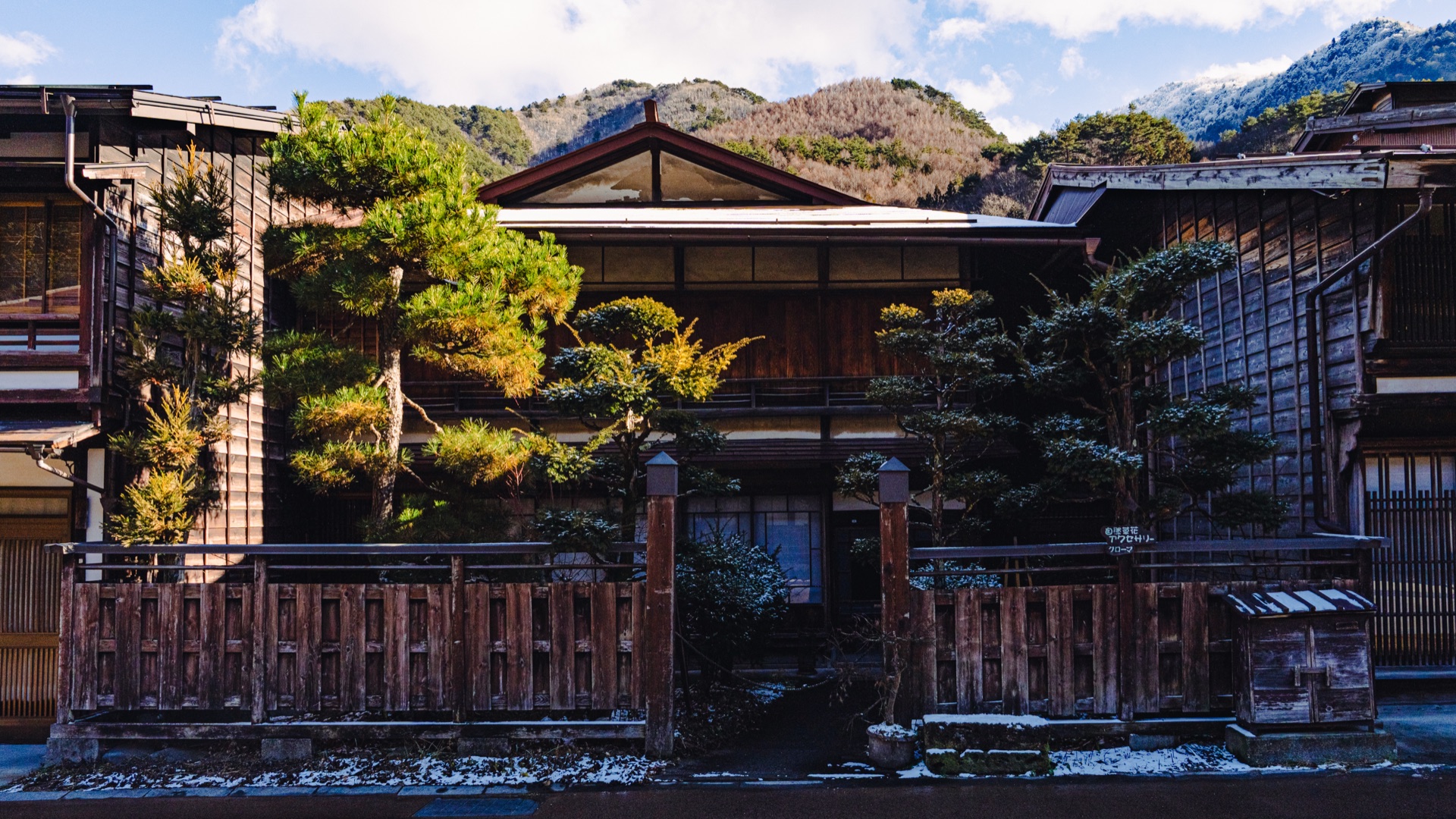
The Kiso valley sits between Matsumoto and Nagoya, threaded by a single rail line and an old footpath called the Nakasendo. Two of the best-preserved post towns on that route — Naraijuku in the north, Tsumago in the south — are an hour apart by train. You can do them both in a day if you start early, walk steadily, and let the train do the lift between them. This is the version of that day I run when friends visit.
Part of my Calmcation in Japan guide to the country’s quietest escapes.
Quick Facts
The Route at a Glance
North → South · One day
Both Naraijuku and Tsumago are post towns on the old Nakasendo highway. Naraijuku sits on the train line; Tsumago is a 10-minute bus ride from JR Nagiso. Doing them in this order gives you Naraijuku’s best light in the morning and Tsumago in the warmer afternoon.
The Day at a Glance
What you’re doing
Depart Matsumoto / NagoyaCatch the early Chuo Honsen train south or north toward Narai.
Arrive JR NaraiStep out of the small wooden station. The post town is across the tracks.
Walk Naraijuku end to end~1 km of preserved Edo-period street. Lacquerware shops, ryokans, and the iconic mountain backdrop.
Shizume ShrineTen-minute walk to the south end of the post town, into the cedar grove.
Lunch in NaraijukuSoba, gohei mochi, or a bento at one of the larger inns. The food stalls run only in peak season.
Train: Narai → Nagiso~55 minutes south on the Chuo Honsen. Sit on the right side for river views.
Arrive JR NagisoCatch the local bus to Tsumago (~10 min, ¥300) or walk the path (~30 min).
Walk TsumagoSmaller and quieter than Naraijuku. The cobblestone street, the kosatsu noticeboard, the Waki-honjin museum.
Bus back to NagisoCatch the return bus before it stops running for the day.
Train homeFrom Nagiso, ~1.5 hr to Nagoya, ~2.5 hr back to Matsumoto.
Step by Step
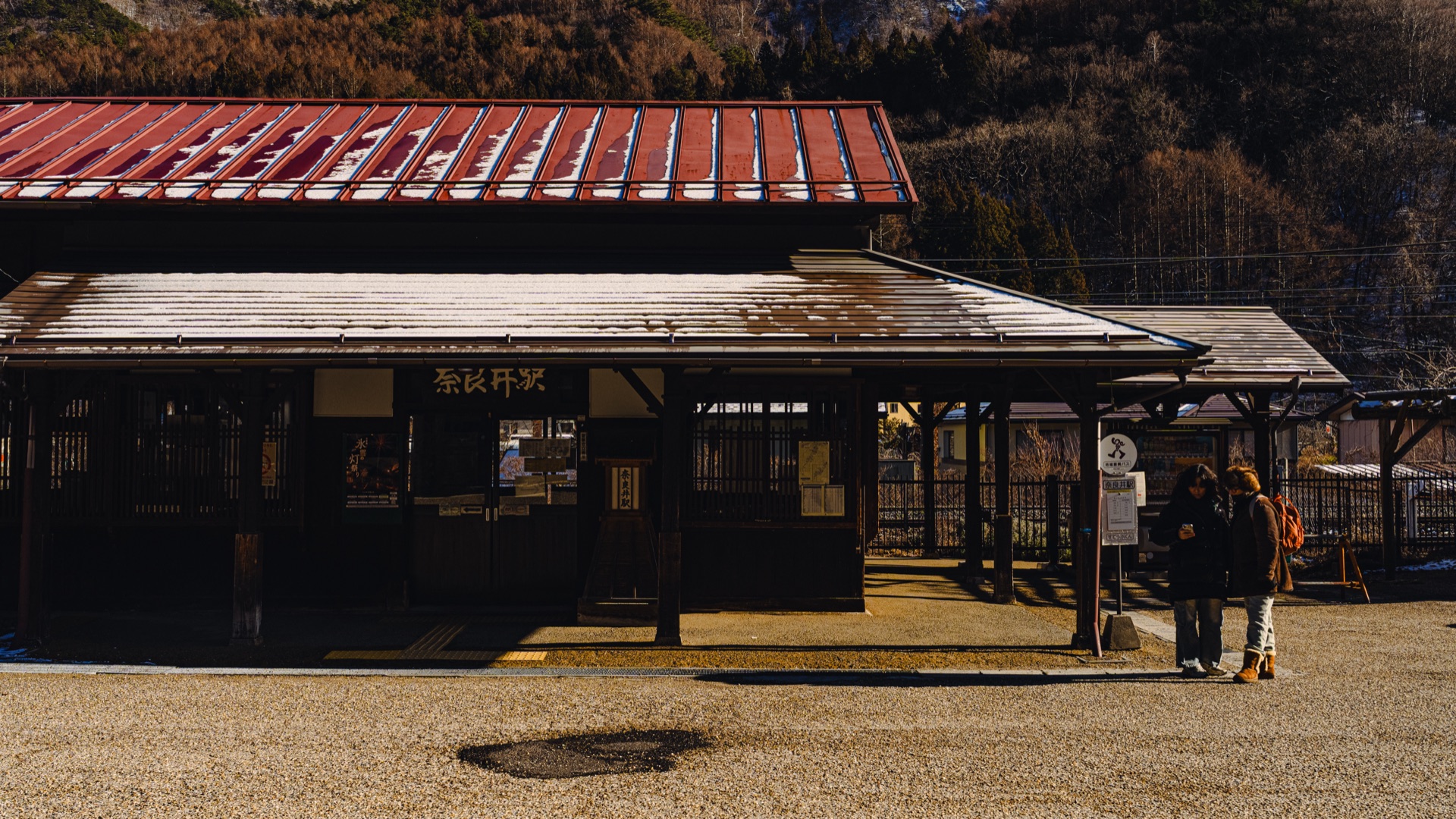
JR Narai is a tiny wooden station with a red sheet-metal roof. Two platforms, one ticket gate, a vending machine in the waiting area. The trains run roughly every hour in each direction — that’s the sole rhythm of the valley.
Cross the tracks via the underpass and you’re at the south entrance of the post town. Pick up a Japanese-language map at the small tourism counter near the gate (English versions are usually stocked too).
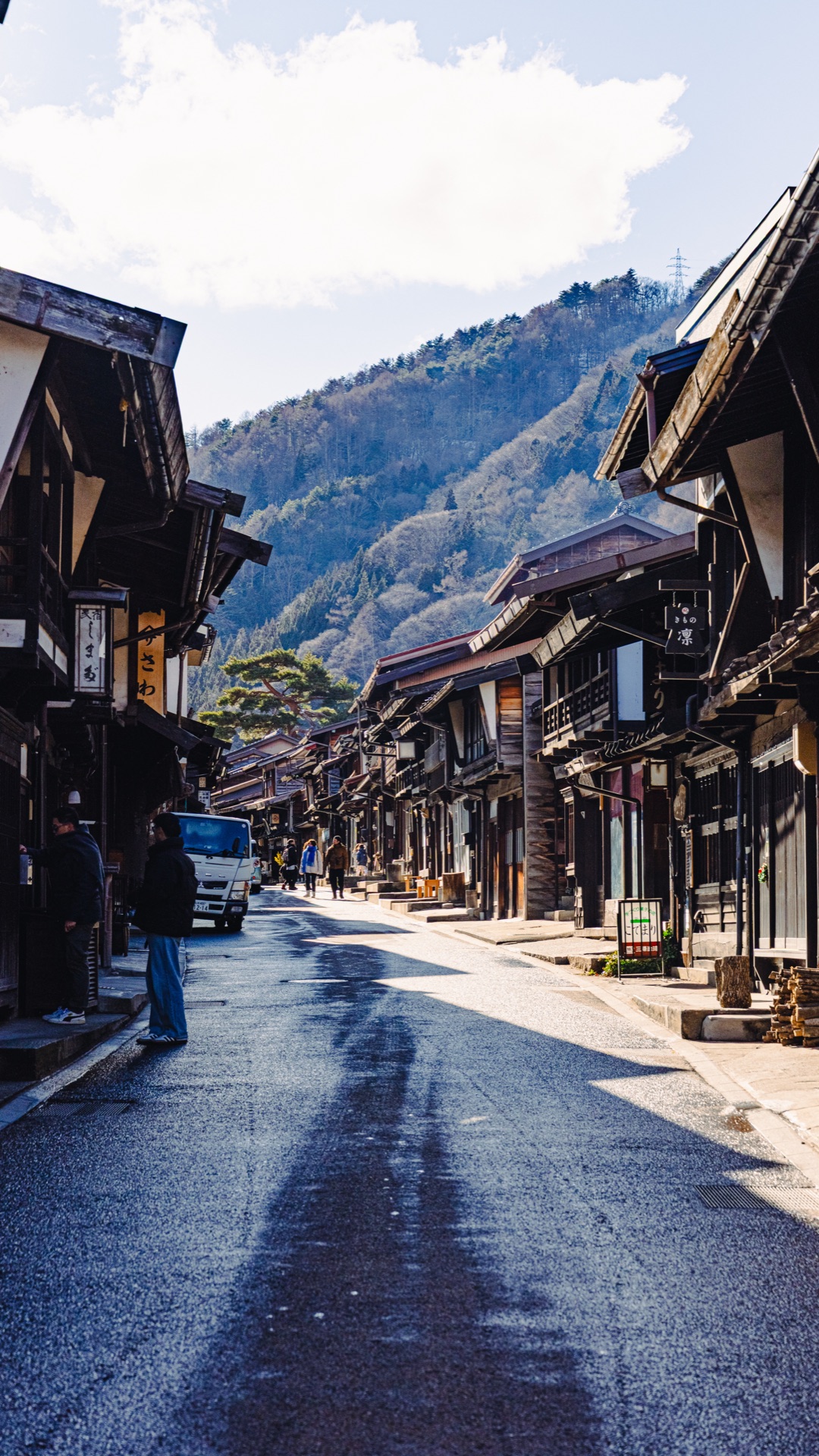
Naraijuku stretches about a kilometer south of the station. Wooden inns, dark cedar facades, lattice windows, and the Kiso mountains framing the view at the end of the street. In the morning the eastern side of the road is in shadow and the western side is in full sun — the contrast is the photographic gift of this town.
Walk slowly. Stop at the lacquerware shops if anything catches your eye — Naraijuku has been making lacquer combs and bowls for over four hundred years, and the smaller shops are still family operations.
For a deeper walk-through of the architecture and the route, see the Walking Narai-juku guide.
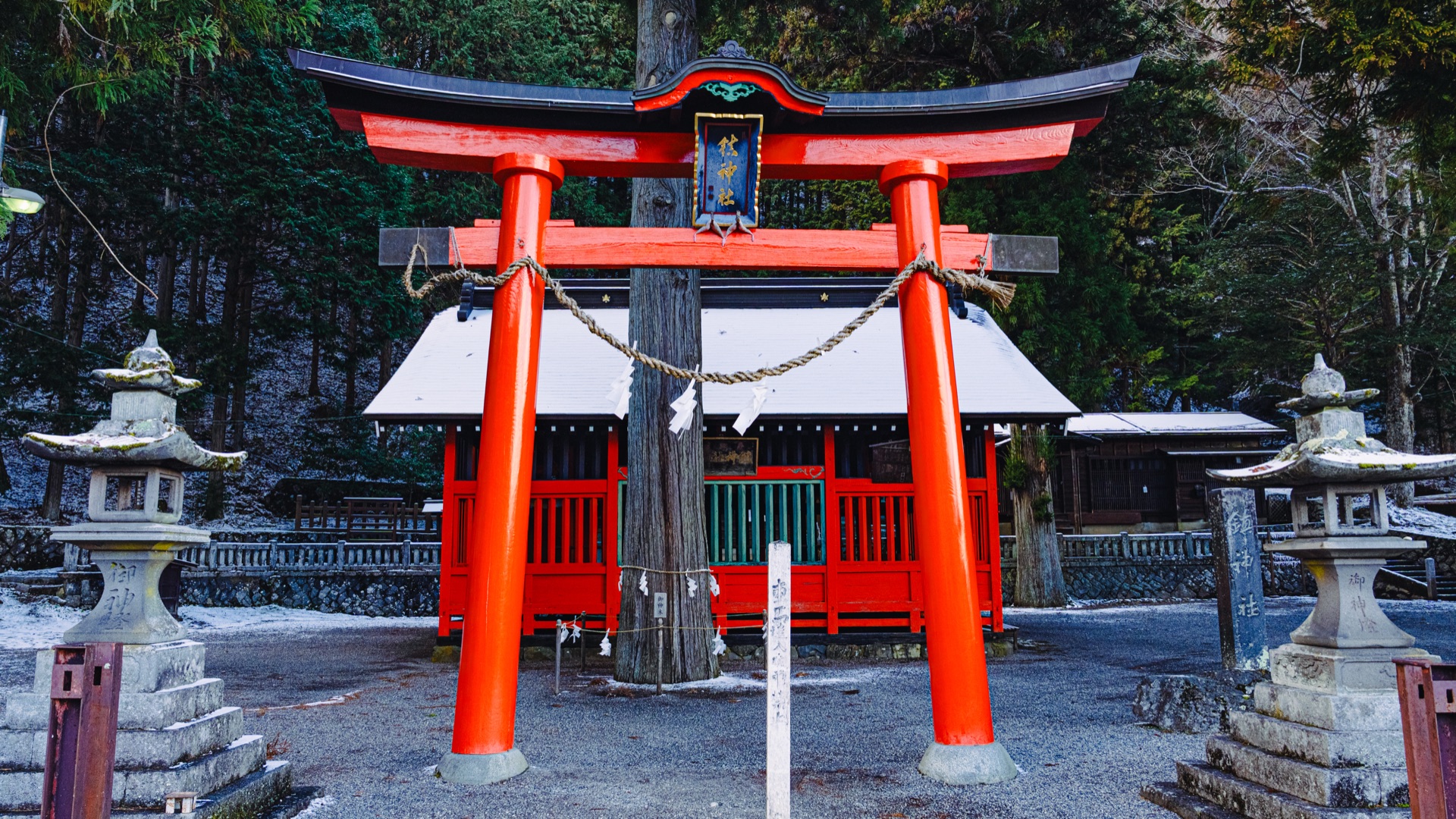
Most visitors stop at the south end of the main street and turn back. Don’t. Walk another ten minutes and you’ll find a small red torii in a cedar grove. This is Shizume Shrine — built in 1618 to stop an epidemic in the village. Free, always open, almost always empty.
For the full story, see the Shizume Shrine guide.
The lunch spots cluster in the central third of the post town. The Kiso valley is soba country — buckwheat grows well at altitude — so most restaurants serve handmade soba alongside seasonal mountain vegetables. Two regional specialties to try: gohei mochi (grilled rice cake brushed with walnut-miso sauce) and sansai soba (soba with mountain greens).
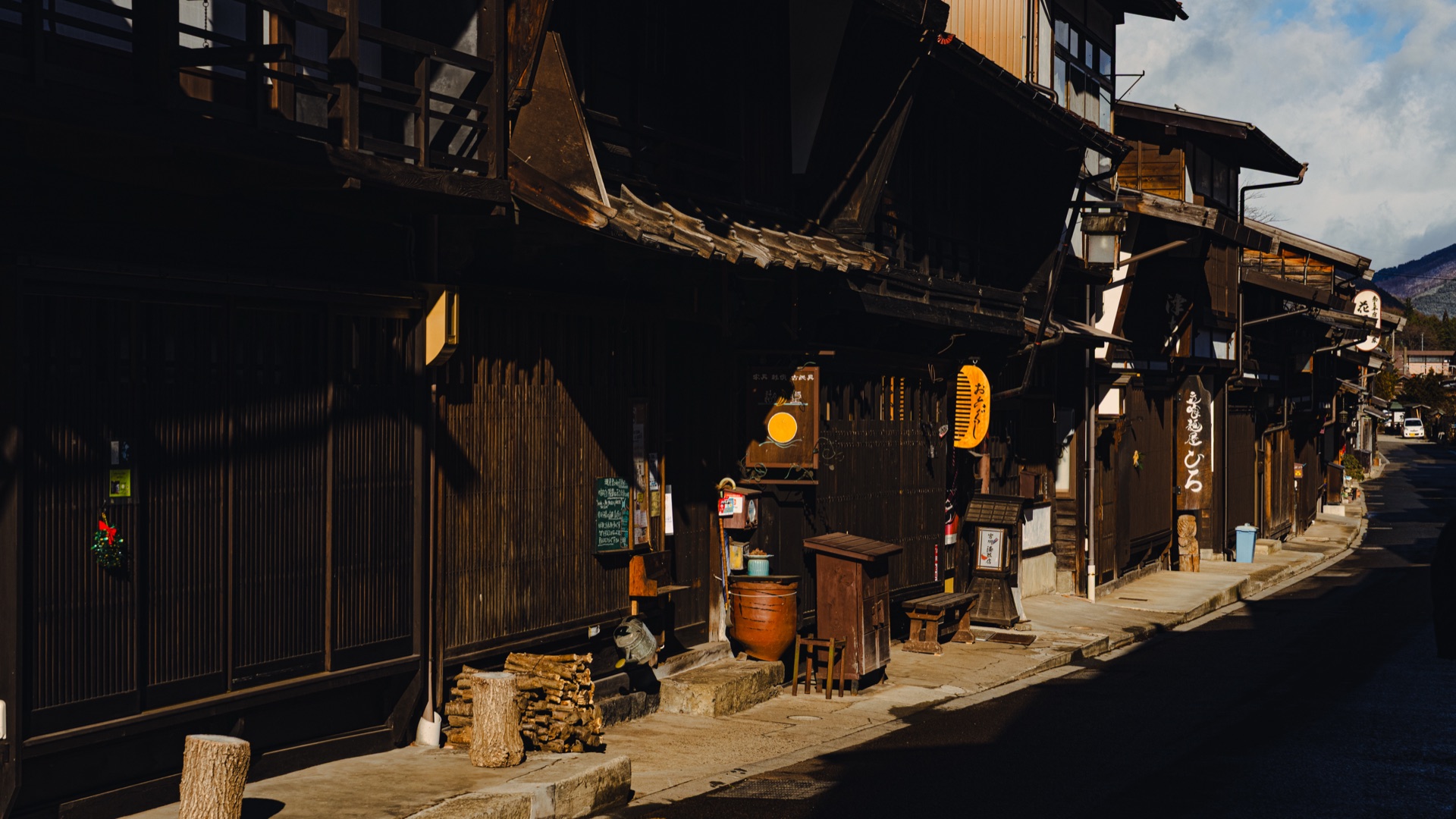
Lunch service often ends by 14:00 and dinner options inside the post town are limited. Eat now or you’ll be eating at the Nagiso side later.
Walk back to JR Narai. The Chuo Honsen south runs roughly hourly. The ride to Nagiso is about 55 minutes, threading through the Kiso valley with the river on the right side most of the way. Sit on the right side of the carriage. Phones down. The valley narrows, the cedars close in, the river twists below.
Tickets are cheap (~¥1,200) and you can pay at the gate or use IC if your card works in this section (some local trains here are still cash/paper-ticket only — bring small bills).
Tsumago feels different from Naraijuku. Smaller, quieter, with cobblestone streets and a tighter cluster of preserved buildings. The town outlawed cars from its main street in the 1970s — there are no power lines visible from the central section. The result is a street that looks closer to the Edo-period photograph than any other post town in Japan.
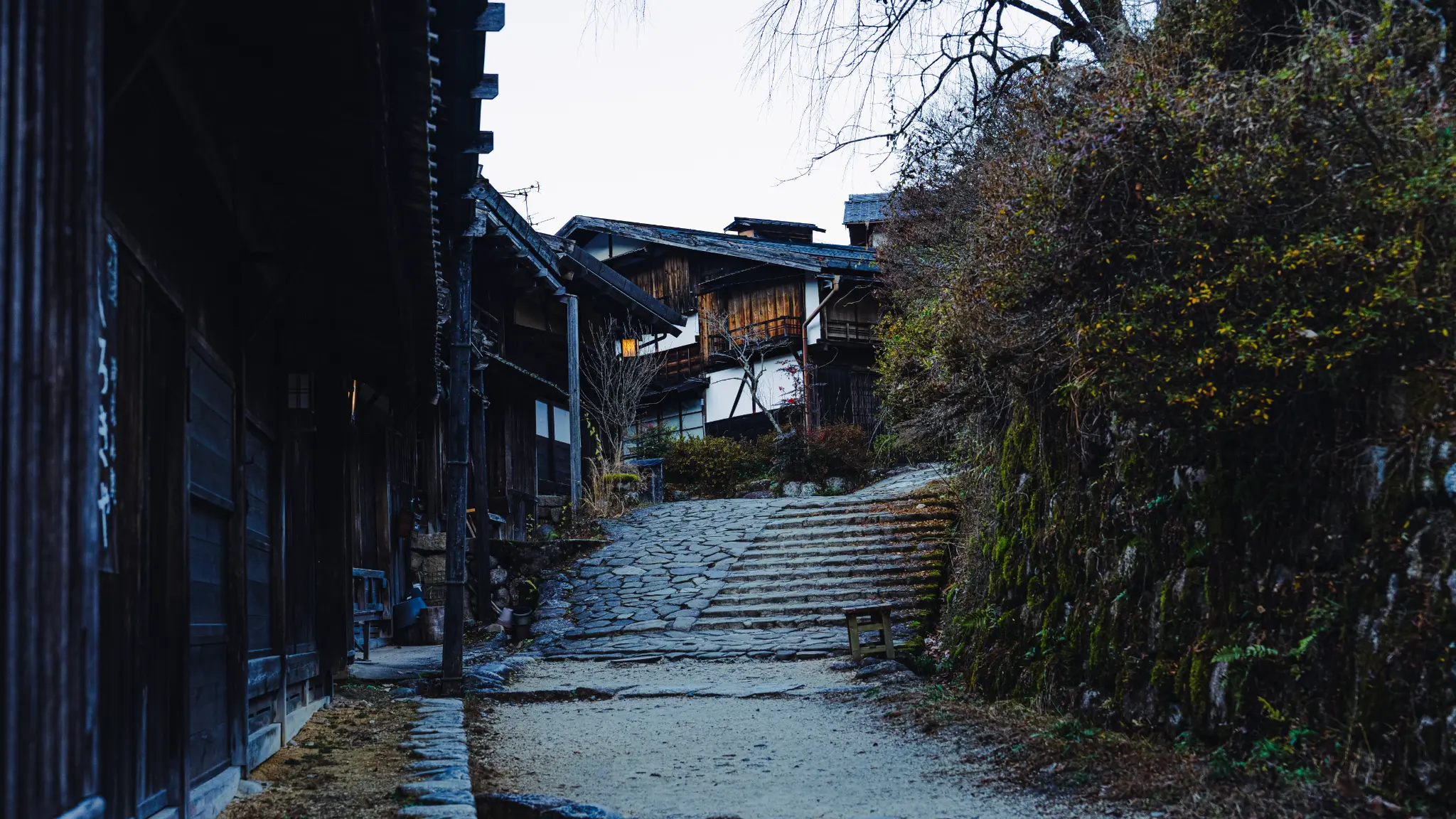
Don’t miss the Waki-honjin museum (a former secondary lodging house for samurai officials, still standing) and the kōsatsuba noticeboard reconstruction. The walk takes 1.5 to 2.5 hours depending on how slowly you go and how many shops you stop at.
For a deeper guide to Tsumago specifically, see Tsumago-juku on the Nakasendo.
Catch the local bus from Tsumago back to JR Nagiso. The last bus is usually around 5:00 PM in winter, 6:00 PM in summer — don’t miss it. The walk back is doable but takes 30 minutes on a road without sidewalks, and you’ll be tired.
From Nagiso, the Chuo Honsen heads north to Matsumoto (~2.5 hours) or south to Nagoya (~1.5 hours). Train frequencies drop after 6 PM.
The reason this works as a single day is the train. The Kiso valley is too long to walk between post towns and too rural to drive efficiently. The Chuo Honsen line was originally laid down to connect these same villages, and it still does that job.
Variations
RecommendedOvernight version
Sleep in Naraijuku or Tsumago. The post towns transform after the day-trippers leave at 4 PM. Both have ryokans inside the historic streets — old wooden inns with futon and kaiseki dinner. Roughly ¥18,000–¥30,000 per person per night with two meals.
South to northReverse direction
Tsumago in the morning (eastern light), Naraijuku in the afternoon. Works well if you’re traveling from Nagoya. Slightly less photogenic for Naraijuku’s main view but better for Tsumago’s wooden facades.
Nakasendo walkersTrail walk version
Replace the train segment with the famous Magome–Tsumago Nakasendo hike (~3 hours, 8 km, mostly through forest). Start at JR Nakatsugawa, take the bus to Magome, walk to Tsumago. This adds 4–5 hours to the day and you won’t reach Naraijuku — but the trail is the most authentic Edo-period experience in the valley.
Off-seasonWinter version
December–February: empty streets, snow on the mountains, ryokan rates 20–35% lower. Some shops closed, but the architecture and the shrines stay. See Naraijuku in Winter for off-season details.
Practical Notes
When to Do This
The valley has four distinct windows.
Late April through mid-May is peak. Cherry blossoms in Naraijuku are typically late (the elevation pushes them about ten days behind Tokyo), and the mountains still hold spring snow. The post town is busy but not overwhelming.
Mid-October through early November is the autumn window. The deciduous trees in the valley turn before the cedars hold their green — the contrast is unusual. This is the best photography window.
July–August is the summer crowd peak, especially weekends. Avoid mid-August (Obon week).
December through early March is the off-season I described above. Cheaper, quieter, colder, with shops closed. Best for travelers who want the architecture without the crowds. See the dedicated winter guide.
What makes the Kiso valley work as a day trip is that you’re seeing the same road at two points along its length. The Nakasendo connected these post towns four hundred years ago. The train line traces the same valley today. Naraijuku in the morning and Tsumago in the afternoon gives you the two best surviving examples of Edo-period travel infrastructure within a single day’s light.
If you only have time for one, do Naraijuku — it’s bigger, the mountain backdrop is more dramatic, and Shizume Shrine adds a layer the other doesn’t have. If you have two days, sleep in one and walk the other. If you have three, walk the Magome–Tsumago trail in between. The valley rewards as much time as you give it.
Magome-juku
The stone-slope post town at the other end of the Kiso walk: access, the hike over the pass, and luggage forwarding.
Aigi Tunnels, Aichi
Further down the same Chuo Line: four brick tunnels abandoned in 1966, unlocked for nine days each autumn.
Join travelers discovering Japan's hidden side
Weekly dispatches from off-the-beaten-path Japan — spots and stories you won't find in guidebooks.
No spam. Unsubscribe anytime.
Welcome aboard!
You're in. See you in your inbox soon.