Tokyo → Tohoku · 5-Day Itinerary · 2026
The shinkansen north, gyutan in Sendai, the cliff temple Bashō wrote about, the gas-lamp town in the snow, and the only one of Japan’s twelve original castles surrounded by cherry blossoms.
There is a version of Japan most foreign visitors never see. Tohoku is its name — six prefectures spread across the northern third of Honshu, where the snow piles higher, the dialect shifts harder, and the pace of any given town is set by a stationmaster who knows you by name within a week. The Hayabusa shinkansen has compressed the geography: Tokyo to Sendai is now 91 minutes; Tokyo to Aomori is under three hours. Five days is enough to see the headline places — Matsushima, Yamadera, Ginzan Onsen, Hirosaki Castle, Aomori — and still finish with a fresh apple in your hand on the way back south. This is the route I’d send a friend on.
Itinerary at a glance
Aug (Nebuta)
Late Oct (foliage)
(excl. flights)
Ginzan ryokan (months ahead)
Two things that surprised me my first time north: the shinkansen ride feels remarkably quick (you’re in Sendai before you finish your bento), and the language in rural Tohoku — Tsugaru-ben in Aomori, Yamagata-ben in Yamagata — is genuinely difficult even for native Japanese speakers. None of it makes the trip harder. But the further north you go, the more the country starts to feel like a different country.
If you’ve already done the standard Tokyo–Kyoto–Osaka loop, this is the next direction to head. Crowds drop by an order of magnitude. So does English signage. The food gets earthier (gyutan, hittsumi soup, sansai mountain vegetables). And the landscape — coast, gorge, mountain temple, hot spring — varies more in 1,200 kilometers than the entire Tokaido corridor does in 500.
Tokyo → Sendai · Miyagi Prefecture
Landing in Tokyo the night before? Start the trip with a small-group Tokyo food or bar-hopping tour before the Hayabusa heads north.
The Hayabusa North, and Sendai’s 1948 Gyutan Counter
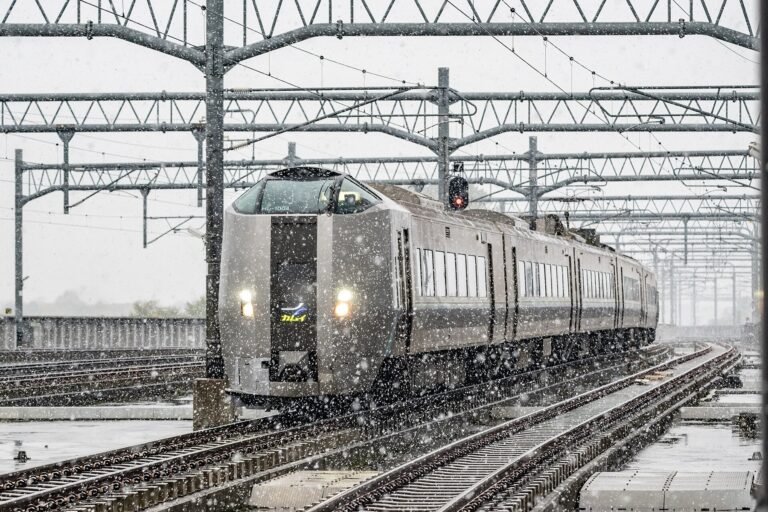
Start at Tokyo Station on the Hayabusa — the green-and-pink E5 series shinkansen that runs the Tohoku line. Tokyo to Sendai is 91 minutes at top speed; the train hits 320 km/h between Utsunomiya and Sendai. A few practical notes:
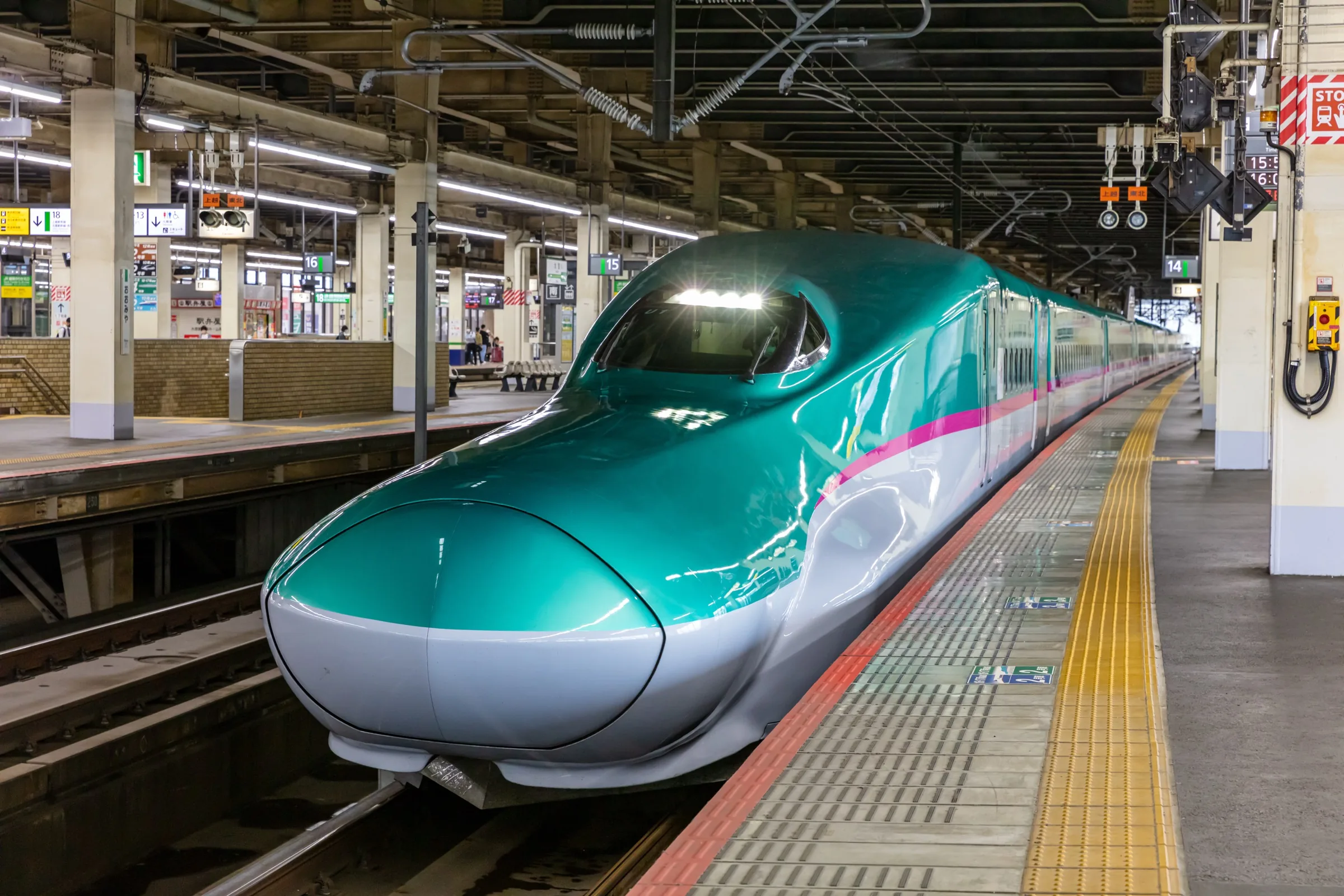
- Reservations are mandatory on Hayabusa, Hayate, Komachi, and Kagayaki services. There are no non-reserved cars on these trains. If you board without a seat assignment, you’ll be charged a small surcharge to ride in the deck area.
- The JR EAST PASS (Tohoku area) was discontinued in March 2026. It was replaced by a unified JR EAST PASS at ¥35,000 for 5 flexible days, now covering Tohoku, Niigata, and Nagano. You can buy the JR EAST PASS on Klook before you fly. For a Tokyo–Aomori round trip with several side trips, this pass usually pays for itself versus point-to-point fares.
- The Hayabusa departs Tokyo Station roughly every 30 minutes between 06:00 and 21:30. Try to leave by 09:30 — you’ll be in Sendai before noon.
Sendai for half a day
Drop your luggage in coin lockers at Sendai Station (or check in early at your hotel) and walk 12 minutes west to the Aoba-dori arcade. Sendai’s primary export, food-wise, is gyutan — charcoal-grilled beef tongue, served with barley rice, oxtail soup, and pickles in a teishoku set. The dish was invented here in 1948 by a chef named Sano Keishirō, who opened Aji Tasuke in the postwar food shortage and started serving the cut of meat nobody else wanted.
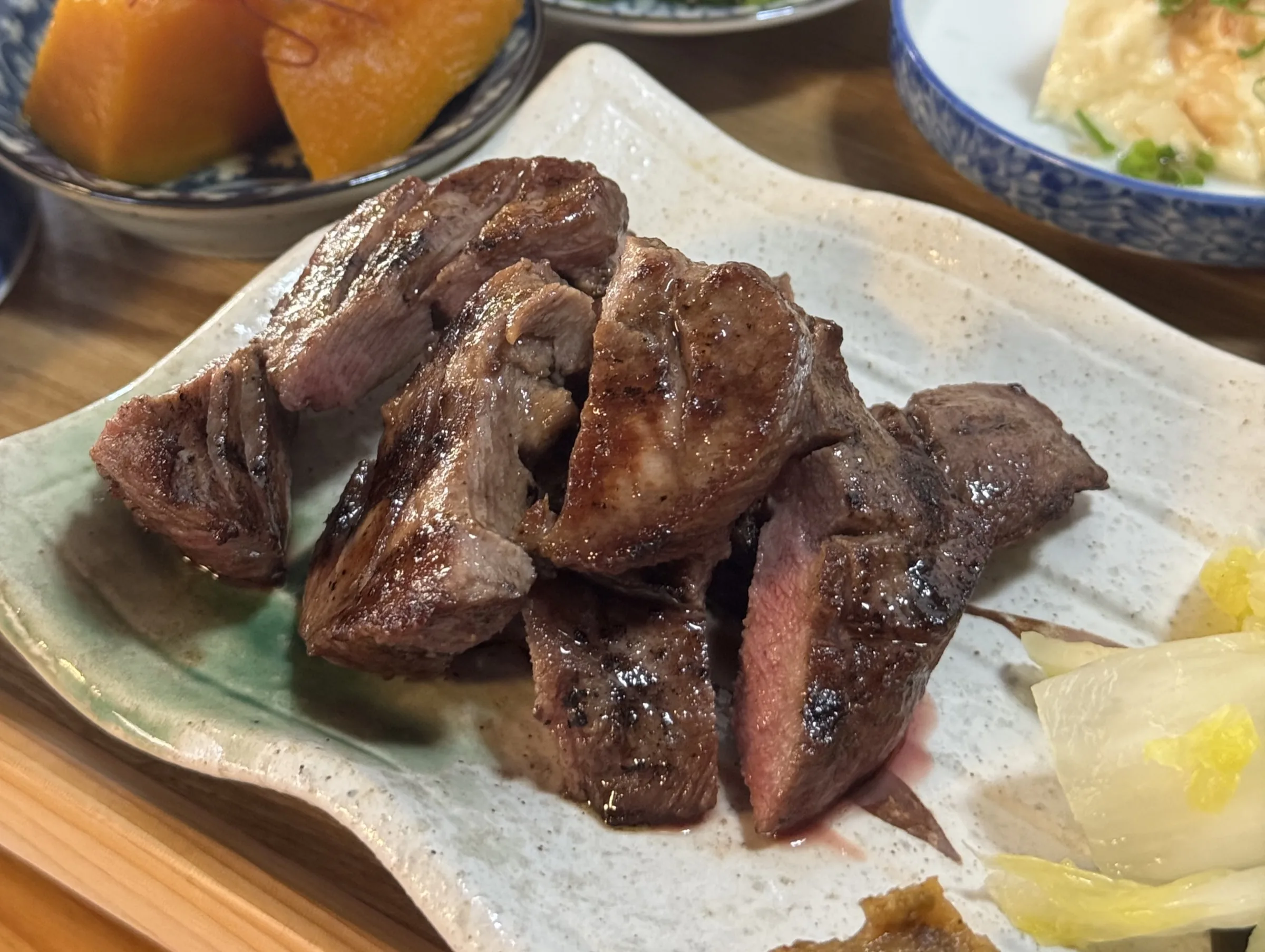
For a first-time gyutan meal, you have three reliable options:
- Aji Tasuke (味太助) — the original 1948 shop. 24 counter seats. No reservations. Long waits at peak times. The room smells of charcoal smoke from the moment you walk in.
- Rikyu (利久) — a chain, but a good one. The Sendai Station 3F “Gyutan Dori” branch is reliable and opens around 10:00. The thick-cut tongue is the move.
- Date no Gyutan (伊達の牛たん) — also on Gyutan Dori at the station. Slightly more polished setting; same product.
If you have time before bed
Sendai’s Aoba Castle ruins (Aoba-jo, where the Date Masamune statue stands) are a 20-minute taxi from the station and the view back over the city at sunset is the best thing the city offers after gyutan. The castle itself is gone — what remains is a stone-walled platform and a single restored guard tower. Free to visit; the bronze Date Masamune is the photograph.
Matsushima & Yamadera · Miyagi / Yamagata
One of Japan’s Three Scenic Views, Then 1,015 Steps to a Cliff Temple
Today is a long day done well. Two of Tohoku’s signature places, both reachable from Sendai, both deserving more time than you’ll give them.
Matsushima — the morning
Take the JR Senseki Line east from Sendai to Matsushima-Kaigan Station (~40 min, ~¥420). The bay you walk into has been a poet’s destination since the 9th century — Matsuo Bashō tried to write about it in 1689, gave up, and famously left only the cry “Matsushima, ah, Matsushima!” in his diary.
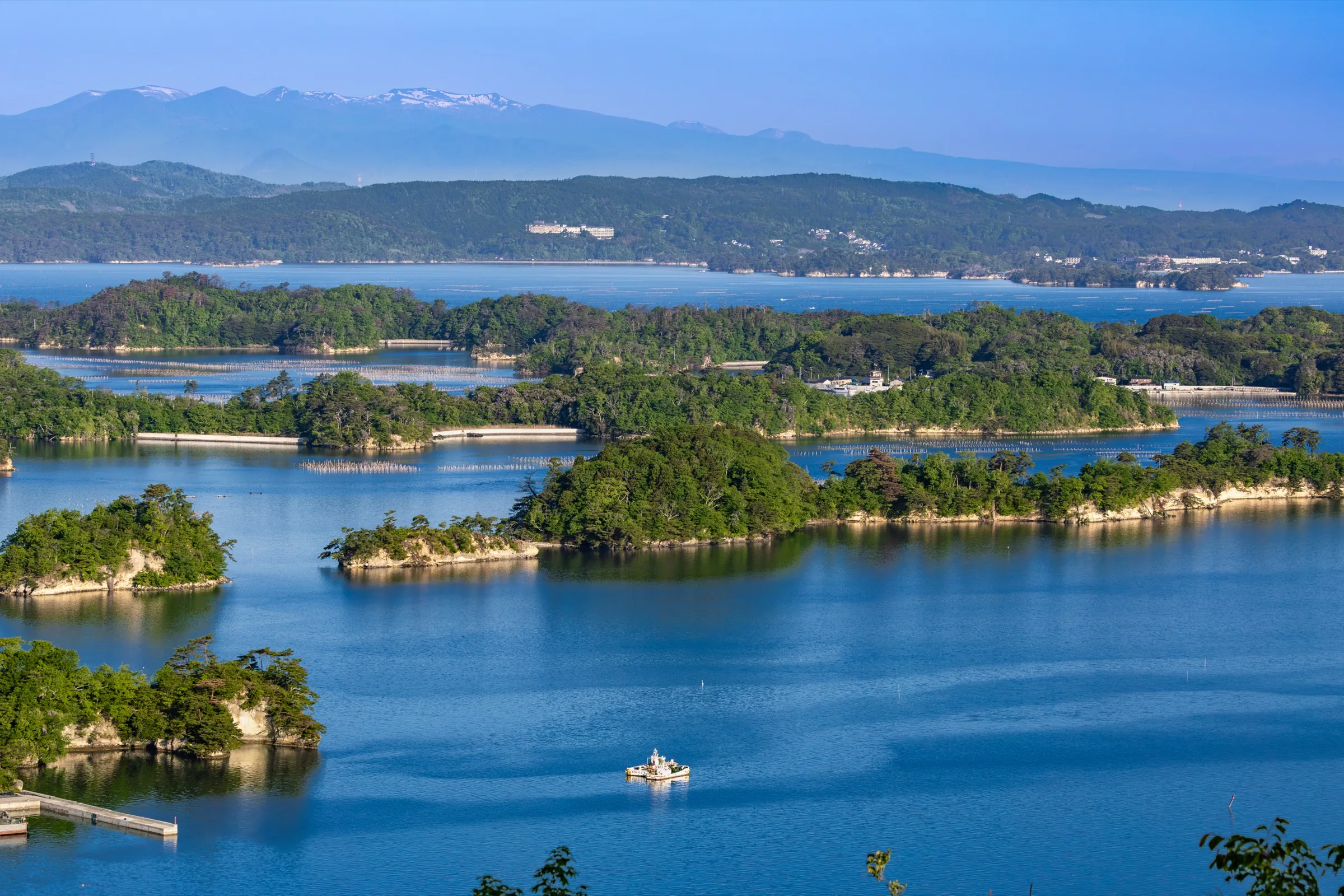
What to do:
- Marubun bay cruise — the standard 50-minute loop runs ~¥1,500. A shorter Cruise B (~30 min) is ~¥1,000. Cruises depart Matsushima Pier and Shiogama Pier; you can take a one-way Shiogama → Matsushima cruise as a transport-and-sightseeing combo.
- Zuiganji Temple — the Date family temple, founded 828, restored under Date Masamune’s patronage. Admission ¥700. Cedar avenue from the gate is the photograph.
- Godaido — the small offshore temple connected by a wooden bridge. Free. Five minutes; just walk across.
- Saigyō Modoshi-no-Matsu Park — the hill viewpoint above the bay. 15 minutes uphill from the pier. Free. The classic photograph angle.
By 14:00 latest, head back to Sendai and transfer to the JR Senzan Line heading west toward Yamagata. Yamadera Station is about 60 minutes from Sendai (~¥860).
Yamadera — the afternoon
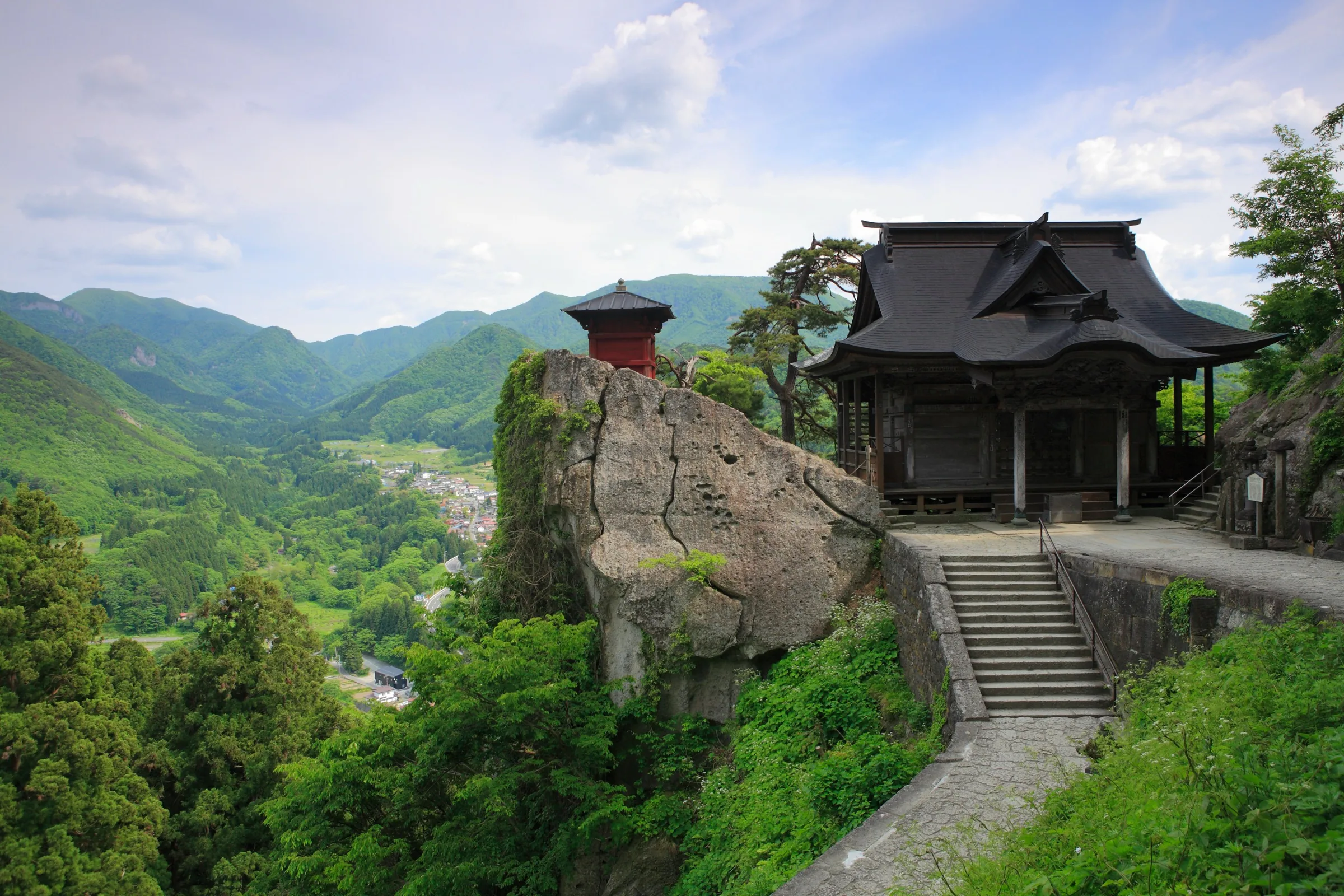
Risshakuji, founded 860 by the priest Ennin, is a Tendai-school complex that stretches up a mountainside in 1,015 stone steps. Bashō visited in 1689 and wrote one of his most-quoted haiku here:
“Stillness — / sinking into the rocks, / cicada voices.”
The climb takes 40–60 minutes one way at a steady pace. The path is well maintained but unrelenting; trail running shoes are unnecessary, but proper grip helps. Admission ¥300. Hours 8:00–17:00 in summer (shorter in winter, when ice makes some sections genuinely dangerous — crampons are recommended December through March).
The reward is the upper complex — the Okunoin at the top, the Godaido pavilion clinging to the cliff edge, and the panoramic view of the valley you’ll see in every postcard from Yamagata. Spend an hour at the top.
Head back to Yamadera Station by 17:00 to make the connection west to Oishida, the gateway station for Ginzan Onsen.
Ginzan Onsen · Yamagata Prefecture
The Gas-Lamp Town That Looks Like a Studio Ghibli Set
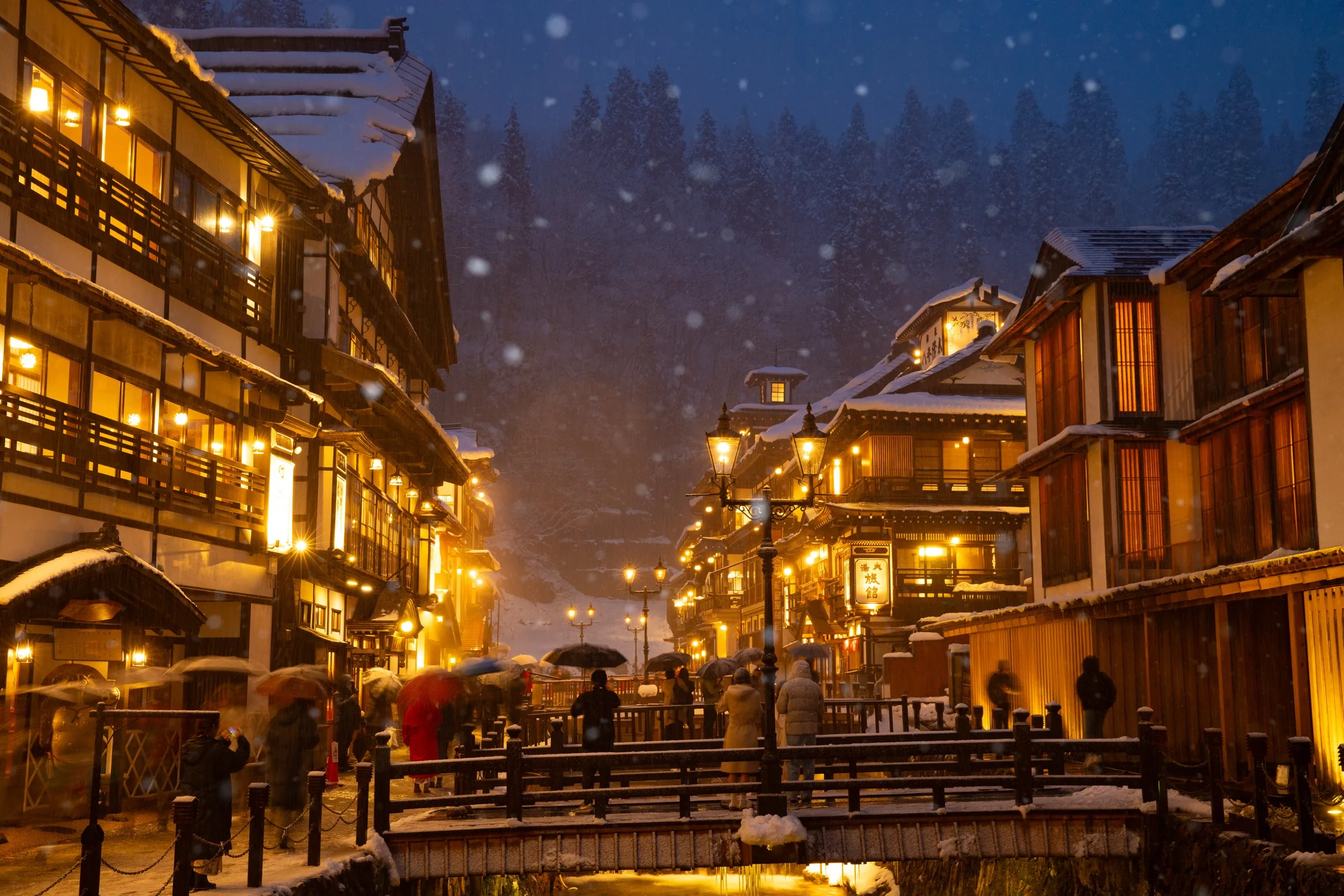
Today is the slow day. Ginzan Onsen sits in a narrow river valley about 40 minutes by bus from Oishida Station — a cluster of 13 ryokan running along both banks of the Ginzan River, most of them built between 1900 and 1925, all of them lit at dusk by gas-style streetlamps that flicker on individually as the sun drops.
How to actually get there
The transport is the slightly tricky part:
- From Yamadera or Sendai → JR train to Oishida Station (Ōu Main Line, then transfer; or via Yamagata).
- From Oishida Station → Hanagasa Bus to “Ginzan Onsen” stop, ~40 min, ~¥720 one-way. Buses run roughly hourly during peak hours.
- If you’re staying overnight at a Ginzan ryokan, most properties offer free shuttle service from Obanazawa or Oishida — confirm at booking.
The 2026 winter ticketing system
Important 2026 update Ginzan Onsen has introduced a regulated entry system for non-staying day visitors during the peak winter season:
- Active period: December 20, 2025 → March 1, 2026 (and similar dates expected for the 2026/27 season).
- Day visitors must park at the Obanazawa “Taisho Roman-kan” lot, roughly 1 km outside the village.
- From Roman-kan, a 10-minute shuttle bus runs to Ginzan (~¥500–1,000 round trip).
- After 17:00 in winter, advance reservation is required for non-staying visitors. Entry to the village is restricted between 20:00 and 09:00 the next morning unless you’re an overnight guest.
- A “Fast Pass” can be reserved online for priority entry; check ginzanonsen.jp before traveling.
None of this applies if you’re staying at a ryokan in the village — overnight guests have full unrestricted access at all hours.
The ryokan worth booking
- Notoya Ryokan — Taisho-era wooden, registered cultural property. The most photographed building in the village. Books out 4–6 months ahead in winter.
- Fujiya — Kengo Kuma’s redesign, opened 2006 inside an early-1900s frame. Modern minimalism over a Taisho shell.
- Ginzanso — slightly outside the photogenic strip, larger property, easier to book, family-friendly.
- Kosekiya — three-story wooden, mid-strip, classic Taisho experience.
Plan to arrive in the late afternoon, walk the village before dinner, soak in your ryokan’s bath, eat a multi-course kaiseki, and walk the village again at night when the lamps are on. The whole point of Ginzan is to do nothing slowly.
Hirosaki & Aomori · Aomori Prefecture
An Original Castle Under Cherry Blossoms, and the Festival That Lights the City Red
From Ginzan, retrace your steps to Oishida or Yamagata, then transfer to the Yamagata Shinkansen + Hayabusa northbound to Shin-Aomori. End-to-end this is roughly 4–5 hours; if you’ve optimized the timing, you’ll arrive in Aomori area by mid-afternoon with time for both Hirosaki and Aomori city in the same day. Alternatively, base in Hirosaki tonight and do Aomori city as a half-day on the way back south.
Hirosaki Castle
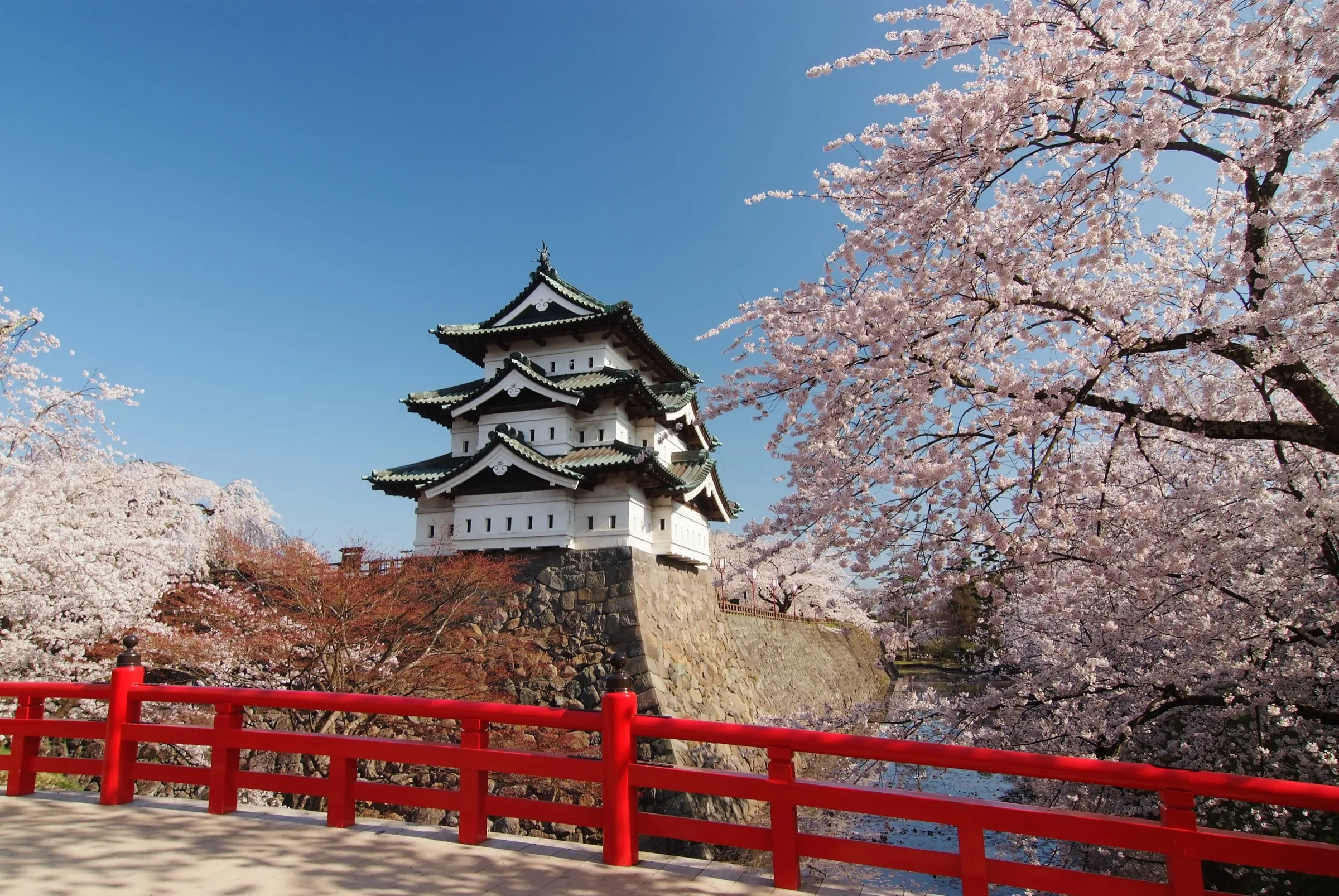
Built 1611 by the Tsugaru clan, Hirosaki Castle is one of twelve original Edo-period keeps remaining in Japan. The donjon you see today is technically a 1810 replacement of the 1627 original (which burned), but it’s still over 200 years old — older than most “original” castle reconstructions on the tourist circuit.
The reason most visitors come isn’t the keep itself: it’s the 2,600 cherry trees in Hirosaki Park, planted across the moats and ramparts, which bloom in late April and turn the entire complex into the single best castle-and-sakura combination in the country.
- Hirosaki Sakura Matsuri 2026: April 17 – May 5. Peak bloom forecast around April 22 (varies year to year).
- Honmaru & Kita-no-Kuruwa paid areas: ¥320 adult, ¥100 child. 7:00–21:00 during the festival.
- Donjon admission: ¥320 adult.
- Night illumination: 18:30–22:00 during the festival period.
Even outside cherry blossom season, the castle is worth a visit — autumn maples in October are excellent and far less crowded.
Aomori — Nebuta and the museum
From Hirosaki, the Ou Main Line runs to Aomori Station (~50 min, ~¥680). The city is small enough to walk: the harbor, Nebuta Museum WA-RASSE, and the A-FACTORY food hall are all within 10 minutes of the station.
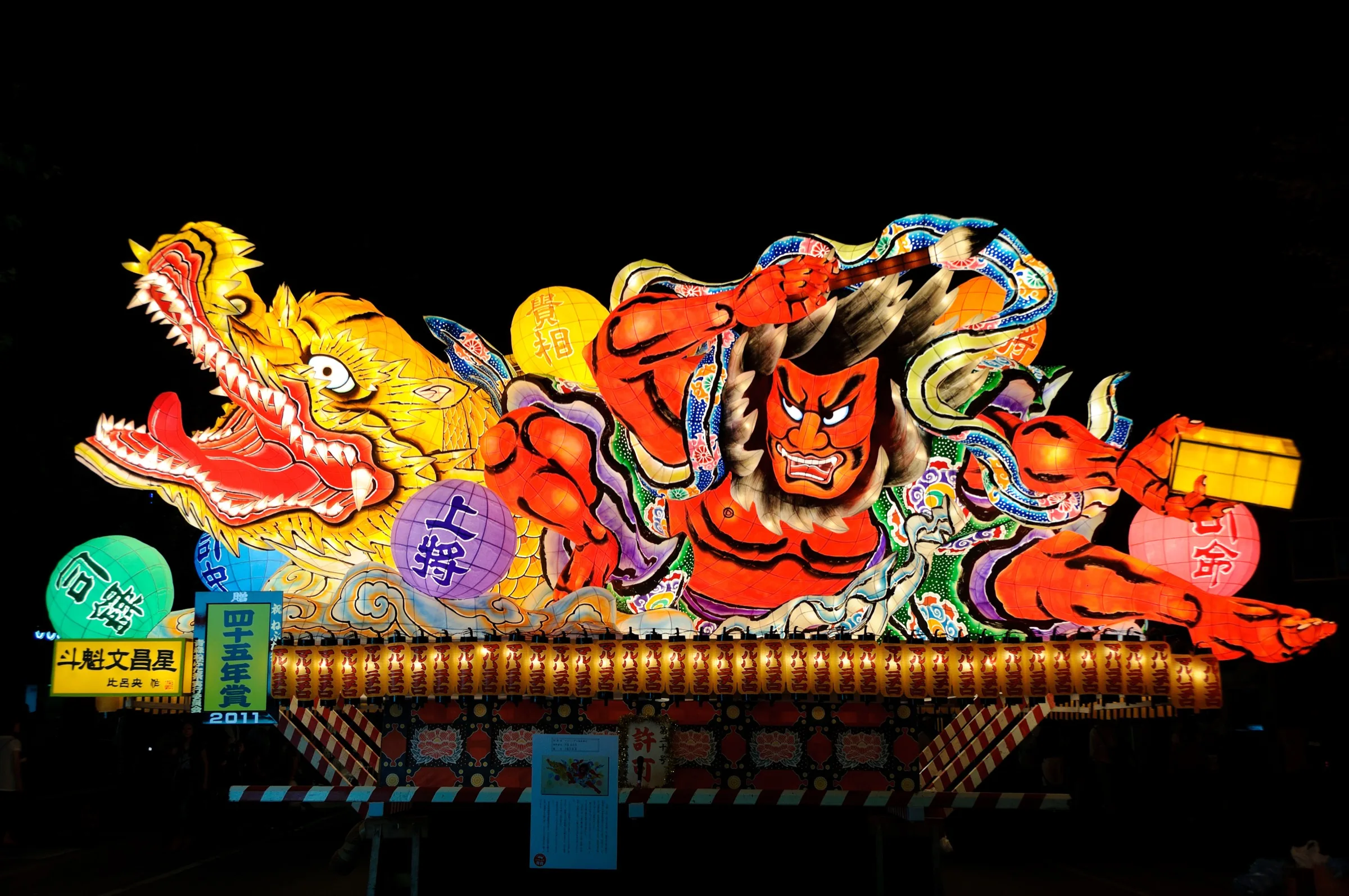
Nebuta Museum WA-RASSE houses several full-size floats from recent festivals year-round. Admission roughly ¥620 adult (verify on nebuta.jp before visiting). Hours 9:00–19:00 in peak season, 9:00–18:00 off-season. Closed briefly post-festival (around Aug 9–10) and at New Year.
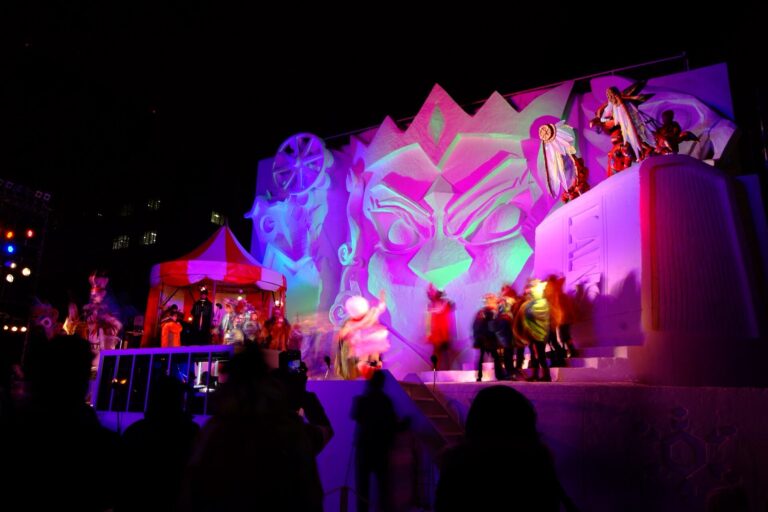
If your trip falls between August 2 and August 7, you’ve timed Tohoku exceptionally well. The actual Aomori Nebuta Matsuri is one of the three biggest festivals in Tohoku — large floats parade through the streets every evening from 19:10 to 21:00, with a daytime parade and harbor float-fireworks finale on August 7. Hotels book up 6+ months in advance for these dates.
Oirase Stream — if you have an extra half-day
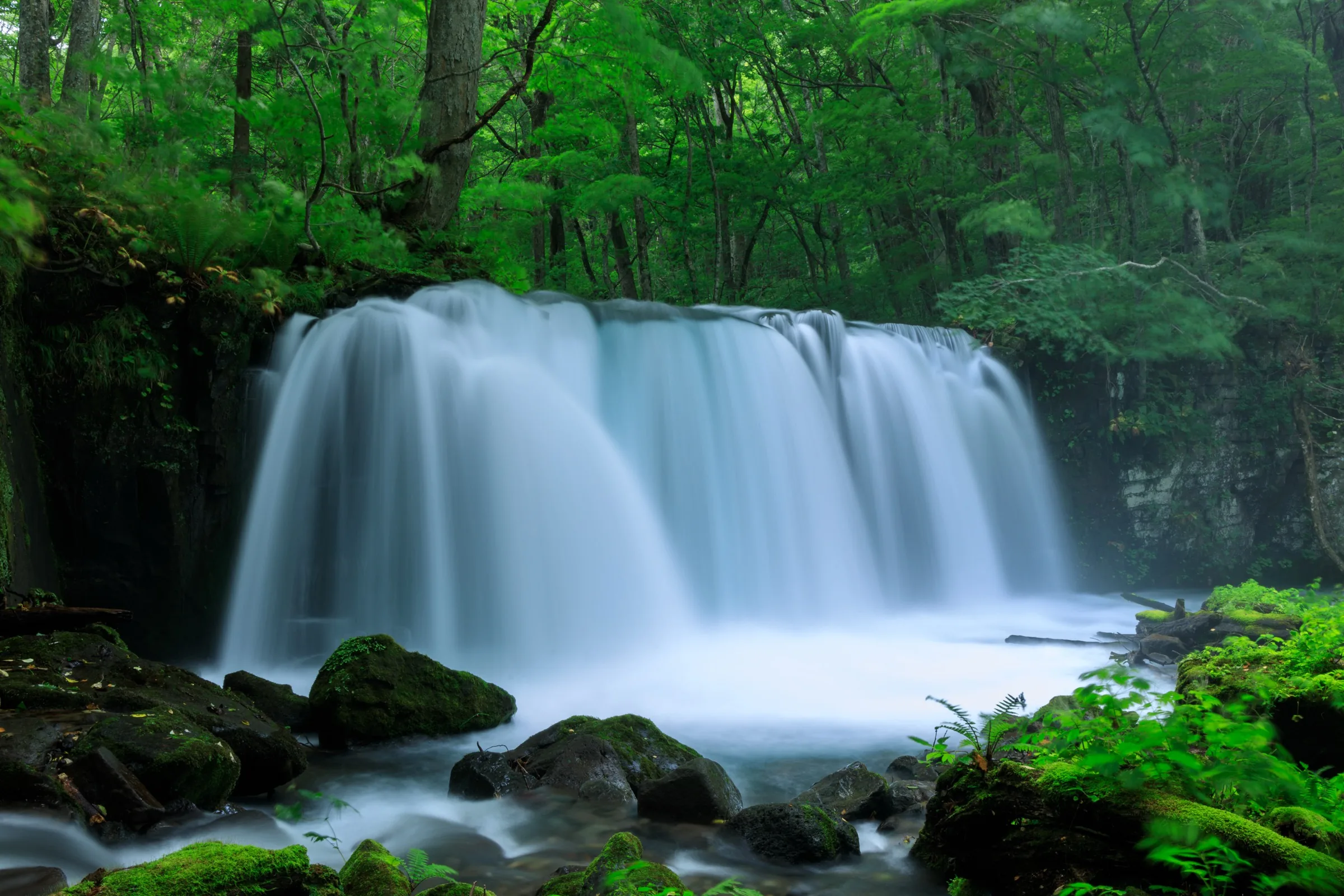
If your timing allows, the Oirase Stream walking trail is the secondary reason to come to Aomori. JR buses from Aomori or Hachinohe stations run to Yakeyama (lower trailhead), Ishigedo (most scenic mid-stream), and Nenokuchi on Lake Towada. The Nenokuchi to Ishigedo section, ~9 km / 2.5 hours one-way, is the classic walk. No bus service mid-November through March — winter access is essentially impossible without a car.
Aomori → Tokyo · Apple Country
An Apple Orchard, a Last Soak, and the Shinkansen Home
The last day is gentle. The Hayabusa back to Tokyo from Shin-Aomori takes just under three hours; you have the morning before you need to be on it.
Hirosaki Apple Park
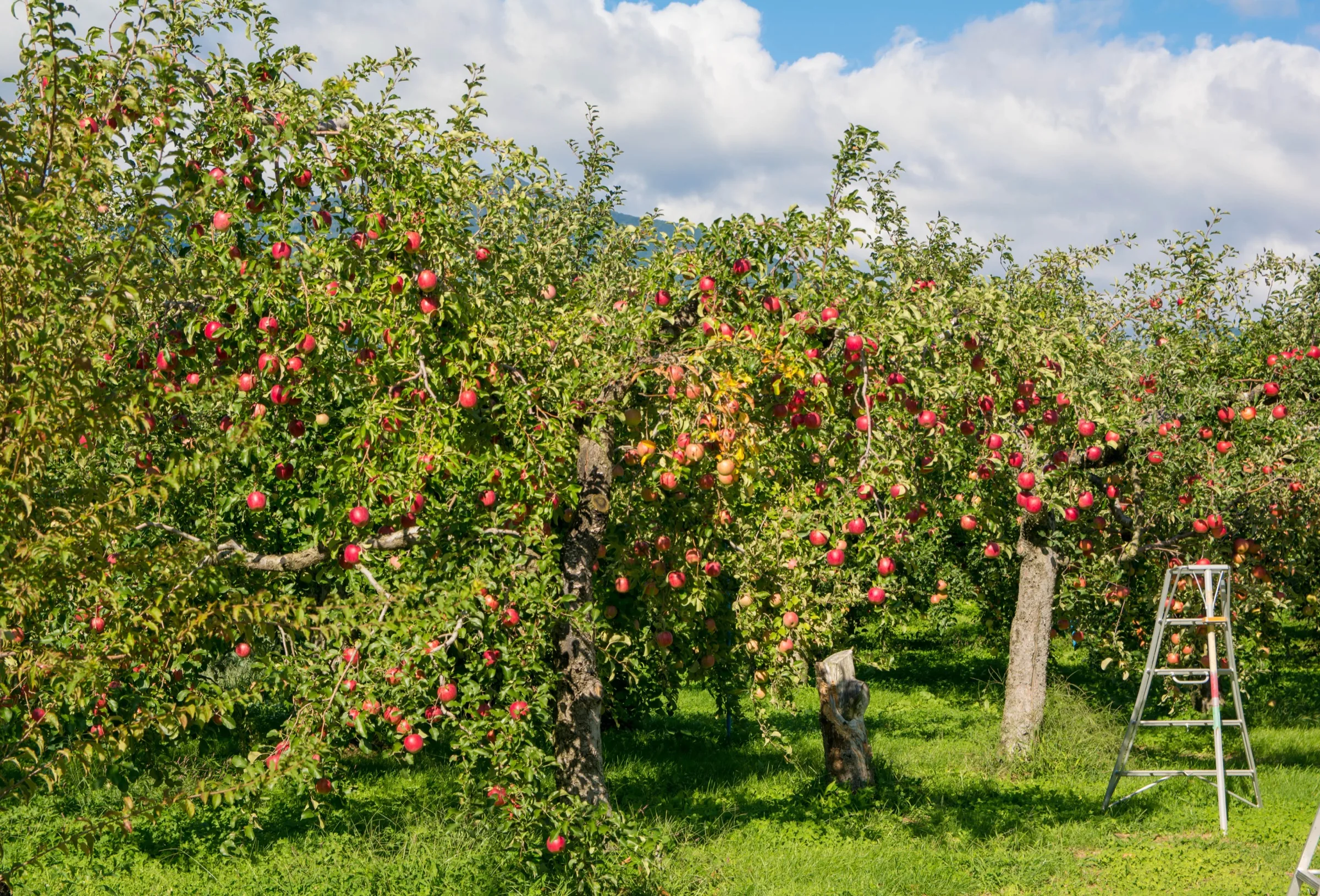
Aomori produces roughly 60% of Japan’s apples, and the Hirosaki area is the heart of the apple country. Hirosaki Apple Park (弘前市りんご公園), on the western edge of Hirosaki city, has 2,300 trees representing 80 different varieties — including some you’ve never heard of and some that don’t ship outside Aomori. Pick-your-own runs from August 1 through mid-November; the schedule rotates through varieties (early August: Natsu-midori; late October–November: Orin and Fuji).
- Park admission: free. Pick-your-own: ~¥400/kg depending on variety.
- The Apple House on-site sells over 1,200 apple-derived products (cider, vinegar, jam, baked goods, even apple-flavored curry).
- Bus from Hirosaki Station: ~25 minutes on the Tameshi-line bus, ¥210.
- Alternative: an entire road of orchards, Apple Road (りんご道), runs through the Hirosaki countryside; many smaller farms accept day-of bookings via the city tourism office.
One last bath
If you have time before the train, Asamushi Onsen sits on the JR Tsugaru Line about 25 minutes from Aomori Station — a small coastal hot spring on Mutsu Bay where local fishermen end the day. The seaside public bath at the station building is ¥350 and the view from the rotenburo is straight into the bay. A 90-minute round trip; an excellent way to kill time before the shinkansen.
Heading back
Shin-Aomori → Tokyo on the Hayabusa is 2h 59m at top speed. The fastest 8 trains a day make minimal stops; pick one of those if you have a connecting flight. Otherwise the views going south through the Tohoku mountains in the late afternoon light are reason enough to take the slow one.
If you flew up and are flying out, Aomori Airport has direct routes to Tokyo (Haneda), Osaka (Itami), Sapporo, and Nagoya. Domestic flight Aomori → Haneda is 75 minutes — faster than the shinkansen, slightly less scenic.
What it actually costs
| Category | Mid-range | Comfortable | Notes |
|---|---|---|---|
| Accommodation × 4 nights | ¥48,000 | ¥96,000 | Ginzan ryokan kaiseki adds ~¥30k extra per person |
| JR EAST PASS (5-day flexible) | ¥35,000 | ¥35,000 | Replaces individual point-to-point fares |
| Local buses + Senseki/Senzan lines | ¥6,000 | ¥6,000 | Matsushima cruise, Yamadera, Ginzan shuttle |
| Food (3 meals × 5 days) | ¥20,000 | ¥35,000 | Ryokan kaiseki at Ginzan = entire daily budget |
| Admissions + experiences | ¥6,500 | ¥9,000 | Yamadera, Hirosaki castle, WA-RASSE, Apple Park |
| Total per person | ¥115,500 | ¥181,000 | Excludes flights to Tokyo |
2026 transport note. The dedicated Tohoku-area JR East Pass was discontinued in March 2026. The replacement is the unified JR EAST PASS at ¥35,000 for 5 flexible days within a 14-day period — and it now covers Tohoku plus Niigata and Nagano, which makes a Tokyo–Aomori round trip with side excursions extremely good value. Hayabusa, Komachi, Kagayaki and similar all-reserved trains are covered (with required seat reservations); local Tohoku lines, the Senseki line to Matsushima, and the Senzan line to Yamadera are all included. Buy via JRailpass-equivalent overseas resellers or directly at major JR East stations on arrival.
Frequently asked questions
Is 5 days enough for Tohoku?
What season is best for Tohoku?
Do I need to reserve the Hayabusa shinkansen?
Can I do this trip in winter?
How does Tohoku compare to a Tokyo–Kyoto–Osaka itinerary?
How do I book a Ginzan Onsen ryokan?
— Nobu, who has now ridden the Hayabusa north a dozen times and still picks the right-hand window seat for the Sendai-to-Morioka mountain run.
If you have an extra day in Akita and time it for late spring, detour to Lake Shusenko’s cobalt-blue submerged forest, one of Tohoku’s strangest seasonal sights.
Japan’s Hidden Gems (44 by region)
More across the country: Japan’s hidden gems by region.
Tono, Iwate
Japan’s folklore country — a thatched farm village and the kappa stream.
Sasagawa Nagare, Niigata
An 11 km wave-carved Sea of Japan coast, best seen by boat.
Join travelers discovering Japan's hidden side
Weekly dispatches from off-the-beaten-path Japan — spots and stories you won't find in guidebooks.
No spam. Unsubscribe anytime.
Welcome aboard!
You're in. See you in your inbox soon.