Japan is one of the easiest countries to travel in — once you know the small rules that aren’t in the guidebooks. Since 2024 several practical things have shifted: a tourist card got discontinued, Kyoto closed off private alleys, Mt. Fuji moved to online reservations, and cashless finally overtook cash for day-to-day spending. This is the short list of things I’d tell a friend before their 2026 trip — the etiquette that actually matters, the apps worth downloading, and the small habits that make the difference between a smooth trip and a stressful one.
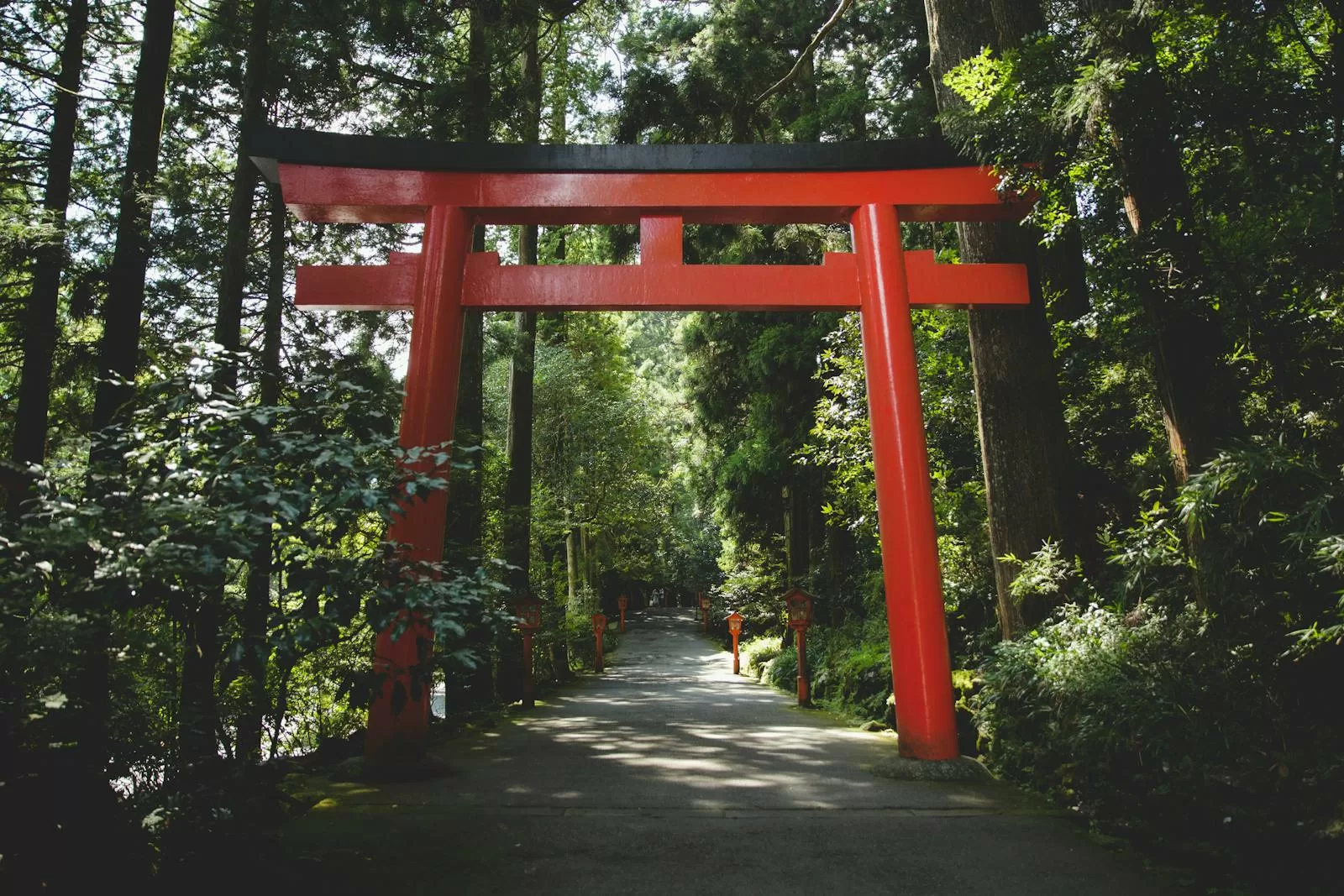
Table of Contents
Quick Facts: Essential Japan 2026
| Category | What to know in 2026 |
|---|---|
| Language | Japanese. English signage is good in major cities, patchy elsewhere. Translation apps cover the rest. |
| Currency / Payment | Yen (¥). Cards widely accepted in cities; carry ¥15,000–¥20,000 cash for rural areas and small shops. |
| Connectivity | eSIM or pocket Wi-Fi. Avoid relying on free public Wi-Fi for navigation. |
| Tipping | No. Don’t tip. Many staff will chase you down to return the money. |
| Emergency numbers | 110 (police), 119 (ambulance / fire). |
| Tap water | Safe to drink nationwide. Refill your bottle. |
| Electricity | 100V (50Hz in the east, 60Hz in the west). Sockets are Type A (two flat slots) or Type B (with an earth hole). A plug with two parallel flat pins of equal width and no earth pin fits; a wider pin may not, an earth pin needs an earthed three-hole socket, and other shapes need a plug adapter. A plug adapter does not change the voltage or provide an earth connection by itself, so check that the device is rated for 100V (North American devices too) and follow its manual if it needs earthing. More in Japan plug type and voltage by country. |
| Pre-arrival | Register on Visit Japan Web before your flight — it cuts airport time in half. |
What Changed in 2025–2026
A handful of rule changes that specifically affect foreign visitors:
- Kyoto’s private Gion alleys are closed to tourists. A ¥10,000 fine applies on specific narrow streets off Hanamikoji where geiko and maiko walk to work. Main thoroughfares in Higashiyama and Gion-Shijo remain open.
- Welcome Suica is phasing out. The old 28-day tourist card is harder to get. If you have an iPhone, add a standard Suica in Apple Wallet — it works exactly the same, has no expiry, and can be topped up from a foreign credit card.
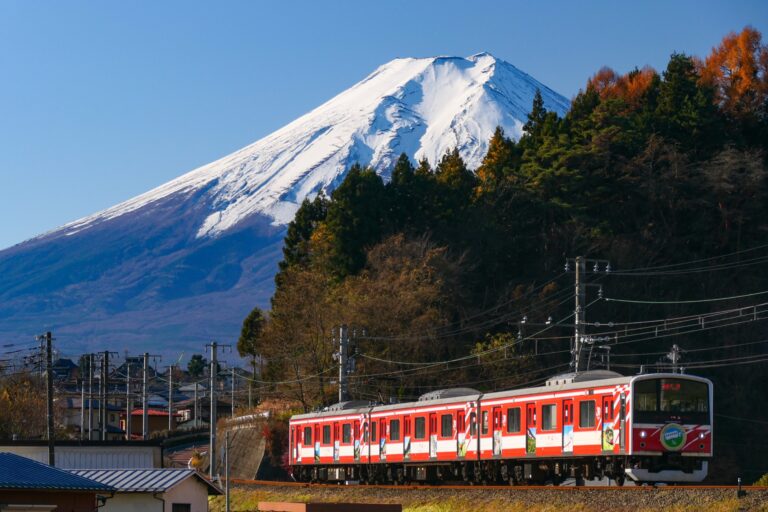
- Mt. Fuji climbing requires online pre-reservation. All trails now use a digital gate system during climbing season, with daily visitor caps and a mandatory fee. See our Mt. Fuji Complete Guide for current procedures.
- Visit Japan Web is now the default. Completing the online immigration and customs declaration before your flight lets you use a QR-code lane at the airport — the paper-form lane still exists but is noticeably slower.
- Some attractions introduced two-tier pricing. Resident vs. non-resident rates have started appearing at a few headline spots. Not widespread, but expect it in parts of Kyoto, Nara, and Okinawa.
Connectivity: eSIM Beats Pocket Wi-Fi for Most People
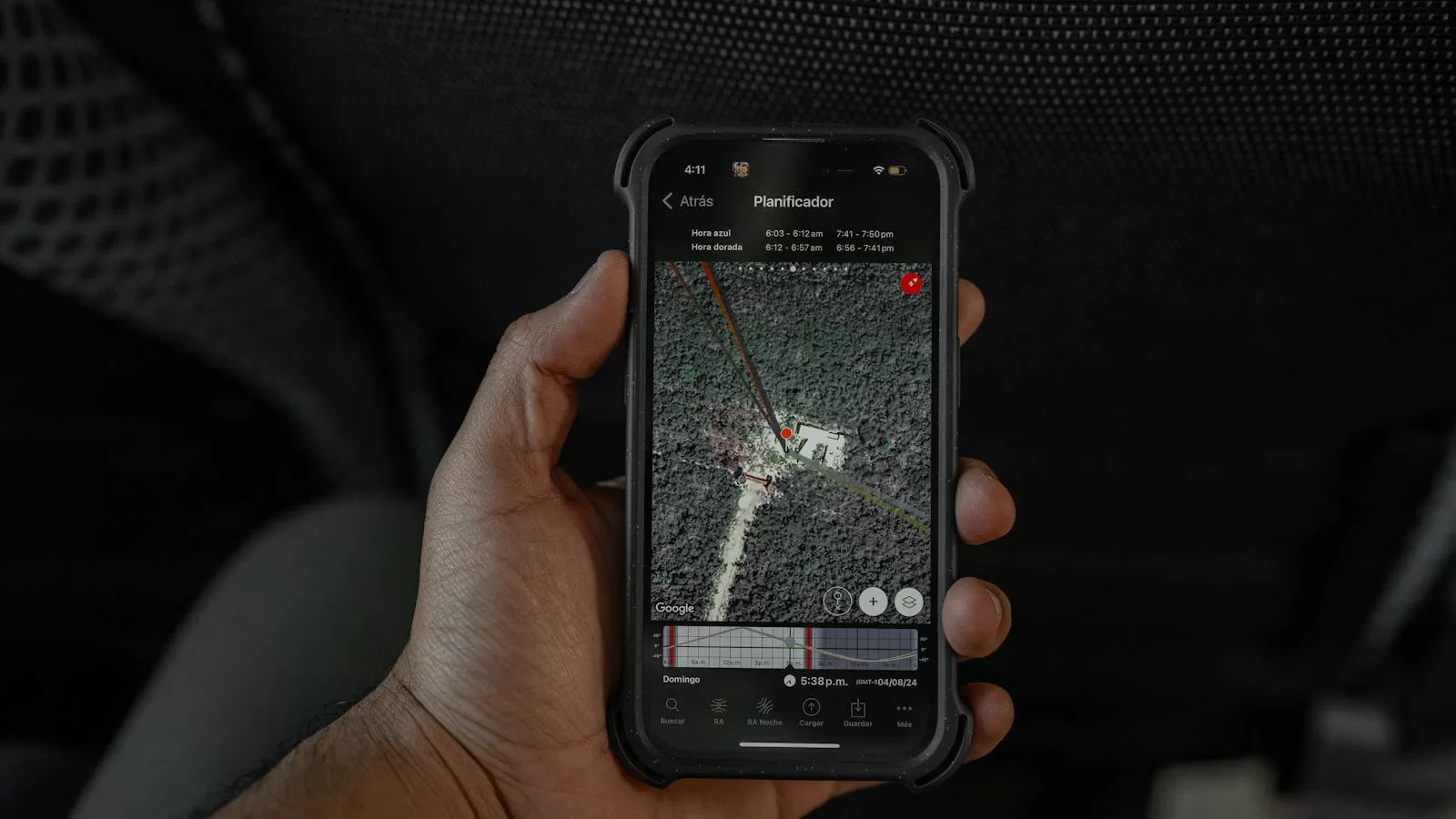
If your phone supports eSIM (every iPhone XS or newer, most modern Android), an eSIM is cheaper, faster, and smaller than a pocket Wi-Fi device. Activate it before you land — it starts working the moment you connect at the airport.
- eSIM (recommended): 5–10 GB for a one-week trip, ¥1,500–¥3,000. Buy in advance on Klook or Airalo.
- Pocket Wi-Fi: Worth it only if you travel in a group (2–4 people can share one device) or your phone doesn’t support eSIM. Airport pickup is easy.
- Physical SIM: Sold at airports; more hassle than eSIM with no advantage.
- Free public Wi-Fi: Common in stations, convenience stores, and Starbucks. Fine for checking email, but don’t plan your day around it.
Apps Worth Downloading Before You Land
- Google Maps — essential. Transit directions in Japan are excellent, including which train car to board for the fastest exit.
- Google Translate — download Japanese offline. The camera-translate feature reads menus and signs in real time.
- Navitime for Japan Travel — free, English, better for train transfers than Google Maps in rural areas.
- Japan Official Travel App (JNTO) — emergency info, disaster alerts, and free Wi-Fi locations.
- A payment app your bank lets you use abroad — Apple Pay and Google Pay work in most chain stores.
Cash vs. Card: What’s Actually True in 2026
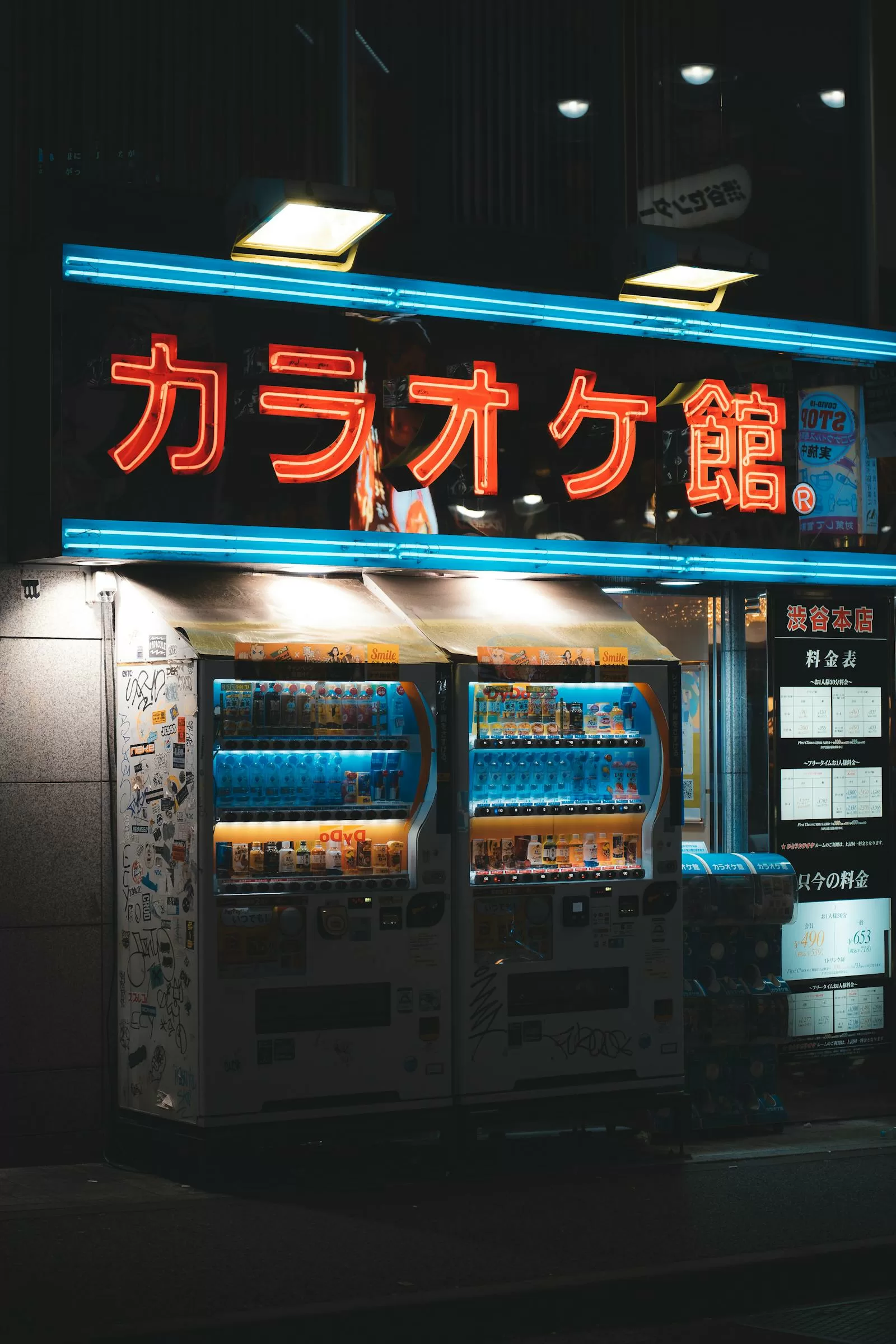
Cashless is now the default in cities. Cards, Apple Pay, Google Pay, and IC cards (Suica/Pasmo/ICOCA) are accepted at nearly every chain store, restaurant, and train. Cash is still needed in a few predictable places:
- Small, independent ramen and izakaya shops
- Rural ryokan and minshuku
- Temple admissions and omamori (charm) purchases outside the biggest temples
- Some street food stalls and market vendors
- Older taxis outside of Tokyo
Withdraw from 7-Bank (inside every 7-Eleven), Japan Post Bank, or Lawson ATMs — all accept foreign cards 24/7. For a full cost breakdown, see our Japan Budget Guide 2026.
Etiquette: The Small Rules That Matter
Japan doesn’t expect tourists to get everything right. But a few habits separate a respectful visitor from a frustrating one.
On the Train
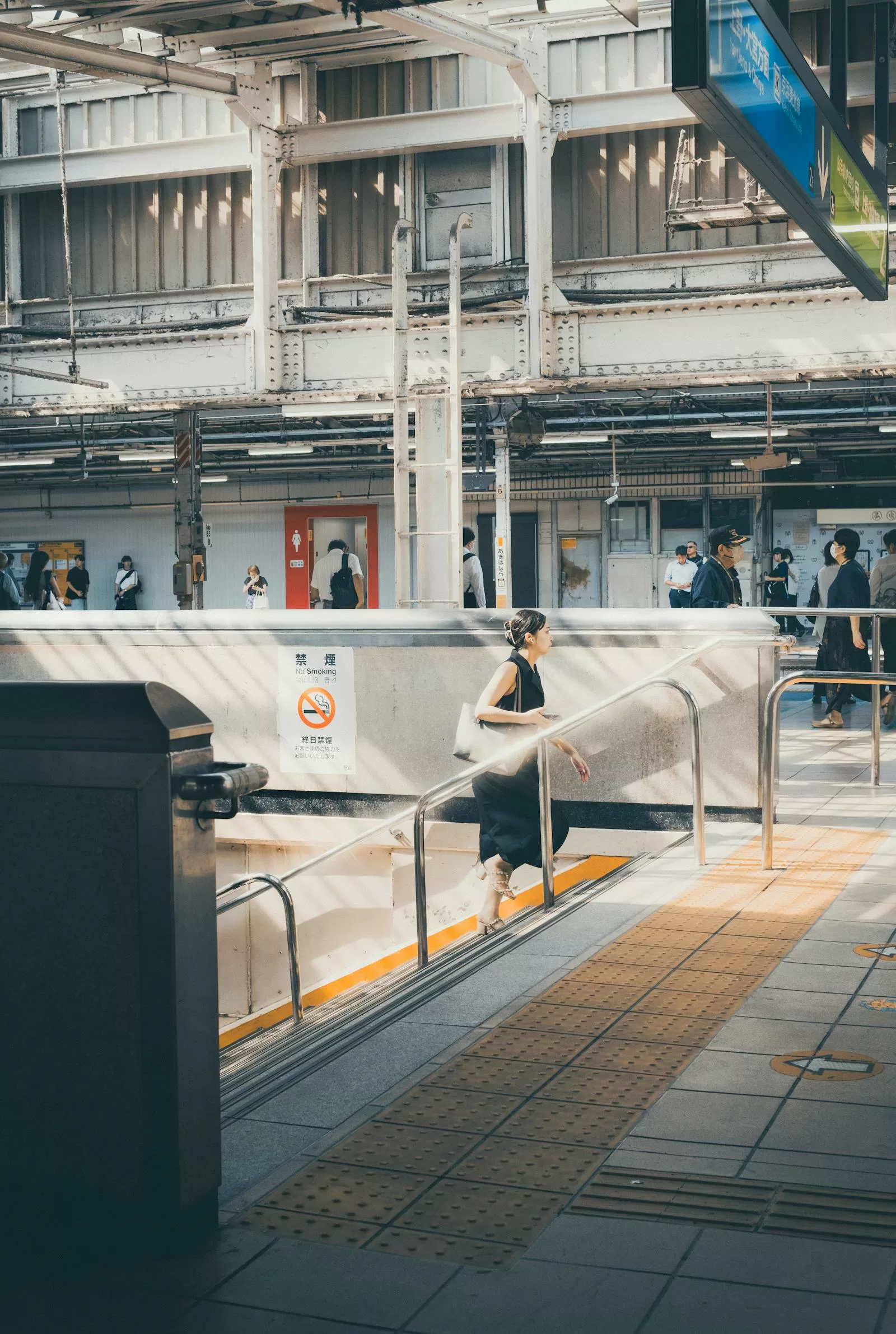
- Phone on silent; don’t take calls. Texting is fine.
- Line up between the arrows on the platform. When the train arrives, let passengers off first.
- Priority seats are for elderly, pregnant, and disabled passengers — not “first come first served.”
- Large luggage goes in the overhead rack or between your legs, not on an empty seat.
- On escalators: stand left in Tokyo, stand right in Osaka. Yes, really.
At Temples and Shrines
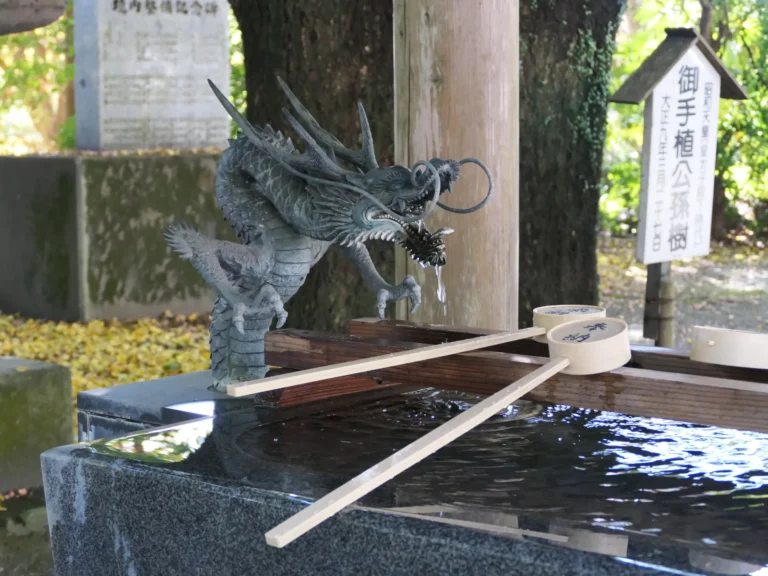
- Shrines (神社, jinja): bow slightly at the torii before entering, wash hands at the temizuya basin, approach the main hall, toss a coin, bow twice, clap twice, pray quietly, bow once.
- Temples (寺, tera): no clapping. Bow quietly, put hands together, and step away.
- Photos are usually fine outside, usually not fine inside main halls. Look for the no-photo icon.
- Don’t step on doorway thresholds (the raised wooden frame) — step over them.
- Dress modestly for religious buildings. No tank tops or short shorts in main halls.
At the Onsen
- Fully wash, rinse, and sit on the provided stool at the shower stations before entering the bath.
- No swimsuits. Bathing is nude.
- No large towels in the water. The small towel stays on your head or on the edge of the tub.
- Tattoos: acceptance has grown, but many onsen still prohibit visible tattoos. Check ahead; cover-up patches work in some places.
- Don’t wash your hair or shave in the bath itself — that’s what the shower is for.
At Restaurants
- Wait to be seated. Most places bring you to a table or counter spot.
- Never stick chopsticks upright in rice (funeral symbolism). Lay them across the rice bowl or on the rest.
- Slurping noodles is fine and often a compliment — especially for ramen and soba.
- Don’t pour your own drink at an izakaya; fill your companion’s glass, they’ll fill yours.
- Saying “itadakimasu” before eating and “gochisousama” after is appreciated but optional.
Safety and Emergencies
Japan is one of the safest countries in the world, but the practical basics:
- 110 for police, 119 for ambulance or fire. Operators handle basic English.
- Koban (small neighborhood police boxes) are everywhere in cities — staff help with lost items and directions.
- Earthquakes: drop, cover, hold on. Most hotel rooms have a printed bilingual earthquake guide.
- Travel insurance is worth it. Medical care is excellent but not free for non-residents; a broken leg can run into six figures in yen.
- The JNTO app sends disaster alerts in English (earthquakes, typhoons).
Packing, Luggage, and Laundry
- Pack light. Japanese hotel rooms are smaller than you expect, train station lockers are sized for carry-on, and shinkansen oversize-luggage spots require a reservation.
- Takuhaibin (luggage forwarding) is a national superpower. Ship your large suitcase between hotels for ¥1,500–¥2,500 per piece and travel with a day bag. Yamato Transport (Kuroneko) counters are at most business hotels.
- Coin laundry is in most business hotels and every neighborhood. Wash and dry costs about ¥600–¥900.
- Shoes: expect to remove them at ryokan, some restaurants, and temple interiors. Slip-ons beat lace-ups.
Weather and Season Planning
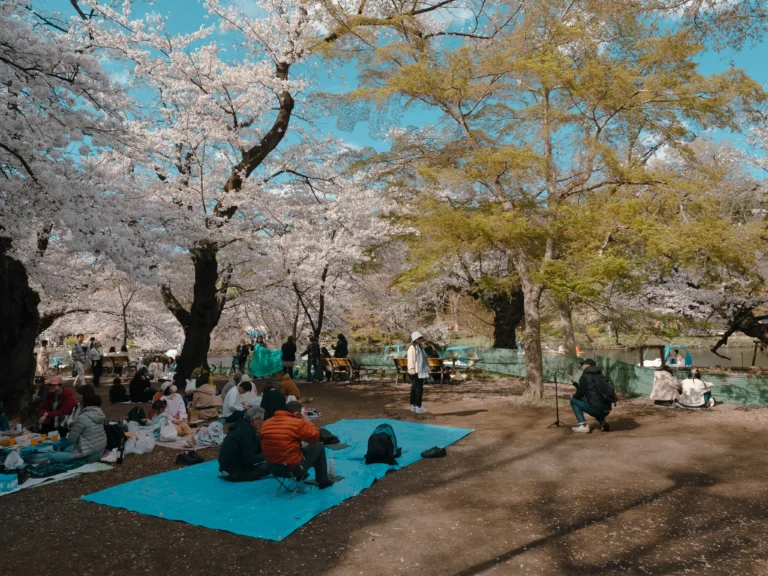
- Cherry blossom: late March to mid-April, varying by region. Crowded and expensive.
- Rainy season (tsuyu): early June to mid-July for most of Honshu. Humid, frequent showers, few tourists — and genuinely beautiful.
- Summer: hot and humid, especially in cities. August is brutal. Consider northern Japan (Hokkaido, Tohoku) or the Japanese Alps.
- Autumn foliage: mid-November to early December. The second peak-tourist season.
- Winter: cold but dry in Tokyo/Kyoto. Perfect for onsen trips. Hokkaido and the Japan Sea side get heavy snow.
- Typhoons: August–October. Track them in the JNTO app; domestic flights cancel readily. My typhoon season guide has the 30-year pattern.
Tax-Free Shopping in 2026
Foreign tourists can buy most goods without the 10% consumption tax at participating shops (look for a “Tax-Free” sign). Rules that apply in 2026:
- Minimum purchase: ¥5,000 per shop per day.
- Passport required at checkout.
- Consumables (food, cosmetics) must be sealed and taken out of Japan.
- Take-home goods can be used in Japan.
- Department stores consolidate tax-free processing at one counter — shop first, process last.
A system overhaul is planned for 2026–2027: some retailers may switch to a refund-on-departure model rather than point-of-sale exemption. Keep receipts and check the sign at the register.
Frequently Asked Questions
Do I need to speak Japanese to travel in Japan?
No. Tokyo, Kyoto, and Osaka have enough English signage and staff to get by. Translation apps handle menus and signs. Learning “sumimasen” (excuse me), “arigatou gozaimasu” (thank you), and how to count to ten is plenty.
Is it rude not to tip in Japan?
It’s the opposite. Tipping is not part of the culture and can confuse or embarrass staff. Service charges are already built into the price.
Can I wear tattoos in public?
In public, yes — nobody cares. Tattoos are restricted at some onsen, public pools, and gyms. Cover-up patches often work; larger tattoos are best paired with private-bath ryokan or tattoo-friendly onsen (there are lists online).
What should I avoid doing in Japan?
Eating or drinking while walking (except at festivals), talking loudly on trains, stepping into tatami rooms with shoes, photographing geiko or maiko without permission in Kyoto, and blowing your nose in public.
Do I need an international driver’s permit?
Yes — Japan recognizes the 1949 Geneva Convention IDP. Get it before you leave home; you cannot get one in Japan. Driving is on the left.
What’s the biggest mistake first-time visitors make?
Overpacking the itinerary. Six cities in ten days sounds efficient and produces a stressed, surface-level trip. Three cities with proper time in each — including one full day with no plan — lands better.
Can I use my American credit card in Japan?
Visa and Mastercard are widely accepted. American Express works at large chains and high-end restaurants but has spotty coverage at small shops. Always have a backup card and some cash.
Is Japan welcoming to solo travelers?
Very. Ramen counters, kaiten-zushi (conveyor-belt sushi), standing bars, and capsule hotels are designed for people eating and staying alone. Safety at night is excellent.
Final Take
Japan rewards travelers who show up prepared. You don’t need to speak the language or memorize etiquette books — just know the big rules, download an eSIM, carry a working cash float, and leave room in your schedule for the unplanned parts of the trip. The best days in Japan are almost always the ones you didn’t plan.
Last updated: April 2026. For daily costs and the money side of a Japan trip, see our Budget Guide 2026. For airport logistics, see the flight and airport guide; for trains and local transport, how to get around Japan.
The form you have selected does not exist.
Join travelers discovering Japan's hidden side
Weekly dispatches from off-the-beaten-path Japan — spots and stories you won't find in guidebooks.
No spam. Unsubscribe anytime.
Welcome aboard!
You're in. See you in your inbox soon.