Kyoto

Quiet neighborhoods, local culture, and hidden places in Kyoto.

Kansai · Kyoto

Kyoto rewards travelers who step two streets back from Kiyomizu and Fushimi Inari, and these 35 field-tested guides map exactly where to do it.

They cover the early-morning windows that beat the tour buses, the lesser-known temples in Higashiyama and Arashiyama, machiya stays the global booking sites underrepresent, and the neighborhood ramen and kissaten locals actually use. Best in early November for foliage, or January for the quietest temple mornings of the year.

Lesser-Known Kyoto Autumn Temples and Shrines: 9 Places with Access and Crowd Notes (2026)
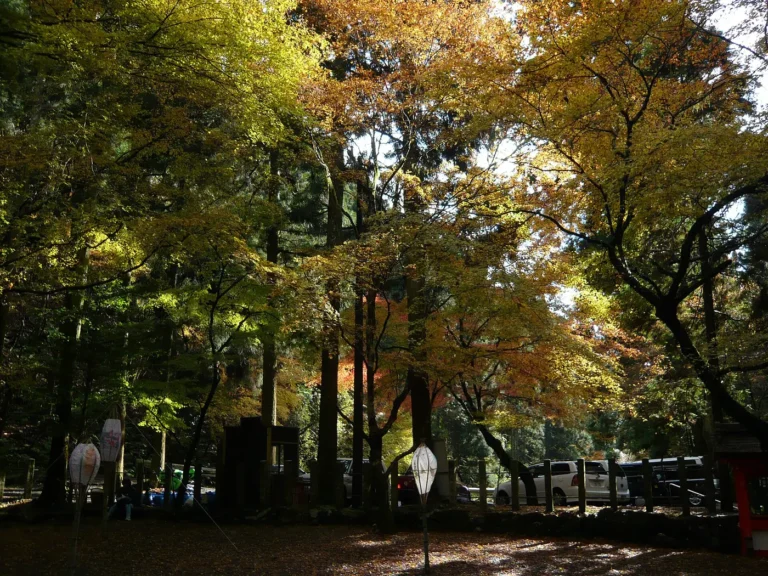
Tall trees with leaves turning yellow, orange and red over a shaded shrine yard, paper lanterns on poles in the foreground and parked cars and vans visible behind a low fence.

Nine temples and shrines from my list of 54 lesser-known places in Kyoto, all with autumn colour documented by their own sites, Kyoto City or Weathernews. Five have a checkable access or timing difference, three more were included for their location in city dispersal areas (a policy, not a crowd count), and Adashino is a companion stop to Giōji. None is guaranteed quiet; each entry says what can still make it busy. Plus Enkoji's and Rurikoin's 2026 booking rules.
Kyoto’s Temple Natto: Daitokuji, Ikkyuji and Keihoku’s Sticky Legend

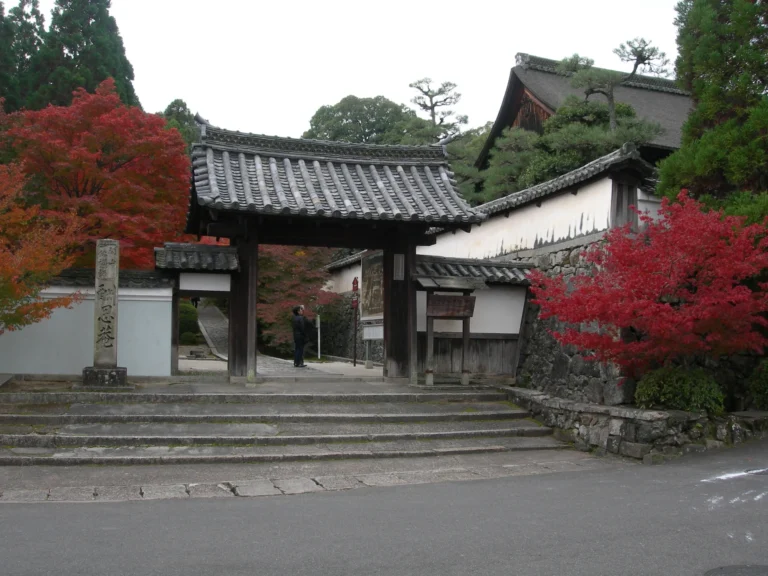
The outer gate of Ikkyuji at the top of a short flight of stone steps: a small gate with a dark tiled roof between white walls, a stone pillar inscribed with the temple name at the left, and maples in bright red leaf on both sides.

Daitokuji natto has no strings: soybeans fermented with koji mould, salted and sun-dried until black. Where to buy it in front of the temple (from ¥500 for 50 g), why Ikkyuji's natto is sold only by the temple, and why Keihoku's natto legend is about the sticky kind, with access for each and the weekend bus connections for Keihoku.