Tochigi · Nature
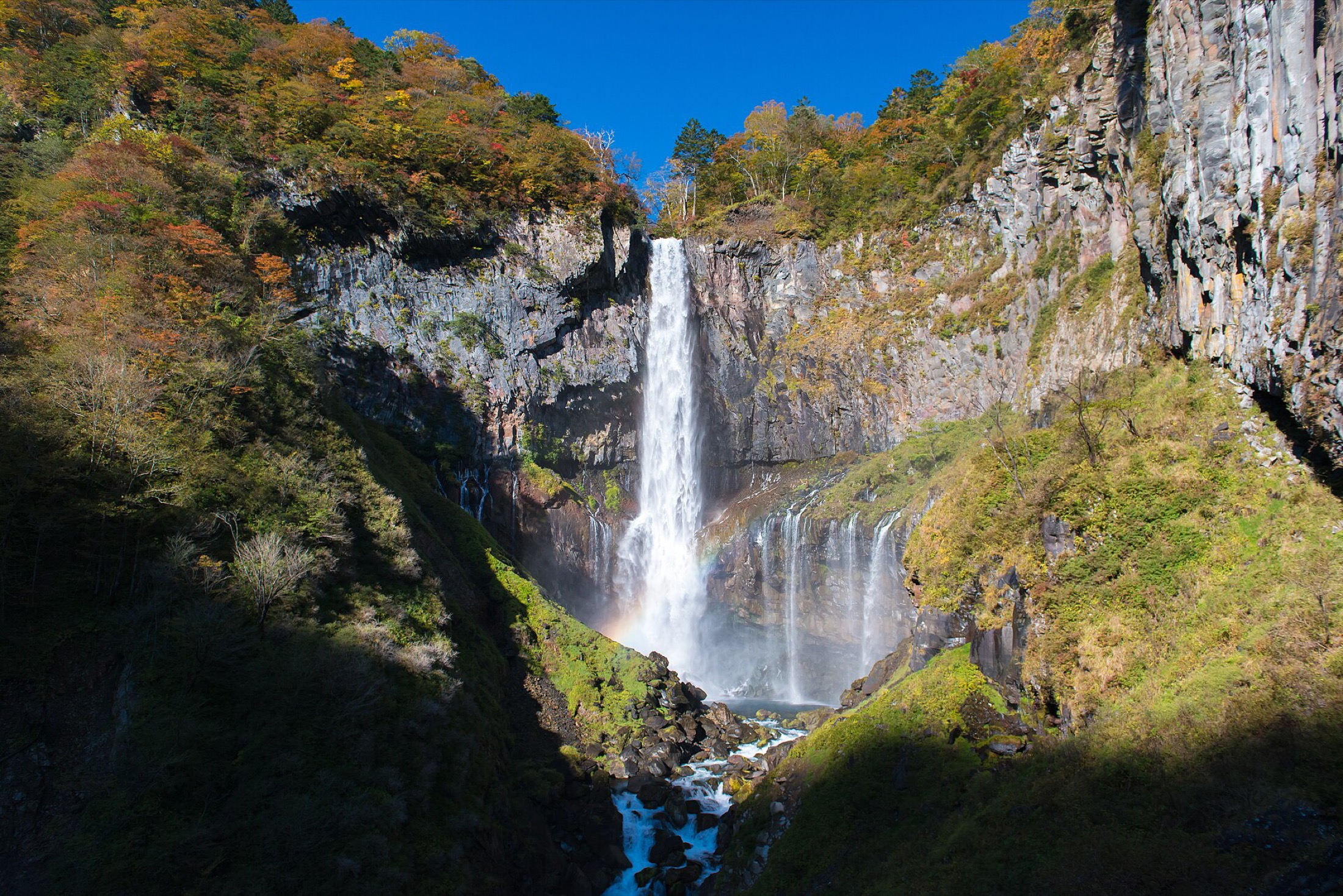
Tochigi packs ten remarkable waterfalls into one prefecture — from Kegon’s 97-metre plunge, one of Japan’s three most famous falls, to a 65-metre-wide curtain you reach in five minutes from a country train station literally named “Taki” (waterfall). The gateway town, Nikko, is about two hours north of Tokyo by Tobu train, and the high ground helps: Okunikko’s August daytime normal is 22.9°C (JMA), about eight degrees cooler than Tokyo, and by late September the maples at Ryuzu Falls are the first in Nikko to turn. Here is the full list — heights, buses, parking, and what’s open — checked against the official sources in August 2026.
The ten falls at a glance
Every height and access figure below comes from the official tourism pages, checked August 2026. Times are one-way from the nearest bus stop, station or car park.
| Waterfall | Size | Getting there | Walk in |
|---|---|---|---|
| Kegon 華厳滝 | 97 m plunge | Bus from Nikko stn ~50 min (¥1,250), Chuzenji Onsen stop + 5 min | Elevator ¥600 return |
| Ryuzu 竜頭ノ滝 | 210 m cascade | Yumoto-bound bus ~65 min (¥1,600), Ryuzu-no-taki stop | ~2 min |
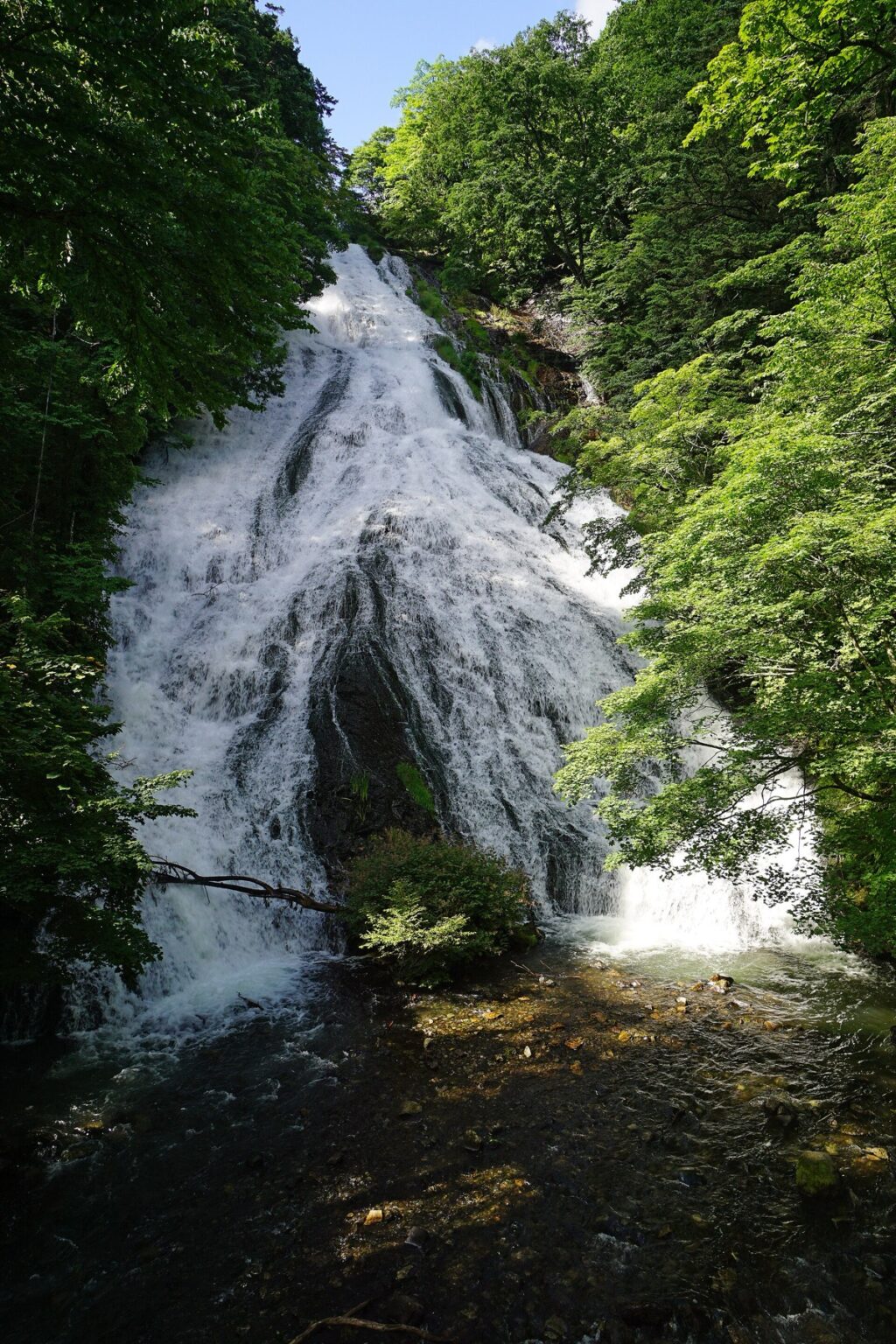
| Yudaki 湯滝 | 70 m high, 110 m long | Yumoto-bound bus ~80 min, Yudaki-iriguchi stop | ~5 min (parking ¥500) |
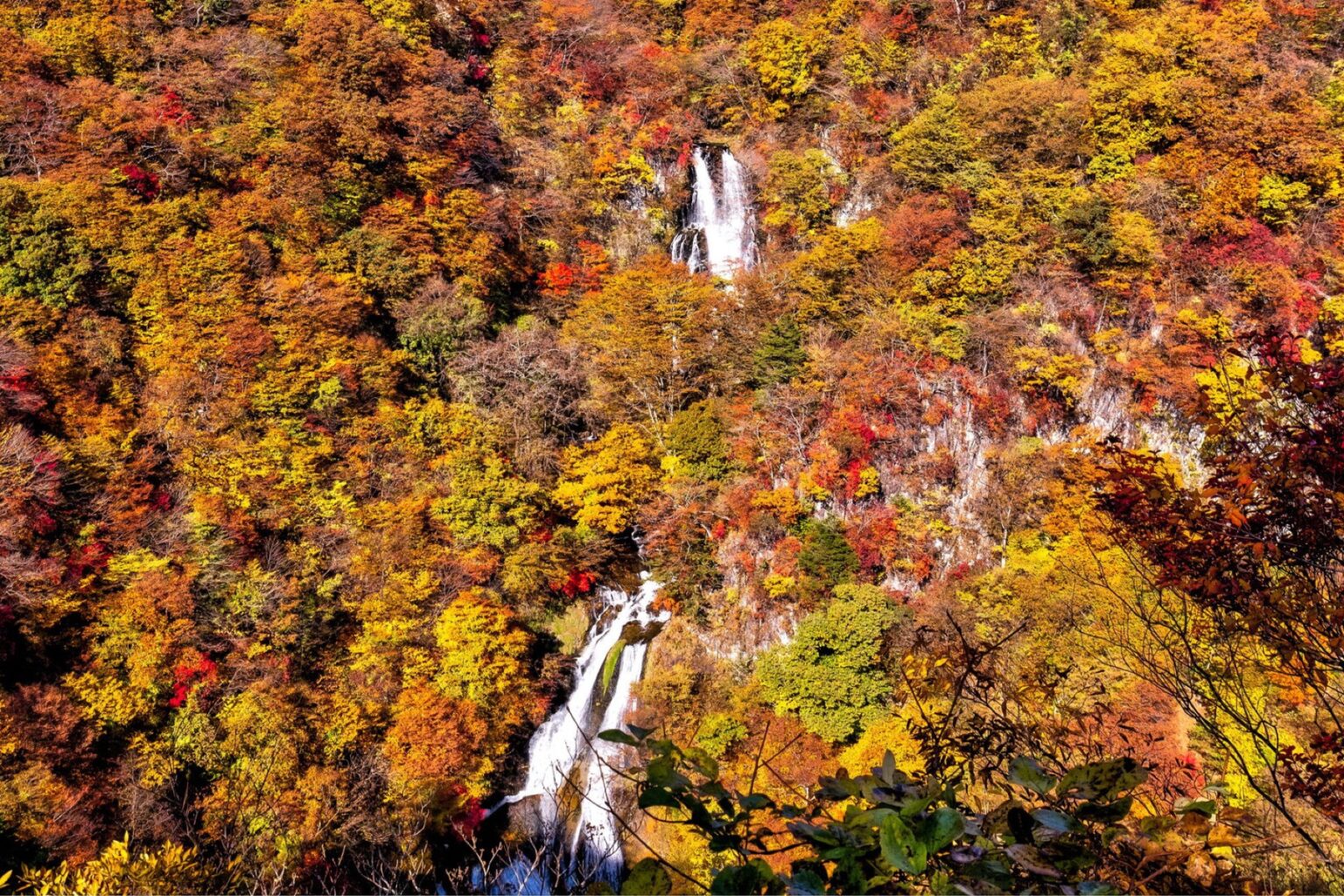
| Kirifuri 霧降の滝 | 75 m total; main tiers 25 m + 26 m | Kirifuri bus from Nikko stn ~15 min (¥380) | ~10 min to deck |
| Urami 裏見ノ滝 | ~20 m | Bus ~15 min + walk, or car via Kiyotaki IC | ~15 min from car park |
| Nijimi 虹見の滝 | Gorge waterfall | Ryuokyo stn (Yagan Railway) + ~10 min | Short descent |
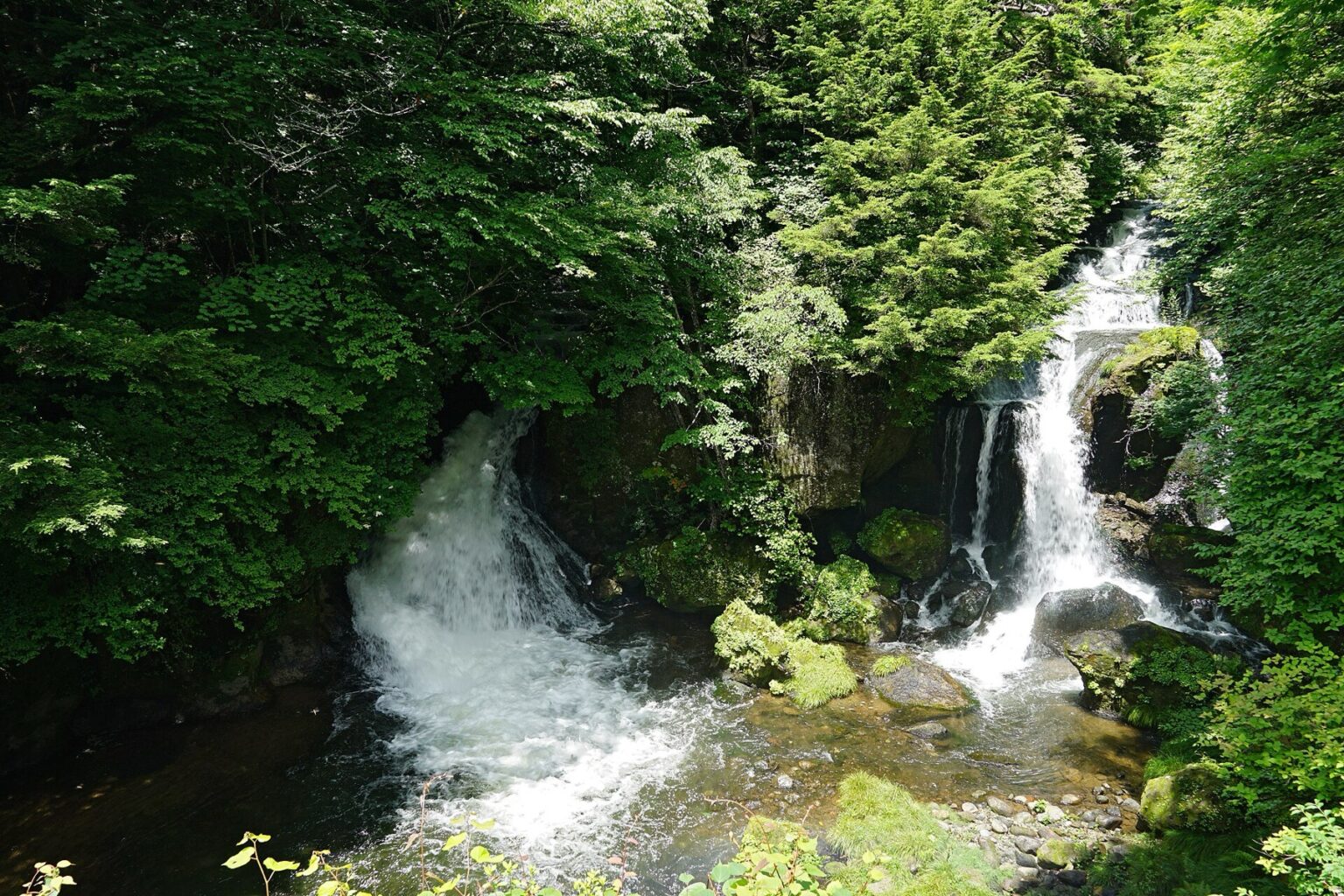
| Ryuka 竜化の滝 | 60 m, three tiers | Roadside car park on Rte 400, Shiobara | 0.7 km, ~20 min |
| Mikaeri 回顧の滝 | 53 m ribbon | Shiobara gorge; viewing deck via suspension bridge | ~10–15 min |
| Otome 乙女の滝 | ~10+ m, 5 m wide | Car ~20 min from Nasu IC; seasonal bus on select days | ~30 m of steps — deck only |
| Ryumon 龍門の滝 | 20 m high, 65 m wide | JR Karasuyama line to Taki stn | ~5 min |
Okunikko: the big three on one bus line
Kegon, Ryuzu and Yudaki all sit on the same bus route from Nikko station up to Yumoto Onsen, which makes them a natural one-day circuit — and at 1,200–1,500 m of altitude, the air stays cool when Tokyo is sweltering. If you’re basing overnight, the lakeside at Chuzenji or the hot-spring hamlet at Yumoto put you at the falls before the day-trip buses arrive; it’s worth comparing Chuzenji and Yumoto stays on Booking or the same lakeside hotels on Agoda early for autumn weekends.
Kegon Falls — the 97-metre icon
The outflow of Lake Chuzenji drops 97 m in a single column — one of Japan’s three most famous waterfalls. The paid elevator (¥600 return, ¥400 for children; 8:00–17:00 Mar–Nov, 9:00–16:30 in winter) descends to a lower deck almost level with the plunge pool, where the spray and the roar are a different experience from the free upper terrace. It can pause in bad weather.
Ryuzu Falls — the dragon’s head
A 210-metre cascade sliding down old lava from Mt. Nantai, splitting into two channels around a rock — the “dragon’s head” of the name. The teahouse at the bottom looks straight up the flow. This is officially the first place in Nikko to take on autumn colour, starting from late September — it anchors the early-koyo season we map in the September calendar.
Yudaki Falls — the 70-metre wall
Lake Yunoko pours over a broad lava face, 70 m high and 110 m long, and the viewing deck sits close enough for the mist to reach you. Car park ¥500 in season. One caveat for hikers: the Senjogahara loop paths below the falls are scheduled for construction closures from early August 2026, so check the prefecture’s trail notices before planning the classic marsh walk-down.
Nikko town: two falls with three centuries of fans
Kirifuri Falls — the mist-scatterer
Fifteen minutes by bus from Nikko station (¥380), then a ten-minute forest walk to the deck. A two-tier fall totalling 75 m, with main tiers of 25 m and 26 m; the lower one breaks into fine droplets — kirifuri means “falling mist.” Nikko’s tourism pages count it among the three famous falls of Nikko with Kegon and Urami. From June to October, especially on and after rainy days, the official page warns about yamabiru (land leeches) on surrounding trails — stick to the deck path.
Urami Falls — Basho stood here
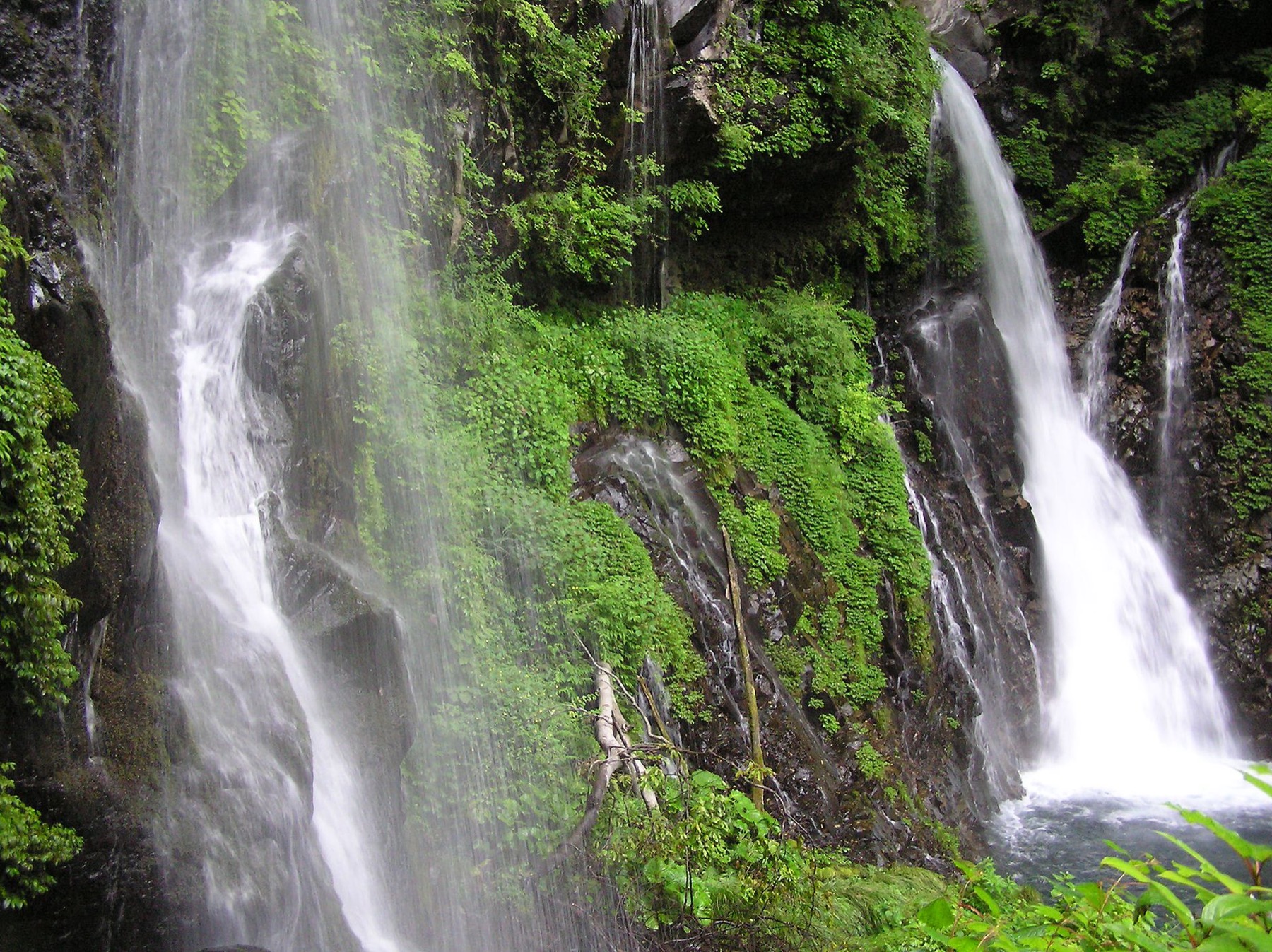
A quieter, mossier fall of about 20 m at the end of a riverside walk (~15 min from the car park). Matsuo Basho visited in 1689 on the Narrow Road journey and left a haiku about sheltering in the fall as summer began. The path reopened in November 2024 after rockfall-prevention work, and is open as of August 2026.
Kinugawa: the gorge waterfall
North of Kinugawa Onsen, the Ryuokyo gorge is a stretch of pale volcanic rock and deep green river, and Nijimi Falls (“rainbow-viewing”) is its front door: ten minutes on foot from Ryuokyo station on the Yagan Railway, down into the canyon where the fall drops toward the river and catches rainbows in sunlight. There’s a large trailhead car park (about 100 spaces), and the hiking course on toward Kawaji Onsen was open as of the city’s May 2026 update. The city’s course page also carries a yamabiru (land leech) caution for the warm months — Kirifuri’s page is more specific, flagging June to October, especially on and after rainy days.
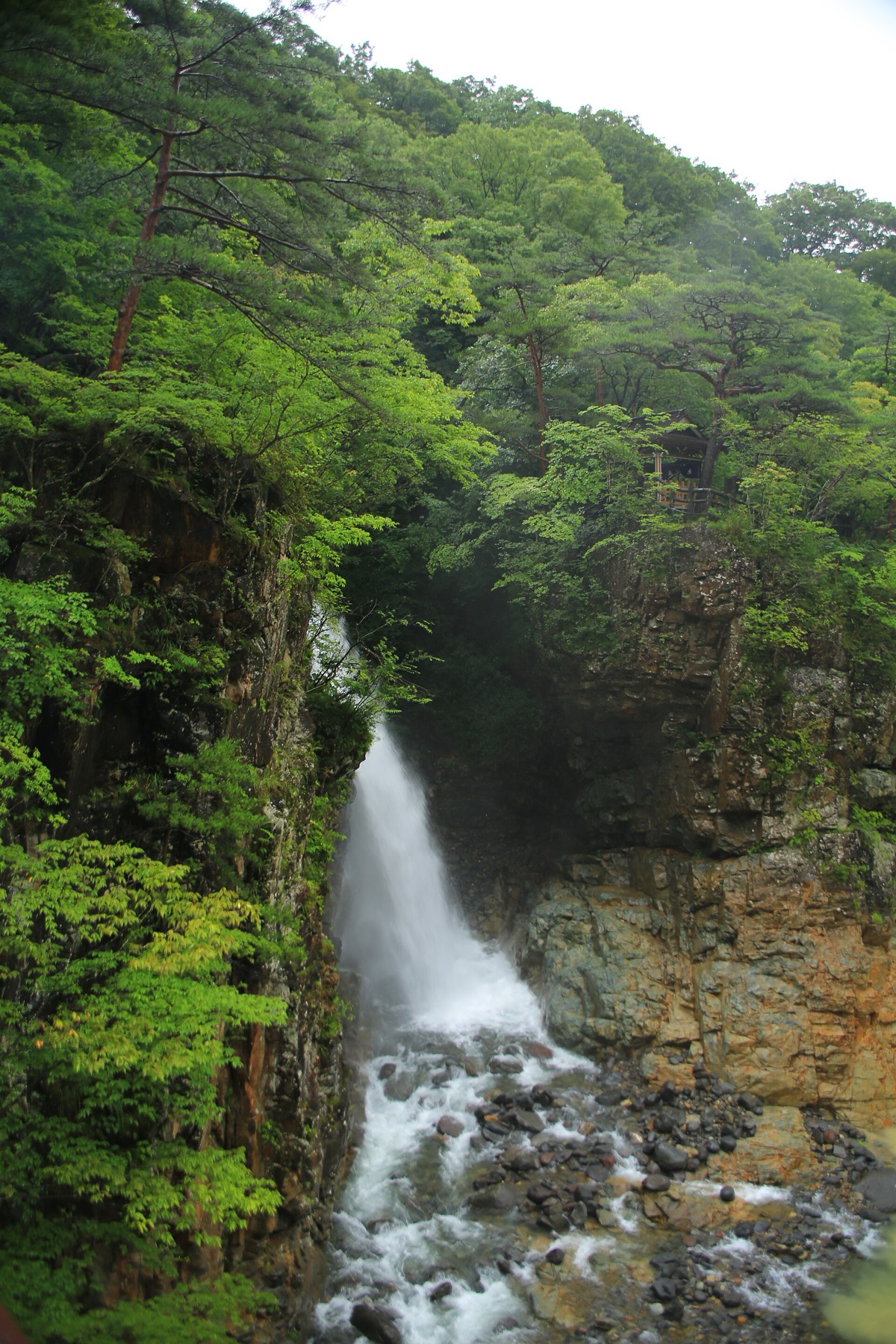
Shiobara & Nasu: the canyon falls
The Shiobara gorge, west of Nasushiobara, is best handled by car — the falls line Route 400 with small trailhead car parks, and buses are sparse. If you’re combining Shiobara with the Nasu highlands, a rental car turns three separate expeditions into one easy loop.
Ryuka Falls — three tiers, 60 metres
Shiobara’s signature fall: a 60-metre, three-step cascade said to look like a dragon climbing to the sky. From the roadside car park (toilets available) it’s a 0.7 km, ~20-minute streamside walk in deep shade, passing two smaller falls on the way. Note: the city logged a bear sighting about 250 m north of this car park in May 2026 — carry a bell and don’t walk it alone at dawn or dusk.
Mikaeri Falls — the one travellers turned back for
A 53-metre, three-metre-wide ribbon on the canyon wall, named for the travellers who kept looking back at it. You view it from a deck reached over the gorge’s suspension bridge — the crossing is half the experience. The fall appears in Ozaki Koyo’s Meiji-era novel Konjiki Yasha (The Gold Demon). Shiobara had no full-course closures in the city’s June 2026 notice, though one section of the gorge walking path near the Saruiwa car park was under partial closure — the named falls themselves weren’t affected.
Otome Falls — the gentle one
Near Itamuro Onsen: a wide, lace-like fall about five metres across, reached by ~30 m of steps from the free car park (about 20 spaces). Important: after a 2021 landslide beside the fall, the city asks visitors not to go beyond the walkway — view it from the deck, not the riverbed. A seasonal bus toward Nasu Highland Park stops here on select summer days only, so treat it as a drive-to fall.
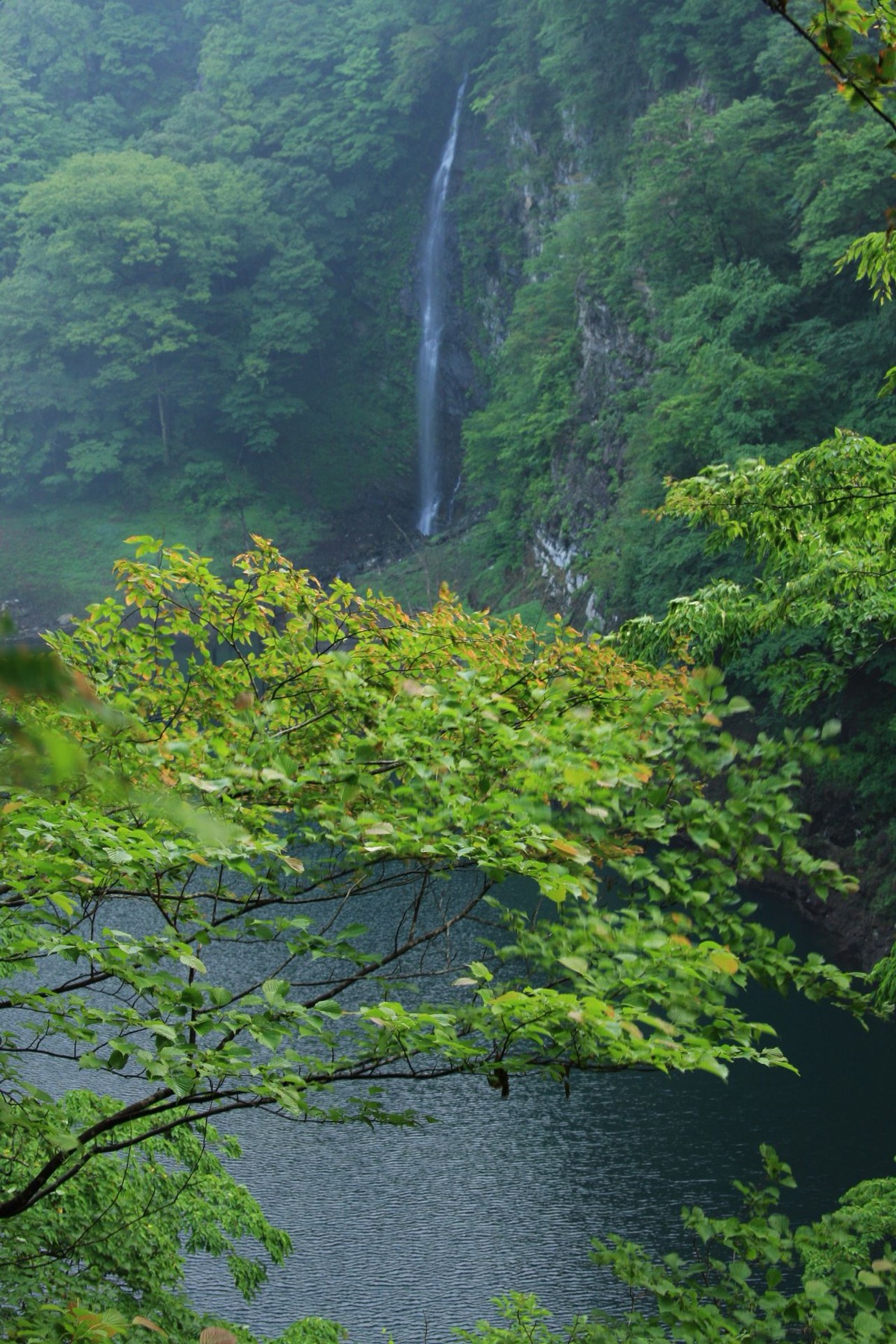
Karasuyama: the train-window waterfall
Ryumon Falls is the oddball and, for train travellers, the easiest waterfall in the prefecture: 20 m high but 65 m wide, a full curtain across the Egawa river, five minutes on foot from Taki station — a station named, simply, “Waterfall” — on the JR Karasuyama line. The name comes from a legend of a great serpent living in the plunge pool, and Taiheiji temple stands just beside it. The single-car local line crosses directly above the fall, so photographers wait for the train to pass over the water. In hard cold snaps the fall partially freezes. The folk-craft hall beside it (free, 9:00–16:00, closed Tuesdays) doubles as the visitor stop.
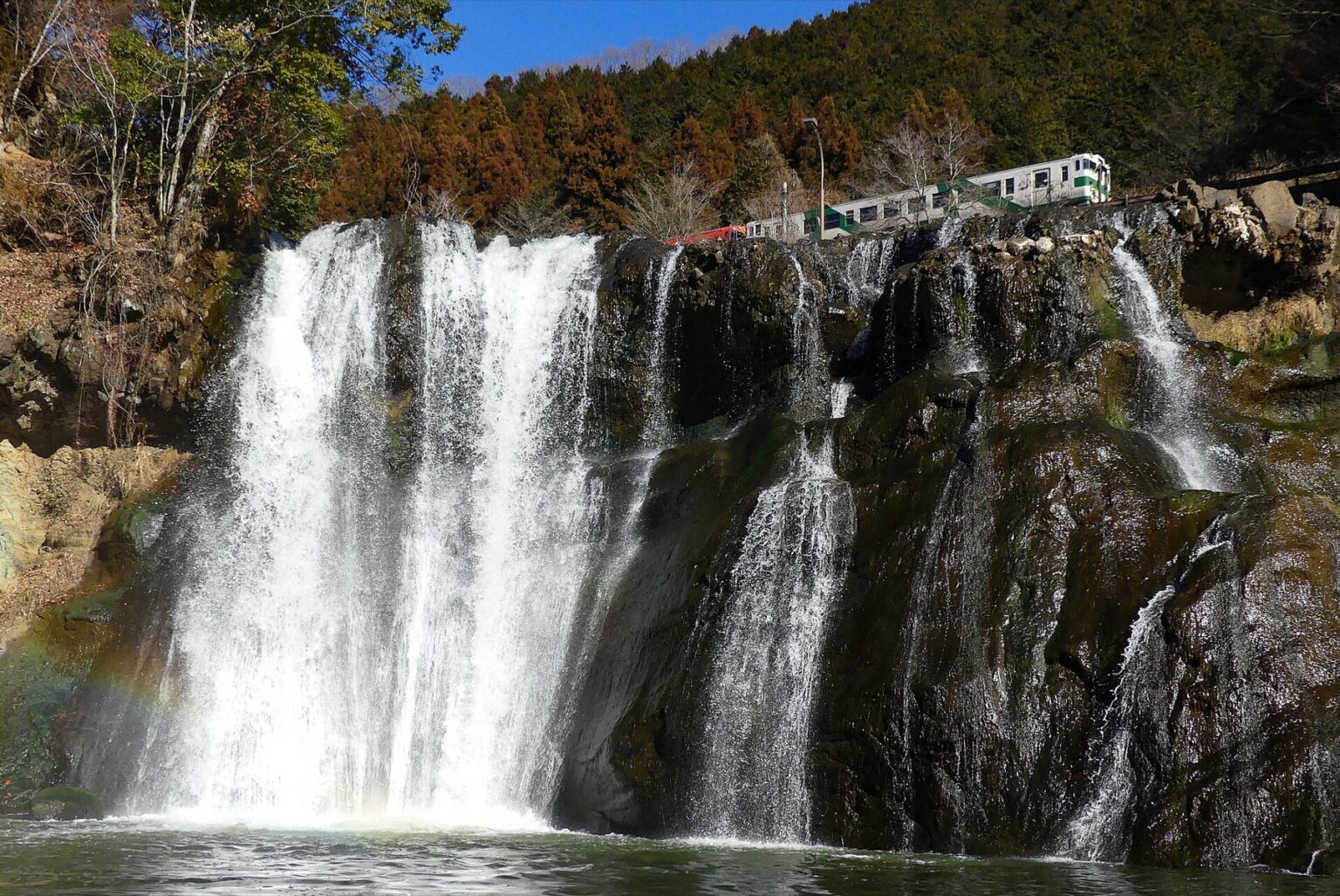
How to build the trip
By public transport, the strongest one-day plan is the Okunikko bus line: Kegon mid-morning, Ryuzu at midday, Yudaki after lunch, then back down — or in reverse to dodge the crowds. Kirifuri adds on cheaply (¥380 bus) if you overnight in Nikko town. Ryuokyo works as a half-day from Kinugawa Onsen, and Ryumon is a fun detour on the JR Karasuyama line if you’re heading north. Shiobara and Otome want a car. For a base, Nikko town gives you the most falls per night; compare Nikko-area stays on Trip.com, and if you want the gorge-side onsen experience, Kinugawa and Shiobara ryokan are on Booking as well. Activity passes and Tobu rail deals are worth a look on Klook before you go.
September is a sweet spot: Okunikko’s summer heat is gone, the typhoon risk is manageable with flexible bookings, and by the last week Ryuzu is turning. For the wider season, see Japan in September and our coolcation guide; for more escapes from the capital, cool day trips from Tokyo.
FAQ
Which Tochigi waterfall should I pick if I only have time for one?
Kegon. It’s the most dramatic single drop (97 m), the access is simple — about 50 minutes by bus from Nikko station plus a five-minute walk — and the ¥600 elevator to the lower deck puts you nearly level with the plunge pool. Pair it with Lake Chuzenji for a half day.
Can I see the Okunikko falls without a car?
Yes — that’s the point of them. Kegon, Ryuzu and Yudaki all sit on the same Tobu bus route from Nikko station toward Yumoto Onsen (about 50, 65 and 80 minutes respectively), each a two-to-five-minute walk from its stop. Shiobara and Otome Falls, by contrast, are realistically drive-to.
When do the waterfalls look best?
Each season has a case: summer for the cool air (Okunikko’s August daytime normal is 22.9°C), late September through October for autumn colour — Ryuzu turns first in Nikko, from late September — and midwinter for the partial freeze at Ryumon. After heavy rain the volume is spectacular, but paths get slippery and leeches are active in the warm months.
Are the trails open in 2026?
As of August 2026: the Urami Falls path is open (it reopened in November 2024 after rockfall work), and the Ryuokyo course was open in the city’s May update. In Shiobara, the June notice showed no full-course closures, but a section of the gorge path near the Saruiwa car park was partially closed — the approaches to Ryuka and Mikaeri themselves weren’t affected. Two more cautions: the Senjogahara loop trails near Yudaki are scheduled for construction closures from early August 2026, and at Otome Falls you shouldn’t go beyond the walkway. Check the prefecture and city notice pages before you travel.
Do I need to worry about bears?
Treat it seriously without panicking. Nikko city describes almost its entire area as bear habitat, with activity concentrated April to October, and Nasushiobara’s 2026 log includes a sighting about 250 m north of the Ryuka car park and another about 1.8 km south of Otome Falls. On forest approaches, carry a bell, keep to marked paths, avoid dawn and dusk alone — and the busy decks at Kegon, Yudaki and Ryumon carry far less exposure than quiet trails.
Sources
Nikko Travel (Nikko City Tourism Association) pages for Kegon, Ryuzu, Yudaki, Kirifuri and Urami Falls; Kegon elevator official site (fares & hours); Tobu Bus Nikko fare tables; Tochigi Prefecture trail notices (Urami reopening; Senjogahara closures); Nikko City (Ryuokyo course, bear guidance); Nasushiobara City (Ryuka, Mikaeri, Otome pages; trail status June 2026; bear sightings); Nasukarasuyama tourism (Ryumon Falls, folk-craft hall); MLIT multilingual database (Ryuka); JMA 1991–2020 climate normals for Okunikko. All checked August 2026 — confirm trail and elevator status before travel.
More nearby: Japan in September 2026 · Cool day trips from Tokyo · Coolcation in Japan · Nasu Highlands.
Join travelers discovering Japan's hidden side
Weekly dispatches from off-the-beaten-path Japan — spots and stories you won't find in guidebooks.
No spam. Unsubscribe anytime.
Welcome aboard!
You're in. See you in your inbox soon.