
Take the train from Kyoto Station and a few stops later you are in Fushimi, a town of willow-lined canals and old sake breweries rather than another temple district. You can walk the streets where Bakumatsu-era figures hid out, ride a boat down the canal, and taste local sake, all in one day. It is a quieter, slower side of Kyoto, shaped by its waterways, its old buildings, and the smell of fermenting rice that drifts out of the breweries.
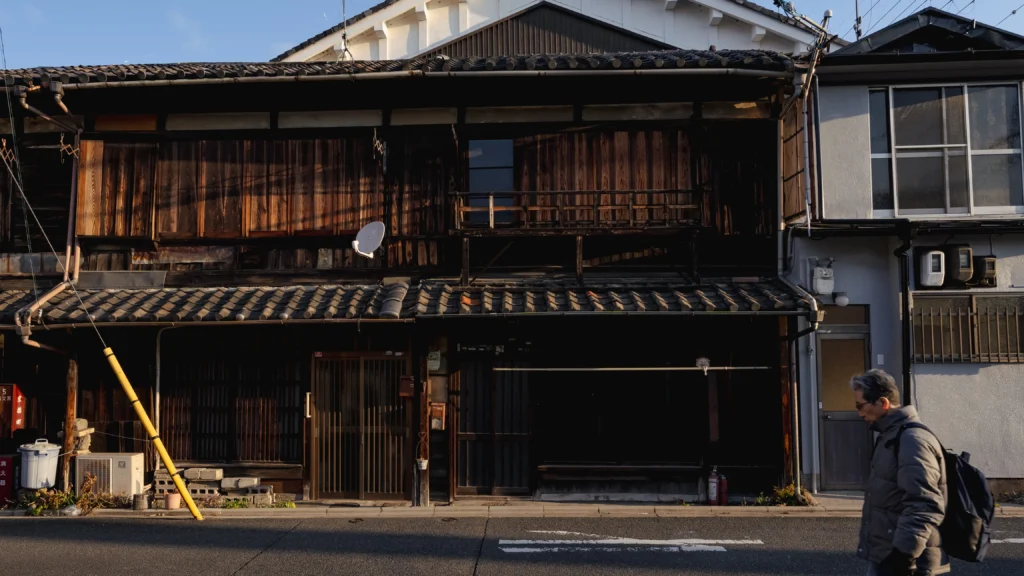
I keep coming back to Fushimi because it is a good place to walk. Sake, history, and ordinary local life all sit within a short distance of each other, so you can link them into one route on foot. You won’t need to work out bus connections here.
Table of Contents
Quick Facts for Your Fushimi Day Trip
To help you plan your visit, here is a quick overview of what to expect. Fushimi is compact and easily navigable, making it an ideal destination for a relaxed day of exploration.
| Item | Details |
| Best for | History lovers, sake enthusiasts, and those who enjoy slow, scenic walks. |
| Time Needed | A half-day (approx. 4 hours) is enough for the highlights, but a full day (6-7 hours) allows for a more relaxed pace and deeper exploration. |
| Best Season | March to May for cherry blossoms along the canal, and September to November for pleasant walking weather. |
| Nearest Stations | Kintetsu Momoyama-Goryo-mae Station or Keihan Fushimi-Momoyama & Chushojima Stations. |
| From Kyoto Station | Approx. 15 minutes via the Kintetsu Kyoto Line or 20 minutes via the Keihan Main Line (requires one transfer). |
| Walking Distance | The full recommended route is approximately 4 kilometers (2.5 miles). |
| Typical Costs | Most shrines and street areas are free. Key attractions have modest entrance fees (e.g., Teradaya Inn: ¥400, Gekkeikan Okura Sake Museum: ¥600). |
Why Fushimi Stands Apart from the Rest of Kyoto
Most of Kyoto pulls you toward big temples and crowded sightseeing spots. Fushimi is slower. It is the city’s main sake district, but four things sit close together here within walking distance: the sake breweries, the old river-boat route, the Bakumatsu history, and the everyday shopping arcades. You can spend the morning on the end of the samurai era and, a few minutes’ walk later, be on a boat under the willows along the canal. Being able to do all of that on foot is the reason I send people to Fushimi.
The Best Route Through Fushimi — Two Ways to Walk It
Fushimi is best explored on foot. The two main train station hubs, Fushimi-Momoyama and Chushojima, serve as excellent start and end points. Here are two recommended routes depending on your interests.
Classic Route (For First-Time Visitors)
This route covers all the essential spots at a comfortable pace. It’s a perfect introduction to the area’s diverse charms.
1.Gokonomiya Shrine: Start with a blessing at the shrine famous for its fragrant water.
2.Fushimi Otesuji Shopping Street: Stroll through the lively covered arcade.
3.Teradaya Inn: Visit the site of a famous samurai-era incident.
4.Ryoma-dori Shopping Street: Walk the historic lane named after a legend.
5.Fushimi Jikkoku-bune Boat: Take a scenic cruise along the canal.
6.Gekkeikan Okura Sake Museum: Dive into the history of sake.
7.Tsukumo Torii (if time permits): Discover a hidden photo spot.
8.Sasaki Pan: Grab a local snack to finish your day.
History-Focused Route (For a Deeper Dive)
This route prioritizes the historical sites related to the Bakumatsu and Meiji Restoration, for those who want to delve deeper into Japan’s dramatic 19th-century history.
1.Battle of Toba-Fushimi Site: Begin where a pivotal battle took place.
2.Gokonomiya Shrine: See the grounds that served as a samurai headquarters.
3.Teradaya Inn: Understand its importance as a staging ground for revolutionaries.
4.Ryoma-dori Shopping Street: Connect with the area’s most famous historical figure.
5.Fushimi Jikkoku-bune Boat & Gekkeikan: Conclude by exploring the industrial and economic heritage of the era.
9 Must-Visit Spots in Fushimi — Organized by Theme
I’ve grouped the main spots by theme so you can pick what you care about most, whether that’s the Bakumatsu history, the sake, or just walking around the town.
Theme 1: Bakumatsu History & Ryoma Sakamoto
Fushimi was a pivotal location during the Bakumatsu, the turbulent period in the mid-19th century that led to the end of samurai rule. It was here that revolutionary figures like Sakamoto Ryoma gathered, and where the decisive Battle of Toba-Fushimi ignited the Meiji Restoration.
1. Gokonomiya Shrine — Where Fushimi’s Sacred Water Flows
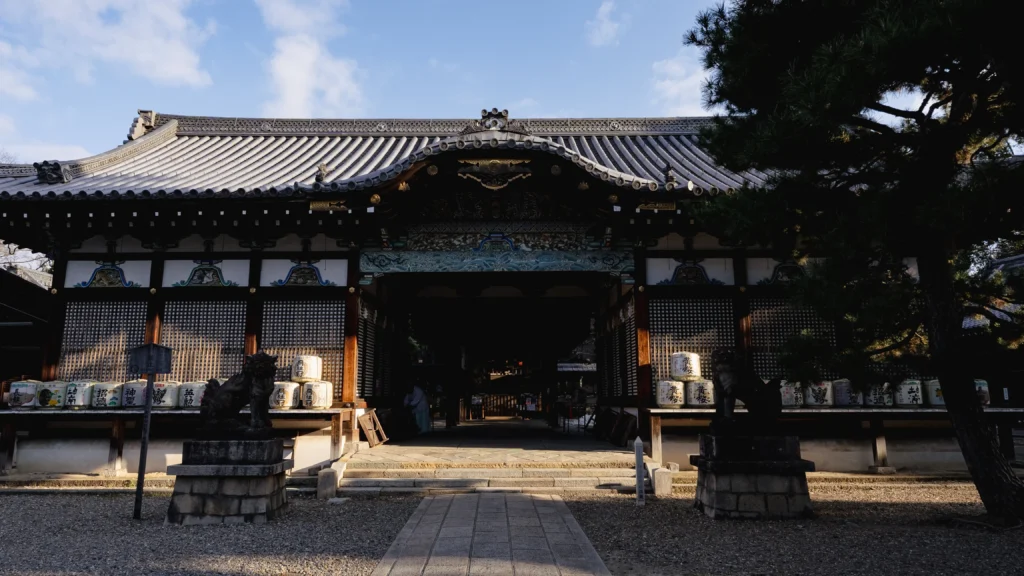
This shrine is the source of Fushimi’s best-known water, and its name means “Shrine of Fragrant Water.” The water, called Gokosui, is used by the nearby sake breweries, and it was also why the Satsuma clan based themselves here during the Battle of Toba-Fushimi. It is a quiet spot, and a good place to start the walk.
•Highlight: Try the “Mizukake Uranai,” a water fortune where you place a paper on a rock and pour water over it to reveal your fortune.
2. Teradaya Inn — The Inn Where Ryoma Narrowly Escaped Death
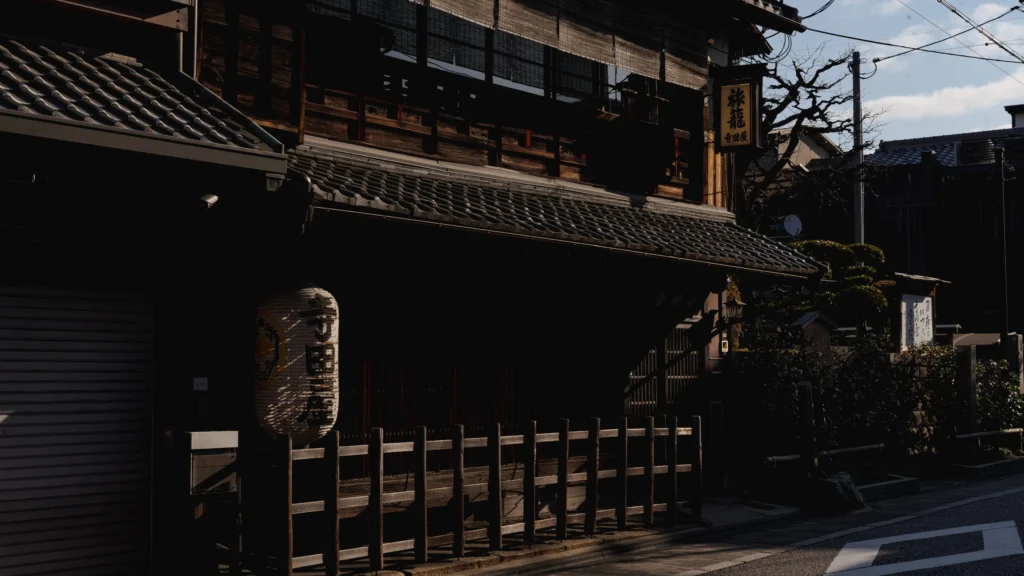
The Teradaya Inn is the spot most people come to Fushimi for. It is where Sakamoto Ryoma, a key figure in the Meiji Restoration, survived an assassination attempt by the Shogunate’s police. The current building is a reconstruction, with replica sword marks and hidden rooms that show how the place would have looked. It is a direct link to one of the turning points of that period.
•Highlight: Look for the replica sword marks on the pillars and imagine the chaotic scene of Ryoma’s escape.
3. Ryoma-dori Shopping Street — A Lane Named After a Legend
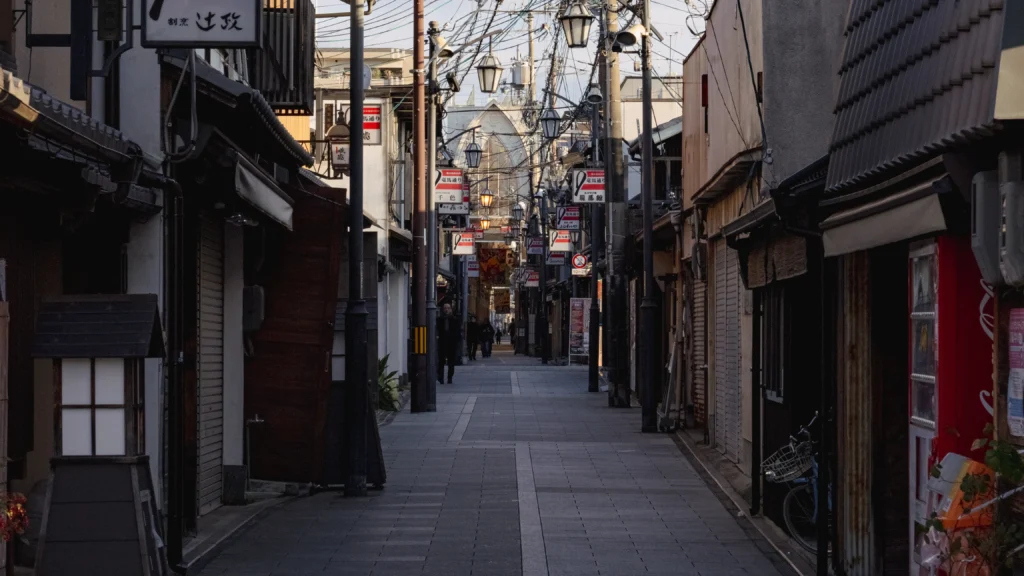
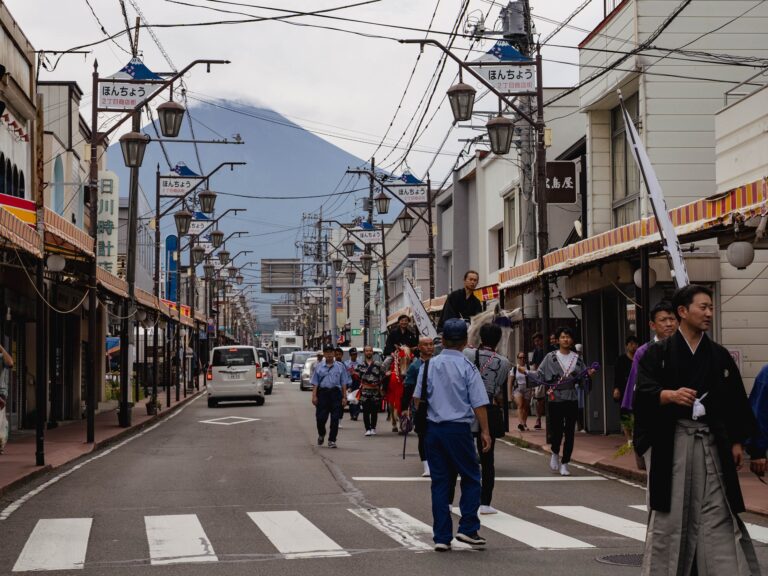
Connecting the Teradaya Inn to the main Otesuji arcade, this short, atmospheric street is dedicated to Sakamoto Ryoma. Lined with traditional-style lamps and signs, it has a nostalgic feel that sets it apart from the more modern arcade nearby. It’s a pleasant lane for a short stroll, with a few small shops and restaurants.
•Highlight: The retro signs and gas lamp-style streetlights make for great photos.
4. Battle of Toba-Fushimi Site — Where the Meiji Era Began
While not a single spot, the area around Gokonomiya Shrine and the Fushimi Magistrate’s Office (now a residential area) was the epicenter of the Battle of Toba-Fushimi in 1868. This clash between the Imperial and Shogunate forces was the opening conflict of the Boshin War, which ultimately led to the Meiji Restoration. Walking these streets, you are treading on ground where Japan’s modern history was forged.

•Highlight: Look for small plaques and monuments scattered throughout the area that mark significant sites from the battle.
Theme 2: The Water Town Experience
The canals of Fushimi were once vital arteries, transporting sake and rice between Kyoto and Osaka. Today, they offer a peaceful way to experience the town’s scenic beauty.
https://vt.tiktok.com/ZSufDf2Wg
5. Fushimi Jikkoku-bune — A Boat Ride Through the Sake Town
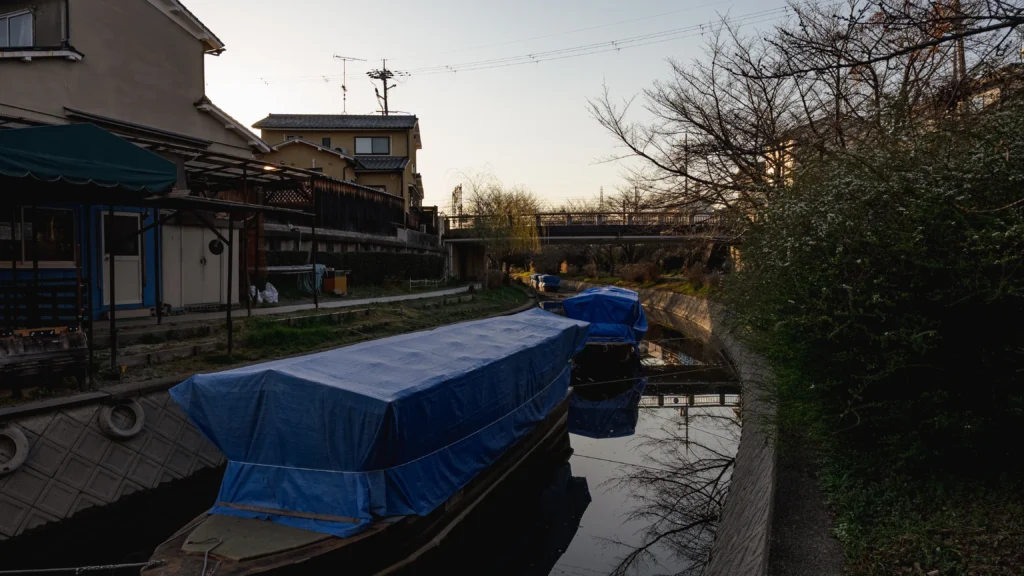
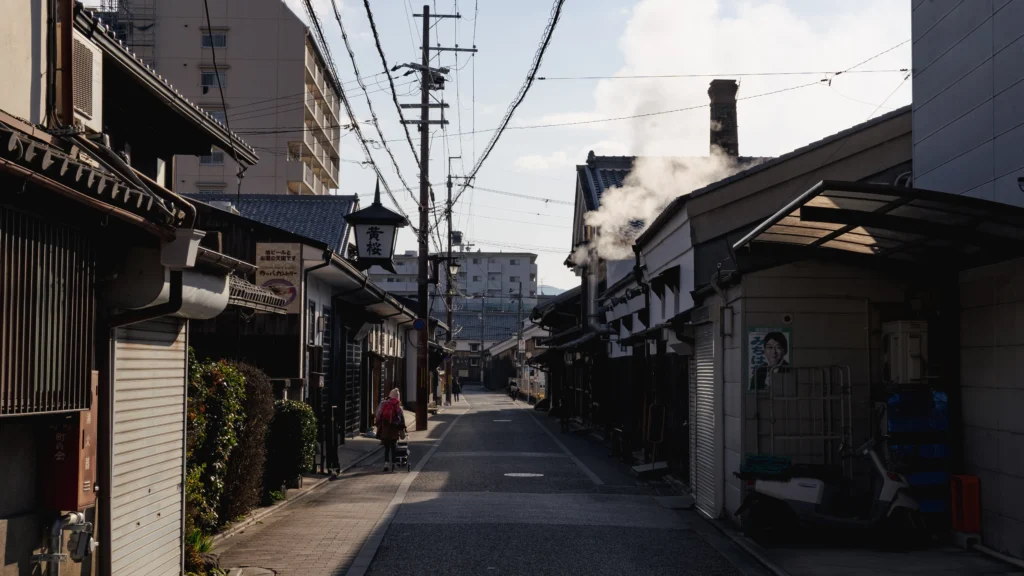
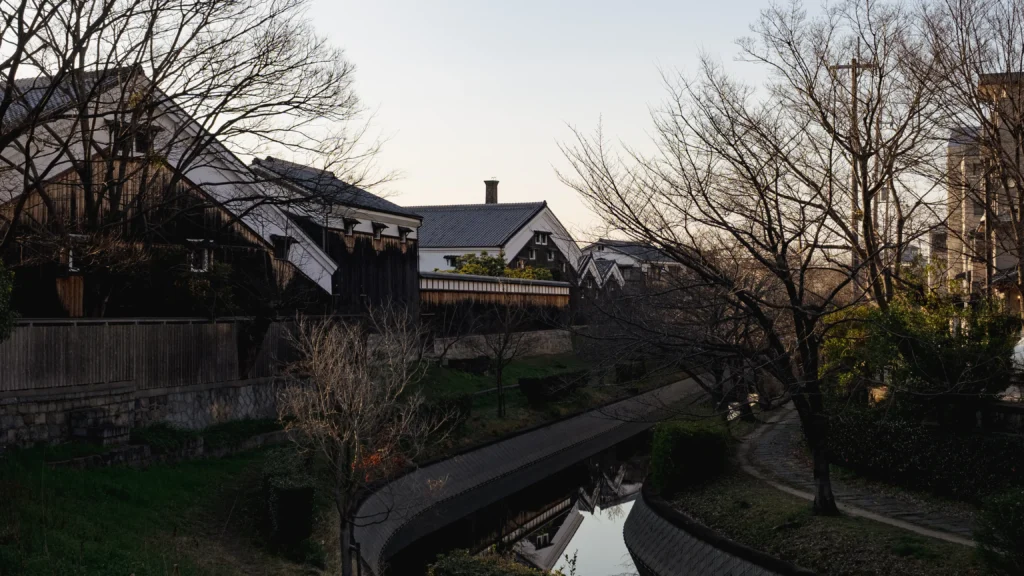
The Jikkoku-bune is a flat-bottomed river boat, and a ride on one is the thing most visitors remember from Fushimi. It runs down the Horikawa canal, past the white-walled breweries and the willows along the bank. From the water you get a sense of the town’s days as a river port. The boats operate from spring through autumn, and the cherry blossoms along the canal are the reason most people go in spring.
•Highlight: The peaceful journey under the weeping willows is incredibly picturesque.
Theme 3: Sake Breweries
Fushimi is one of Japan’s most prestigious sake-producing regions, thanks to the high-quality spring water that flows beneath the town. The area is home to nearly 40 breweries.
6. Gekkeikan Okura Sake Museum — 400 Years of Sake History

If you want to understand why Fushimi is a sake town, this museum is where I’d start. It sits in an old Gekkeikan brewery and covers the company’s history along with the tools used to brew. At the end there is a tasting where you can try a few different types of sake.
•Highlight: The sake tasting at the end of the tour is a great way to discover your favorite style.
Theme 4: Street Food & Shopping
Beyond the historic sites, Fushimi is a living, breathing town with bustling shopping streets where you can find everything from traditional crafts to delicious local snacks.
7. Fushimi Otesuji Shopping Street — The Everyday Heart of Fushimi
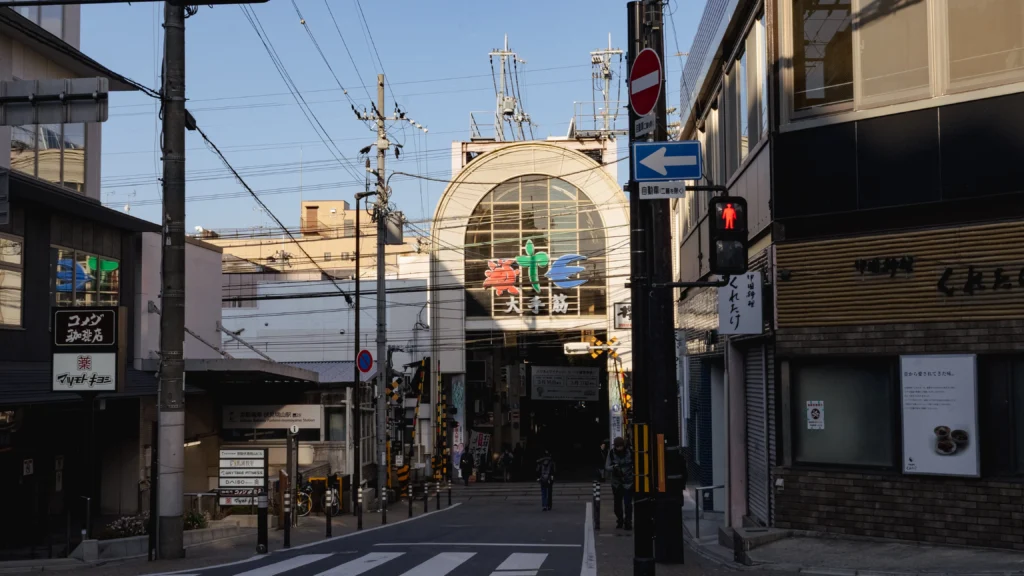
This covered arcade runs from Fushimi-Momoyama Station and is where the district does its everyday shopping. You’ll see produce stalls, tea shops, pharmacies, and casual places to eat, with locals going about their day. It’s an easy place to stop for a quick bite while you walk.
•Highlight: The lively atmosphere and variety of local shops.
8. Sasaki Pan Honten — The Bakery That Locals Line Up For

Sasaki Pan is in the Otesuji arcade and has been baking here for decades. It’s an old-style Japanese bakery, and the plain, old-fashioned breads are what it’s known for. Good place to grab something for the walk.
•Highlight: Try their classic melon-pan or a savory curry-pan.
Theme 5: Shrines & Photo Spots
Fushimi offers more than just its famous Inari shrine. Tucked away in its backstreets are smaller, equally photogenic spots.
9. Tsukumo Torii — A Hidden Torii Gate Passage
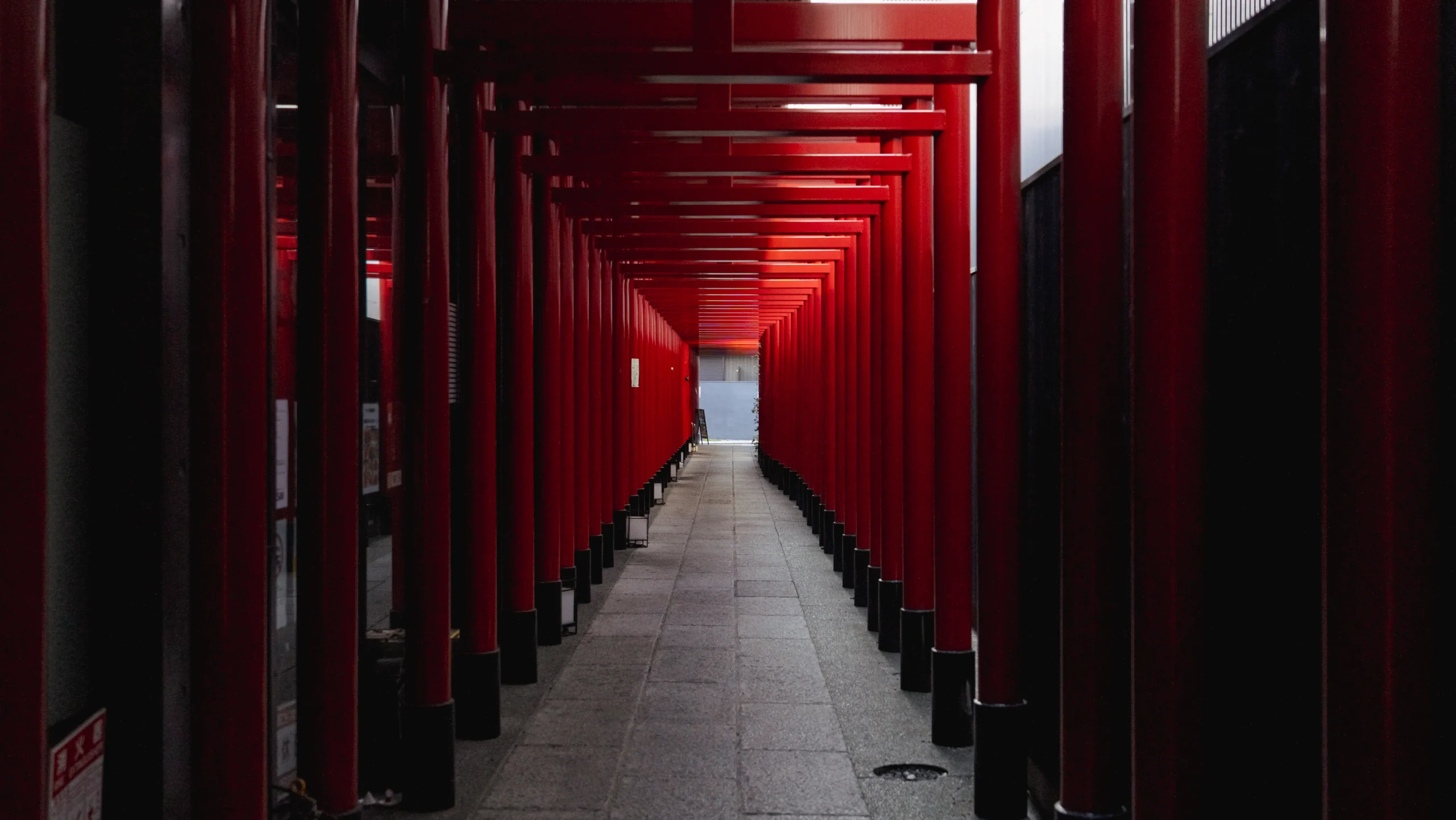
Fushimi Inari Shrine is famous for its thousands of torii gates. This is a much smaller, quieter version of that, tucked into a backstreet. The name “Tsukumo” can mean “99,” a nod to the many gates packed into a small space. It’s worth the short detour off the main route to find it.

•Highlight: The compressed perspective of the red gates makes for a powerful photograph.
Where to Eat and Drink in Fushimi
Fushimi’s culinary scene is naturally centered around its most famous product: sake. Many breweries have tasting rooms or restaurants on-site. Torisei Honten, run by the Yamamoto Honke brewery, is a popular choice, offering delicious yakitori that pairs perfectly with their freshly brewed sake. For a unique experience, visit Fushimi Sakagura Koji, a lively food hall where you can sample and compare sake from 18 different local breweries. For a non-alcoholic option, the shopping arcades offer plenty of casual eateries and snack shops like Sasaki Pan.
Practical Tips for Visiting Fushimi
•Cash is Recommended:
While larger establishments and train stations accept credit cards, many smaller shops, restaurants, and the Teradaya Inn are cash-only. It’s wise to have some yen on hand.
•Public Toilets:
Public restrooms are available at major train stations (Kintetsu Momoyama-Goryo-mae, Keihan Chushojima) and at the Gekkeikan Okura Sake Museum. Clean, accessible facilities can be sparse otherwise.
•Wi-Fi Access:
Free Wi-Fi is not widely available in the streets. Assume you will be offline while walking between major spots. Download maps or use a pocket Wi-Fi/eSIM for navigation.
•On a Rainy Day:
The covered Fushimi Otesuji Shopping Street is your best friend on a rainy day. You can also spend more time indoors at the Gekkeikan Okura Sake Museum.
How to Get to Fushimi from Kyoto
Fushimi is easily accessible from central Kyoto and even from Osaka.
•From Kyoto Station: The fastest way is to take the Kintetsu Kyoto Line to Momoyama-Goryo-mae Station (approx. 15 minutes, ¥280). Alternatively, take the JR Nara Line to Tofukuji Station and transfer to the Keihan Main Line, getting off at Fushimi-Momoyama or Chushojima Station (approx. 20-25 minutes).
•From Osaka (Yodoyabashi/Kyobashi): Take the Keihan Main Line directly to Chushojima Station (approx. 40-50 minutes, ¥410). This is a great option if you are coming from the eastern side of Osaka.
Suggested Itinerary — Half-Day and Full-Day Plans
To help you make the most of your time, here are two sample itineraries.
Half-Day Express (4 hours):
Start at Keihan Chushojima Station. Walk to the Gekkeikan Okura Sake Museum for a tour and tasting.
Board the Fushimi Jikkoku-bune for a 50-minute scenic cruise.
Walk to the Teradaya Inn for a quick tour, then explore Ryoma-dori and find lunch at Fushimi Sakagura Koji or another local restaurant.
Stroll through the Fushimi Otesuji Shopping Street towards Fushimi-Momoyama Station to conclude your trip.
Full-Day Immersion (7 hours):
Start at Kintetsu Momoyama-Goryo-mae Station. Visit Gokonomiya Shrine.
Walk through the Fushimi Otesuji Shopping Street, stopping at Sasaki Pan for a snack.
Explore the Teradaya Inn and Ryoma-dori.
Enjoy a leisurely lunch at a restaurant like Torisei Honten.
Take the Fushimi Jikkoku-bune boat tour.
Spend time on the sake history at the Gekkeikan Okura Sake Museum.
Wander through the historic brewery district, capturing photos of the canals and traditional buildings before heading back from Chushojima Station.
Frequently Asked Questions About Fushimi
What is the best way to spend a day in Fushimi, Kyoto?
The best way is to follow a walking route that connects the sake breweries, historical sites, and canals. Start at either Fushimi-Momoyama or Chushojima Station and plan a loop that includes the Gekkeikan Okura Sake Museum, the Teradaya Inn, and a Jikkoku-bune boat ride. This allows you to experience the area’s unique blend of history, culture, and scenery at a relaxed pace.
Do I need to reserve the Fushimi Jikkoku-bune boat in advance?
Yes, reservations are highly recommended, especially during peak seasons like spring (cherry blossoms) and autumn. Tickets can be booked online through the Fushimi Tourism Association website. While walk-up tickets may be available, they often sell out quickly.
How long does it take to visit Teradaya Inn in Fushimi?
typical visit to the Teradaya Inn takes about 30 to 45 minutes. The inn is not large, but you’ll want time to see the exhibits, read the explanations, and absorb the historical atmosphere of the place where Sakamoto Ryoma’s life almost ended.
What is the best time of year to visit Fushimi?
Spring (late March to early April) is spectacular due to the cherry blossoms that line the canals. Autumn (October to November) is also excellent, with comfortable temperatures for walking and beautiful foliage. The summer can be hot and humid, while winter is quiet and offers a stark beauty, especially on crisp, clear mornings.
What can I do in Fushimi on a rainy day?
Fushimi is still enjoyable in the rain. The Fushimi Otesuji Shopping Street is a long, covered arcade perfect for a rainy day stroll. The Gekkeikan Okura Sake Museum and other indoor brewery tours are also excellent options. The canals and willow trees have a special, moody beauty in the rain.
Is Fushimi worth visiting without going to Fushimi Inari?
Absolutely. While Fushimi Inari Shrine is nearby, the Fushimi sake district is a completely separate and distinct destination. It offers a rich historical and cultural experience focused on sake brewing, samurai history, and its past as a river port. It provides a quieter, more local atmosphere compared to the crowds at Fushimi Inari.
How do I get to Fushimi from Kyoto Station?
The easiest and fastest way is to take the Kintetsu Kyoto Line from Kyoto Station to Momoyama-Goryo-mae Station. The journey takes about 15 minutes. Alternatively, you can take the JR Nara Line to Tofukuji and transfer to the Keihan Main Line to Fushimi-Momoyama or Chushojima Station.
Where can I eat or drink in Fushimi?
Fushimi is a paradise for sake lovers. You can drink at the source at places like the Gekkeikan Okura Sake Museum’s tasting room or at restaurants run by breweries, such as Torisei Honten. The Fushimi Sakagura Koji food hall is another excellent choice for sampling a wide variety of local sake and food pairings.
A Place of Water, History, and Soul
Fushimi is a slower, more local side of Kyoto, and most of what makes it interesting is tied to the water running through it. Turn down a side lane and you’ll often find a small history marker, an old shop, or a willow leaning over the canal. Walking it is the best way to take in both the history and the everyday life of the place. For me it’s an easy day trip out of Kyoto, and a reminder of how much variety the old capital holds.
For another Kyoto shrine tied to sake brewing, Umenomiya Taisha, the hidden shrine of sake, cats, and blessings, makes a fitting follow-up to a day in the Fushimi breweries.
If you want one more quiet stop along the way, Gokonomiya Shrine in the Fushimi sake district is a calm spiritual oasis set among the breweries.
For more on the covered arcade at the heart of this walk, see the local’s guide to Fushimi Otesuji Shopping Street.
Related reading: for a closer look at the brewery district’s flagship sake house, see my full guide to the Gekkeikan Okura Sake Museum.
For the full story of the inn where Sakamoto Ryoma narrowly escaped assassination, read my guide to Teradaya Inn in Fushimi.
For an early, crowd-free taste of spring in the same district, the Kawazu cherry blossoms along the Yodo Suiro waterway in Fushimi bloom from mid-February.
Skip the Crowds in Japan (2026)
Fushimi’s quiet half, plus 11 more crowd-to-calm swaps.
Join travelers discovering Japan's hidden side
Weekly dispatches from off-the-beaten-path Japan — spots and stories you won't find in guidebooks.
No spam. Unsubscribe anytime.
Welcome aboard!
You're in. See you in your inbox soon.