Shikoku · 5-day route
Most first-time visitors to Japan never make it to Shikoku. The four-prefecture island sits south of Honshu, close enough to see from Okayama on a clear day, and somehow stays off almost every itinerary I read. I’ve crossed onto Shikoku six times now — by car, by train, once by bicycle from Onomichi over the Shimanami Kaido — and what surprises me each time is how complete the experience feels. Five days is enough for the four headline places (Naoshima, Kotohira, Iya Valley, Matsuyama–Dogo) and still finish on the Pacific side in Kochi. This is the route I’d send a friend on.
One thing I always tell people before they go: Shikoku rewards patience. The buses are infrequent. Shikoku has no shinkansen; you leave it at Okayama. There is no metro. But that slowness is the point — the island runs on its own schedule, and somewhere around day three you stop checking your phone for the next train and just walk.
If you only have time for one of Japan’s “second” regions, I’d put Shikoku slightly above the alternatives. Festivals here are smaller and less filtered. The food (Sanuki udon, Iya soba, Kochi katsuo, Matsuyama mikan) tracks the prefectures one to one.
| Day | Base | Main stops | Getting there |
|---|---|---|---|
| 1 | Takamatsu (or Naoshima) | Chichu, pumpkins, New Museum of Art | Okayama → Uno by JR, ferry to Naoshima |
| 2 | Kotohira (or Takamatsu) | Ritsurin Garden, udon, Kotohira-gu | JR or Kotoden, about an hour |
| 3 | Iya Valley | Kazurabashi, Oboke Gorge | Rental car recommended |
| 4 | Matsuyama / Dogo | Matsuyama Castle, Dogo Onsen Honkan | Car, or JR via Tadotsu |
| 5 | Kochi | Kochi Castle, Hirome Market, Katsurahama | Nangoku Express bus, about 2 h 45 min |
Day 1: Naoshima art island
| The day at a glance | |
|---|---|
| Getting there | JR Okayama → Uno, about 50–60 min (some trains change at Chayamachi). Ferry Uno → Miyanoura, about 20 min, ¥370 |
| From Takamatsu | Ferry about 50–60 min, ¥680; high-speed boat ¥1,590 |
| Book ahead | Chichu Art Museum (timed tickets) |
| Closed | Most art sites on Mondays (on a national-holiday Monday, Chichu and the New Museum open and close Tuesday instead) |
Most people come into Shikoku from Tokyo or Osaka on the shinkansen to Okayama. From Okayama Station, the JR Uno Line runs south to Uno Port; the ferry from there to Miyanoura Port on Naoshima takes about 20 minutes. The foot-passenger fare went up from ¥300 to ¥370 on 1 February 2026. Starting from Takamatsu instead, the car ferry takes about an hour (¥680) and the high-speed boat is quicker (¥1,590).
What to see in one day
Chichu Art Museum
Tadao Ando’s underground museum, with Monet’s Water Lilies in a daylit room and James Turrell’s Open Sky. Timed reservation required. Weekdays ¥2,500 online (¥2,800 at the door); weekends and holidays ¥2,700 / ¥3,000. 10:00–17:00, last entry 16:00. Book on the museum’s site before you arrive.
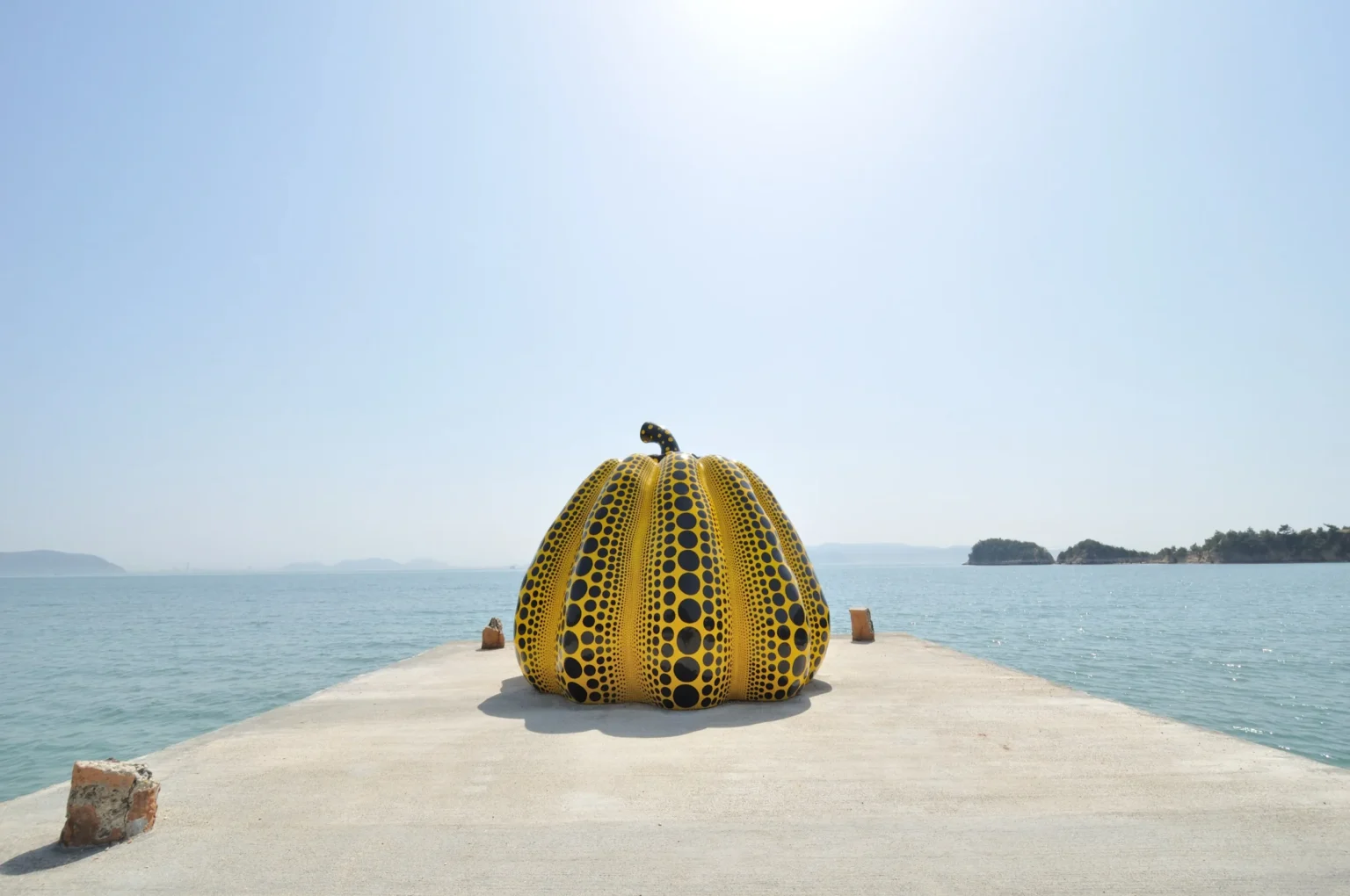
Yellow Pumpkin
The photographed one, on a pier in the Benesse House area on the south coast. Free, outdoors, busiest around midday.
Red Pumpkin
At Miyanoura Port, free, and a useful last stop before the ferry back.
Naoshima New Museum of Art
A Tadao Ando building that opened on 31 May 2025 near Honmura. ¥1,500 online, ¥1,700 at the door; 10:00–16:30.
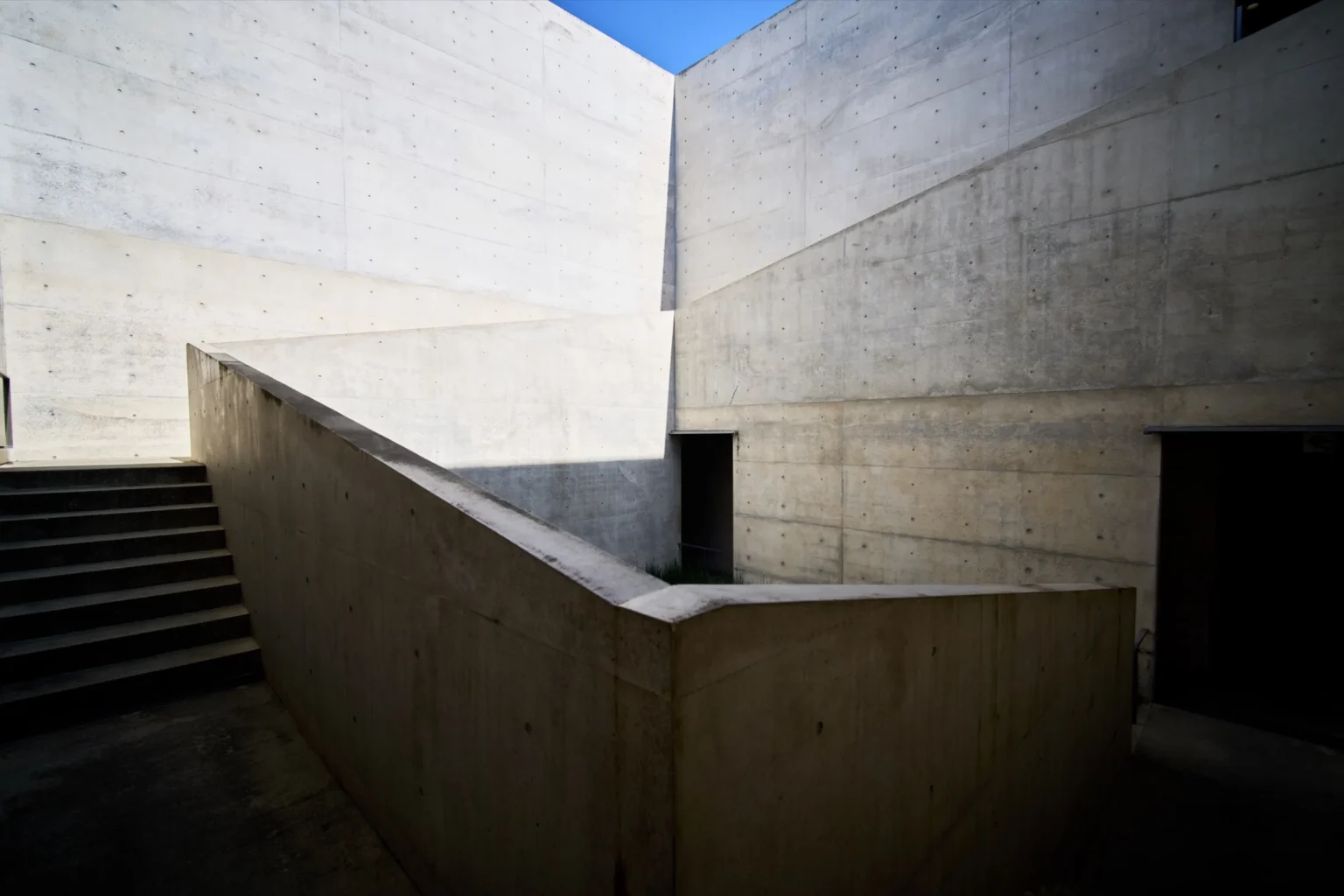
If you’d rather stay on the island, Benesse House lets its guests into the galleries late into the evening; rooms go early, so book well ahead, ideally on its own site.
Getting around the island
Bicycle rental is the standard move; several shops near Miyanoura Port rent regular and electric bikes. Naoshima has more hills than the photos suggest. The town bus runs Miyanoura → Honmura → Tsutsuji-so for ¥100 a ride (coins), and the Benesse shuttle continues from Tsutsuji-so to the museums. Save energy for the museums — Chichu alone takes 90 minutes if you’re paying attention.
Where to sleep tonight
You have a choice. Stay on Naoshima (limited rooms, atmospheric, books out months ahead — Benesse House if budget allows, Tsutsujiso or a local minshuku if not). Or ferry back to Takamatsu for the night, which gives you a Sanuki udon dinner and an easier start to Day 2. I usually choose Takamatsu — the museum is the experience; Naoshima at night is quiet to the point of stillness.
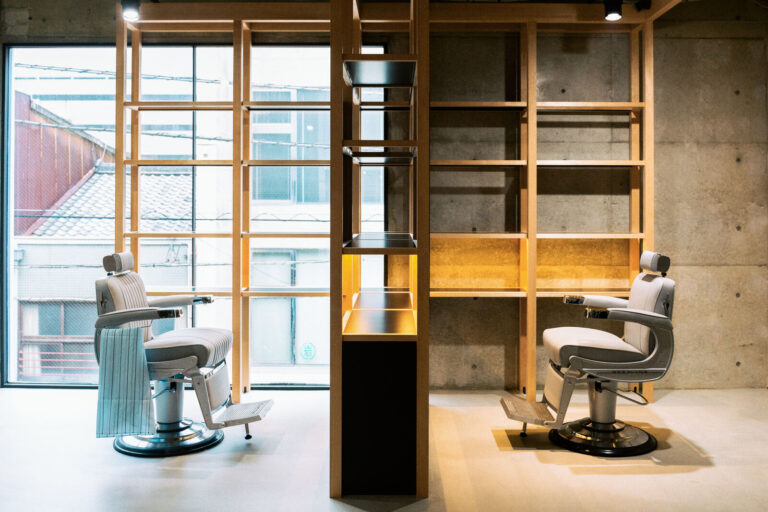
If you spend that evening in Takamatsu and want a men’s haircut, LENGEN is a barber-style hair salon on a back street behind the Takamatsu Art Museum, in Kajiyamachi.
Day 2: Ritsurin Garden and Kotohira-gu’s 1,368 steps
| The day at a glance | |
|---|---|
| Morning | Ritsurin Garden, ¥500, opens 6:00 in October, 6:30 in November |
| Lunch | Sanuki udon in Takamatsu, ¥400–700 a bowl |
| Afternoon | Kotohira-gu: 785 steps to the main shrine, 1,368 to the inner shrine |
| Transfer | JR about 1 hour (around ¥980) or Kotoden from Takamatsu-Chikko, about 65 min (¥780) |
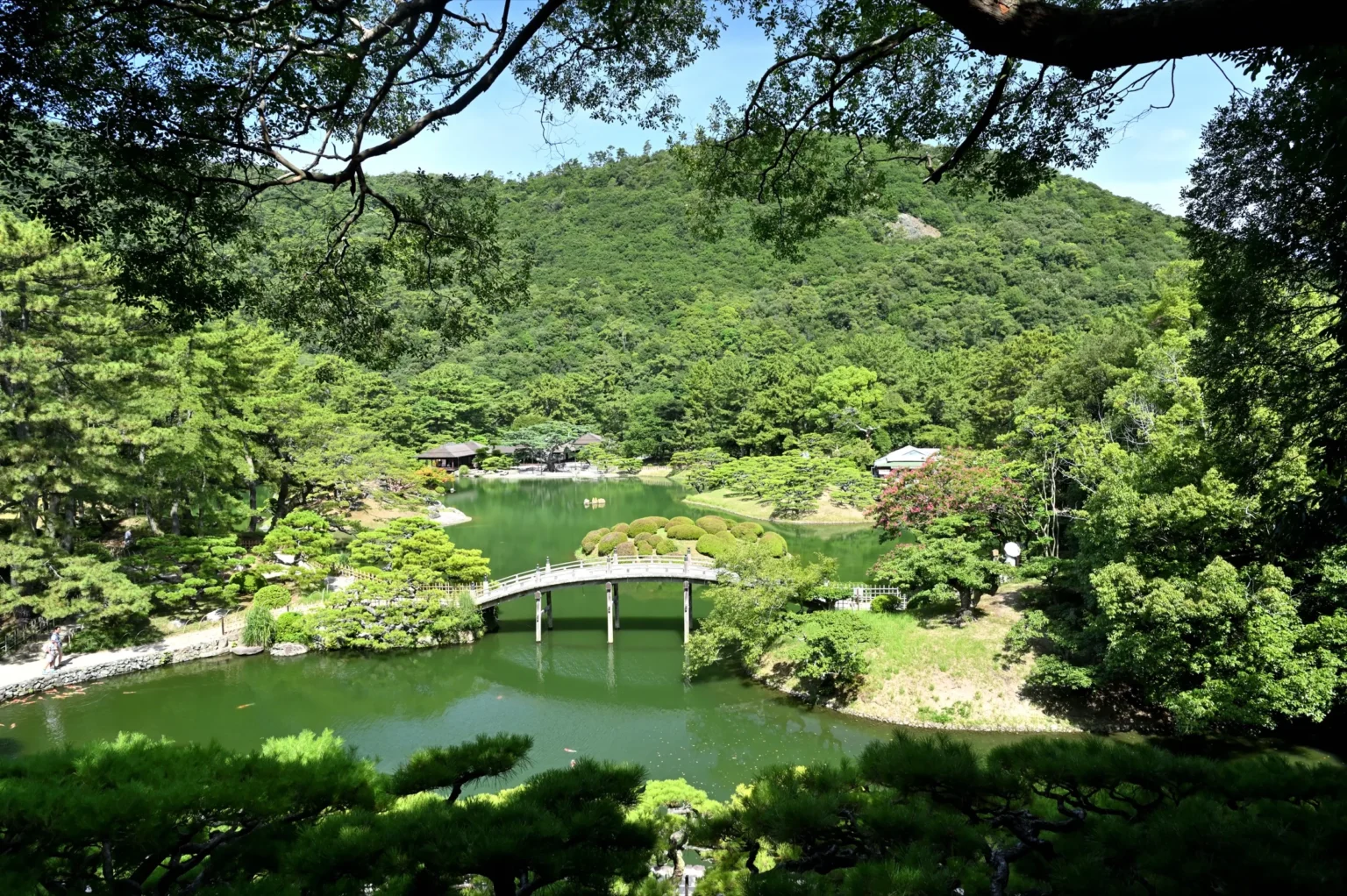
Ritsurin Garden
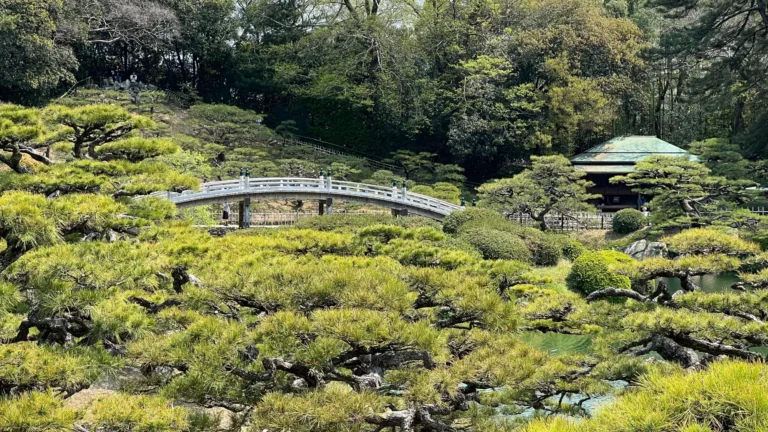
Ritsurin was laid out over more than a century, begun under the Ikoma lords in the 1620s and finished by the Matsudaira lords of Takamatsu, and it is one of the few daimyo gardens that came through the Meiji era intact. It opens around sunrise — 6:00 in October, 6:30 in November, 5:30 from April to September — and the first hour is quiet. Admission is ¥500. Walk the south garden first: the Hiraihō hill view of the south pond and arched bridge is the postcard.
From JR Takamatsu Station, the JR Kotoku Line reaches Ritsurin-koen-kitaguchi in about 5 minutes, then it’s a 5-minute walk to the north gate. Kotoden’s Ritsurin-koen Station is the other option. Allow 90–120 minutes in the garden.
Lunch: Sanuki udon
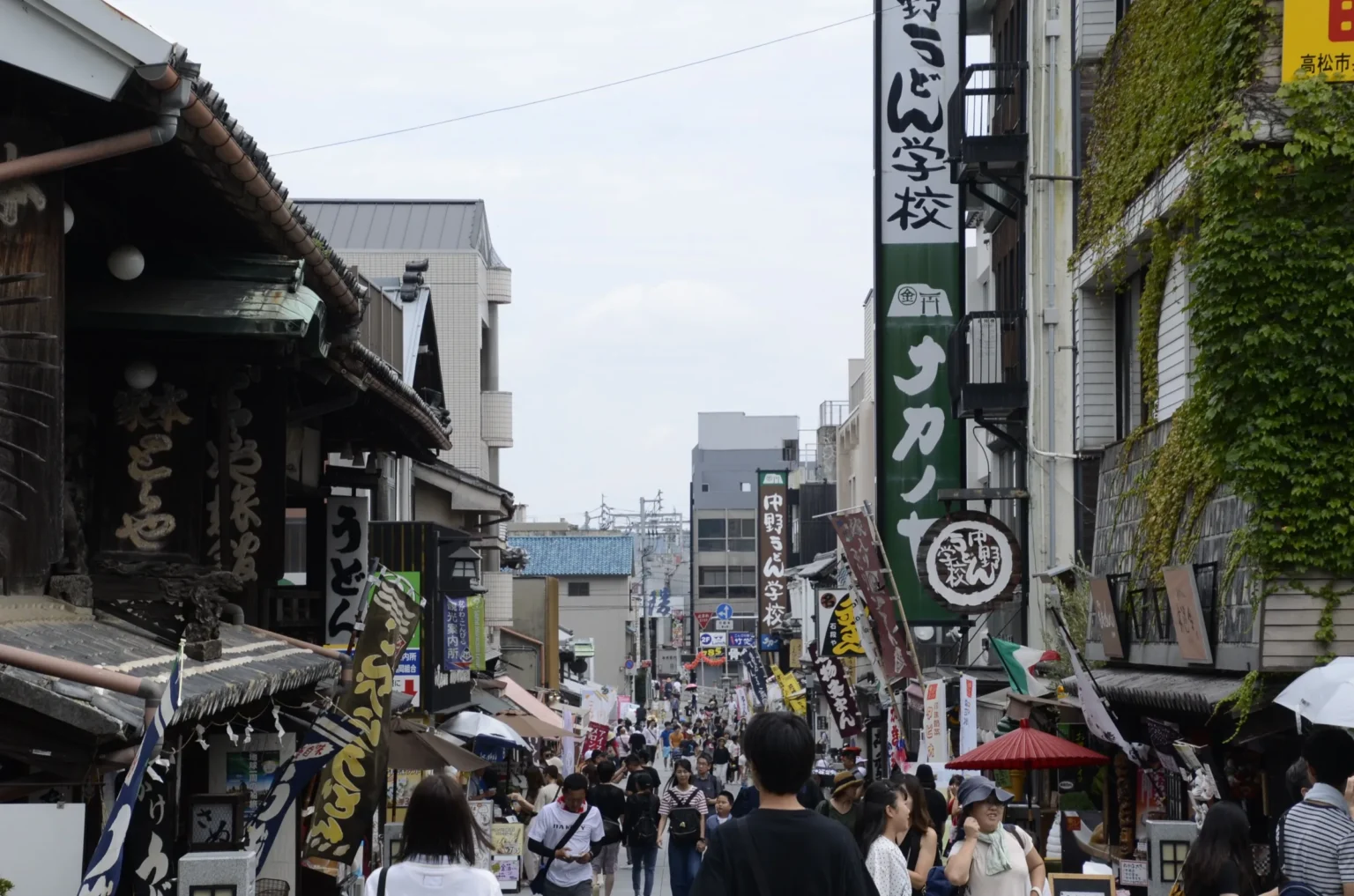
Kagawa is the udon prefecture. Sanuki udon is firmer and chewier, usually self-served at counter shops where you take a bowl, add tempura from a tray, and pay ¥400–700. If you only have one bowl in Shikoku, have it here.
Kotohira-gu: the long walk up
By early afternoon, head south to Kotohira — JR (about an hour, some connections need a change at Tadotsu) or the Kotoden Kotohira Line from Takamatsu-Chikko (about 65 minutes). The town exists almost entirely for the shrine.
The walk to Kotohira-gu’s main shrine is 785 stone steps; to the inner shrine (Okusha) it’s 1,368. There’s no ropeway. Take it at your own pace — the climb is broken up by smaller shrines, a noh stage and benches. I’d budget two hours up and back to the main shrine, which looks out over the Sanuki plain.
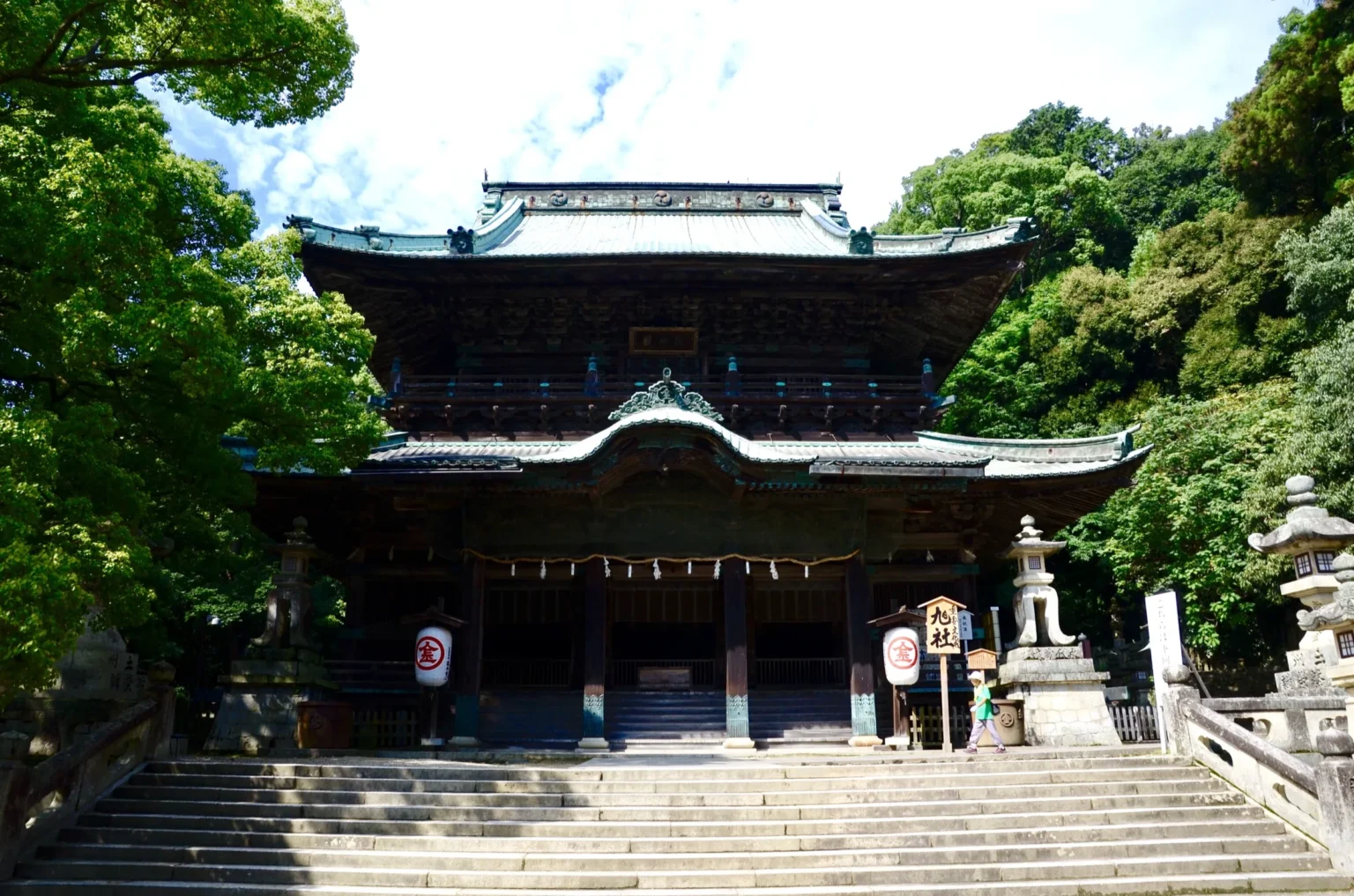
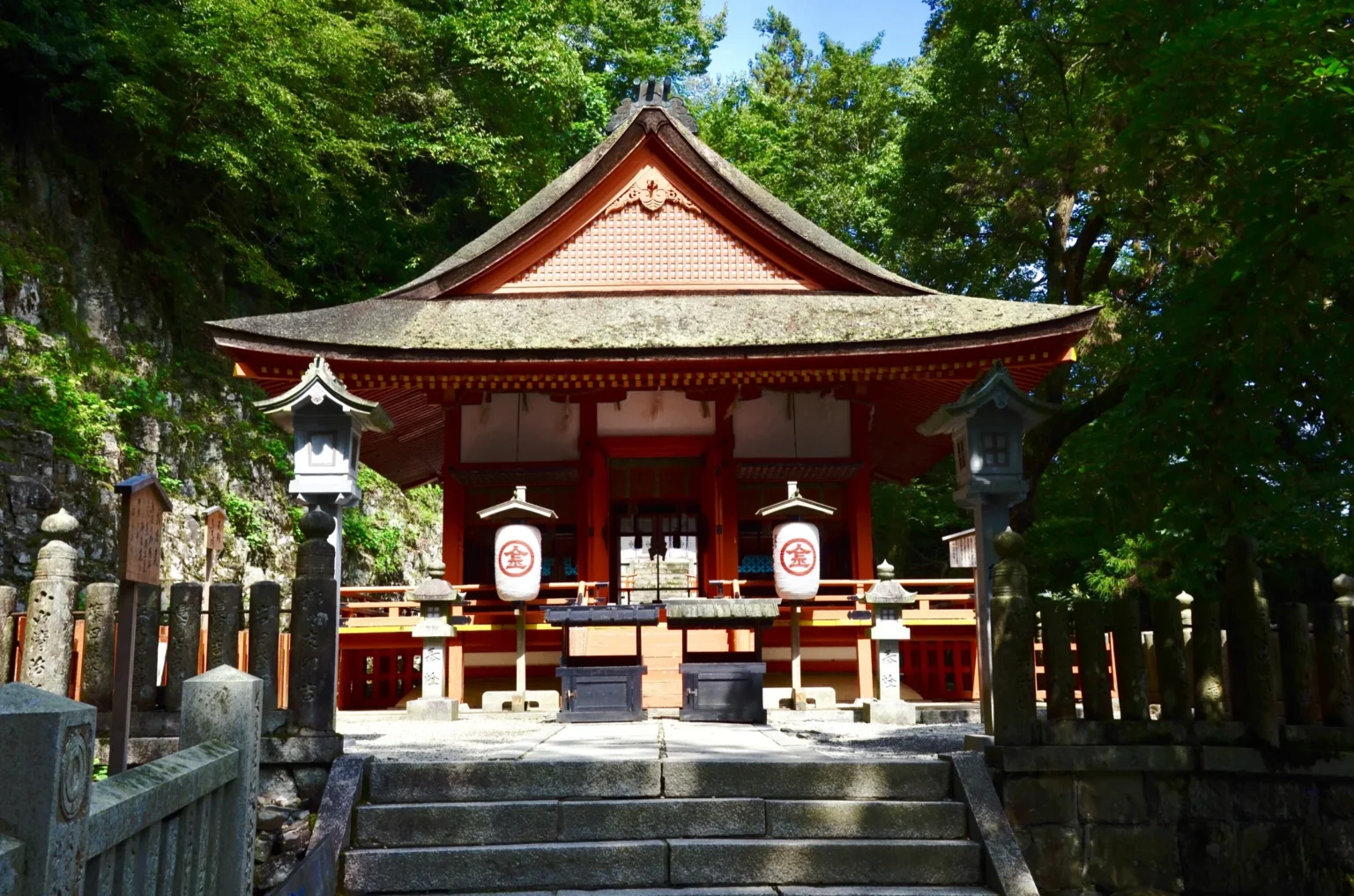
The last 583 steps to the Okusha thin out fast. Most visitors stop at the main shrine; push on and you get the upper complex more or less to yourself.
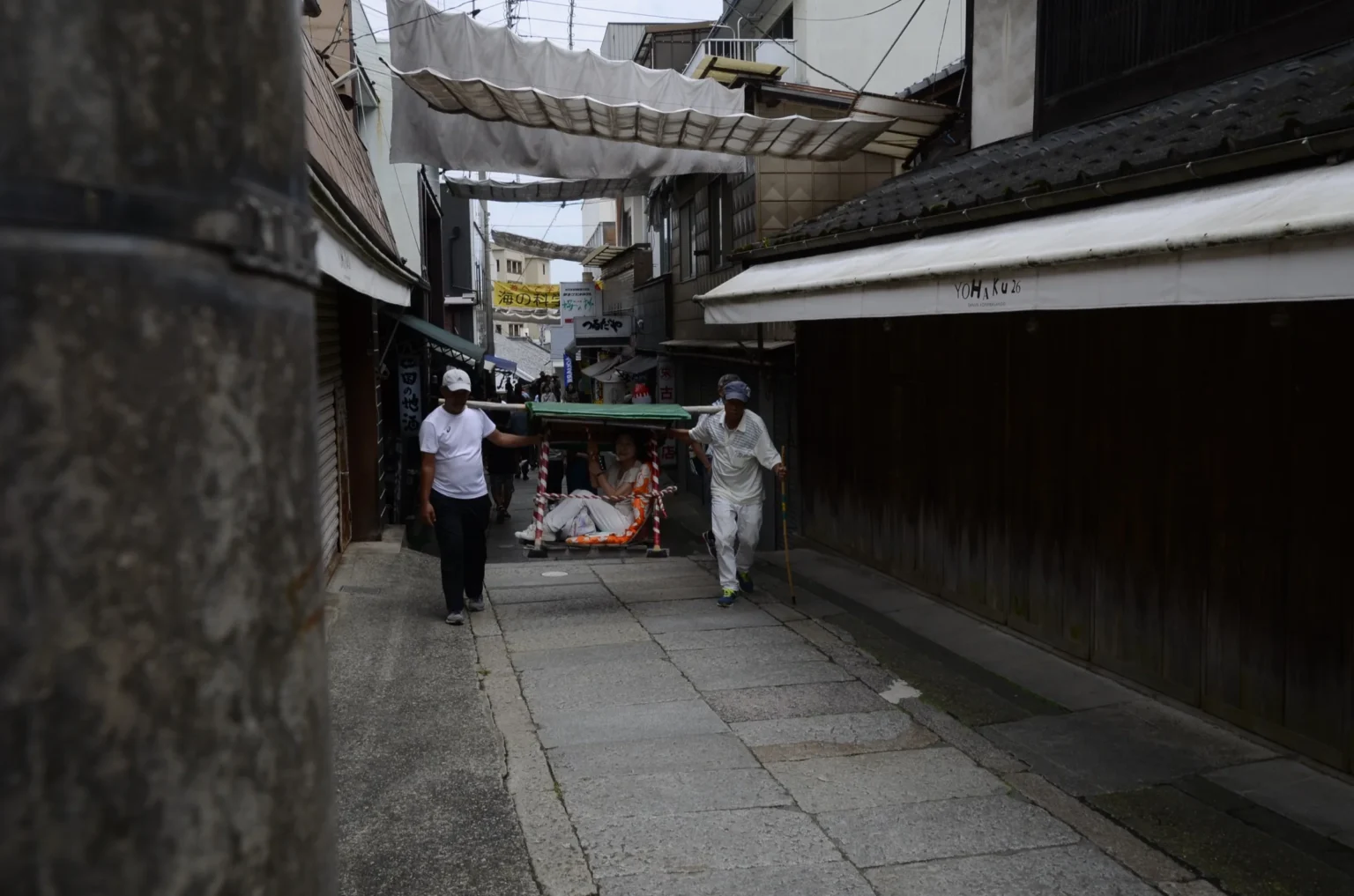
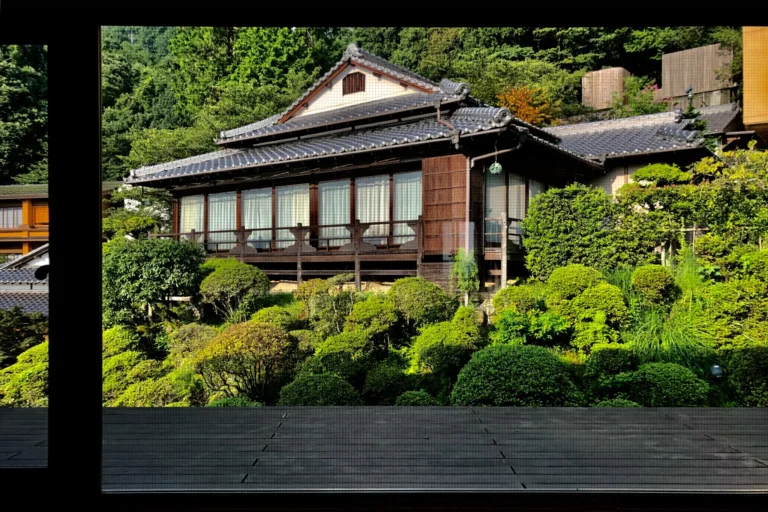
Sleep in Kotohira if you’d rather wake up unrushed for Day 3 — the ryokan town below the shrine has good onsen options. If you want to slow down here, I’d stay at Kotohira Kadan, the 400-year-old ryokan in Kotohira, rather than rushing the steps as a day trip. Or go back to Takamatsu.
Day 3: Iya Valley
| The day at a glance | |
|---|---|
| Main stop | Kazurabashi vine bridge, ¥550, one way |
| Hours | Sep–Mar 8:00–17:00; Apr–Jun 8:00–18:00; Jul–Aug 7:30–18:30 |
| Transport | Rental car strongly recommended; buses are sparse |
| Road note | Timed closures on the Iya Kaido (Oboke side) through autumn 2026 |
The Iya Valley is, in my opinion, the most striking landscape in Shikoku. It’s also the hardest to reach. There is no train, buses from Oboke Station are sparse, and the gorge roads are narrow enough that even Japanese drivers slow down. This is the day to switch to a rental car — pick one up in Takamatsu or near Awa-Ikeda.
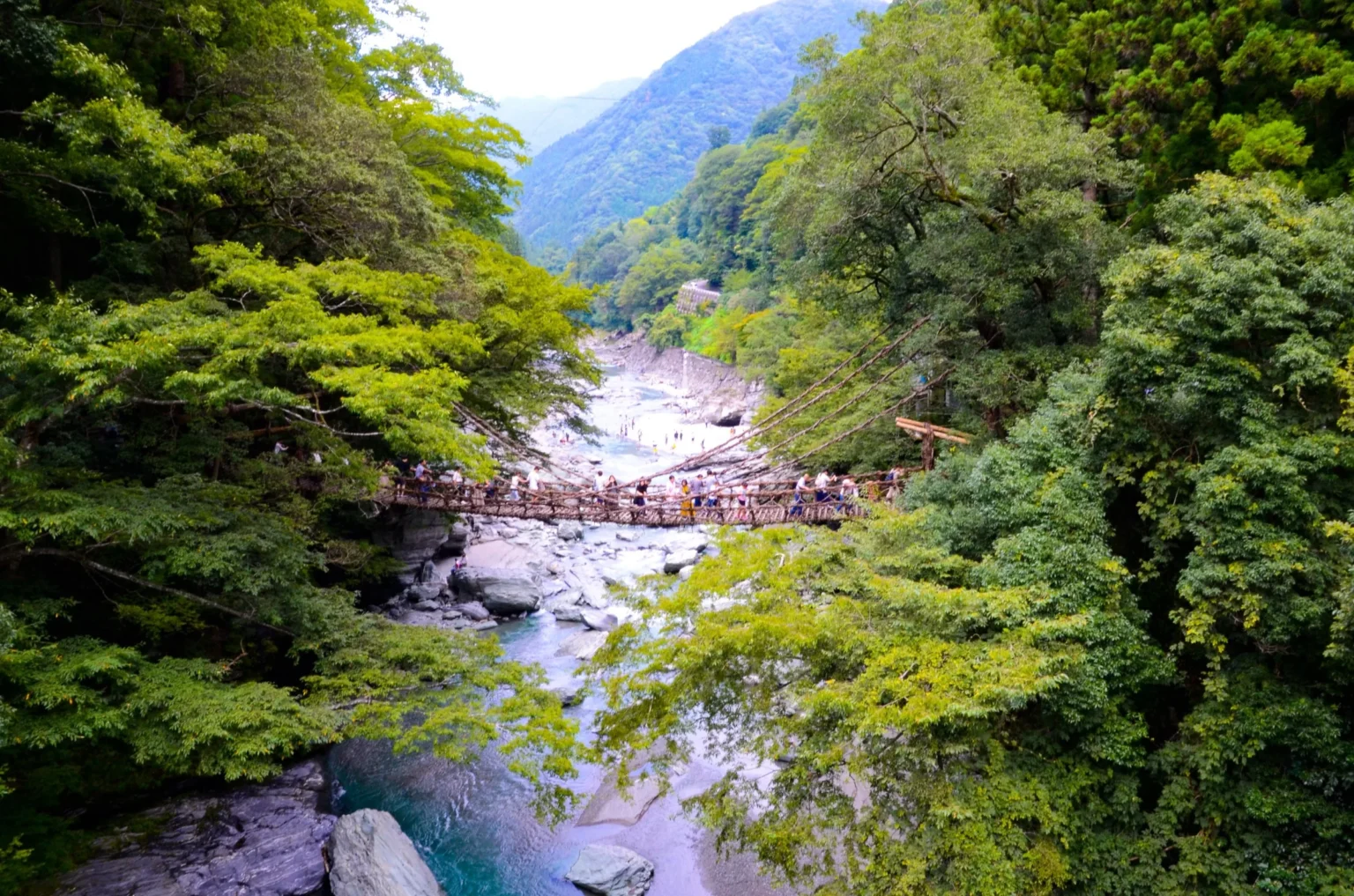
Kazurabashi, the vine bridge
Rebuilt every three years from Actinidia arguta vines and reinforced with hidden steel cable, the Kazurabashi is one of three vine bridges left in Iya. The slats are spaced wide enough that you see the river below as you walk. The toll is ¥550 for adults, and crossing is one way — you walk back over the road bridge. The bridge is lit every evening from 19:00 to 21:30, but you can’t cross it at night.
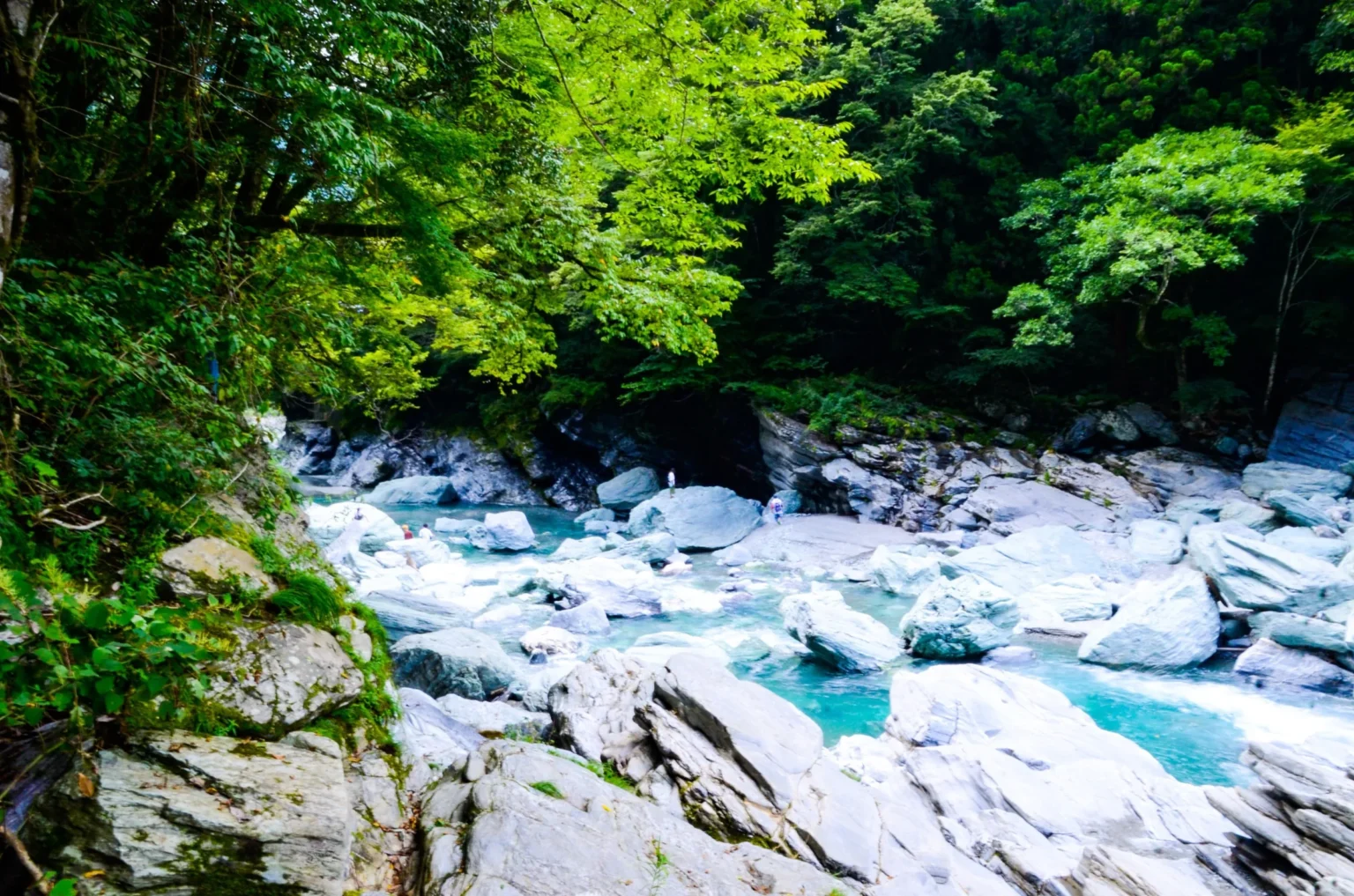
Other stops on the gorge road
Oboke Gorge boats
About 30 minutes, 4 km, from Restaurant Oboke Kyo Mannaka (not from the station). ¥1,800 adults; 9:00–17:00, last boat 16:30. A fare change was announced in June 2026, so check.
Peeing Boy statue
A small figure on a cliff edge above the gorge, after local children who reportedly tested their nerve there. Quick stop, free.
Hotel Iya Onsen
A cable car runs down a steep slope to a riverside open-air bath. Day-use bathing runs on a monthly calendar posted on the hotel’s site.
Where to sleep tonight
If your budget allows, this is the night to splurge on a ryokan. Hotel Iya Onsen is the best-known hotel in the gorge, and its riverside bath is the reason. Iya Bijin, a nine-room inn by the river where every room has its own open-air bath, is the alternative. If you’d rather drive on, Awa-Ikeda is the next train town with reliable accommodation.
Day 4: Matsuyama Castle and Dogo Onsen
| The day at a glance | |
|---|---|
| Transfer | Car via the Tokushima and Matsuyama expressways, about 3 h; or JR from Awa-Ikeda with a change at Tadotsu |
| Castle | Keep ¥520; ropeway or chairlift ¥520 return |
| Dogo Onsen Honkan | Bath only ¥700, 6:00–23:00 (last ticket 22:30) |
| Trams | ¥250 a ride (¥230 with an IC card); no longer covered by the All Shikoku Rail Pass |
From Iya, work your way west to Matsuyama. By car it’s roughly three hours on the expressways. By train there’s no need to go back to Okayama: take JR from Awa-Ikeda to Tadotsu and change to a Yosan Line limited express for Matsuyama. Check the connection times on the day — trains are not frequent.
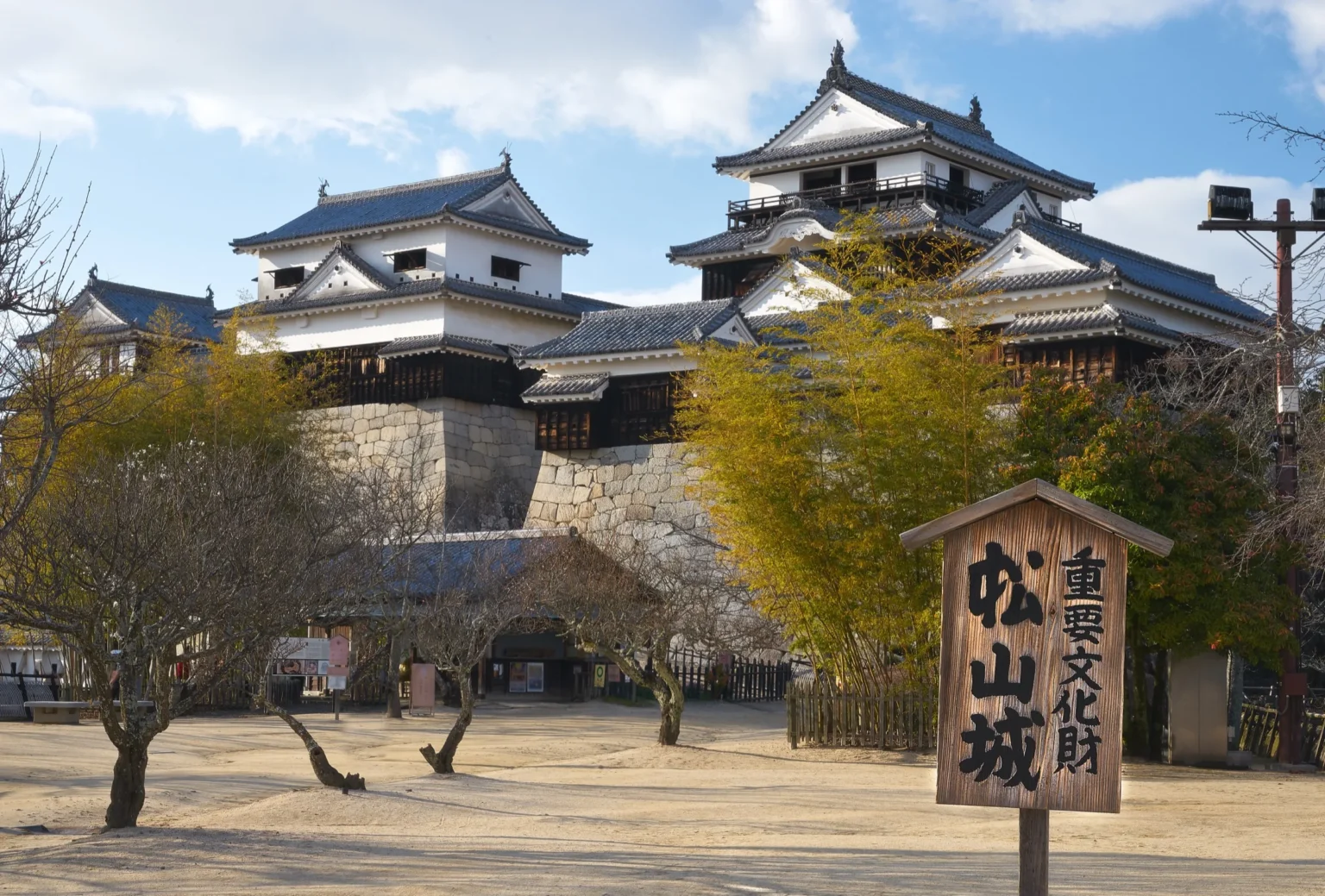
Matsuyama Castle
The castle was built in the early 1600s; the keep standing today was rebuilt in the Edo period and came through the 1945 bombing of Matsuyama. It is one of twelve original keeps left in Japan; the other castle towers you’ll see are modern rebuilds or new castle-style buildings, in wood or concrete. Take the ropeway or chairlift up Mt Katsuyama (¥520 return) or walk it in about 30 minutes. The keep costs ¥520 and is open 9:00–17:00 (to 17:30 in August, 16:30 in December and January; last entry 30 minutes before closing; closed on the third Wednesday of December). Allow 90 minutes: steep wooden stairs, no lift.
Dogo Onsen Honkan
A 20-minute tram ride east brings you to Dogo Onsen Station; the bathhouse is a 5-minute walk through a covered arcade. Since 1 April 2026 trams cost ¥250 a ride in cash, or ¥230 with an IC card, and since 7 March 2026 they are no longer covered by the All Shikoku Rail Pass.
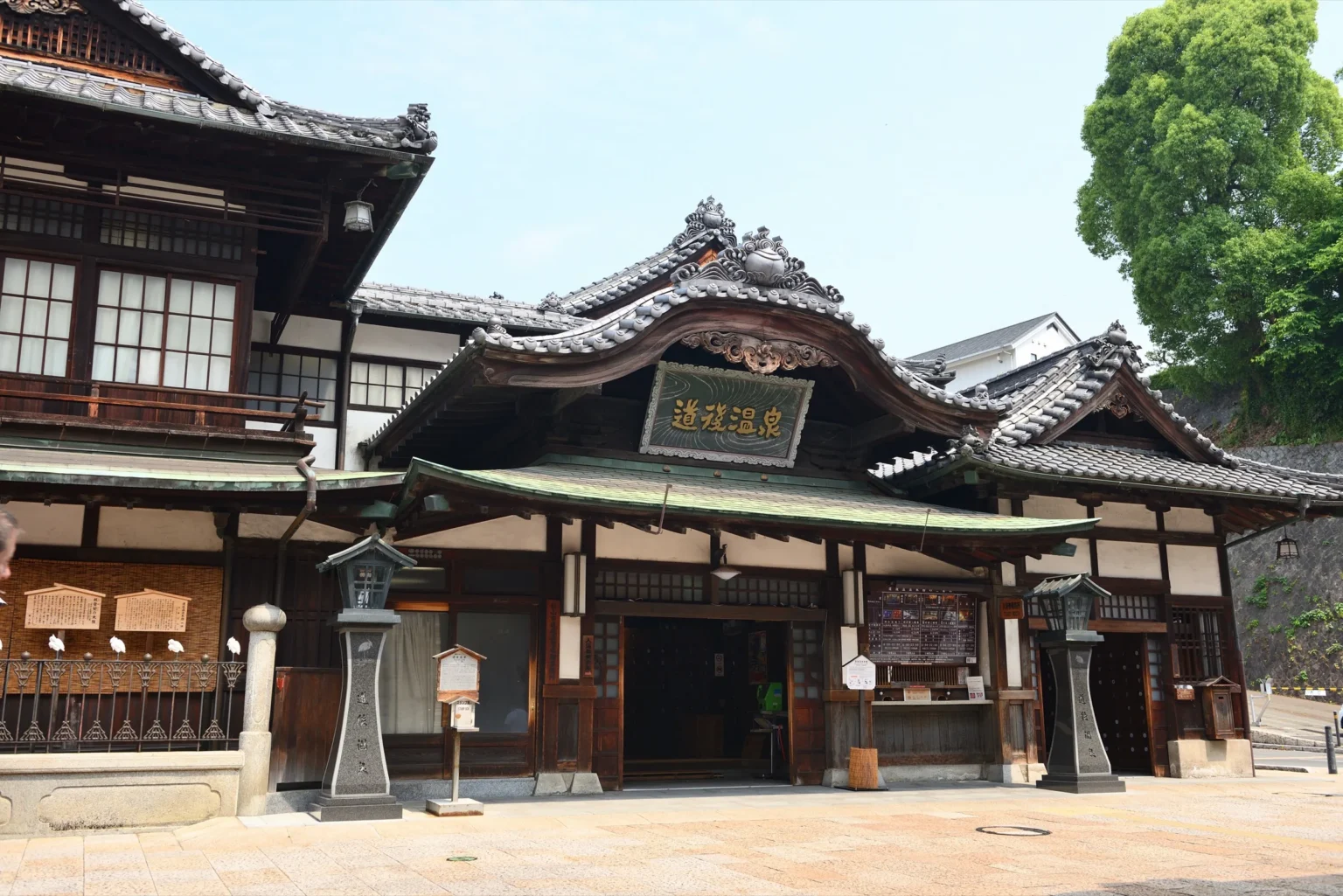
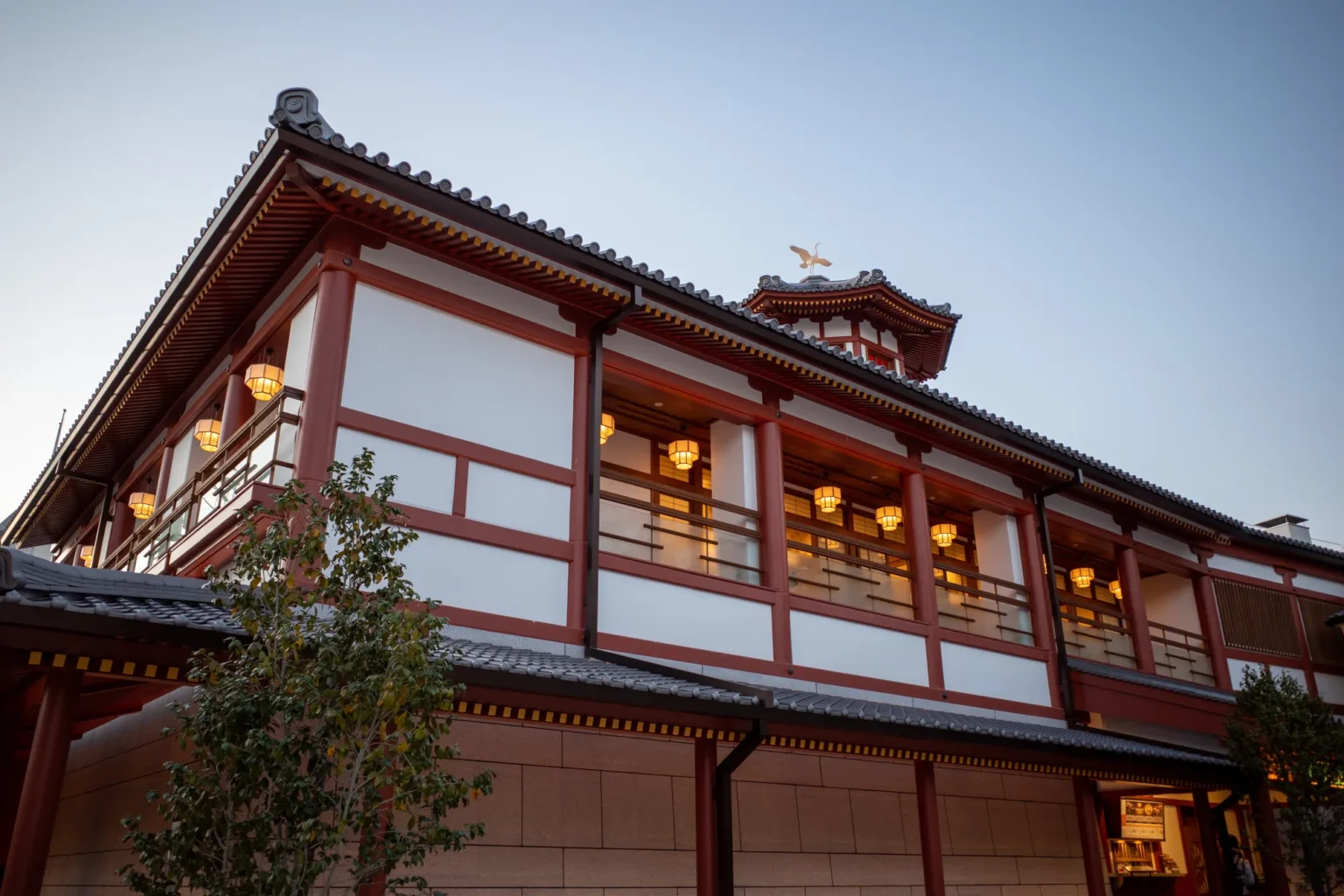
The Honkan reopened completely on 11 July 2024; the conservation work was formally completed that December. The simplest ticket is the Kami-no-Yu bath only: ¥700 for 60 minutes, 6:00–23:00. For ¥1,300 you also get a yukata, tea and a mat in the big second-floor hall, and the Tama-no-Yu second-floor package is ¥2,000, with a third-floor private room at ¥2,500. If the Honkan queue is long, Asuka-no-Yu (¥610, 6:00–23:00) and Tsubaki-no-Yu (¥500, 6:30–23:00) are a couple of minutes away. A three-bath ticket covering all of them costs ¥1,440 and is valid for two days.
Dinner: sea bream and mikan
Ehime is the citrus prefecture — mikan, iyokan, kawachi-bankan. For dinner, look for a kaiseki-style ryokan along the Dogo arcade or one of the seafood izakaya near Okaido that serve tai-meshi (sea bream rice). Matsuyama has two distinct versions of the dish, both worth ordering.
Stay in Dogo and bathe early, before the tour groups.
Matsuyama and Dogo ryokan Dogo Onsen tickets and toursDay 5: Kochi castle, katsuo and Katsurahama
| The day at a glance | |
|---|---|
| Transfer | Nangoku Express highway bus Matsuyama → Kochi, about 2 h 40 min – 2 h 55 min |
| Kochi Castle | ¥500, 9:00–17:00 (last entry 16:30) |
| Hirome Market | Mon–Sat 10:00–23:00, Sun 9:00–23:00 |
| Katsurahama | MY Yu Bus Katsurahama ticket ¥1,300 |
Last day. There’s no direct train between Matsuyama and Kochi, so the practical link is the Nangoku Express highway bus (about 2 hours 45 minutes); by car it’s about the same on the Matsuyama and Kochi expressways. Kochi is the most distant of the four prefectural capitals from the rest of Japan, and it shows: a slower rhythm, a wider main street, and a culture centred on its harbour and its history of dissent.
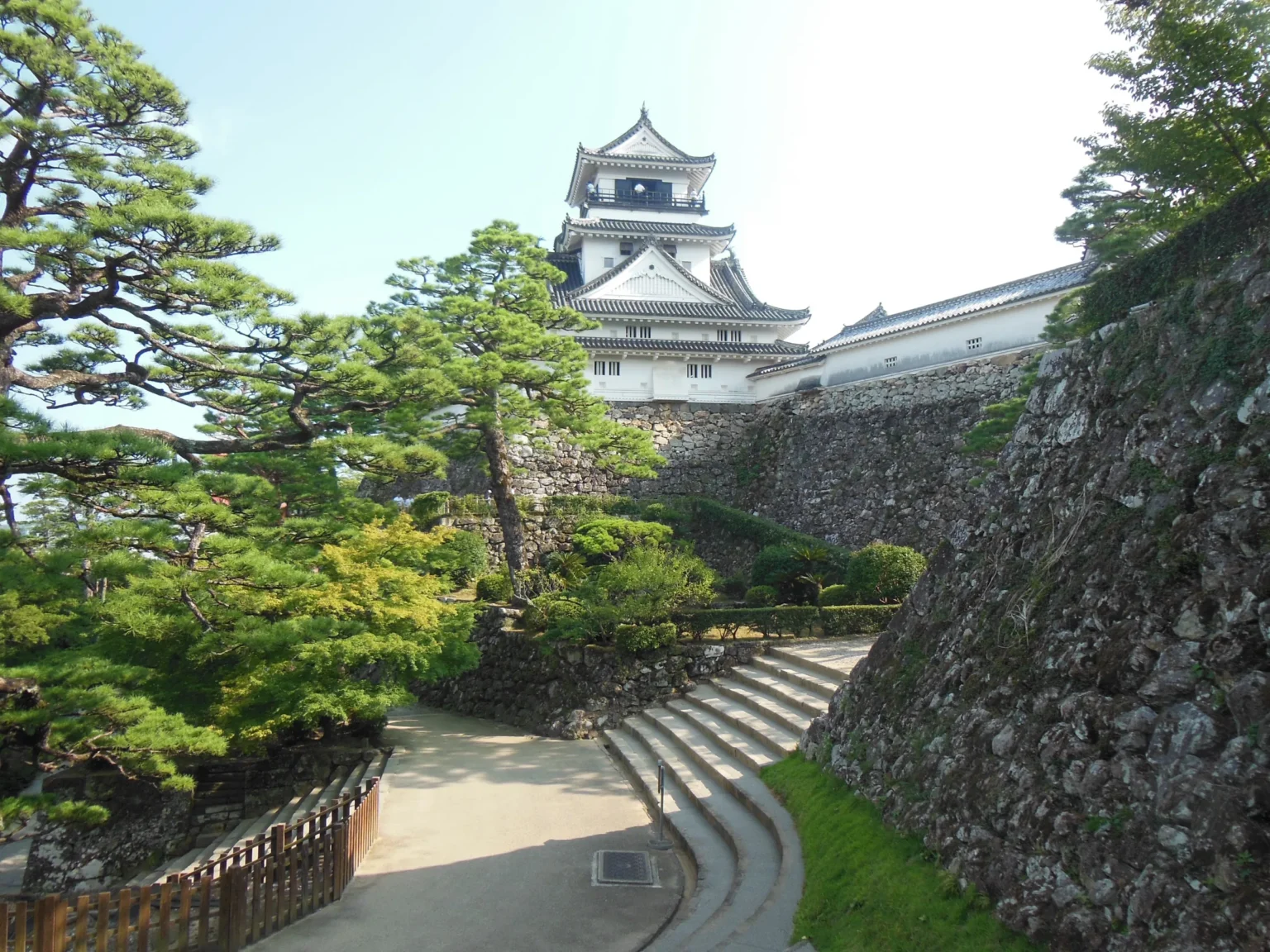
Kochi Castle
Japan has twelve castle keeps that survive from before the Meiji era. Kochi is the only one that also keeps its honmaru-goten, the lord’s residence, and you can walk through both. Admission is ¥500 (free under 18), 9:00–17:00 with last entry at 16:30, closed 26 December–1 January. Allow 90 minutes; the view from the top is the best in the city. More detail in our Kochi Castle guide.
Lunch at Hirome Market
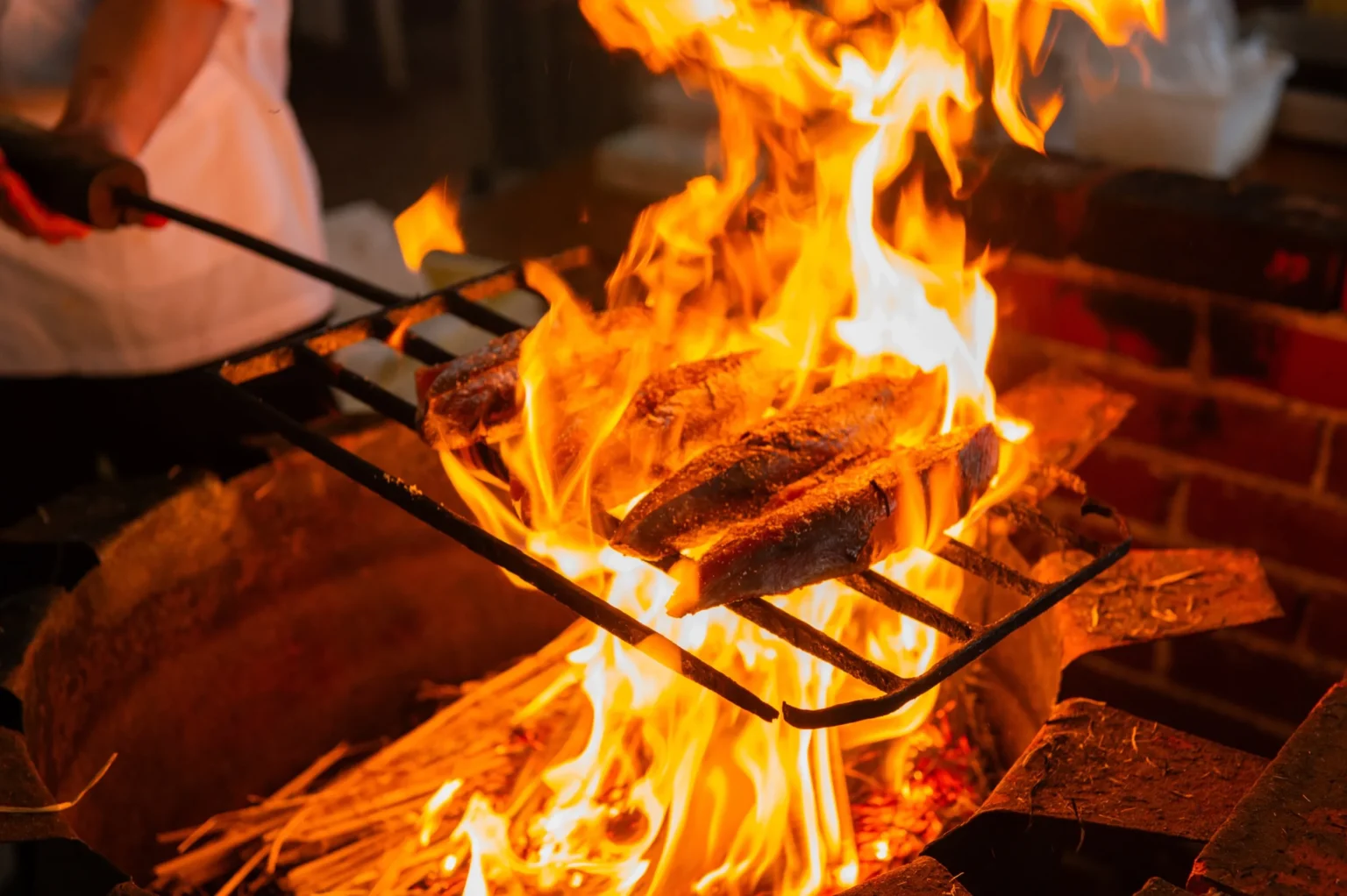
A 5-minute walk from the castle gate is Hirome Market, a covered hall of around fifty food and produce stalls. Come for katsuo no tataki: bonito loin held over a straw fire for about 30 seconds, long enough to sear and smoke the outside and leave the inside raw. Myojinmaru is the most famous stall and does it in front of you. Eat it the local way, with sliced raw garlic and sea salt rather than soy. The hall opens 10:00–23:00 Monday to Saturday and 9:00–23:00 on Sunday; individual stalls keep their own hours.
Katsurahama and the Ryoma statue
The MY Yu Bus sightseeing loop runs from Kochi Station. Its Katsurahama day ticket (¥1,300) also covers city trams within the flat-fare zone and a one-way ride on the regular Tosaden bus to Katsurahama.
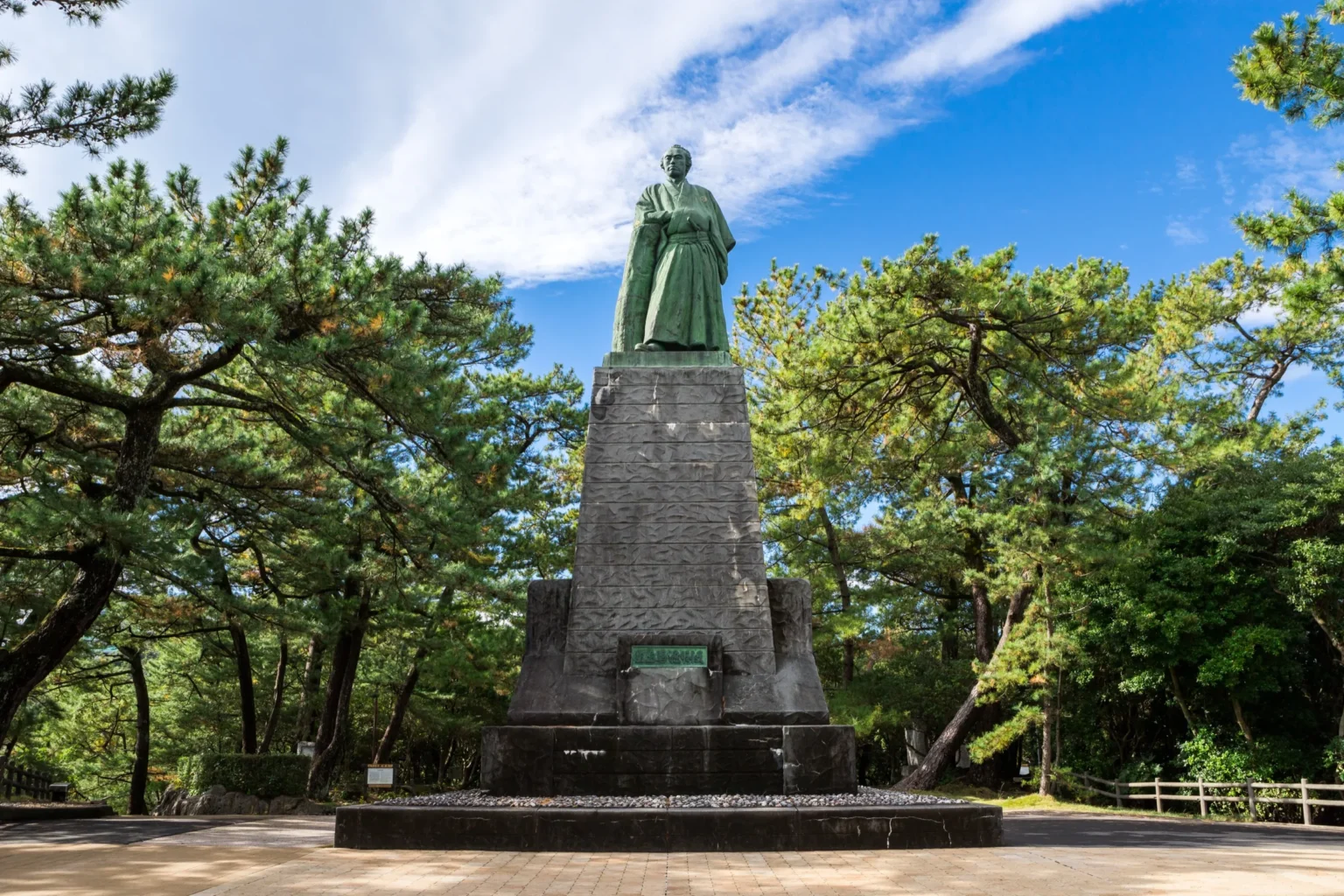
Sakamoto Ryoma (1836–1867) was the samurai who did as much as anyone to broker the alliance that ended the Tokugawa shogunate. The statue at Katsurahama, put up in 1928, looks south over the ocean he kept urging Japan to reckon with. It’s free. The beach isn’t for swimming (rough surf, strong currents), but the walk along the headland is half an hour well spent.
Heading home
From Kochi, the simplest exit by rail is the JR Nanpu limited express to Okayama (about 2.5 hours), then the shinkansen. Kochi Ryoma Airport has direct flights to Tokyo Haneda, Osaka Itami and Fukuoka. If you’re heading to Tokyo, the flight (about 80 minutes) is far faster than the train.
What it costs
Per person, in yen, for four nights. These are rough planning numbers, not quotes.
| Category | Mid-range | Comfortable | Notes |
|---|---|---|---|
| Accommodation × 4 nights | ¥36,000 | ¥72,000 | An Iya ryokan adds about ¥30,000 |
| Trains, ferries, buses | ¥12,000 | ¥12,000 | Rough total for individual tickets. If you buy a 3-day All Shikoku pass (¥12,000) instead, it covers JR Shikoku and the participating private railways (Kotoden, Tosaden and others) for three days; add ferries, highway buses, Matsuyama trams and any rail days outside the pass on top |
| Rental car (3 days) | ¥18,000 | ¥24,000 | Optional but recommended for Iya |
| Food | ¥18,000 | ¥30,000 | One ryokan dinner can be a whole day’s budget |
| Admissions | ¥8,500 | ¥11,000 | Chichu, castles, Dogo, Kazurabashi, Ritsurin |
| Total | ¥92,500 | ¥149,000 | Excludes flights |
Frequently asked questions
Is 5 days enough for Shikoku?
For the highlights — Naoshima, Kotohira, Iya Valley, Dogo Onsen, Kochi — yes, but only just. With 7 days, add a second night in Iya and a half-day on the Shimanami Kaido cycling route between Imabari and Onomichi. With 10, add a day on Shodoshima. Five days is the lower edge of doable for the four-prefecture route.
Do I need a rental car for this itinerary?
For Day 3 (Iya Valley), strongly recommended: buses from Oboke Station run only a few times a day. The rest of the route works on trains, ferries and buses. A common compromise is to pick up a car at Takamatsu or Awa-Ikeda on Day 2 evening and drop it in Matsuyama after Day 4. Most rental companies allow one-way drops for a fee.
Is the All Shikoku Rail Pass worth it?
Since October 2026 there is no 5-day pass, so the choice is a 3-day pass (¥12,000) for the longest train days or a 7-day pass (¥20,000). If you drive through Iya and take the bus to Kochi, the 3-day pass rarely pays off; it starts to make sense if you ride limited expresses on most legs or add side trips. Our JR Pass math guide covers how to work it out.
Can I do this trip in winter?
Yes, with caveats. Iya Valley sees snow from late December to March, and the gorge roads can ice over, so drive only with winter tyres and confidence. The Kazurabashi stays open but the slats are slippery when wet. Matsuyama, Kochi and Naoshima are mild year-round. Spring (April–early May) and late October to mid-November are when Shikoku looks like the photographs.
Is the Setouchi Triennale on in 2026?
No. It runs every three years; the 2025 edition closed on 9 November 2025. Naoshima’s permanent museums open on their normal schedules, with most sites closed on Mondays; when Monday is a national holiday, Chichu and the New Museum open and close the next day instead.
How does this compare to a Tokyo–Kyoto–Osaka itinerary?
Different speed entirely. The 7-day Tokyo → Kyoto → Osaka loop is the classic first-time route — bullet trains, dense cities, the famous sights. Shikoku suits a second trip, or first-timers who want a slower, less crowded Japan.
What about dietary restrictions?
Shikoku is harder than Tokyo or Osaka for vegetarians and vegans — udon broth is usually fish-based dashi, often made with iriko (dried sardines) or bonito, and many izakaya menus assume seafood. Carry a printed card in Japanese explaining your needs. Larger hotels and ryokan in Matsuyama and Takamatsu can usually adapt with notice; small udon counters usually can’t.
7-Day Japan Itinerary: Tokyo, Kyoto & Osaka
The classic first-time route; pair it with this for a 12-day trip.
JR Pass vs Individual Tickets 2026
Whether a pass saves money on a Shikoku trip.
Japan Festival Calendar 2026
Month by month, including Shikoku’s quieter festivals.
Japan Cash vs Card 2026
What works in rural Shikoku.
Japan Essential Tips 2026
Etiquette, apps and new rules before you fly in.
Cheaper Than Kyoto: 4 Base Cities
Takamatsu anchors Shikoku, and it costs less than Kyoto.
Japan’s Hidden Gems (44 by region)
More places across the country, region by region.
— Nobu, who has crossed onto Shikoku six times and keeps going back.
Sources: Benesse Art Site Naoshima and naoshima.net (2026 visitor guides), Shikoku Transport Bureau ferry fare notice (Nov 2025), Ritsurin Garden, Miyoshi City Tourism, Dogo Onsen (dogo.jp), Kochi Castle, Hirome Market, JR Shikoku pass notices (Oct 2025, Aug 2026), Iyotetsu and Kotoden fare notices (2026), Matsuyama Castle.
Join travelers discovering Japan's hidden side
Weekly dispatches from off-the-beaten-path Japan — spots and stories you won't find in guidebooks.
No spam. Unsubscribe anytime.
Welcome aboard!
You're in. See you in your inbox soon.