Kansai · 7-day route
I’ve spent a lot of time on temple paths and mountain trails around Japan. Kyoto‘s famous pavilions and bamboo groves are worth seeing, but I keep coming back to the quieter places just past the usual tourist routes. This 7-day Kansai route is for travelers who have already done the highlights and want more time in the mountains, the old shrines and the country roads: Kurama and Ohara north of Kyoto, Murō-ji in the hills of Nara, Mount Hiei above Lake Biwa, two days on the Kumano Kodo at Nachi, and a lively final evening in Osaka.
The week at a glance
| Day | Where | Main stop | Sleep |
|---|---|---|---|
| 1 | Kibune & Kurama (north Kyoto) | Kifune Shrine → hike to Kurama-dera | Kibune/Kurama ryokan or Kyoto |
| 2 | Ohara (north Kyoto) | Sanzen-in moss garden | Kyoto |
| 3 | Nara & Uda | Mt Wakakusa, then Murō-ji | Kyoto or Nara |
| 4 | Shiga | Enryaku-ji on Mt Hiei, Lake Biwa | Kyoto or the lake shore |
| 5 | Wakayama | Travel south; Daimon-zaka | Kii-Katsuura |
| 6 | Wakayama | Nachi Taisha, Seiganto-ji, Nachi Falls | Kii-Katsuura |
| 7 | Osaka | Shinsekai and kushikatsu | Osaka |
Day 1: Kifune Shrine and the hike to Kurama-dera
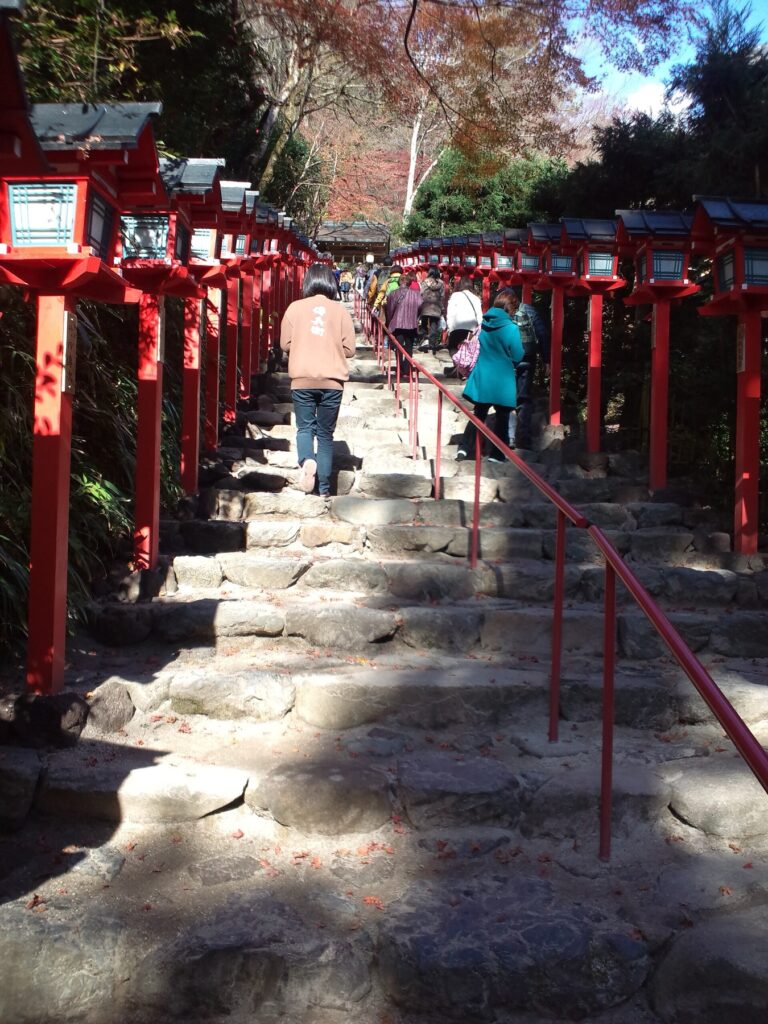
We start in the mountains north of central Kyoto, away from the main crowds. This is cedar-forest country, tied to tengu legends and a long history of mountain worship. Take the Eizan Railway to Kibuneguchi Station; from there, take Kyoto Bus route 33 for four minutes to the Kibune stop and walk about five minutes to Kifune Shrine, or walk the whole valley road (about 30 minutes, 2 km). The shrine is dedicated to the god of water. The stone staircase lined with red lanterns is the best-known view here.
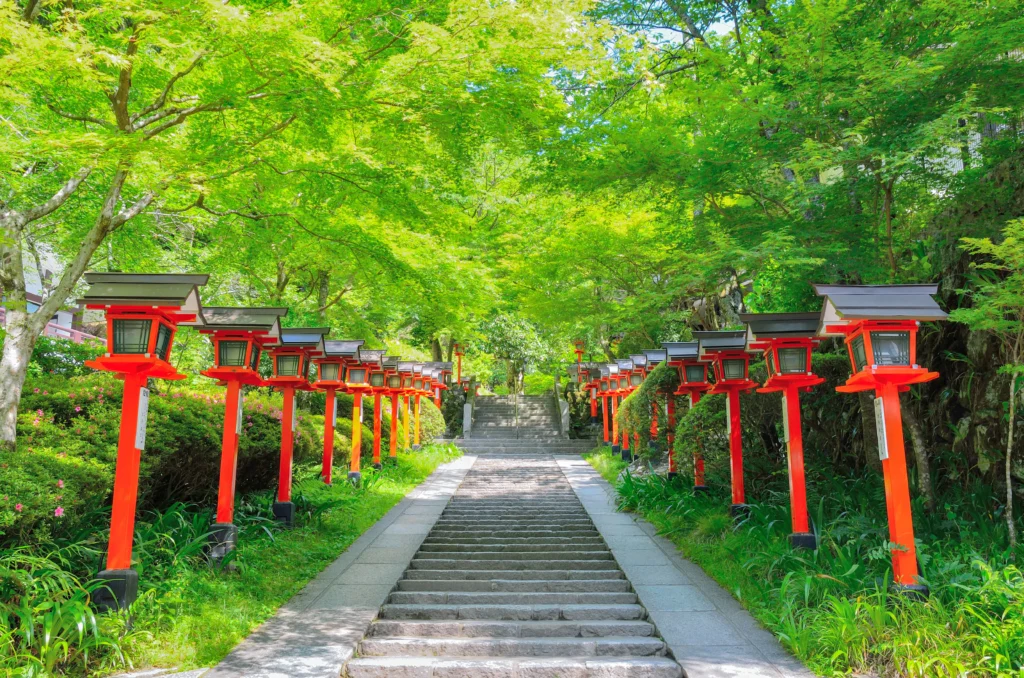
After Kifune, walk over the mountain to Kurama-dera. The hike follows a pilgrimage path past small shrines, very old cedars and the kinone-michi, a stretch where tree roots run across the path. Kurama-dera’s own leg timings for this path, walked the other way (Kurama Station to Kifune Shrine), add up to about 80 minutes before stops. The temple doesn’t give a time for the Kifune-to-Kurama direction, so it may differ.
Kurama-dera sits on the mountainside with wide views down the valley. It’s said to be the birthplace of Reiki, and the tradition of mountain ascetic practice is still part of the place. The main hall is dedicated to a trinity of deities. Plan to reach it before 16:15, when the hall closes.
Eat: in the summer kawadoko season (roughly May–September), Hirobun in Kibune serves nagashi-somen (flowing noodles). Stay: a ryokan in Kurama or Kibune, with a bath after the hike, or go back to Kyoto.
Day 2: The moss gardens of Ohara
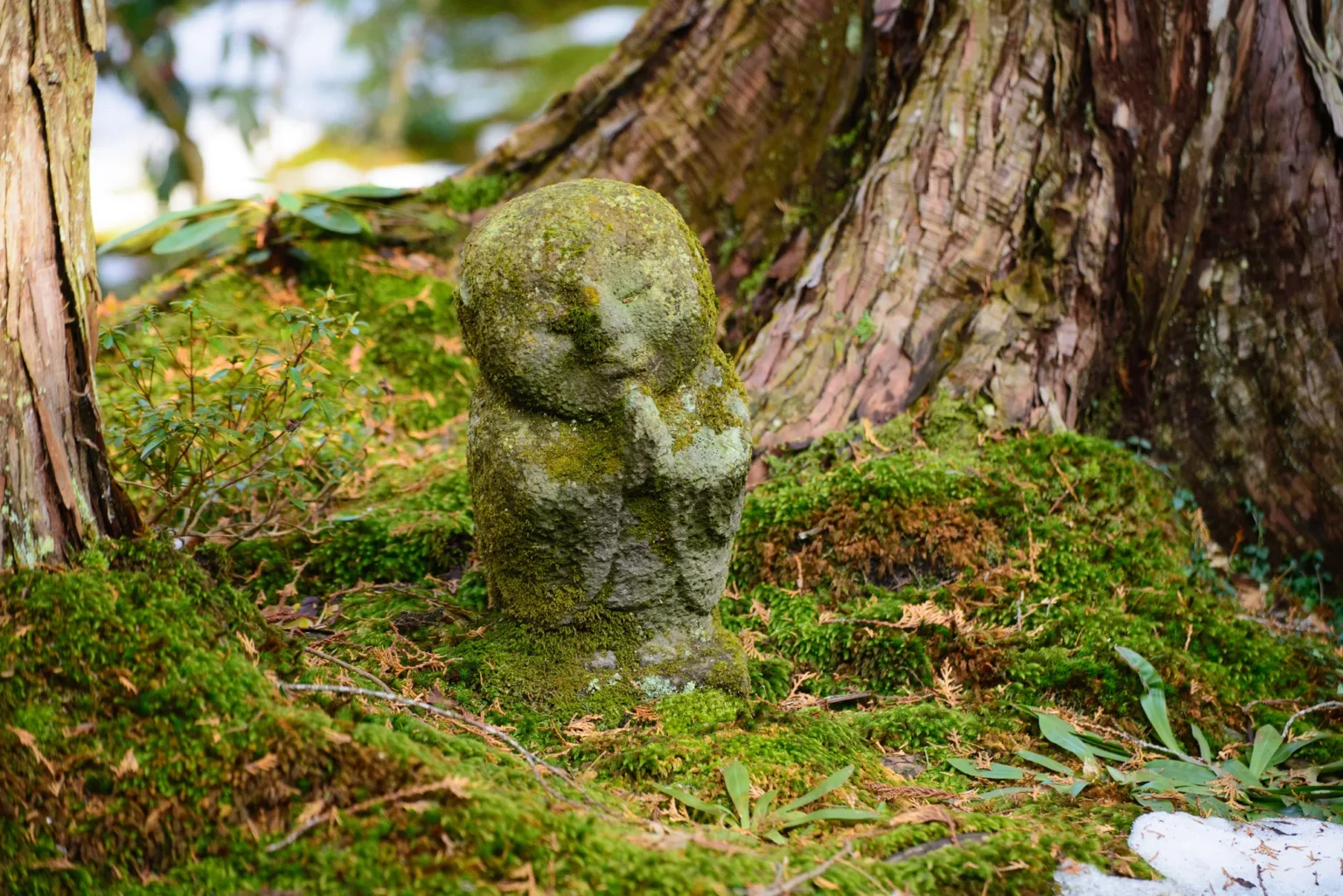
There’s no direct rail connection to Ohara. From central Kyoto, take the Karasuma subway line to Kokusaikaikan and Kyoto Bus 19 up the valley to the Ohara terminus (about 56 minutes from Kyoto Station this way). If you slept in Kurama, Kyoto Bus runs from Kurama to Kokusaikaikan (about 25 minutes, per Kurama-dera), where you join the same bus 19. Ohara feels a world away from the city center. We’re headed for Sanzen-in Temple and its moss garden. I sat for a while on the edge of the Ōjō Gokuraku-in Hall, just looking at the moss. The small Warabe-Jizō statues tucked into it are easy to miss the first time.
Ohara is also home to several smaller temples within walking distance, including Jikkō-in and Jakkō-in. Allow a full day to explore the temples slowly.
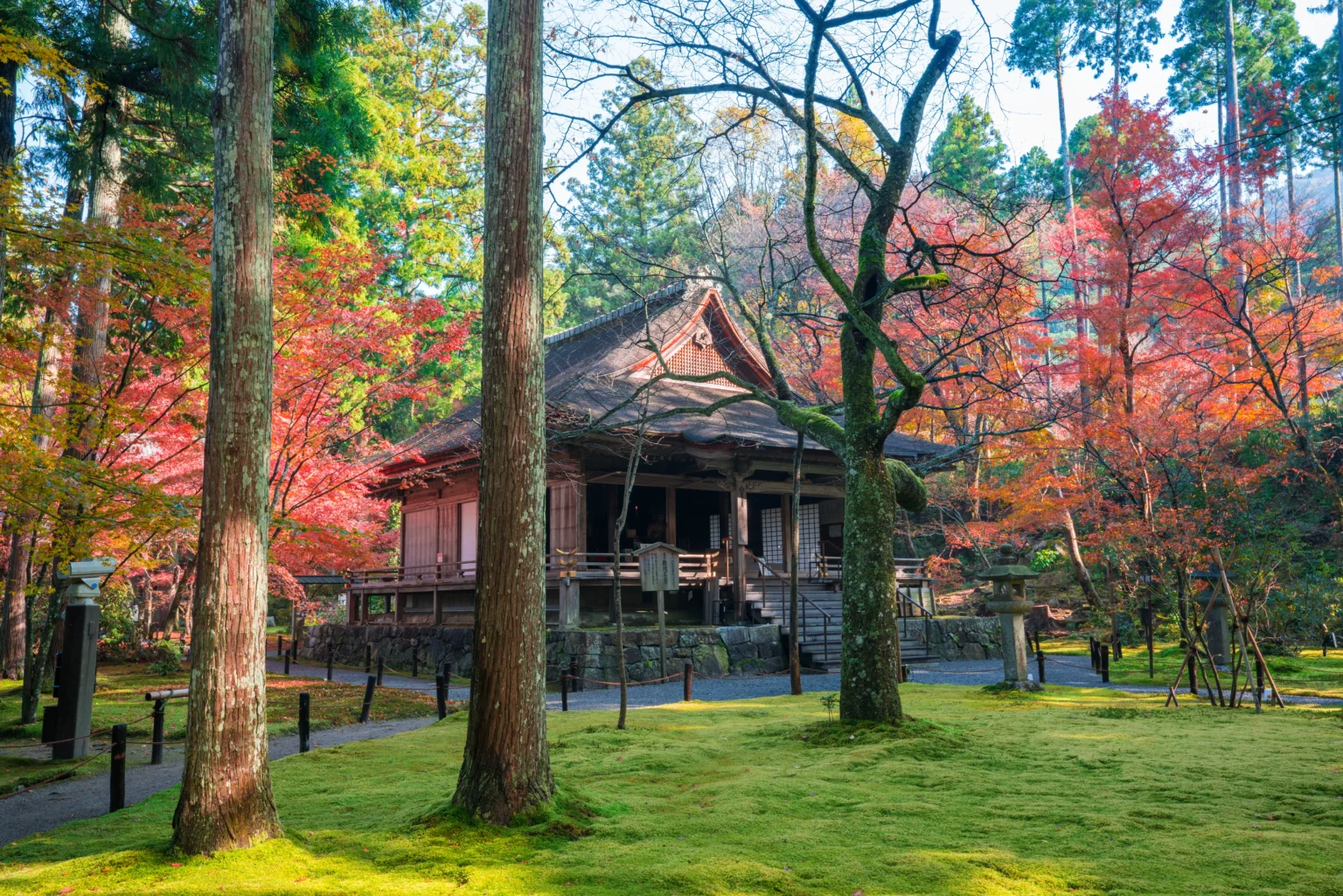
Weekday mornings may be quieter. In late autumn, our list of Kyoto’s lesser-known autumn temples has more quiet places for the same day.
Day 3: Nara’s hillside, then Murō-ji
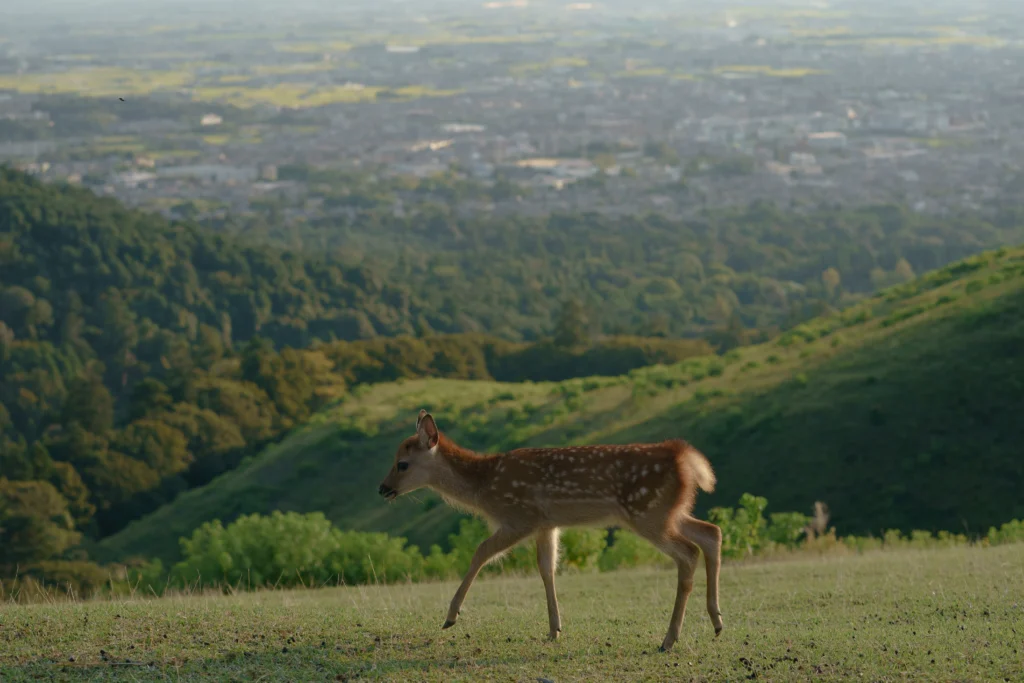
Most visitors to Nara head straight for the Great Buddha and the deer in Nara Park (our Tōdai-ji and deer guide covers that day). If you arrive early, go up Mount Wakakusa instead, where deer graze the open hillside above the Nara basin. It feels a long way from the crowded park below, but it’s only open from mid-March to mid-December.
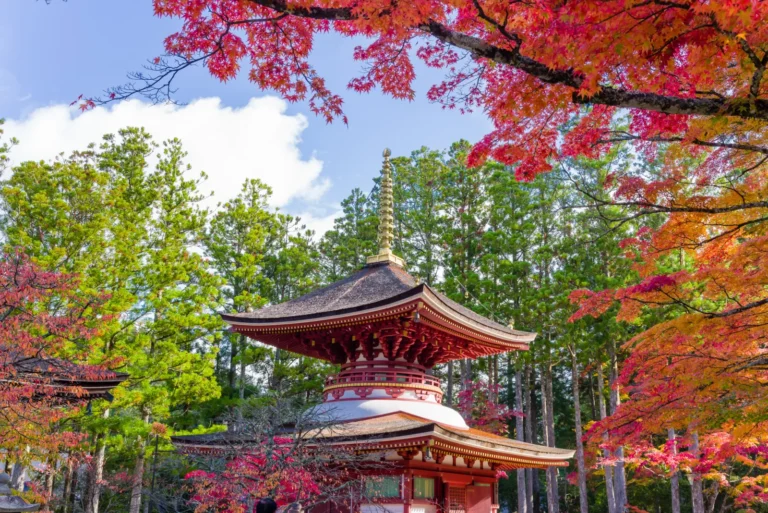
From there, head into the hills of Uda to Murō-ji. It’s known as the “Women’s Kōya” because it admitted women back when Mount Kōya was closed to them. The temple climbs a forested slope, and the layout is a journey in itself. The five-storied pagoda is the part I remember most from an earlier visit. It’s Japan’s smallest outdoor five-storied pagoda, and it stands among the tall trees without looking out of place. The climb to the Okunoin (inner sanctuary) is steep, but it’s quiet at the top and worth the effort.
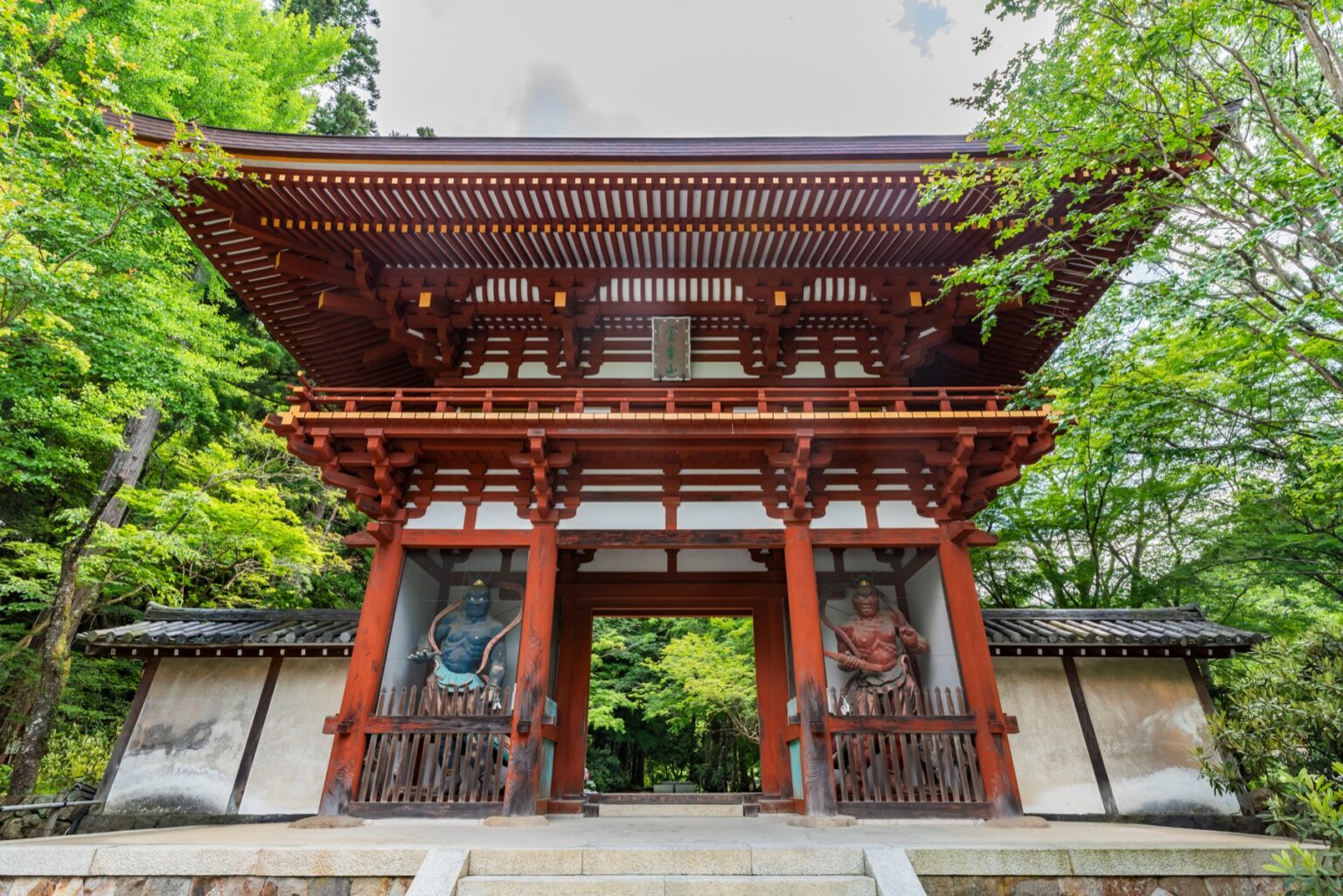
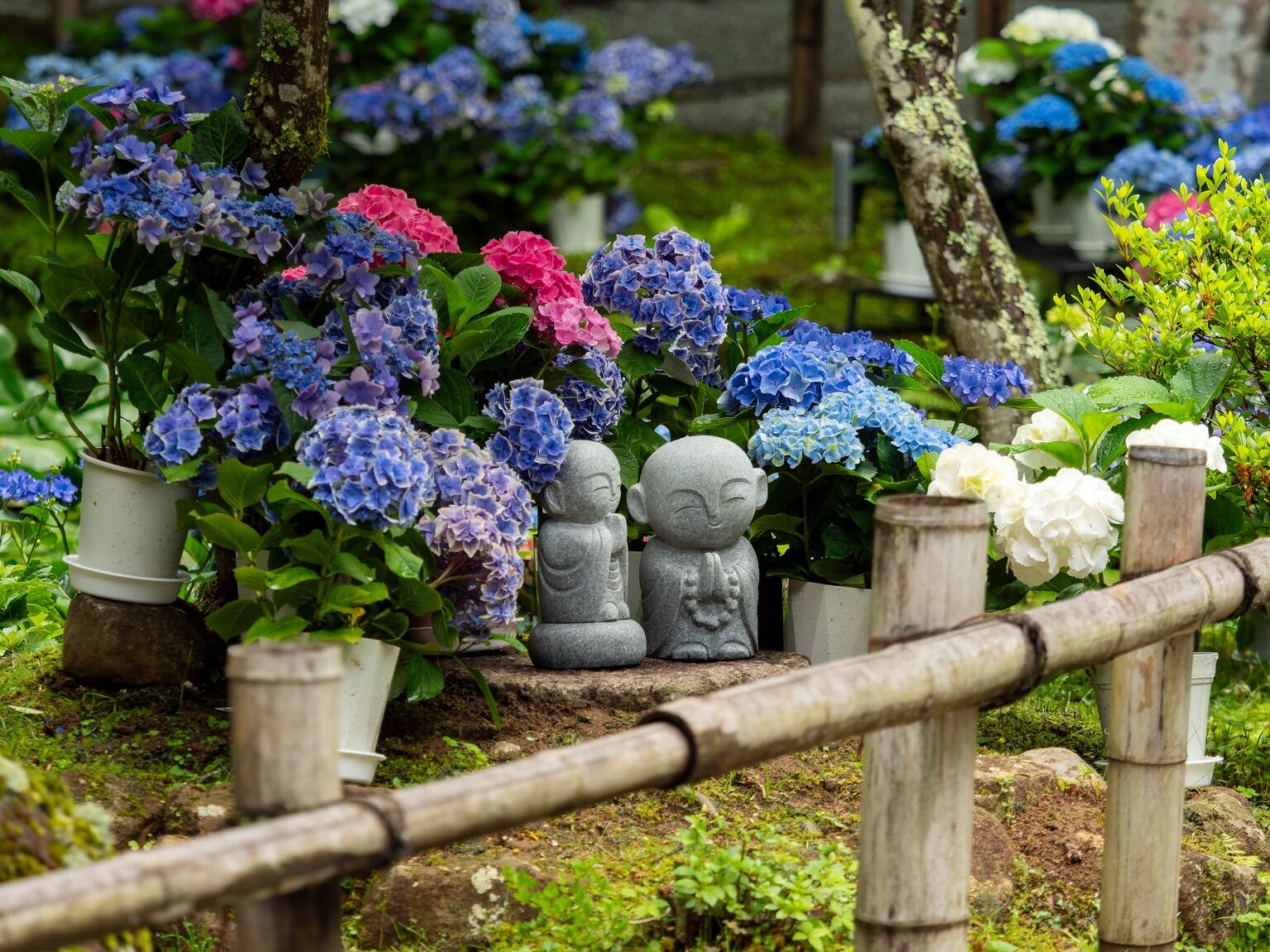
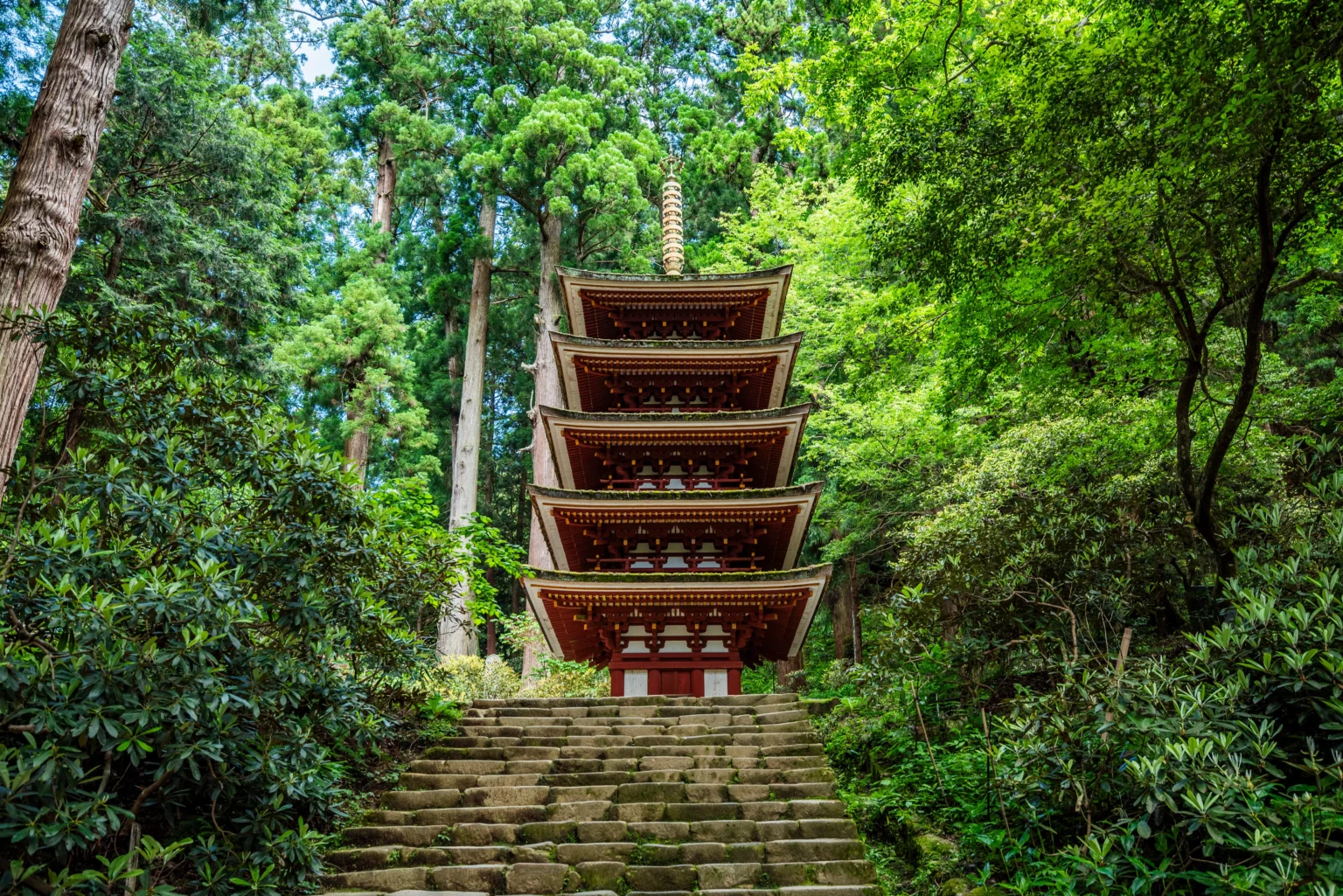
The temple is known for its early Heian-period Buddhist statues, several of them National Treasures; some of the most important pieces are displayed in the Treasure Hall (¥400 extra). The bus from Murōguchi-Ōno runs about once an hour, so check the return times when you arrive rather than when you’re ready to leave. More on the seasons and the bus in our Murō-ji guide.
Day 4: Mount Hiei and Lake Biwa
Mount Hiei sits on the border of Kyoto and Shiga, above Japan’s largest lake. Enryaku-ji, the headquarters of the Tendai school of Buddhism and part of a UNESCO World Heritage site, isn’t a single temple but a spread of halls and training areas in three precincts across the mountain. It was founded in 788, and the atmosphere is solemn.
The main hall, the Konpon Chūdō, is in a major restoration that began in 2016 and is now planned to take about fifteen years. Separately, since 6 January 2026 you can’t go inside: the temple expects the closure to last until around January 2028. Its stand-in statue of Yakushi and the “Undying Dharma Light” have been moved to the Manpaidō hall nearby, where you can see them. Until about December 2026 you can also walk the viewing deck built over the restoration scaffold and look at the roof work up close. I was particularly moved by the Saitō (Western Pagoda) area, which feels more secluded and older.
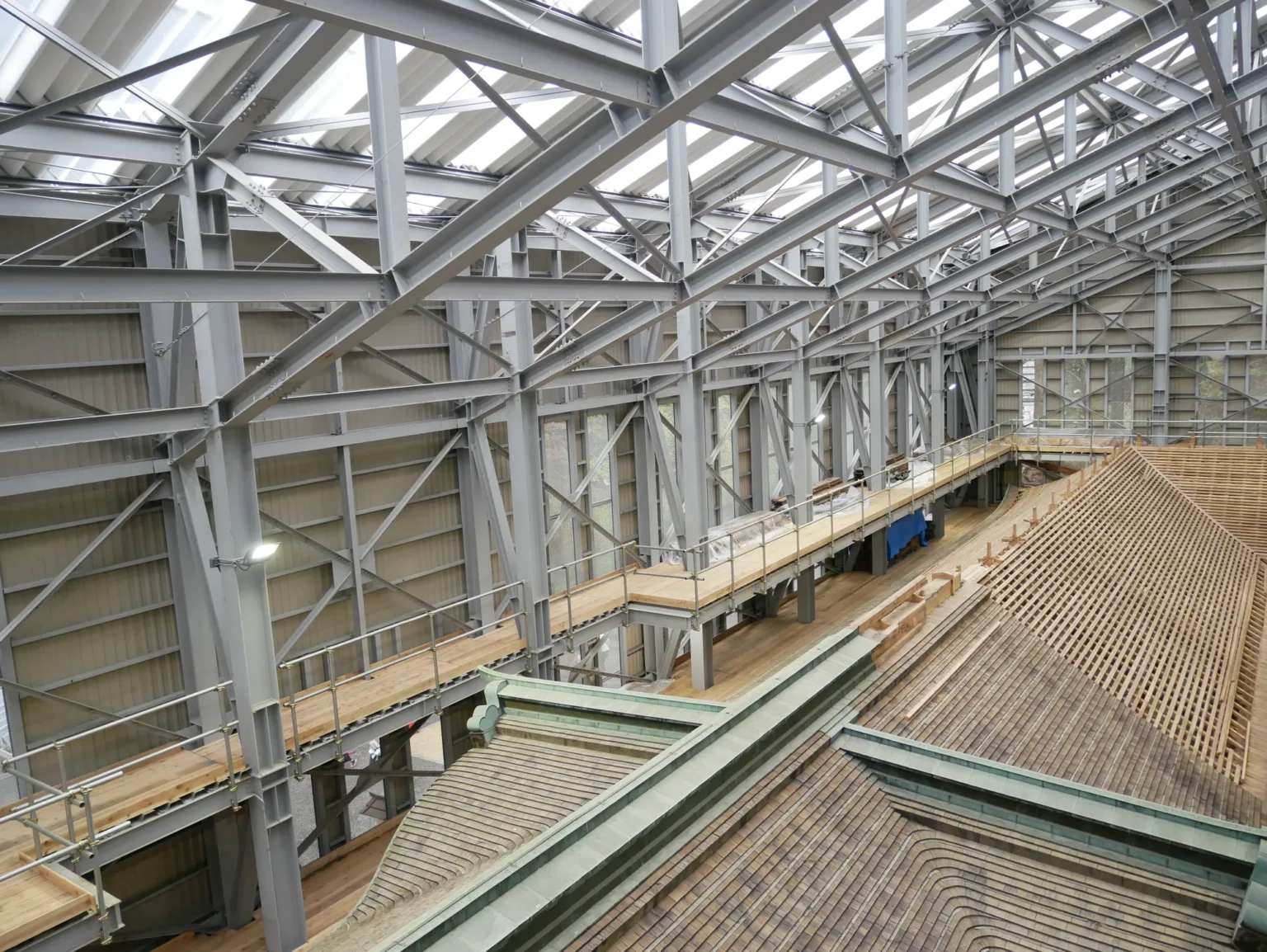
The view of the lake from Mount Hiei is the kind you stop and look at for a while. If you want to be on the water, Chikubu Island, a small sacred island, is reached by boat from Nagahama (about 30 minutes) or Hikone (about 45) on the east shore, or Imazu (about 25) on the north-west shore — all far from Hiei, so treat it as an either/or with the mountain rather than an add-on.
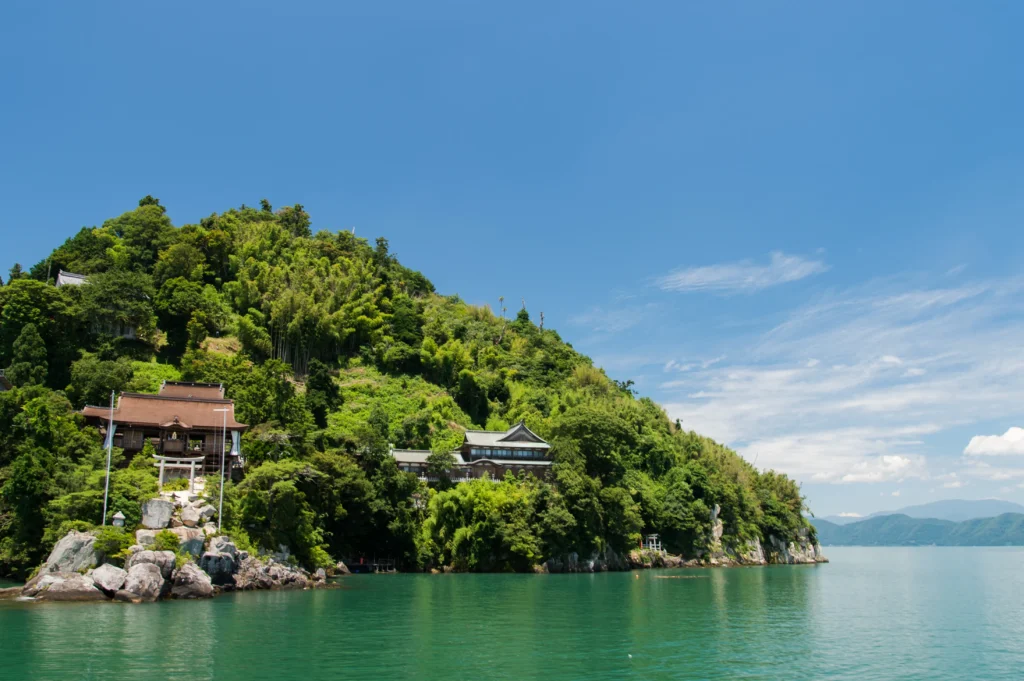
Stay: a hotel on the shore of Lake Biwa for the morning view, or a temple lodging (shukubō) on Mount Hiei. Alternative: for a more rural day, the Metasequoia avenue in Takashima, northern Shiga, is at its best in autumn — see our Takashima day trip.
Day 5: South to Kumano and the Daimon-zaka
Next, head to the Kumano Kodo pilgrimage routes in Wakayama, walked by emperors and commoners for over a thousand years. We focus on a short but rewarding section. Travel south down the Kii Peninsula to Kii-Katsuura, a port town with good onsen, and make it your base for two nights.
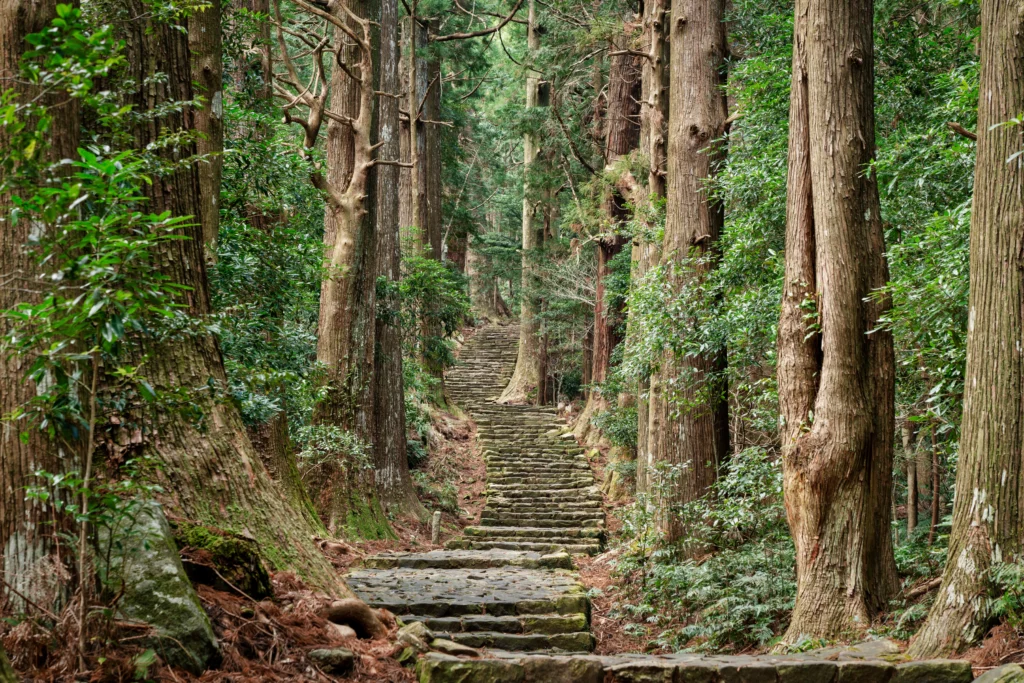
The Daimon-zaka’s stone-paved stair, about 600 metres and 267 steps, starts at a pair of “husband and wife” cedars and climbs towards Nachisan; from the top it’s about another 20 minutes up to Kumano Nachi Taisha and Seiganto-ji. It’s lined with old cedar trees, and though it’s short it’s one of the better stretches of the Kumano Kodo to walk. You can rent Heian-period pilgrim costumes at the teahouse at the foot of the slope if you want photos in them. For a longer day on the trail, see our Matsumoto Pass section guide.
Day 6: Nachi Taisha, Seiganto-ji and Nachi Falls
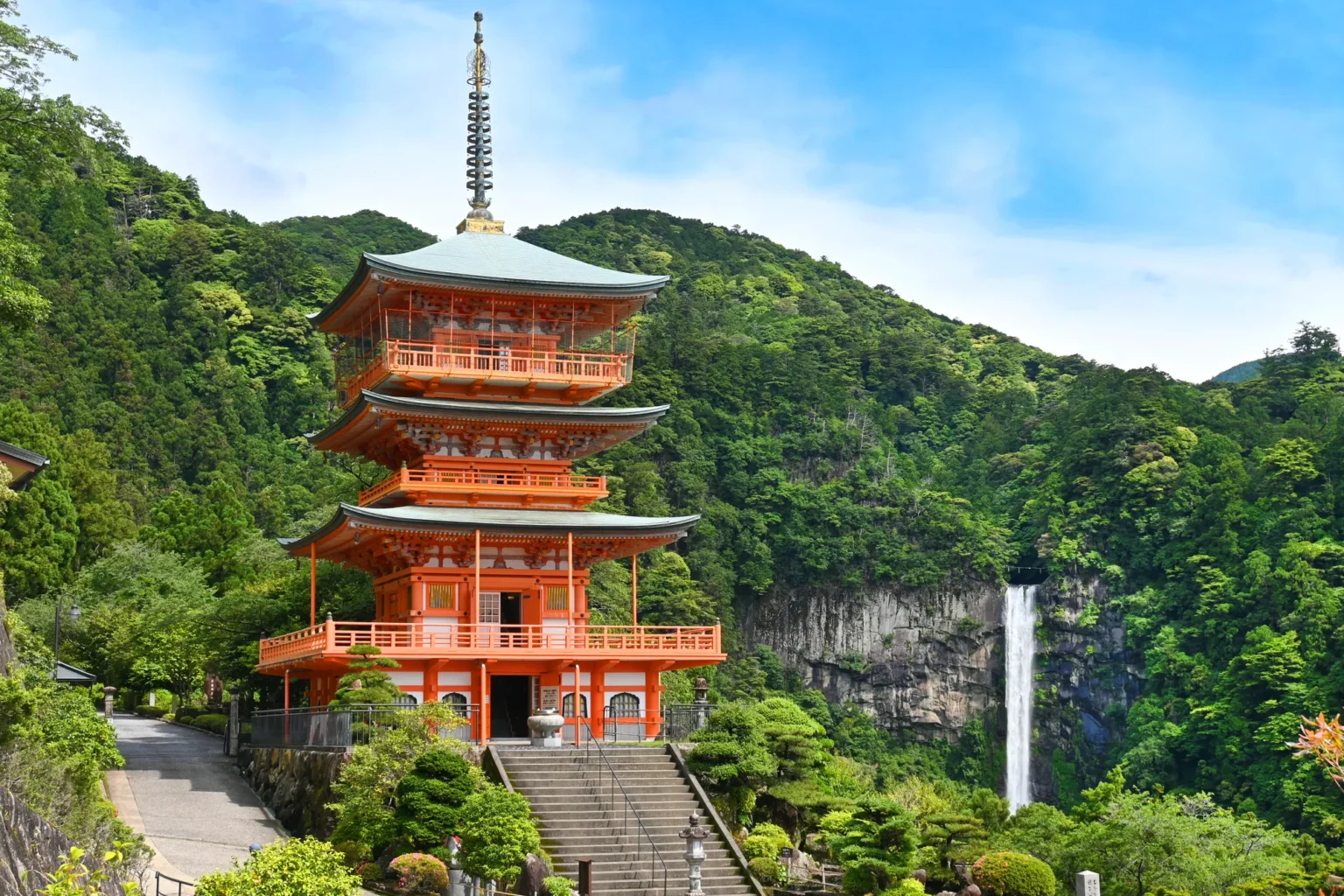
Today, visit the three sacred sites at the heart of the Kumano faith: Kumano Nachi Taisha, one of the three great Kumano shrines; Seiganto-ji Temple right next to it; and Nachi Falls. The shrine gives the fall’s height as 133 metres, with a 13-metre-wide lip, and the falls themselves are the object of worship at Hirō Shrine at their foot. The three-storied pagoda of Seiganto-ji with the waterfall behind it is one of the most photographed views in Japan.
Eat: fresh tuna — Katsuura is one of Japan’s big tuna ports. Stay: a Kii-Katsuura ryokan with a cave onsen looking out over the Pacific.
Day 7: Shinsekai, Osaka
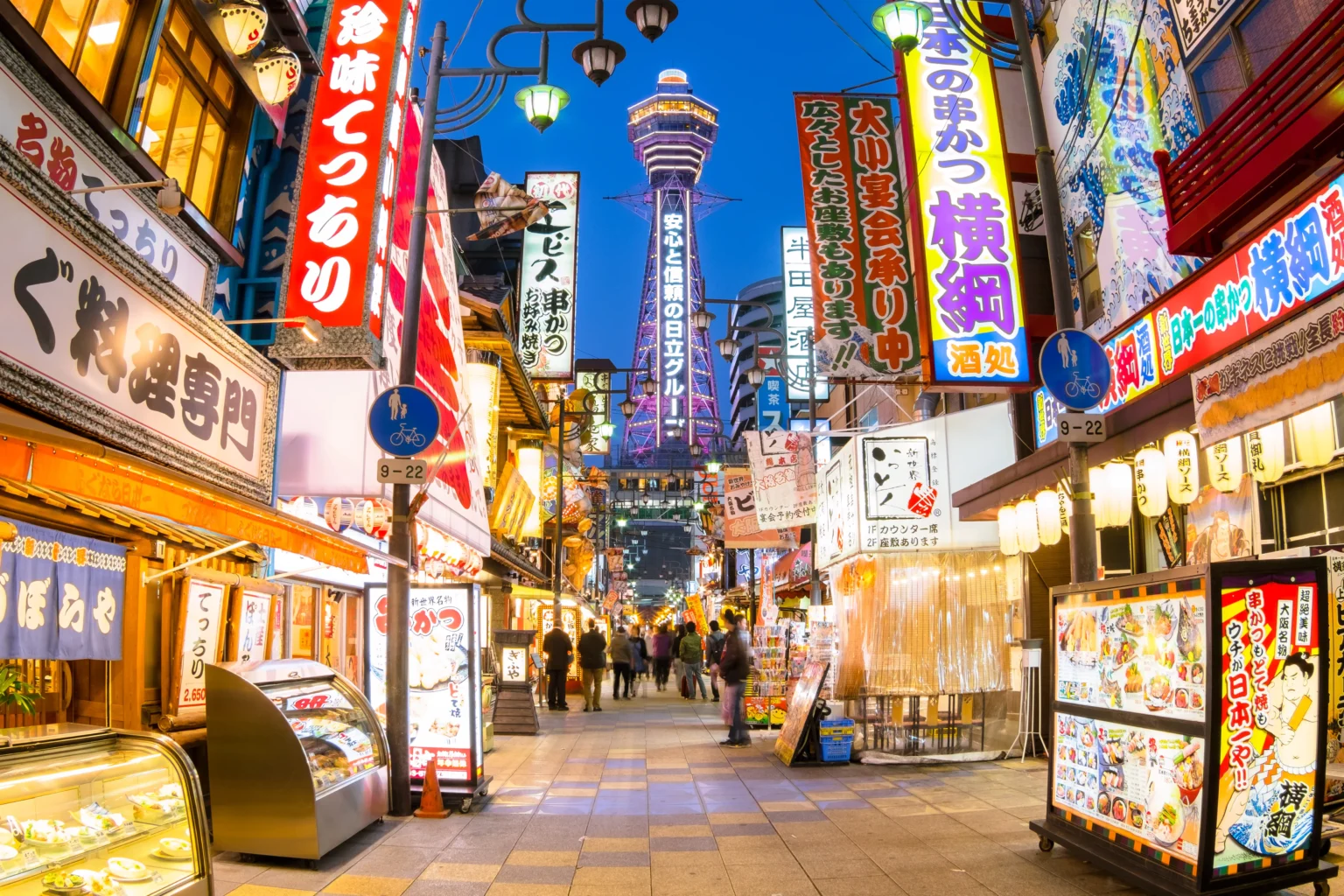
After several days of temples and trails, finish in Shinsekai, Osaka’s old retro district. It’s a complete change of pace. Tsūtenkaku Tower stands over it, and the streets below are loud, cheap and full of food.
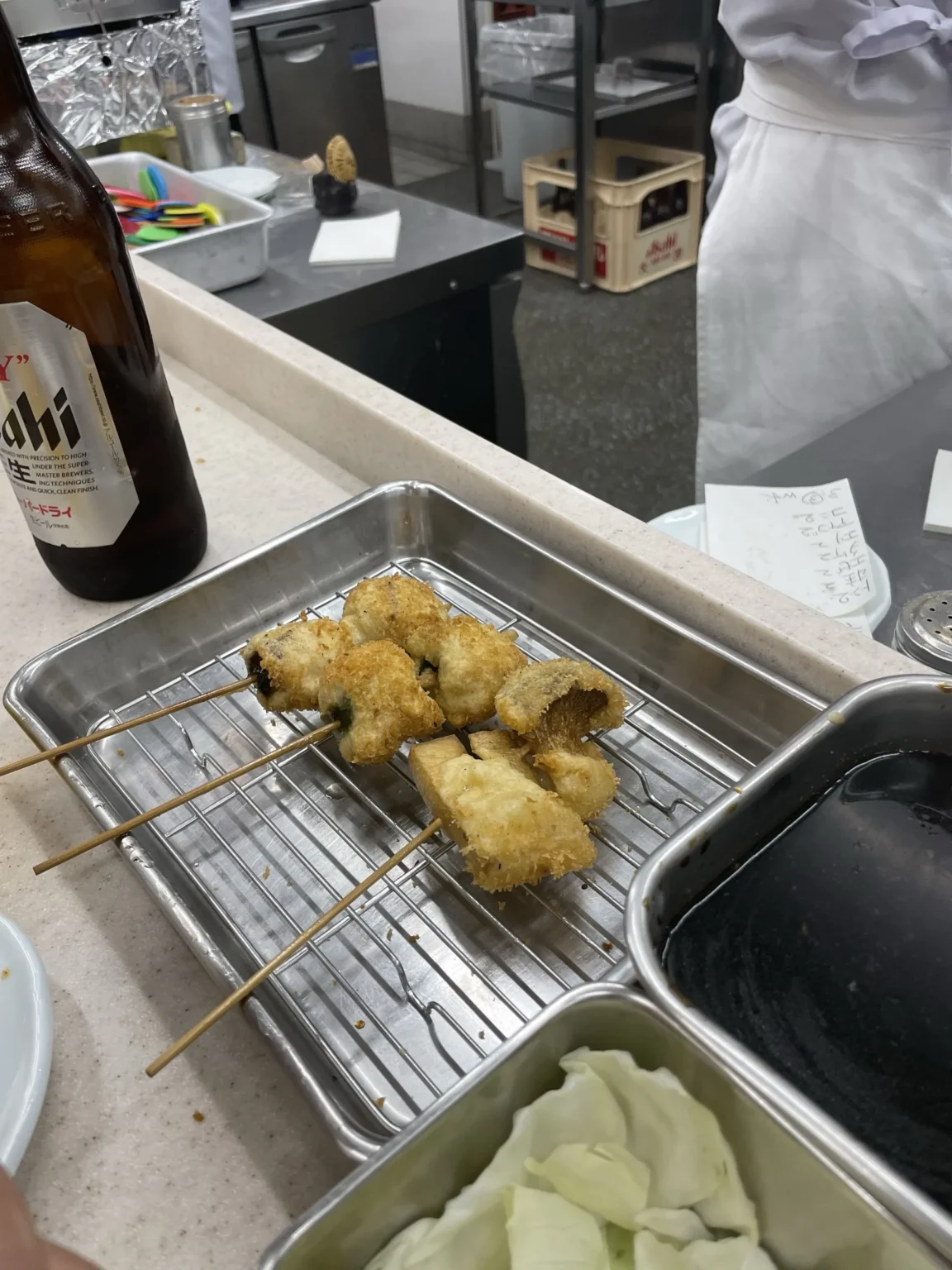
The main reason to come is kushikatsu — deep-fried skewers of meat, vegetables and even cheese. The rule is famous: no double-dipping in the shared sauce. You can try several kushikatsu shops in one evening. It’s a noisy, busy end to a trip that started in quiet mountain temples. Our Osaka walking day links Shinsekai with Namba and Dōtonbori.
Look in: the shogi and go parlours in Janjan Yokochō, where people stop at the open doorways to watch the games. Be aware: Tobita Shinchi, a little further south, is still a working red-light district, not a sightseeing street, and photography there isn’t welcome. The one building visitors can go into is Taiyoshi Hyakuban, a former Taishō-era brothel that is now a restaurant and a registered Tangible Cultural Property. Tobita Shinchi is within Nishinari Ward; respect the people who live here.
Getting around Kansai
This route uses trains and buses. The Kansai Wide Area Pass (5 consecutive days, ¥12,000 adult) covers JR West lines including the Kuroshio limited express to Kii-Katsuura, so time its five days around the long trip south (Day 5) and back up to Osaka (Day 7). Of buses, it covers only West Japan JR Bus local routes in its area. It does not cover the Eizan Railway, Kintetsu (Murō-ji), Keihan, the subways, the Mount Hiei cable cars, or the Kyoto Bus, Nara Kotsu and Kumano Gobo Nankai buses this route uses. Plan each day with Google Maps or Jorudan. For Murō-ji and the Kumano area, renting a car for a day or two is a reasonable alternative. Whether a national pass is worth it is a separate question — see JR Pass vs individual tickets.
Budget and where to stay
Budget: as a rough guide, around ¥15,000–25,000 per person per day, depending on where you sleep and eat. This route moves a lot, so transport is a big share.
Accommodation: a mix of city hotels (Kyoto, Osaka), traditional ryokan (Kibune or Kurama, Kii-Katsuura) and possibly a temple lodging on Mount Hiei gives you a good range.
Frequently asked questions
Is this itinerary suitable for a first-time visitor to Japan?
It’s possible, but it’s designed for people who have already seen the main sights of Kyoto and want a quieter, more rural week. It involves more travel and walking than a typical first-timer’s route.
How physically demanding is it?
Moderate. The walk over Mount Kurama (the temple times it at about 80 minutes from the Kurama side), the steps at Murō-ji and the 267 steps of the Daimon-zaka (plus about 20 minutes more up to the shrine) all need reasonable fitness, but none is an expert-level hike.
What is the best time of year?
April–May and October–November for comfortable weather, fresh green or autumn leaves. Summer is hot and humid; in winter the mountains can see snow, Mount Wakakusa is closed from mid-December to mid-March, and temple hours are shorter.
Can I go inside Enryaku-ji’s Konpon Chūdō in 2026?
No. Interior worship is suspended from 6 January 2026 until around January 2028 for the restoration. The stand-in Yakushi statue and the Undying Dharma Light are on view in the Manpaidō, and the scaffold viewing deck is open until about December 2026.
Can I do this itinerary with a Japan Rail Pass?
A Japan Rail Pass or the Kansai Wide Area Pass covers the JR legs, but much of this route runs on private railways (Eizan, Kintetsu), non-JR buses and cable cars that aren’t covered. The Kansai Wide Area Pass plus individual tickets is usually the better fit.
What should I pack?
Broken-in walking shoes with grip for the mountain paths, layers for mountain weather, rain gear, and insect repellent in the warmer months.
This route covers a lot of ground, from the mountain temples of Kurama to the pilgrimage trails of Kumano. It’s a side of Kansai that most short trips skip, and the part of the region I’d send a returning visitor to first.
Japan’s Hidden Gems (44 by region)
Beyond Kansai: quieter places, region by region.
Takeda Castle (Sea of Clouds)
Add Hyogo’s “Japan’s Machu Picchu” to a Kansai week.
Osaka Castle
What’s real, what’s reconstructed, and the giant stones.
Nara Prison Museum
A 1908 Meiji-era prison in Nara you can now walk through.
A Kyoto afternoon in Higashiyama
Yasaka Pagoda to Kiyomizu-dera at golden hour.
A night at Hoshinoya Kyoto
Boat ride, kaiseki and river views.
Two Hasedera, two hydrangea weeks
Kamakura and Nara’s twin temples in June.
Cherry blossom forecast
When the sakura season reaches Kansai.
Summer Koshien
Japan’s high-school baseball championship in August.
Kamikochi access
Buses, taxis and fares into the Japan Alps.
Sources: Kurama-dera · Kyoto City Tourism (Ohara access) · Nara Park (Mt Wakakusa) · Murō-ji · Enryaku-ji · Kyoto City Tourism Association closures list · Kumano Nachi Taisha · JR West (Kansai Wide Area Pass) · checked October 2026.
Join travelers discovering Japan's hidden side
Weekly dispatches from off-the-beaten-path Japan — spots and stories you won't find in guidebooks.
No spam. Unsubscribe anytime.
Welcome aboard!
You're in. See you in your inbox soon.