Japan · Rail Travel
Japan’s JR companies run a fleet of sightseeing trains — “joyful trains” — that turn the ride itself into the destination, from a ¥1,680 open-window trundle across Japan’s largest wetland to a ¥38,000–50,000 gilded dining train. Most can be booked exactly one month ahead at 10:00 Japan time, many are covered by the Japan Rail Pass, and a few can’t be booked with a pass at all. This guide covers 20 trains verified against the JR companies’ own pages in August 2026 — including the ones that are suspended, seasonal, or in their final year — and the ten picks I’d actually build a trip around — eleven trains, counting Kumamoto’s short pair as one plan.
First: how booking actually works from abroad
This is the part most lists skip, and it decides which trains you can realistically ride. Each JR company sells its sightseeing trains through its own system:
| Region | Book via | Notes |
|---|---|---|
| JR East (Tohoku, Niigata, Izu, Nagano) | JR-EAST Train Reservation (English) | Opens 1 month ahead, 10:00 JST. Dining packages sell separately on the Joyful Trains site (to 4 days out) |
| JR West (Hokuriku, San’in, Setouchi) | e5489 (English) | 1 month ahead, 10:00 JST; meals mostly optional add-ons |
| JR Kyushu | JR Kyushu online reservation (English) | 1 month ahead, 10:00 JST; some special seats are station-counter only |
| JR Shikoku | Station counters / JR Shikoku tour site | Seats from 1 month ahead; meal-inclusive web plans close 8 days out |
| JR Hokkaido | JR Hokkaido station counters | The two Kushiro trains aren’t on the English online systems — buy in Hokkaido after arrival |
Three rules save the most pain. First, the 10:00 JST release is real — summer weekends on the popular trains go that morning. Second, a valid Japan Rail Pass includes reserved ordinary-car seats on most of these trains with no extra seat charge, but all-Green-car trains (Saphir Odoriko, etSETOra, the Shikoku dining trains) mean surcharges on an Ordinary pass, and package-type products (Aru Ressha, the 36+3 lunch plans) can’t be booked with a pass at all — even 36+3’s Green-seat plan covers the base fare at best, with express and Green charges on top. Third, meals are usually a separate purchase with an earlier deadline than the seat. For the ticket-buying mechanics, our JR ticket guide for foreign travellers walks through each system.
Sort the pass question before the seat question
The 2026 reality check
Sightseeing trains change more than any other part of the JR network — four things worth knowing this year, straight from the operators’ pages:
All 20 trains at a glance
Fares are approximate totals for the standard reserved seat on the signature section, per the operators’ published figures; dining plans cost more and sell separately.
| Train | Route | ~Cost | Book via | Pass note |
|---|---|---|---|---|
| Kushiro Norokko | Kushiro–Toro (50 min) | ¥1,680 | JR Hokkaido counter | Incl. with pass; final year |
| SL Fuyu-no-Shitsugen | Kushiro–Shibecha (Jan–Feb) | ¥3,060 | JR Hokkaido counter | JR Pass: reserve at counter; Hokkaido Pass: seat ticket extra |
| Resort Shirakami | Akita–Aomori (~5 hr) | ¥5,000s | JR-EAST TR | Incl. with pass |
| Kairi | Niigata–Sakata (~3 hr) | ¥3,000s | JR-EAST TR | Seats covered; dining car = package |
| SL Banetsu Monogatari | Niitsu–Aizu-Wakamatsu | ¥3,000s | JR-EAST TR | Covered; check SL vs DL days |
| Saphir Odoriko | Tokyo–Izukyu-Shimoda | ~¥10,000+ | Ekinet/JR-EAST | All-Green = extra on Ordinary pass; Izukyu section separate |
| HIGH RAIL 1375 | Kobuchizawa–Komoro | ¥2,000s | JR-EAST TR | Incl. with pass |
| Hanayome Noren | Kanazawa–Wakura Onsen | ~¥3,000 | e5489 | Covered; meals separate |
| Berumonta | Sat: Johana line / Sun: Himi line | ~¥1,500 | e5489 | Incl. with pass; sushi pre-order |
| etSETOra | Hiroshima–Fukuyama | ¥3,680 | e5489 | Green-car fee on Ordinary pass |
| Ametuchi | Tottori–Izumo-shi (~3.5 hr; other sections some days) | ¥3,000s | e5489 | Covered; meals separate |
| SL Yamaguchi | Shin-Yamaguchi–Tsuwano | ~¥3,000 | e5489 | Covered; no Sept 2026 runs |
| Iyonada Monogatari | Matsuyama–Iyo-Ozu/Yawatahama | Green fare varies by run; meal extra | Counter / tour site | Green & meal charges apply |
| Shikoku Mannaka | Tadotsu/Kotohira–Oboke | Kotohira–Oboke ¥4,140 (¥4,940 from Oct 2) | Counter / tour site | All-Green; meal ¥6,000 (¥6,300 from Oct 2) |
| 36+3 | Multiple routes around Kyushu | Green plan / lunch plan | JR Kyushu web | Restarts Sep 3, 2026; passes cover base fare at best — express/Green charges extra, lunch plans pass-invalid |
| Yufuin no Mori | Hakata–Yufuin (~2 hr 15) | ¥6,130 | JR Kyushu web | Incl. with pass |
| Aso Boy! | Kumamoto–Aso (some runs to Miyaji) | ¥3,080 (Kumamoto–Aso) | JR Kyushu web | Incl. with pass; some box seats counter-only |
| A-Train (A列車で行こう) | Kumamoto–Misumi (~70 min) | ¥2,650 | JR Kyushu web | Incl. with pass |
| Ibusuki no Tamatebako | Kagoshima-Chuo–Ibusuki | ¥2,950 | JR Kyushu web | Covered; runs daily |
| Aru Ressha | Varies (package) | ¥38,000–50,000 | Official web booking (no counters) | No pass; travel product only; closes 5 days before departure |
The ten picks worth building a trip around
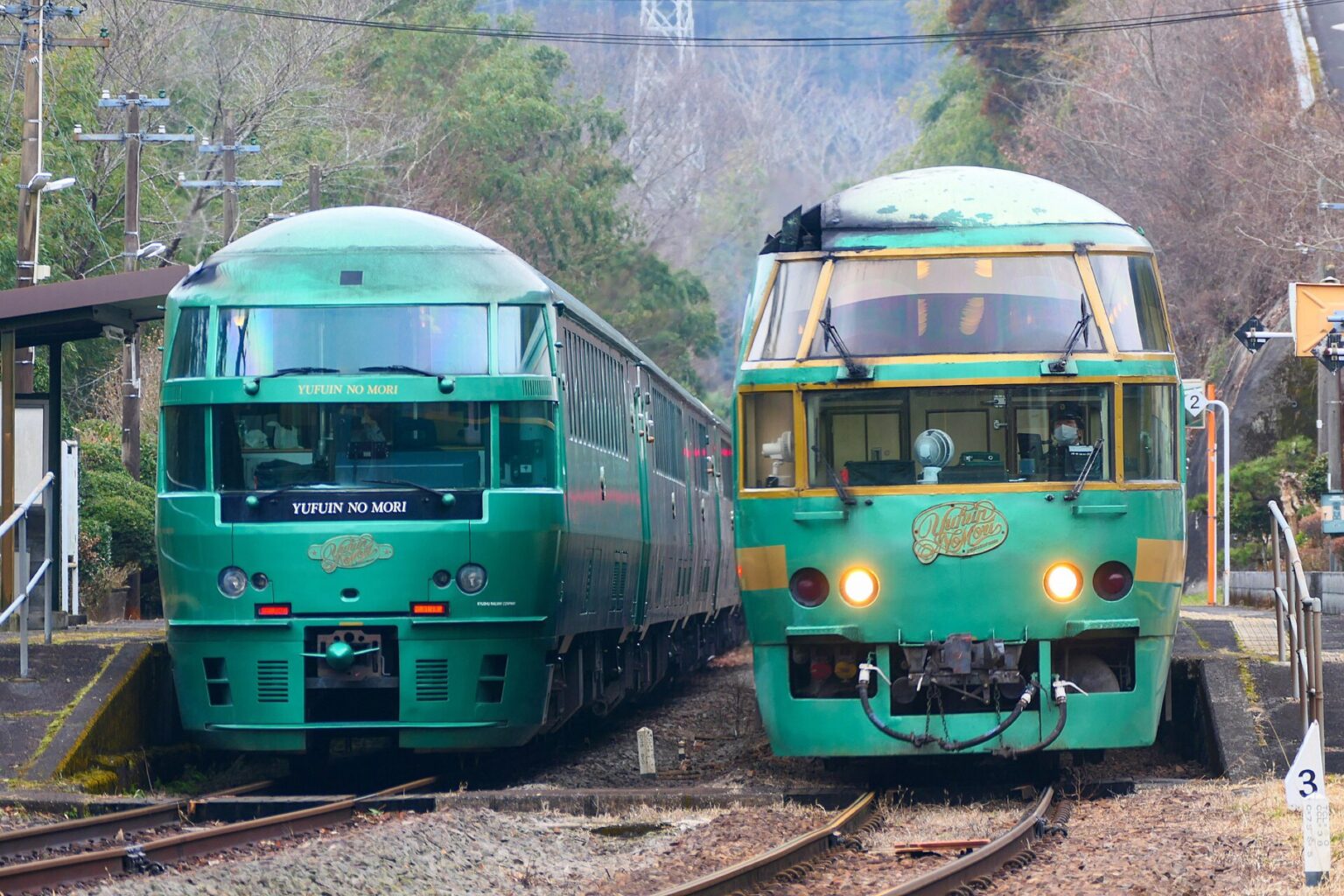
Yufuin no Mori — the easy first pick
Wood-panelled, moss-green, and easy: Hakata to Yufuin in about 2 hours 15 minutes, ¥6,130 all-in, fully covered by the pass, bookable online a month out. It delivers you to one of Kyushu’s best small onsen towns — we’ve written about walking Yufuin and staying the night there, which is the right way to do it. One caveat this year: on some dates a Limited Express Yufu runs instead of Yufuin no Mori while a trainset is under maintenance — check the train name shown on the reservation page before booking. Book the Yufuin ryokan first (they sell out before the train does): Yufuin ryokan on Rakuten Travel or on Booking.
Resort Shirakami — the great coastal ride
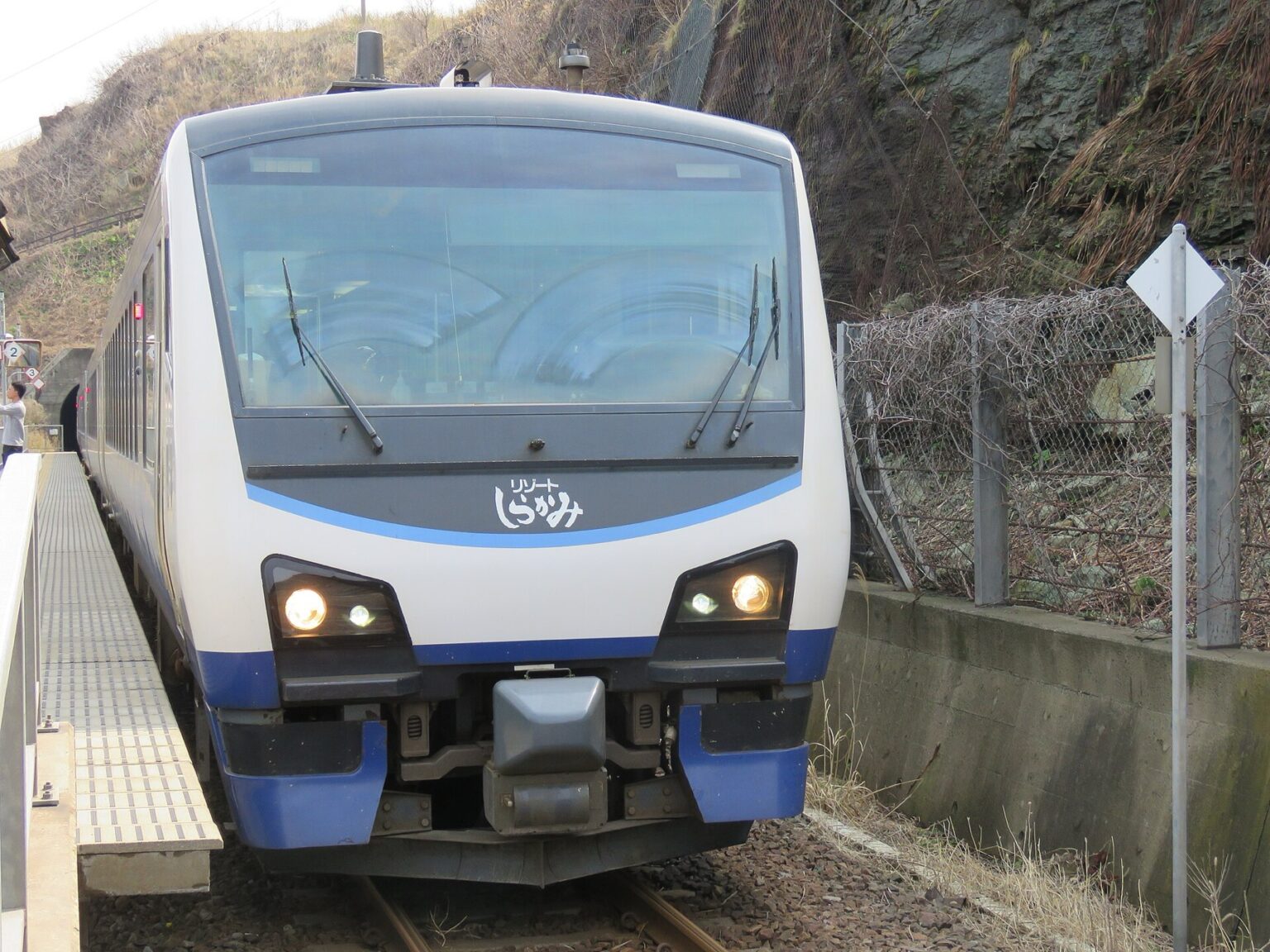
Five hours along the Gono line between Akita and Aomori, squeezed between the Shirakami-Sanchi beech forests and the Sea of Japan, with slow-downs at the best cliffs. Reserved seats are plain ordinary cars — meaning the whole ride is included with a valid Japan Rail Pass, no extra seat charge. It pairs naturally with a Tohoku summer plan; if you’re there in early August, Akita’s Kanto Festival is the anchor event, and late August brings the Omagari fireworks competition an hour inland.
Kairi — the dining coast
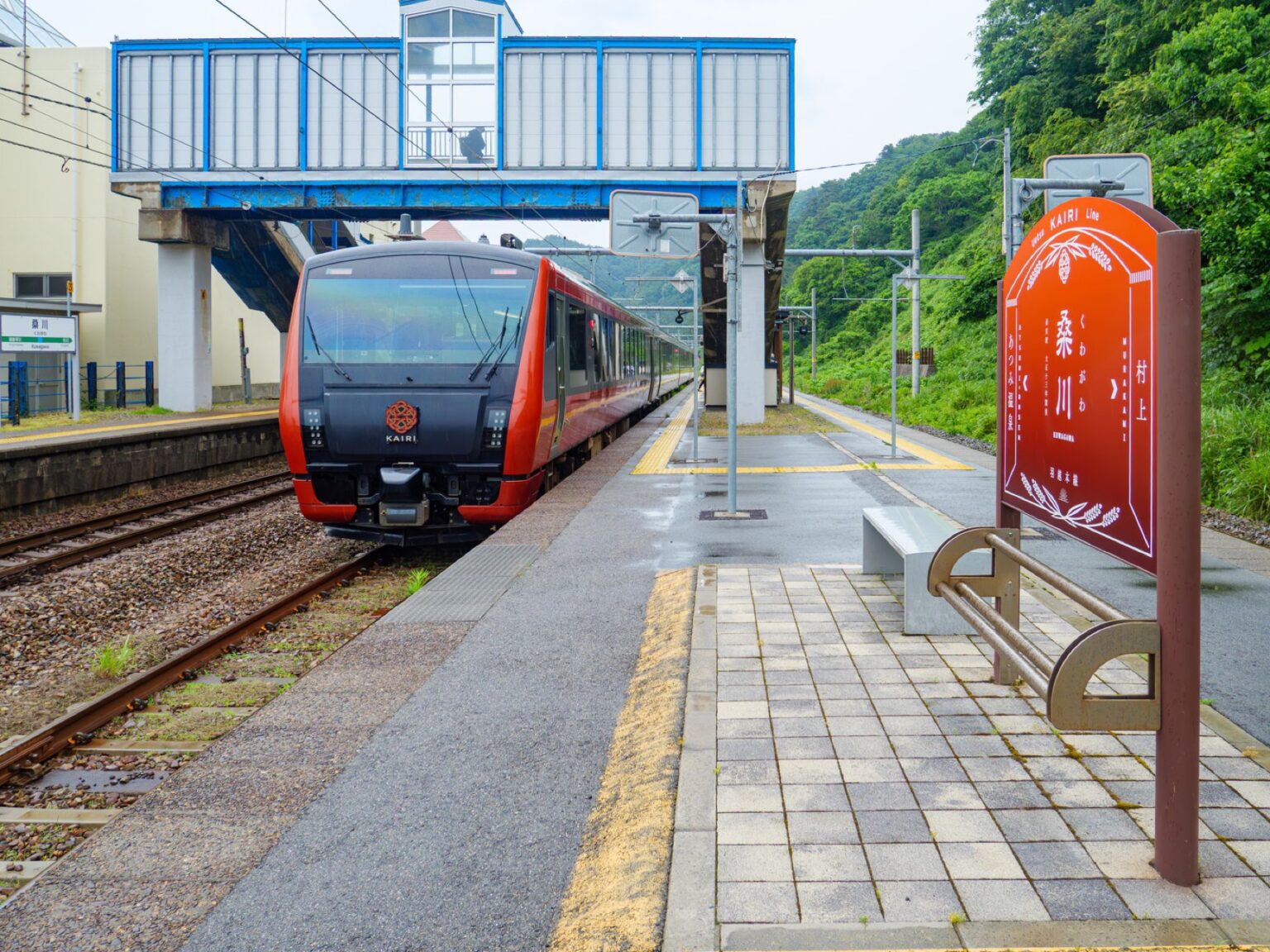
Niigata to Sakata in about three hours along the Sasagawa-nagare coast. Cars 1–3 are ordinary reserved seats (pass-covered, ¥3,000s without one); car 4 is sold separately as a dining travel package on JR East’s Joyful Trains site — not as a meal added to a seat in cars 1–3 — and closes no later than four days before departure.
Saphir Odoriko — the Tokyo-side splurge
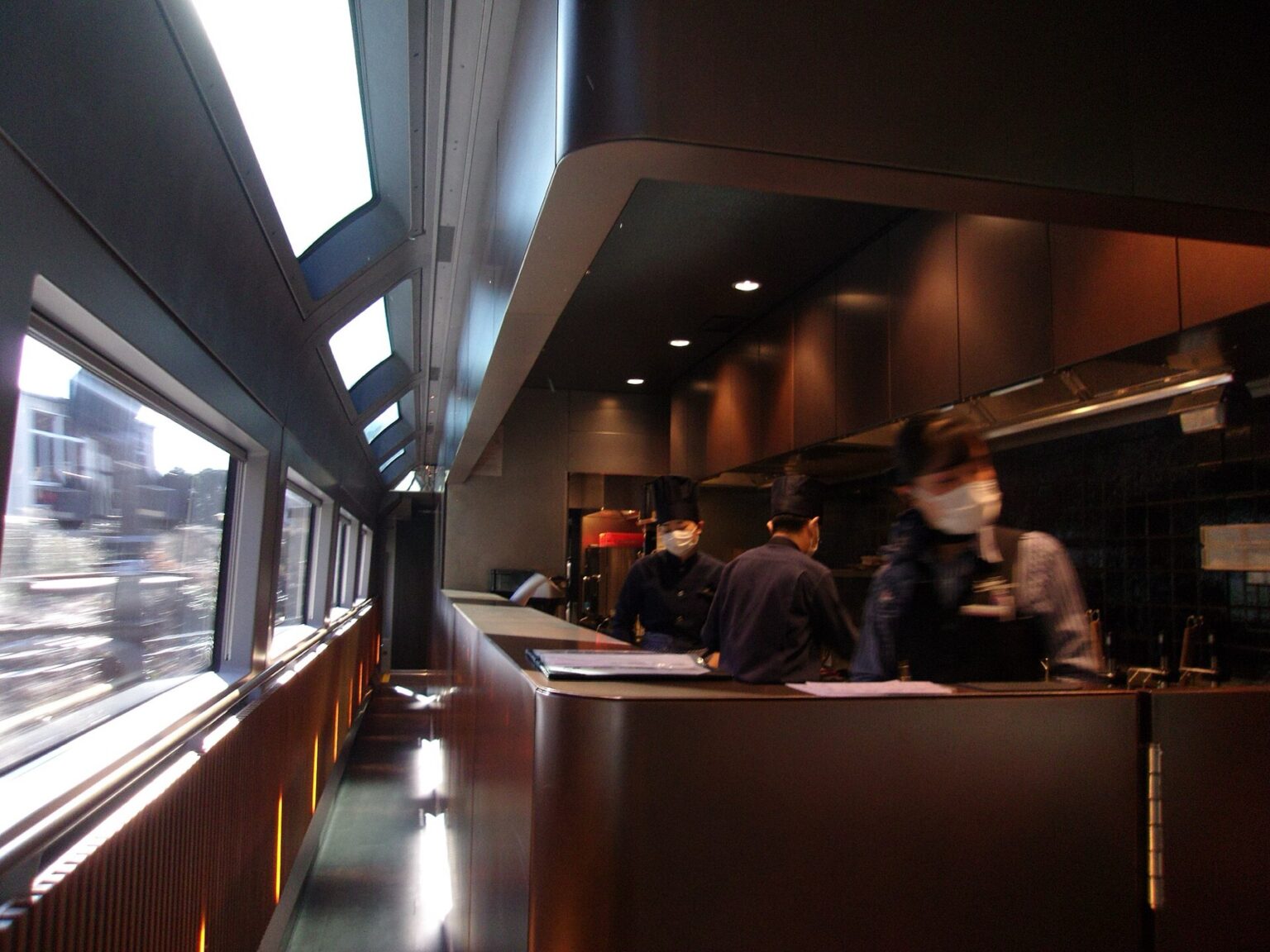
Tokyo to the Izu peninsula in 2.5 hours on an all-Green-car train with an on-board cafeteria and large panoramic windows. Runs 1 and 2 are daily; the rest operate only on selected dates. Because there’s no ordinary car, an Ordinary-class rail pass means real surcharges — and the Izukyu private-line section is extra regardless. It’s the easiest “special train” to slot into a Tokyo itinerary; pair it with an Izu coast stay like the Mase area guide.
Hanayome Noren — the lacquered Kanazawa train
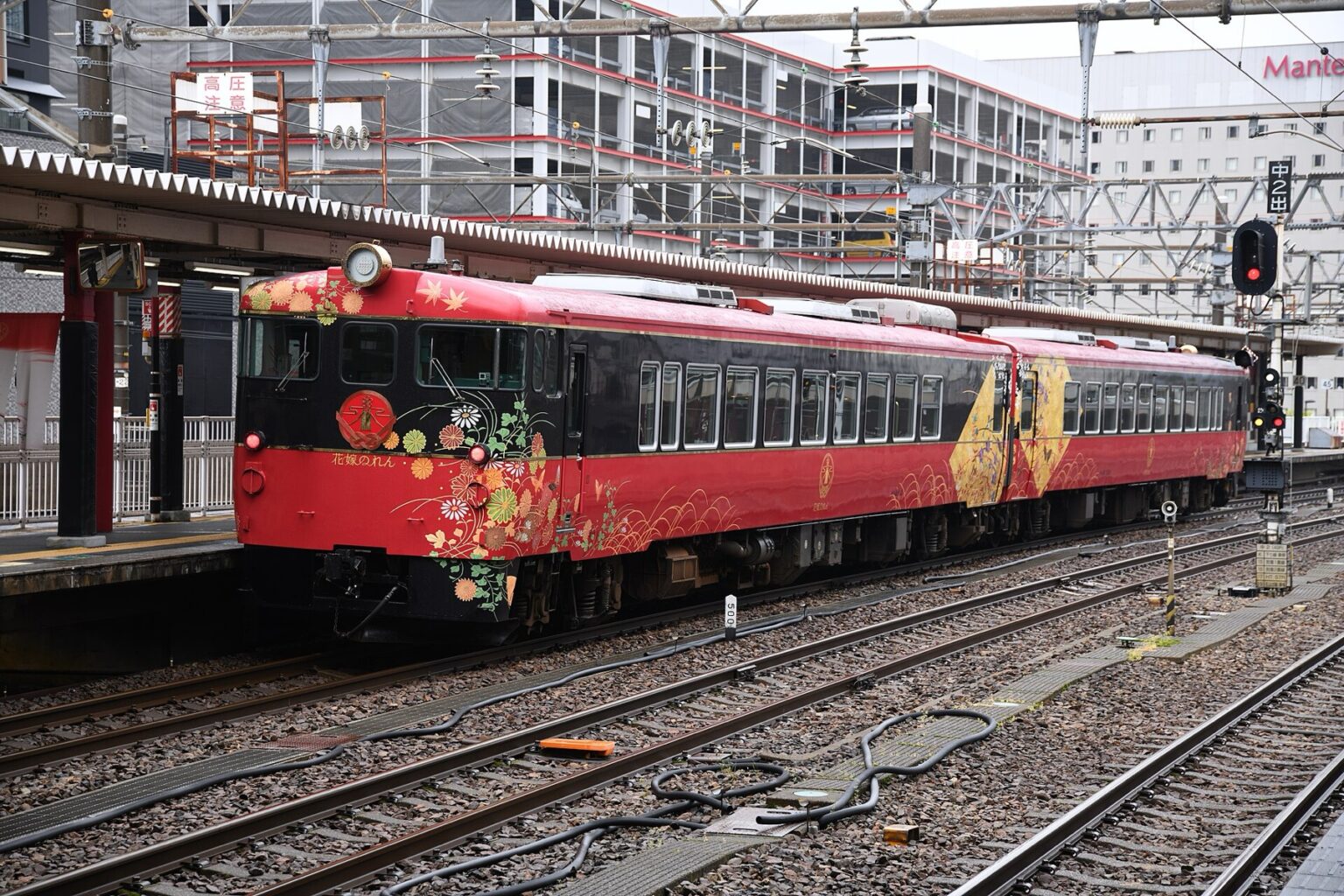
Kanazawa to Wakura Onsen in 90 minutes on a train styled after Kaga’s crafts — back on general sale since March 2026 and bookable on e5489 a month out. Roughly ¥3,000 with the reserved express seat; the sweets course is an optional pre-order. The natural plan: ride up, sleep at a Wakura Onsen ryokan on the bay — compare Wakura and Kanazawa stays on Agoda.
SL Yamaguchi — the proper steam train
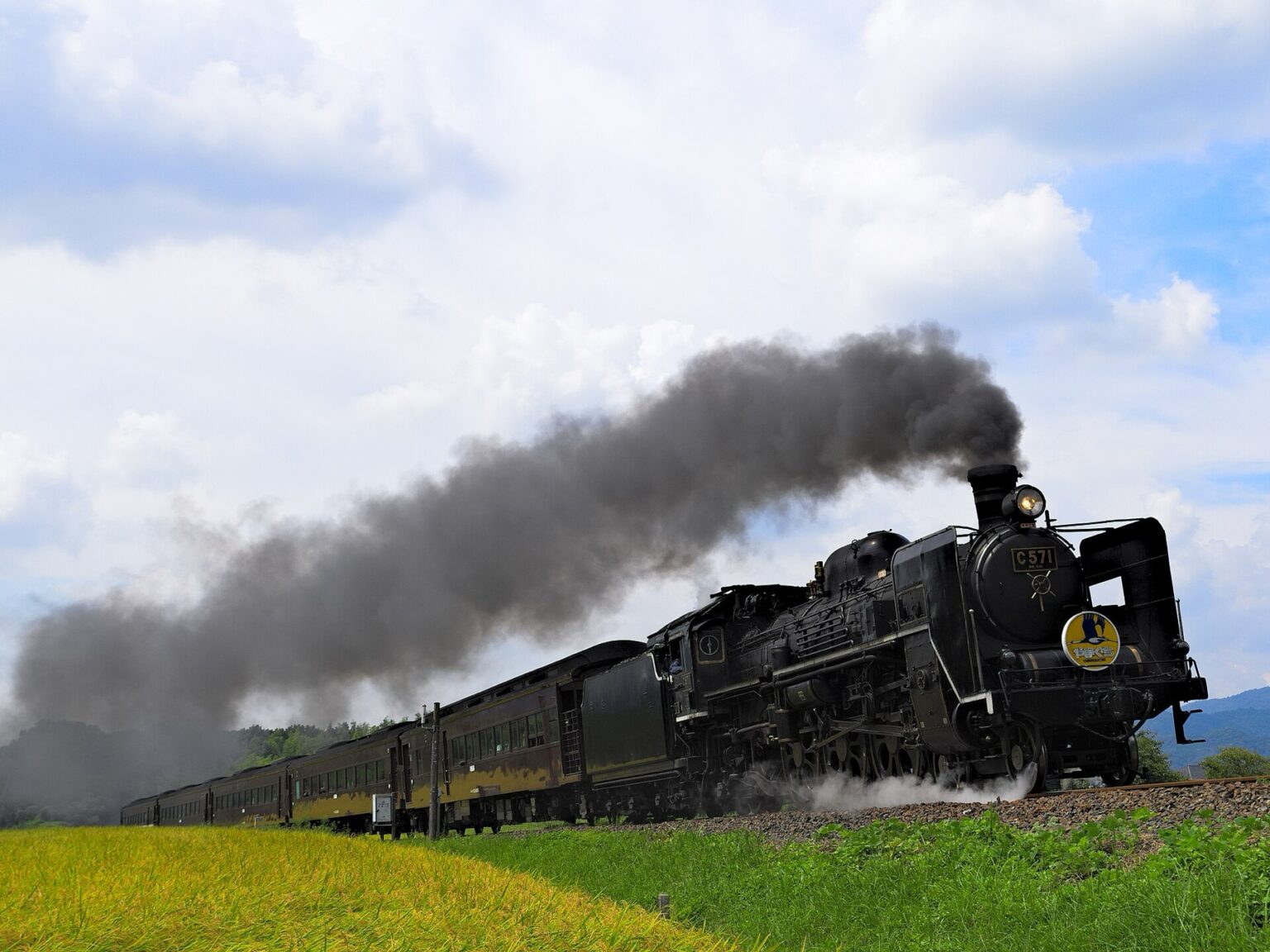
Two hours behind a working steam locomotive from Shin-Yamaguchi to the castle town of Tsuwano, for under ¥3,000 with a reserved seat — remarkable value for a working steam service. Plan around the 2026 calendar: D51 hauls from May through August, September has no runs, and the autumn season runs Saturdays, Sundays and public holidays from October 3 to December 20.
Iyonada Monogatari — the sunset dining car
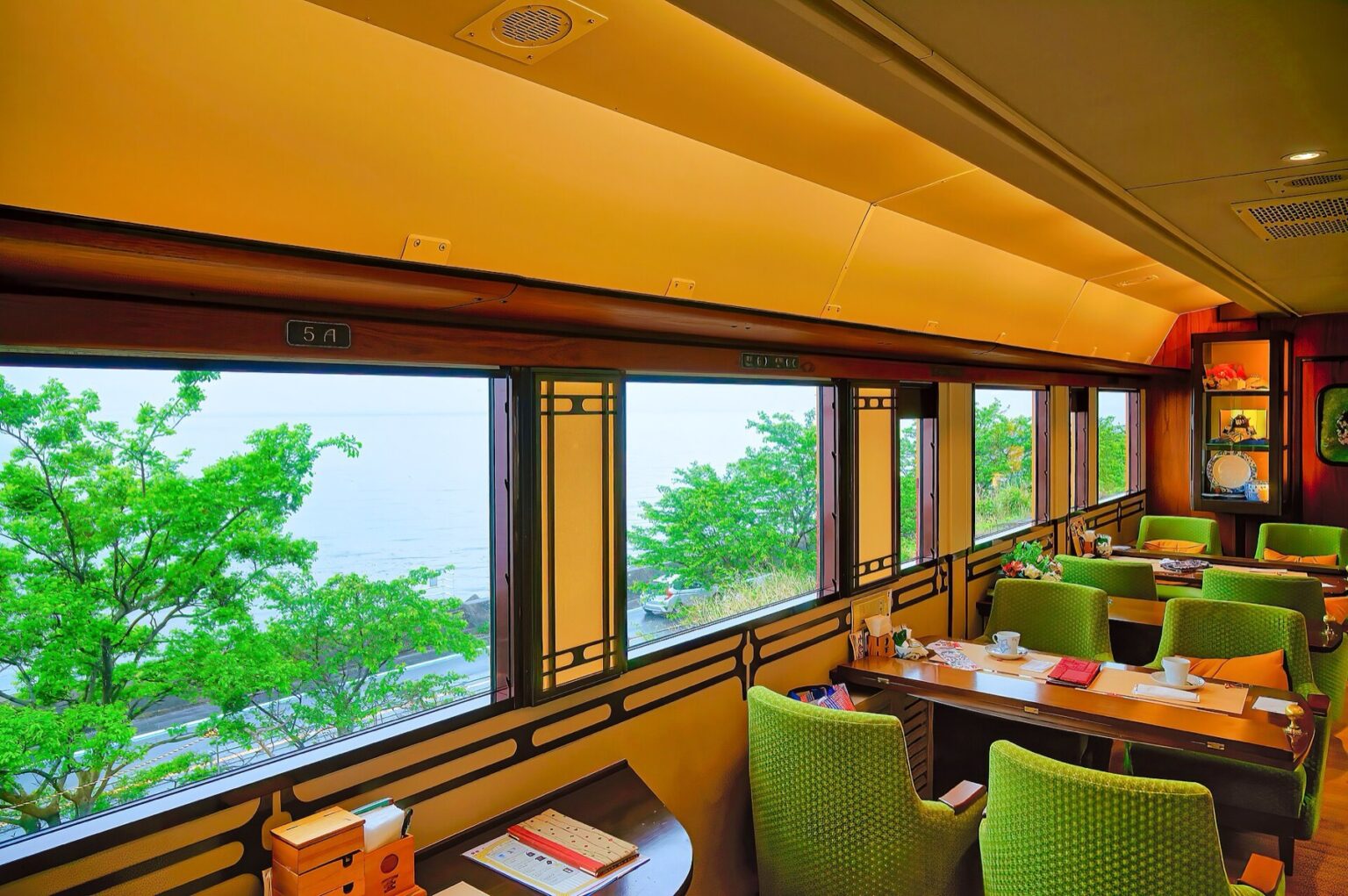
Shikoku’s flagship: four runs a day out of Matsuyama along the Iyonada sea, each with a different meal. All Green car, meals pre-ordered — the booking is more work (station counters or JR Shikoku’s tour site, meal plans closing 8 days out) and the surcharges add up. Booking takes more planning, but the coastal route and the meal service can justify it.
Ibusuki no Tamatebako — the one that runs every day
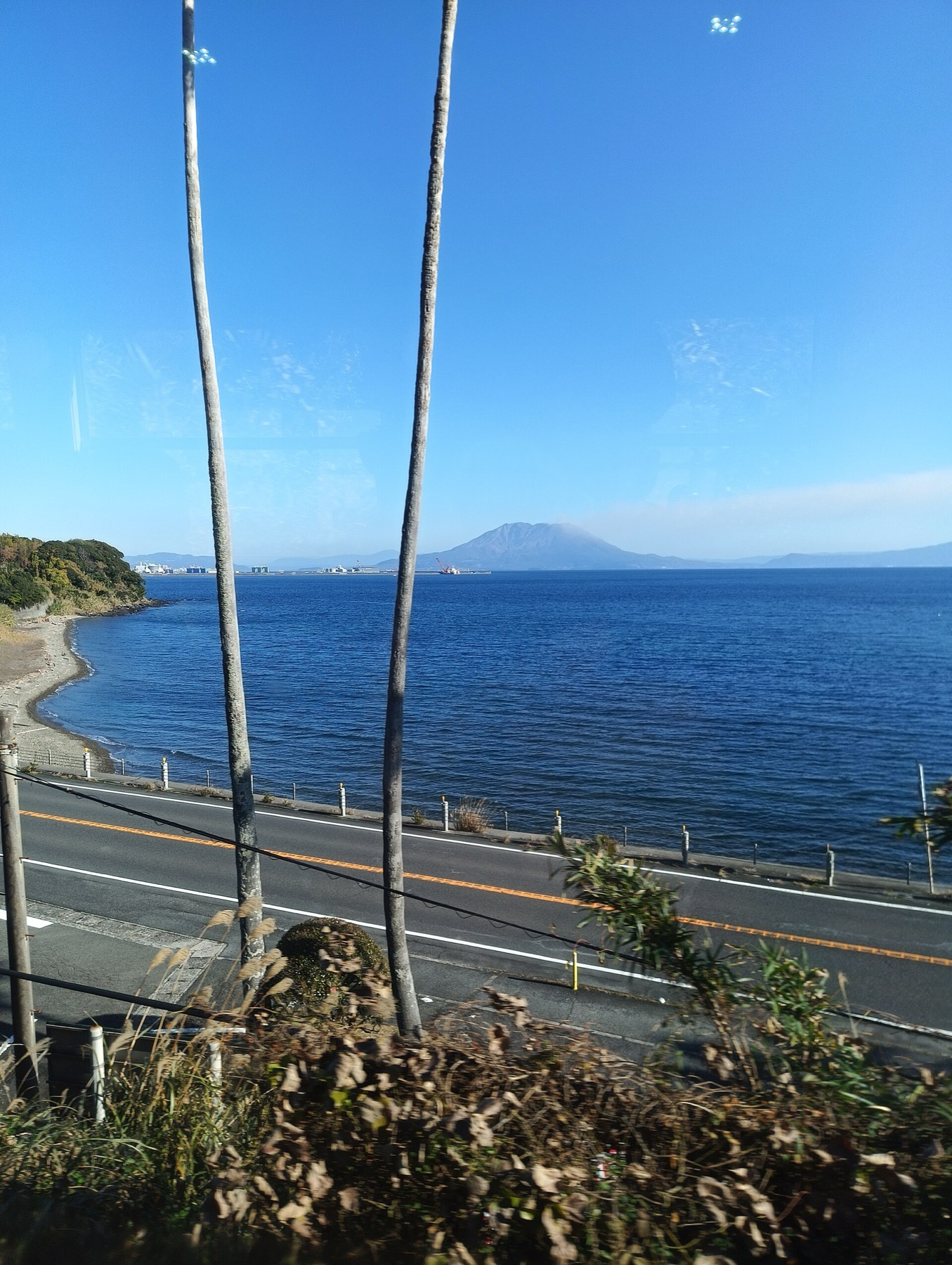
Half black, half white, named for the Urashima Taro legend, and — rare in this genre — it runs every day, three round trips, Kagoshima-Chuo to Ibusuki in 50 minutes for ¥2,950. The easiest of these trains to actually get seats for — it is the rare one with three daily round trips: pass-covered, online a month out, and it ends at the sand-bath onsen town of Ibusuki.
A-Train & Aso Boy! — the Kumamoto pair
Two short Kyushu rides that slot into any itinerary. The jazz-themed A-Train (¥2,650, ~70 min, bar counter on board) runs Kumamoto to Misumi, where the ferry crosses to Amakusa — where boats connect toward Amakusa; for another Kumamoto sea crossing, see our Ariake ferry guide. Aso Boy! heads the other way into the caldera with family cars and play space, Kumamoto to Aso for ¥3,080; note that some box seats can only be booked at a staffed station counter. Both are pass-covered and on the JR Kyushu site a month out; October-onward calendars post in late August.
Kushiro Shitsugen Norokko — ride it this year or never
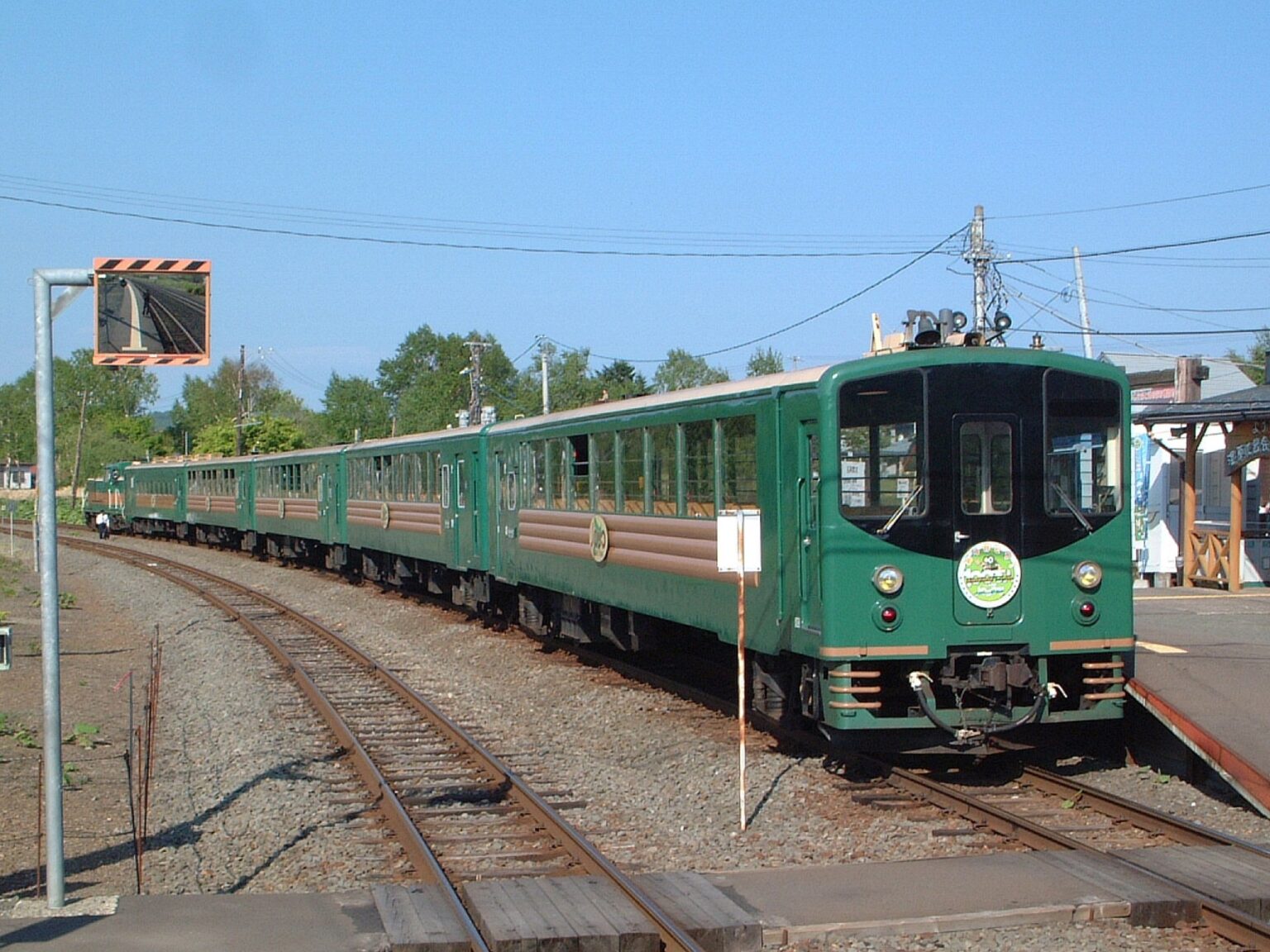
An open-window, walking-pace crossing of Japan’s largest wetland, Kushiro to Toro, about 50 minutes and ¥1,680 all-in. JR Hokkaido has said fiscal 2026 is its final year — and its tickets aren’t on the English online systems, so you buy at a JR Hokkaido station after arrival. If Hokkaido is on your 2026 route, this moves to the top of the list by default.
How to combine them without wasting days
The trains cluster by booking system more than by geography: a JR East cluster (Shirakami + Kairi + SL Banetsu, all on one JR-EAST Train Reservation account, all pass-included), an e5489 cluster (Hanayome Noren + Ametuchi + SL Yamaguchi — note Kanazawa to the San’in coast is a long haul, not one corridor), and the Kyushu circuit (Yufuin no Mori + A-Train + Tamatebako on one JR Kyushu login — add 36+3 from September 3, checking its post-restart calendar; the lunch plans book as packages). From Tokyo, Saphir Odoriko is the easy day plan; HIGH RAIL 1375 works too, as a long rail day. If you’re timing a trip for the autumn colour these trains pass through, our September calendar and first-koyo guide cover when autumn starts in the north and how the season unfolds. And if the appeal here is trains more than destinations, the Mt. Fuji shinkansen seat guide and the Fujikyu first-train story belong on your list too — as does the Fujikyu Matterhorn train, a local service in Swiss colours that needs no reservation at all.
Build the trip around the train, not the other way round
FAQ
Does the Japan Rail Pass cover Japan’s sightseeing trains?
Mostly yes, with a clear pattern: reserved ordinary-car seats on trains like Resort Shirakami, Yufuin no Mori, HIGH RAIL 1375, Hanayome Noren and Ibusuki no Tamatebako are covered at no extra cost. All-Green-car trains (Saphir Odoriko, etSETOra, the Shikoku dining trains) mean surcharges on an Ordinary pass, and package-only products — Aru Ressha, 36+3 lunch plans — can’t use a pass at all.
How far ahead do I need to book?
Seats open one month before travel at 10:00 Japan time on each JR company’s system, and summer weekends on the famous trains can go that morning. Meal plans usually close earlier — four days before departure for Kairi’s car-4 package, 8 days on JR Shikoku’s, five days before departure for Aru Ressha — so book the food before the deadline even if the seat came easily.
Which one should I pick if I can only ride one?
With a rail pass and a Kyushu leg: Yufuin no Mori — easy to book, fully covered, and it ends in a town worth a night. Without a pass and based in Tokyo: Saphir Odoriko for the sheer comfort per hour. For scenery above all: Resort Shirakami’s five hours on the Gono line coast is the ride people still talk about years later.
Are any of these trains not running in 2026?
As of August 2026: 36+3 is suspended until September 2 (restarting September 3 after car renewal), SL Yamaguchi has no September runs (May–August, then weekends and holidays October 3–December 20), SL Fuyu-no-Shitsugen only runs January–February, and the Kushiro Shitsugen Norokko is in its announced final year. The other trains had published operating dates as of August 2026 — but none run daily by default, so check the operator’s calendar before locking hotels and connections.
Can I book the Hokkaido sightseeing trains online in English?
No — the Kushiro Norokko and SL Fuyu-no-Shitsugen aren’t sold on the English online systems. You buy the reserved seat at a JR Hokkaido station window after you arrive. In peak season, do it the day you land in Hokkaido, not the day you ride.
Sources
JR Hokkaido tour-train pages (Norokko final-year notice; SL Fuyu-no-Shitsugen); JR East Joyful Trains and JR-EAST Train Reservation (Resort Shirakami, Kairi, SL Banetsu calendar, HIGH RAIL, Saphir); JR West Kanko-train pages and e5489 (Hanayome Noren resumption, Berumonta, etSETOra fare, Ametuchi, SL Yamaguchi calendar & releases); JR Shikoku (Iyonada Monogatari, Shikoku Mannaka fares incl. October 2026 revision); JR Kyushu train pages and online reservation (Yufuin no Mori fares & substitutions, Aso Boy!, A-Train, Ibusuki no Tamatebako, 36+3 suspension & restart, Aru Ressha pricing & sales). All checked August 2026 — calendars change; confirm dates on the operator’s page before booking.
More rail reading: How to buy JR tickets · Which shinkansen seat sees Mt. Fuji · Japan in September 2026 · the Aigi Tunnels, where you walk the old Chuo Line instead of riding it.
Join travelers discovering Japan's hidden side
Weekly dispatches from off-the-beaten-path Japan — spots and stories you won't find in guidebooks.
No spam. Unsubscribe anytime.
Welcome aboard!
You're in. See you in your inbox soon.