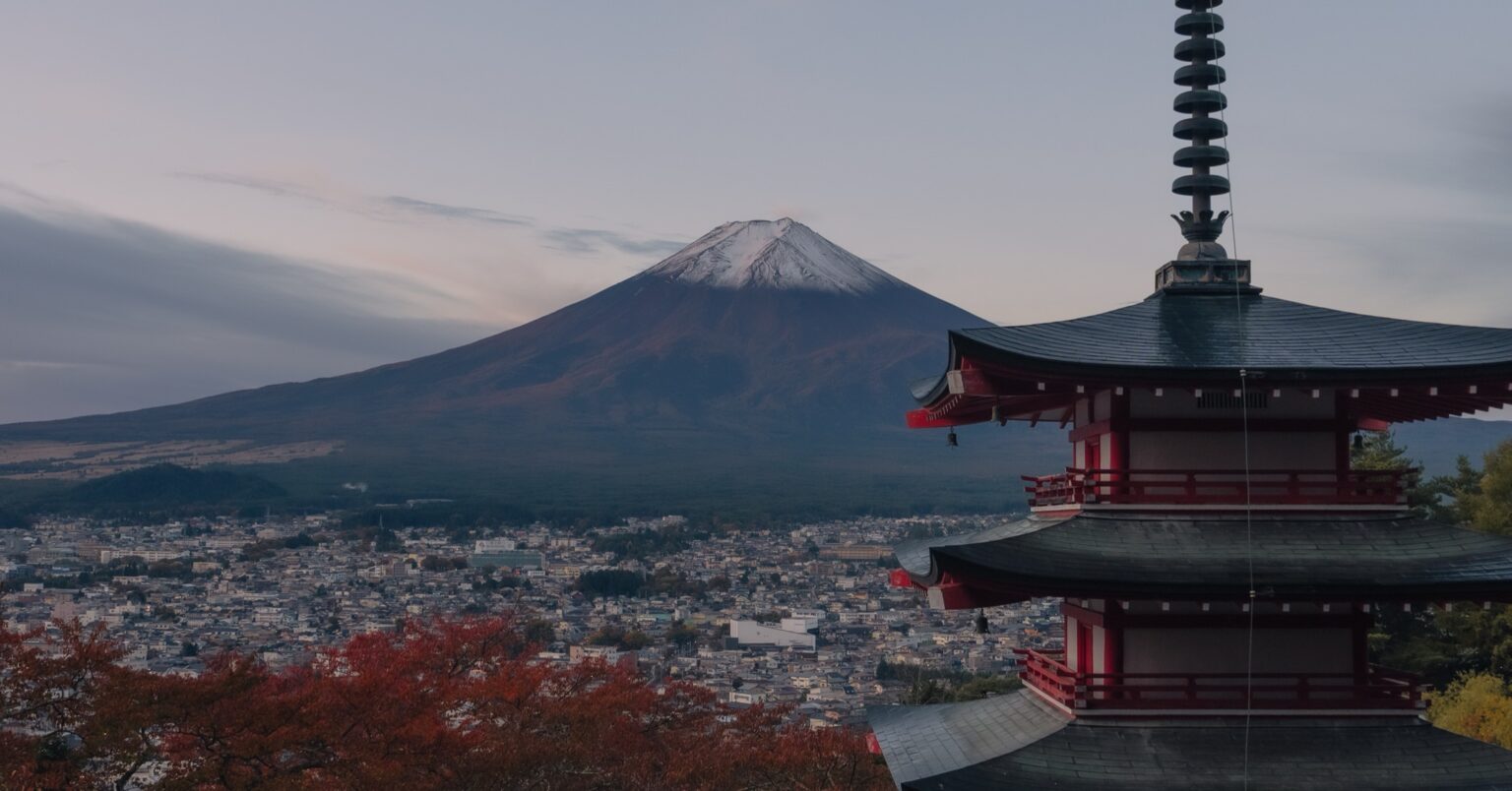
Live Status Board · Autumn
Japan’s autumn colours run for nearly three months — from the alpine slopes of Daisetsuzan in mid-September to Kyoto’s temple gardens in early December. This board tracks eleven key regions through the 2026 season. Weathernews published the first 2026 forecast on 3 September, and it calls for a late autumn: peak colour is forecast to come later than average, or somewhat later, across most of the country. Weathernews has not said how many days later, so the board rows still run on long-term typical windows. The forecast section sets out what that call does and does not tell you.
Planning a spring trip instead? Track the bloom on the Japan cherry blossom (sakura) tracker.
If your trip is in September, pair this status board with my where to see Japan autumn leaves in September guide — the board shows each region’s typical timing and any dated reports, that page helps you choose where to actually go.
Autumn leaves status board
Autumn timing across Japan - tracked areas
Rebuilt JST · colours from typical windows
These colours are typical-year timing, not live conditions, except on rows carrying a dated forecast or report. Colour locates tracked spots by prefecture - it does not describe the whole prefecture. Where several tracked spots share one prefecture, the most advanced status wins the colour; an overridden row takes the colour of the status it reports. Grey prefectures are not tracked on this board. The table below is the source of truth.
| Region / Spot | Status |
|---|---|
| Daisetsuzan (Hokkaido alpine)
Japan's first autumn colours | IN SEASON (typical)
Typical peak around Sep 25 · window runs to ~Oct 10 |
| Sapporo / Jozankei | TYPICALLY APPROACHING
Typically starts around Oct 5 · typical peak Oct 15 |
| Tohoku (Oirase / Hachimantai) | TYPICALLY APPROACHING
Typically starts around Oct 10 · typical peak Oct 25 |
| Japan Alps / Kamikochi
Murodo-daira (2,450 m): Alpen Route official still listed it as midway through colouring on 29 Sep and said best viewing was close; tenki.jp listed it as best viewing, coloured overall, on 1 Oct. Lower on the route, Midagahara (1,930 m) was midway through colouring and Bijodaira (977 m) had just started (official, 29 Sep). Tateyama side only; this report does not cover Kamikochi | NEAR PEAK AT 2,450 M (TATEYAMA)
Typical year, for reference: Typical peak around Oct 15 · window runs to ~Nov 5 · Alpen Route official, Sep 29 / tenki.jp, Oct 1, 2026 |
| Nikko (Irohazaka / Chuzenji) | TYPICALLY APPROACHING
Typically starts around Oct 10 · typical peak Oct 25 |
| Fuji Five Lakes / Momiji Corridor
Kawaguchiko Momiji Festival 2026: Nov 7-29 | EXPECTED (TYPICAL)
Typical window: Oct 25 – Nov 25 · typical peak around Nov 10 |
| Kanazawa / Kenrokuen | EXPECTED (TYPICAL)
Typical window: Nov 5 – Dec 1 · typical peak around Nov 20 |
| Kyoto (Arashiyama / Tofukuji) | EXPECTED (TYPICAL)
Typical window: Nov 10 – Dec 7 · typical peak around Nov 25 |
| Tokyo (Rikugien / Shinjuku Gyoen) | EXPECTED (TYPICAL)
Typical window: Nov 15 – Dec 10 · typical peak around Nov 28 |
| Hiroshima / Miyajima | EXPECTED (TYPICAL)
Typical window: Nov 10 – Dec 1 · typical peak around Nov 20 |
| Kyushu (Yabakei / Kirishima) | EXPECTED (TYPICAL)
Typical window: Nov 5 – Dec 5 · typical peak around Nov 20 |
The 2026 forecast: a late autumn
Weathernews published its first 2026 koyo forecast on 3 September 2026, and the headline finding is that peak colour will be later than average, or somewhat later, across most of Japan. Weathernews also expects healthy leaves and vivid colour.
That it is a private company is not incidental. Japan has had no government autumn forecast since 2008, and the one it ran only ever covered Kanto — what the state still measures is not the thing a traveller wants to know. I set out who forecasts what, and how to read them against each other, in who actually forecasts Japan’s autumn colours.
The reason is temperature. Weathernews expects above-average temperatures to persist — in northern Japan from late September onward, and in eastern and western Japan across the whole period. Colour is triggered by cold nights (about 8°C to start it, 5°C to accelerate it), so a warm run simply postpones the trigger.
What that means for your dates. If you booked around a typical-year calendar, you are more likely to arrive early than late this year. Altitude cuts both ways: colour ignites on the high slopes first and walks downhill. If you arrive and the valley is still green, go higher — a ropeway or a mountain road moves you forward in the season. If the mountain is already bare, go down. Altitude does not cancel a warm autumn, because the high slopes are running late too; it lets you slide along the front instead of missing it.
If your trip is Tokyo and Kyoto, the cities themselves give you nothing to trade. Both city centres are low-lying, so the altitude lever only works if you leave town for a day. What you have instead is a day trip: from Tokyo, Nikko and the Okutama valley run ahead of the city; from Kyoto, Kurama, Kibune and the Hiei ridge turn before Arashiyama and Tofukuji do. Keep the city days for late in your stay and put the higher day trip early.
Weathernews also publishes a guideline window for each region on its koyo portal. These are broad envelopes covering every elevation in the region, and Weathernews does not label them as a dated 2026 forecast — read them as the outer bounds of the season, then use the late-2026 call to lean toward the second half of each window.
Weathernews guideline windows (migoro no meyasu) — the broad envelope for each region, not a dated 2026 forecast. The dark line is today.
Three places are named in the release text, and the first one had already started. Murodo-daira in Toyama, above 2,000 m, had begun colouring near the summit by 3 September — the season had already started in Japan — but only at altitude. The release then dates the Daisetsuzan range in Hokkaido from mid-September and Kyoto from late November — and those are only the three the press release names in words. Weathernews also puts a date on 52 individual spots across its nine regional maps, and about 1,200 more on its prefecture pages. The 52 are listed below.
The 52 spots dated on Weathernews’ 3 September maps
Each date is the day Weathernews expects about 70 per cent of that site to have coloured — the opening of a viewing window, not the first hint of colour, a single best day, or an end date. Sorted by date, the 52 run from Asahidake on 14 September to Yoro Valley on 4 December. That is the span of this table, not of the Japanese season, which continues past both ends. As autumn works south, the rows at the top of the table reach their peak and pass it first — the far-northern and high-alpine spots from mid-September onwards — so a date above today’s has already happened rather than been missed off. Weathernews’ own spot pages show a dated colour status — look yours up there before you go.
Source, and the latest check. These 52 dates come from the nine regional maps Weathernews released on 3 September 2026. The table keeps that edition rather than tracking later changes.
On 8 September 2026 I cross-checked every row against Weathernews’ pages for all 47 prefectures. Forty-nine match. Three differ, all in Hokkaido: the prefecture pages gave Asahidake near Sugatami Pond as 15 September (map: 14 September), Onuma Park as 26 October (map: 27 October) and Hakodate Park as 5 November (map: 6 November) — one day later in the first case, one day earlier in the other two. * marks those rows. Asahidake shows why the table does not follow them: the map said 14 September, its prefecture page said 13 September on the 7th and 15 September on the 8th. Those pages are a separate product and can change independently of the maps.
Correction, 8 September. An earlier version of this note said Weathernews’ Kochi page was returning an error. It was not — I had been requesting the wrong address for the prefecture. Befukyo is listed there at 13 November, matching this table, and Naruko Gorge is on the Miyagi page at 29 October, also matching. Every one of the 52 could be checked against a prefecture page on 8 September.
On 27 September 2026 I ran the same check again against all 47 prefecture pages. Thirty-one rows matched and 20 differed: 19 were one to three days earlier than the map, and one, Mt Haruna, was a day later (map: 1 November; prefecture page: 2 November). The remaining row, Asahidake near Sugatami Pond, no longer had a peak-window date on its prefecture page. The asterisks refer only to the 8 September check; the table still shows the 3 September maps.
For your visit: these dates estimate when a viewing window opens, not a best day. Use Weathernews’ current spot forecasts and local colour reports close to your travel date. I will update this table after the second release, which Weathernews plans for early October.
| Spot | Weathernews map | Peak window opens |
|---|---|---|
| Daisetsuzan, Asahidake 大雪山旭岳(姿見の池付近) * | Hokkaido | Sep 14 |
| Bandai-Azuma Skyline 磐梯吾妻スカイライン | Tohoku | Oct 13 |
| Hoheikyo Dam 豊平峡ダム | Hokkaido | Oct 14 |
| Jozankei Onsen 定山渓温泉 | Hokkaido | Oct 17 |
| Lake Akan Onsen 阿寒湖温泉 | Hokkaido | Oct 17 |
| Yamagata Zao, mid-slope 山形蔵王(中腹付近) | Tohoku | Oct 17 |
| Shiretoko Five Lakes 知床五湖 | Hokkaido | Oct 19 |
| Mt Tsurugi, Tokushima 剣山 | Chugoku & Shikoku | Oct 21 |
| Kamikochi, Kappa-bashi 上高地(河童橋付近) | Kanto & Koshin | Oct 21 |
| Onuma Park 大沼公園 * | Hokkaido | Oct 27 |
| Lake Tazawa Kogen 田沢湖高原 | Tohoku | Oct 29 |
| Lake Towada shore 十和田湖畔 | Tohoku | Oct 29 |
| Naruko Gorge 鳴子峡 | Tohoku | Oct 29 |
| Irohazaka, Nikko いろは坂 | Kanto & Koshin | Oct 31 |
| Mt Daisen 大山 | Chugoku & Shikoku | Nov 1 |
| Mt Haruna 榛名山 | Kanto & Koshin | Nov 1 |
| Shirakawa-go 白川郷 | Tokai | Nov 2 |
| Unzen 雲仙 | Kyushu | Nov 3 |
| Genbikei Gorge 厳美渓 | Tohoku | Nov 5 |
| Hakodate Park 函館公園 * | Hokkaido | Nov 6 |
| Kurobe Gorge railway line 黒部峡谷トロッコ電車沿線 | Hokuriku | Nov 6 |
| Okutsukei 奥津渓 | Chugoku & Shikoku | Nov 7 |
| Koyasan 高野山 | Kinki | Nov 9 |
| Gokanosho, Sendan-todoro 五家荘(せんだん轟) | Kyushu | Nov 11 |
| Mt Gozaisho, ropeway midpoint 御在所岳(ロープウェイ中腹) | Tokai | Nov 11 |
| Fukuroda Falls 袋田の滝 | Kanto & Koshin | Nov 12 |
| Kirishima, Shinyu Onsen 霧島(新湯温泉付近) | Kyushu | Nov 12 |
| Befukyo べふ峡 | Chugoku & Shikoku | Nov 13 |
| Mitake Shosenkyo 御嶽昇仙峡 | Kanto & Koshin | Nov 13 |
| Enryakuji, Mt Hiei 比叡山延暦寺 | Kinki | Nov 13 |
| Yahiko Park Momiji Valley 弥彦公園もみじ谷 | Hokuriku | Nov 14 |
| Chomonkyo 長門峡 | Chugoku & Shikoku | Nov 15 |
| Tsuwano Castle ruins 津和野城跡 | Chugoku & Shikoku | Nov 15 |
| Shin-Yabakei 深耶馬溪 | Kyushu | Nov 15 |
| Eiheiji 永平寺 | Hokuriku | Nov 17 |
| Lake Ashi, Hakone 芦ノ湖 | Kanto & Koshin | Nov 17 |
| Arima Onsen Zuihoji Park 有馬温泉瑞宝寺公園 | Kinki | Nov 18 |
| Miyajima 宮島 | Chugoku & Shikoku | Nov 19 |
| Tsuki-no-Ishi Momiji Park 月の石もみじ公園 | Kanto & Koshin | Nov 19 |
| Sumatakyo 寸又峡 | Tokai | Nov 19 |
| Kenrokuen 特別名勝兼六園 | Hokuriku | Nov 22 |
| Mt Takao 高尾山 | Kanto & Koshin | Nov 22 |
| Mifuneyama Rakuen 御船山楽園 | Kyushu | Nov 22 |
| Korankei 香嵐渓 | Tokai | Nov 22 |
| Nara Park 奈良公園 | Kinki | Nov 23 |
| Arashiyama 嵐山 | Kinki | Nov 24 |
| Meiji-no-Mori Minoh 明治の森箕面国定公園 | Kinki | Nov 25 |
| Takachiho Gorge 高千穂峡 | Kyushu | Nov 26 |
| Okudogo Ichiyu-no-Mori 奥道後壱湯の守 | Chugoku & Shikoku | Nov 27 |
| Ritsurin Garden 特別名勝栗林公園 | Chugoku & Shikoku | Nov 27 |
| Akizuki Castle ruins 秋月城跡 | Kyushu | Nov 29 |
| Yoro Valley, Awamata Falls 養老渓谷(粟又の滝) | Kanto & Koshin | Dec 4 |
| Forecaster | First 2025 release | 2026 status |
|---|---|---|
| Weathernews | September 4, 2025 | RELEASED — 3 September 2026, reflected above |
| Japan Weather Association (tenki.jp) | September 18, 2025 | Not yet on tenki.jp’s forecast page, which still showed the 2025 third release; its 2026 colour-status reports have started (checked 27 Sep) |
The Japan Weather Association also forecasts spot by spot, but when I checked on 27 September its forecast page on tenki.jp still showed the 2025 edition. Weathernews got there first: its 52 map dates are in the table above, and about 1,200 more sit on its own app. The eleven regional rows on the board above still carry typical-year windows — a single dated spot is not a whole region, so Jozankei’s 17 October does not become Hokkaido’s date. A row stops running on its typical-year window only when a confirmed forecast or report that covers that row is attached to it, and that row then names its source and date. I update as each release arrives, not on a schedule.
Dates already booked? Find your row
| Your dates | Typical-year target — not a 2026 forecast | One-line reason |
|---|---|---|
| Mid–late September | Daisetsuzan (Hokkaido alpine) | Japan’s first colours — high slopes turn from mid-September, typical peak around Sep 25 |
| Early October | Karasawa Cirque, high Alps | Alpine amphitheatres turn before the valleys |
| Mid-October | Sapporo/Jozankei, Kamikochi | The front reaches the resort valleys — typical peaks Oct 15 |
| Late October | Nikko, Oirase Gorge | Irohazaka and the gorge walks peak around Oct 25 |
| First half of November | Fuji Five Lakes (Momiji Corridor) | Typically peaks around Nov 10, and the festival runs Nov 7–29 |
| Mid November | Kanazawa (Kenrokuen), Yabakei / Kirishima | Typical peaks around Nov 20 — about ten days behind the Fuji lakes |
| Mid–late November | Kyoto, Tokyo, Miyajima | Kyoto temples, Tokyo gardens and Miyajima’s Momijidani — typical peaks Nov 20–28 |
| Early December | Kyoto tail, Tokyo gardens | City gardens hold colour latest — windows run to Dec 7–10 |
Every prefecture: when it turns, and where to go
The board above tracks eleven flagship regions. Here is the whole country, prefecture by prefecture: 144 hand-picked viewing spots across all 46 prefectures with a koyo season, each with its usual best-viewing window, so you can look up wherever your rail pass is taking you. Open a prefecture to see its spots; prefectures whose typical season is approaching open automatically. Windows are typical-year timing (2026 is forecast to run later than average), and the chips compare today’s date with that typical window — field reports stay on the board above.
Hokkaido
Weathernews guideline: mid Sep – late OctHokkaido北海道5 spots · from early Sep
- Mt. Kurodake (Daisetsuzan)黒岳TYPICALLY OVERearly–late Sep
- Sounkyo Gorge (Momijidani)層雲峡紅葉谷TYPICAL WINDOWearly–mid Oct
- Ginsendai (Akadake trailhead)赤岳銀泉台TYPICALLY OVERmid–late Sep
- Jozankei Onsen定山渓TYPICAL WINDOWearly–mid Oct
- Onuma Quasi-National Park大沼国定公園late Oct – early Nov
Tohoku
Weathernews guideline: late Sep – mid NovAomori青森県4 spots · from late Sep
- Oirase Gorge奥入瀬渓流TYPICALLY SOONmid Oct – early Nov
- Hakkoda Ropeway八甲田TYPICAL WINDOWlate Sep – late Oct
- Hirosaki Park弘前公園TYPICALLY SOONmid Oct – mid Nov
- Nakano Momijiyama中野もみじ山late Oct – early Nov
Iwate岩手県3 spots · from late Sep
- Chuson-ji (Hiraizumi)中尊寺TYPICALLY SOONmid Oct – mid Nov
- Mt. Kurikoma (Sukawa side)栗駒山(須川)TYPICAL WINDOWlate Sep – early Oct
- Genbikei Gorge厳美渓late Oct – early Nov
Miyagi宮城県3 spots · from mid Oct
- Naruko Gorge鳴子峡TYPICALLY SOONmid Oct – early Nov
- Matsushima (Kanrantei)松島(観瀾亭・松島博物館)late Oct – late Nov
- Zao Echo Line (Takimidai)宮城蔵王(蔵王エコーライン・滝見台)TYPICALLY SOONmid Oct – early Nov
Akita秋田県3 spots · from mid Oct
- Lake Towada十和田湖TYPICALLY SOONmid Oct – early Nov
- Kakunodate samurai district角館武家屋敷late Oct – mid Nov
- Dakigaeri Gorge抱返り渓谷late Oct – early Nov
Yamagata山形県3 spots · from early Oct
- Yamadera (Risshaku-ji)宝珠山 立石寺(山寺)late Oct – early Nov
- Ginzan Onsen銀山温泉late Oct – early Nov
- Zao Onsen蔵王温泉TYPICAL WINDOWearly–late Oct
Kanto
Weathernews guideline: early Oct – early DecIbaraki茨城県3 spots · from early Nov
- Fukuroda Falls袋田の滝early–mid Nov
- Hananuki Gorge花貫渓谷mid–late Nov
- Kairaku-en (Mito)偕楽園mid–late Nov
Tochigi栃木県4 spots · from late Sep
- Nikko: Irohazaka & Kegon Falls日光(いろは坂・華厳滝)TYPICAL WINDOWearly–late Oct
- Lake Chuzenji (Nikko)日光(中禅寺湖)TYPICALLY SOONmid Oct – early Nov
- Nikko Toshogu area日光(東照宮・輪王寺・二荒山神社)early–late Nov
- Mt. Chausu (Nasu)那須高原「茶臼岳」TYPICAL WINDOWlate Sep – late Oct
Gunma群馬県4 spots · from late Sep
- Tanigawadake Joch (ropeway)谷川岳ヨッホTYPICAL WINDOWlate Sep – late Oct
- Hotoku-ji (Kiryu)宝徳寺mid–late Nov
- Ikaho Onsen伊香保温泉late Oct – mid Nov
- Oze marshland尾瀬TYPICAL WINDOWlate Sep – mid Oct
Saitama埼玉県2 spots · from early Nov
- Nagatoro長瀞early–late Nov
- Ranzan Gorge嵐山渓谷late Nov – early Dec
Chiba千葉県2 spots · from mid Nov
- Yoro Gorge養老渓谷late Nov – early Dec
- Naritasan Shinsho-ji成田山新勝寺mid Nov – early Dec
Tokyo東京都5 spots · from late Oct
- Mt. Takao高尾山mid Nov – early Dec
- Meiji Jingu Gaien明治神宮外苑mid Nov – early Dec
- Rikugien Garden六義園late Nov – mid Dec
- Showa Kinen Park国営昭和記念公園late Oct – late Nov
- Lake Okutama奥多摩湖late Oct – mid Nov
Kanagawa神奈川県3 spots · from mid Nov
- Hakone Museum of Art箱根美術館mid–late Nov
- Sankeien Garden (Yokohama)三溪園mid Nov – mid Dec
- Tsurugaoka Hachimangu (Kamakura)鶴岡八幡宮late Nov – mid Dec
Chubu
Weathernews guideline: late Sep – early DecYamanashi山梨県4 spots · from mid Oct
- Lake Kawaguchiko Momiji Corridor河口湖畔(もみじ回廊)early–late Nov
- Shosenkyo Gorge昇仙峡(仙娥滝周辺)late Oct – late Nov
- Nishizawa Gorge西沢渓谷TYPICALLY SOONmid Oct – early Nov
- Saruhashi Bridge猿橋early–late Nov
Nagano長野県4 spots · from late Sep
- Kamikochi上高地TYPICAL WINDOWearly Oct – early Nov
- Shiga Kogen志賀高原TYPICAL WINDOWlate Sep – late Oct
- Usui Pass lookout (Karuizawa)旧碓氷峠見晴台TYPICALLY SOONmid Oct – early Nov
- Hakuba Iwatake白馬岩岳マウンテンリゾートTYPICAL WINDOWearly Oct – mid Nov
Niigata新潟県3 spots · from mid Oct
- Kiyotsu Gorge清津峡late Oct – early Nov
- Naeba Dragondola苗場ドラゴンドラTYPICALLY SOONmid Oct – early Nov
- Yahiko Park Momijidani弥彦公園(もみじ谷)late Oct – mid Nov
Toyama富山県4 spots · from mid Sep
- Murodo-daira (Tateyama)立山・室堂平TYPICAL WINDOWmid Sep – early Oct
- Kurobe Gorge Railway黒部峡谷トロッコ電車late Oct – mid Nov
- Kurobe Dam黒部ダムTYPICAL WINDOWmid Sep – late Oct
- Gokayama Suganuma village五箇山菅沼合掌造り集落TYPICALLY SOONmid Oct – mid Nov
Ishikawa石川県3 spots · from early Nov
- Kenroku-en (Kanazawa)特別名勝兼六園mid–late Nov
- Natadera Temple那谷寺early–late Nov
- Kakusenkei Gorge鶴仙渓mid Nov – early Dec
Fukui福井県2 spots · from late Oct
- Eihei-ji曹洞宗大本山永平寺late Oct – early Nov
- Lake Kuzuryu九頭竜湖late Oct – late Nov
Gifu岐阜県4 spots · from early Oct
- Shirakawa-go白川郷TYPICALLY SOONmid Oct – mid Nov
- Shinhotaka Onsen & Ropeway新穂高温泉TYPICAL WINDOWearly–late Oct
- Seseragi Highway (Hida)飛騨・美濃せせらぎ街道late Oct – early Nov
- Enakyo Gorge恵那峡mid–late Nov
Shizuoka静岡県3 spots · from late Oct
- Shuzenji momiji grove修善寺自然公園(もみじ林)mid Nov – early Dec
- Sumatakyo Gorge寸又峡late Oct – early Dec
- Kawazu Nanadaru falls河津七滝Nov 20 – Dec 10
Aichi愛知県3 spots · from mid Nov
- Korankei Gorge香嵐渓mid–late Nov
- Obara shikizakura小原(四季桜と紅葉)mid–late Nov
- Jokoji Temple定光寺・定光寺公園mid–late Nov
Kinki (Kansai)
Weathernews guideline: mid Oct – early DecShiga滋賀県5 spots · from early Nov
- Metasequoia Avenue (Makino)メタセコイア並木late Nov – early Dec
- Saimyo-ji (Koto Sanzan)西明寺(湖東三山)early Nov – early Dec
- Keisoku-ji鶏足寺(旧飯福寺)mid–late Nov
- Enryaku-ji (Mt. Hiei)奥比叡・延暦寺境内early–mid Nov
- Eigen-ji (Higashiomi)永源寺mid Nov – early Dec
Kyoto京都府6 spots · from early Nov
- Tofuku-ji Tsutenkyo東福寺通天橋mid Nov – early Dec
- Arashiyama嵐山mid Nov – early Dec
- Eikando永観堂mid–late Nov
- Kiyomizu-dera清水寺late Nov – early Dec
- Kibune貴船周辺early–late Nov
- Enko-ji圓光寺mid Nov – early Dec
Osaka大阪府3 spots · from mid Nov
- Katsuo-ji勝運の寺 勝尾寺mid Nov – early Dec
- Osaka Castle Park大阪城公園mid Nov – early Dec
- Expo '70 Commemorative Park万博記念公園mid Nov – early Dec
Hyogo兵庫県3 spots · from late Oct
- Kobe Municipal Arboretum神戸市立森林植物園early–late Nov
- Engyo-ji (Mt. Shosha)書寫山圓教寺early–late Nov
- Rokko Alpine Botanical Garden六甲高山植物園late Oct – mid Nov
Nara奈良県4 spots · from late Oct
- Nara Park奈良公園late Oct – early Dec
- Tanzan Shrine談山神社mid Nov – early Dec
- Hase-dera (Sakurai)長谷寺early–late Nov
- Mt. Yoshino (Naka-senbon)吉野山(中千本)early–late Nov
Chugoku
Weathernews guideline: mid Oct – late NovTottori鳥取県2 spots · from late Oct
- Mt. Daisen大山late Oct – early Nov
- Mitokusan Sanbutsu-ji三徳山三佛寺late Oct – mid Nov
Shimane島根県2 spots · from late Oct
- Adachi Museum of Art足立美術館mid Nov – early Dec
- Yuushien Garden由志園late Oct – mid Dec
Okayama岡山県3 spots · from late Oct
- Okutsu Gorge奥津渓late Oct – mid Nov
- Koraku-en (Okayama)岡山後楽園mid Nov – early Dec
- Shizutani School特別史跡旧閑谷学校late Oct – late Nov
Hiroshima広島県3 spots · from late Oct
- Miyajima Momijidani宮島(紅葉谷公園)mid–late Nov
- Sandankyo Gorge三段峡late Oct – mid Nov
- Kosan-ji (Setoda)耕三寺博物館(耕三寺)mid Nov – early Dec
Shikoku
Weathernews guideline: early Oct – late NovTokushima徳島県2 spots · from mid Oct
- Mt. Tsurugi剣山TYPICALLY SOONmid Oct – early Nov
- Konose Gorge高の瀬峡late Oct – late Nov
Kagawa香川県3 spots · from mid Oct
- Kankakei Gorge (Shodoshima)寒霞渓early–late Nov
- Ritsurin Garden (Takamatsu)特別名勝 栗林公園mid Nov – early Dec
- Kotohira-gu (Konpira-san)金刀比羅宮TYPICALLY SOONmid Oct – mid Nov
Ehime愛媛県2 spots · from late Oct
- Omogo Gorge面河渓late Oct – mid Nov
- Matsuyama Castle松山城late Nov – early Dec
Kyushu
Weathernews guideline: late Oct – early DecFukuoka福岡県4 spots · from late Oct
- Nomiyama Kannon-ji呑山観音寺late Oct – mid Nov
- Akizuki Castle ruins秋月城跡mid–late Nov
- Raizan Sennyoji雷山千如寺大悲王院mid–late Nov
- Kamado Shrine (Dazaifu)宝満宮竈門神社mid–late Nov
Nagasaki長崎県2 spots · from late Oct
- Unzen Nita Pass雲仙仁田峠late Oct – early Nov
- Todoroki Gorge轟峡mid–late Nov
Kumamoto熊本県3 spots · from late Oct
- Kikuchi Gorge菊池渓谷late Oct – mid Nov
- Kumamoto Castle熊本城early Nov – early Dec
- Gokanosho五家荘late Oct – mid Nov
Oita大分県4 spots · from late Oct
- Shin-Yabakei深耶馬溪early–late Nov
- Yabakei Gorge耶馬溪late Oct – mid Nov
- Kyusuikei Gorge九酔渓late Oct – mid Nov
- Futago-ji (Kunisaki)両子寺mid–late Nov
Miyazaki宮崎県2 spots · from late Oct
- Takachiho Gorge高千穂峡mid–late Nov
- Ebino Plateauえびの高原late Oct – early Nov
Typical windows are each spot’s rei-nen no migoro (usual best viewing) from tenki.jp spot pages, all checked 4 September 2026; regional guidelines from Weathernews. Chips compare today’s date with the typical window only — they are not live reports; no chip means the usual season is still weeks away. Okinawa has no listed koyo season. Spot selection and notes are mine.
Why leaves turn — and how fast the front falls
Autumn colour is a temperature story. Leaves start turning when overnight lows dip below about 8°C, and the change accelerates once nights hit 5°C. The most vivid years combine three things: crisp cold nights, big day-night temperature swings, and plenty of clear daytime sun. A warm, cloudy autumn mutes the reds; a typhoon at the wrong moment strips slopes bare overnight.
That temperature logic is also why the front moves the way it does. Air cools roughly 0.6°C for every 100 m of elevation, so colour ignites on the high slopes first and walks downhill — at about 2–3 days per 100 m of descent, by the Nagano Local Meteorological Office’s rule of thumb. A mountain with 1,000 m of relief can carry three to four weeks of continuous colour on a single slope. That’s the entire strategy of this board: when your dates are fixed, you don’t chase the calendar, you chase the altitude.
The six bases I’d actually book
The board tracks eleven regions, but an autumn trip needs two or three bases at most. These six are the ones I would actually book, north to south — they are not the whole board.
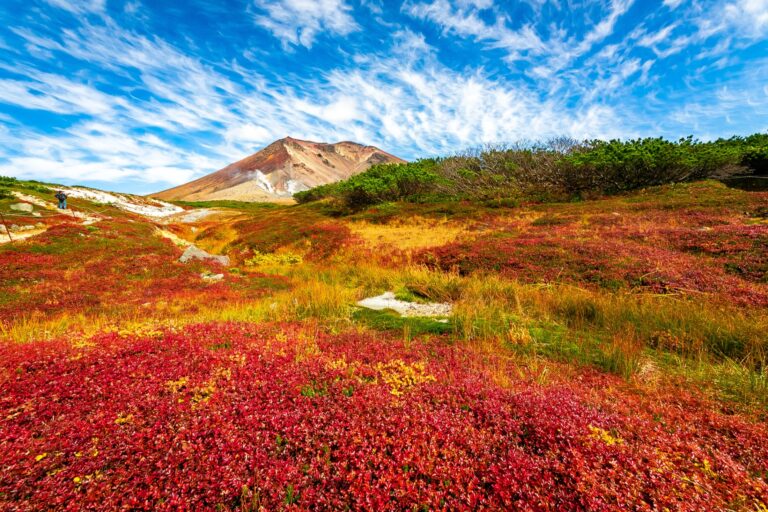
Daisetsuzan — where Japan’s autumn starts
Typical window: Sep 10 – Oct 10 · Best for: alpine colour while Tokyo is still in summer
The ropeway from Sounkyo or Asahidake puts you above the first turning slopes in Japan. September here means jackets and thermoses — and some of Japan’s earliest alpine colour before the main autumn crowds arrive. My full timing breakdown: Daisetsuzan in September.
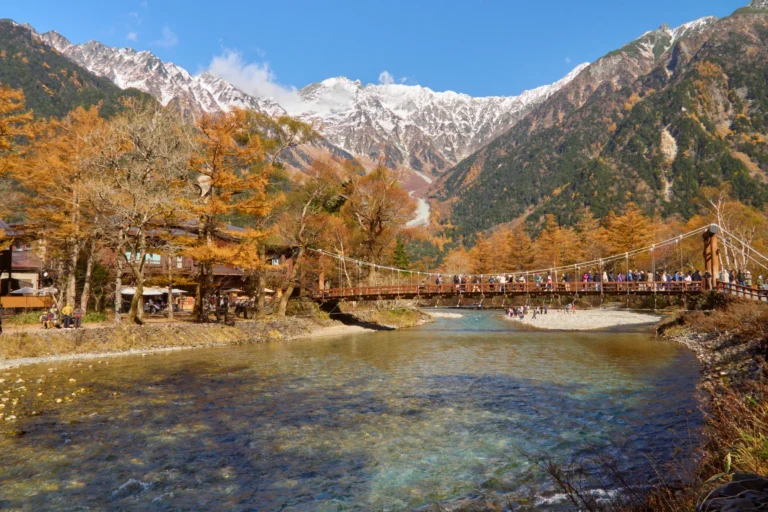
Kamikochi — the Alps’ golden valley
Typical window: Oct 1 – Nov 5 · Best for: larch gold, riverside walks, no car needed
Karasawa’s high cirque burns first (late September), then the colour walks down to the Azusa River valley through October. The bus-only access keeps mornings quiet. Six more highland picks in October autumn gems. Rooms: Kamikochi & Matsumoto stays.
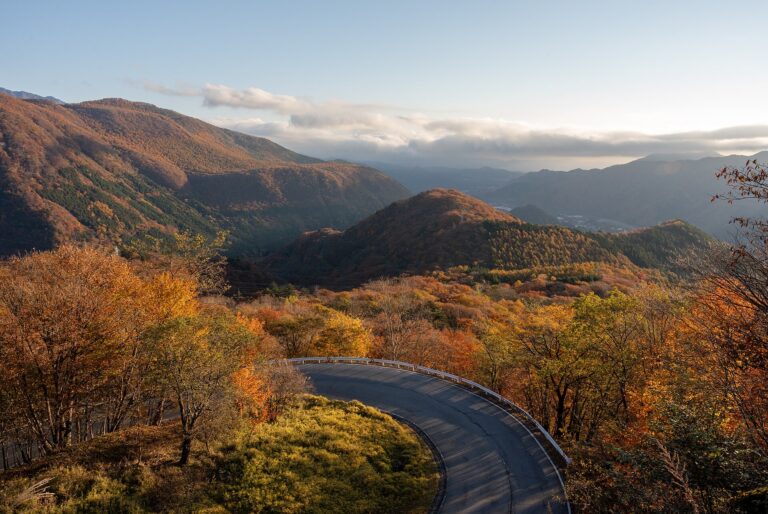
Nikko — the classic, timed right
Typical window: Oct 10 – Nov 10 · Best for: Irohazaka switchbacks, lake-and-waterfall circuits
Chuzenji sits roughly 600–700 m above Nikko town, which means two peaks two weeks apart — lake first, town later. Weekday mornings beat the famous Irohazaka traffic. The quieter valleys next door hold colour even later: Tochigi’s waterfall valleys.
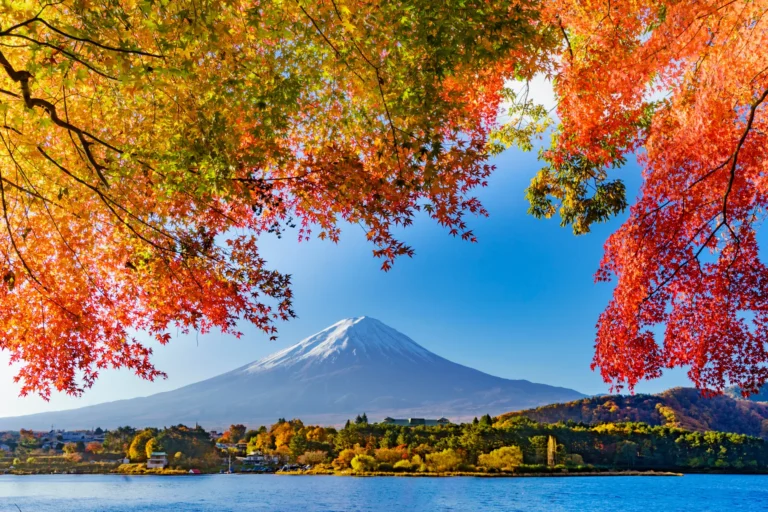
Fuji Five Lakes — autumn on my home turf
Typical window: Oct 25 – Nov 25 · Best for: maple tunnels with Mt. Fuji in the background
The Momiji Corridor on Kawaguchiko’s north shore typically peaks in the first half of November — and the 2026 festival dates are already official (see below). Any field report I add to the board’s Fuji row carries its date. Where to base: Kawaguchiko vs Fujiyoshida.
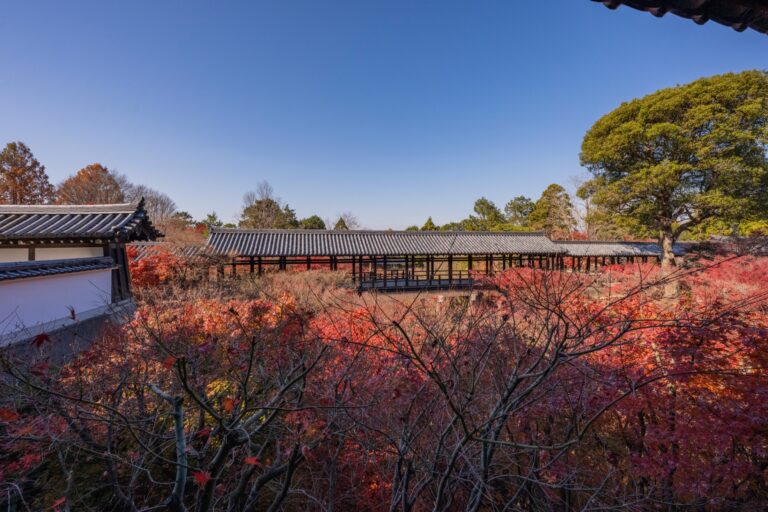
Kyoto — the late-November classic
Typical window: Nov 10 – Dec 7 · Best for: temple gardens, evening light-ups
Arashiyama and Tofukuji at peak are worth the crowds, and if you land early, Kurama, Kibune and the Hiei ridge turn before the basin does. Book the room before the restaurant list — my booking-order logic is in the Japan booking timeline.
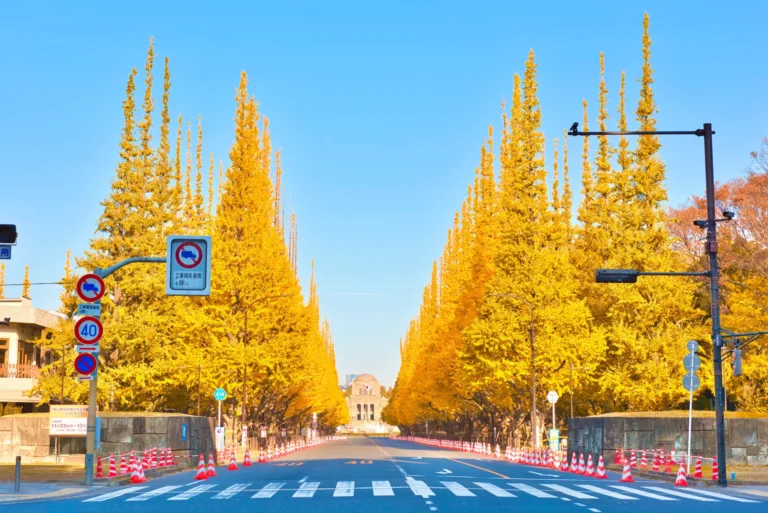
Tokyo — the December safety net
Typical window: Nov 15 – Dec 10 · Best for: late trips, garden colour without leaving the city
Rikugien and Shinjuku Gyoen hold their maples into early December, among the last colour anywhere in Japan. If your trip lands late, Tokyo is the safest late-season base. Lock your window with the Booking Dates tool.
Official 2026 dates so far
Only officially announced dates or clearly labelled previous-season references appear here — never guesses.
| Event | Dates | Status |
|---|---|---|
| Fuji Kawaguchiko Momiji Festival (Momiji Corridor) | Nov 7 – 29, 2026 · light-up until 21:00 | ANNOUNCED (official, July 2026) |
| Kiyomizu-dera autumn night viewing (Kyoto) | Nov 21 – 30, 2026 · open until 21:30, last entry 21:00 | ANNOUNCED (kiyomizudera.or.jp, checked 4 Sep) |
| Eikando autumn light-up (Kyoto) | Nov 20 – Dec 6, 2026 · reception 17:30–20:30, gates 21:00 · ¥1,000 | ANNOUNCED (eikando.or.jp, checked 4 Sep) |
| Chion-in autumn light-up (Kyoto) | — | 2026 NOT ANNOUNCED as of 4 Sep — 2025 ran mid-Nov to early Dec |
| Aigi Tunnels autumn opening (Aichi) | Nov 28 – Dec 6, 2026 | ANNOUNCED — details in my Aigi Tunnels guide |
Planning around the typical windows
Hotel pressure follows the colour front: Nikko and Kyoto are the two pinch points, and Kyoto’s mid-to-late November weekends are the hardest rooms of the season. If your dates land in those windows, compare Booking.com, Agoda or Trip.com early and choose a refundable rate — one room, with the cancellation deadline saved to your calendar.
Want this as a personal checklist? Pick your travel month on the Booking Dates page – it saves on your device and shows the one reversible step for your month.
FAQ
Have the 2026 autumn leaves forecasts been published?
Weathernews published its first 2026 forecast on 3 September 2026, and it calls for peak colour later than average across most of the country, because temperatures are expected to stay above normal. When I checked on 27 September, the Japan Weather Association’s forecast page on tenki.jp still showed its 2025 third release (in 2025 its first forecast came on September 18), though its 2026 colour-status reports have started. A row here changes from its typical window only when I attach a dated forecast or report that covers it.
Where is the best koyo if I visit Japan in October 2026?
Mid-October: Sapporo/Jozankei, Kamikochi and Hachimantai typically peak. Late October: Nikko’s Irohazaka and Oirase Gorge. Kyoto and Tokyo will still be mostly green — their gardens typically peak from mid-November. In October the colour is mostly in the mountains; by late November it reaches the city gardens — and 2026 is forecast to run later. Full month plans: Japan in October 2026 and Japan in November 2026.
How long does peak colour last in one place?
Roughly one to two weeks per spot, a little longer in cool, still autumns. Mountain spots turn and drop faster than city gardens.
How many days do I need in Kyoto to catch the peak?
Kyoto’s typical window runs Nov 10 to Dec 7 with peak around Nov 25, so a 3-day stay in the last two weeks of November gives you a good chance in a typical year. Prefer weekdays — the light-up weekends draw the year’s biggest crowds — and from mid-November check dated colour reports for your temples, such as Weathernews’ spot pages, before fixing your days.
Is the koyo season more reliable than cherry blossom season?
Somewhat. Autumn colour is driven by cooling temperatures and moves more gradually than the sakura front, and the viewing window per spot is longer. But a typhoon in October can strip leaves early — check dated colour reports for your spots before locking your route.
Nikko or Kyoto — which hotels sell out first?
They peak a month apart, so it’s two separate crunches: Nikko’s tightest stretch is late October (Irohazaka peak weekends), Kyoto’s is mid-to-late November. If you need specific weekends, hold refundable rooms for both early: Kyoto’s November weekends are the harder market overall, but Nikko tightens first because its supply is smaller.
The mountains are past peak — is my trip ruined?
No — drop in altitude. The front descends roughly 2–3 days per 100 m, so when a summit is bare the mid-slopes, valleys and city gardens below are typically still turning, often for weeks. The board’s late rows (Fuji Five Lakes, Kanazawa, Kyoto, Tokyo) exist for exactly this.
Where should I stay for the Fuji Five Lakes koyo?
Kawaguchiko’s north shore puts you walking distance from the Momiji Corridor. Book early for the first half of November — the 2026 festival runs November 7–29 with light-ups until 21:00. Compare Lake Kawaguchiko stays on Booking.com.
What data does this board use?
Out of season: 30-year typical windows compiled from tenki.jp (Japan Weather Association), Weathernews spot data and official tourism sources. In season: dated current-year forecasts and field reports, including my own from the Fuji Five Lakes area, are added by hand where available, and each overridden row carries its source and check date.
Aichi’s late entry: the Aigi Tunnels open for nine days from 28 November 2026 — four brick tunnels on the abandoned 1900 Chuo Line, 33 minutes from Nagoya, normally off-limits outside the brief spring and autumn openings.
Kyushu runs among the latest. My guide to Yujaku Park and Raizan Sennyoji covers two Oita and Fukuoka sites with almost no English coverage — including the illumination nights that do not run every evening.
If you want the headline names, the three most often grouped as Japan’s great autumn foliage sites have forecast peaks spread across about three and a half weeks this year: Nikko’s Irohazaka from about 31 October, Yabakei’s Hitome-Hakkei from about 15 November and Arashiyama from about 24 November. Those are Weathernews’ 3 September forecast dates. The spacing is the useful part — it is what puts all three inside one autumn, if the forecast holds.
Gunma’s oddity is Hotokuji in Kiryu, where the maples are reflected in the temple’s polished floor rather than looked up at. English coverage is thin and not always reliable — when I checked in September 2026, the one page Japan’s national tourism board has on the temple gave Kumamoto in its text and Gunma in the address block on the same page.
Closer to Tokyo, Nagatoro’s Tsuki-no-Ishi Momiji Park and Torii Kannon in Saitama are both awkward to time. At Nagatoro the illumination runs to 21:00, and the last departure that still connects you back toward Tokyo leaves earlier than the last train out of the station — which is the one most people plan around.
Sources
Typical windows compiled August 2026 from tenki.jp koyo pages (Japan Weather Association), Weathernews koyo spot data, Nikko City Tourism Association, Kenrokuen official, Karasawa Hutte and Fujisan.ne.jp. Colour-trigger temperatures (8°C onset, 5°C acceleration) per tenki.jp and Weathernews; elevation descent rate (2–3 days per 100 m) per the Nagano Local Meteorological Office; 2025 forecast release dates from Weathernews and JWA announcements; Fuji Kawaguchiko Momiji Festival 2026 dates (Nov 7–29) from the Fujikawaguchiko tourism office, published July 2026. 2026 regional forecast, leaf-condition call and September rain and typhoon warnings from Weathernews, published 3 September 2026; JWA release status per tenki.jp, checked 27 September 2026; Murodo-daira colour status from the Tateyama Kurobe Alpen Route official site (25 September update) and tenki.jp (26 September), both checked 27 September 2026. Prefecture explorer: 144 spot windows are each spot’s rei-nen no migoro from tenki.jp (Japan Weather Association) spot pages, all checked 4 September 2026; spot selection and descriptions are my own. Spot-level 2026 forecasts will be added as published.