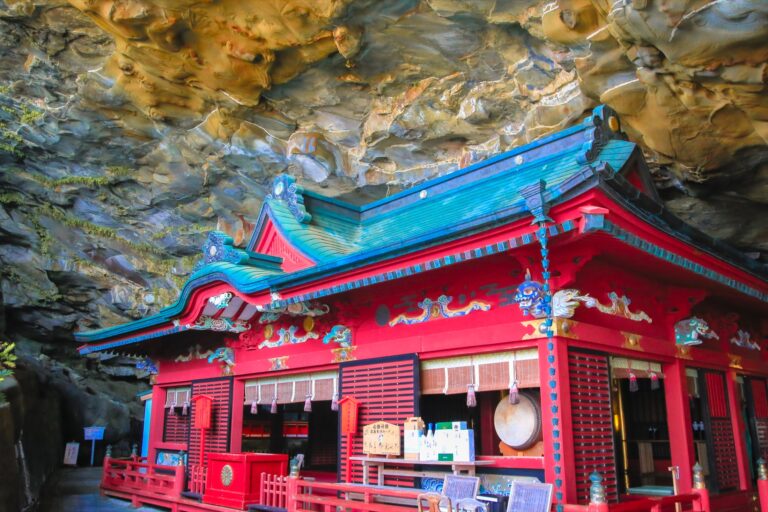
Udo Jingu: Miyazaki’s Shrine Inside a Sea Cave

Udo Jingu in Nichinan, Miyazaki — a vermilion shrine built inside a sea cave on the cliffs, famous for the untama luck-ball toss at the turtle rock and a sea-god birth legend.

Udo Jingu in Nichinan, Miyazaki — a vermilion shrine built inside a sea cave on the cliffs, famous for the untama luck-ball toss at the turtle rock and a sea-god birth legend.

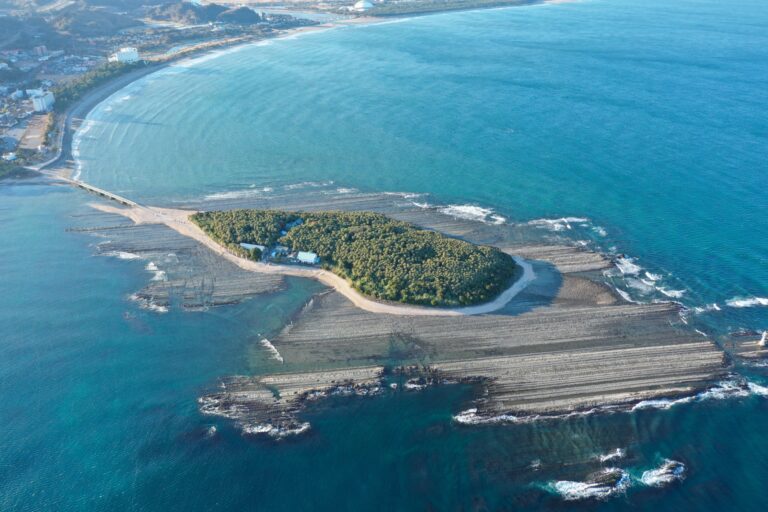
Aoshima is a subtropical shrine-island off Miyazaki, ringed by the Devil's Washboard rock terraces — a free, myth-soaked spot for couples on the Nichinan coast.

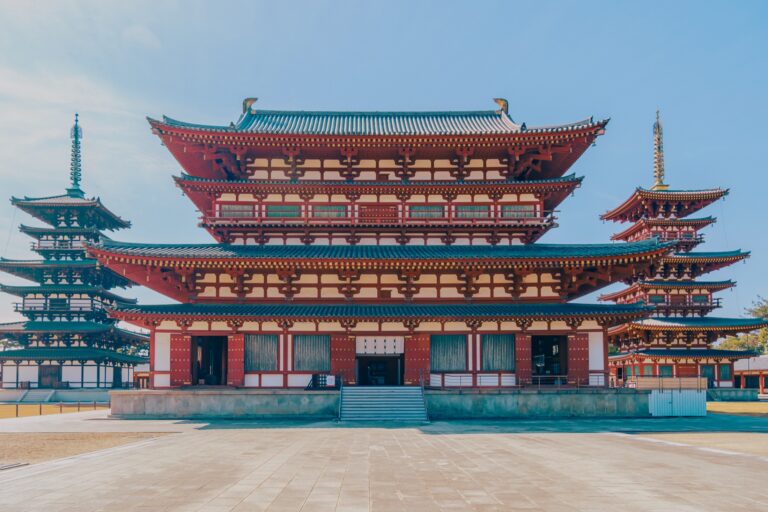
Yakushiji in Nara's Nishinokyō is a World Heritage temple founded in 680 — its East Pagoda (730) is the only original building left, and its bronze Yakushi Triad is a National Treasure.

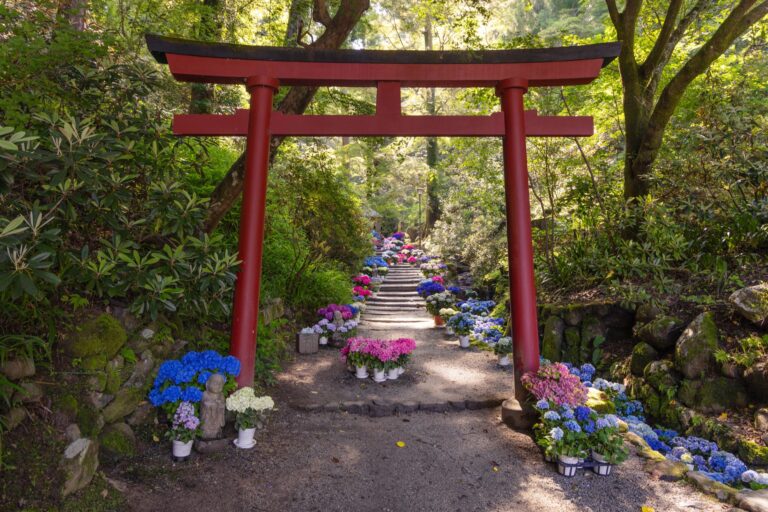
Okadera (Ryūgaiji) in Asuka, Nara is Japan's first yakuyoke temple and Saigoku pilgrimage No.7 — famous for 3,000 rhododendrons, a Golden-Week dahlia flower pond, and June hydrangeas.

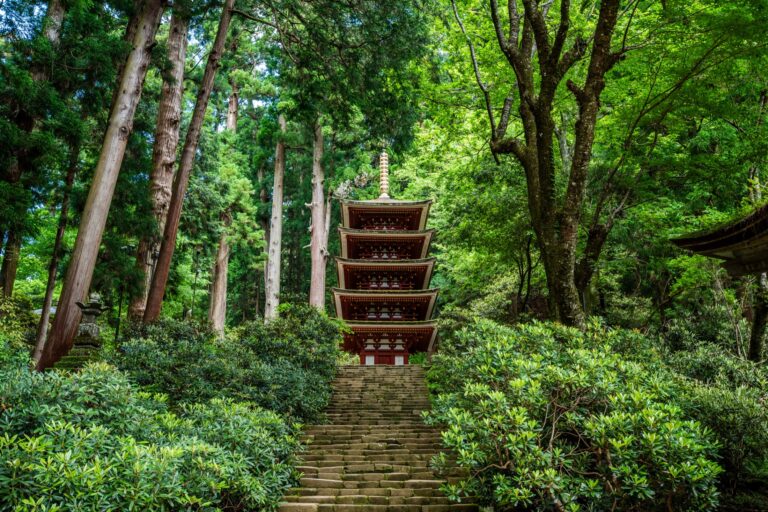
Murō-ji, Nara's mountain 'Women's Kōya,' has a National Treasure five-story pagoda, spring rhododendron and a June hydrangea pilgrimage. Hours, fees, access and what to see.

Nara's Todai-ji holds a 14.7 m bronze Great Buddha (eye-opening 752 AD) in one of the world's largest wooden halls, in a park of 1,000+ wild deer — an easy day trip from Kyoto. Hours, fees, deer etiquette and a half-day plan.

A Yoiyama night during Gion Matsuri 2024 — the Tsuki Hoko, the Naginata Hoko, the chochin lantern arcade, and the yatai food stalls that anchor the experience. Practical route, food list, and 2026 dates from a Kyoto local.

Ise Jingu in late November — pre-koyo blue skies, the vast Naiku cedar forest, the 101.8 m Uji Bridge torii, and Akafuku Honten on Oharaimachi where the same recipe has been made since 1707. A Japanese pilgrimage guide in Nobu first-person.

Shimogamo Shrine in June — Kyoto's UNESCO forest sanctuary with the 124,000 m² Tadasu no Mori canopy at peak green. A first-person guide from a Kyoto local: grounds map, sister-shrine comparison, season-by-season table, and where mitarashi dango was invented.

Two temples share the name Hasedera — one in Kamakura with ~2,500 plants peaking early–mid June, one in Nara with ~3,000 plants peaking late June–early July. Same name, same 8th-century origin, two completely different ajisai experiences. Visited both. Side-by-side.
Every image on Hidden Japan Gems was personally photographed on a Sony α7 across five years of walking Japan. Please don't re-use without permission — reach out if you'd like to.
For licensing, write to hiddenjapangems.1994@gmail.com