
Japan · October 2026 · Weather, Foliage & Festival Calendar
On the 30-year averages, October — not June, not September — is Tokyo’s rainiest month of the year, and the heaviest share of that rain, about 44%, lands in the first ten days. The second half is a different month entirely: drier, cooler, 20°C afternoons, and the start of the real Mt Fuji viewing season — for climbing, every trail closed on September 10. October 2026 adds a run of major festivals (Nagasaki Kunchi, Takayama, and two Kyoto festivals on a single date) and one price change to know: since October 1, JR Pass prices at overseas agents are higher. This guide follows September and hands off to November, when the colour finally reaches Kyoto.
Weather
22°C days Tokyo
15°C nights · 16°C Sapporo · 28°C Naha · rain front-loaded into Oct 1–10
Foliage
Mountains only
Alps & Nikko turn now; Kyoto and Tokyo city colour is a November–December event
Typhoons
Half of September’s
1.7 approaches vs 3.3 in Sep (30-yr avg) — lower, not zero
The 2026 catch
JR Pass up since Oct 1
7-day pass ¥53,000 at overseas agents, ¥50,000 on JR’s own site
What is the weather really like in Japan in October?
Short answer: cooler everywhere, drier almost everywhere — except that Tokyo starts the month wet. In the JMA 1991–2020 normals, Tokyo’s October averages 18.0°C with 22°C daytime highs and 14.8°C nights, which is 5.3°C cooler than September. But its monthly rainfall normal, 234.8 mm, is the highest of Tokyo’s year — slightly above even September. That monthly average hides the split, so here it is across JMA’s official ten-day climate periods:
Tokyo’s October rain by JMA ten-day period (30-year normals — not daily data, not a 2026 forecast)
Shaped from JMA 10-day precipitation normals for Tokyo, 1991–2020: 102.9 mm for Oct 1–10, 70.6 mm for Oct 11–20, 61.3 mm for Oct 21–31. October 1–10 is the wettest of Tokyo’s official ten-day climate periods across the whole year — including any stretch of the June rainy season. It is a planning average, not a forecast; plenty of early-October days are fine.
Two Japanese weather words explain October’s swing. Akisame is the autumn rain front — JMA describes it as prolonged rain running roughly from late August through October. Akibare is the wide-open clear autumn sky between the fronts. In Tokyo the sunshine normals climb through the month (37.1 → 40.8 → 51.4 hours per 10-day block), which matches what the gauge shows: the month dries and brightens as it goes. If your dates are flexible and weather matters to you, aim for October’s second half. By late October, expect 20°C days and 13°C nights in Tokyo and Kyoto — light-jacket weather, not coat weather.
| City | Typical high | Typical low | Rain (month) | Versus September |
|---|---|---|---|---|
| Sapporo | 16.4°C | 8.0°C | 109.9 mm | 6.5°C cooler and drier — bring a proper jacket, especially late month |
| Tokyo | 22.0°C | 14.8°C | 234.8 mm | 5.3°C cooler but not drier — the rain sits in the first third |
| Kyoto | 23.4°C | 14.4°C | 143.2 mm | 6.0°C cooler, drier and sunnier — October’s clearest win |
| Naha | 28.1°C | 23.5°C | 179.2 mm | Still summer-warm, and far drier than September’s 275 mm |
All figures are JMA 1991–2020 climatological normals — long-term averages, not predictions for October 2026. “Cooler” comparisons are monthly means versus September.
Packing for October, region by region
For Tokyo and Kyoto: layers, not a coat. Early October there still hits 24–25°C highs with 17°C nights — T-shirt days, long-sleeve evenings. By the last week, lows drop to 12–13°C, so add a light jacket or sweater for mornings and after dark. Sapporo is a level colder: 8°C average nights across the month means a real jacket, and gloves would not be silly late in the month. Naha stays at 28°C days — summer clothes plus rain gear, because Okinawa’s typhoon window is not fully closed. Wherever you are, a compact folding umbrella earns its space in the first half of the month. (Some links in this guide — Amazon, Booking.com, Klook and Trip.com — are affiliate links; they cost you nothing extra.)
Is October still typhoon season?
Technically yes, practically much less so. JMA counts July through October as the peak window for typhoon formation, approach and landfall — but the 30-year averages drop sharply between September and October: 3.3 approaches fall to 1.7, and landfalls from 1.0 to 0.3. October sees roughly half as many typhoons approach Japan as September — averages, not a guarantee for any given trip — and what remains skews toward Okinawa and the southwest.
The October 2026 calendar at a glance
Confirmed 2026 dates from organiser and city sources, plus the fixed markers that shape the month. Region codes: TOK=Tokyo, KYO=Kyoto, GIF=Gifu, NGS=Nagasaki, NGY=Nagoya, SAI=Saitama, IBK=Ibaraki, TYM=Toyama, FKS=Fukushima, HOK=Hokkaido, CHB=Chiba, HRS=Hiroshima, SHG=Shiga, OKN=Okinawa, HYO=Hyogo, MIE=Mie, TCG=Tochigi, EHM=Ehime, SMN=Shimane, FUK=Fukuoka, NRA=Nara, SAG=Saga, AKT=Akita, OSA=Osaka.
The month in five weeks
Days 1–4
The wet start & Games finale
Thu Oct 1 – Sun Oct 4
Tokyo’s wettest official ten-day climate period opens the month; the Asian Games close in Nagoya on the 4th. Keep this stretch flexible.
Week 2
The big festival week
Mon Oct 5 – Sun Oct 11
Nagasaki Kunchi (7–9) and Takayama’s autumn festival (9–10) back to back. Takayama beds are the month’s scarcest booking.
Week 3
Sports Day & kochia red
Mon Oct 12 – Sun Oct 18
Oct 10–12 is a 3-day weekend — domestic crowds at foliage spots. Hitachinaka’s kochia hills typically hit full red mid-month.
Week 4
Kyoto’s double day
Mon Oct 19 – Sun Oct 25
Oct 22: Jidai Matsuri by day, Kurama’s fire festival by night. Alpine colour descends toward the valleys.
Week 5
The driest days
Mon Oct 26 – Sat Oct 31
On the normals, the clearest stretch of the month. Ramen Festa opens in Komazawa; Halloween falls on a Saturday.
Where is the autumn colour actually in October?
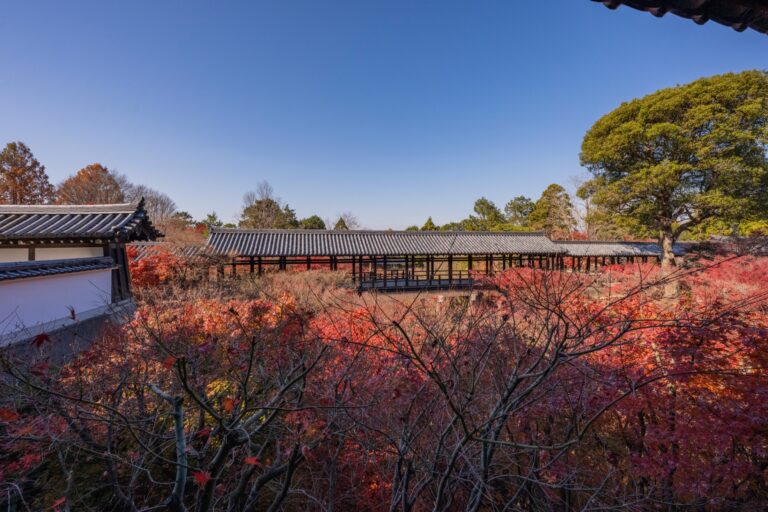
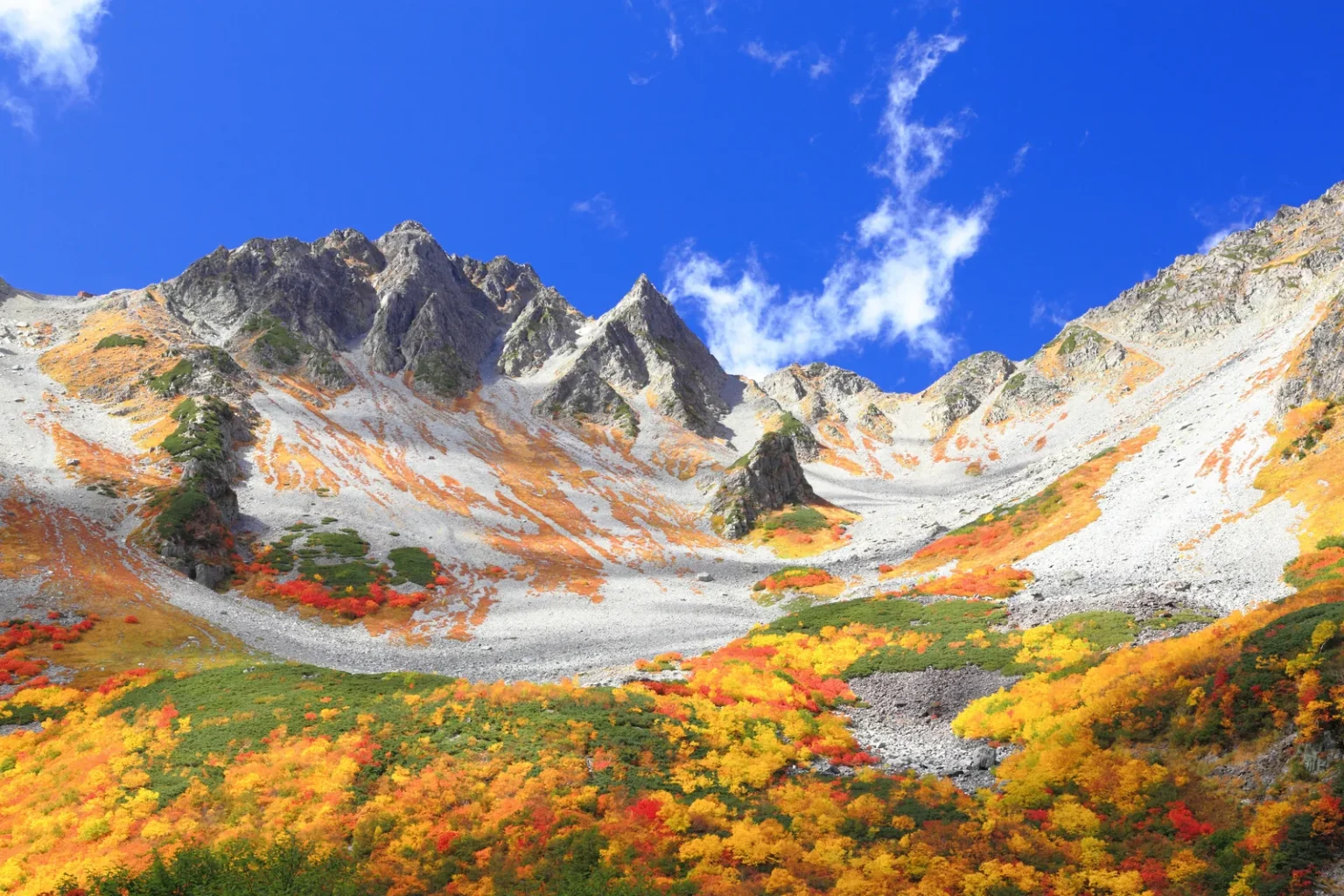
In the mountains — not in the cities. This is the single most common October mistake I see: travellers book Kyoto expecting red maples and find green ones. Weathernews’ climatology, built on 2004–2025 records, shows Arashiyama, Tofukuji, Kiyomizudera and Eikando all peaking in mid-to-late November, with no major Kyoto city spot peaking in October at all. Central Tokyo runs even later: late November into early December. In October, the colour front is still working its way down from altitude.
In October the colour is in the mountains. Kyoto’s famous maples are a November event — plan around that, not against it.Key takeaway
| Spot | Typical colour window | Notes |
|---|---|---|
| Sounkyo Gorge, Daisetsuzan (Hokkaido) | Through mid-October | Japan’s earliest colour starts up high in late August and descends to the gorge — October catches the tail. See our Daisetsuzan guide and the Ginsendai access guide. |
| Tateyama–Kurobe Alpine Route (Toyama) | Murodo: mid-Sep–early Oct · Daikanbo–Kurobedaira: early–mid Oct | Colour moves down the route by elevation — full plan in our Murodo autumn guide. |
| Karasawa Cirque (Nagano) | Late Sep–early Oct | The famous cirque above Kamikochi — a strenuous mountain hike most people split over two days with a hut night, and cold snaps arrive early up there. Timing and logistics in our Kamikochi seasons guide. |
| Kamikochi valley floor (Nagano) | Typically mid–late Oct | Kappa Bridge and Taisho Pond turn weeks after the cirque, with golden larch as the finale. Buses and access in the Kamikochi access guide. |
| Irohazaka & Lake Chuzenji, Nikko (Tochigi) | Mid–late Oct into early Nov | The most accessible serious October colour from Tokyo — and the most congested on the mid-month 3-day weekend. Pair it with the Nikko-area waterfalls. |
| Kyoto city temples | Mid–late November | Not an October event. If city foliage is your goal, read Japan in November instead — it carries the confirmed 2026 night-opening dates for Kyoto and the tax-free rule change that lands on November 1. |
| Central Tokyo | Late Nov–early Dec | Ginkgo avenues and garden maples run latest of all. |
Flowers beat leaves in early October
If you are in Japan during the wetter first half, flowers are the smarter chase than foliage — the Kanto flower parks peak precisely when the mountain colour is still out of reach. Three that are genuinely at their best:
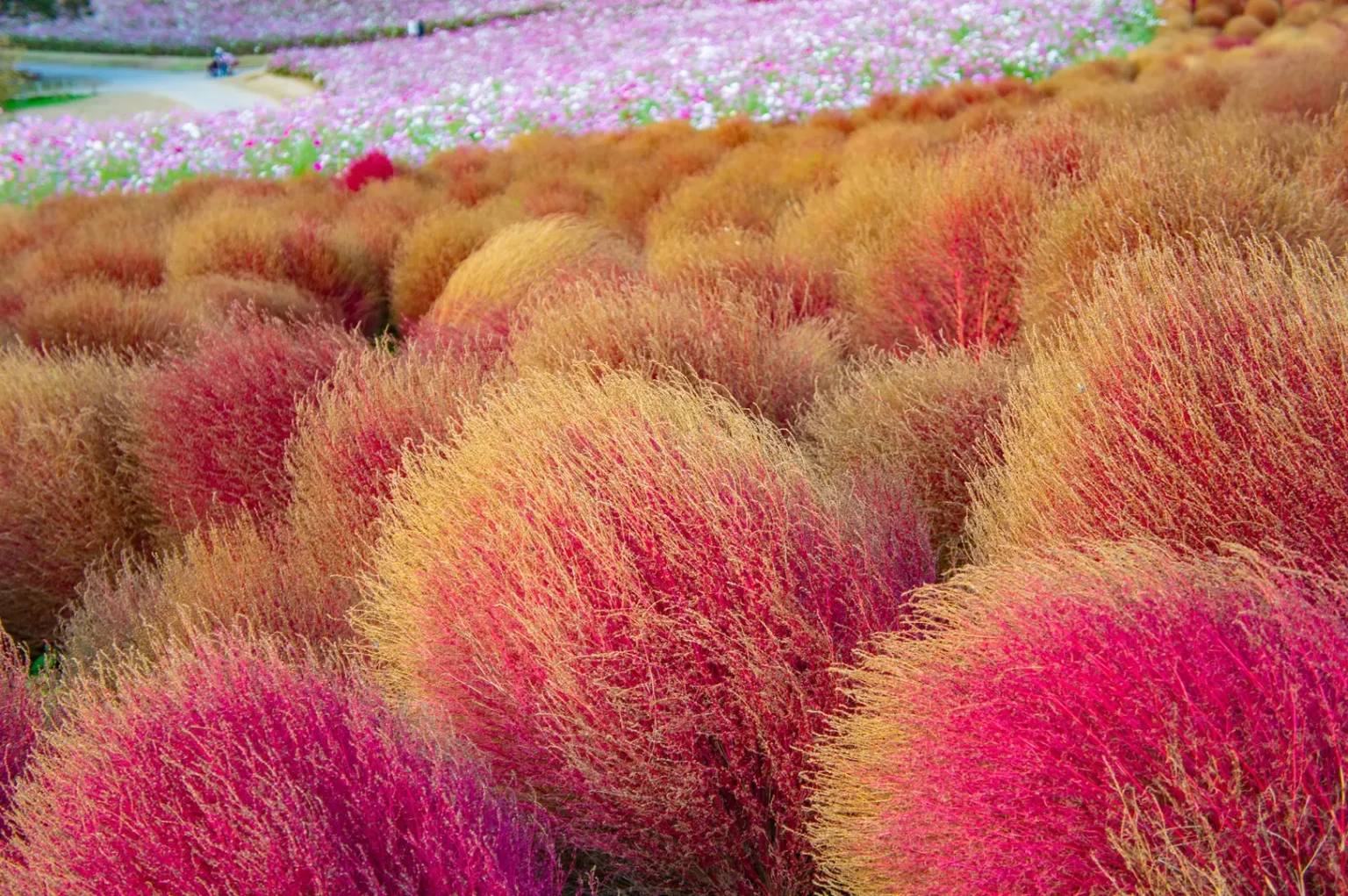
Ibaraki · Hitachinaka
Kochia at Hitachi Seaside Park
Green→red gradient early Oct · red peak mid-Oct · gold by early Nov
The park’s own colour calendar runs five stages, and it warns timing shifts with each year’s weather — check its flower page before going. Full month-by-month rundown in our Hitachi Seaside Park guide.
Tokyo · Tachikawa
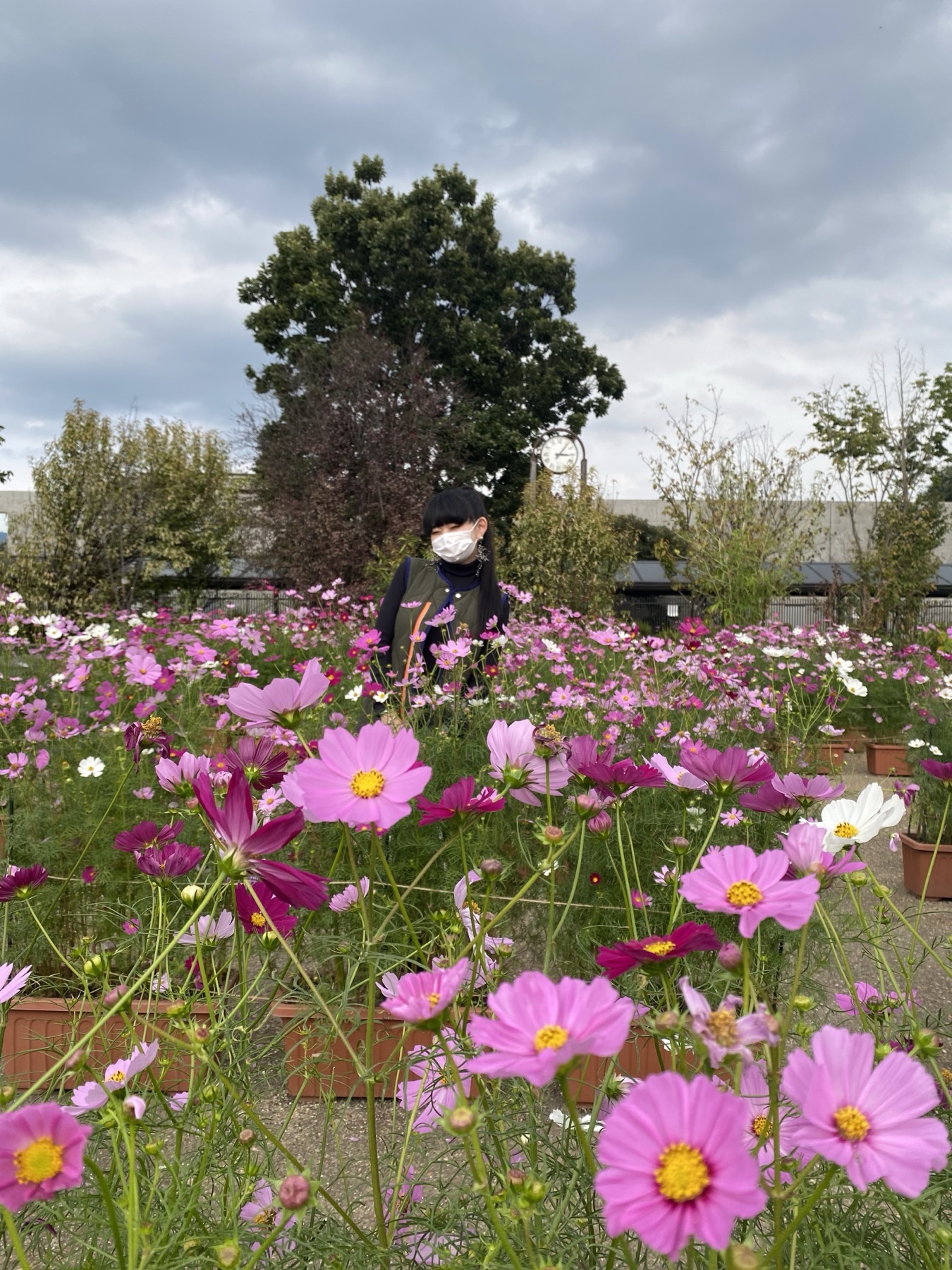
Cosmos at Showa Kinen Park
Festival Sep 12 – Oct 25, 2026 (official dates)
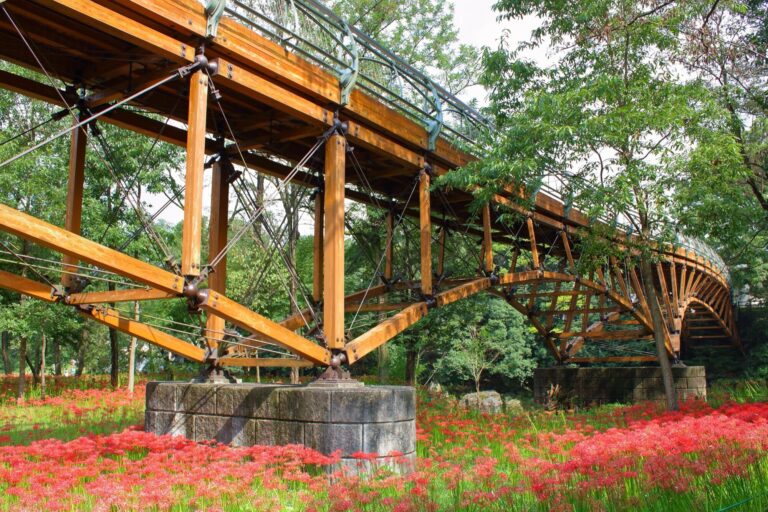
Four million yellow ‘Lemon Bright’ cosmos peak mid-Sep to early Oct on Flower Hill; the east field’s Sensation cosmos and red buckwheat run early-to-late October. There is a small kochia planting (1,800 bushes) on Herb Hill too.
Saitama & Hakone
Spider lilies’ tail & pampas grass
Kinchakuda festival runs to Oct 6 · Sengokuhara: Sep–Nov
Kinchakuda’s red carpet usually extends into the first days of October — bloom is weather-dependent, so call ahead (see our Kinchakuda guide). Hakone’s Sengokuhara pampas fields are officially in season September through November.
Six October events worth planning around
All dates below are the organisers’ announced 2026 dates, checked against organiser, shrine or city sources in August–September 2026 (Kawagoe’s are published as planned dates). Smaller festivals shown in the grid run on fixed annual dates or long-standing weekday rules — where 2026 wasn’t yet posted by the organiser, we say so. The two Kyoto events share one date — October 22 — which makes that Thursday the single busiest day to be in Kyoto this month.
Nagasaki Kunchi
長崎くんち · Suwa Shrine
Held on the same fixed dates every year: dance and float performances by 2026’s six duty districts — the Chinese-influenced dragon dance is on this year’s programme. The Okudari procession leaves Suwa Shrine at 1 pm on the 7th; the return (Onobori) is 1 pm on the 9th. Paid seating at the main venues is limited, but the districts also perform through the surrounding streets.
Takayama Autumn Festival
八幡祭 · Sakurayama Hachiman Shrine
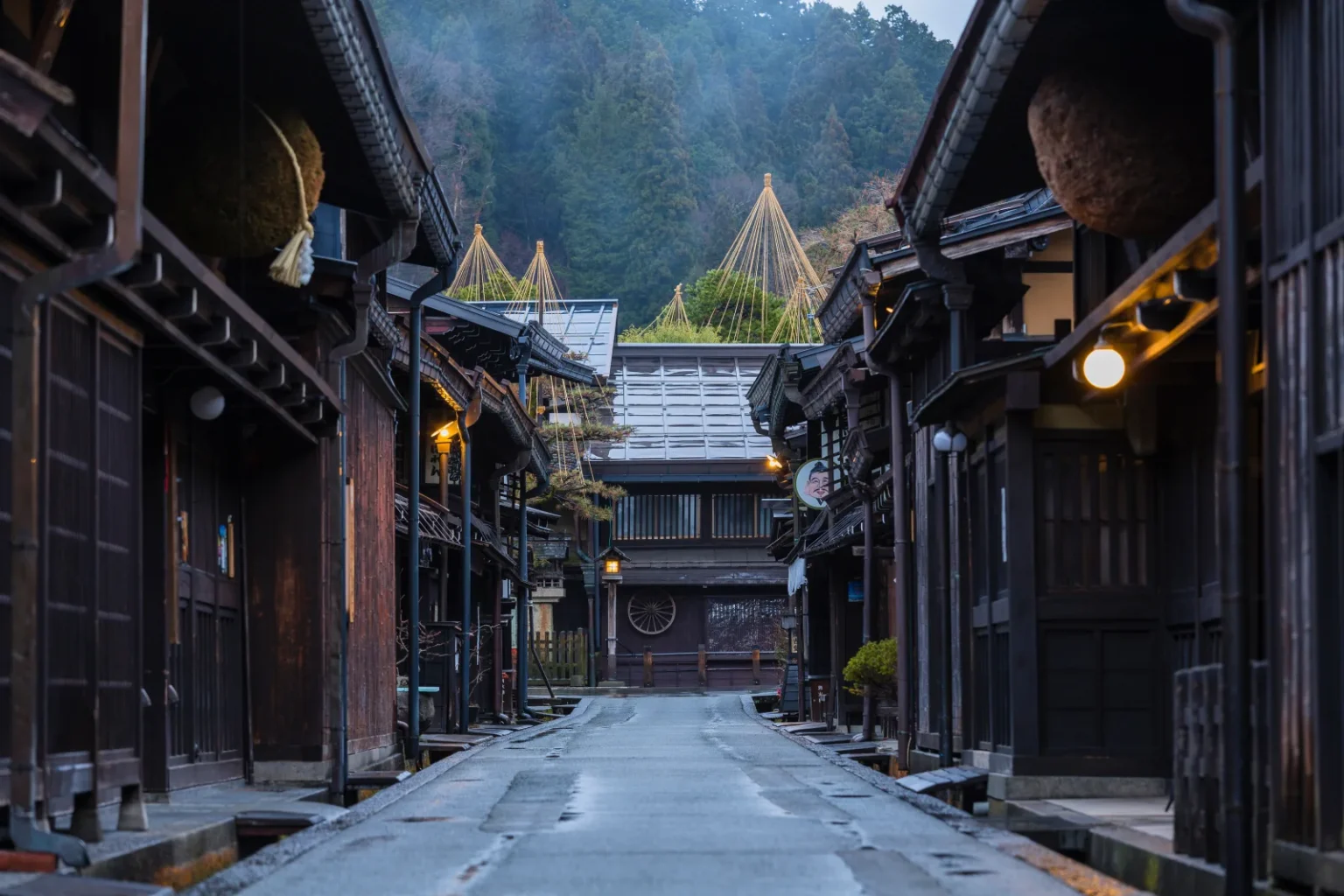
Fixed dates every year. Up to eleven yatai floats (one has recently been under repair — confirm the 2026 lineup locally), with the Hotei-tai’s karakuri marionette performance twice daily on both days. On the evening of the 9th the floats are pulled through town, each hung with 100+ lanterns, typically from around 6 pm. Same-night beds in town are scarce — book as far ahead as you can.
Kawagoe Matsuri
川越まつり
Elaborate festival floats through the old fire-resistant kurazukuri warehouse streets — the easiest big float festival to reach from central Tokyo. The festival is known for its night-time hikkawase, when floats meet face to face and their hayashi musicians and dancers trade performances while the crowd roars. Dates are the city’s announced 2026 schedule (planned).
Jidai Matsuri
時代祭 · Heian Jingu
Around 2,000 participants in period costume — plus some 70 horses and two oxen — form a procession roughly 2 km long from the Imperial Palace (departing noon) to Heian Jingu (the head of the parade arrives about 2:30 pm). The historical sections run in reverse chronological order, Meiji back to Heian. Rain postpones it to October 23, decided early that morning.
Kurama Fire Festival
鞍馬の火祭 · Yuki Jinja
Torch-bearers parade giant burning taimatsu through the mountain village of Kurama the same evening as Jidai Matsuri. Critical logistics: the road closes from 3 pm, every parking lot is shut, and in practice the small Eizan Railway is the way in — expect long waits both directions, and check the 2026 access notices before going. Doing both events in one day is possible but a marathon.
Tokyo Ramen Festa
東京ラーメンフェスタ
The organiser’s announcement lists twelve shops at Komazawa Olympic Park; hours 11 am–8 pm (last day to 7 pm). The organiser has announced 2026 as the final edition at the Komazawa venue. It ends on the Culture Day holiday, November 3.
Also on the October 2026 calendar
- Asian Games, Aichi–Nagoya (until Oct 4) and Asian Para Games (Oct 18–24). The Games’ final four days (the event spans 54 competition venues) and the Para Games’ 18 sports both land in October, centred on Nagoya. The official ticket site lists no purchase restrictions — international sales included — though supporter-ID registration is required — and hotel demand in Nagoya will be high through both windows, so book that city early or stay in Gifu/Toyohashi and train in.
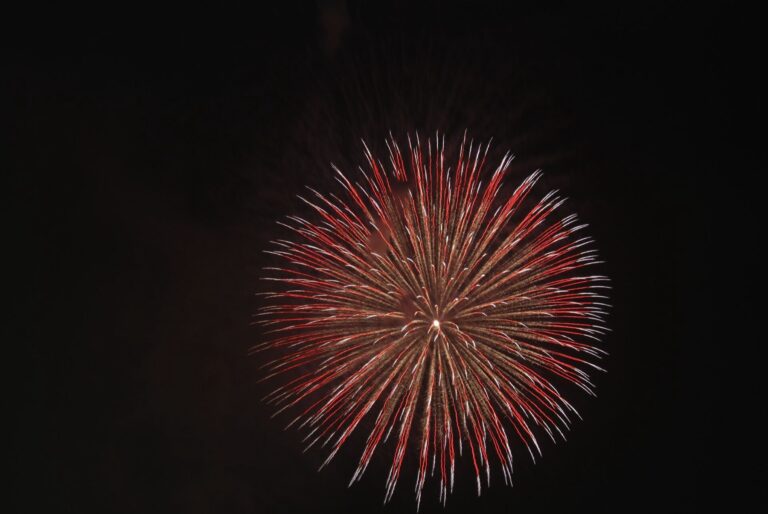
- Fireworks season isn’t over. Omagari — home of Japan’s top fireworks competition — fires its experimental Autumn Chapter on Saturday, October 3, 6:00–7:30 pm (about 8,000 shells; the official advance-sale window closes October 2, and any chair or table seats left are sold at the gates from 3 pm on the day; background in the Omagari fireworks guide), and Osaka’s Naniwa Yodogawa fireworks land on October 17 (7:00–8:00 pm) — this year the Umeda-side riverbank is closed to spectators because of expressway works.
- Orionid meteors, night of Oct 21–22. In clear, dark skies, expect about 5–10 an hour before dawn, after the moon sets. My meteor shower guide has the dark spots I use around Fuji.
- Sports Day weekend, Oct 10–12. The second Monday of October is a national holiday. Expect crowded trains to Nikko, Kamikochi and every foliage-adjacent destination — it collides with Takayama’s festival weekend, too.
- Sawara Grand Festival, Katori (Chiba), Oct 9–11. The autumn half of Sawara’s float festival: 14 carved floats, topped with giant figures or traditional straw-craft ornaments, are pulled through the old town west of the Ono River from 10 am to 10 pm each day, rain or shine (in rain, the figures go under plastic sheeting). Saturday the 10th is the day to aim for — the floats line up by noon and the procession starts at 1:30 pm. JR runs a special limited express, the Ayame, from Shinjuku on Oct 10–11, and shuttle buses run from the Tone River riverside car park; the festival asks visitors for a ¥500 per-person environment contribution (primary-school age and up), collected at the shuttle stops and elsewhere. More on the town in our Sawara guide.
- Sumo: no tournament, but a tour. There is no grand sumo tournament in October 2026 (September’s runs Sep 13–27 in Tokyo; Kyushu’s starts Nov 8). Instead, the official autumn tour barnstorms 19 towns October 6–25 — including Takayama on Oct 14 and Kyoto on Oct 16 — a rare chance to see top wrestlers up close in small local arenas.
- The Shosoin Exhibition, Nara (Oct 24–Nov 9). Once a year the Nara National Museum shows a rotating selection of 8th-century imperial treasures from the Shosoin repository — the 78th edition’s 2026 dates are already announced, and many Japanese plan trips around it. Expect queues on weekends and the Nov 3 holiday.
- Tokyo International Film Festival, Oct 26–Nov 4. The 39th edition runs at venues across Hibiya, Yurakucho, Marunouchi and Ginza; general ticket sales open on Saturday, October 17.
- Pro baseball’s finale. The NPB Climax Series playoffs run Oct 10–19, and the SMBC Japan Series opens Saturday Oct 24, with games scheduled Oct 24–25, 27–29, 31 and Nov 1 at the two league champions’ stadiums — later games happen only if the series is still alive. Tickets go on sale once the match-up is decided.
- Halloween falls on a Saturday. Shibuya Ward bans street drinking in the station area year-round from 6 pm to 5 am, and in recent years the mayor has asked people not to come to Shibuya for Halloween at all; 2026-specific measures usually get announced in September or October. Don’t plan a Shibuya street night — book a venue in another district instead.
- Just after the month: Shuri Castle Revival Festival, Naha, Nov 1–3. It falls in the year the rebuilt main hall is due to be completed, and the Ryukyu royal procession along Kokusai-dori on Nov 1 is planned at about 700 participants, larger than last year. The main hall itself opens to the public from noon on November 23; going inside requires an advance booking.
Can you see Mt Fuji in October?
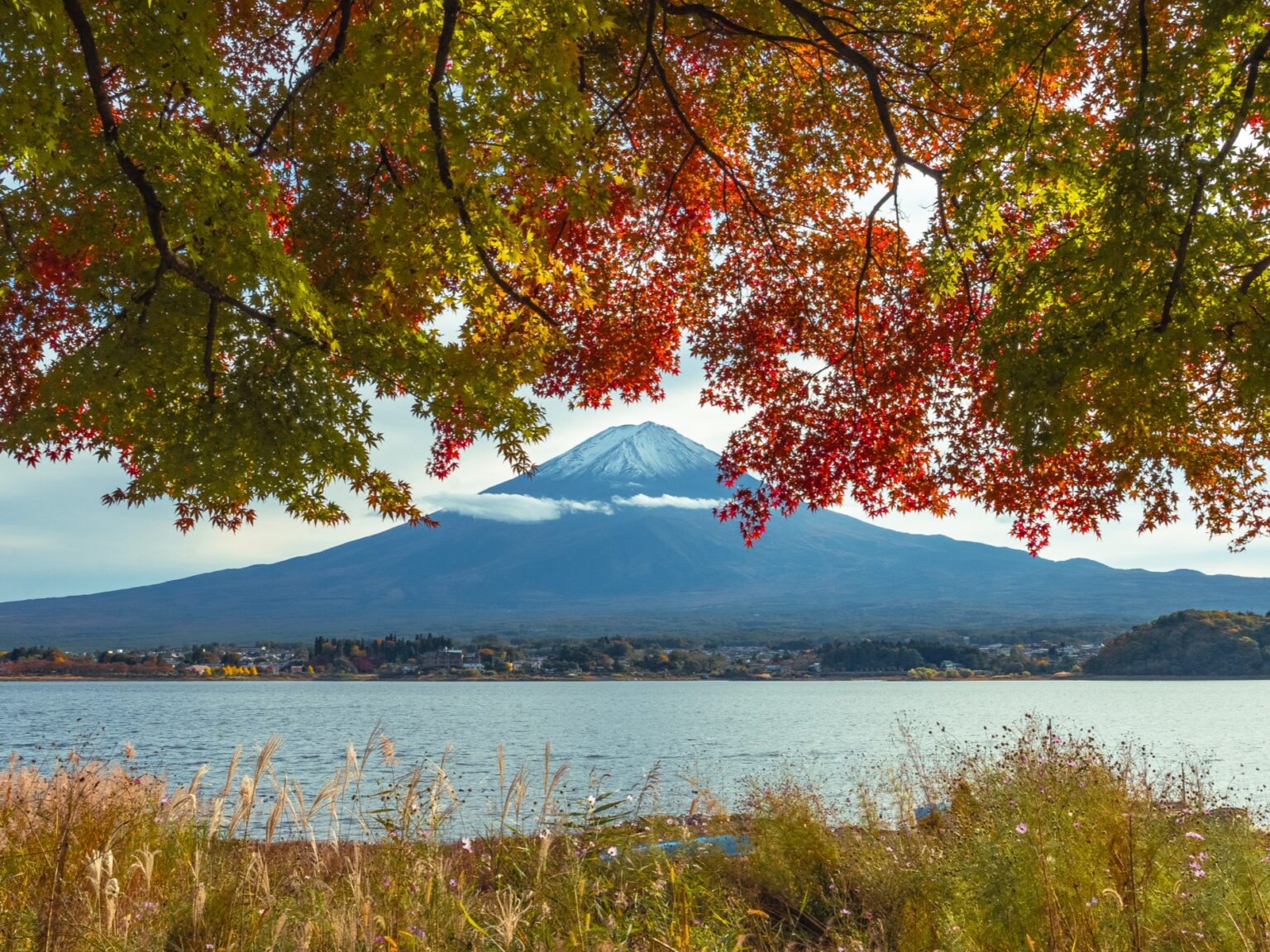
Yes — October is when Fuji-watching season genuinely opens, and I say that as someone who checks the mountain from Fujiyoshida most mornings. One useful public dataset agrees — Fuji City’s daily 8 am observation log (a fixed morning check, not an all-day measure) recorded the whole mountain fully visible on just 3 days in August 2025 and 6 in September, then 10 in October and 19 in November. October through December logged 48 fully-visible days against 25 for all of May through September. The summer haze breaks, and the crisp mornings return.
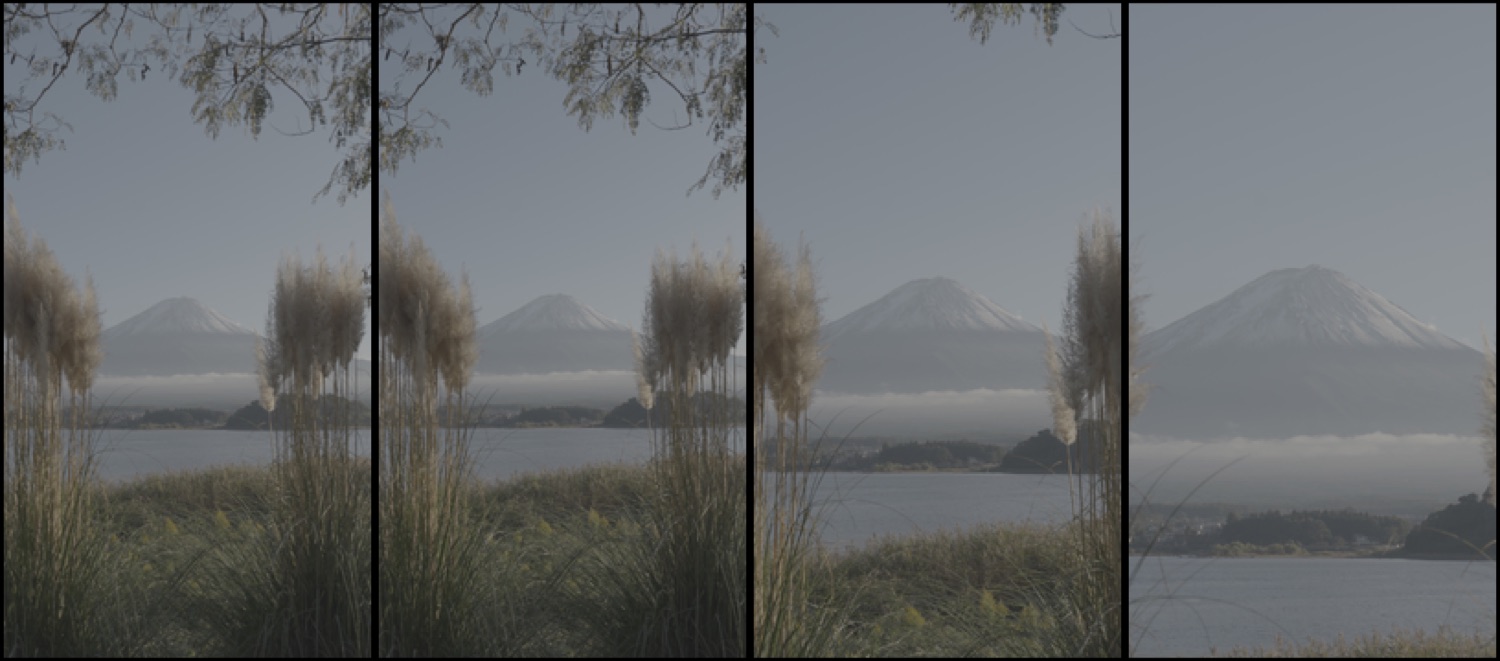
Two caveats from a local. First, do not bank on a snowcap. The Kofu observatory’s average first-snowcap date is October 2, but 2025’s came on October 23 and 2024’s not until November 7 — the latest since record-keeping began in 1894. An October Fuji may well be bare-shouldered. (From this autumn — announced July 2026 — JMA reports summit snow via an automated “analysed snow depth” product on its website instead of the traditional visual first-snowcap announcement; Fujiyoshida city has said it will continue its own visual “first snow make-up” declaration.) Timing strategies are in our Mt Fuji weather guide and the visibility forecast; the summer-versus-autumn odds are explained in Can you see Mt Fuji in August?
Buying a JR Pass through an agent? It costs more since October 1
JR Group announced in April 2026 that Japan Rail Pass prices would rise for purchases made from October 1, 2026 at overseas sales agents — judged by the calendar date in local time at the place of purchase. That change is now in effect: JR’s price page lists the 7-day ordinary pass at ¥53,000 through overseas agents and ¥50,000 when bought online on JR’s own site (checked 1 October 2026). The pass itself and how it works did not change, and passes bought before October 1 are unaffected.
| Pass (ordinary car, adult) | Until Sep 30, 2026 | From Oct 1, 2026 (overseas agents) |
|---|---|---|
| 7-day | ¥50,000 | ¥53,000 (+¥3,000) |
| 14-day | ¥80,000 | ¥84,000 (+¥4,000) |
| 21-day | ¥100,000 | ¥105,000 (+¥5,000) |
The fine print that matters
The official JAPAN RAIL PASS web sales service keeps the current prices for the time being — JR explicitly says the freeze is temporary and its end date is undecided, so treat the online price as a window, not a guarantee. And before buying either way: at ¥50,000 the 7-day pass only pays off on genuinely train-heavy routes. Run your itinerary through our JR Pass vs individual tickets math first — for many one-week Golden Route trips, point-to-point tickets are cheaper.
Check JR Pass prices →Practical: crowds, costs and booking order
October sits in the pleasant middle of the crowd curve: busier than September’s typhoon-wary lull, far calmer than the November Kyoto peak. The pinch points are specific and predictable, so book in this order:
- Takayama nights around Oct 9–10 — a small town during its biggest festival, colliding with the pre-holiday weekend. If it’s gone, stay in Furukawa or Gero and train in.
- Mountain lodges on any October weekend — Kamikochi, Nikko and the Alpine Route fill with domestic foliage traffic, worst on Oct 10–12. Booking.com covers most mountain-town hotels; many small lodges also sell direct.
- Nagoya during both Games windows (until Oct 4, and Oct 18–24).
- Kyoto around Oct 22 — the Jidai/Kurama double-header fills the northern line and the central hotels.
- Flights — outside the 3-day weekend, October has no Japanese public holidays, so flights are usually the easy part; Trip.com is my usual first comparison for arrivals into Haneda versus Kansai.
City-by-city, my honest read: base yourself in Kyoto or Osaka in the second half for the festival double and the drier weather; use Tokyo as the early-month base (indoor options for the wet days, plus the flower parks within day-trip range); and give the Alps at least one overnight rather than a day trip — the light on the larches is best before 9 am, long before the tour buses arrive.
FAQ
Is October a good month to visit Japan?
Yes — especially the second half. Temperatures sit around 20–23°C by day in Tokyo and Kyoto, typhoon approaches drop to roughly half of September’s average, and the month carries major festivals (Nagasaki Kunchi, Takayama, Jidai Matsuri). The honest caveats: October 1–10 is Tokyo’s wettest ten-day climate period of the year on the normals, and city foliage typically peaks weeks later — October colour lives in the mountains.
Where can I see fall foliage in Japan in October?
In the highlands: Sounkyo Gorge in Hokkaido (through mid-October), the Tateyama–Kurobe Alpine Route (early to mid-October at Daikanbo), Karasawa Cirque (late September to early October), the Kamikochi valley floor (typically mid-to-late October) and Nikko’s Irohazaka and Lake Chuzenji (mid-to-late October into early November). Kyoto’s temple gardens typically peak in mid-to-late November and central Tokyo in late November to early December — not October.
Is October rainy in Japan?
It depends heavily on which half. Tokyo’s October rainfall normal (234.8 mm) is actually the highest of its year, but the 10-day breakdown shows why the month still works: 102.9 mm falls in October 1–10, dropping to 61.3 mm by October 21–31. Kyoto is drier and sunnier than its September. If you can choose, travel in the second half.
Are typhoons still a risk in October?
A reduced one. On JMA’s 30-year averages, 1.7 typhoons approach Japan in October versus 3.3 in September, and landfalls drop from 1.0 to 0.3 — fewer storms on average, though averages say nothing about a specific week. JMA still counts October inside the July–October peak window, and late-season storms can feed the autumn rain front, so keep the first week flexible and check forecasts three days out.
Can you climb Mt Fuji in October?
No. All four summit trails closed for the 2026 season on September 10, and the official climbing site states that off-season climbing is extremely dangerous, with no sanctioned route to the summit. In October you can still walk the Fujinomiya 5th-to-6th-station section (open into early November) and tour the Fuji Five Lakes — which is also when visibility of the mountain itself improves sharply.
What should I pack for Japan in October?
Layers. Early October in Tokyo and Kyoto reaches 24–25°C by day with mild 17°C nights; by late month, highs are around 20–21°C with 12–13°C nights, so a light jacket or sweater covers it. Hokkaido needs a proper jacket (8°C average nights in Sapporo), while Okinawa stays in summer clothing. Add a folding umbrella for the front-loaded rain in the first third of the month.
Is the JR Pass more expensive from October 2026?
At overseas sales agents, yes: from October 1, 2026 purchases, the 7-day ordinary pass rises from ¥50,000 to ¥53,000, the 14-day to ¥84,000 and the 21-day to ¥105,000, based on the purchase date in local time at the place of purchase. The official web sales service keeps current prices temporarily — JR has not announced when that freeze ends. Whether any pass is worth it depends on your route: check the math before buying.
What happens in Shibuya at Halloween?
Less than you’d hope. Shibuya Ward bans drinking in streets and parks around the station year-round from 6 pm to 5 am, and in recent years the ward has explicitly asked people not to come for Halloween, with station-area restrictions announced closer to the date. In 2026 Halloween falls on a Saturday, so expect strict handling again — plan a costume night in a bar district elsewhere instead.
The sweet spot is October’s second half.
Drier skies, 20°C afternoons, alpine colour reaching the valleys, and Kyoto’s two-festival Thursday on October 22. Spend the wet first week in cities and flower parks, then head for the mountains — and run the JR Pass math before you buy — agency prices rose on October 1.
Where to go: 8 October picks Live foliage tracker All 12 months comparedJoin travelers discovering Japan's hidden side
Weekly dispatches from off-the-beaten-path Japan — spots and stories you won't find in guidebooks.
No spam. Unsubscribe anytime.
Welcome aboard!
You're in. See you in your inbox soon.