Itineraries
These are all 15 day-by-day Japan itineraries on this site, on one page: two day trips, a two-day Mt Fuji route, a three-day island route, two four-day routes (Nagano in winter and northern Kyushu), three five-day regional routes, five one-week routes and an 8–10 day version of the golden route. Each card below gives the length, the nights, how you get around, when the route works and, where the route page totals it, the cost. Pick by trip length first, then by region, and open the route that fits.
Choose by trip length
Day counts include the arrival and departure days, so a 7-day route usually has 6 nights (the Kansai week, which also sleeps in Osaka on Day 7, has 7). How much of those two end days you actually get depends on your flight times; the arithmetic is in how many days do you need in Japan?
One day
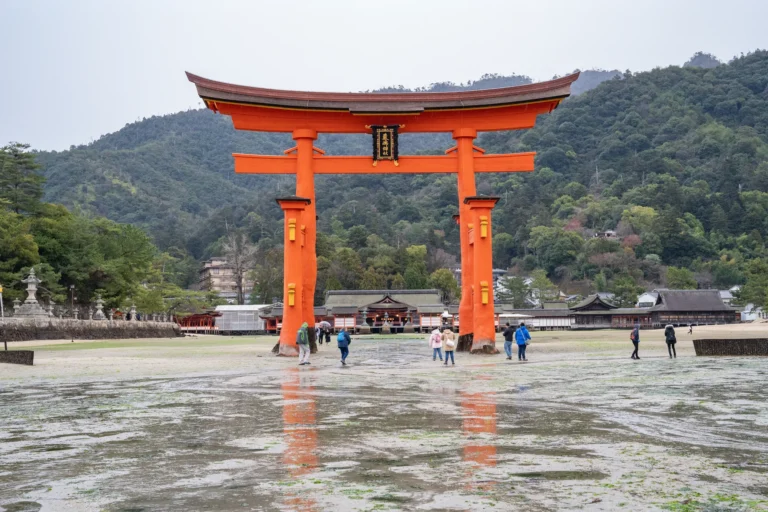
Hiroshima & Miyajima in One Day
Day trip · Chugoku · shinkansen, tram, ferry
The Peace Memorial Museum, okonomiyaki for lunch and Itsukushima Shrine, in the order the tide sets. About 1 h 20 min by shinkansen from Osaka. About ¥9,630 per person, shinkansen excluded. Works most of the year; the museum closes 30–31 December.
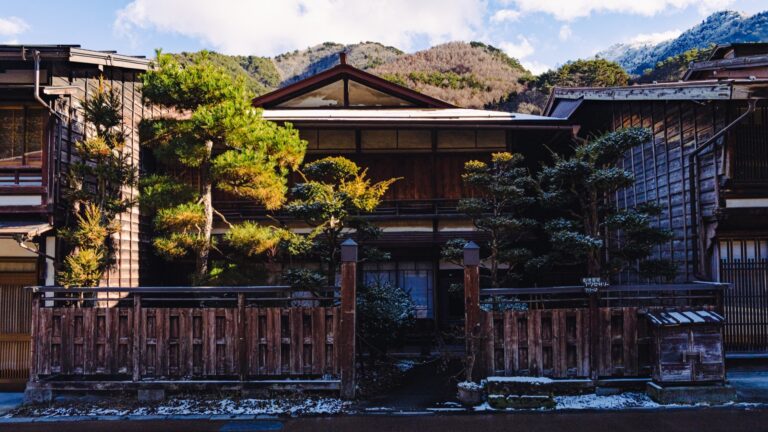
Kiso Valley: Naraijuku to Tsumago by Train
Day trip · Nagano · local train + bus
Two Nakasendō post towns from Matsumoto and back, about 11.5 hours. Trains are infrequent, the Nagiso bus is ¥300 cash only, and the last bus leaves Tsumago at 17:41. Best late April–May and mid-October to early November.
Two days
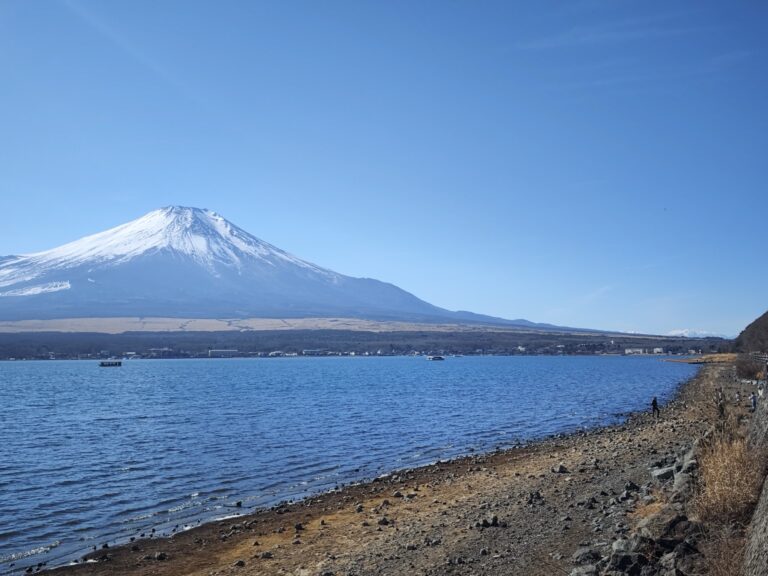
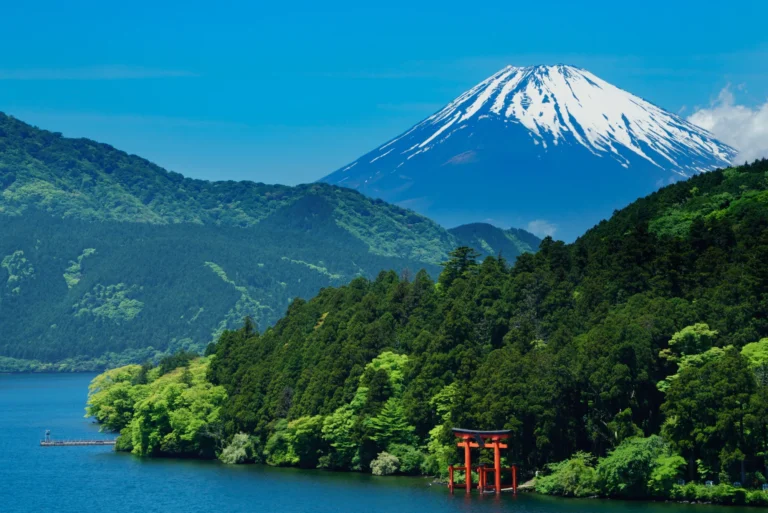
Fuji Five Lakes in 2 Days
2 days, 1 night · Yamanashi · highway bus, local bus, train, boat
Built around two mornings, when Mt Fuji is most often in view: the Panoramic Ropeway and a boat across Lake Kawaguchi on day one, the Chureito Pagoda at sunrise and Lake Yamanaka on day two. Highway bus from Shinjuku, one night in Kawaguchiko, no car. Built for November to February; the ropeway is closed 7–18 December 2026 (planned).
Three days
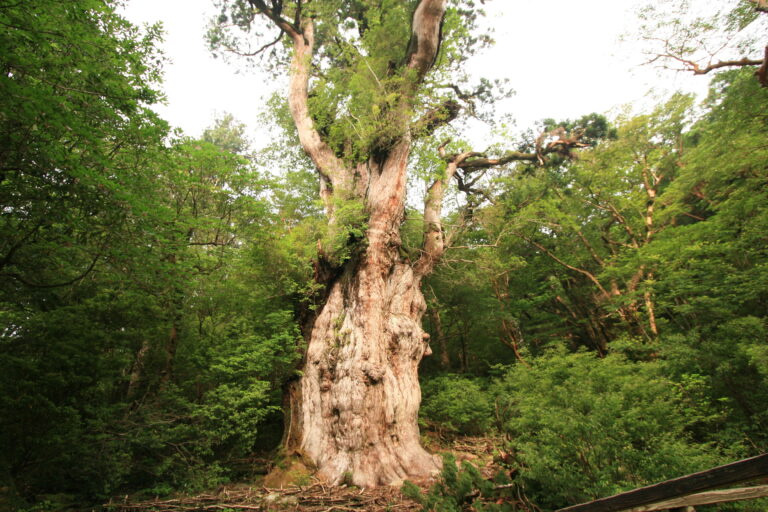
Yakushima in 3 Days
3 days, 2 nights · Kagoshima · boat or flight + rental car
Arrival day, the 22 km Jomon Sugi hike (8–10 hours), then the west-coast drive. About ¥100,000 per person from Tokyo, without a trekking guide. Best late April to mid-November. Autumn 2026: going with a guide is recommended, and Shiratani Unsuikyo is closed.
Four days
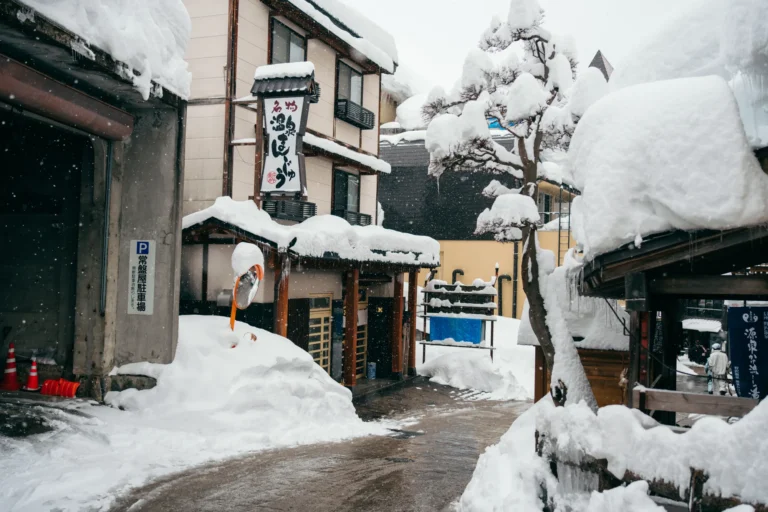
Nagano in Winter: 4 Days
4 days, 3 nights · Nagano · shinkansen, train, bus
The snow monkeys at Jigokudani with a night in Shibu or Yudanaka, Zenkoji in Nagano city, then two nights in Nozawa Onsen for skiing or its 13 public baths. No car. Built for December to March; from 1 December 2026, adult entry to the monkey park is ¥1,000 at the gate or ¥880 as a web ticket.
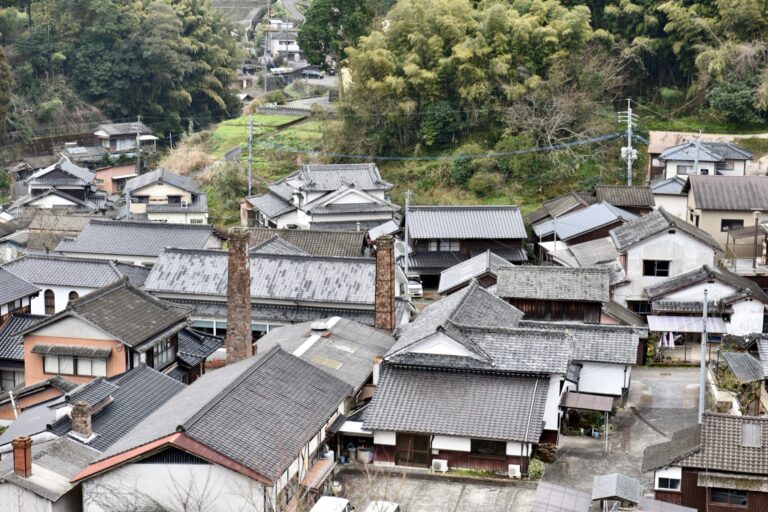
Northern Kyushu in 4 Days
4 days, 3 nights · Fukuoka and Saga · trains, a couple of taxis
A loop out of Fukuoka: Dazaifu, the Yayoi-era settlement at Yoshinogari, a night in Takeo Onsen, the porcelain towns of Arita and Imari, then Karatsu and back. No rental car. The leg to plan around is Imari to Karatsu: nine trains a day on JR Kyushu’s October 2026 timetable.
Five days
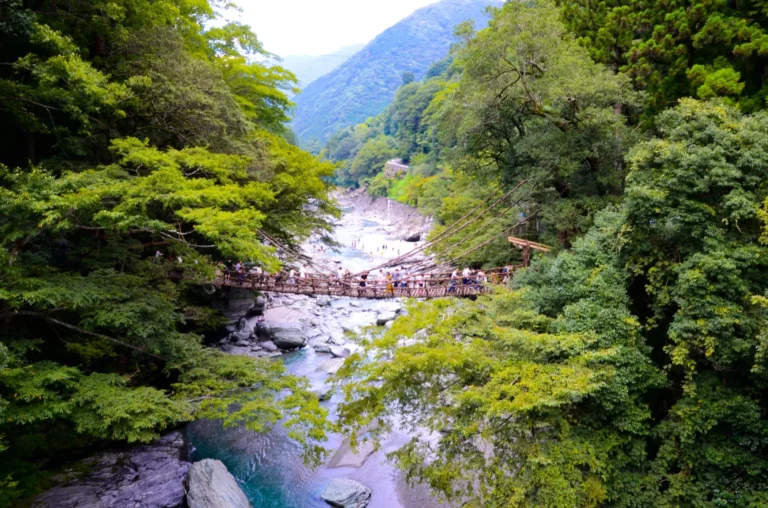
5 Days in Shikoku: Naoshima, Iya Valley & Dogo Onsen
5 days, 4 nights · Shikoku · train, ferry, bus + car for Iya
Naoshima, Kotohira-gu, the Iya Valley, Matsuyama and Dogo Onsen, ending in Kochi. About ¥90,000–150,000 per person, excluding flights. Best April to early June and October–November. The All Shikoku pass now comes in 3- and 7-day versions only.
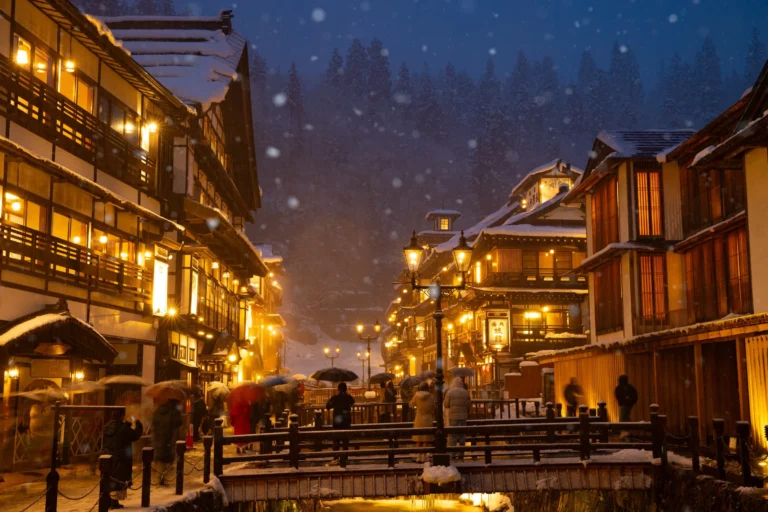
Tokyo to Tohoku in 5 Days: Sendai, Yamadera, Ginzan Onsen & Hirosaki
5 days, 4 nights · Tohoku · shinkansen + JR East Pass
Sendai, Matsushima, Yamadera’s 1,015 steps, a night at Ginzan Onsen, then Hirosaki and Aomori. The 5-day JR East Pass is ¥35,000. About ¥145,000–210,000 per person, excluding flights to Japan. Best late April, early August and late October.
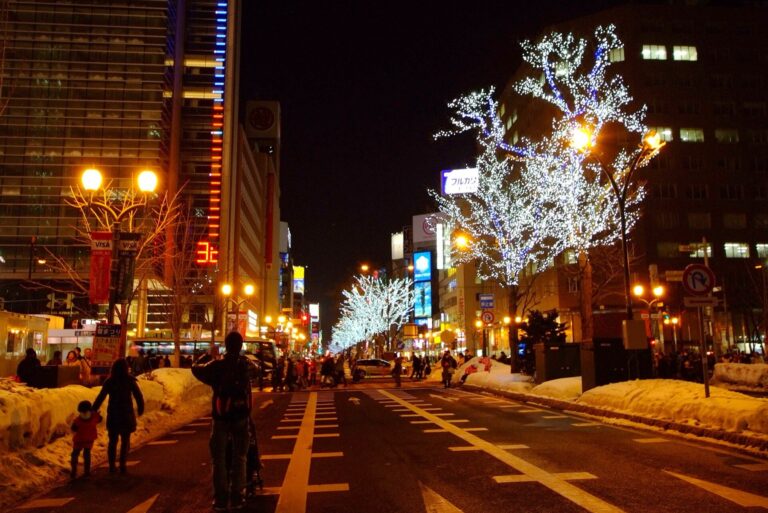
Hokkaido in Winter: 5 Days
5 days, 4 nights · Hokkaido · flights, JR, buses
Three February festivals in one week without a car: the Lake Shikotsu Ice Festival on the way in from the airport, the Sapporo Snow Festival (4–11 February 2027) and Otaru’s Snow Light Path (6–13 February), then a night in Noboribetsu’s hot springs before you fly home. Laid out for 8–12 February 2027; the airport buses at either end need checking against the February timetables.
Seven days
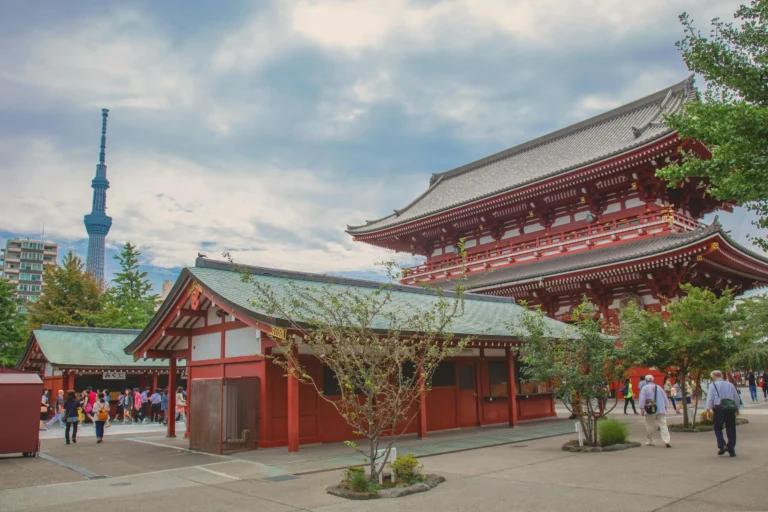
7 Days in Japan: Tokyo → Kyoto → Osaka
7 days, 6 nights · Kanto → Kansai · one shinkansen, no JR Pass
The classic first trip: Tokyo 3 nights, Kyoto 2, Osaka 1. Fly into Tokyo and home from Osaka; one Nozomi ticket is ¥14,170. About ¥204,000 per person, mid-range, excluding flights. Best October, November and late March.
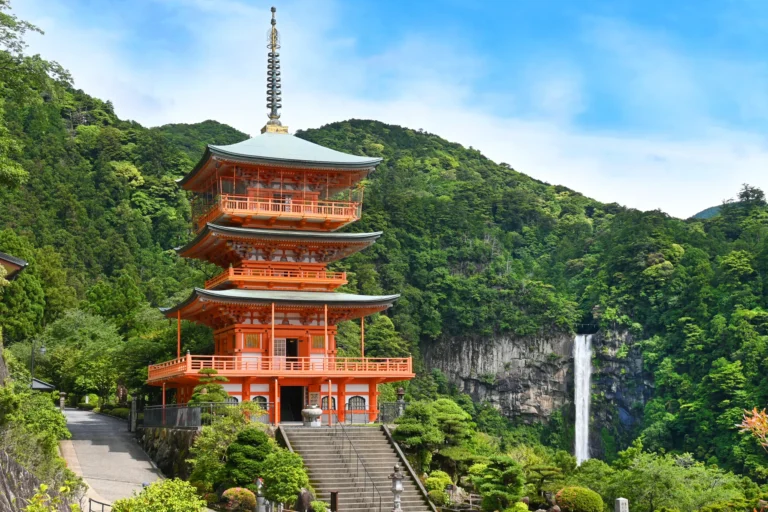
7 Days in Kansai, Beyond Kyoto
7 days, 7 nights · Kansai · Kansai Wide Area Pass
For a second trip: Kifune and Kurama, Ohara, Murō-ji, Mount Hiei, two days at Nachi on the Kumano Kodo, Osaka last. The 5-day pass is ¥12,000; allow roughly ¥15,000–25,000 a day. Best April–May and October–November. Murō-ji’s pagoda and Kondō, and the inside of Enryaku-ji’s main hall, are closed to viewing during repairs.
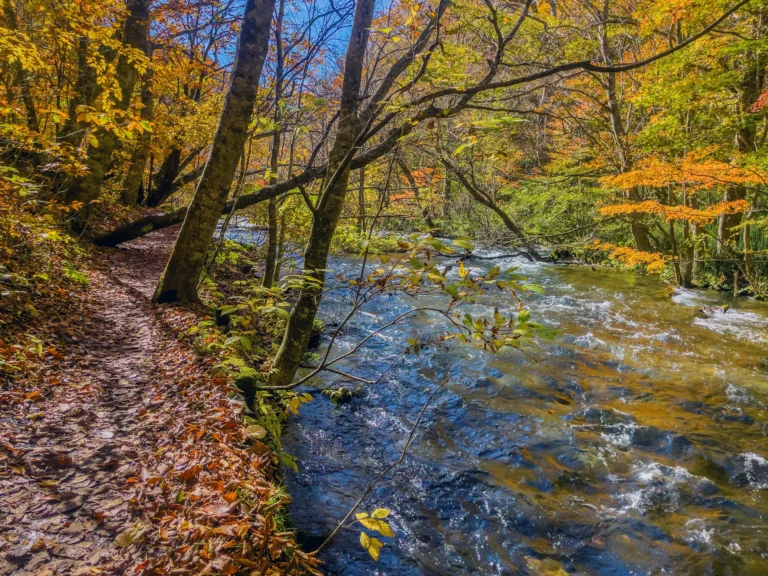
The Sapphire Route: Sapporo to Tokyo by Train
7 days, 6 nights · Hokkaido → Tohoku · trains + JR buses
One way from Sapporo: Hakodate, under the strait to Aomori, a 9 km walk in the Oirase Gorge, Lake Towada and Matsushima. Rail and bus fares about ¥47,000, plus the flight to Sapporo. Works April to mid-November, when the Towada buses run; best in October.
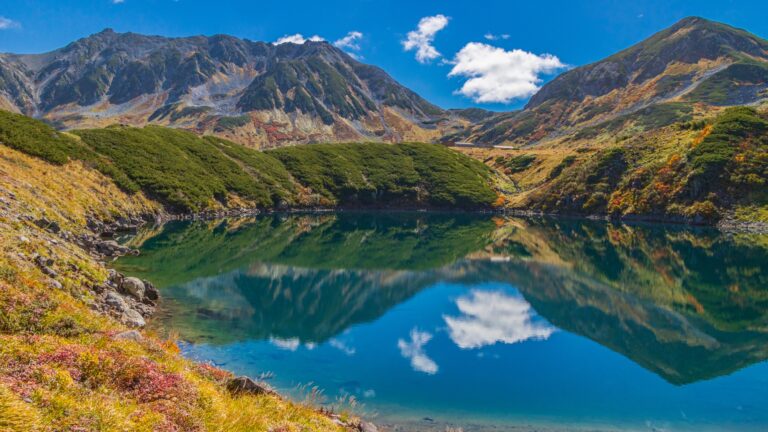
The Emerald Route: 7 Days Across the Japan Alps
7 days, 6 nights · Chubu · trains, buses, cable cars
Tokyo back to Tokyo: Zenkoji and the snow monkeys, the Tateyama Kurobe Alpine Route to Toyama, Kanazawa, Shirakawa-go and Takayama. Fares about ¥53,000. Works 15 April to 30 November, while the Alpine Route is open.
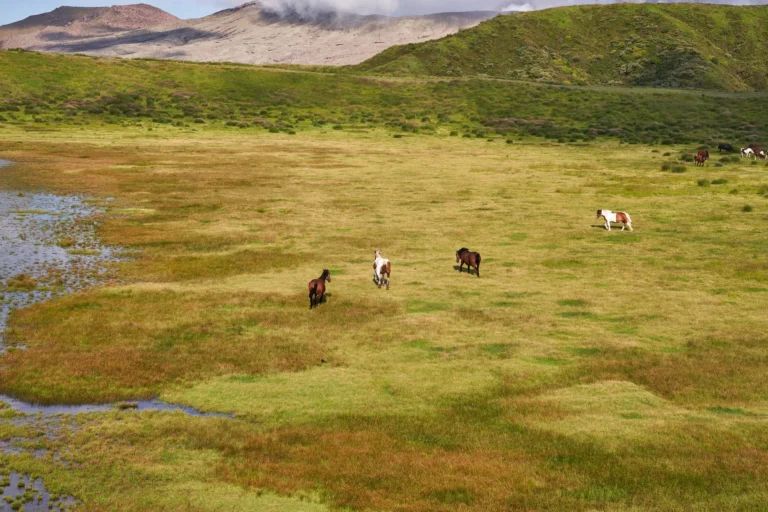
The Ruby Route: 7 Days in Kyushu by Train and Bus
7 days, 6 nights · Kyushu · trains + highway bus
A loop from Hakata: Beppu’s hells and sand bath, Yufuin, the Aso caldera, Kumamoto Castle and Sakurajima. Fares about ¥36,000. Works all year. Autumn 2026: Aso’s crater is closed at Level 2, and the route page has notes on Kumamoto after the July 2026 earthquake.
Eight to ten days
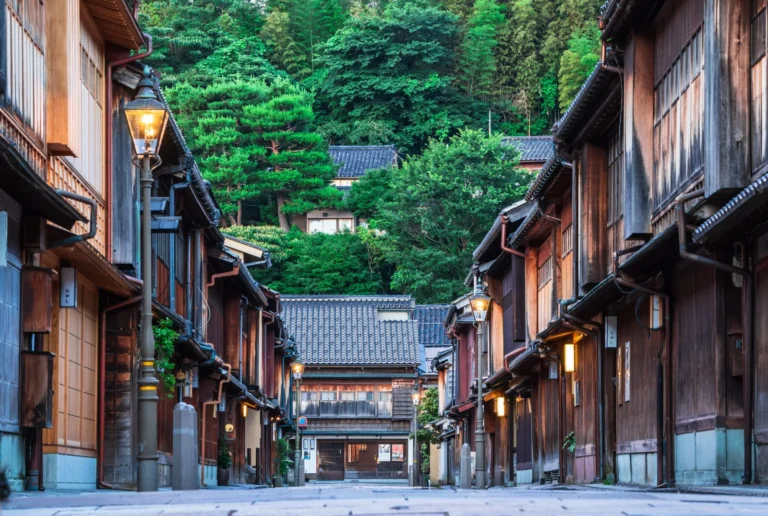
8–10 Day Japan Itinerary: Golden Route + One Quiet Detour
8–10 days, 7–9 nights · Kanto → Kansai · trains
The 7-day route in the same order, plus one detour: a Kamakura day trip at 8 days, a night in Hakone at 9, one or two nights in Kanazawa at 10. Takayama only if you accept more transit.
All 15 side by side
| Days | Route | Region | Getting around | Season |
|---|---|---|---|---|
| 1 | Hiroshima & Miyajima | Chugoku | Shinkansen, tram, ferry | Most of the year |
| 1 | Kiso Valley | Chubu (Nagano) | Local train + bus | Best late Apr–May, mid-Oct–early Nov |
| 2 | Fuji Five Lakes | Chubu (Yamanashi), from Tokyo | Highway bus, local bus, train, boat | Built for Nov–Feb |
| 3 | Yakushima | Kyushu islands | Boat or flight, rental car | Best late Apr–mid-Nov |
| 4 | Nagano in Winter | Chubu (Nagano) | Shinkansen, train, bus | Built for Dec–Mar |
| 4 | Northern Kyushu | Kyushu (Fukuoka, Saga) | Trains, a couple of taxis | Spring and autumn best |
| 5 | Shikoku | Shikoku | Train, ferry, bus, car for Iya | Best Apr–early Jun, Oct–Nov |
| 5 | Hokkaido in Winter | Hokkaido | Flights, JR, buses | Built for February 2027 |
| 5 | Tohoku | Tohoku | Shinkansen, JR East Pass | Best late Apr, early Aug, late Oct |
| 7 | Tokyo → Kyoto → Osaka | Kanto → Kansai | One shinkansen, no JR Pass | Best Oct, Nov, late Mar |
| 7 | Kansai, Beyond Kyoto | Kansai | Kansai Wide Area Pass | Best Apr–May, Oct–Nov |
| 7 | Sapphire Route | Hokkaido → Tohoku | Trains + JR buses | Runs Apr–mid-Nov (2026) |
| 7 | Emerald Route | Chubu (Japan Alps) | Trains, buses, cable cars | Runs 15 Apr–30 Nov (2026) |
| 7 | Ruby Route | Kyushu | Trains + highway bus | All year; best Oct–Nov, Mar–May |
| 8–10 | Golden Route + one detour | Kanto → Kansai + one detour | Trains | As the 7-day route |
Choose by region
| Region | Routes |
|---|---|
| Hokkaido & Tohoku | Sapphire Route (7 days) · Tohoku (5 days) · Hokkaido in Winter (5 days) |
| Tokyo → Kyoto → Osaka | 7 days · 8–10 days |
| Central Japan (Chubu) | Emerald Route (7 days) · Kiso Valley (1 day) · Nagano in Winter (4 days) |
| Mt Fuji (from Tokyo) | Fuji Five Lakes (2 days) |
| Kansai | Kansai, Beyond Kyoto (7 days) |
| Chugoku | Hiroshima & Miyajima (1 day) |
| Shikoku | Shikoku (5 days) |
| Kyushu | Ruby Route (7 days) · Yakushima (3 days) · Northern Kyushu (4 days) |
Check before you go: autumn 2026
| Route | What has changed |
|---|---|
| Ruby Route | Aso’s crater is closed at Level 2 (October 2026); Kusasenri, the museum and the caldera views on the route are outside the restricted zone. Check the access notices on the day. After the 28 July 2026 earthquake, Kumamoto Castle is open again and the whole Kyushu Shinkansen has run since 18 September on a changed timetable. |
| Yakushima | The Jomon Sugi trail and bus reopened on 17 September, but the mountain council recommends going with a guide. Shiratani Unsuikyo is closed after a landslide on 4 September. |
| Kansai | Murō-ji has suspended viewing of its five-storied pagoda from 17 August 2026 (to about March 2027) and of the Kondō from 5 October 2026 (to about March 2028) while their roofs are re-covered. Enryaku-ji’s Konpon Chūdō interior is closed until about January 2028. |
| Shikoku | The 4- and 5-day All Shikoku passes ended on 30 September 2026; the 3- and 7-day passes remain. |
| Sapphire Route | The Towada JR buses run 1 April to 11 November in 2026, with some trips to 17 November; the route page plans the week for April to mid-November. |
| Tohoku | Ginzan Onsen’s winter rules for day visitors (car ban and shuttle in 2025–26) had not been announced for 2026–27 at the time of the update. |
How to choose, in order
1 · Days
Count the days from landing to take-off, then read how many days do you need? for the 5 vs 7 vs 10 vs 14 comparison.
2 · Season
Dates flexible? Decide the month before the route: best time to visit Japan, 12 months compared. Some routes above only work in part of the year.
3 · Route
The golden route suits most first trips; the regional routes suit return visits or a particular interest.
4 · Bookings
Rooms before trains, trains before tours: the booking timeline says what to lock and when, and the JR Pass math says whether the pass pays.
Book the skeleton, improvise the rest
Planning guides
Three guides sit alongside the routes. How many days do you need in Japan? compares 5, 7, 10 and 14 days. Japan vs Korea for a 5-day trip is really an honest look at what five days in Japan can hold. Beyond the Golden Route puts the Sapphire, Emerald and Ruby weeks side by side, with the season each one works in.
Common questions
Which itinerary is best for a first trip to Japan?
The 7-day Tokyo → Kyoto → Osaka route if you have a week; the 8–10 day version if you can stretch. Both follow the golden route; the second adds one detour.
How many days do I need for Japan?
Seven on the ground is the honest minimum for the classic Tokyo–Kyoto–Osaka trip; ten is comfortable; five works if you stay in one region. The full comparison is in how many days do you need in Japan?
Can I do these itineraries without a car?
Yes, almost all of them. The Sapphire, Emerald and Ruby weeks run on trains and buses, and so do the golden-route, Kansai, Tohoku, Kiso, Hiroshima, Fuji Five Lakes and Nagano winter plans. Northern Kyushu runs on trains with a couple of taxi rides. Hokkaido in Winter is car-free too, provided the airport buses fit your flight times. Two use a car for part of the trip: the Shikoku route recommends a rental car for the Iya Valley day (optional, but the buses are sparse), and the Yakushima route uses one for the island drive, with a bus to the Jomon Sugi trailhead.
Which routes work in winter?
The Ruby Route works all year. The Sapphire Route needs the Towada buses (1 April to 11 November) and the Emerald Route needs the Alpine Route (15 April to 30 November). The Kiso Valley day works in December–February but is colder and quieter. The Fuji Five Lakes plan is built for November to February, when Fuji is most often in view. Nagano in Winter is for December to March, and Hokkaido in Winter is for the February festivals. Each route page has its own season notes.
Are these itineraries kept up to date?
All 15 were checked in October 2026, and each page shows the date it was last updated or checked at the top so you can judge freshness at a glance.
What if I’ve already done Tokyo and Kyoto?
Go where most itineraries don’t: deep Kansai, Tohoku, Shikoku, Kyushu or Yakushima. Those are the regions most first-trip itineraries leave out.
Fifteen routes is still a fraction of Japan. If none of them fits the trip in your head, the first-trip guide and the Find Your Japan quiz will get you to a shortlist, and somewhere in the 44 hidden gems is probably the place you didn’t know you were looking for.