For travel from 1 to 31 October 2026, 55 buses a day run from Busta Shinjuku through to Kawaguchiko Station, roughly one every ten minutes through the morning. From 1 October, the site you book on depends on which company runs your bus. Keio departures are sold on Highway Bus dot com. Fujikyu departures are sold on Fujiyama Connect. Highway Bus dot com lists every departure on the route, so that is the place to see the whole timetable, but check the operator against the time you want before you pay, because that decides which site takes your money. For a two-day plan that starts on the 06:45 bus, see Fuji Five Lakes in 2 days.
I live in Fujiyoshida, one stop before Kawaguchiko on this route, and the highway bus to Kawaguchiko is the one I take to Tokyo and back. The timetable change is good news: more buses, and a ten-minute headway most of the morning. The booking change is the part that will catch people out, because at the morning peak the bus ten minutes after yours is often on a different website, and getting it wrong is not something you can fix with an edit.
What changed on 1 October 2026
The Shinjuku to Kawaguchiko bus is run by Keio Bus and the Fujikyu group together, and on 1 October they did two things at once: they added buses, and they split the reservation system by operating company.
The service increase is real. Before the change the route was advertised at 49 departures a day, and Highway Bus dot com’s route page was still showing that figure on 8 October; in October it is 55 each way through to Kawaguchiko Station, and the operators say they will keep adding unscheduled relief coaches on top of that when demand requires it. Fares did not change on the same date.
| Until 30 Sept 2026 | From 1 Oct 2026 | |
|---|---|---|
| Departures a day | 49 advertised | 55 each way to Kawaguchiko Station |
| Morning frequency | Varies | Every 10 min, 06:45–11:25 |
| Booking a Keio bus | Highway Bus dot com | Highway Bus dot com |
| Booking a Fujikyu bus | Highway Bus dot com | Fujiyama Connect |
| Switching between the two | A normal change | Cancel and rebuy, with a fee |
| Fare | ¥2,200 | ¥2,200, unchanged |
Which site do I book on?
This is the whole question, so here is the short version. Of the 55 daily departures from Shinjuku that run through to Kawaguchiko Station, 23 are Keio and 32 are Fujikyu; the two extra early buses that stop short at Fuji-Q Highland are Fujikyu too. Most of the buses on this route are now Fujikyu buses, which means most visitors will end up on Fujiyama Connect, a site almost no English guide mentions.
Highway Bus dot com
Keio’s site, and the one every existing English guide points at. It lists every departure on the route, but it only completes a booking for the 23 Keio ones. Pick a Fujikyu departure and it hands you off to the other site.
Fujiyama Connect
The Fujikyu group’s own site, at fujiyamaconnect.jp/bus/. It sells every Fujikyu departure, plus a limited allocation of Keio seats, so do not assume every Keio bus can be bought here. Mobile web only, no app.
The rule to remember
Browse the timetable on Highway Bus dot com, where every departure is listed. Then look at which site the payment screen belongs to before you pay, because that is the company you have a contract with.
The two operators describe the overlap slightly differently. Fujikyu’s August press release says all services on the route can be searched, booked and paid for on Fujiyama Connect. Keio’s route-specific notice says only that all services are displayed on Highway Bus dot com and that Fujikyu ones link out. Fujikyu’s own route FAQ splits the difference: it holds a limited number of Keio seats and you may be able to book a Keio bus there. Treat that as “sometimes”, not “always”, and check the site you have actually landed on.
Why this matters more than it sounds. Through the morning peak the two companies mostly alternate, but not strictly. The 8 o’clock hour from Shinjuku is Fujikyu at :05, Keio at :15, Fujikyu at :25, Keio at :35, Fujikyu at :45, Keio at :55, but the 09:05 after it is Keio again, the 06:55 and 07:05 are both Fujikyu, and so are the 09:55 and 10:05. Check the operator against each departure rather than trusting the pattern. If you book blind, you have close to a coin-flip chance of being on the site that cannot sell you the bus you actually wanted.
Switching buses costs money now
Before October, moving from one departure to another on this route was a change. From October, moving across the two sites is not a change at all: you cancel the first booking, pay the cancellation fee, and buy the second one on the other site. Keio’s notice is explicit that this applies even if you go to a staffed counter and ask a human to do it. Changes within the same site still work the way they always did.
The dividing line is the site, not only the company. Fujikyu’s FAQ notes that because Fujiyama Connect holds a limited allocation of Keio seats, a booking made inside Fujiyama Connect may be changeable to another Fujiyama Connect service under that site’s own rules, even across operators. What you cannot do is move a Highway Bus dot com booking onto a Fujikyu bus.
Each site handles its own cancellations under its own terms, and Fujiyama Connect says the cancellation window and fee vary by service, so check the policy shown for your bus on the site you actually book with before you pay. This is the schedule the Fujiyama Connect booking page showed for one Fujikyu departure, the 06:55 from Busta on 15 October, when checked on 27 September 2026:
| When you cancel | What you pay |
|---|---|
| Up to 23:59 two days before | ¥100 |
| From 00:00 the day before, until 11 minutes before departure | 50% of the fare |
| From 10 minutes before departure | No refund |
Highway Bus dot com’s booking terms for this route, checked the same day, charge the same two fees, ¥100 up to two days before travel and 50% from the day before, and a ticket paid by card can be refunded until 10 minutes before the bus leaves your boarding stop.
One more silo worth knowing if you are a repeat visitor: Highway Bus dot com’s bus miles and multi-ride coupons work on Keio departures only. They are worth nothing on a Fujikyu bus.
The Kawaguchiko bus timetable
The October timetable is published as a one-month document covering 1–31 October, so check again if you are travelling later in the year. Within October, the shape of the day is clear and it favours anyone going out in the morning and coming back in the evening.
| Direction | To Kawaguchiko Station | Dense band | Last departure |
|---|---|---|---|
| Shinjuku → Kawaguchiko | 55 a day | Every 10 min, 06:45–11:25 | 22:25 |
| Kawaguchiko → Shinjuku | 55 a day | Every 10 min, 14:30–19:10 | 20:15, arriving Busta 22:00 |
The first bus out of Busta is 06:45, arriving Kawaguchiko Station at 08:30. Coming back, services from the Kawaguchiko side start early enough for a morning return, but the useful thing to fix in your head is the last one, not the first.
One thing to check before you book. The October timetable lists 57 departures from Busta Shinjuku, and 55 of them run through to Kawaguchiko Station. The other two are extra Fujikyu buses that terminate at Fuji-Q Highland: a second 07:25, which runs daily, and a second 07:05 that runs on designated days only. Each leaves at the same time as a bus that does run through to Kawaguchiko Station, so the ten-minute pattern to the lake is not broken, but at those two times there are two buses with different destinations. Every Kawaguchiko-bound bus calls at Fuji-Q Highland first, so the stop order is never a problem, but if the lake is your destination, read the destination on the departure you are about to buy.
Beyond Kawaguchiko the buses fan out. Some terminate at Kawaguchiko Station, some carry on to Lake Yamanaka and Hirano, and some climb to the Fuji Subaru Line 5th Station. All of them serve Kawaguchiko Station on the way, so for the lake it does not matter which you take. If you are coming for the autumn leaves festival in November, note that the sightseeing bus from the station back from the festival site stops running at 18:32. Counting only Kawaguchiko-bound buses, the ten-minute chain in the morning is unbroken for 29 consecutive departures, from 06:45 to 11:25; the 11:35 slot is the first one missing, and the next bus is 11:45.
If you are on a day trip, the 20:15 from Kawaguchiko Station is the last bus. The one before it is 19:55, and between 19:10 and 19:55 there is nothing at all.
That last-bus time is the single most useful number in this article. Sunset over the lake in autumn is beautiful and it is very easy to watch it, walk back to the station, and find the day is over. If you would rather not run for it, staying a night by the lake removes the deadline entirely, and the mountain is usually clearest first thing in the morning anyway. We compare the two approaches in day trip or overnight, and the two towns in Kawaguchiko or Fujiyoshida.
What it costs
The standard adult one-way fare from Busta Shinjuku to Kawaguchiko Station is ¥2,200. That is the figure on the fare table, stamped 1 September 2026 for the 102 km run, and on Keio’s English page. You will also see ¥2,000: Fujikyu advertises that as the online-payment price on its services, and it sits inside the roughly 2 to 10 per cent internet discount that Highway Bus dot com states for this route. Budget ¥2,200 and read the price on the payment screen before you confirm. Child fares are shown on both sites once you set the number of passengers. Primary-school children pay half fare, ¥1,100 at the standard price, and younger children ride free unless they take a seat of their own.
Either way the bus is roughly half the price of the train, which matters less than people expect once you have factored in that the train cannot be delayed by traffic. More on that below.
Booking, step by step
Seats go on sale one month before departure, on the same date of the previous month. Phone bookings open at 09:00 on that first day. If your dates are not showing yet, that is why.
The two operators do not measure the booking deadline from the same point, which is easy to get wrong. Highway Bus dot com lists online booking, changes and payment as open until 10 minutes before the bus leaves your boarding stop. Fujikyu’s route page says reservations are taken until 10 minutes before the service leaves its first stop, which on a return bus that starts before Kawaguchiko, such as at Lake Yamanaka, Mt Fuji Station or the 5th Station, is earlier than its time at Kawaguchiko. Do not carry one operator’s cutoff over to the other.
1. Find the departure
Search the date on either site. Both list every service. Note the operator against the time you want.
2. Follow the handoff
If you started on the wrong site for that bus, it will send you across. Let it. Do not try to find “the same bus” back on the first site.
3. Pay immediately
On Highway Bus dot com, payment for this route is due within three days counting the day you book, or by 24:00 three days before you travel, whichever comes first, and a booking made from two days before travel has to be paid at the time of booking. Miss the deadline and Highway Bus dot com says the reservation may be cancelled. On Fujiyama Connect, follow the payment terms on its own booking screen. If you are booking from abroad, pay there and then.
4. Have the ticket ready
Fujiyama Connect issues a web ticket. Show it to the driver from the confirmation email or My Ticket, or bring a printout. A screenshot is explicitly not valid, so if you are using your phone, make sure you can get online at the terminal.
Fujiyama Connect has an English layer, though it is a machine-translation overlay and the Japanese text is what legally applies. You do not need an account, guest purchase works, and it takes Visa, Mastercard, JCB, Amex and Diners as well as PayPay, Alipay+ and WeChat Pay. The operator warns in its own guidance that some overseas cards may be declined, which is the most likely thing to go wrong for a foreign visitor. Convenience-store payment exists but is members-only and carries a ¥500 handling fee plus a ¥500 fee to refund it. Those handling fees are not returned even if the bus itself is cancelled; the fare follows the site’s ordinary refund rules.
Paper tickets for Fujikyu buses at Busta. Fujikyu’s notice of 24 August said the Busta Shinjuku ticket window would start selling Fujikyu tickets on 24 September 2026 and the Busta ticket machines on 1 October, and its route page lists the Busta Shinjuku window among the places to buy tickets for this route. The Yamanashi-side windows, including Kawaguchiko Station, Fuji-Q Highland and Asahigaoka, have been issuing Fujikyu tickets since 1 September. Simplest of all: a ticket bought on Fujiyama Connect is a web ticket that you show to the driver from the confirmation email or My Ticket, or as a printout — screenshots are not accepted — so there is nothing to collect.
At Busta Shinjuku
Buses leave from the fourth floor of Busta Shinjuku, the terminal built on top of the south side of Shinjuku Station, and they arrive back into the third floor. That catches people out on the return leg. Boarding starts about ten minutes before departure, and the bay number can be changed on the day, so read the boards rather than relying on what your booking said. The JR Shin-Minami gate below is open from 05:45 to midnight, which covers the first and last buses. If you are coming straight from Haneda or Narita, our airport-to-Kawaguchiko guide compares the direct buses with going via Shinjuku and covers the trip back on departure day.
One exception worth knowing, because this route runs relief coaches: extra services are not always at Busta. Highway Bus dot com warns that additional departures can leave from stops 26 and 28 at Shinjuku’s west exit instead, which is a different building on the other side of the station. Read the boarding stop printed on your ticket, not just the departure time.
Ten minutes is not much of a buffer either. Busta is straightforward once you have been there, but it is four floors up in a station that moves millions of people a day, and the way up is not obvious the first time. Give yourself twenty.
Luggage
The underfloor hold is first come, first served. The operators state plainly that hold space cannot be reserved and is not guaranteed, and that if the hold is full your bag may not be loaded. In practice this bites on the busiest morning departures and in ski season. Portable batteries have to travel with you in the cabin, not in the hold.
Seating is four across, which is standard for this kind of route and noticeably tighter than the three-across night coaches. For a 1 hour 45 minute run with no rest stop it is fine.
Where the bus actually stops
Going down from Shinjuku, the intermediate stops between Nodajiri and Kawaguchiko Station are marked alighting only. You cannot join the bus part-way along the route in that direction. Coming back up, the reverse applies. This matters if you were planning to stay near Otsuki or at Fuji-Q Highland and pick the bus up on its way past: on the outbound leg, you cannot.
Every Shinjuku departure calls at Fuji-Q Highland, which makes the park about as easy to reach as it gets from Tokyo, and two early departures are dedicated to it. If that is where you are heading, note that entry to the park is free. Fuji-Q’s own ticket page issues a free admission ticket online or at the ticket counter, and what you pay for is the rides: a One Day Pass for unlimited rides, which needs no separate admission ticket, or individual ride tickets for one or two attractions. If you plan to ride a lot, Fuji-Q tickets can also be booked online before you go; check on the booking page that the ticket includes the rides you want, since entry alone costs nothing. If you are going on to the lake afterwards, take one of the 55 buses that continues to Kawaguchiko Station rather than one of the two that terminates at the park.
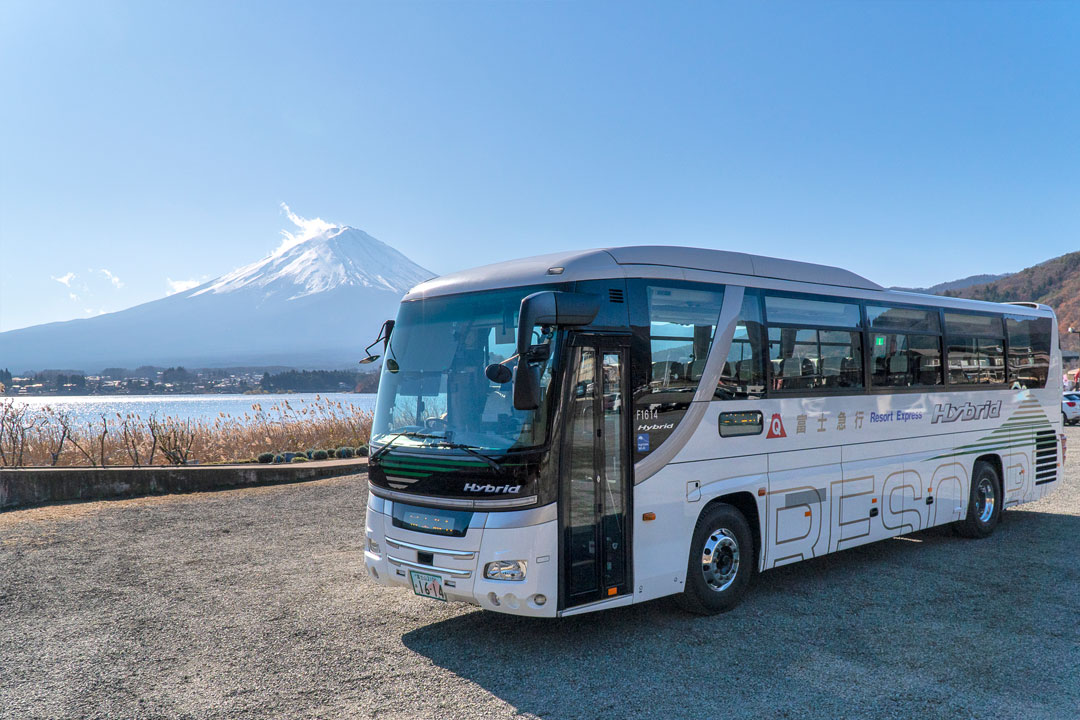
Three companies operate the route between them, Fujikyu Bus, Fuji Express and Keio Bus, with some Keio runs subcontracted to Nishi-Tokyo Bus. The coach that turns up may not carry the livery you expected. The reservation is what counts.
Coming back is the harder direction
Thirty-one of the 55 return departures leave between 14:00 and 19:00, which is exactly when everyone else is going home too. Two things make that worse than it sounds: the return sells out before the outbound does, and there is no standby. If a bus is full you do not travel, and the last one is at 20:15. Book the return when you book the outbound, even if your plans are loose, because ¥100 to cancel two days out is cheap insurance.
Traffic is the other risk, in either direction, and you carry it: the bus is not refunded if it arrives late, and the Chuo Expressway on a Sunday evening in autumn can add an hour without trying. If you have a flight or a shinkansen to catch that evening, take the train.
If the bus is full, or you would rather not deal with any of this
The Shibuya bus
The Shibuya–Kawaguchiko line is not part of the split and still books entirely on Highway Bus dot com. Keio itself offers it when Shinjuku is sold out. Worth knowing.
Other Tokyo-area buses
Fujiyama Connect already handles the Fuji Five Lakes routes from Tokyo Station, Yokohama, Omiya and Kaihin-Makuhari, so the site is worth learning anyway.
The train
The Fuji Excursion limited express runs Shinjuku to Kawaguchiko in about 1 hour 54 minutes for ¥4,200. Four round trips a day, plus a seasonal extra.
Bus or train?
| Highway bus | Fuji Excursion | |
|---|---|---|
| One-way fare | ¥2,200 | ¥4,200 |
| Time | About 1 h 45 min | About 1 h 54 min |
| Departures a day | 55 each way | 4 round trips, plus 1 seasonal |
| Affected by traffic | Yes | No |
| Seats | All reserved, no standby | All reserved, no unreserved cars at all |
| Where to book | Two sites, by operator | JR East, from 10:00 one month ahead |
There is one rail-pass trap worth stating clearly, because it is wrong on a lot of English pages. The Japan Rail Pass does not cover the whole journey. The Fuji Excursion runs through onto the Fujikyu Railway at Otsuki, and that section is not JR: pass holders pay ¥1,170 fare plus a ¥600 limited express charge, ¥1,770 each way. The JR TOKYO Wide Pass does cover it end to end, including a reserved seat on the limited express, and costs ¥16,000 for adults and ¥8,000 for children for three consecutive days. For Fujikyu’s own passes and whether any of them pays off, see our Fujikyu Railway pass guide.
The catch for pass holders is that the Fuji Excursion has no unreserved cars at all, so a pass does not by itself get you a seat. Reserve one as soon as your dates are fixed; on autumn weekends they go. If you end up without an assigned seat, ask JR staff before boarding rather than assuming you can stand. That is often how people end up on the bus anyway. If you are weighing a rail pass for a longer trip, our Mt. Fuji guide sets out where it pays for itself, and passes are sold online before you fly.
Once you arrive
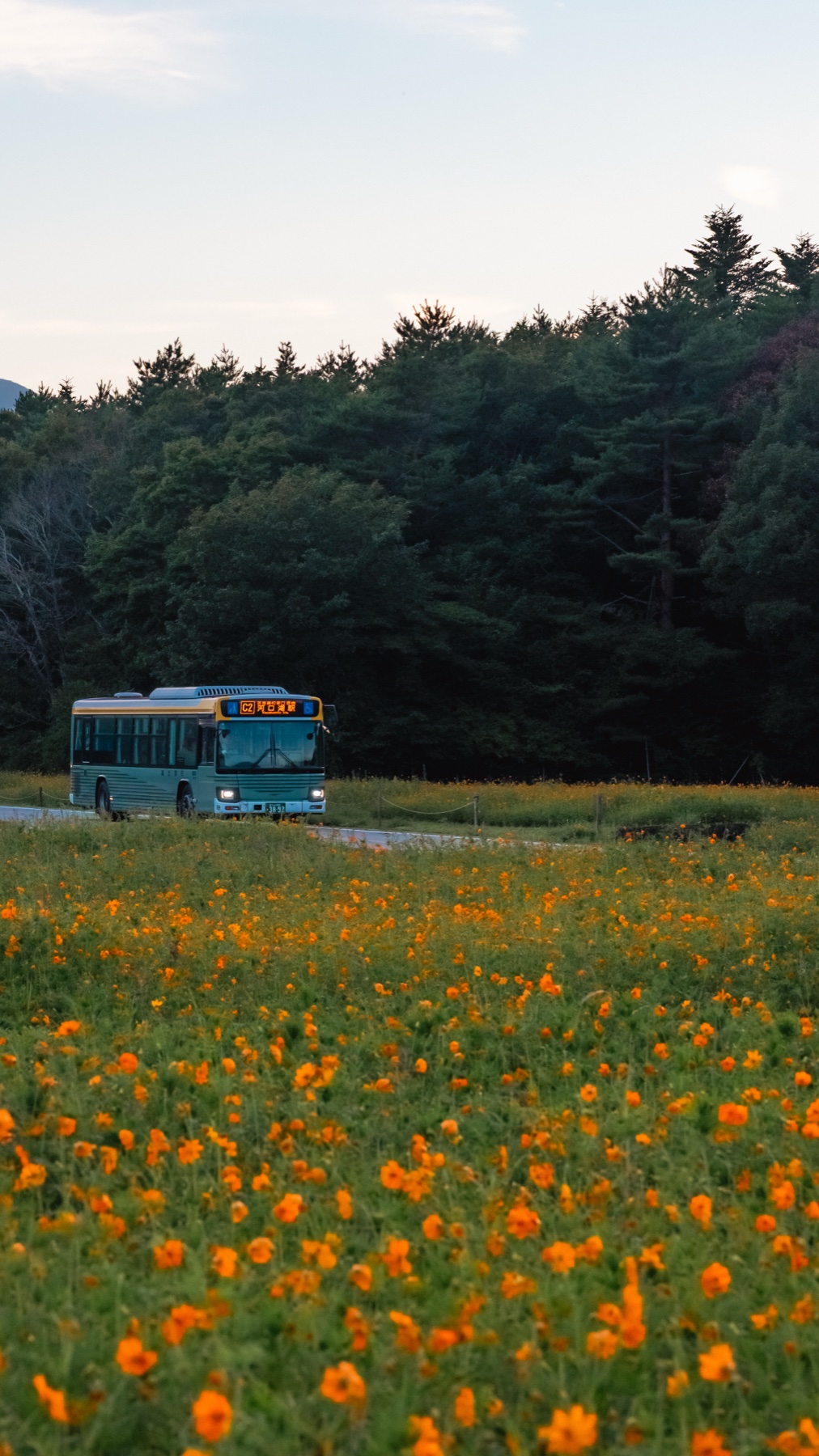
Kawaguchiko Station is the hub for local sightseeing buses around the lakes, and a one or two day pass on those is usually worth it. The ferry to Oishi Park is a better way to reach the north shore than the bus on a busy day. If you are heading up the mountain itself, two October departures from Busta, the 06:45 and the 09:35, run on to the Fuji Subaru Line 5th Station. The fifth station’s summer night bus, the 23:25 from Busta, is a seasonal service: it ran from 3 July to 9 September 2026 and has finished for the season, and the October timetable’s last departure from Busta is 22:25. The local railway line has a train worth catching if you like that sort of thing.
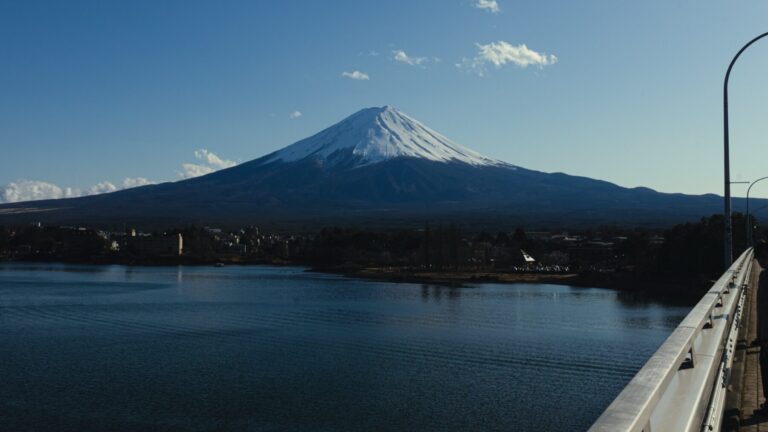
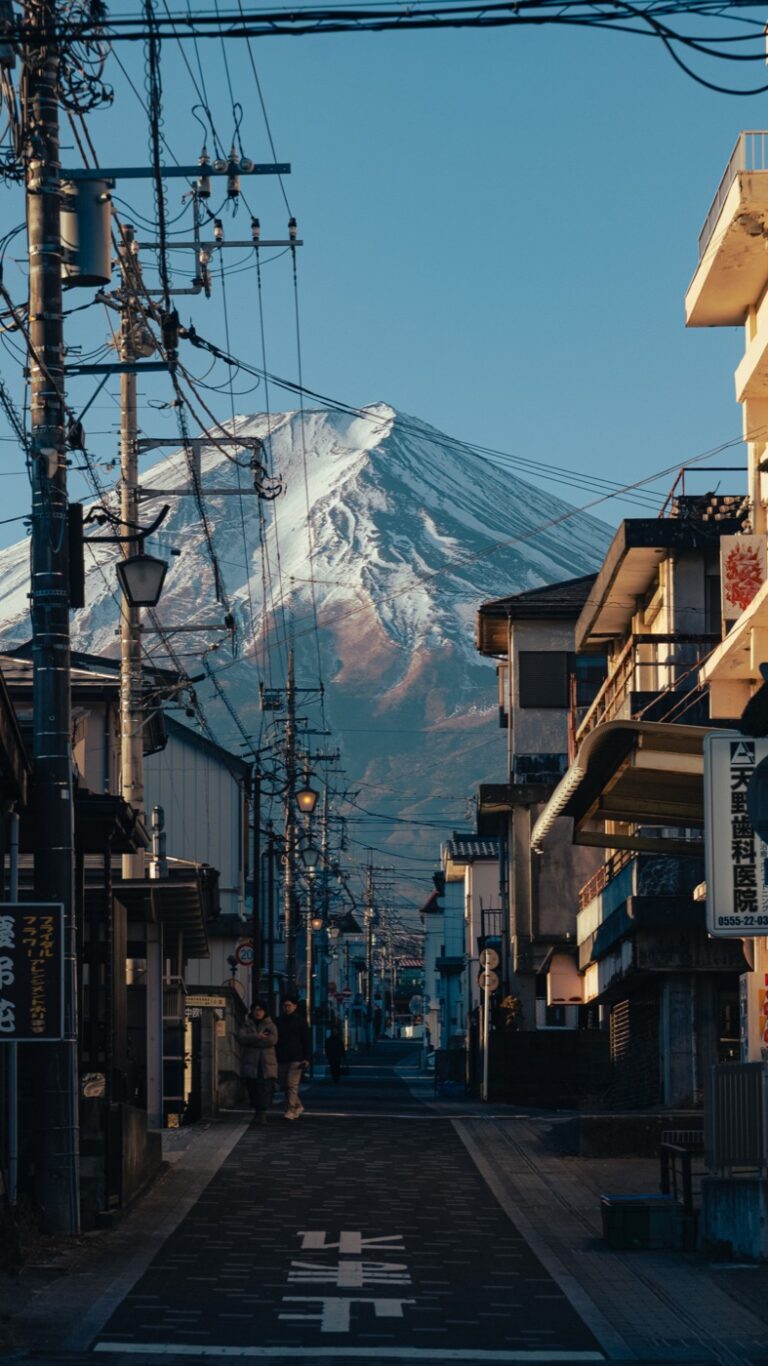
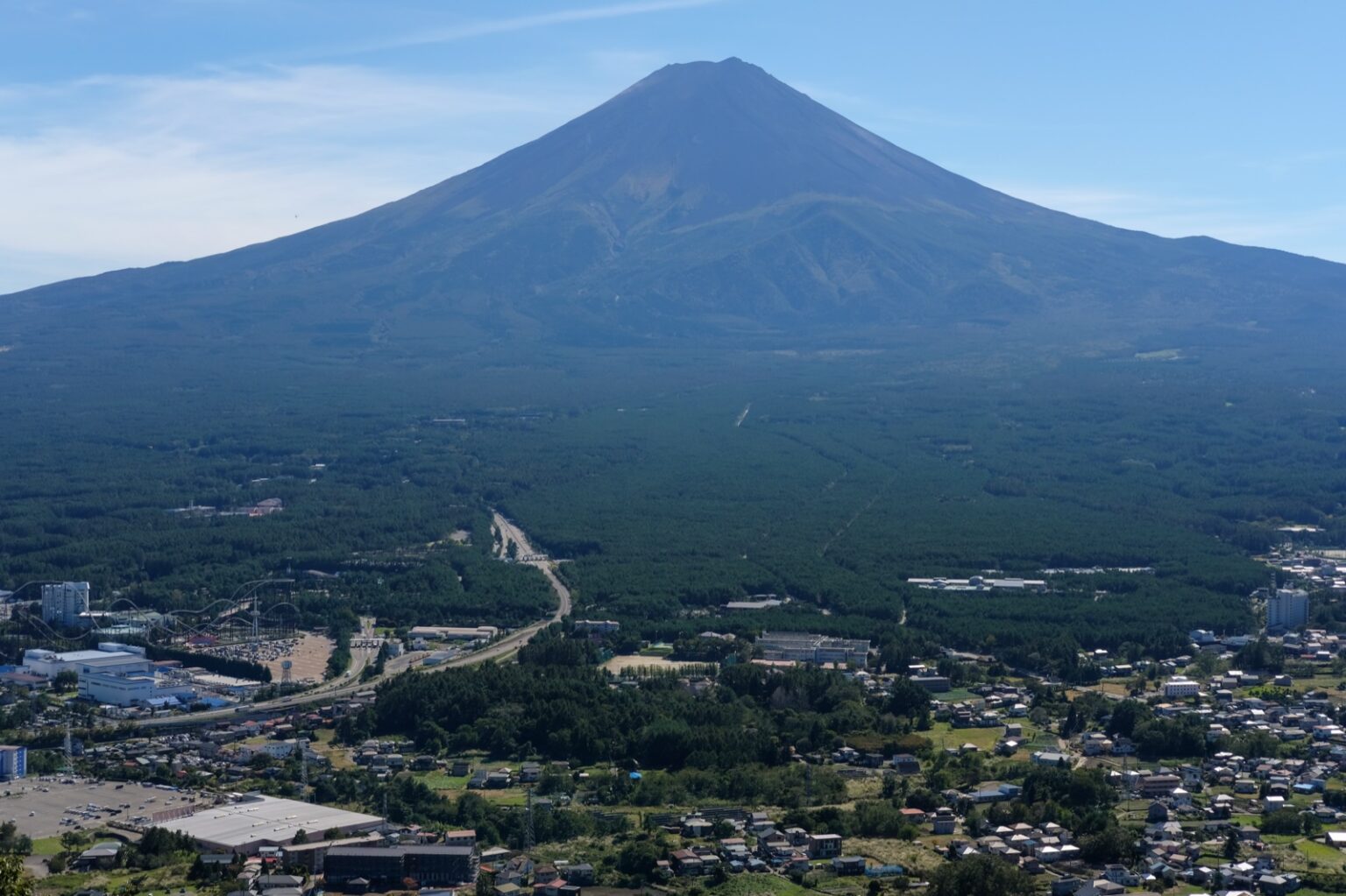
Before you commit to a date, it is worth looking at whether the mountain will be out. I photograph it every morning from Fujiyoshida, and in summer it is hidden more often than visible. A clear morning in October is a much better bet than a clear afternoon in August.
Common questions
Do I have to know which company runs my bus before I book?
No, but you have to notice it before you pay. Both sites list every departure and tag it. If you pick a Fujikyu bus on Highway Bus dot com it will send you to Fujiyama Connect to finish. The thing to avoid is booking one company’s bus and later deciding you want the other one, because that is a cancellation, not a change.
Can I just turn up and buy a ticket?
You can, if there is a seat, and on a weekday in low season there usually is. On weekends, in autumn, and through the morning peak, do not count on it. There is no standby: if the bus is full, you do not travel. For a Fujikyu bus, the simplest ticket is the web ticket from Fujiyama Connect: show it to the driver from the confirmation email or My Ticket, or as a printout (screenshots are not accepted), with nothing to collect at Busta.
How far ahead can I book, and when do sales close?
One month ahead, on the same date of the previous month. The two operators measure the closing time from different points: Highway Bus dot com takes online bookings until 10 minutes before the bus leaves your boarding stop, while Fujikyu’s route page says 10 minutes before the bus leaves its first stop, which is earlier if you board a return bus part-way along its route. Check the site you are booking on.
Is a screenshot of my ticket enough?
Not on Fujiyama Connect. Screenshots are explicitly invalid. Show the web ticket to the driver from the confirmation email or My Ticket, or bring a printout. If you are using your phone, have mobile data or the station Wi-Fi sorted before you get there.
Will my foreign credit card work?
Usually. Fujiyama Connect takes Visa, Mastercard, JCB, Amex and Diners, and also PayPay, Alipay+ and WeChat Pay. The operator’s own guidance warns that some overseas cards are declined, so have a second card or a wallet app ready rather than discovering it at the payment screen.
Can I get on the bus at Fuji-Q Highland going towards Kawaguchiko?
No. On the outbound leg the intermediate stops from Nodajiri onwards are marked alighting only. You can get off, not on.
What is the last bus back to Shinjuku?
20:15 from Kawaguchiko Station, arriving Busta at about 22:00. The one before it is 19:55. If you miss both, the Fuji Excursion has already finished for the day too, and you are looking at the local line to Otsuki and the JR Chuo line back.
Does the bus stop at a service area?
No. It is a straight run of about 1 hour 45 minutes with no scheduled break, so sort yourself out at Busta before you board.
Which buses actually reach Kawaguchiko Station?
Fifty-five of the 57 Shinjuku departures in the October timetable run through to Kawaguchiko Station. The two that do not are an extra 07:25, which runs daily, and an extra 07:05 that runs on designated days; both are Fujikyu buses that terminate at Fuji-Q Highland, and each leaves at the same time as a bus that does run through. Check the destination shown against the departure before you pay. Buses that continue to Lake Yamanaka, Hirano or the Fuji Subaru Line 5th Station all call at Kawaguchiko Station on the way.
Sources
- Keio Bus, 【新宿~富士五湖線】座席予約方法の変更について, press release dated 24 August 2026, and the October 2026 route timetable dated 25 August 2026.
- Fujikyu Bus route information and reservation FAQ for the Shinjuku–Fuji Five Lakes line, 24 August 2026.
- Highway Bus dot com line page and fare table for the Shinjuku–Fuji Five Lakes line, consulted 1 September 2026.
- Fujikyu Bus route page for the Shinjuku–Kawaguchiko line, and Highway Bus dot com booking terms for the line, consulted 27 September 2026; Highway Bus dot com booking terms, timetable and line page rechecked 8 October 2026.
- Fujikyu Bus, summer timetable notice for the Shinjuku–Fuji Five Lakes line, 16 June 2026, and the reservation FAQ for the line, consulted 8 October 2026.
- Fuji-Q Highland, tickets page and free admission ticket page, consulted 8 October 2026.
- Fujiyama Connect booking, ticket and cancellation guidance, consulted 1 and 27 September 2026.
- JR East, JR TOKYO Wide Pass; Japan Rail Pass scope of validity; Fujikyu Railway, Fuji Excursion fares.
Join travelers discovering Japan's hidden side
Weekly dispatches from off-the-beaten-path Japan — spots and stories you won't find in guidebooks.
No spam. Unsubscribe anytime.
Welcome aboard!
You're in. See you in your inbox soon.