Hokkaido · Autumn
Daisetsuzan: where Japan’s autumn colour begins in September
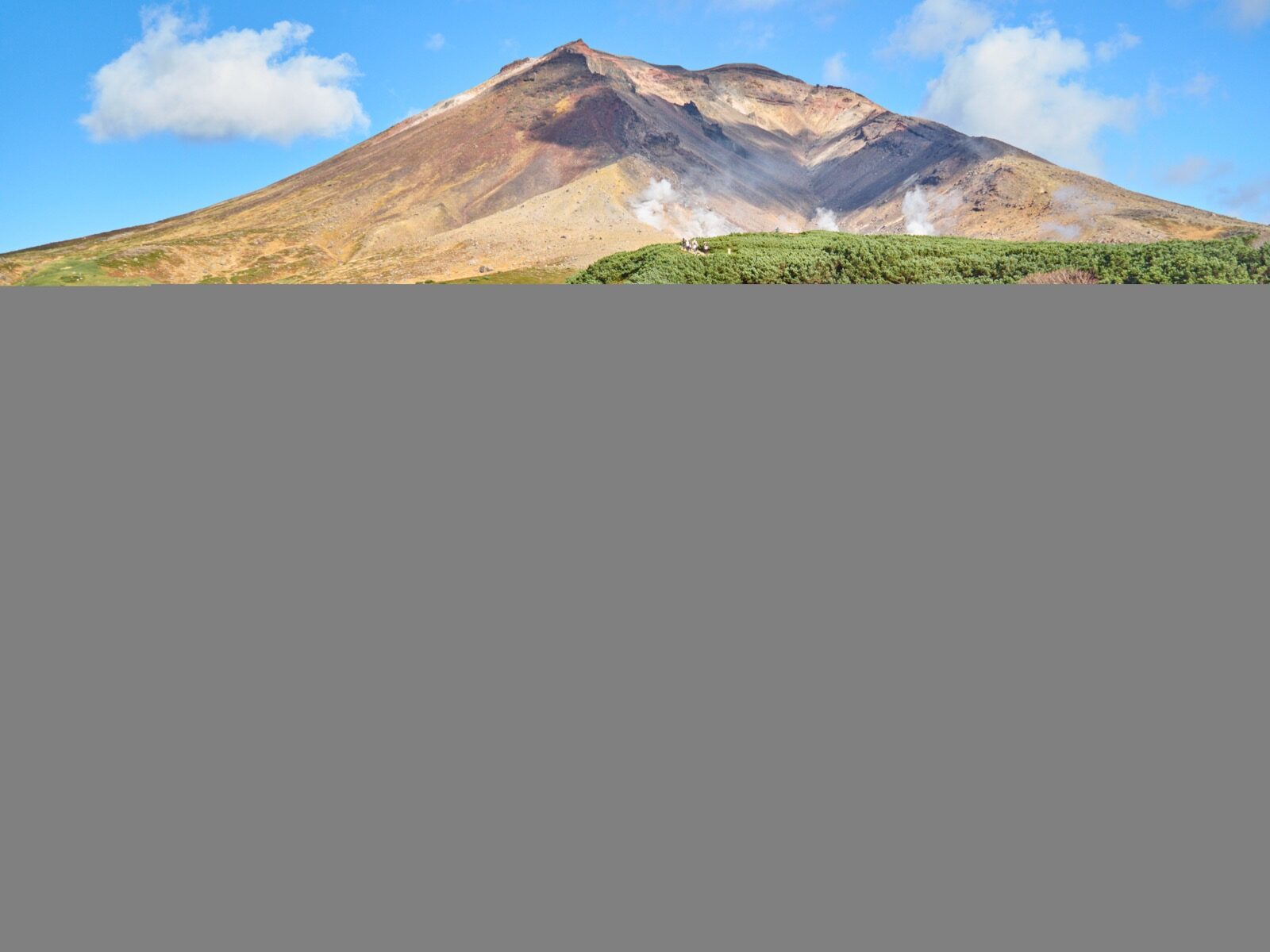
Japan’s autumn doesn’t begin in Kyoto — it begins in the middle of September, high on Hokkaido’s Daisetsuzan range, which the Ministry of the Environment calls the earliest autumn colour in the country. While the mainland is still in summer, the alpine slopes above the ropeways at Asahidake and the Ginsendai basin turn red and gold from around mid-September, weeks before Nikko or the Kyoto temples. It is the natural next step after a summer coolcation, and a chance to see koyo before the crowds even start thinking about it — if you come prepared for genuine mountain weather.
For the wider September koyo map beyond Daisetsuzan, start with my where to see Japan autumn leaves in September guide, then use this page for the Hokkaido mountain details.
Why it’s the earliest in Japan
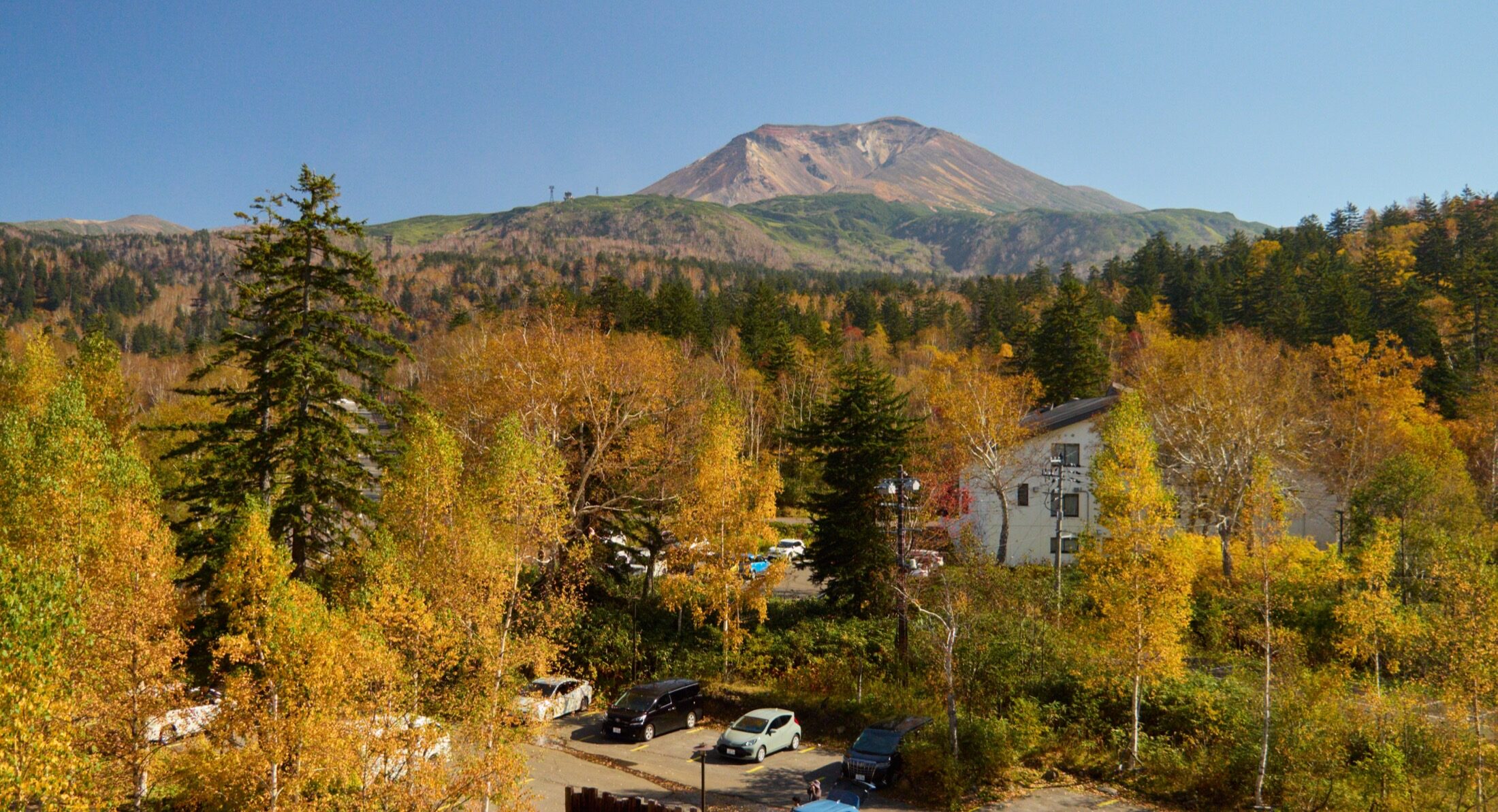
Daisetsuzan is Japan’s largest national park and its high plateau sits well above 1,500 metres. The Ministry of the Environment describes the Ginsendai colour as the autumn colour that arrives earliest in Japan, with a mid-September peak, and notes the alpine chinguruma shrubs begin turning from late August. Government tourism material says Asahidake, Hokkaido’s highest peak, colours from around mid-September — the earliest in the country. The colour then descends the mountain over about a month, reaching the hot-spring towns at the base by early October.
The practical version: the higher you go, the earlier it turns. In early September the very tops are already changing; by mid-September the ropeway-top basins are at their best; by late September the mid-slopes glow; and by early October the colour reaches Sounkyo Onsen in the gorge below.
The three gateways, by difficulty
You don’t need to be a mountaineer. Two of the three main gateways are ropeway rides to a short, well-made loop — the colour is right there when you step out at the top. The third is for people who want the classic view and are ready to book ahead. Getting around is easiest with your own car — compare Hokkaido rental cars, or check Hokkaido pickups on TOCOO, a Japan-based aggregator (coupon IJMEMZ takes ¥1,000 off a base rental of ¥10,000 or more, options excluded — check it shows before payment). Remember the Ginsendai road closes to private vehicles in peak season — or arrange a private transfer from Asahikawa Airport and connect by local bus.
| Gateway | Access | Ropeway fare | For whom |
|---|---|---|---|
| Asahidake (旭岳) | Ropeway from Asahidake Onsen, ~10 min | ¥3,500 return (Jun–Oct) | Easiest — airport-close |
| Kurodake (黒岳) | Ropeway from Sounkyo to 5th st. ~7 min (+lift to 7th ~15 min) | ¥3,000 return (+lift ¥1,200) | Onsen + gorge combo |
| Ginsendai (銀泉台) | Reserved shuttle bus only in peak season | ¥5,000 return shuttle | Serious — the classic view |
Asahidake — the easy one
The ropeway climbs from Asahidake Onsen to Sugatami station in about ten minutes. From the top, the Sugatami loop is roughly 1.7 km and takes about an hour past steaming vents and alpine ponds, with the coloured basin all around you. Top-season fare is ¥3,500 return (¥2,200 one way), charged 1 June–31 October; from 1 November the return drops to ¥2,800. Bus 66 “Ideyu-go” runs from Asahikawa Airport in about 60 minutes (¥1,650 one way) and from Asahikawa Station (¥2,300 one way, via the airport) — fares were revised on 1 September 2026 and there is no round-trip discount, so a return from the station is ¥4,600.
Kurodake — the onsen base
From Sounkyo Onsen, the ropeway reaches the fifth station in about seven minutes, where a 30-minute walking path gives you the colour without a climb; a chairlift continues from there to the seventh station (about 15 minutes) if you want to go higher. Ropeway is ¥3,000 return, the lift ¥1,200, or ¥3,900 for the set. Sounkyo also puts you beside the gorge and its waterfalls — the best base if you want scenery plus a soak.
Ginsendai — the classic view
The postcard Daisetsuzan koyo. In 2026, per Kamikawa Town’s autumn-regulation notice, the access road is closed to private cars Sep 12–23, with a reserved shuttle from the Sounkyo information centre (¥2,500 one way, ¥5,000 return). Reservations open around mid-August — confirm before you plan, because peak weekends fill. Don’t assume walk-up seats; check the current shuttle system with Kamikawa Town before you go.
Where to stay, and what else to see
Two hot-spring towns anchor the range. Sounkyo Onsen sits in the gorge, ringed by columnar-basalt cliffs, and works as the base for Kurodake and the Ginsendai shuttle; its Ryusei and Ginga falls are among Japan’s hundred-select waterfalls, visible together from the Sobaku-dai viewpoint. Asahidake Onsen is the quieter base right at the foot of the Asahidake ropeway. Either lets you be at the top for the morning light, which is when the colour reads best and the cloud is thinnest. Rooms in both towns are limited and the koyo weeks book up early, so compare onsen stays on Booking or on Agoda well ahead.
The bridge from summer to autumn
Once the colour leaves Daisetsuzan it walks south and downhill for the next two and a half months. Our live koyo tracker follows it region by region, and Ginsendai is the other Daisetsuzan trailhead worth timing — private cars are barred there from 12 to 23 September 2026.
If you spent the late summer chasing cool air, Daisetsuzan is where that trip turns into an autumn one. It’s the first colour of the season, a full month before the mainland — a natural sequel to a Japan coolcation, a cool finish to summer in Japan, and a head start on the October foliage that follows to the south. For everything else happening this month, see the September calendar.
Planning the early-koyo trip north
FAQ
When exactly does Daisetsuzan’s autumn colour peak?
Roughly mid-September at the highest gateways (Ginsendai and Asahidake), with the very summits turning from early September and the base towns not until early October. Exact 2026 timing depends on the weather and won’t be known until the weeks before — check the ropeway operators’ and Kamikawa Town’s bloom updates before you commit to dates.
Do I need to hike, or can I just take the ropeway?
You can just take the ropeway. At Asahidake the Sugatami loop is about an hour of easy walking from the top station; at Kurodake a 30-minute path from the fifth station shows the colour with almost no climb. Full summit climbs and traverses are a different, serious undertaking that needs experience, gear, and bear awareness.
How cold is it in September?
Cold at altitude. The valley towns average around 15–16°C, but it is much colder and windier on the tops, and snow can fall from mid-September. Bring a warm layer, full rain gear, gloves and a hat even for the ropeway loops.
How do I get there from the airport?
Asahikawa Airport is closest: bus 66 reaches Asahidake in about 60 minutes (¥1,650 one way after the 1 September 2026 fare revision; from Asahikawa Station it is ¥2,300, and there is no round-trip discount). Sounkyo is reached via Asahikawa (about 110 minutes by bus). From New Chitose Airport, allow about 2 hours 10 by rail to Asahikawa, then a connecting bus — so Daisetsuzan is a stay, not a day trip.
What is the Ginsendai car regulation, and do I need to book?
During peak koyo — Sep 12–23 in 2026 — private cars can’t use the Ginsendai road; access is by reserved shuttle only (¥5,000 return). Reservations open around mid-August. If you want the classic Ginsendai view, book ahead; there is no walk-up option during the regulation.
Sources
Ministry of the Environment (Daisetsuzan National Park highlights & safety); Kamikawa Town (2026 autumn traffic regulation, Ginsendai/Sekkaku); Sounkyo & Kurodake ropeway (Rinyu); Asahidake ropeway; Higashikawa and Sounkyo tourism associations; Asahikawa Denki Kido bus; Visit Hokkaido; Japan Meteorological Agency climate normals. Fares, schedules and the 2026 shuttle reservation window verified August 2026; confirm before travel.
More for September: the full Japan in September 2026 calendar · Japan coolcation guide.
Join travelers discovering Japan's hidden side
Weekly dispatches from off-the-beaten-path Japan — spots and stories you won't find in guidebooks.
No spam. Unsubscribe anytime.
Welcome aboard!
You're in. See you in your inbox soon.