
Japan · Seasonal Guide
Summer in Japan runs from June’s rains to late-August’s heavy heat: Tokyo averages a 31°C high in August at around 74% humidity, the rainy season usually clears Kanto by mid-to-late July, and Mt Fuji opens to climbers on July 1. This is a local’s map of the season — what the weather actually feels like, when the festivals and fireworks land, where to escape the heat, and how to plan around the rains, the Obon crowds and the typhoons.
What summer actually feels like
Japanese summer arrives in three acts. June is the rainy season — tsuyu — warm and grey, the air thick, the hydrangeas at their best and the crowds thin. Then around mid-to-late July the rains lift, and the real heat lands: late July through August is hot and sticky, with Tokyo sitting near a 31°C daytime high and humidity in the mid-70s that makes it feel hotter than the number. By September the heat hangs on but the typhoons get serious. If you only remember one thing, it’s that the humidity, not the temperature, is what wears you down — and that the country gives you easy ways to climb out of it.
| Month | Avg high | Avg low | Humidity | What it’s like |
|---|---|---|---|---|
| June | 26°C | 19°C | ~75% | Rainy season; hydrangeas, fewer crowds, low fares |
| July | 30°C | 22°C | ~76% | Rains clear mid–late month; Fuji opens, festivals start |
| August | 31°C | 24°C | ~74% | Hottest; fireworks, Obon crowds, first typhoons |
Tokyo daily-normal highs, lows and humidity, JMA 1991–2020. For contrast, highland Karuizawa averages a 26°C August high with 17°C nights, while the Kyoto basin bakes at 34°C and Okinawa‘s heat is defined by tropical nights that never drop below the mid-20s.
Beat the heat: where to escape
See also: where summer heat-escape searches are surging in 2026 — the data behind the trend.
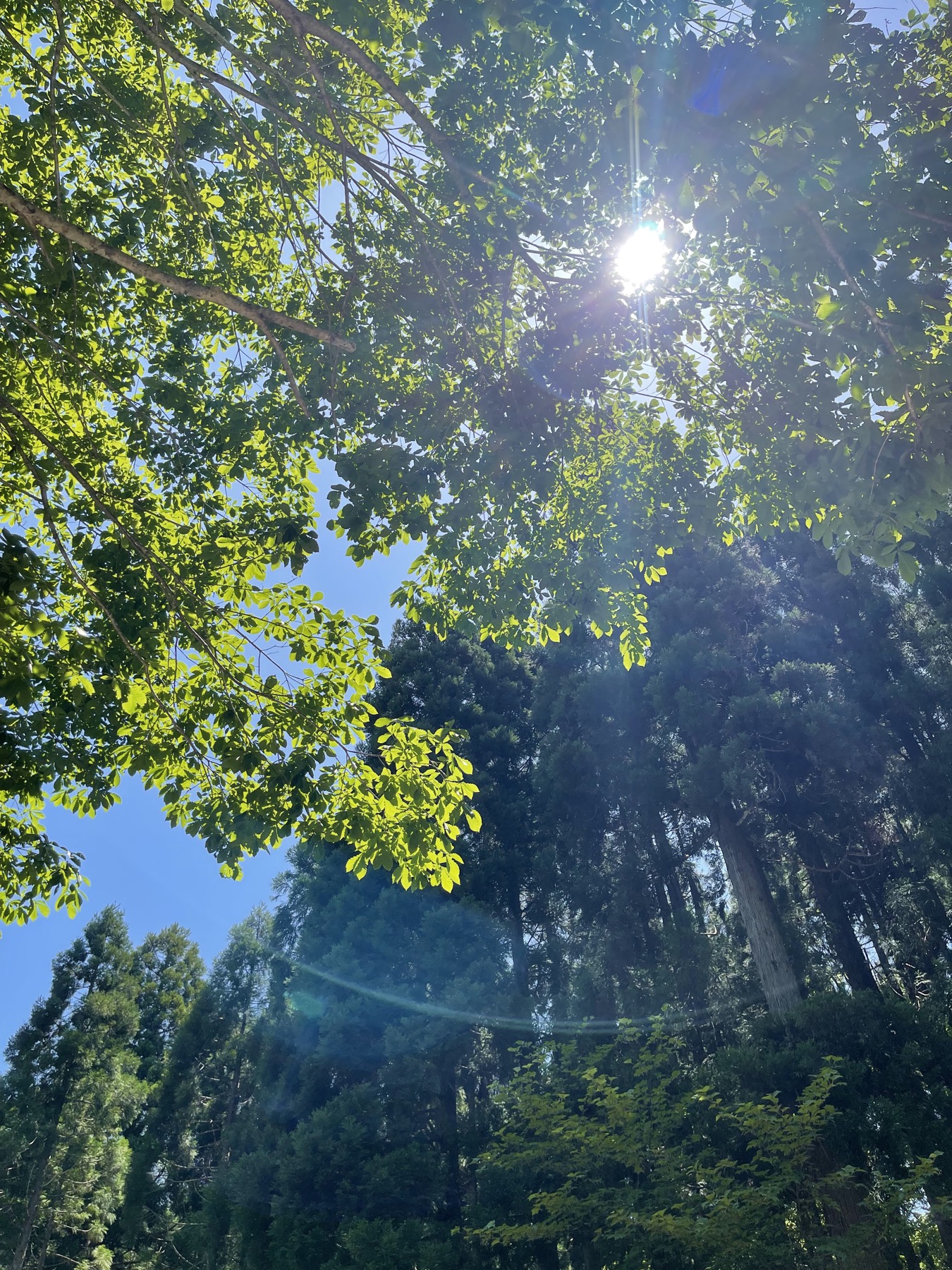
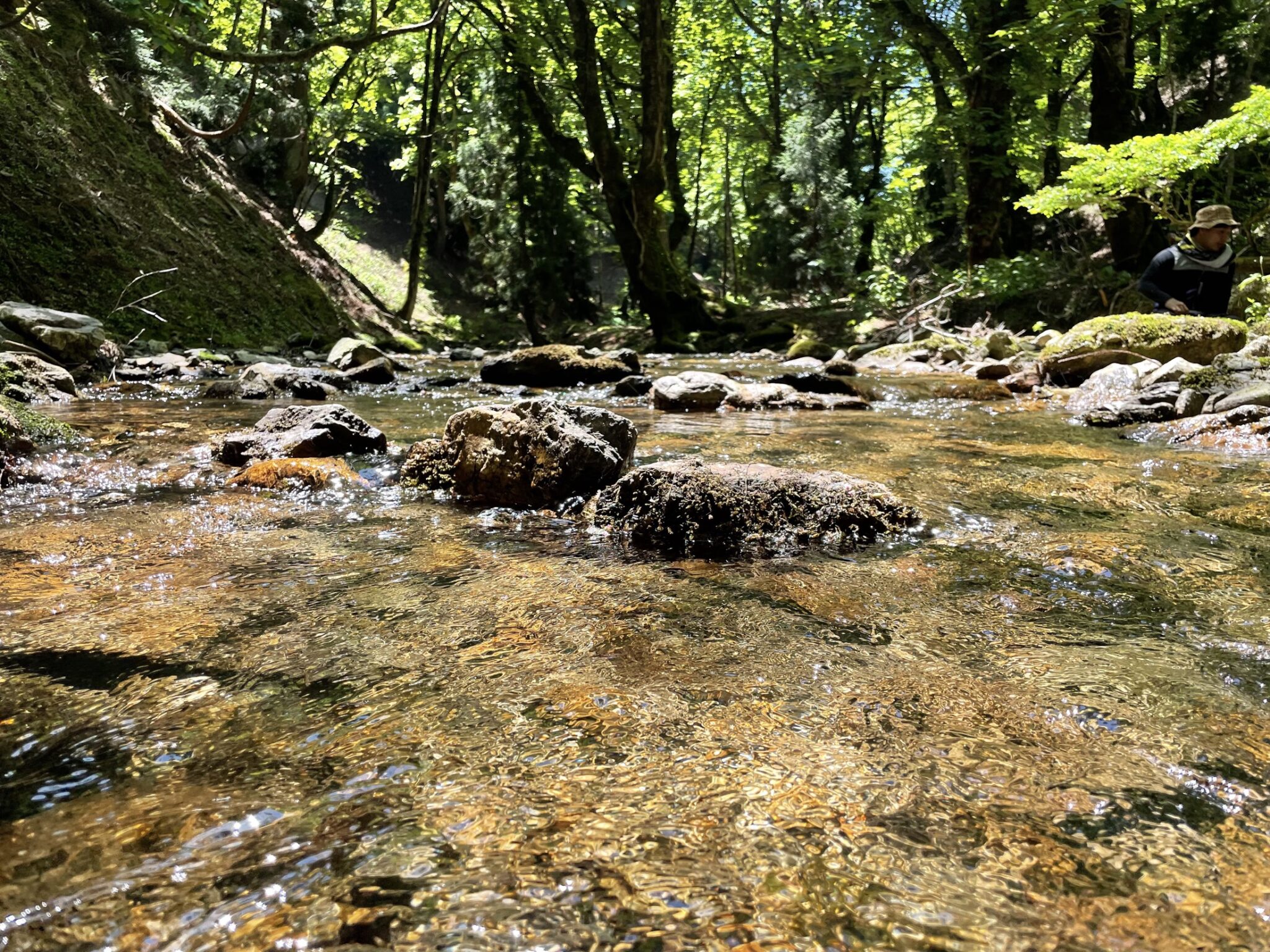
The single best move in a Japanese summer is altitude. Climb 1,000 metres and August nights fall to the mid-teens; the highlands of Nagano and the forests of the north are where Japanese families have always gone to cool off. The clear, cold rivers of Kamikochi in the Northern Alps are maybe the country’s finest summer escape — here’s how to get there — and the primeval cedars of Ashiu Forest behind Kyoto stay green and cool even in August. Closer to Fuji, Lake Saiko trades the heat for water and campgrounds, while Hakuba Iwatake lifts you above the valley on a gondola. If the heat has you craving calm over sightseeing, that’s the whole idea behind a calmcation.
Climbing Mt Fuji: the one-season window
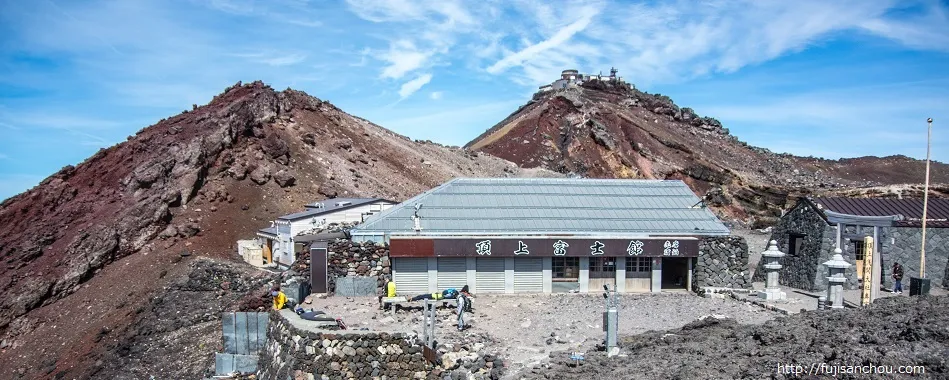
Mt Fuji is only open to climbers for about ten weeks a year, and that window is summer. For 2026 the Yoshida trail (Yamanashi side) and the Subashiri trail open on July 1; the Fujinomiya and Gotemba trails follow on July 10; all four close on September 10. There’s now a ¥4,000 per-person fee on every trail. On the busy Yoshida route, a daily cap of 4,000 climbers applies, the trailhead gate is closed 14:00–03:00 to anyone without a mountain-hut booking, and rangers run an equipment check at the 5th Station — warm layers, separate top-and-bottom rain gear and real hiking shoes, or you’re turned back.
If you’re going up, read the full 2026 climbing guide first, then the realities of the mountain huts where most people sleep, the overnight climb to the summit, and how to time the goraiko sunrise. Not climbing? You can still catch the mountain’s best summer trick — the sun balancing on the summit — from the lakes; see the Diamond Fuji calendar and the Lake Yamanaka spots.
Plan a Summer Trip
Festivals & fireworks
And summer’s biggest sporting spectacle belongs on any August list: the National High School Baseball Championship at Koshien (from Aug 5, near Osaka) fills a historic stadium with brass bands and hometown pride — one of Japan’s great summer atmospheres.
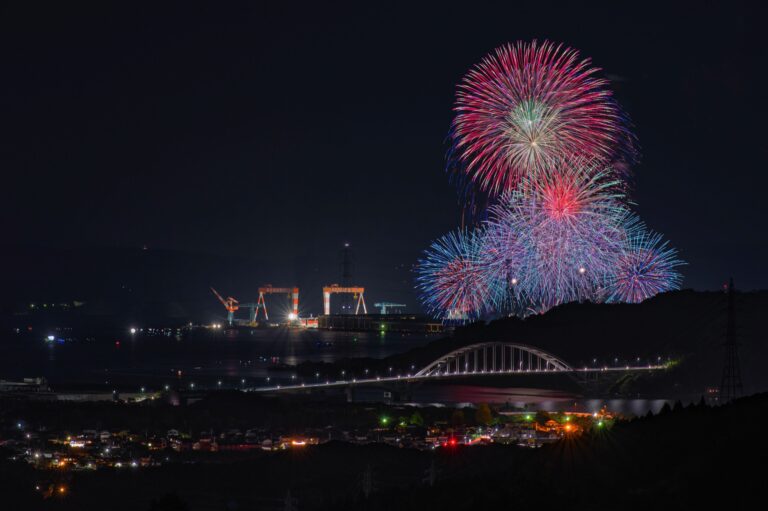
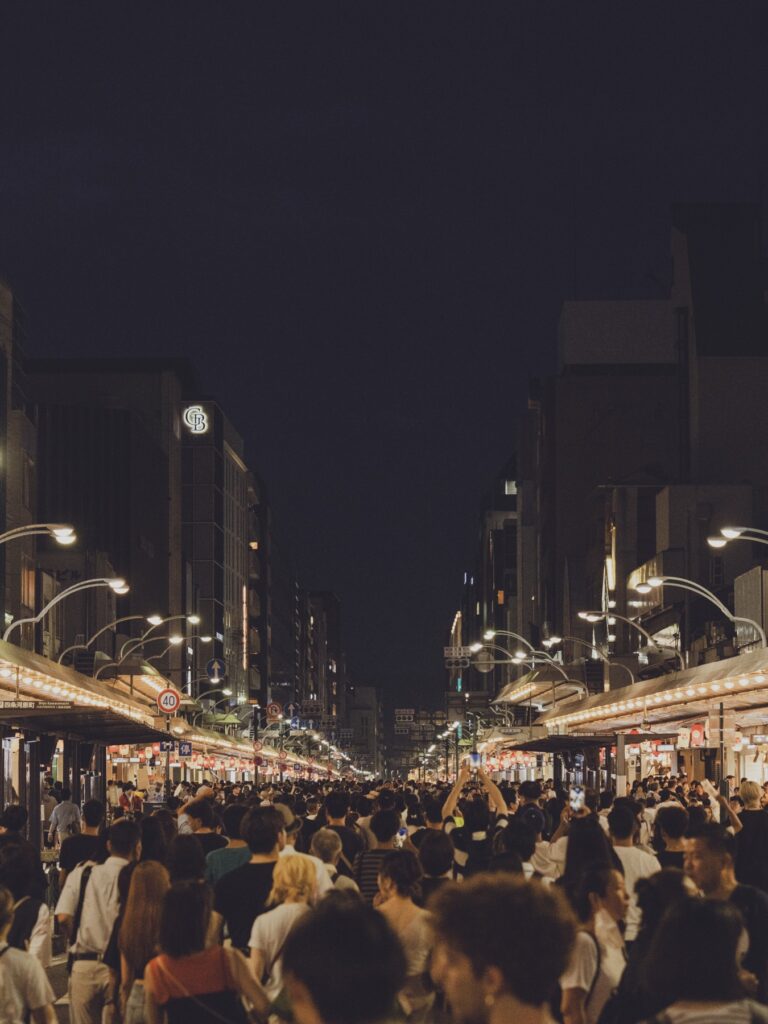
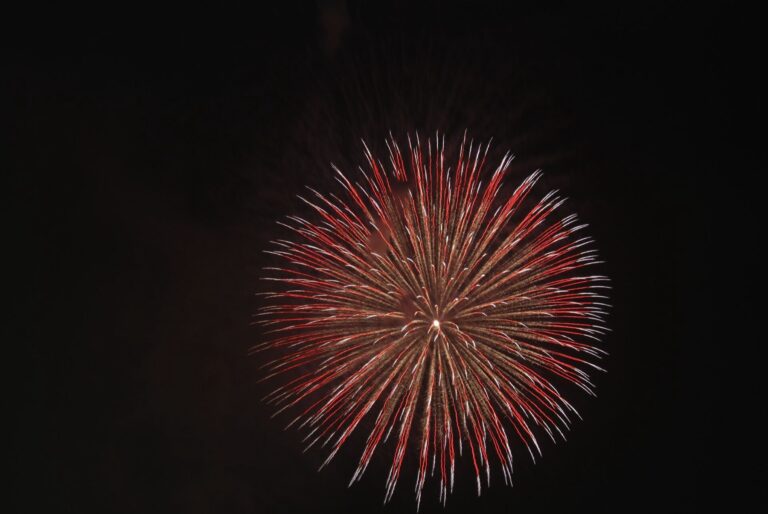
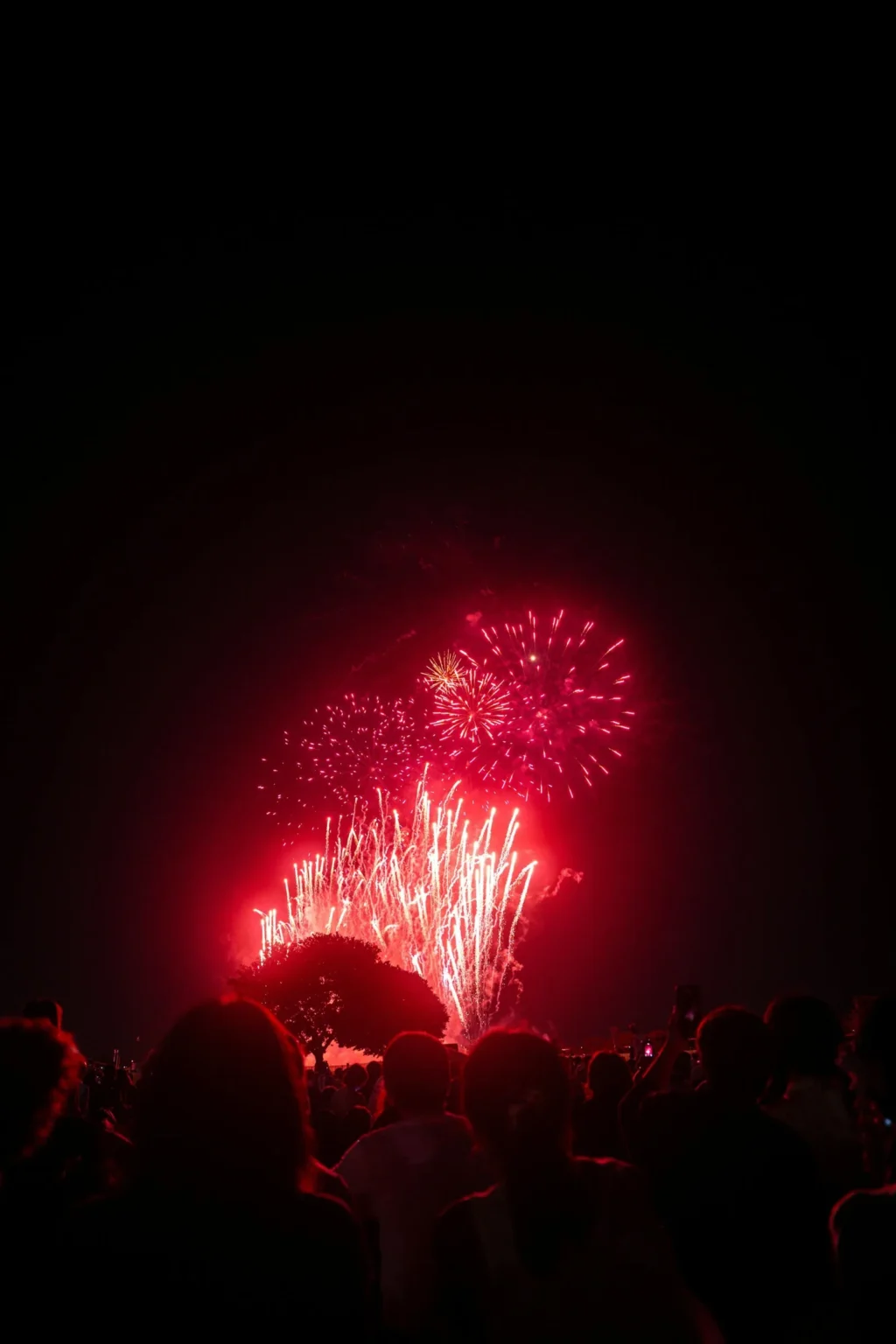
Summer is Japan’s festival high season — the matsuri and the hanabi (fireworks). Kyoto’s Gion Matsuri fills the whole of July, with the float parades on July 17 and July 24 and the lantern-lit Yoiyama eve-nights before each; here’s the Gion Matsuri guide. Osaka’s Tenjin Matsuri peaks on July 24–25 with a river procession and fireworks, and Tokyo’s Sumida River Fireworks light up the evening of Saturday July 25, 2026 with around 20,000 shells. In August the north takes over: Aomori’s Nebuta (Aug 2–7) and Tokushima’s Awa Odori dance festival (Aug 11–15). One Osaka fireworks night has moved out of summer: the Naniwa Yodogawa Fireworks, for decades an August show, is on Saturday, October 17, 2026. Beyond those big-name events, it’s the smaller neighbourhood bon odori you can actually step into and dance. For the full month-by-month list, see the Japan festival calendar; for a quieter lakeside fireworks night under the Alps, Lake Suwa; and for the strangest summer date on the calendar, the matchlock-and-rocket island of Tanegashima.
The rainy season & hydrangeas
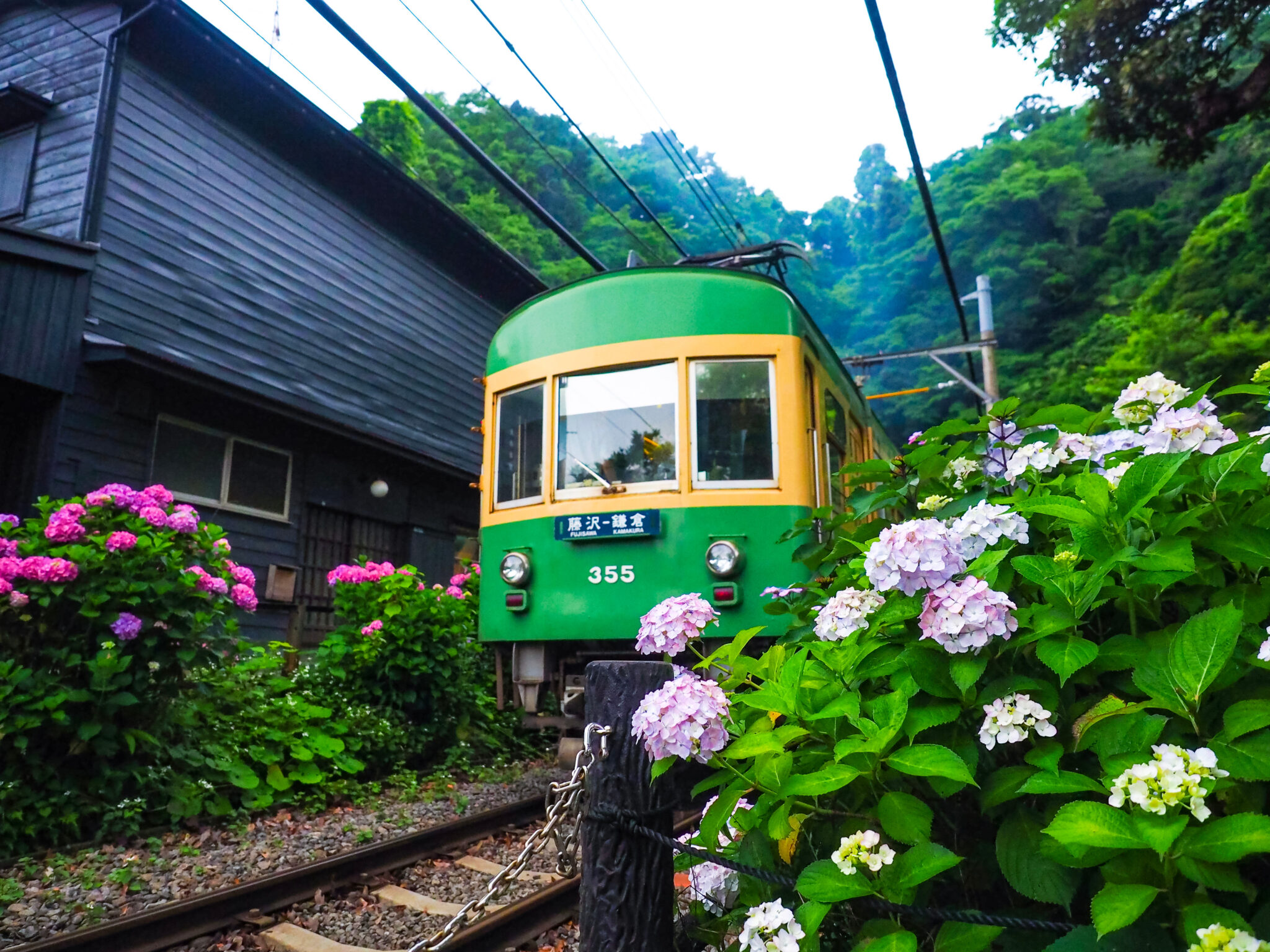
Don’t write off June. The rainy season (tsuyu) reaches Tokyo around June 7 on average and clears by about July 19 — though it arrives weeks earlier in Okinawa and Kyushu (Okinawa was already in tsuyu by early May in 2026) and runs later in Tohoku. The rain comes in spells rather than all day, the temples empty out, fares drop, and the hydrangeas (ajisai) hit their peak. It’s quietly my favourite stretch of the year. Start with the tsuyu calendar and indoor backups, then the twin Hasedera hydrangea temples and the 10.6 km of blooms at Kaisei Ajisai no Sato. For the whole month laid out day by day, see Japan in June.
Sea, sparkle & cool water
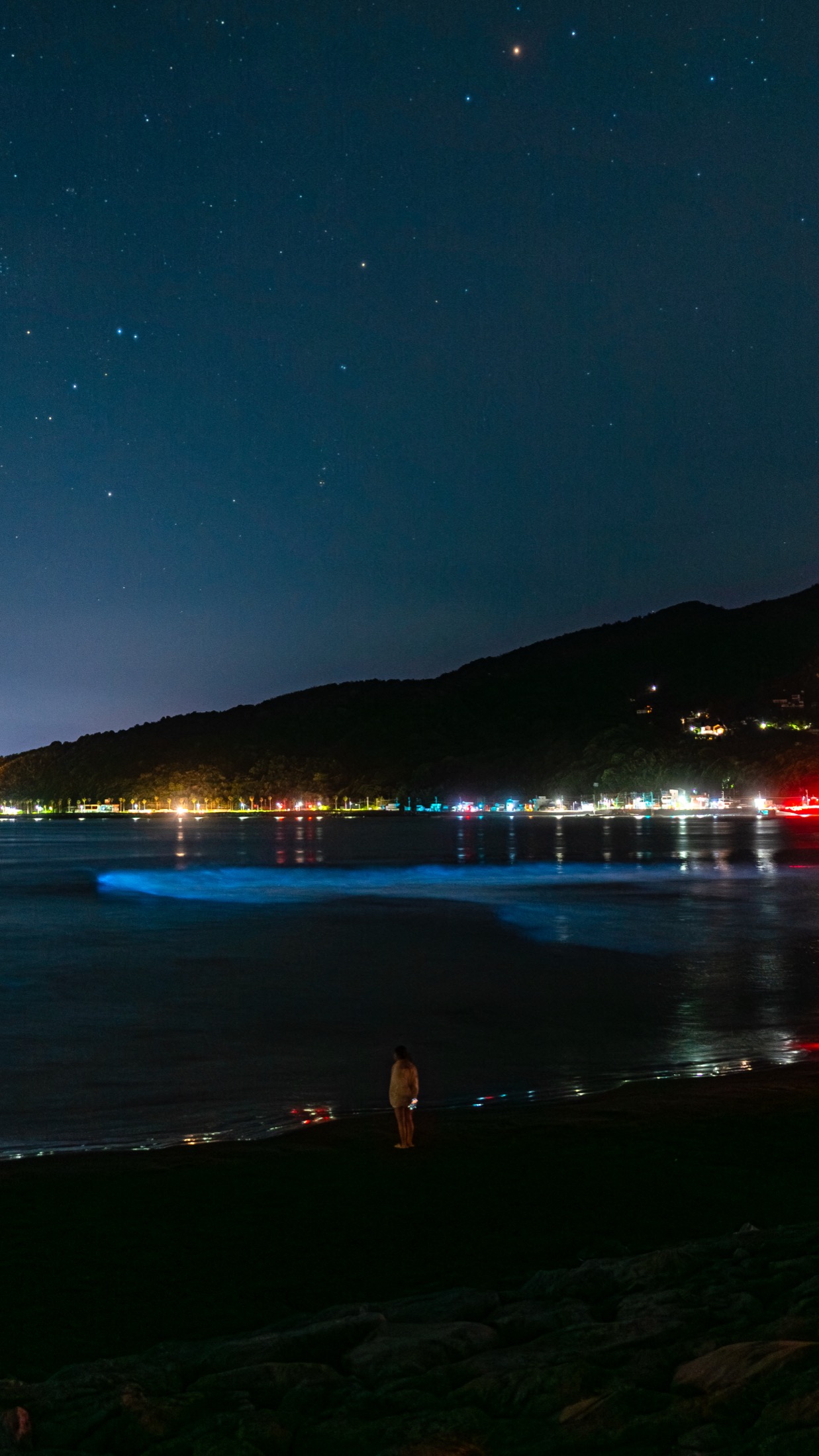
The ocean swimming season opens with umi-biraki beach ceremonies in early July and runs through August — Kamakura’s Yuigahama, for example, is supervised July 1 to August 31, though many locals stop after Obon when the jellyfish arrive. The most magical summer water, though, glows: from late May into June, plankton turn the night waves an electric blue. Start with what sea sparkle is, where it’s been glowing this year, and how to photograph it; up in Toyama Bay the same trick belongs to the firefly squid. For an ordinary summer dawn that beats any midday beach, there’s the Shonan coast at 5 AM.
What to eat when it’s hot
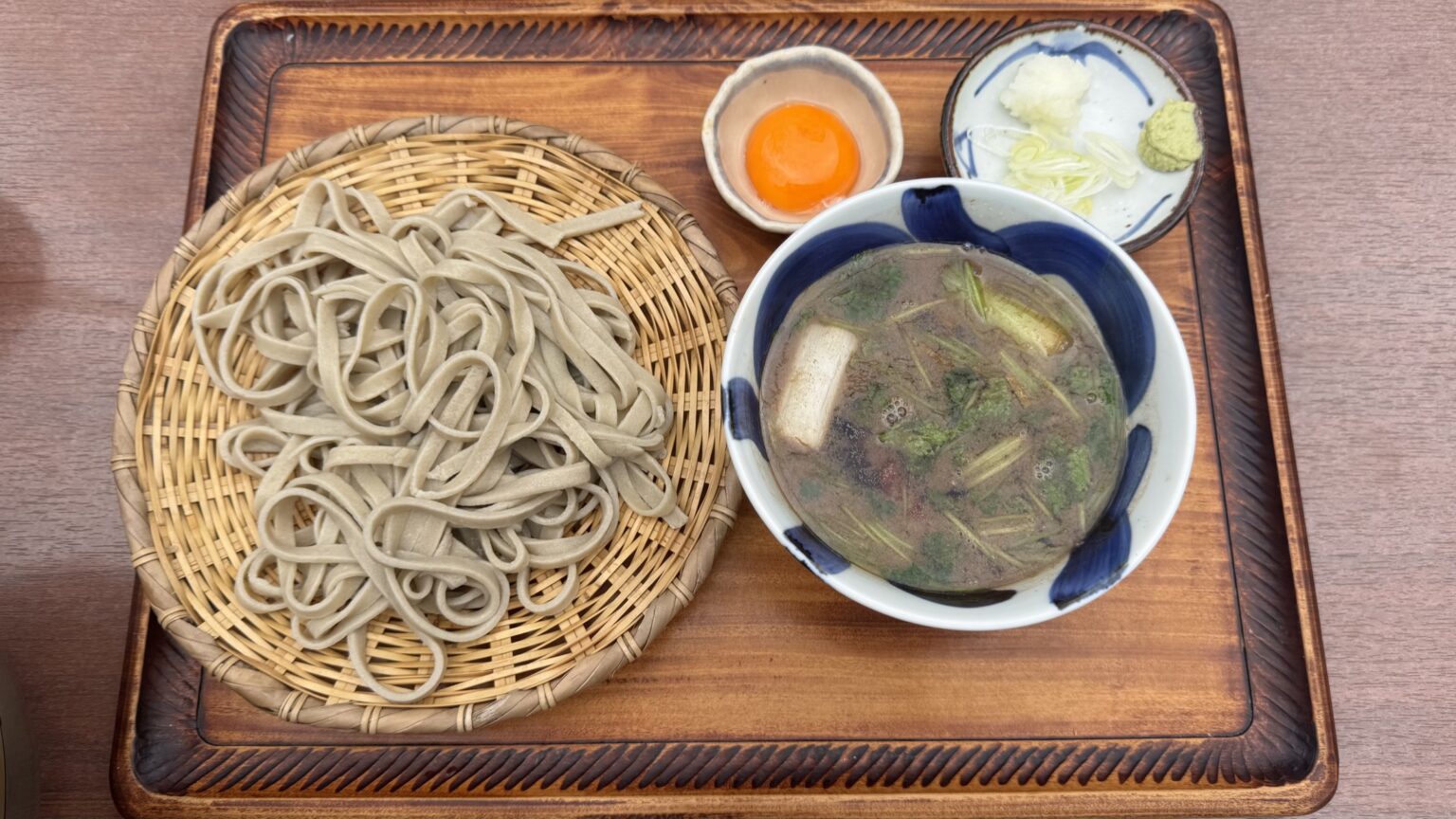
Summer food in Japan is built around cooling down. Chilled somen and cold hand-cut seiro soba, hiyashi chuka cold ramen, mountains of shaved-ice kakigori, and — on the hottest “ox days” of late July and August — grilled unagi eel, the traditional stamina food. The most theatrical version is nagashi somen — noodles you catch from a flume of running mountain-stream water at riverside spots through the summer.
Where to stay in summer
Two rules: book Obon week (mid-August) and the big festival nights months ahead, and consider a cooler base — the Nagano highlands or Hokkaido instead of a sweltering city. Booking has the widest hotel spread; Rakuten Travel has the better inventory for highland ryokan and onsen inns.
Typhoons & what actually cancels
Typhoon season overlaps the back half of summer. Statistically about 25 typhoons form in the western Pacific each year, roughly a dozen approach Japan and around three make landfall, and the peak is August and September — September tends to bring the most damage, when an autumn rain front feeds the storms. They routinely cancel flights, suspend trains (including the shinkansen, via planned “keikaku unkyu” shutdowns) and stop ferries — when Typhoon Jangmi brushed the Pacific coast in early June 2026, around 900 flights were grounded in a single day. It’s rarely a trip-ender, but it’s a reason to keep a day of slack and travel insurance. The full picture, with live trackers, is in the typhoon-season guide.
Month by month
May
The shoulder before summer — wisteria, early festivals and the year’s cheapest week, before the rains.
June
Rainy season and hydrangeas, fireflies, low fares and thin crowds. Underrated.
July
The rains lift, Mt Fuji opens, and Gion Matsuri and the great fireworks fill the calendar.
August
The hottest month — Tohoku’s festivals, the biggest fireworks, and the Obon travel crush.
July–August festivals
Gion, Tenjin, Nebuta, Awa Odori and the great fireworks nights, laid out by date.
Or skip the rush
If the heat and crowds aren’t your thing, plan the summer as a calmcation instead.
Good to know
When is summer in Japan, and when is it hottest?
Summer runs June through August (with a hot, typhoon-prone September). June is the rainy season; the heat peaks from late July through August, when Tokyo averages about a 31°C high with mid-70s humidity. August is the hottest month by the long-term normals.
When is the rainy season (tsuyu)?
In Tokyo/Kanto it typically starts around June 7 and ends around July 19 (JMA averages). It begins weeks earlier in Okinawa and Kyushu and ends later in Tohoku. Exact 2026 end dates are declared by the JMA through the season; the rain comes in spells, not all day, so June is very doable.
Can you climb Mt Fuji in summer 2026?
Yes — that’s the only time you can. The Yoshida and Subashiri trails open July 1, 2026; Fujinomiya and Gotemba open July 10; all close September 10. There’s a ¥4,000 per-person fee, a 4,000-climber daily cap and a 14:00–03:00 gate closure on the Yoshida trail (open only to those with a hut booking), plus an equipment check at the 5th Station.
How do I escape the heat in Japan?
Gain altitude or go north. Highland spots like Kamikochi, Karuizawa and the Nagano Alps run 5–6°C cooler than Tokyo, with mid-teens nights; Hokkaido is milder overall. Forests, lakes and the cool north are where locals go in August.
What are the big summer festivals and fireworks?
Kyoto’s Gion Matsuri (float parades July 17 and 24), Osaka’s Tenjin Matsuri (July 24–25), Tokyo’s Sumida River Fireworks (Saturday July 25, 2026), Aomori’s Nebuta (Aug 2–7) and Tokushima’s Awa Odori (Aug 11–15) are the headliners.
Should I worry about typhoons?
Be aware, not afraid. The peak is August–September; about three typhoons make landfall in a typical year, and they can cancel flights, trains and ferries for a day or two. Build in a buffer day, get travel insurance, and watch the forecast in your second week.
Is summer a good or bad time to visit Japan?
It’s the liveliest season — festivals, fireworks, green mountains, glowing seas — but also the hottest and, in mid-August, the most crowded and expensive (Obon). June (rainy season) is the quiet, cheap sweet spot if you don’t mind some rain.
Japan’s Hidden Gems (44 by region)
Where locals actually go: Japan’s hidden gems by region.
Akita Kantō Festival
One of Tōhoku’s three great festivals — lantern poles over Akita every 3–6 August.
Kashiho Mase: An Izu Wagashi Shop
Old-school Izu sweets near the Atami onsen.
Japan in June
Day-by-day: hydrangeas, fireflies and the cheapest week of the year.
Climbing Mt Fuji 2026
Trails, the ¥4,000 fee, the daily cap and how to actually book it.
Sea Sparkle 2026
Where Japan’s night waves are glowing electric blue.
Typhoon Season 2026
Climatology, live trackers and what actually gets cancelled.
Plan the Summer Trip
Three doors into a Japanese summer. Book the bed and the rail first.
Join travelers discovering Japan's hidden side
Weekly dispatches from off-the-beaten-path Japan — spots and stories you won't find in guidebooks.
No spam. Unsubscribe anytime.
Welcome aboard!
You're in. See you in your inbox soon.