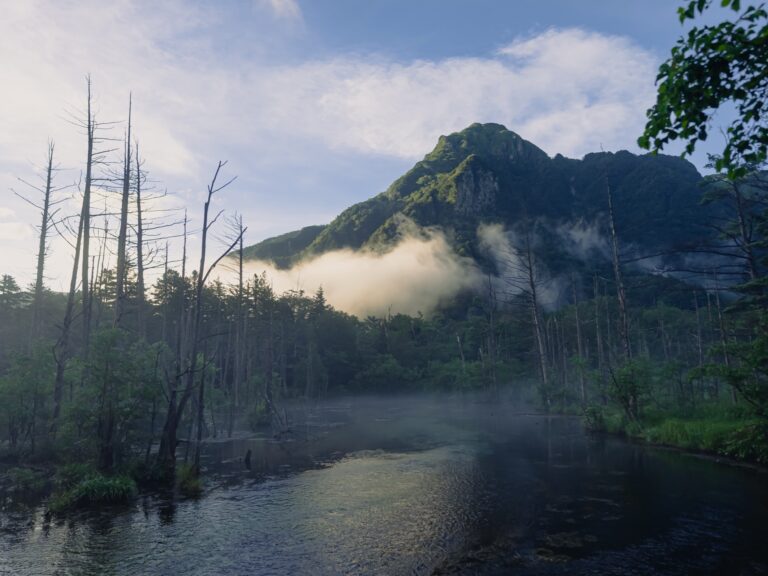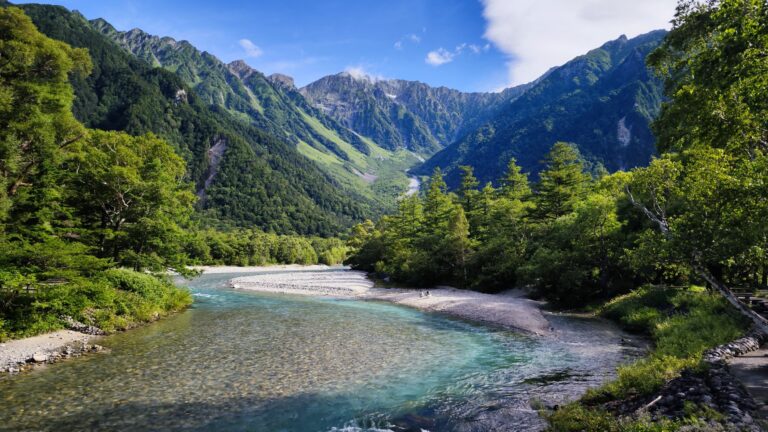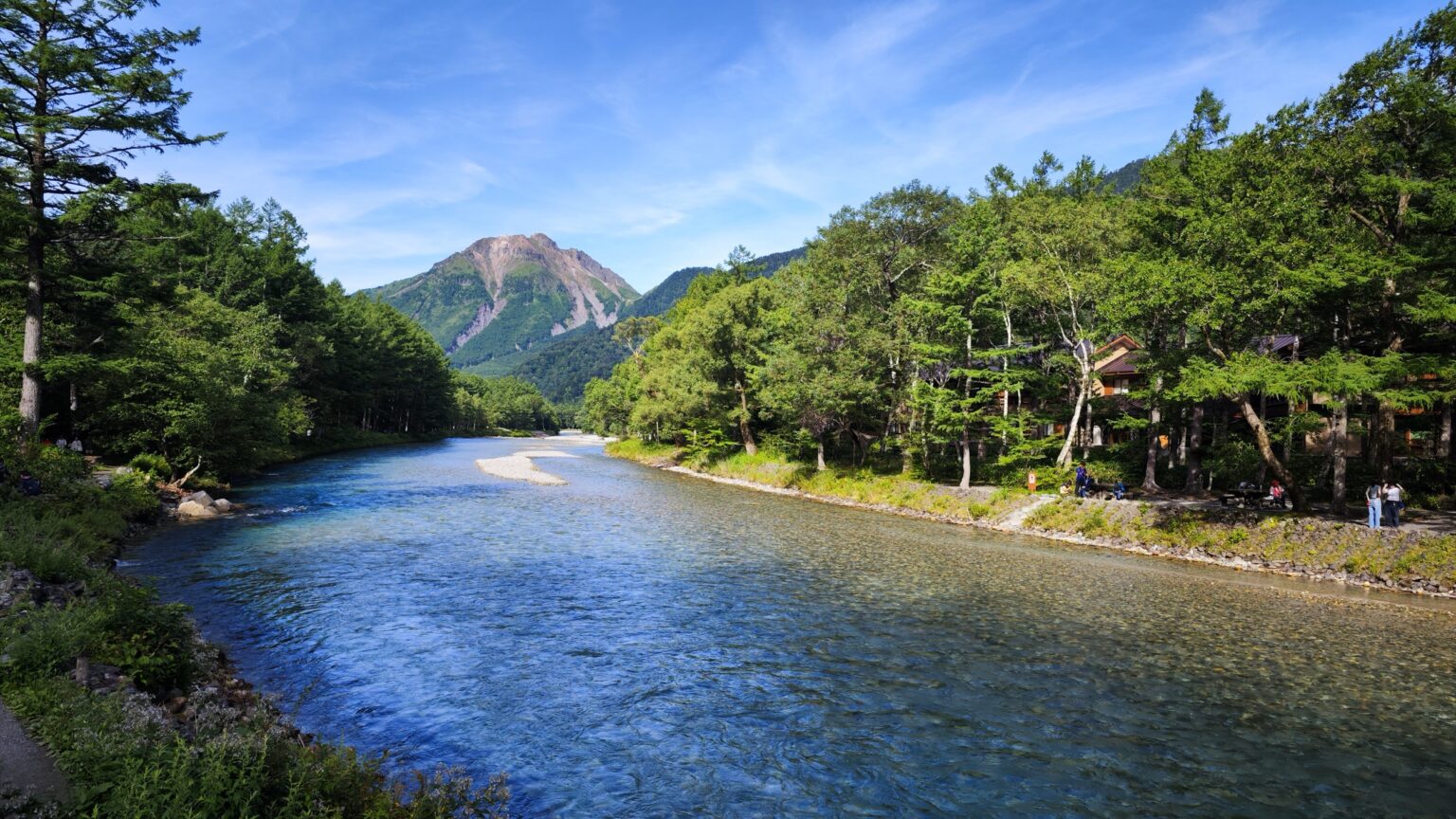
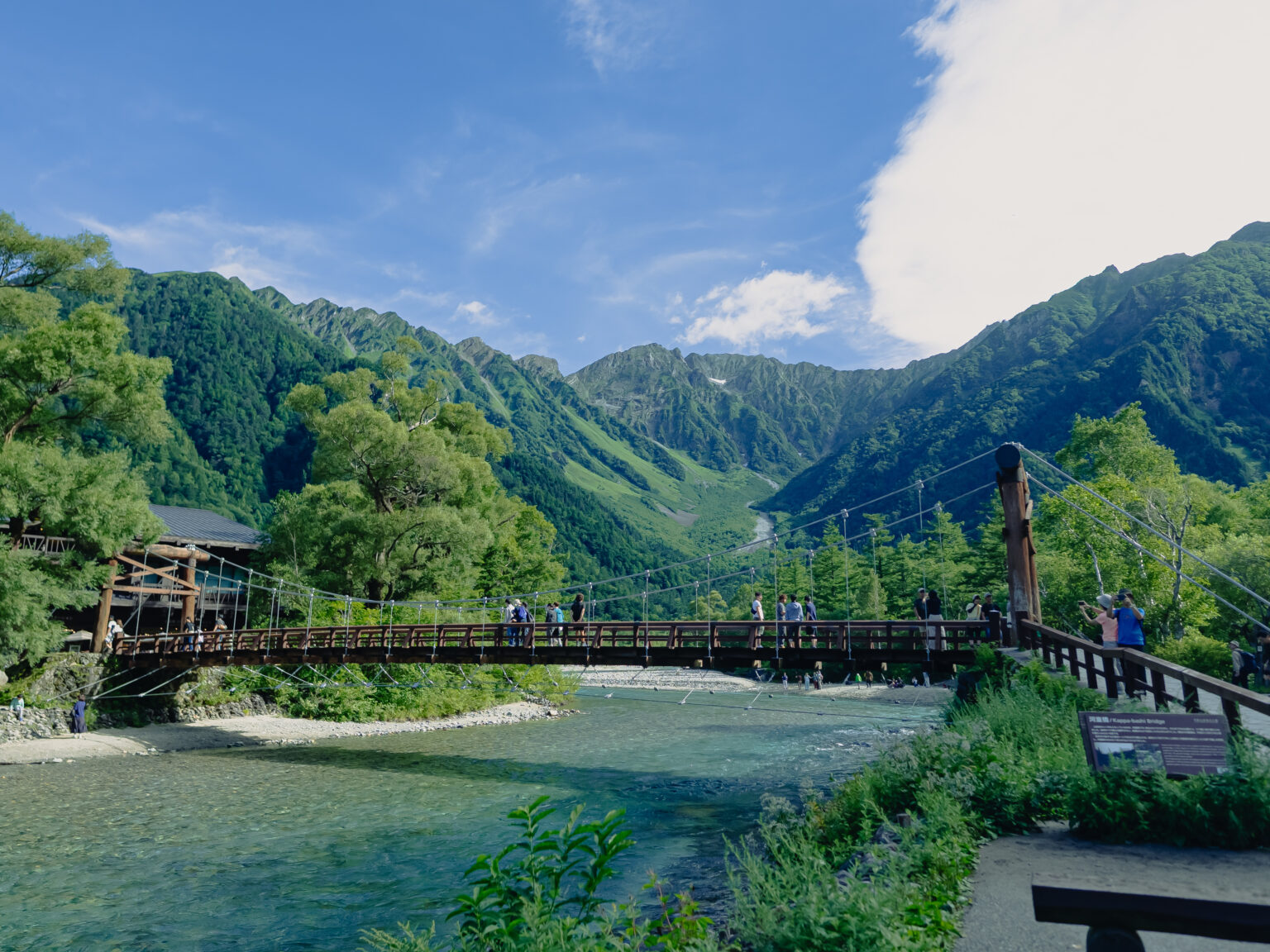
Kamikochi has no train station. No road open to private cars. Every single visitor arrives by bus — there’s no other way in. The 2026 season runs April 17 through November 15, and outside those dates, everything shuts down. I’ve gotten to Kamikochi from Matsumoto (fastest), Takayama (cheapest), and Shinjuku (most convenient from Tokyo) on different trips. Each route has trade-offs in cost, time, and hassle. This guide breaks down all five options with current fares, schedules, and the reservation rules that trip people up. Once you’re in the valley, my Kamikochi walking guide maps the flat 7 km route from Taisho Pond to Kappa Bridge and Myojin.
Table of Contents
Part of my full Things to Do in Kamikochi valley guide.
Quick Facts: All Routes at a Glance
| Route | Travel Time | One-Way Fare | Reservation | Best For |
|---|---|---|---|---|
| Tokyo (Shinjuku) → Kamikochi | 4h 47m (day) / 6h 55m (night) | ¥10,000–¥18,000 | Required | Direct from Tokyo, no transfers |
| Matsumoto → Kamikochi (train+bus) | ~1h 45m–1h 50m incl. transfer | ¥3,810 | Bus: Reserve (same-day only if seats remain) | Most departures from Matsumoto |
| Matsumoto → Kamikochi (direct bus) | ~1h 35m–1h 40m | ¥4,600–¥5,000 | Reserve (same-day only if seats remain) | Fastest from Matsumoto; outbound only — no direct return |
| Takayama → Kamikochi (via Hirayu) | ~1h 25m–1h 45m | ¥3,000 | Not required | Cheapest, no booking hassle |
| Sawando (car) → Kamikochi shuttle | ~30 min shuttle | ¥800 parking + ¥1,600 bus | Not possible (first come) | Drivers from Tokyo/Nagoya direction |
| Hirayu/Akandana (car) → Kamikochi shuttle | ~35 min shuttle | ¥600 parking + bus fare | Not possible (first come) | Drivers from Takayama direction |
Book the base first
Autumn 2026 First & Last Buses (to November 15)
| Route | First | Last |
|---|---|---|
| Matsumoto → Shin-Shimashima → Kamikochi (train + bus) | 6:31 AM train / 7:10 AM bus (Oct 10 only: extra 5:39 AM train / 6:10 AM reserved bus) | 3:30 PM bus from Shin-Shimashima (arr. 4:35 PM) |
| Matsumoto Bus Terminal → Kamikochi (direct) | 5:30 AM (arr. 7:05) | 10:15 AM (arr. 11:55) |
| Kamikochi → Shin-Shimashima → Matsumoto | 7:50 AM | 5:55 PM (Matsumoto 7:54 PM) |
| Sawando → Kamikochi | 5:00 AM through Nov 3; 6:00 AM Nov 4–15 | 4:20 PM |
| Kamikochi → Sawando | 7:50 AM | 5:30 PM |
| Hirayu → Kamikochi | 6:30 AM (5:30 AM on weekends and holidays through Oct 18) | 5:00 PM |
| Kamikochi → Hirayu | 7:00 AM | 5:30 PM (last connection to Takayama: 5:00 PM) |
Source: Alpico’s 2026 timetable PDFs and Nohi Bus’s online timetable — check them before you travel.
How to buy Kamikochi bus tickets
Matsumoto/Shin-Shimashima buses: reserve on JapanBusOnline (English) from one month before; the confirmation email is your ticket. The website and the counters share one seat pool. Heading out on the train + bus route, buy the Kamikochi Line train ticket at the machines at JR Matsumoto Station (cash only, ¥710) — the direct bus from Matsumoto Bus Terminal needs no train ticket; coming back, choose “Matsumoto Station” as the drop-off when you book and the train fare is included. Sawando shuttle and Nohi buses: no reservations — buy at the counter or machine.
2026 Season Updates
What changed for 2026:
- Matsumoto–Kamikochi buses: book ahead. Since 2025 Alpico asks passengers to reserve in both directions (online from one month before). Reserved passengers board first; if seats are left, same-day tickets are sold at the Shin-Shimashima and Kamikochi Bus Terminal counters — but the counters share the website’s seat pool, so a bus shown full online is full at the counter too.
- Sawando parking: ¥800/day (2026).
- Nagano accommodation tax: ¥200/person/night starting June 1, 2026. Applies to hotels and ryokan in the Kamikochi area.
- Trails and road: The Nature Research Trail’s Azusa course (Tashiro Marsh–Tashiro Bridge), closed since flood damage in 2024, reopened on July 18, 2026 after repair work. Heavy rain can close sections temporarily: in late August 2026 the Taisho Pond–Tashiro Bridge nature trail and the Azusa right-bank trail (Kappa Bridge–Dakesawa–Myojin) both closed briefly and reopened on August 30, and the road to Kamikochi was closed twice under rainfall limits (from 11 AM on August 27 to 5:30 AM on August 28, and again on August 30 until 12:10 PM). Check the Kamikochi official news page (kamikochi.or.jp/news/) on the day.
Route 1: From Tokyo (Shinjuku) — Highway Bus
The direct highway bus from Shinjuku is the easiest way from Tokyo — no transfers, no train-to-bus connections to worry about. Alpico runs two services: a day bus departing 7:15 AM and a night bus departing 10:25 PM, both from Busta Shinjuku (the bus terminal above JR Shinjuku Station’s south exit).
The day bus takes about 4 hours 47 minutes. The night bus takes longer at 6 hours 55 minutes because it parks for a rest stop in the middle of the night, arriving early morning. That early arrival is actually a plus — you get to Kamikochi before the day-trip crowds.
Fares (2026, one-way adult): the day bus (3-row Green seats) is ¥10,000–¥16,000; the night bus is ¥12,000–¥18,000 in 3-row Green seats, or ¥10,000–¥16,000 in 4-row Standard seats on select dates until November 2. The price depends on the departure date — most October day buses are ¥14,000 (¥16,000 on October 10–12). Reservation is required — these buses sell out weeks ahead during Golden Week and Obon.
Stops: Busta Shinjuku → Shin-Shimashima → Taisho Pond → Imperial Hotel → Kamikochi Bus Terminal
Book directly at highwaybus.com (English available). You can also book the same Alpico highway bus through Klook, which is handy if you’re bundling other activities or want English-language customer support.
Night bus tip: The 10:25 PM departure saves you a hotel night in Tokyo or Matsumoto. Bring a neck pillow and eye mask — the bus seats recline but they’re not flat. You’ll arrive around 5:20 AM, and the morning light on the Azusa River at that hour is something else.
Route 2: From Matsumoto — Train + Bus
Matsumoto is the main gateway to Kamikochi and the route with the most departures. Two steps: train to Shin-Shimashima, then bus to Kamikochi.
Step 1: Matsumoto → Shin-Shimashima (Alpico Kamikochi Line)
The Alpico Kamikochi Line runs from Matsumoto Station to Shin-Shimashima Station in 30 minutes. Fare is ¥710. Important: this is a private railway — IC cards (Suica/Pasmo) don’t work here. Buy a paper ticket at the machine or counter. Trains run roughly every 30 minutes.
Step 2: Shin-Shimashima → Kamikochi (Alpico Bus)
Buses leave from right outside Shin-Shimashima Station. The ride is 65 minutes through the Azusa River valley and costs ¥3,100 one-way. Since 2025 Alpico asks you to reserve this bus; without a booking you board only if seats remain. Book via japanbusonline.com.
Total one-way cost: ¥3,810 (¥710 train + ¥3,100 bus).
Direct Bus Option (Matsumoto Bus Terminal → Kamikochi, outbound only)
If you want to skip the train-bus transfer, Alpico runs two direct buses — the National Park Liner — from platform 9 at Matsumoto Bus Terminal, not from the station platforms. The terminal is on the ground floor of the Alpico Plaza building across the street from JR Matsumoto Station, about 5 minutes on foot from the JR ticket gates via the Oshiro-guchi (east) exit:
- 5:30 AM departure — ¥5,000 (gets you there earliest)
- 10:15 AM departure — ¥4,600
Reserve at japanbusonline.com (reserved passengers board first). The direct bus costs more than the train+bus combo but eliminates the platform change at Shin-Shimashima, which matters if you have heavy bags.
Kamikochi → Matsumoto (return): no direct bus, last bus 5:55 PM
There is no direct bus back to Matsumoto Bus Terminal. Take the Alpico bus from Kamikochi to Shin-Shimashima (14 departures a day, 7:50 AM–5:55 PM, about 65 minutes) and change to the Kamikochi Line train. The last bus, 5:55 PM, reaches Shin-Shimashima at 7:00 PM, and the 7:25 PM train arrives in Matsumoto at 7:54 PM. Reserve online from one month before — if you choose “Matsumoto Station” as the drop-off, the ticket includes the train. Tickets between Kamikochi and Matsumoto or Shin-Shimashima are one-way only — there is no round-trip fare. If seats remain, same-day tickets are sold at the Kamikochi Bus Terminal counter. Since September 1, 2026, buses to Shin-Shimashima don’t let passengers off at any stop from Kamikochi down to and including Sawando Ohashi (the first drop-off is Azumi Shisho-mae) — if you parked at Sawando, take the Sawando shuttle from platform 7 (last departure 5:30 PM).
Route 3: From Takayama — Nohi Bus via Hirayu Onsen
If you’re coming from central Japan — Nagoya, Kanazawa, or anywhere along the Takayama line — this is the cheapest route to Kamikochi at ¥3,000 one-way (¥5,800 round-trip). No reservation required. You buy tickets day-of at the counter.
The Route
- Takayama Bus Center → Hirayu Onsen: ~55–60 minutes. Nohi buses leave about hourly from 7:00 AM (extra 6:00 and 8:10 departures run only July 18 – October 12).
- Hirayu Onsen → Kamikochi: ~25 minutes, buses every 30 minutes
Total travel time is about 1 hour 25 minutes to 1 hour 45 minutes depending on the connection; from the 7:40 departure onward most connections wait about 20 minutes at Hirayu, where there’s a small onsen foot bath at the bus terminal. In autumn 2026, Nohi warns that the Takayama–Hirayu buses can run well behind schedule because of traffic on the Route 158 landslide detour, so leave plenty of slack if you have a train or highway bus to catch in Takayama.
No reservation needed — this is one of the last routes where you can just show up and buy a ticket. Nohi Bus sells day-of tickets only. During peak weekends they add extra buses, but I’d still aim for the earlier departures.
Route 4: By Car — Sawando & Hirayu Parking
You cannot drive to Kamikochi. Private vehicles have been banned since 1975 — one of the earliest car restrictions at any natural site in Japan. You drive to a parking area, leave your car, and take a shuttle bus the rest of the way.
Sawando Parking (From Matsumoto / Tokyo Direction)
Sawando is the main parking hub with roughly 2,000 spaces across several lots. Parking costs ¥800 per day (standard car, 2026). The shuttle bus from Sawando to Kamikochi Bus Terminal takes 30 minutes and costs ¥1,600 one-way / ¥3,000 round-trip.
On peak weekends, the main lots fill by 7 AM. The overflow lots at Kasumizawa (a few minutes further) handle the spillover. If you’re driving on a Saturday in October, leave early or prepare to wait.
Taxi backup: Sawando taxis run on fixed fares to Kamikochi Bus Terminal — ¥5,400 from the upper-zone lots and ¥6,000 from the lower-zone lots (2026, standard taxi). Split four ways that’s ¥1,350–¥1,500 each, close to the ¥1,600 bus. The last taxi pickup at Sawando is 6:00 PM.
Kasumizawa overflow parking (a few minutes south of Sawando):
Hirayu / Akandana Parking (From Takayama / Nagoya Direction)
If you’re driving from Takayama or the Gifu side, Hirayu/Akandana is your lot. 850 spaces, ¥600 per 24 hours. Shuttle to Kamikochi takes about 35 minutes. Smaller and less chaotic than Sawando on busy days.
Route 5: Day Tours (Zero Planning Required)
If sorting out bus reservations and parking lots sounds like too much, a guided day tour handles everything. You show up at the meeting point, get on a bus, and someone else deals with the logistics.
Two options worth looking at on Klook:
- Nagoya day tour to Kamikochi — bus from Nagoya, guided walk, return same day
- Private tour from Matsumoto — flexible timing, your own guide, works well for families or small groups
These cost more than DIY, obviously. But if you’re short on time in Japan and don’t want to gamble on bus schedules, they remove the friction.
Compare guided Kamikochi day tours on Klook — check the pickup city and what’s included before you book.
Getting to Japan: Flights
Before worrying about buses to Kamikochi, you need to get to Japan. The two most practical airports for Kamikochi access:
- Chubu Centrair (Nagoya / NGO) — AirAsia and Thai AirAsia X fly direct from several Southeast Asian cities. From Centrair, you can reach Matsumoto by Shinano Limited Express (about 2 hours via Nagoya Station).
- Tokyo Narita or Haneda — more airline options including Scoot, AirAsia, and Cebu Pacific. From Tokyo, take the direct highway bus from Shinjuku (Route 1 above).
For Southeast Asian Travelers
A few things that specifically help if you’re coming from Southeast Asia:
- Cheapest flight path: Chubu Centrair via AirAsia tends to be the best deal. Search flights here.
- Save on accommodation: The night bus from Shinjuku (Route 1) eliminates one hotel night — real savings if you’re on a budget.
- Cheapest total route: If you’re already inland (say, Takayama after doing Shirakawa-go), the Takayama→Hirayu→Kamikochi route at ¥3,000 one-way is the cheapest option.
- Bring cash. There are no ATMs in Kamikochi, and while many hotels and lodges there take credit cards, some lodges and food counters don’t. The Kamikochi Line ticket machines at JR Matsumoto Station are cash only, and some private parking lots may be too. ATMs at 7-Eleven in Matsumoto and Takayama accept international cards.
Practical Tips
Book your return bus before you go. I can’t stress this enough. Since 2025 Alpico asks for a reservation in both directions between Matsumoto and Kamikochi, and a return bus shown full online is full at the counter too. If the last bus is full you are either paying for an emergency taxi or sleeping at a lodge you didn’t budget for. Especially true on weekends and holidays.
- Peak periods to watch: Golden Week (late April–early May), Obon (mid-August), October weekends during autumn colors. Book buses and accommodation weeks ahead for these dates.
- Autumn & last weeks (October – November 15, 2026):
- The season ends November 15; the road closes for winter from November 16.
- Sawando’s first shuttle is 5:00 AM daily through November 3, then 6:00 AM from November 4.
- Nohi’s 6:00 and 8:10 AM departures from Takayama stop after October 12; the first bus is then 7:00 AM.
- The Shinjuku day and night buses run daily until November 14 (return from Kamikochi until November 15).
- October 10 only: an extra early train (Matsumoto 5:39 AM) and a reserved bus (Shin-Shimashima 6:10 → Kamikochi 7:15 AM).
- Climbers heading beyond Yokoo toward Karasawa pass a Ministry of the Environment mountain gate from September 5 to October 25, 2026 (a summer trial ran July 18 – August 11). Sightseers on the valley floor are not affected.
- Cell signal: Spotty to nonexistent in parts of the valley. Download your offline Google Maps area before you leave Matsumoto or Takayama. The bus terminal and hotel areas have Wi-Fi, but the trails don’t.
- Payment: The Matsumoto Bus Terminal and Shin-Shimashima counters accept credit cards; the Kamikochi Line ticket machines at JR Matsumoto Station are cash only. Akandana parking takes credit cards and transit e-money (no QR payments, no ¥5,000/¥10,000 notes), and Sawando’s municipal lot No. 3 (Kasumizawa) takes cashless payment; some private Sawando lots may still be cash only. Inside Kamikochi, card acceptance varies by place and there are no ATMs, so carry enough yen.
Frequently Asked Questions
Can I drive to Kamikochi?
No. Private cars have been banned since 1975. You drive to Sawando (from the Matsumoto/Tokyo side) or Hirayu/Akandana (from the Takayama side), park there, and take a shuttle bus. There are no exceptions, no permits you can get, and no workarounds.
How much does it cost to get to Kamikochi from Tokyo?
The direct highway bus from Shinjuku costs ¥10,000–¥16,000 one-way by day and ¥10,000–¥18,000 overnight, depending on date and seat type. By rail, take the Azusa limited express from Shinjuku to Matsumoto, then the Kamikochi Line (¥710) and the bus (¥3,100) — two changes, and on peak-fare dates it can cost less than the highway bus, so compare both for your date.
Do I need to reserve the bus to Kamikochi?
From Matsumoto: Alpico asks you to reserve in both directions (online from one month before). Without a booking you can board only if seats remain, and peak buses fill. From Tokyo: the Shinjuku highway bus is reservation-only (highwaybus.com). The Sawando shuttle and the Nohi bus from Takayama/Hirayu can’t be reserved at all — first come, first served.
What’s the cheapest way to get to Kamikochi?
From Takayama via Hirayu Onsen: ¥3,000 one-way. From Matsumoto via train+bus: ¥3,810. The Shinjuku highway bus starts at ¥10,000 but saves you a hotel night if you take the night bus.
How early can I arrive at Kamikochi?
The night bus from Shinjuku arrives around 5:20 AM — that’s the earliest. From Sawando, the first shuttle leaves at 5:00 AM daily from July 4 to November 3 (arriving 5:30); from November 4 to 15 the first shuttle is 6:00 AM. In spring, 5:00 AM runs only on selected dates — check Alpico’s 2026 first-bus calendar.
Where do I park for Kamikochi?
Two options: Sawando (from the east/Matsumoto side, ~2,000 spaces, ¥800/day) or Hirayu/Akandana (from the west/Takayama side, 850 spaces, ¥600 per 24 hours). Both have shuttle buses to Kamikochi. Sawando is larger and closer to the main highway from Tokyo.
Can I take the Shinkansen to Kamikochi?
Not directly — no Shinkansen line reaches Matsumoto or Kamikochi. From Tokyo the standard rail route is the Azusa limited express from Shinjuku to Matsumoto (about 2.5 hours, no Shinkansen), then the Kamikochi Line and the Alpico bus. If you’re using a rail pass and want the Shinkansen, ride the Hokuriku Shinkansen to Nagano and change to the Shinano limited express for Matsumoto. Going via Nagoya is a long detour from Tokyo.
Is there a night bus to Kamikochi from Tokyo?
Yes. Alpico runs a night bus from Busta Shinjuku departing at 10:25 PM, arriving at Kamikochi around 5:20 AM the next morning. It’s ¥12,000–¥18,000 in 3-row Green seats (¥10,000–¥16,000 in 4-row seats on select dates). Book at highwaybus.com or through Klook.
How do I get from Kamikochi to Takayama?
Take the shuttle bus from Kamikochi Bus Terminal to Hirayu Onsen (~25 min, every 30 min), then transfer to a Nohi Bus to Takayama (~60 min). Total cost is about ¥3,000. No reservation required — buy your ticket at the Kamikochi Bus Terminal counter. The last scheduled connection to Takayama leaves Kamikochi at 5:00 PM (Hirayu 5:25 PM, then the 5:30 PM bus to Takayama, arriving 6:31 PM) — a 5-minute change, and Nohi warns that autumn afternoons out of Kamikochi can mean long waits, so take an earlier bus if you can. The 5:30 PM bus from Kamikochi only gets you to Hirayu.
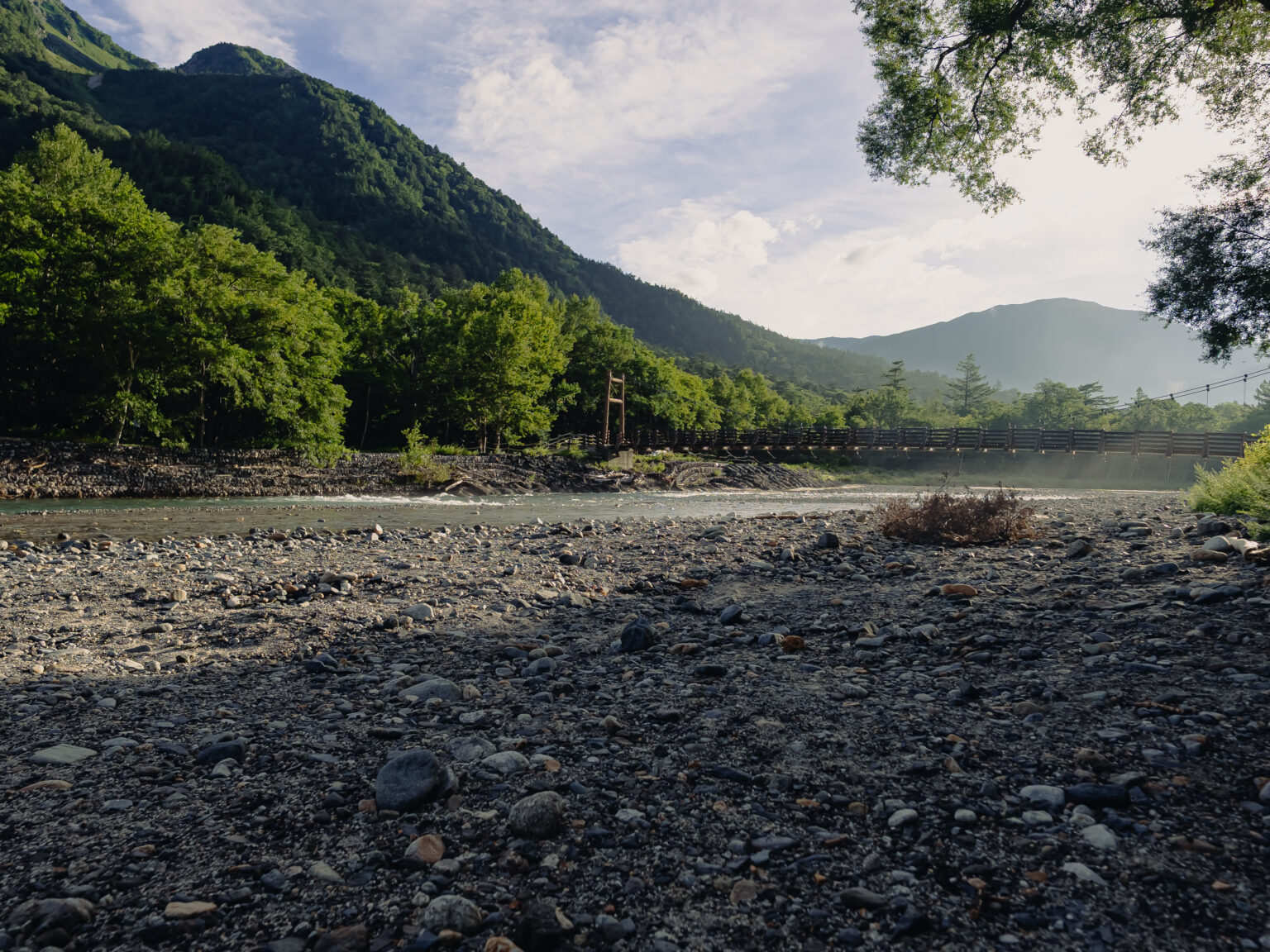
Getting to Kamikochi takes more planning than most places in Japan. There’s no train, no driving in, and since 2025, the Matsumoto buses expect a reservation. But the valley is worth the logistics. Once you step off that bus and see the Azusa River cutting through the valley with 3,000-meter peaks on both sides, the scheduling hassle fades pretty fast.
My advice: book your buses early, bring cash, and don’t try to do Kamikochi as a rushed day trip from Tokyo unless you take the night bus. Give the valley at least a full day — ideally two.
Related Articles
- Kamikochi Walking Guide 2026
- How to Travel Around Japan 2026
- How to Get to Japan: Flight & Airport Guide
- Togakushi Shrine: Sacred Cryptomeria
- Emerald Route: A 7-Day Alpine Journey
Last Updated & Sources
Last updated: 27 September 2026
Sources checked: Alpico Transportation official timetable (2026 season), Nohi Bus Takayama–Kamikochi schedule, Sawando parking official site, Nagano Prefecture accommodation tax announcement, Kamikochi Visitor Center trail status page.
Written by Nobutoshi at hiddenjapan-gems.com. I’ve traveled to Kamikochi from Matsumoto, Takayama, and Shinjuku on separate visits. Fares and schedules in this guide are based on official 2026 season information and personal experience. Some links in this article are affiliate links — they cost you nothing extra and help keep this site running.
Join travelers discovering Japan's hidden side
Weekly dispatches from off-the-beaten-path Japan — spots and stories you won't find in guidebooks.
No spam. Unsubscribe anytime.
Welcome aboard!
You're in. See you in your inbox soon.