Japan · Summer · What to Pack
A Japanese summer is hot and wet — Tokyo runs near a 31°C high and about 74% humidity through August — and after years of it I’ve boiled my kit down to a handful of things actually worth having. Almost all of them you can buy once you land, often at a convenience store; a few are worth ordering to your hotel before you arrive. Here’s what earns its place in my bag, what a konbini already covers, and what’s not worth the suitcase space.
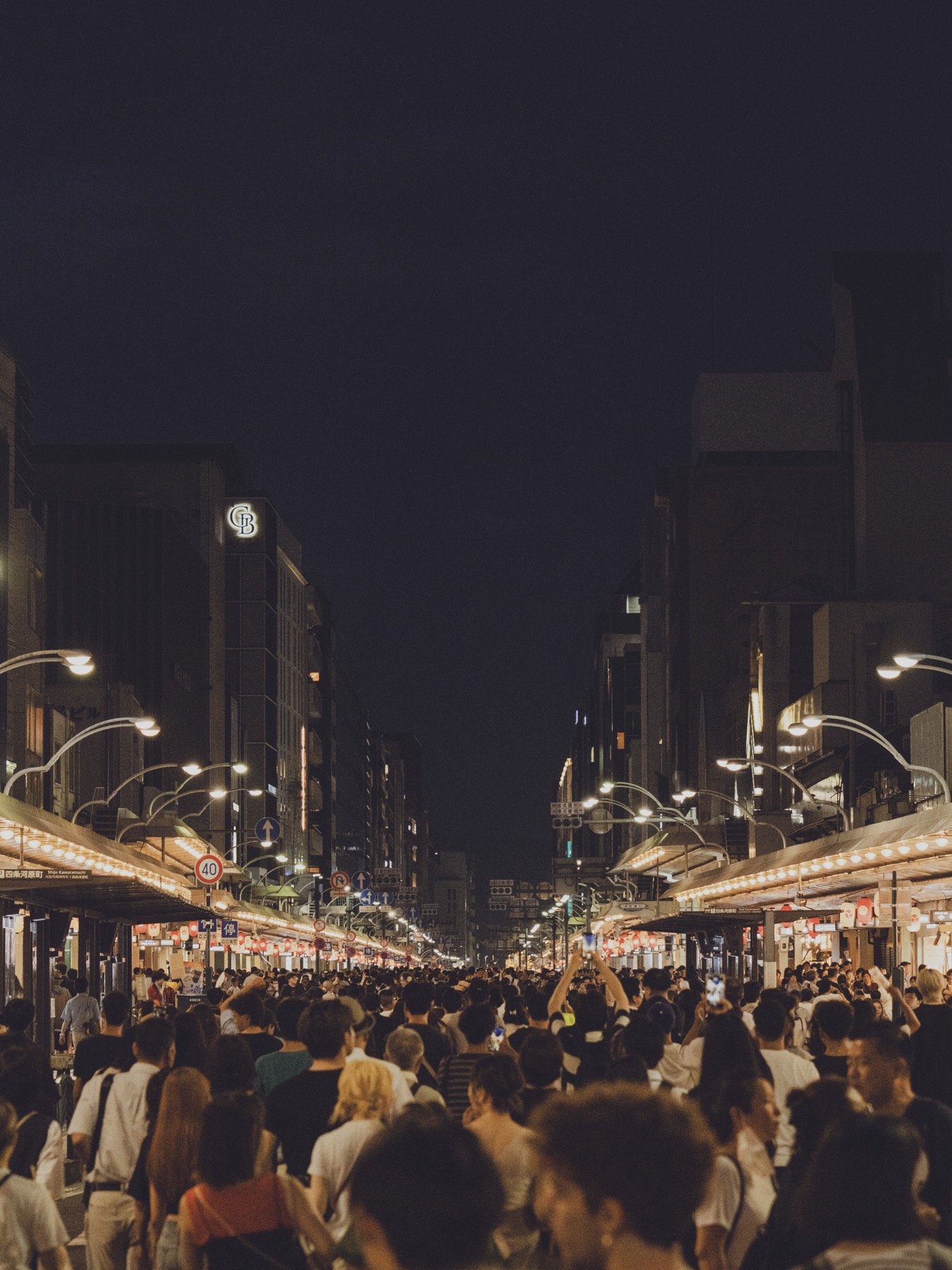
The heat is the whole game. It isn’t the temperature on its own — it’s the humidity sitting on top of it, the kind that has you damp by the time you’ve walked from the station to the shrine. The Japanese summer market has spent decades solving exactly this, which is why the good stuff is cheap, everywhere, and genuinely better than what I used to bring from home. So I pack light and buy on the ground.
Beating the heat
Three small things do most of the work. The one you’ll see on every commuter’s neck is the PCM cooling neck ring — a loop of phase-change gel that you freeze overnight (or drop in cold tap water) and wear; it holds cold for an hour or two with no battery. It looks odd the first day and obvious by the third. Alongside it, a small rechargeable handheld fan is the summer accessory in Japan now, clipped to bags or worn on a neck strap; a USB-C one lasts a full day of sightseeing.
The third is the one I’d genuinely skip pre-buying: menthol body sheets. One large wipe cools your whole back and they’re a real Japanese summer ritual — but every convenience store sells them, so grab a pack when you land rather than carrying them. Same goes for the blue cooling gel sheets you stick on your forehead or neck on a brutal afternoon: nice to have, but a drugstore two minutes away has them.
Sun, salt & bugs
Japanese sunscreen is one of the few things I’d actively recommend buying here even to take home — the high-SPF formulas are lighter and less greasy than most of what I grew up with, and a long summer day on your feet needs it. Pair it with a folding umbrella: in Japan it doubles as a sun parasol, and on the hottest days you’ll see plenty of locals walking under one. It earns its place in the bag because it covers both the sun and the sudden afternoon downpour.
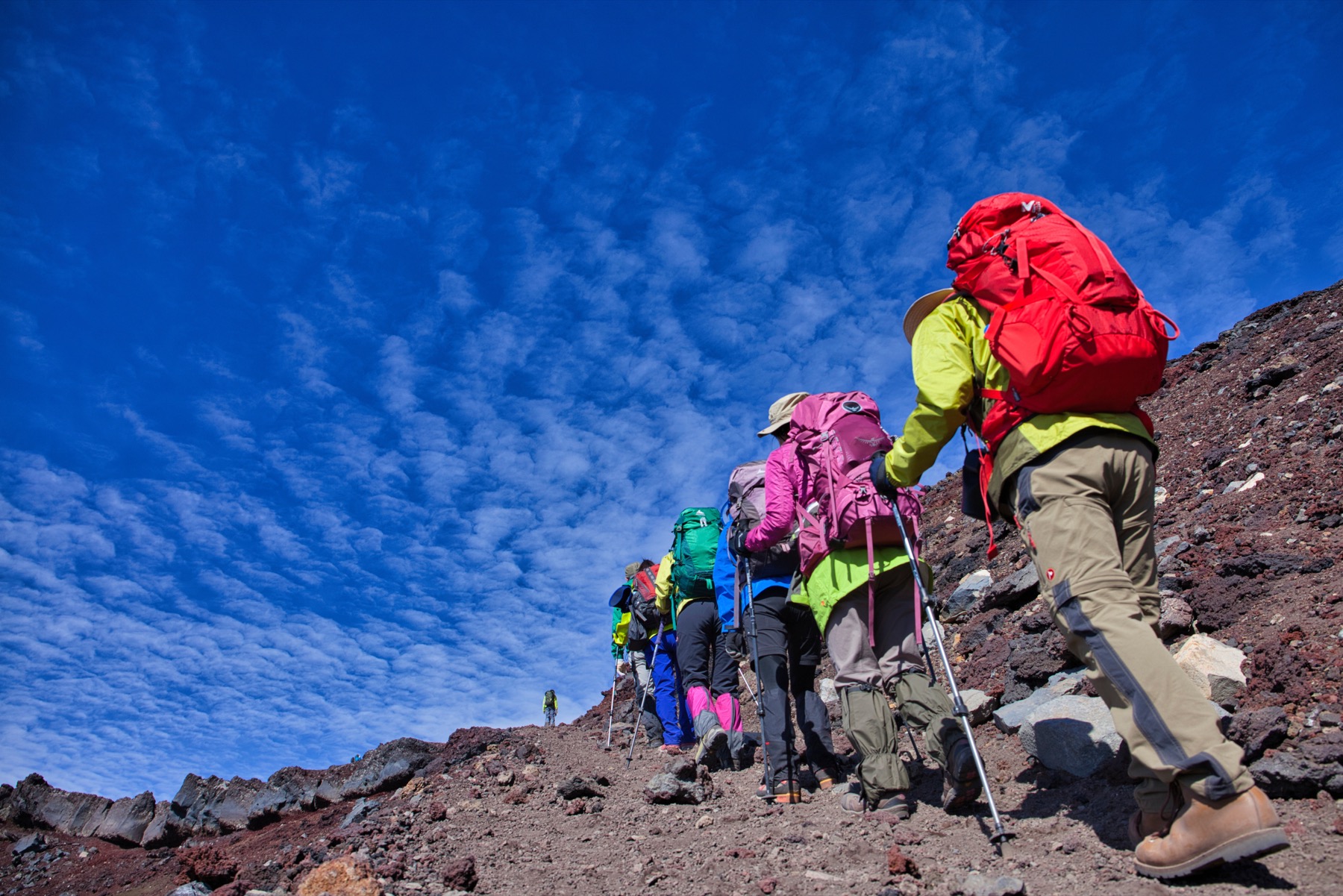
Heat-stroke — necchūshō — is taken seriously here, and the local answer is salt. Salt and electrolyte tablets are carried by schoolkids and construction crews alike; a few in your pocket on a hiking or festival day is a sensible, very Japanese habit. (A konbini bottle of OS-1 or Pocari Sweat does the same job if you’d rather not pack them.) And if you’re heading anywhere green — temples, the countryside, a riverside festival — a stick of insect repellent is worth having; Japanese summer mosquitoes find ankles fast.
When it rains
June is the rainy season (tsuyu), and typhoons can roll through from late summer, so rain is part of the deal. The folding umbrella above covers most of it, but if you’re doing anything active — a hike, an outdoor festival, a boat — a thin rain poncho packs down to nothing and keeps your hands and camera free in a way an umbrella can’t. It lives in my day bag from June onward and weighs almost nothing.
The short list
| Item | My take |
|---|---|
| Cooling neck ring | Buy it — the single best heat hack, no battery |
| Handheld fan | Buy it — the local summer accessory, lasts all day |
| Japanese sunscreen | Buy it — lighter than most; worth taking home |
| Folding umbrella | Buy it — sun parasol and rain cover in one |
| Salt / electrolyte tablets | Worth it for hikes & festivals; konbini drinks also work |
| Insect repellent stick | Worth it for the countryside & riverside |
| Rain poncho | Worth it if you’ll be active in tsuyu / typhoon season |
| Menthol body sheets | Skip pre-buying — every konbini has them |
| Cooling gel sheets | Skip pre-buying — any drugstore has them |
What I skip
Plenty of “Japan summer” buys aren’t worth it. Generic cooling towels are just no-name imports — the PCM ring is the Japanese version worth having. Festival yukata sets sold online are usually thin polyester that runs small; renting or buying one in Japan is the real experience, not a parcel. The fragile, famous souvenirs — Tokyo Banana, fresh wagashi — aren’t reliably or freshly sold online, so buy those at a depachika or the airport on the way out. And anything from a 100-yen shop (mini fans, cheap sprays) is part of the fun to buy in person once you’re here.
The flavours I bring home
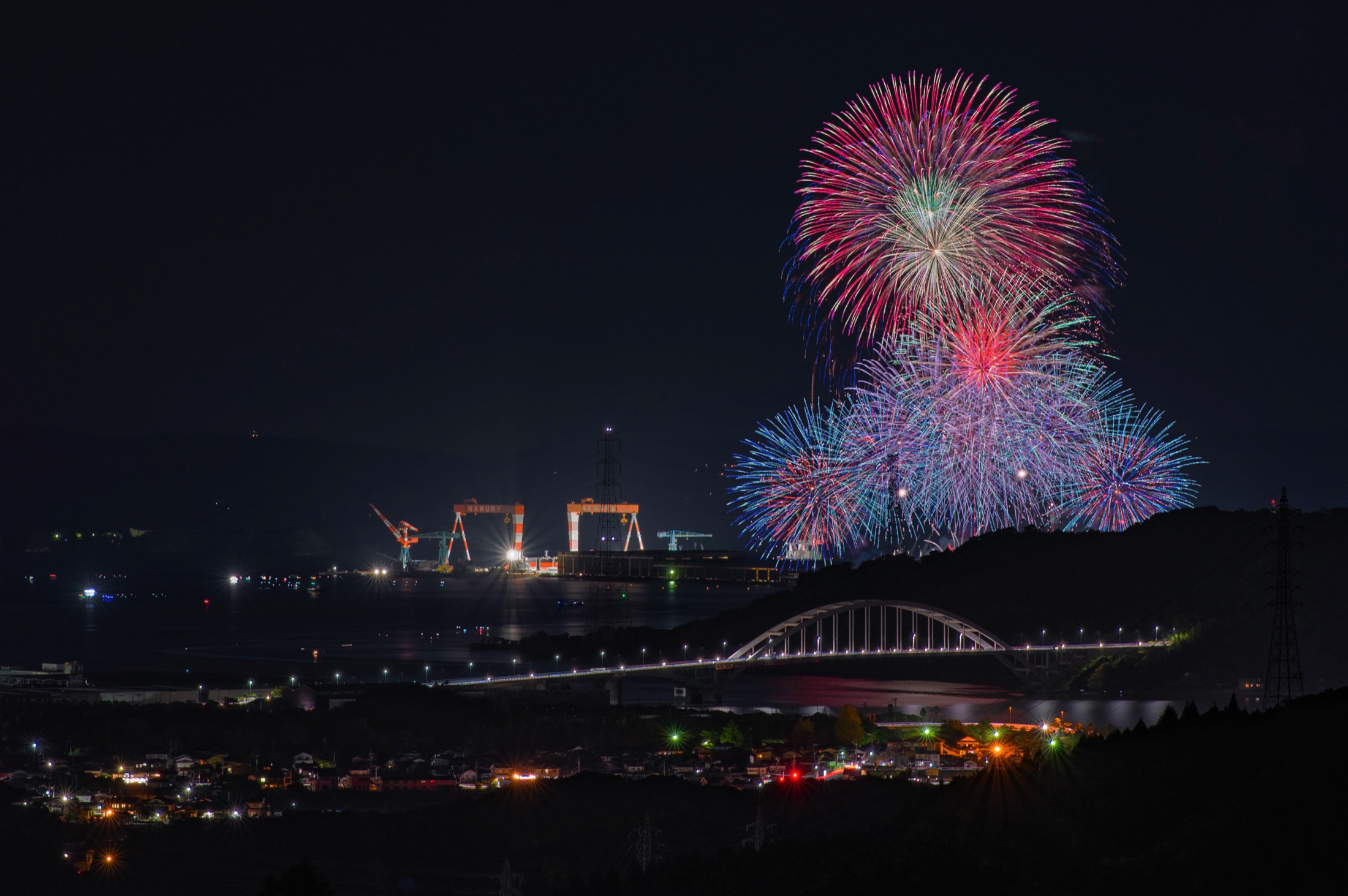
The other half of a Japanese summer is what you eat and drink, and most of it is better bought fresh than shipped. Mugicha — ice-cold roasted-barley tea — is the taste of the season, and the cold-brew tea bags are flat, light and easy to tuck into a bag for home. Glass-bottle ramune with the marble stopper is the festival drink; chilled somen noodles are the meal. I buy these at supermarkets and konbini as I go rather than online — they’re cheap, everywhere, and part of the trip — and bring home only what packs flat. If there’s one re-orderable souvenir worth it later, it’s the Japan-only KitKat flavours, matcha above all.
Good to know
What should I actually pack vs buy in Japan?
Pack light. Almost everything for a Japanese summer — cooling rings, fans, body sheets, sunscreen, umbrellas, repellent — is cheap and sold in any convenience store or drugstore. Bring your own only if you have a specific brand you rely on. The exception worth pre-ordering is anything you want waiting in your hotel for a late or early arrival.
Can I have things delivered to my hotel?
Yes — you can order from Amazon Japan to most hotels (ask the front desk first, and put your name and booking on the label). It’s handy for arriving late or heading straight to a hot region. See our guide to Amazon delivery to a Japanese hotel.
What’s the single most useful summer buy?
A PCM cooling neck ring. You freeze it overnight, wear it, and it holds cold for an hour or two with no battery — re-chill it in a hotel freezer or cold tap water. It’s the thing I’d grab first.
Is Japanese sunscreen really worth buying?
For many visitors, yes — the high-SPF Japanese formulas tend to be lighter and less greasy, and they’re easy to find in any drugstore. It’s one of the few items worth buying here even to take home.
How hot does a Japanese summer get?
Tokyo averages around a 31°C high in August with roughly 74% humidity; it’s the humidity that wears you down. Highland areas like Nagano are markedly cooler, which is why escaping to altitude is a classic summer move.
Do I need rain gear?
June is the rainy season and typhoons can arrive later in summer, so yes — a folding umbrella covers most days, and a packable rain poncho is worth it if you’ll be hiking or at outdoor events.
Kashiho Mase: An Izu Wagashi Shop
A 150-year wagashi shop on the Atami coast.
Summer in Japan 2026
The season at a glance — heat, festivals, where to escape, month by month.
Amazon to Your Hotel
How to order from Amazon Japan and have it waiting in your room.
Climbing Mt Fuji
The one summer window to climb — and what to carry up.
Join travelers discovering Japan's hidden side
Weekly dispatches from off-the-beaten-path Japan — spots and stories you won't find in guidebooks.
No spam. Unsubscribe anytime.
Welcome aboard!
You're in. See you in your inbox soon.