Coolcation · Japan summer heat-escape
Japan just had its hottest summer since records began in 1898 — the summer of 2025 ran 2.36°C above normal, and central Tokyo logged ten days in a row at 35°C or hotter. The Meteorological Agency expects another above-normal summer in 2026. When the city hits 38°C, I don’t fly to Hokkaido with everyone else — I go up. A “coolcation” in Japan mostly means gaining altitude: Kamikochi sits at 1,500 metres where August afternoons hover around 20°C. Here’s where I head to escape the heat, and why the highlands beat the crowded default.
Planning from Tokyo? The companion piece ranks ten day-trip escapes by verified August temperatures — including which famous “cool spots” are actually as hot as the city.
Why is summer in Japan so hot now — and getting hotter?
Because the records keep breaking. Summer 2025 averaged 2.36°C above the 1991–2020 normal across Japan, the hottest since national records began in 1898, beating the previous record of +1.76°C by a wide margin. A new national high of 41.8°C was set at Isesaki, Gunma, on August 5, 2025. For 2026, the Meteorological Agency’s seasonal outlook again calls for above-normal temperatures nationwide once the rainy season lifts. In the cities that means heatwave highs of 35–38°C, with humidity that makes a 32°C afternoon feel closer to 38°C — and suburban Kanto and Kansai stations regularly topping 39–41°C.
Isn’t Hokkaido the cool escape? (And its cooler alternatives)
It’s the obvious one — which is exactly the problem. Summer is Hokkaido’s peak tourist season (the YOSAKOI Soran and Sapporo Summer festivals pull big crowds and push prices up), and it’s warming fast: Sapporo’s August average high has climbed to around 27°C, roughly 3°C above its century norm, and the island now sees far more 30°C-plus days than it used to, occasionally nudging 35°C. It’s still cooler than Tokyo, but it’s no longer the effortless, empty refuge people picture. I’d rather gain altitude closer to the centre of the country, where the air is genuinely cool and the crowds are thinner — the Honshu highlands are the cooler alternatives to Hokkaido that most travellers overlook.
Where I actually go when Tokyo hits 38°C
The trick is altitude, not latitude — every 1,000 metres of elevation knocks off roughly 6°C. The Nagano highlands are where I actually go; further afield, two more I’d point you to are Hiruzen in Okayama and the Akita interior. I’ve written each up in full, so this is the short version with the route in.
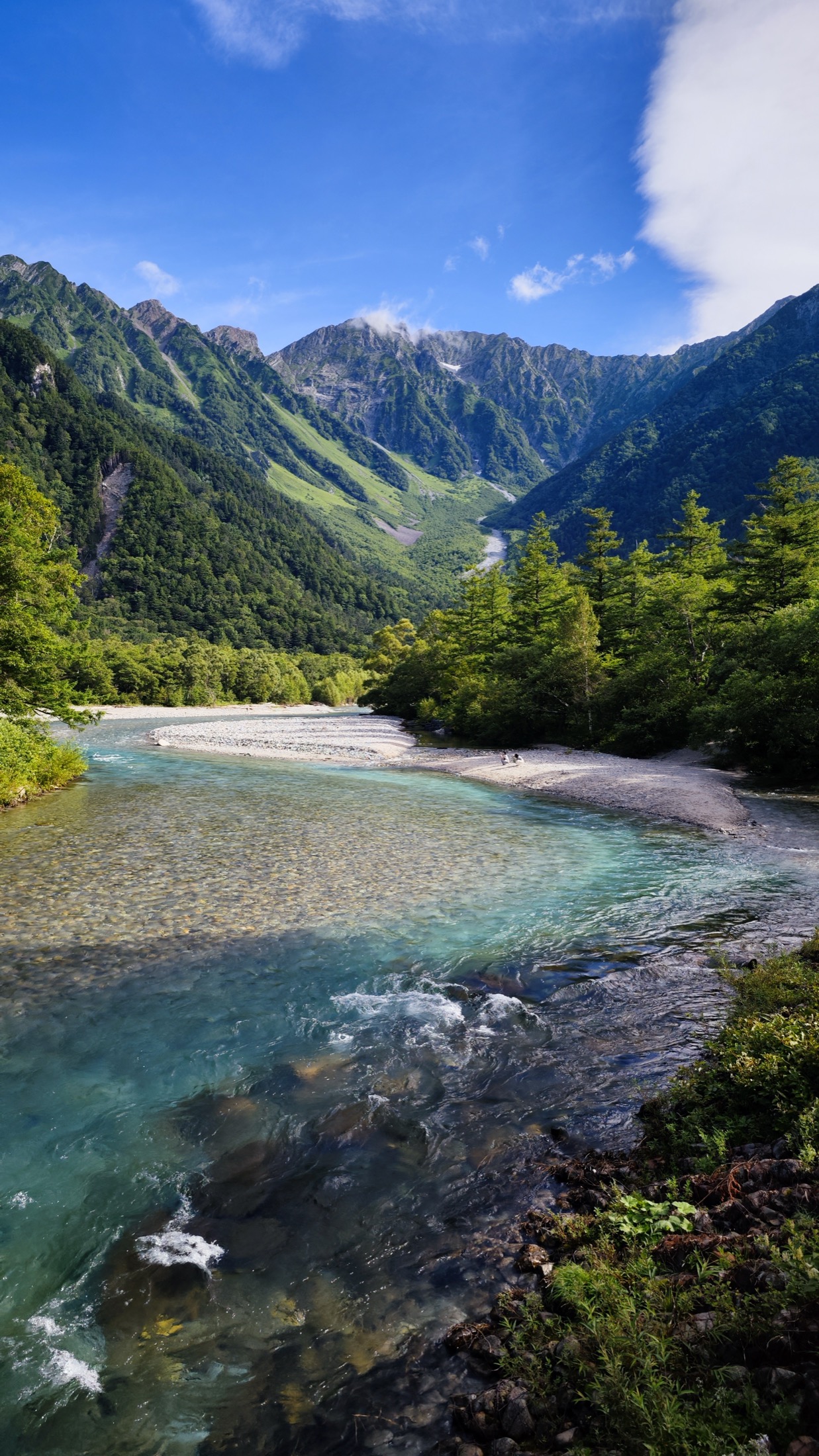
Kamikochi, Nagano — the gold standard
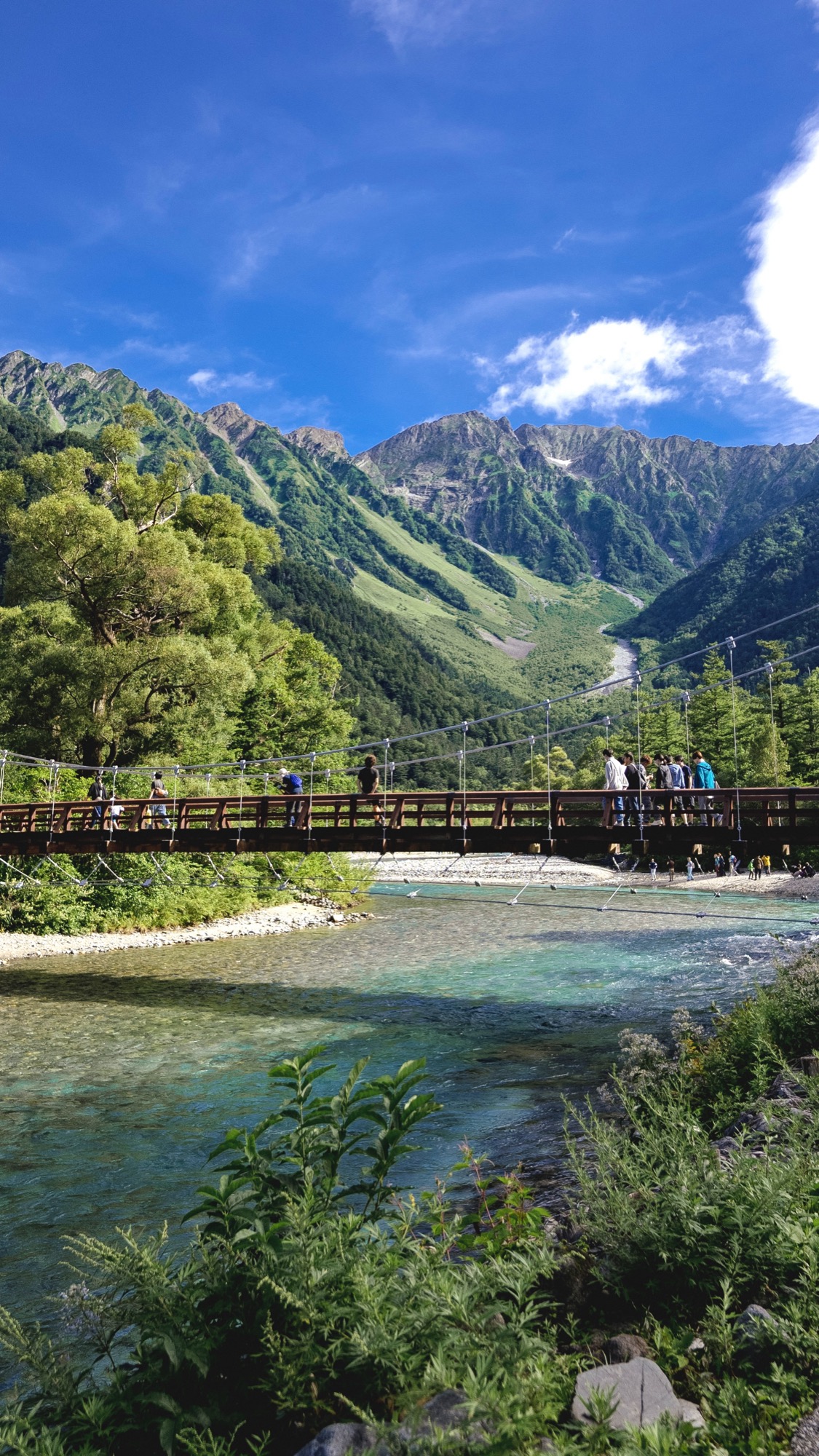
At 1,500 m, this alpine valley runs roughly 5–10°C cooler than the lowlands, and nights can drop into single digits even in August. Start with things to do in Kamikochi, the one-day walking route, or — my favourite — the valley at dawn before the buses. Plan with best time to visit and where to stay.
The Kiso Valley & Narai-juku, Nagano
Narai-juku, the highest of the Nakasendo post towns at around 900 m, stays cool with crisp nights even in August (Tsumago, further down the valley, sits lower and milder). Link them on the one-day Kiso itinerary.
Lake Suwa & Matsumoto, Nagano
Easier to reach and still high: Lake Suwa sits at 759 m with August highs around 26–28°C — the cooler of the two. Castle-town Matsumoto (≈590 m) is milder than Tokyo but the warmest stop here, a gateway to the Alps more than an escape.
Hiruzen Highlands, Okayama
Western Japan’s answer: a 500–600 m plateau ringed by 1,000 m peaks, long billed as the region’s premier highland resort. See the Hiruzen Highlands guide and Kengo Kuma’s GREENable HIRUZEN pavilion.
The Akita interior
For the far north, skip the coastal city (it’s humid and not much cooler than Tokyo) and head into Senboku’s mountainous interior — the cobalt reservoir of Lake Shusenko and the upland lakes, where you trade the humid coast for cooler, shorter-summer mountain country.
How much cooler are they, really?
Elevations below are confirmed; the summer temperatures are typical August figures from local and tourism sources (the highland basins don’t all have their own official weather station), so treat them as a guide, not a promise.
| Place | Prefecture | Elevation | Typical August day |
|---|---|---|---|
| Tokyo (for comparison) | — | ~40 m | ~31°C avg high · 35–38°C in heatwaves |
| Kamikochi | Nagano | ~1,500 m | ~20–23°C; nights can dip below 10°C |
| Narai-juku (Kiso) | Nagano | ~900 m | Noticeably cooler air, crisp nights |
| Lake Suwa | Nagano | 759 m | ~26–28°C |
| Matsumoto | Nagano | ~590 m | ~27–29°C (warmest here — the gateway) |
| Hiruzen Highlands | Okayama | ~500–600 m | Cool highland resort (no official figure) |
How do I plan a coolcation in Japan?
Curious where interest is actually surging this year? See the 2026 Agoda coolcation search data — the five fastest-rising escapes, with elevations and temperatures.
Three things make or break it.
Japan’s Hidden Gems (44 by region)
More off-the-beaten-path ideas: Japan’s hidden gems by region.
Book early — cool places fill too
These spots are no secret in August, and highland inns are limited. Reserve a Kamikochi lodge or a Nagano onsen ryokan well ahead; the valley itself is car-free, so you’re committing to its bus schedule.
Pack a layer
It sounds absurd packing a fleece for a Japanese summer, but Kamikochi at dawn can be under 10°C. A light layer and rain shell turn a chilly morning into the best part of the day.
Pair it with the season
Most of this heat lands in August; build the trip around the wider Summer in Japan 2026 calendar, and if it’s quiet you’re after as much as cool, the calmcation guide leans into stillness over temperature.
Plan a Cool Escape
FAQ
What is a “coolcation” in Japan?
It’s a trip planned to escape the heat rather than chase the sun — the Japanese have long called cool summer retreats hishochi (避暑地). In practice it means gaining altitude: highland valleys and lakes above roughly 500–1,500 m stay markedly cooler than the cities, and resorts like Hoshino now market summer stays at 800 m-plus where daytime averages stay under 25°C.
Where are the coolest places to escape the heat near Tokyo?
The Nagano highlands are the best balance of cool and reachable: Kamikochi at 1,500 m (August afternoons around 20°C), Narai-juku in the Kiso Valley at ~900 m, and Lake Suwa and Matsumoto at 600–760 m. All are a Shinkansen-plus-bus hop from Tokyo and far cooler than the city’s 35°C-plus heatwaves.
Is Hokkaido actually cool in summer?
Cooler than Honshu, yes, but less than its reputation suggests. Sapporo’s August average high is now around 27°C — roughly 3°C above its long-term norm — and Hokkaido sees many more 30°C days than it used to, occasionally near 35°C. It’s also the crowded, pricey default in summer. Gaining altitude on Honshu often gets you cooler air with fewer people.
How cool is Kamikochi in summer?
At 1,500 m it runs roughly 5–10°C below the lowlands — around 20–23°C on an August afternoon, with mornings that can fall below 10°C. Full detail in best time to visit Kamikochi.
When should I go for a coolcation?
The heat peaks from the end of the rainy season (mid-to-late July) through August, so that’s when the altitude pays off most. Highland accommodation books up for August, so reserve well ahead; September stays hot in the cities but the mountains start cooling further.
Do I need a car for these highland spots?
Not for the main ones. Kamikochi is car-free and reached by bus (private cars are banned), and Matsumoto, Lake Suwa and the Kiso post towns are on rail lines. Hiruzen in Okayama and the Akita interior are easier with a car, but buses and tours cover the highlights.
Is northern Japan (like Akita) cooler than Tokyo?
Only partly. Coastal Akita city is humid and not dramatically cooler than Tokyo in August. The real summer coolness up north comes from the mountainous interior — highland lakes and valleys around Senboku — where elevation and a shorter heat season matter more than latitude alone.
Beat the Heat
Pick a highland, then lock in the bed before August does.
More for September 2026: Daisetsuzan: Japan’s earliest autumn colour
Join travelers discovering Japan's hidden side
Weekly dispatches from off-the-beaten-path Japan — spots and stories you won't find in guidebooks.
No spam. Unsubscribe anytime.
Welcome aboard!
You're in. See you in your inbox soon.