Japan · Monthly Calendar
August is Japan at full volume — and full price. It’s the hottest month (Tokyo averages a 31°C high), the Tohoku region throws its greatest festivals in the first week, the biggest fireworks light up the rivers, and the Obon holiday around August 13–16 makes mid-month the busiest, most expensive travel week of the entire year. Typhoons start to matter, too. Here is August, day by day, with the one week to plan around.
The August 2026 calendar at a glance
| Date | What’s on |
|---|---|
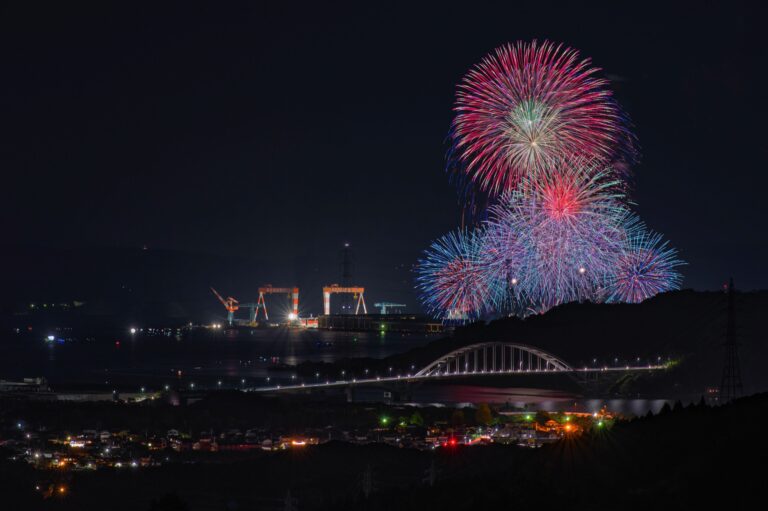
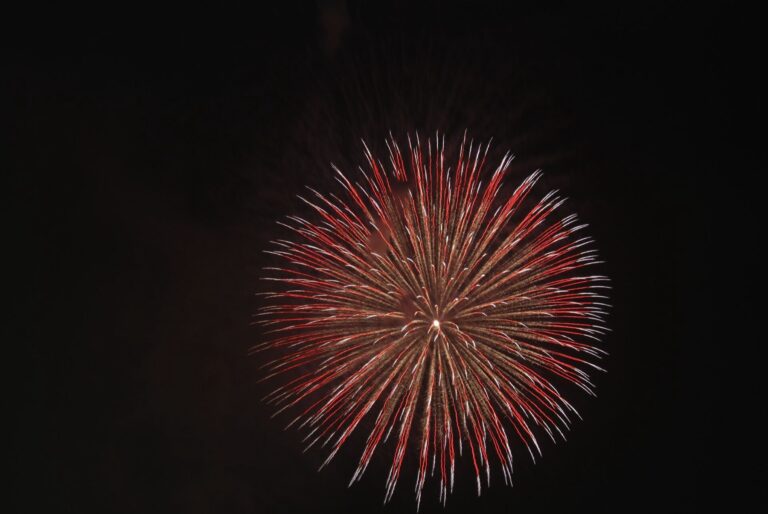
| Aug 2–3 | Nagaoka Fireworks (Niigata) — one of Japan’s three greatest fireworks festivals |
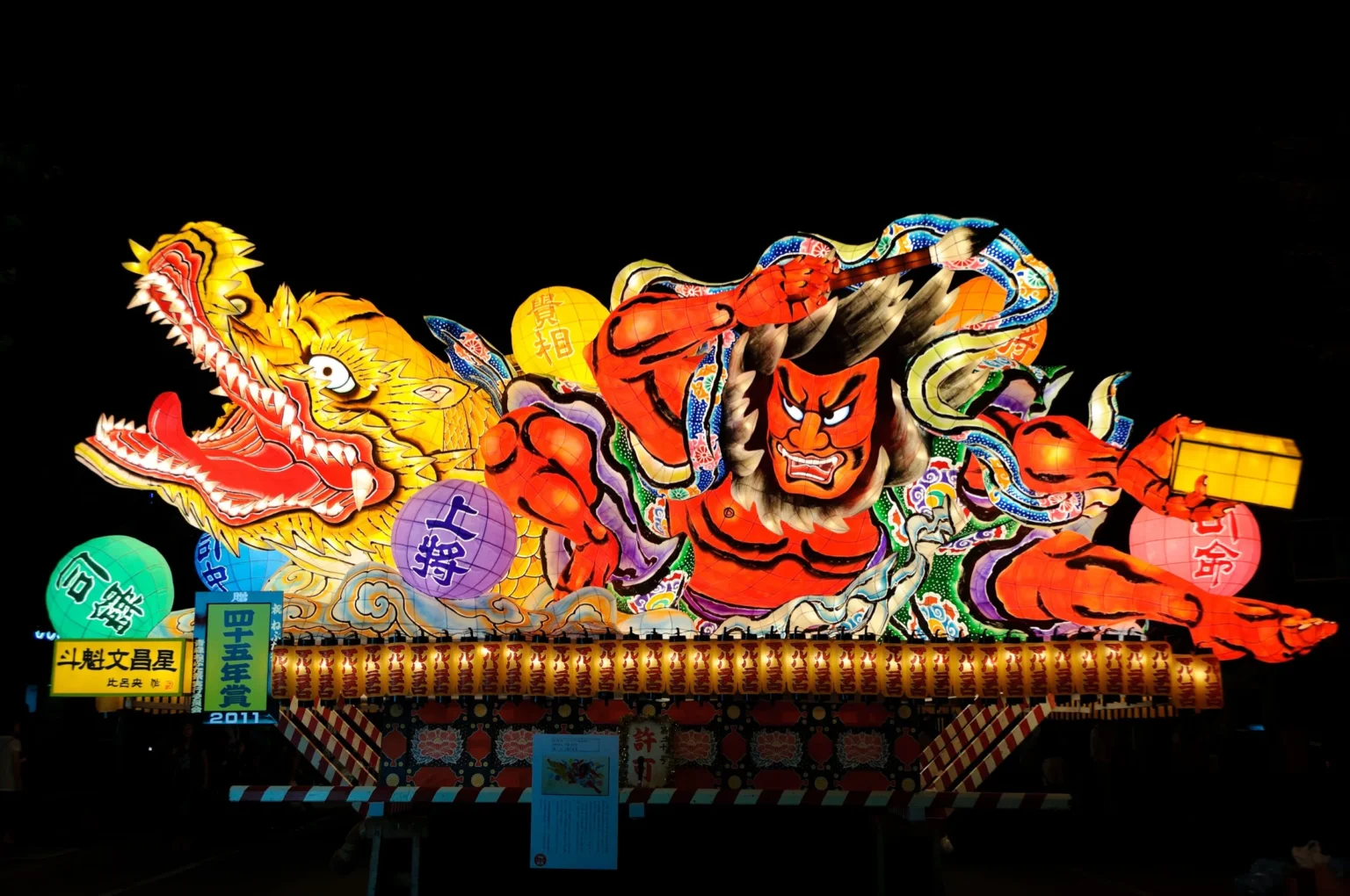
| Aug 2–7 | Aomori Nebuta Matsuri — giant illuminated floats (eve festival Aug 1) |
| Aug 3–6 | Akita Kanto Matsuri — balancing poles of lanterns |
| Aug 5–7 | Yamagata Hanagasa Matsuri — flower-hat dance parade |
| Aug 5–22 | Summer Koshien — the national high-school baseball championship (Hyogo) |
| Aug 6–8 | Sendai Tanabata Matsuri — the month-delayed Star Festival |
| Aug 9–12 | Kochi Yosakoi Matsuri — high-energy modern dance festival |
| Aug 11 (Tue) | Mountain Day (Yama no Hi) — national holiday |
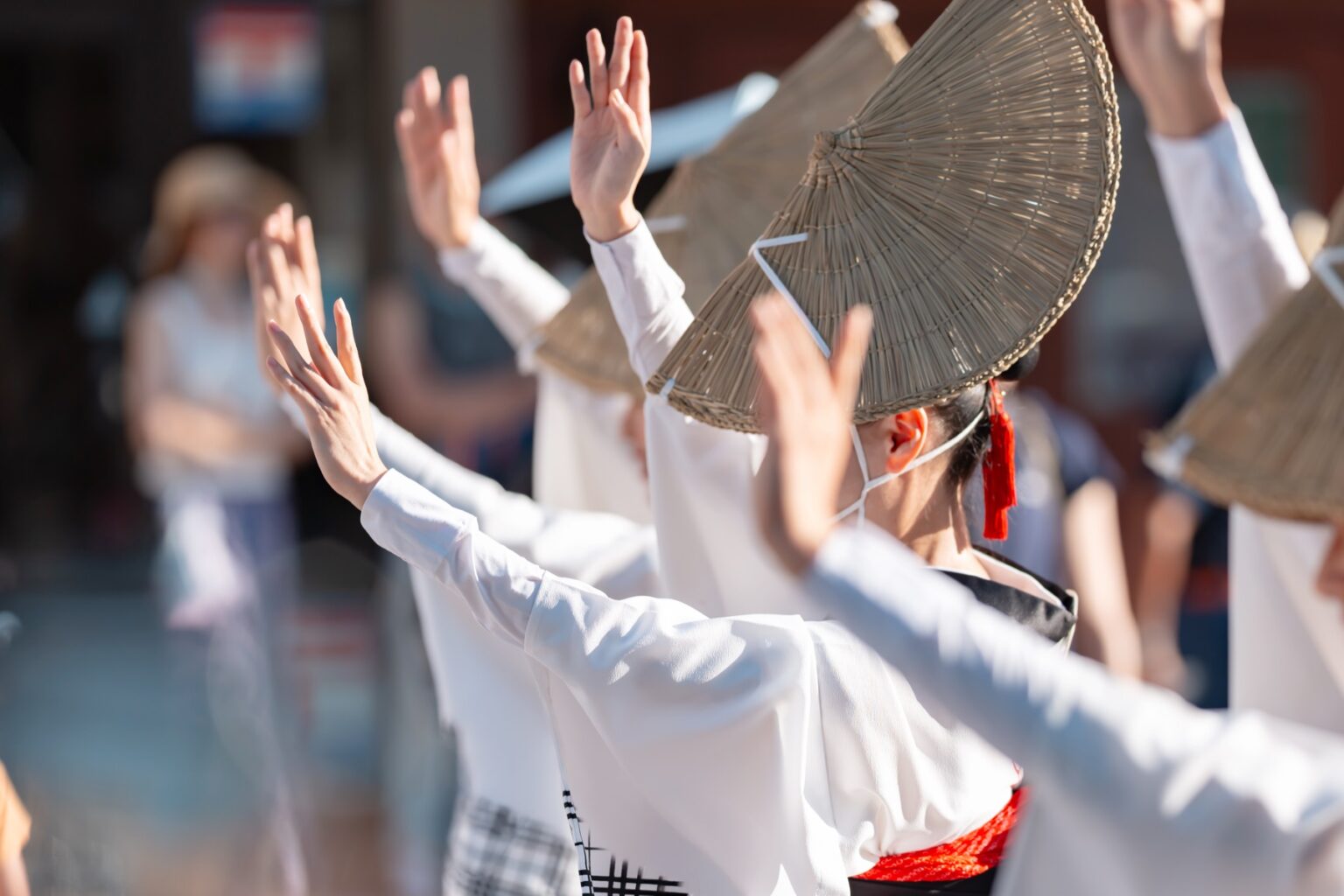
| Aug 11–15 | Tokushima Awa Odori — Japan’s largest dance festival (main days 12–15) |
| Aug 12–13 | Perseid meteor shower — best pre-dawn |
| Aug 13–16 | Obon — the year’s busiest and most expensive travel week |
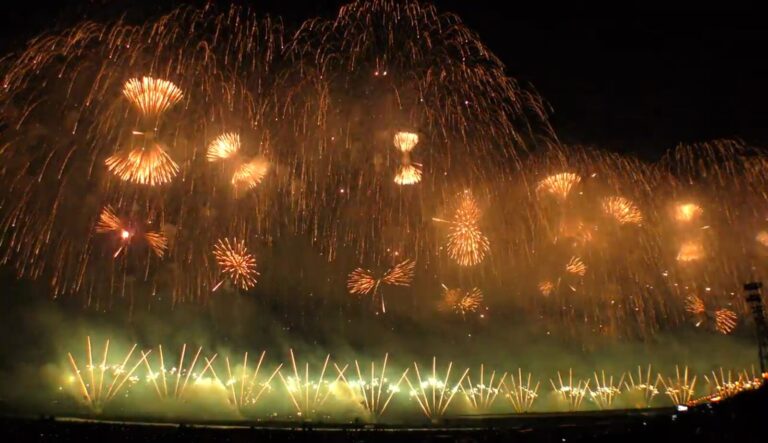
| Aug 15 (Sat) | Lake Suwa Fireworks — ~40,000 shells over the lake |
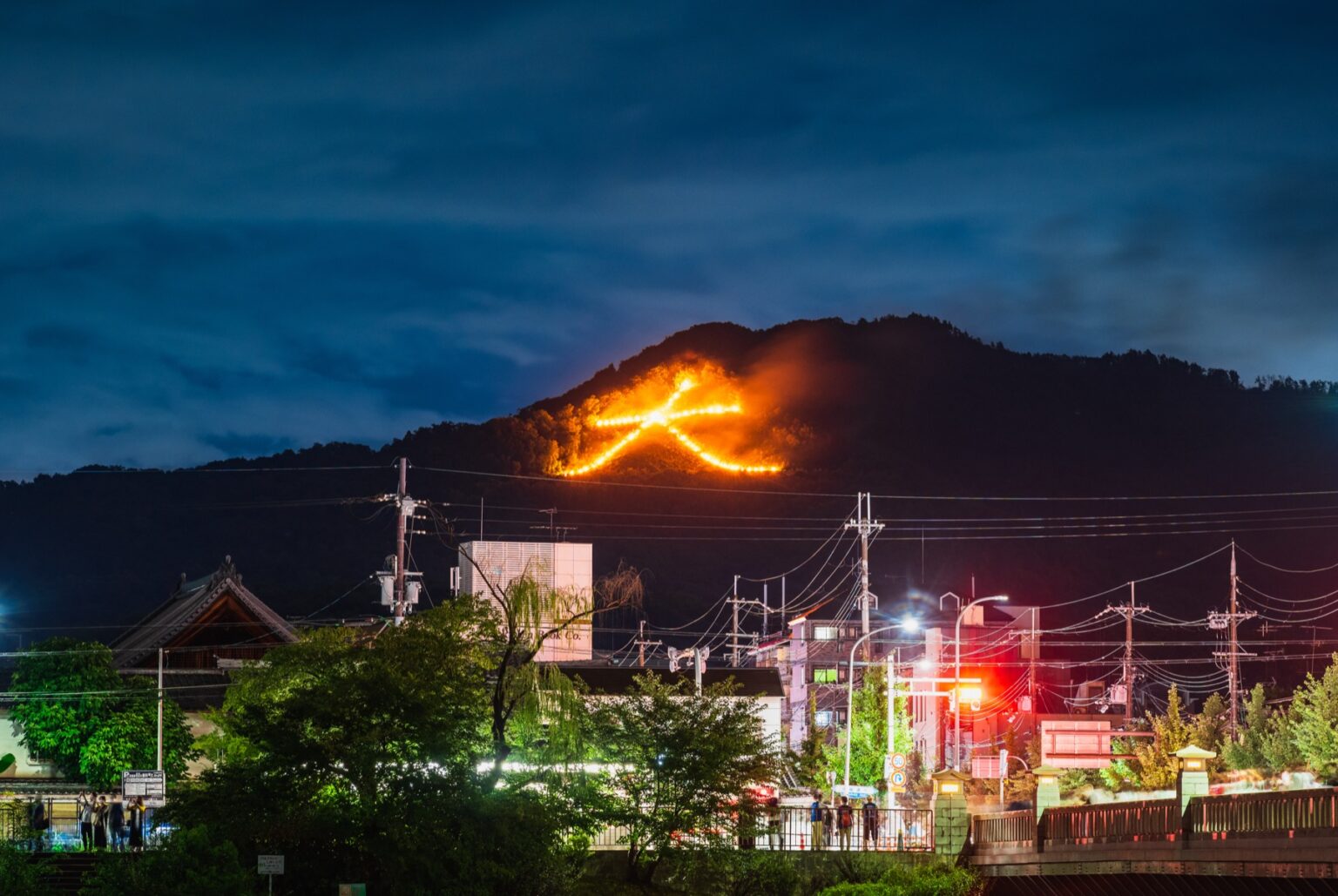
| Aug 16 | Kyoto Gozan Okuribi (Daimonji) — giant mountain bonfires close Obon, from 20:00 |
| Aug 26–27 | Yoshida Fire Festival (Fujiyoshida) — about 2 km of giant torches under Mt Fuji on the 26th, the traditional close of the climbing season |
A 2026 note on fireworks economics: 8 in 10 major festivals now sell paid seats (premium average ¥40,611), and several big-city shows have little free viewing left. Before you pick your festival, see my guide to paid seats vs. free viewing.
And if you’re near Mt. Fuji in the first week of August: the Fuji Five Lakes run four straight fireworks nights on 2–5 August, ending with Kawaguchiko’s century-old Kojosai — free lakeside viewing, no ticket tiers.
Chasing Mt. Fuji in August? The mountain is famously shy in summer, but the mornings are far better than the daytime stats suggest — see can you see Mt. Fuji in August for a Fujiyoshida local’s 2026 morning log.
2026 dates: Tohoku festivals and Obon are fixed-recurring; Mountain Day, Koshien (Aug 5–22) and Lake Suwa Fireworks (Aug 15) are confirmed for 2026. Fireworks can be postponed for weather — check the organiser.
The month in four weeks
Week 1 (Aug 1–7): Tohoku’s great festival week. Nagaoka’s fireworks and Aomori’s Nebuta on the 2nd, Akita’s Kanto, Yamagata’s Hanagasa and Sendai’s Tanabata all stacked into a few days — the best reason to be in the north right now. Koshien baseball starts on the 5th.
Week 2 (Aug 8–14): The heat peaks and the country starts moving for Obon. Kochi’s Yosakoi and Tokushima’s Awa Odori bring Shikoku alive; Mountain Day on the 11th kicks off the travel crush. Catch the Perseid meteor shower before dawn on the 12th–13th if you’re somewhere dark.
Week 3 (Aug 15–21): Obon proper. Lake Suwa’s huge fireworks on the 15th, Kyoto’s Daimonji bonfires closing the festival of the dead on the 16th. Trains, flights and expressways are at their fullest and priciest — book long before.
Week 4 (Aug 22–31): The crowds thin after Obon and prices ease, but the heat hangs on and the swimming season fades as jellyfish arrive. Good for the highlands and the first hints of autumn.
Festivals worth flying in for
August belongs to Tohoku. In the first week the north stages four of Japan’s great summer festivals almost back to back: Aomori’s Nebuta (giant illuminated warrior floats, Aug 2–7), Akita’s Kanto (performers balancing tall poles of paper lanterns, Aug 3–6), the Sendai Tanabata (Aug 6–8) and Yamagata’s Hanagasa flower-hat dance (Aug 5–7). Down in Shikoku, Tokushima’s Awa Odori (Aug 11–15) is the country’s biggest dance festival. And the fireworks are at their grandest — Nagaoka (Aug 2–3) and Lake Suwa (Aug 15, ~40,000 shells). Obon closes on the 16th with Kyoto’s Gozan Okuribi, five giant bonfires lit on the hills to send the spirits home. The full year is in the festival calendar; the season in the Summer in Japan guide.
Obon: what the busiest week means for you
Booking through the Obon crush
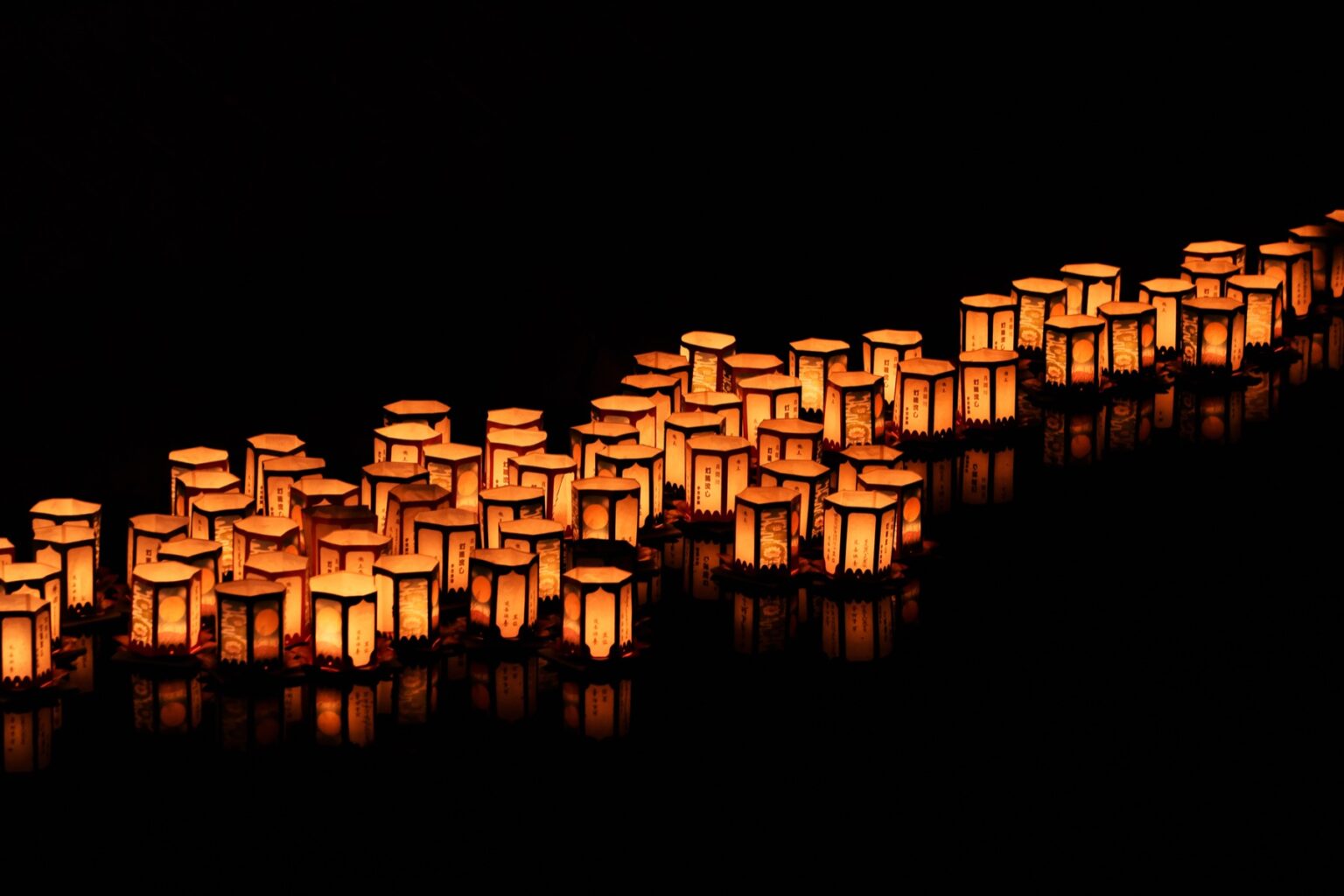
Obon, the Buddhist festival honouring ancestors, is observed across most of Japan from August 13 to 16. It isn’t a public holiday, but nearly everyone takes leave, so it behaves like the country’s biggest one — families return to home towns en masse and the whole transport network strains. Expect peak congestion roughly August 8–17: shinkansen reserved seats sell out weeks ahead, expressways jam, and hotel prices hit their yearly high. If your trip must fall in mid-August, book transport and rooms a month or more out, reserve shinkansen seats the moment they open, and build in slack. If it doesn’t have to, the days right after Obon are noticeably calmer and cheaper.
Beyond the festivals: sky, sport & the last of summer
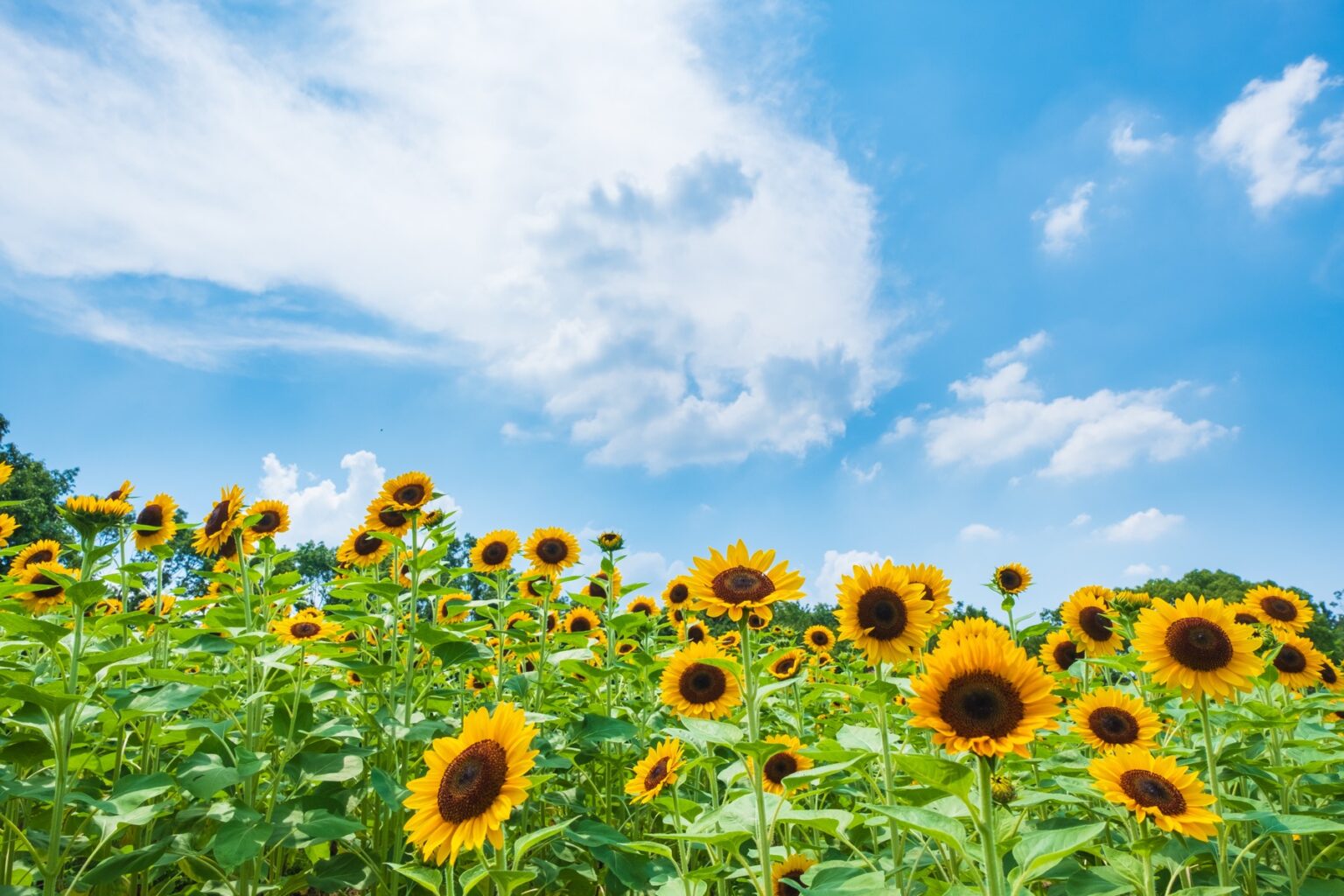
August has more than festivals. The Summer Koshien high-school baseball championship runs August 5–22 at the famous stadium near Osaka — a genuine national obsession worth catching on any TV or, if you can get a ticket, in person. The Perseid meteor shower peaks before dawn on August 12–13; get somewhere dark and look up. Sunflower fields are at their full-bloom peak in early-to-mid August, and the last good swimming is the first half of the month — after Obon the jellyfish move in and many beaches quietly empty even though they officially stay open to the 31st. By the final week, the highlands carry the very first hints of autumn while the cities are still baking.
Where to be, region by region
Tohoku (north)
The place to be in week 1 — Nebuta, Kanto, Sendai Tanabata and Hanagasa within a few days of each other.
Shikoku
Tokushima’s Awa Odori (Aug 11–15) and Kochi’s Yosakoi — the country’s biggest dance festivals.
Kyoto & Kansai
The Daimonji bonfires close Obon on the 16th. Hot and busy; evenings are the move. Osaka’s signature fireworks night is not in August this year: the Naniwa Yodogawa Fireworks is on Saturday, October 17, 2026.
Highlands & Hokkaido
Kamikochi, the Nagano Alps and Hokkaido stay cooler — the escape from peak heat. From Tokyo, ten day-trip escapes ranked by real August temperatures.
Nagano
Lake Suwa’s 40,000-shell fireworks on Aug 15, under the mountains.
The coast
The last weeks of swimming before the jellyfish arrive after Obon.
Booking around Obon
Mid-August is the year’s priciest, fullest week — book months ahead or aim for late August when it eases. Booking has the widest spread of hotels; Rakuten Travel is stronger for the highland ryokan and onsen inns that make the best heat escapes.
The week to plan around
August’s pattern is simple: the first week is festival gold in the north and still bookable; mid-month (Obon, Aug 13–16, plus Mountain Day on the 11th) is the most crowded and expensive stretch of the year; and the last week is the quiet, cheaper tail — still hot, but the crowds gone. If you have a choice, aim for early or late August and treat the Obon middle as something to either commit to fully (and book far ahead) or step around.
Good to know
What’s the weather like in Japan in August?
It’s the hottest, most humid month — Tokyo averages a 31°C daytime high (mean ~27°C) with ~74% humidity, and it’s the peak of typhoon season. The highlands and Hokkaido are the cooler escapes. See the 2026 data on where those searches are surging.
What is Obon and when is it in 2026?
Obon is the Buddhist festival honouring ancestors, observed across most of Japan from August 13 to 16, 2026. It’s not a public holiday but functions like one — it’s the year’s biggest domestic travel week, with peak congestion roughly August 8–17 and the highest hotel and transport prices of the year.
Is August a good time to visit Japan?
It’s the most festive and the most challenging. You get Tohoku’s great festivals, the biggest fireworks and long daylight — but also peak heat, typhoons, and the crowded, expensive Obon week. Early and late August are easier than the middle.
What are the big August festivals?
Aomori Nebuta (Aug 2–7), Akita Kanto (Aug 3–6), Yamagata Hanagasa (Aug 5–7), Sendai Tanabata (Aug 6–8), Tokushima Awa Odori (Aug 11–15), and Kyoto’s Gozan Okuribi bonfires (Aug 16). Lake Suwa’s fireworks (Aug 15) are among the largest in the country.
Is Mountain Day a holiday in 2026?
Yes — Mountain Day (Yama no Hi) falls on Tuesday, August 11, 2026. There’s no substitute holiday since it’s not a Sunday, but it sits right at the start of the Obon travel crush.
Can you still swim in late August?
Beaches usually stay open through August 31, but many locals stop after Obon (mid-August) because jellyfish arrive and the water cools. Early August is the safer swimming window.
Akita Kantō Festival
An early-August highlight up north: ~10,000 lanterns on ~280 balancing poles in Akita.
Tone River Grand Fireworks 2026
One of Japan’s largest-class shows – ~30,000 shells over the Tone River on 19 Sep.
Japan in July
The rains lift, Mt Fuji opens and Gion Matsuri fills Kyoto — the month before.
Summer in Japan 2026
The whole season: weather, festivals and where to escape the heat.
Lake Suwa
The lake behind August 15’s 40,000-shell fireworks, under the Alps.
Typhoon Season 2026
What actually gets cancelled in the back half of summer, with live trackers.
Plan an August Trip
Three doors into a Japanese August. Around Obon, book the bed and the rail first — and early.
Heading into autumn? See Japan in September 2026 — Silver Week, the Kishiwada Danjiri festival and the first autumn colour. Weighing several months against each other? Best Time to Visit Japan compares all 12 side by side. And on clear nights in the first half of the month, the Perseid meteor shower peaks — one of the year’s best.
Join travelers discovering Japan's hidden side
Weekly dispatches from off-the-beaten-path Japan — spots and stories you won't find in guidebooks.
No spam. Unsubscribe anytime.
Welcome aboard!
You're in. See you in your inbox soon.