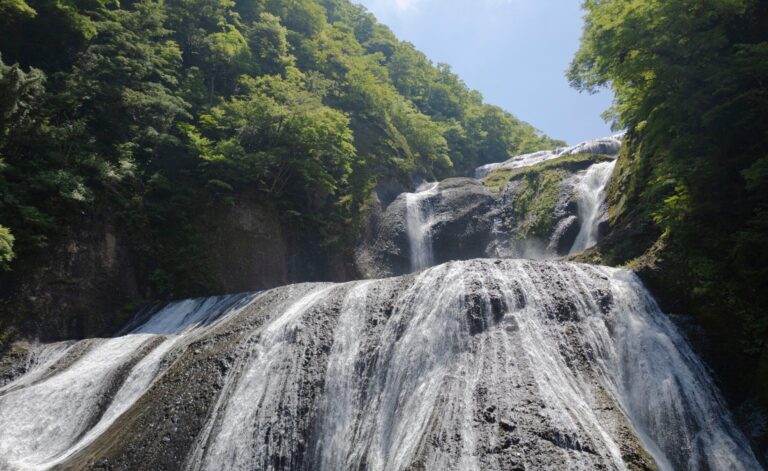
Japan’s summer is no joke: Tokyo averages a 31°C daily high in August, and 2025 was the country’s hottest summer since records began in 1898. So when the cities bake, where are travelers here looking to go instead? Fresh 2026 search data from the booking site Agoda points to five very different escapes — wooded highlands, northern flower country, and an alpine valley 1,500 metres up. Here’s what the numbers show, what each place is actually like, and how to copy the locals without melting.
One honest caveat up front: these figures track the growth in accommodation searches, not confirmed bookings or visitor numbers — a signal of rising interest, not proof of who ends up where. More on that below.
The data: Japan’s fastest-rising summer searches for 2026
Agoda compared accommodation searches by Japanese travelers — searches made in January–March 2026 for April–June check-ins against searches made in April–June 2026 for the July–September window — and ranked which cool-weather destinations climbed the most. Here are the top five by search growth:
Why these five are cooler than the cities
Look at the map and a pattern jumps out: every winner trades on altitude, latitude, mountains, water or hot springs — usually several at once. A valley at 1,500 m or a Hokkaido plain simply runs several degrees below sea-level Tokyo. And as Agoda’s Japan head, Tadashi Ikai, put it, a “coolcation” isn’t only about dodging heat — it’s the onsen, the outdoors and the regional food that come with the cooler air.
Here’s how the five stack up against a Tokyo August (average high 31.3°C, per the Japan Meteorological Agency’s 1991–2020 normals):
| Destination | Elevation | Aug daily high* | Why it’s cool | From Tokyo |
|---|---|---|---|---|
| Tateshina Kogen | ~1,200–1,800 m | ~28°C | Yatsugatake highland, lake & forest | Ltd. express to Chino ~2h + ~30 min |
| Furano | ~170 m (inland Hokkaido) | ~26°C | Northern latitude, flower fields | Fly to Asahikawa ~1h45 + ~1h |
| Yuzawa (Echigo-Yuzawa) | ~340 m, ringed by peaks | ~30°C | Snow country, onsen & rivers | Jōetsu Shinkansen from 66 min |
| Karuizawa | ~950–1,200 m | ~26°C | Classic highland resort town | Hokuriku Shinkansen ~1h |
| Matsumoto / Kamikochi | Matsumoto ~600 m · Kamikochi ~1,500 m | Matsumoto ~31°C · Kamikochi ~23°C | Alpine valley (Kamikochi) | Ltd. express to Matsumoto ~2.5h + ~1.5h |
*Most August daily-high figures are rounded JMA 1991–2020 normals from the nearest station; Tateshina uses the nearby Haramura point as a proxy, and Kamikochi’s ~23°C comes from local official (visitor-centre) guidance, as JMA doesn’t publish temperature normals for it. Kamikochi is the genuinely cool part of entry #5 — Matsumoto city itself runs about as hot as Tokyo.
The five escapes, one by one
#1Tateshina Kogen (蓼科高原), Nagano — +277%
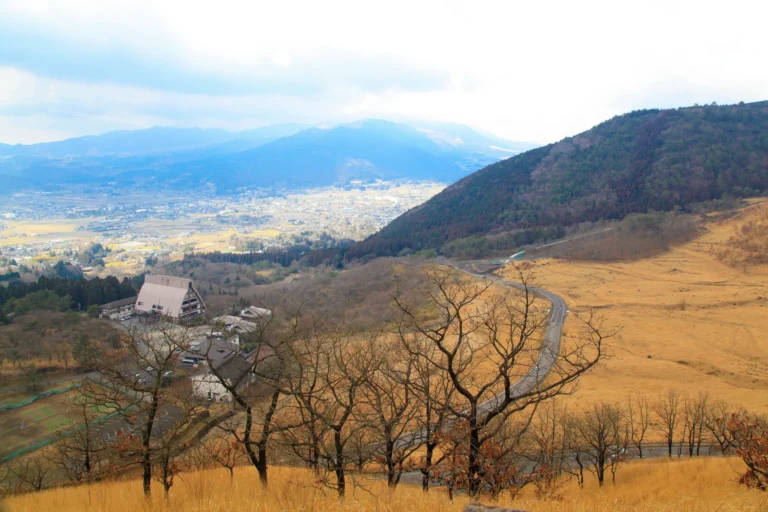
A highland spread across the western foot of the Yatsugatake range, built up over the last century as a summer-retreat and health resort for people from Tokyo and Nagoya. Think a cool lake (Tateshina-ko), birch forests, quiet drives and small onsen — the least “attraction-heavy” of the five, which is rather the point. It topped the growth chart, though remember that’s search interest, not a crowd count. Best for: a slow, wooded reset by car. Nearest rail is Chino (limited express from Shinjuku), then a bus or taxi up to the plateau.
#2Furano (富良野), Hokkaido — +229%
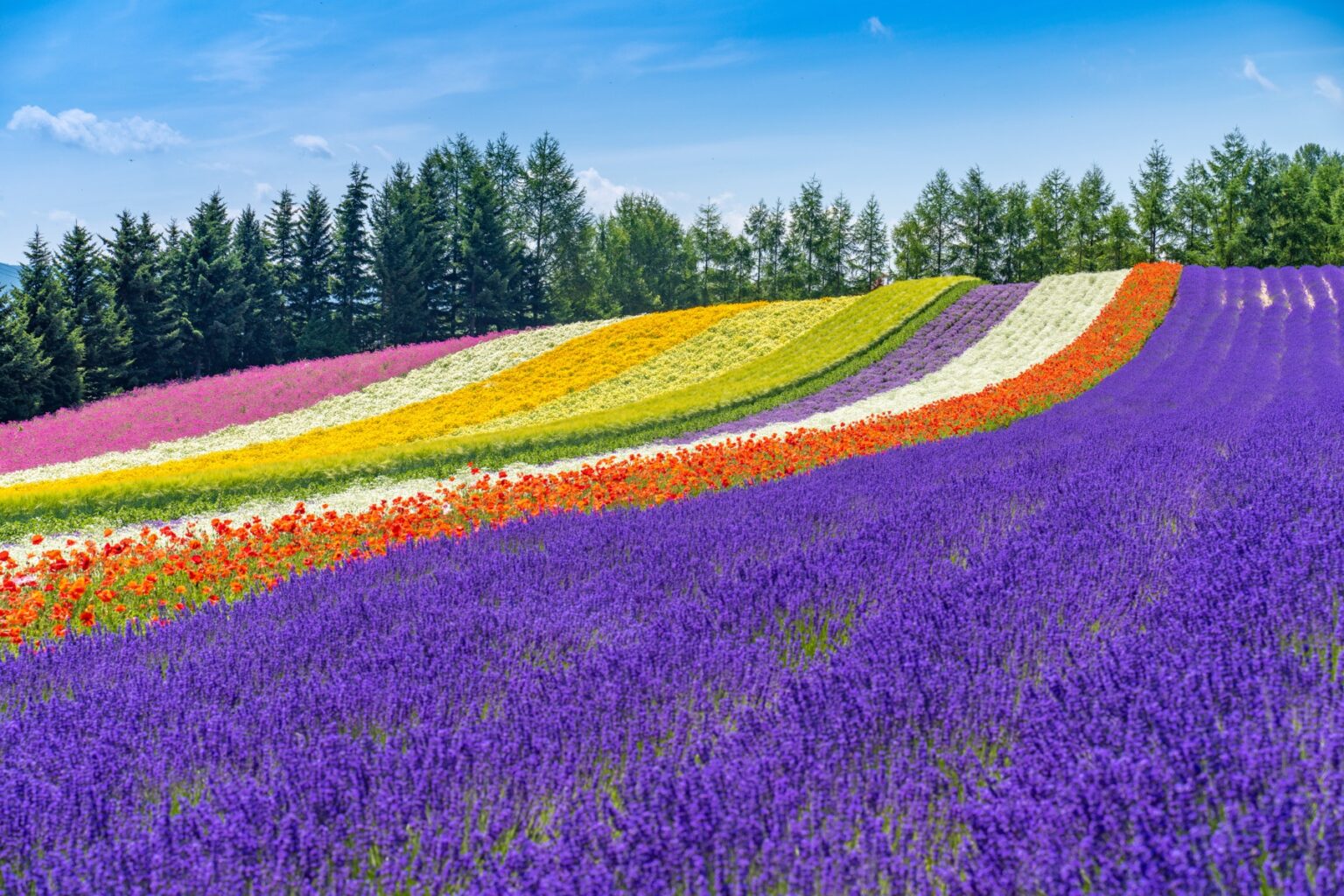
Hokkaido’s cooler, drier air is the real draw — the whole island is Japan’s default summer-escape, and Furano sits in its farm-country heart under the Tokachi peaks. It’s famous for lavender, but note the timing: lavender peaks in July; by August the fields shift to mixed “rainbow” flowers and sunflowers, and it becomes a driving-and-hills landscape. Best for: a fly-and-drive Hokkaido leg. Fly Tokyo→Asahikawa, then about an hour south by bus or car.
#3Yuzawa / Echigo-Yuzawa (湯沢), Niigata — +202%
The surprise on the list — and the easiest win from Tokyo. Yuzawa is “snow country” (this is where Kawabata set the novel), a hot-spring town ringed by the Tanigawa and Naeba peaks, with rivers, a summer ropeway and highland walks. Its August high (~30°C) is only a touch below Tokyo’s on paper, but the mountains, water and onsen make it feel like a different season. Best for: a genuine onsen escape you can reach in about an hour. The Jōetsu Shinkansen reaches Echigo-Yuzawa in as little as 66 minutes.
#4Karuizawa (軽井沢), Nagano — +161%
Japan’s most famous summer-retreat town, said to have grown into a cool-season resort after Western missionaries settled here in the Meiji era. At ~1,000 m it runs several degrees below Tokyo, and it pairs forest, cycling paths and easy walks with cafés, outlet shopping and old villa neighbourhoods. It’s popular and can be busy in peak summer — but it’s a rare highland you can reach in about an hour. Best for: a low-effort cool day or overnight with things to do. Hokuriku Shinkansen, roughly one hour from Tokyo.
#5Matsumoto & Kamikochi (松本・上高地), Nagano — +133%
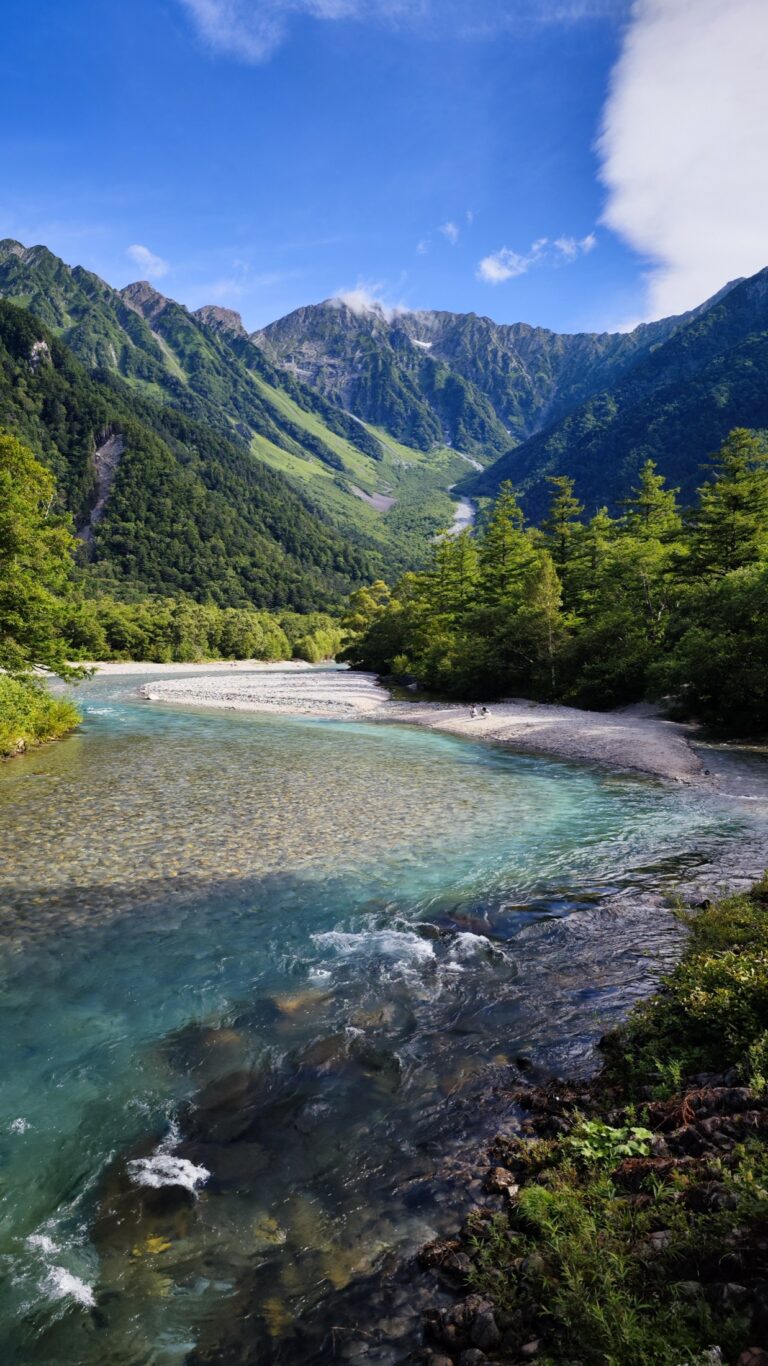
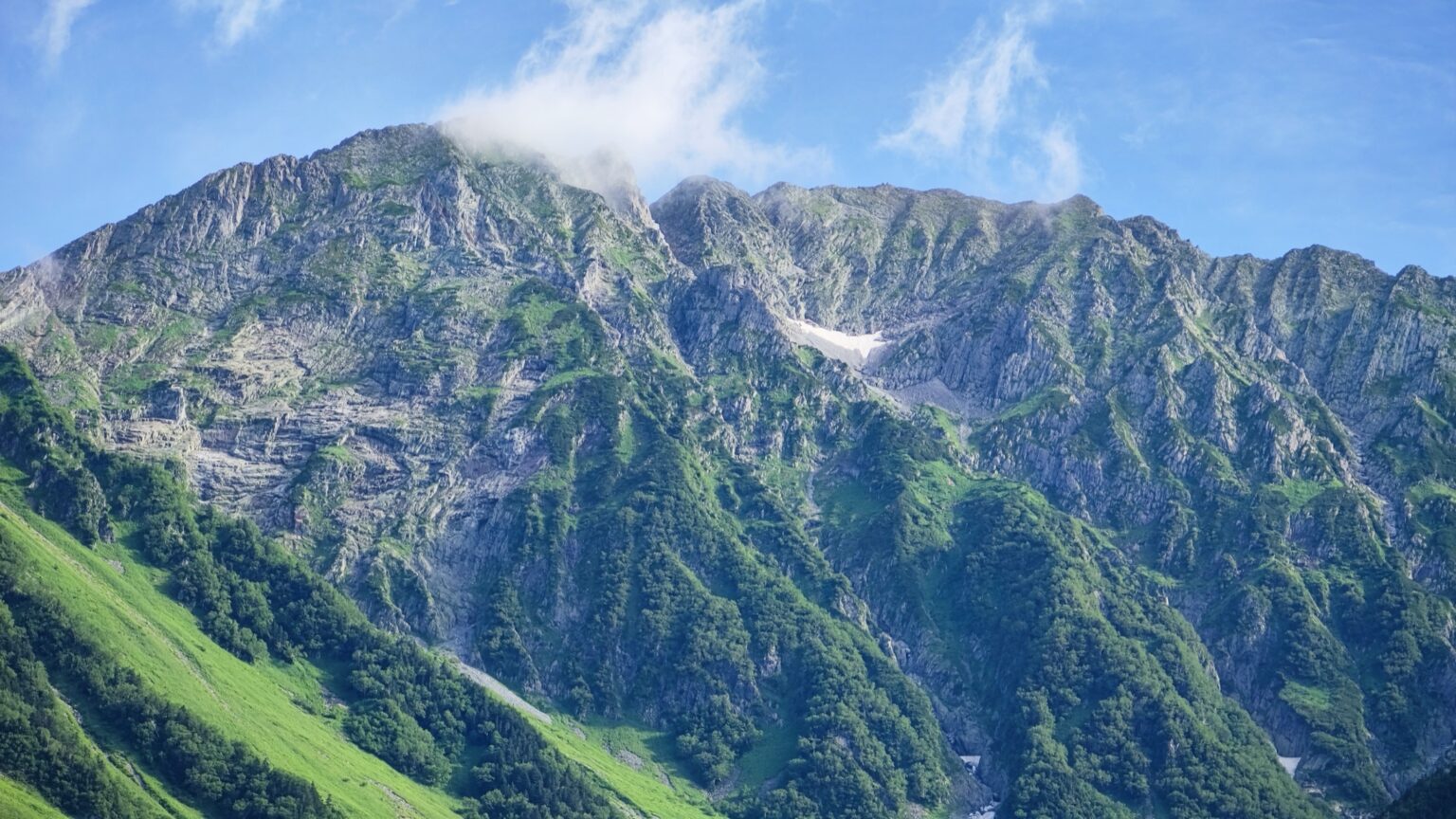
This entry is really two places. Matsumoto is the castle-town gateway — but at ~600 m it’s about as hot as Tokyo, so it’s the base, not the escape. The cool comes from Kamikochi, a protected alpine valley at ~1,500 m in the Northern Alps, where August highs sit around 23°C. Clear rivers, the Kappa Bridge, and flat walks under 3,000 m peaks make it Japan’s signature cool-and-scenic day. Best for: nature-first travellers. Limited express to Matsumoto (~2.5h from Shinjuku), then about 90 minutes on to Kamikochi (private cars aren’t allowed in — you switch to bus/taxi).
How to copy this like a local
You don’t have to rebuild your whole trip. The move most travellers here make is simple: keep the city days short in peak heat, and bolt on one or two nights in the hills.
- Easiest from Tokyo: Karuizawa (~1h) is the clearer cool day trip; Echigo-Yuzawa (~66 min) is a quick onsen-and-mountain escape — not dramatically cooler by temperature alone, but an easy overnight. (I’ve since ranked ten Tokyo day-trip escapes by their actual JMA August normals — the execution guide to this data.)
- Weekend by rail + road: Tateshina (Chino + bus).
- Nature-first: Matsumoto → Kamikochi.
- Fly-and-drive: Furano, as part of a wider Hokkaido loop.
A couple of reality checks: “cooler” means cooler in the shade — the summer sun at altitude is still strong, so pack for sun and sudden mountain rain. And build the day around it: walk early, take the middle of the day by the water, forest or indoors, and finish in an onsen. For rooms in the highland and onsen towns, comparing across sites helps — search on Agoda or browse ryokan on Rakuten Travel. If you’ll ride the shinkansen to reach them, a JR Pass can cover the Tokyo legs.
Coolcation is bigger than Japan
This isn’t just a Japanese quirk. JTB’s 2026 summer outlook flagged clear heat-avoidance behaviour — more interest in indoor sightseeing and early-morning or evening plans — and listed Hokkaido among the popular domestic destinations. Globally, Booking.com’s 2026 research found 74% of travellers now factor extreme-weather risk into where and when they go, and a quarter plan to seek out cooler destinations. Japan’s highland search surge is the local edition of the same shift.
Want the version with personal picks rather than data? For a first-hand take on where to actually stay and what it feels like, read my companion guide:
Frequently asked questions
Where do travellers in Japan go to escape the summer heat?
2026 Agoda search data points to highland, northern and snow-country escapes: Tateshina Kogen, Furano, Yuzawa, Karuizawa, and the Matsumoto/Kamikochi area. They share altitude, latitude, mountains, water or hot springs — the things that make them run cooler than the big cities.
Is the Agoda ranking based on bookings?
No — it tracks the growth in accommodation searches between a spring window and the July–September summer window, so it’s a signal of rising interest, not confirmed bookings or visitor numbers.
Is Karuizawa really cooler than Tokyo in August?
Yes. At around 1,000 m, Karuizawa’s August daily highs sit near 26°C, against roughly 31°C in Tokyo — noticeably cooler, and only about an hour away by shinkansen.
Which is easiest to reach from Tokyo?
Echigo-Yuzawa (from 66 minutes on the Jōetsu Shinkansen) and Karuizawa (about an hour on the Hokuriku Shinkansen) are the quickest — both work as a cool day trip or an easy overnight.
Is Kamikochi good in August?
It’s one of the coolest and most scenic options — an alpine valley at ~1,500 m with August highs around 23°C. Note it’s a two-step trip via Matsumoto, and private cars can’t enter, so you transfer to a bus or taxi for the last leg.
Can I still see lavender in Furano in August?
Lavender mainly peaks in July. By August, Furano’s fields turn to mixed “rainbow” flowers and sunflowers, and the appeal shifts to the drives and hill scenery — still lovely, just not purple.
Related reads
Join travelers discovering Japan's hidden side
Weekly dispatches from off-the-beaten-path Japan — spots and stories you won't find in guidebooks.
No spam. Unsubscribe anytime.
Welcome aboard!
You're in. See you in your inbox soon.