Summer · Day Trips from Tokyo
Ten classic “escape the Tokyo heat” day trips, ranked by what the thermometer actually says. On an average August day Tokyo hits 31.3°C; Oku-Nikko, up at 1,292 metres, hits 22.9°C — a verified 8.4-degree drop. But here is what the listicles never admit: at several famous “cool spots,” the local thermometer reads like Tokyo’s. The JMA station in Fukuroda’s town averages the same 31.3°C in August; the Chichibu station near Nagatoro sits just 0.3°C lower. You go to those for cold water, not cool air — and once you know which kind of cool you’re buying, every one of these trips gets better.
The ranking the brochures won’t print
Every spot below is a realistic day trip from Tokyo; for the year-round list, sorted by direction, train time and fare, see the day trips from Tokyo index. The temperature column is the August daily-maximum normal at the named Japan Meteorological Agency station — thirty years of Augusts averaged, not a lucky forecast. Stations marked * are regional stand-ins, not thermometers at the destination itself; where a famous spot has no station of its own, I say so rather than invent a number.
| Spot | Station Aug normal high | vs Tokyo stn | JMA station (elevation) | What the cool actually is |
|---|---|---|---|---|
| Oku-Nikko (Lake Chuzenji) | 22.9°C | −8.4°C | Okunikko (1,292 m) | Genuine mountain air |
| Kusatsu Onsen | 24.2°C | −7.1°C | Kusatsu (1,223 m) | Mountain air + onsen |
| Kiyosato Highlands | 24.7°C* | −6.6°C* | *Nobeyama (1,350 m), the next valley up | Highland meadows |
| Nasu Highlands | 25.4°C | −5.9°C | Nasu-Kogen (749 m) | Highland air, ropeway higher |
| Karuizawa | 26.3°C | −5.0°C | Karuizawa (999 m) | Forest-town air — and six higher Nagano rungs |
| Hakone (Lake Ashi) | 28.7°C* | −2.6°C* | *Gotemba (472 m) — central Hakone has no JMA temperature station | Elevation-dependent; lake at 724 m runs cooler than the proxy |
| Akagi (Mt Akagi) | 30.3°C* | −1.0°C* | *Numata (439 m) — no station on the mountain | Lake Onuma sits ~900 m above that thermometer; expected cooler, unverified |
| Nagatoro | 31.0°C* | −0.3°C* | *Chichibu (232 m), same basin | The river, not the air |
| Shiraito Falls (Fujinomiya) | 31.0°C* | −0.3°C* | *Fuji (66 m) | 12°C spring water, year-round |
| Fukuroda Falls | 31.3°C | ±0°C | Daigo (120 m) | A 120-metre wall of falling water |
Read that bottom third again. By their local stations’ numbers, Fukuroda, Shiraito and Nagatoro promise no cooler air than Tokyo — and they are still three of the best summer trips on this list. (The stations don’t measure the spray zone at a waterfall’s basin; nobody does. The point is that the towns are not highland-cool.) The distinction that matters is cool-air trips versus water trips. Pack and plan for the right one.
The cool-air trips: real elevation, real degrees
Oku-Nikko — the coldest verified air near Tokyo (−8.4°C)
Not Nikko town — the temples sit low and warm. The prize is above the Irohazaka switchbacks: Lake Chuzenji at 1,269 metres and Kegon Falls dropping roughly 97 metres from the lake’s outflow. The Okunikko station beside the lake (1,292 m) has an August normal high of 22.9°C — light-jacket territory outside midday, while Tokyo cooks. The falls elevator down to the observation deck runs ¥600 return (¥400 for children). Access: train to Tobu-Nikko or JR Nikko, then roughly 50 minutes by bus up the switchbacks. It is the longest day on this list and the single biggest payoff. (I’ve written about this basin in its quieter season — Lake Chuzenji in winter — and August is its other personality.)
Kusatsu Onsen — hot water, alpine air (−7.1°C)
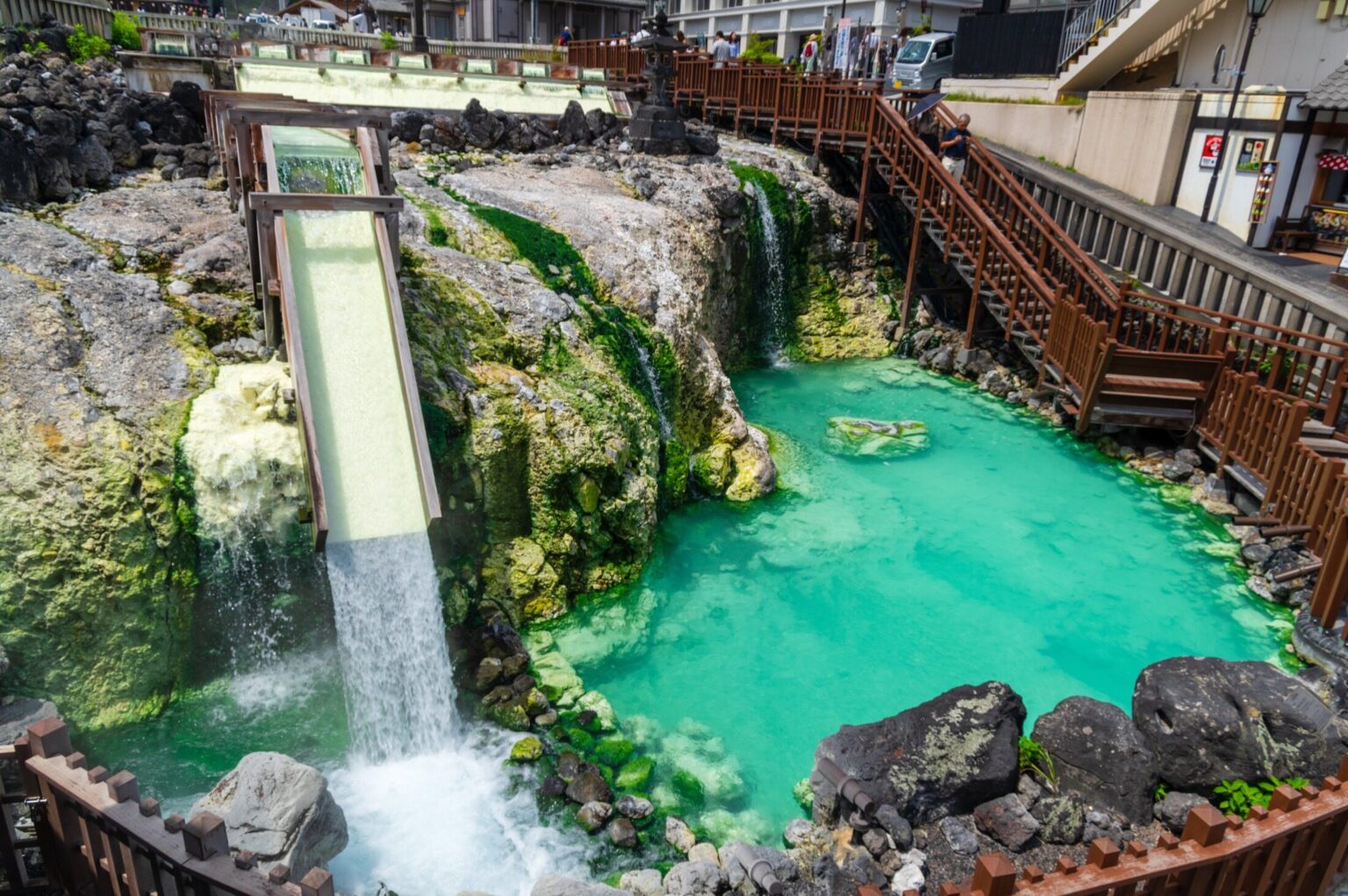
A hot-spring town whose weather station sits at 1,223 metres sounds like a contradiction for summer — it is the opposite. Evenings drop cool enough that a scalding Kusatsu bath makes sense in August, and the town’s Yubatake field pumps out 4,000 litres of mineral water a minute right through the centre. Access is the honest catch: limited express from Ueno to Naganohara-Kusatsuguchi, then a connecting bus of about 25 minutes. Doable in a day; better with a night.
Kiyosato — the highland most overseas visitors miss (−6.6°C*)
Meadows around 1,200 metres on the south face of the Yatsugatake range — the temperature above is from Nobeyama station one valley up (1,350 m), which averages 24.7°C in August; Kiyosato itself sits slightly lower. The trip is part of the pleasure: Chuo-line limited express to Kobuchizawa (~2 hours from Shinjuku), then the tiny Koumi line climbing another 30 minutes into the hills. Rental bicycles, farm soft-serve, and a fraction of Karuizawa’s crowds. My own data piece on where Japanese travellers are booking this summer — the coolcation numbers — shows exactly this belt of Yamanashi–Nagano highland surging.
Nasu Highlands — imperial-villa air (−5.9°C)
The Nasu-Kogen station at 749 metres averages 25.4°C; the Nasu Ropeway (¥2,000 return) climbs another 293 vertical metres in four minutes toward the 1,915-metre Chausudake, into noticeably cooler, windier air. Access is Shinkansen to Nasushiobara and then a bus up — budget the extra leg. The Imperial family keeps its summer villa here; they are not wrong about the air.
Karuizawa — the classic, for a reason (−5.0°C)
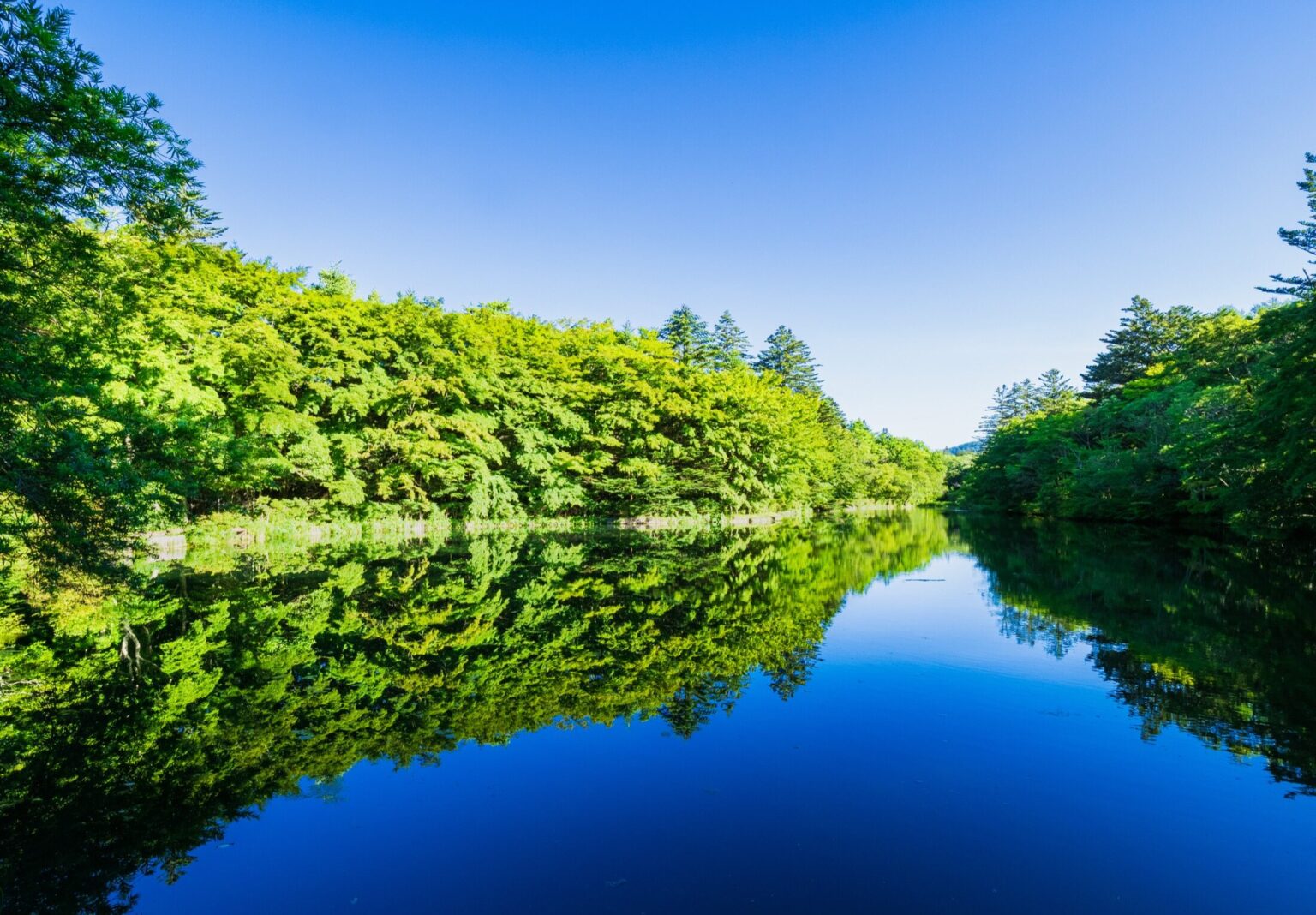
Five degrees is the difference between escaping and enduring, and Karuizawa delivers it one hour from Tokyo Station on the Hokuriku Shinkansen — the shortest door-to-cool time on this list. The moss-green loop around Kumoba Pond and the old-money shade of the Kyu-Karuizawa forest roads are the point; the outlet mall is air-conditioned anyway. Expect everyone else to have the same idea on August weekends.
The water trips: same air, different comfort
Nagatoro — ride the river (−0.3°C* air · the river does the work)
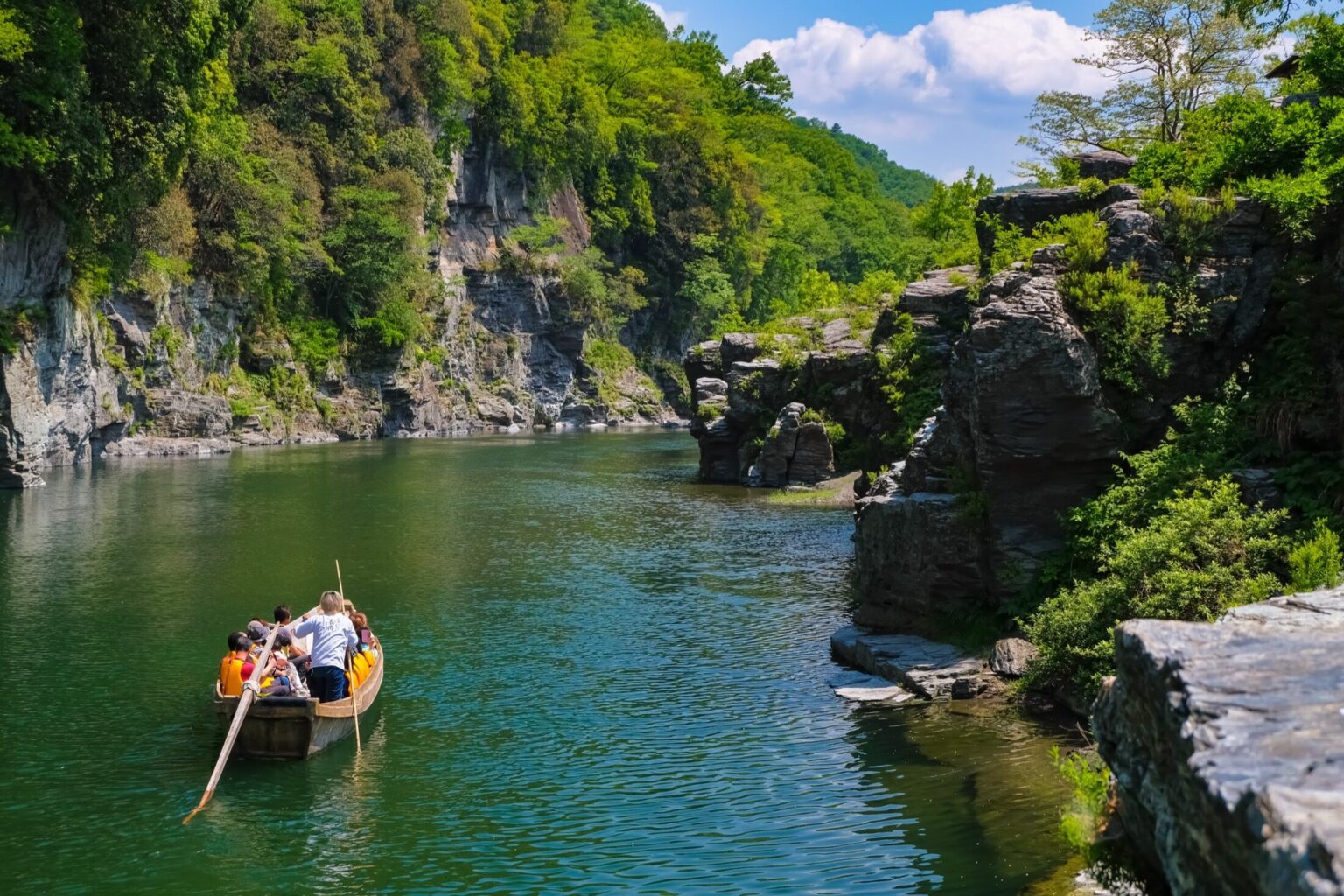
The Chichibu station’s August average is a third of a degree off Tokyo’s. Nobody in the boat cares. The Nagatoro line-kudari runs traditional wooden boats down the Arakawa between the rock terraces of the gorge — in 2026 it operates 10 March to 4 December, ¥2,000 per adult per course in the regular season (¥2,200 peak). The spray, the shade of the gorge walls and the air moving over the water do what the town’s thermometer won’t — comfort, not a measured temperature drop. The boat office is a one-minute walk from Nagatoro Station on the Chichibu Railway.
Shiraito Falls, Fujinomiya — the 12-degree curtain (−0.3°C air · 12°C water)
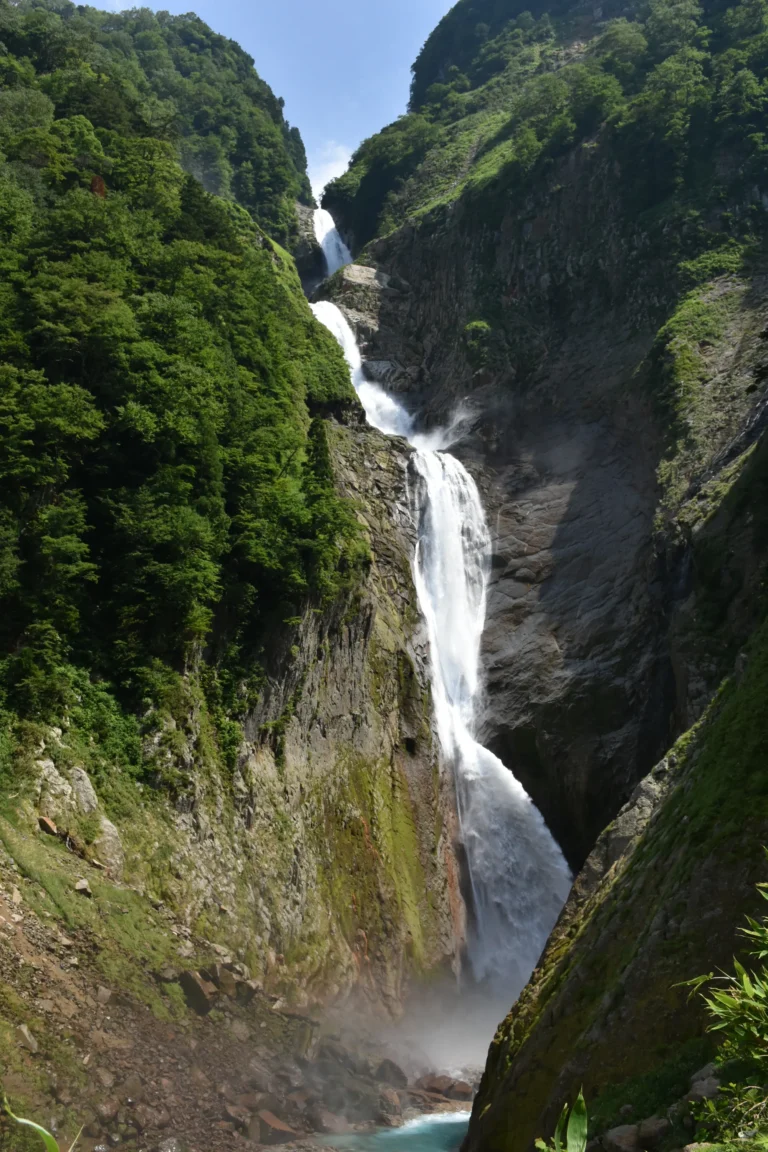
Not to be confused with Karuizawa’s little waterfall of the same name. This is the one at Mt Fuji’s southwestern foot: a 150-metre-wide, roughly 20-metre-high curtain where about 1.5 tonnes of Fuji groundwater per second seep straight out of the cliff face — at 12°C, all year. Stand at the basin and the water, spray and shade make the hollow feel several degrees kinder than the car park above — a feel, not a weather-station reading, and it works every time. Bus from Fujinomiya Station, about 24 minutes, ¥600. If Fuji is your reason for being in Japan, this pairs naturally with everything in my Mt Fuji guide.
Fukuroda Falls — the wall of water (±0°C air · all the spray)
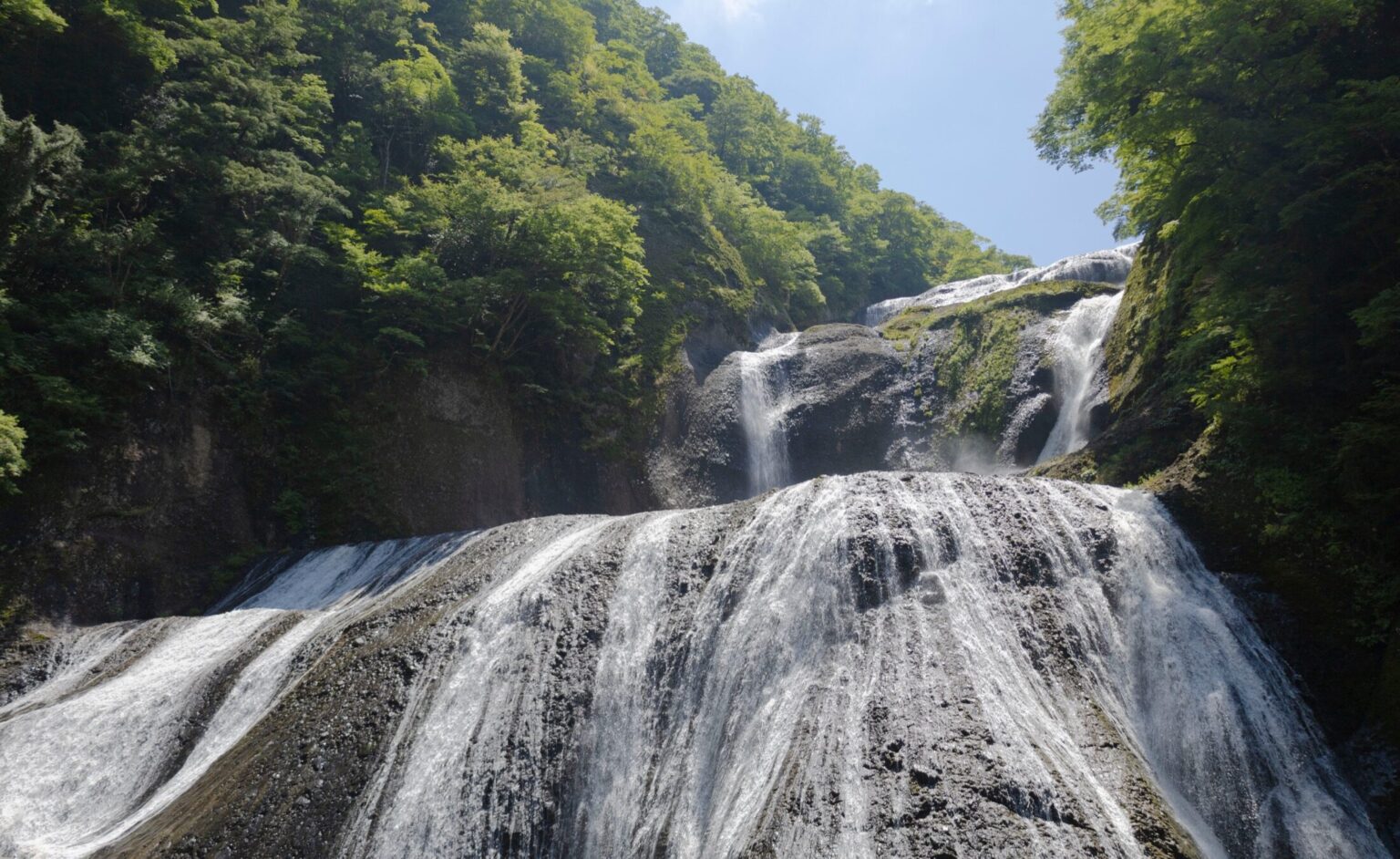
Ibaraki’s giant: 120 metres tall, 73 metres wide, sliding down broad rock steps — commonly counted among Japan’s three famous waterfalls alongside Kegon above. The viewing tunnel (¥500 adults, ¥300 children since July 2025) puts you on decks directly in the cool zone of the falls. The honest warning is the bus: the return service from the falls to Fukuroda/Daigo stations runs a handful of times a day (11:03, 13:53 and 15:30 from the Takimoto stop on the timetable I checked in late July 2026 — verify the date and each bus’s destination before relying on it). Miss the last one and it is a long taxi. This is the trip on this list where a rental car pays for itself.
The honest middle: Hakone and Akagi
Hakone is the odd case: central Hakone has no JMA temperature station, so the stand-in thermometer here is Gotemba at 472 metres (28.7°C, −2.6°C). Lake Ashi sits 250 metres higher, so it may well feel cooler than that reading — but that is an elevation inference, not a measurement, because nobody publishes a lakeside normal. The elevation is real; the verified number is not. Go for the lake, the cedar avenue and the sulphur valley rather than a promised temperature. Romancecar from Shinjuku to Hakone-Yumoto is the classic approach.
Mt Akagi I include with an asterisk I refuse to hide: the reference station with August normals is Numata down at 439 metres (30.3°C), and there is no verified reading for the summit caldera, where Lake Onuma sits around 1,350 metres — roughly 900 metres above that thermometer. Expect the lakeshore to feel cooler; I just cannot print a verified number for it, and I won’t invent one. Public transport is a bus from Maebashi with a limited timetable — another car-friendly one.
Making it work
By rail pass
Karuizawa (Hokuriku Shinkansen, about an hour from Tokyo Station) and Nasu (Tohoku Shinkansen to Nasushiobara, then a bus up) are the two easiest wins; the Shinkansen legs are JR routes, so check what your specific pass covers — local buses and ropeways are separate. Oku-Nikko and Kusatsu are long but honest day trips with a limited express plus bus.
By car
Fukuroda and Akagi are the two where driving transforms the day — thin bus timetables are the only real flaw of both. Nagatoro and Kiyosato are pleasant drives but genuinely fine by train.
Timing
Start early. Mountain transport thins out from late afternoon, summer weather is most reliable before noon, and every one of these places is better before the day-trip wave arrives.
Turn one into a night
Kusatsu and Oku-Nikko both punish the round-trip and reward the overnight — a genuinely cool August evening is the thing Tokyo cannot sell you at any price.
Build the escape
Questions I’d actually ask
Which single trip is coolest if I just want out of the heat?
Oku-Nikko: the station beside Lake Chuzenji has a verified 22.9°C average August high, 8.4 degrees below Tokyo — and no other station in this comparison comes within a degree of it. The trade-off is the longest travel day on this list — roughly 50 minutes of mountain bus after the train ride.
Which is the fastest meaningful escape?
Karuizawa — about an hour from Tokyo Station by Hokuriku Shinkansen for a solid five-degree drop. Nasu is the quieter alternative in a similar travel band, with a bigger drop and a ropeway to genuinely cold summit air.
Are the waterfall spots actually cooler?
The air, by their local stations’ normals, no — the Daigo station near Fukuroda averages exactly Tokyo’s 31.3°C in August, and Chichibu near Nagatoro is 0.3°C lower. What they offer is water: 12°C spring water at Shiraito, river spray at Nagatoro, and the spray zone of a 120-metre wall at Fukuroda. Wonderful trips — just don’t expect highland air.
Why do you list a different town’s temperature for Hakone?
Because central Hakone has no JMA temperature station, and pretending otherwise is how travel listicles go wrong. Gotemba (472 m) is the stand-in thermometer; Lake Ashi at 724 m may well feel cooler than that reading — an elevation inference, not a measurement — and I only print what’s measured.
Do these work with kids?
Nagatoro is the crowd-pleaser (the boat is the attraction), Fukuroda’s tunnel-and-decks setup is easy with children (¥300 child tickets), and Karuizawa is the low-effort option. Oku-Nikko’s bus switchbacks are the one leg that tests small passengers.
When is the last sensible departure back to Tokyo?
It varies by spot, but the pattern to respect: mountain buses thin out from late afternoon. Fukuroda’s return bus effectively ends mid-afternoon, so treat it as a planned full day (or drive); Nagatoro works as a shorter outing; Oku-Nikko and Kusatsu keep evening connections but check the last bus that meets your train.
More for September 2026: Kinchakuda red spider lilies: a September Tokyo day trip
More cool escapes: Tochigi’s 10 best waterfalls — Nikko, Shiobara & Nasu, where Okunikko’s August daytime normal is just 22.9°C. For an indoor escape from the heat, see the art-museum gardens near Tokyo or the all-weather Spa Resort Hawaiians.
Join travelers discovering Japan's hidden side
Weekly dispatches from off-the-beaten-path Japan — spots and stories you won't find in guidebooks.
No spam. Unsubscribe anytime.
Welcome aboard!
You're in. See you in your inbox soon.