
Planning · When to Go
The honest short answer: for a first trip, aim for mid-to-late May — after Golden Week ends (May 6 in 2026; May 5 in 2027), before the rainy season starts around June 6–7, with Tokyo days near 24°C. Cherry blossoms mean late March to early April (and peak crowds); autumn colour in Tokyo and Kyoto means mid-November to early December; the cheapest comfortable window is mid-January to February. Below, all 12 months on the same scale — temperature, crowds, cost and what you’ll actually see.
The month is only half the decision — the other half is length. How many days do you need in Japan? compares 5, 7, 10 and 14-day trips.
How to read the 12 month cards
Temperatures are official JMA 30-year normals (1991–2020) for Tokyo, with a note where Kyoto differs enough to matter — Kyoto’s basin runs hotter in summer. Crowds and cost are relative calls (low / medium / high) for the classic Tokyo–Kyoto–Osaka route, driven mostly by Japan’s own holiday calendar: Golden Week, Obon and New Year move tens of millions of domestic travellers, and they outweigh any foreign season. Hokkaido, Okinawa and the mountains run on different clocks — where it changes the advice, I say so.
January, February and March
January — cold, dry, brilliant light
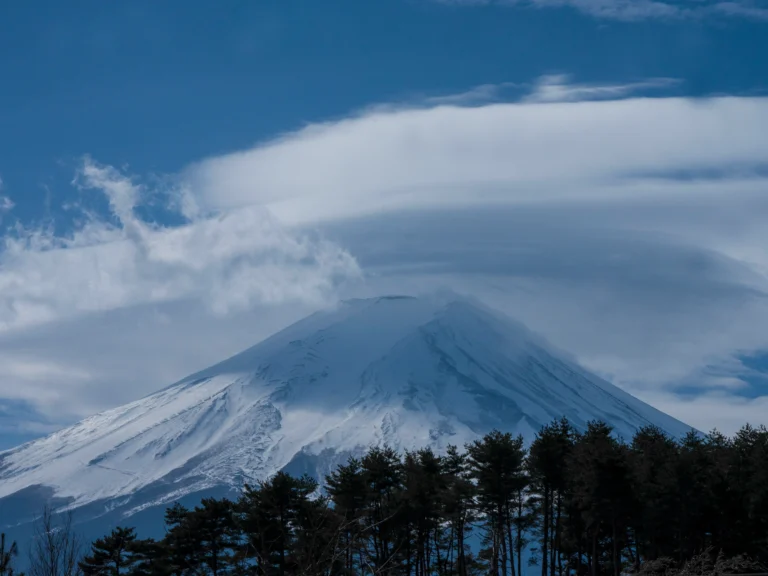
Tokyo 10°C / 1°C (50/34°F), the driest stretch of the year. After the New Year rush ends (~Jan 4), crowds and prices drop to their annual floor. Mt. Fuji is visible on 82% of mornings — the payoff month for view-chasers. Note the first days of January: shrines are packed for hatsumode and many small businesses close.
February — snow country’s month
Tokyo 11°C / 2°C (52/36°F). Low season on the Golden Route, peak season for Hokkaido snow festivals and ski resorts — and the heart of the northern Nagano ski season. Plum blossoms open late in the month. One 2027 caution: Lunar New Year falls on February 6, 2027, and popular spots fill with regional travellers around it.
March — the hinge month
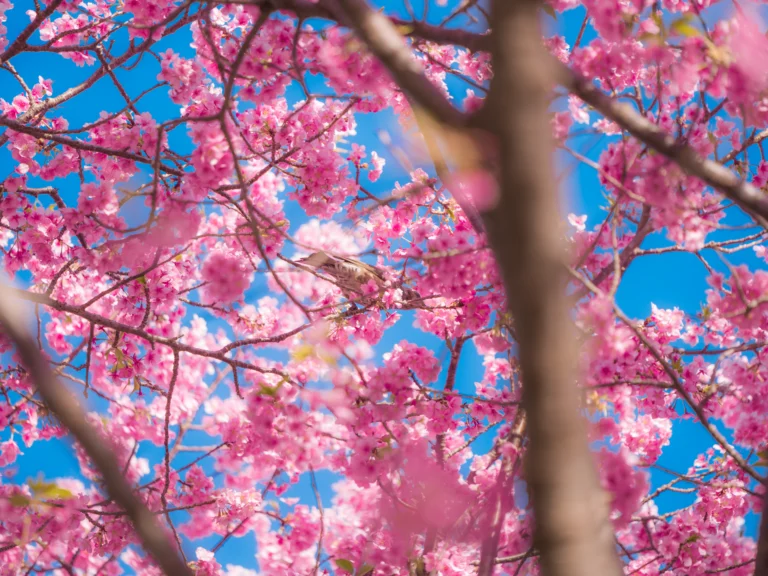
Tokyo 14°C / 5°C (58/41°F), rain picking up. Early March is quiet and cheap; the last week is the start of sakura season and prices jump with it. Tokyo’s cherry blossoms typically open around March 24 and peak around March 31 — but the swing year to year is a week or more, so build slack, not certainty.
April, May and June
April — peak beauty, peak everything
Tokyo 19°C / 10°C (67/50°F). Kyoto’s full bloom lands around April 4 in a typical year. The first half is one of Japan’s most-booked, most expensive two-week stretches — reserve months out. April 29 opens Golden Week — the holiday cluster is April 29 plus May 3–6 in 2026 (May 3–5 in 2027), and the whole stretch books out at domestic-travel scale, bridge days included.
May — the honest first-trip pick
Tokyo 24°C / 15°C (74/58°F), long daylight, fresh green everywhere. Once Golden Week ends (May 6 in 2026; May 5 in 2027), you get three to four weeks of the year’s most comfortable walking weather at mid-season prices — the window this whole guide points a first-timer at. Japan in May, in detail.
June — rainy season, honestly priced
Tokyo 26°C / 19°C (79/65°F). The rainy season typically runs June 6–7 to about July 19 in both Kanto and Kansai — grey and humid, but rarely all-day rain, and hydrangeas are the reward. Hokkaido largely skips it. Hotels are cheaper; museums, tea houses and covered arcades earn their keep. How tsuyu actually works.
July, August and September
July — heat arrives, festivals answer
Tokyo 30°C / 22°C (86/72°F), Kyoto hotter at 32°C. The rainy season lifts around July 19; big festivals (Gion Matsuri all month in Kyoto) and fireworks take over. Mt. Fuji’s official climbing season runs July into September — but it’s the mountain’s least visible month from below: 25% of mornings. Japan in July.
August — hottest, busiest domestic month
Tokyo 31°C / 24°C (88/74°F), Kyoto ~34°C. Obon (around Aug 13–16) is Japan’s summer homecoming — book trains early and expect peak pricing mid-month. Typhoon season is ramping up. It works if you plan around heat: mornings out, afternoons indoors, evenings for festivals. Japan in August.
September — shoulder season with an asterisk
Tokyo 28°C / 20°C (82/69°F), still humid early. September is the peak month for typhoon landfalls and mainland approaches (nationwide approaches are tied with August) — buy flexible tickets, don’t over-plan islands. In 2026 a five-day Silver Week lines up Sep 19–23, a mini Golden Week; 2027’s version is split and milder. First alpine autumn colour starts in Hokkaido’s high country. Nearer Tokyo, an early-autumn flower field under Mt Fuji blooms to mid-October. Japan in September.
October, November and December
October — the walking month
Tokyo 22°C / 15°C (72/59°F). Typhoon risk fades through the month, humidity breaks, and the mountains turn first — Nikko, the Alps, then lowlands. Early October can still be warm; late October is near-perfect. If you visit earlier in the month, Hitachi Seaside Park’s kochia hill in Ibaraki is a day trip from Tokyo; its red usually peaks around mid-October. The full October guide · October’s quieter picks.
November — autumn’s main event
Tokyo 17°C / 9°C (62/48°F), the driest of the autumn months. Tokyo and Kyoto colour peaks mid-November to early December — and Kyoto in late November is sakura-level crowded, with hotel prices to match. Book like it’s April. Japan in November, day by day · What to wear in November.
December — crisp, clear, underrated
Tokyo 12°C / 4°C (54/39°F), dry air, long views: Mt. Fuji is out on 85% of mornings — the best of the year. Early December keeps autumn colour in Kyoto’s gardens; mid-month is quiet and well-priced; then the year-end rush (roughly Dec 27 on) closes small businesses and fills trains until early January. Japan in December: weather, events, ski openings · What actually closes at New Year.
Live season trackers
Month cards are averages; seasons never quite read the script. Once your dates get close, switch from averages to the two live boards on this site:
Autumn foliage tracker
Follows the colour front region by region — it fills in through the autumn as forecasts and on-the-ground reports come in.
Cherry blossom tracker
The sakura board for the coming spring — it comes alive once the first official forecasts appear in winter and follows the front north.
Which month is best for a first trip to Japan?
Before you lock in the month
Mid-to-late May. The case is practical, not romantic: Golden Week’s crowds are gone, the rainy season hasn’t started, Tokyo sits in the low 20s°C with the year’s longest usable daylight, and hotels sit at mid-season rates. You give up cherry blossoms — that’s the trade. One 2027 caveat: the World Masters Games (May 14–30) may tighten Kansai hotels that month, so compare Kyoto and Osaka rates early. If you can’t do May: late October to mid-November gives equivalent comfort with autumn colour building, at the cost of heavier crowds in Kyoto. If heat doesn’t bother you, June’s rainy season is the most underrated value window of the year.
When should you visit for cherry blossoms?
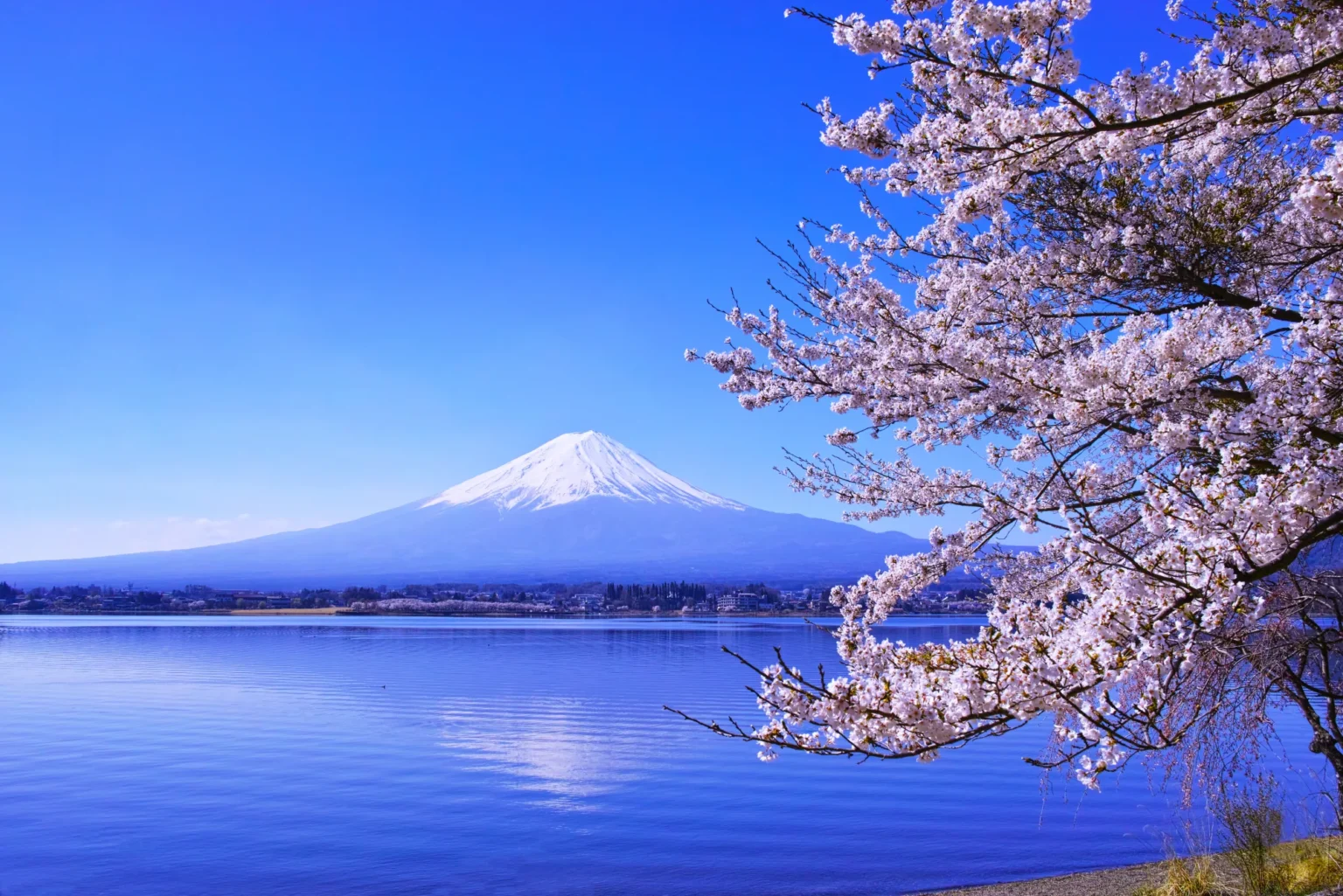
Plan for the last week of March through the first week of April on the Golden Route — Tokyo typically opens around March 24 and reaches full bloom around March 31; Kyoto opens around March 26 and peaks around April 4. But “typically” is doing real work: bloom dates swing by a week or more year to year, and a two-day cold snap can hold peak bloom back. The robust strategy is a 10–12 day trip spanning late March into April, with flexible in-country plans — or targeting late-blooming regions (the north, higher ground) as insurance. Our cherry blossom forecast guide tracks the year’s actual front.
When is the best time for autumn colours?
Timing rides on both latitude and altitude — elevation creates the biggest local differences: Japan’s colour starts in the high mountains in September, reaches places like Nikko and the Japan Alps through October, and hits Tokyo and Kyoto mid-November to early December — later than most travellers expect, which is why booking October for red maples in Kyoto so often misses. Track the actual front on our live koyo tracker once the season starts.
Rainy season, typhoons, heat and snow — how much do they really matter?
Less than the internet suggests, if you match plans to season. Rainy season (early June to ~July 19) means grey humidity and intermittent rain, not monsoon washouts — city trips work fine. Typhoons cluster July–October; September leads for landfalls and mainland approaches, with August close behind: the fix is flexible bookings and not stacking must-make connections, not avoiding the whole season — our typhoon tracker covers what to do when one shows up. Summer heat is the risk people underrate: Kyoto in August at 34°C changes how much you can do per day. Snow disrupts little on the Golden Route; it’s the reason to go north instead.
The cheapest months to visit Japan
Test the cheap months against your own dates
Prices in Japan move on Japan’s calendar, not yours. The floor months are mid-January through February (after the New Year rush) and June (rainy season). The peaks to avoid booking blind: New Year (late Dec–early Jan), cherry blossom weeks (late Mar–mid Apr), Golden Week (Apr 29 & May 3–6 in 2026), Obon (mid-August) and Kyoto’s November. One 2027 note: Lunar New Year lands February 6, 2027 — expect a regional-visitor bump around it even in the cheap season. Full cost math by style is in the 2026 budget guide.
The least crowded times
Three reliable troughs: mid-January to mid-February (cold, clear, empty), the last ten days of May (post-GW calm at its best), and early-to-mid December (between autumn colour and New Year). Just as important: crowding is a weekday-vs-weekend and time-of-day game — a Saturday in “quiet” February beats a Tuesday in April at most famous sites. If crowd-avoidance is the whole point, pair the timing with the places I go instead.
Best month by traveler type
| You want | Go | Why |
|---|---|---|
| First trip, balanced | Mid–late May | Weather, light, prices all align |
| Cherry blossoms | Late Mar – early Apr | Accept crowds & book early; build slack |
| Autumn colour | Mid Nov – early Dec | Tokyo/Kyoto peak; Kyoto = book like April |
| Lowest budget | Mid Jan – Feb | Annual price floor, clearest skies |
| Mt. Fuji views | Dec – Feb | 85% visible mornings in Dec vs 25% in Jul |
| Skiing / snow | Jan – Feb | Hokkaido & Nagano peak powder |
| Festivals & energy | Jul – Aug | Gion Matsuri, fireworks, bon odori — plan for heat |
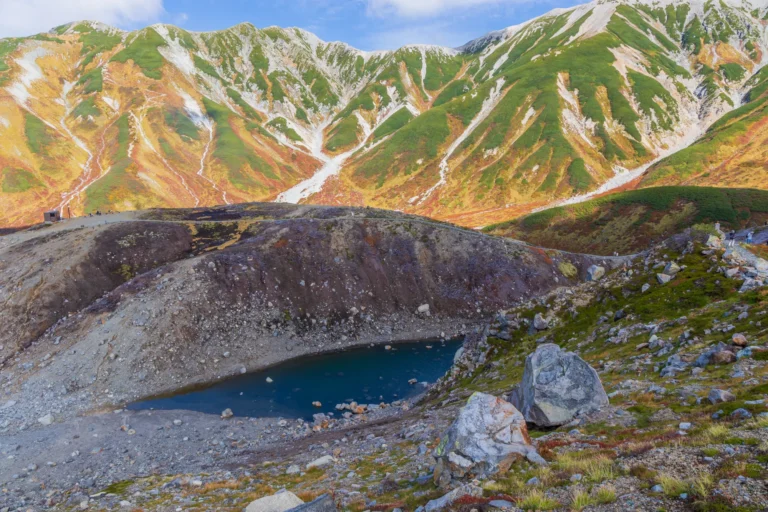
| Hiking & alpine | Jul – early Oct | Alps open; Sept for first alpine colour |
Planning 2027? Three dates already worth knowing
Three fixed 2027 events will bend crowds and hotel prices: Zenkoji’s Gokaicho in Nagano, April 4 – June 19 — held roughly every seven years, it drew millions last time; our Zenkoji guide covers how to plan around it. GREEN×EXPO 2027 in Yokohama, March 19 – September 26, with 10-million-plus paid visitors forecast. And the World Masters Games across Kansai, May 14–30. If your 2027 dates touch Nagano in spring or Yokohama at weekends, book beds earlier than this guide would otherwise suggest.
FAQ
What is the best month to visit Japan overall?
For a first trip, mid-to-late May: post-Golden Week calm, pre-rainy-season weather, Tokyo around 24°C, and mid-season prices. The runner-up is late October to mid-November, trading bigger crowds for autumn colour.
What is the worst time to visit Japan?
There’s no unusable month, but booking blind into Golden Week (Apr 29 & May 3–6 in 2026), Obon (mid-August) or the New Year period means peak domestic crowds and prices. August and September carry the greatest typhoon disruption risk.
When is rainy season in Japan?
On the main route, typically June 6–7 to around July 19 (JMA averages for Kanto and Kansai). It means humid, grey days with on-and-off rain rather than constant downpours, and Hokkaido mostly escapes it.
Is August a bad time to visit Japan?
It’s the hottest and most domestically crowded month (Obon falls mid-August), with rising typhoon risk — but festivals, fireworks and alpine escapes are genuine compensations if you structure days around the heat.
What’s the cheapest time to fly to Japan?
Fares generally bottom out mid-January to February and again in June, and peak around New Year, cherry blossom season and Golden Week. Exact pricing varies by origin — compare across the winter trough first.
When can you see Mt. Fuji most reliably?
Winter, by a wide margin: the City of Fuji’s 35-year 8 a.m. record has the mountain fully or partly visible on 85% of December mornings versus 25% in July. Mornings beat afternoons, too: in every one of those 35 years, the whole mountain showed at 8 a.m. more often than at noon or 4 p.m.
When should I book for cherry blossom season?
Hotels in Tokyo and Kyoto for late March–early April are best booked 4–6 months out, and popular ryokan earlier still. Flights follow the same curve. Our booking-timeline guide maps the exact lead times.
Do Chinese New Year crowds affect Japan?
Yes, noticeably — around the holiday (February 6 in 2027) popular shopping and sightseeing districts get a regional-visitor surge for one to two weeks, inside what is otherwise Japan’s quietest season.
Sources checked (August 2026): JMA — Tokyo climate normals 1991–2020 · JMA — Kyoto climate normals · Cabinet Office — national holidays · JMA — rainy season normals (Kanto-Koshin) · JMA — rainy season normals (Kinki) · City of Fuji — Mt. Fuji visibility record (35 years) · MLIT — GREEN×EXPO 2027.
Join travelers discovering Japan's hidden side
Weekly dispatches from off-the-beaten-path Japan — spots and stories you won't find in guidebooks.
No spam. Unsubscribe anytime.
Welcome aboard!
You're in. See you in your inbox soon.