
Trip Planning
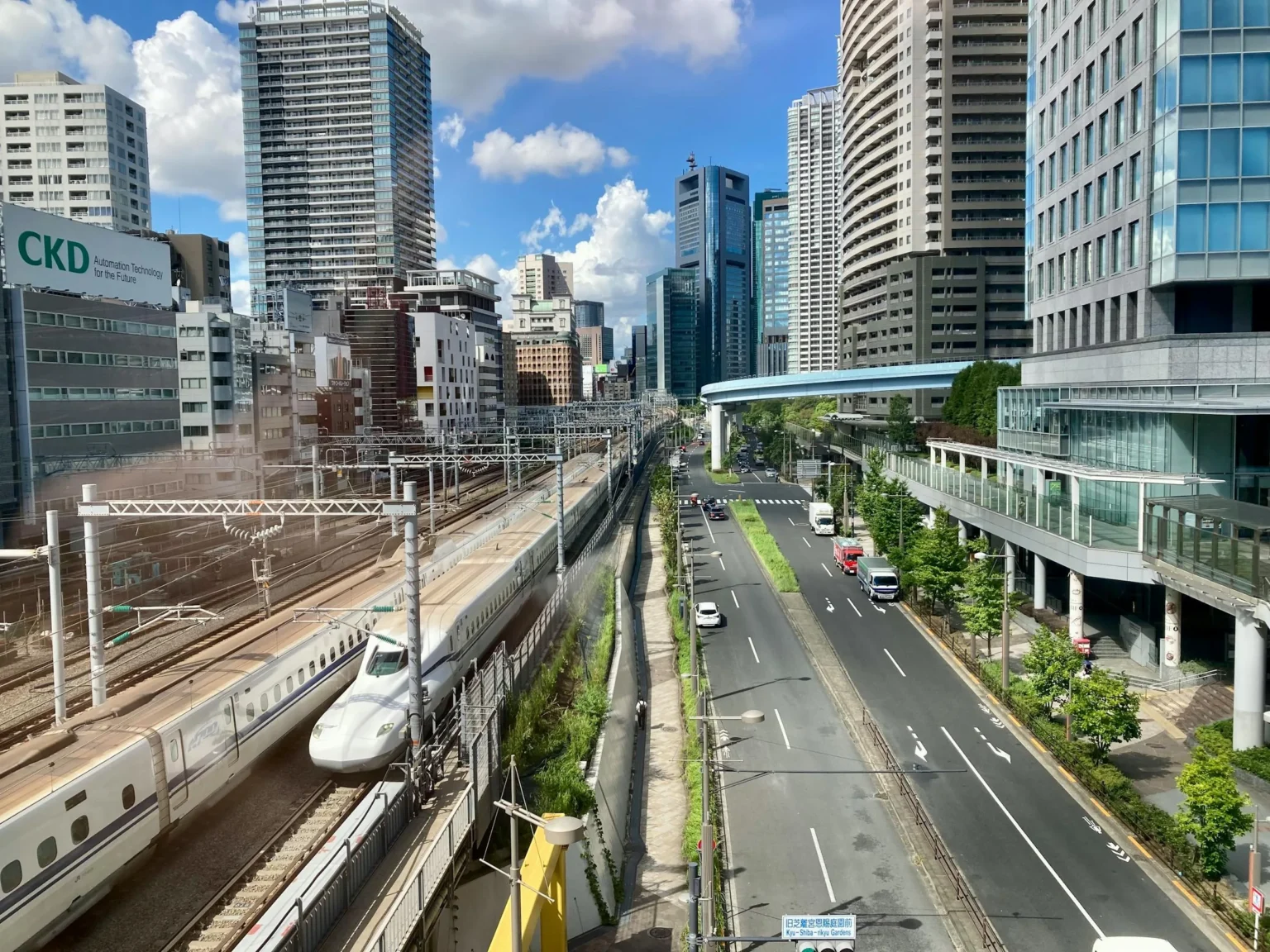
Seven days is the honest minimum for a classic first trip to Tokyo, Kyoto and Osaka; ten days gives the route room to breathe. The shinkansen is why the route works at all: Tokyo to Kyoto takes about 2 hours 15 minutes, and Kyoto to Osaka is under half an hour on the JR Special Rapid. Below are the numbers for 5, 7, 10 and 14 days, and a link to the matching itinerary for each.
The one-table answer
On this page, days in Japan include arrival and departure days, the same way the linked 7-day itinerary counts them. Those two days are partial, so the number of full sightseeing days is smaller. We’ll get to that gap in a moment, because it’s the single most common planning mistake I see.
| Days | What realistically fits | Pace | Start here |
|---|---|---|---|
| 5 | One region done properly: Tokyo plus a day trip, or Kyoto–Osaka–Nara | Brisk | The 5-day comparison (Japan vs Korea) |
| 7 | The Golden Route: Tokyo, Kyoto, Osaka, one day trip | Full, but it works | 7-day Tokyo → Kyoto → Osaka |
| 10 | Golden Route plus Hakone or Hiroshima, plus real slack | Comfortable | 8–10 day Golden Route + detour |
| 14 | The classic cities plus a second region | Unhurried | Tohoku · Shikoku · Yakushima |
Why your trip is shorter than your ticket says
Here’s what an arrival day actually looks like. Your flight lands at Narita mid-afternoon. Immigration and customs move faster than they used to, because Visit Japan Web lets you register your immigration and customs details before you land, but between baggage, queues and finding the right platform you’re still looking at an hour or more from gate to train. The Narita Express then takes about an hour to Tokyo Station (¥3,140 with the reserved seat). By the time you’ve found your hotel, dropped your bags and located the nearest convenience store, it’s evening. That’s not a sightseeing day. It’s a logistics day with a good dinner at the end of it.
The departure day is worse, because it has a hard deadline. International check-in wants you at the airport with hours to spare, and the ride back out is the same hour plus a safety margin. In practice, a morning flight erases the whole day.
An afternoon arrival and a morning departure leave fewer full sightseeing days than your booking dates suggest.
For an afternoon arrival and a morning departure, full sightseeing days = nights minus one. A seven-day trip on this page, like the linked 7-day itinerary, is six nights: an arrival evening, five full sightseeing days and a departure day. Sort out your data before you land too: installing an eSIM before you fly saves time on arrival.
5 days: one region, done properly
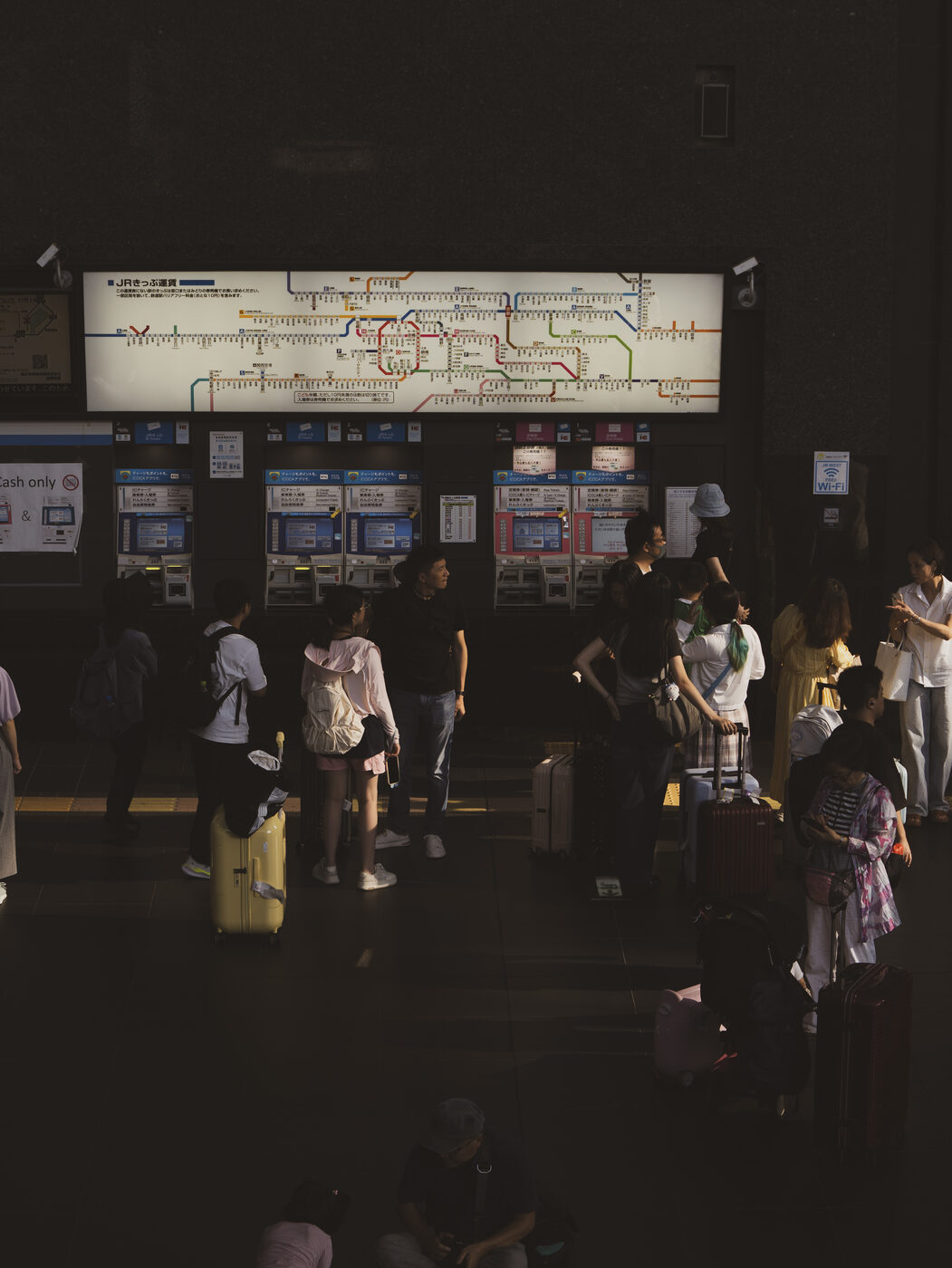
I don’t recommend five days for Tokyo and Kyoto. You can physically do it, but the intercity move plus checking out and checking in again eats close to half a day, and both cities end up rushed. What five days does fit is one region with depth: Tokyo with a day trip to Kamakura or Nikko (see our day trips from Tokyo), or the Kansai triangle of Kyoto, Osaka and Nara. Kyoto and Osaka are 28 minutes apart on the JR Special Rapid (¥580 one way), and Nara is under an hour from either.
I wrote a whole piece comparing what a 5-day trip actually fits, and the conclusion holds: pick one base, sleep in the same bed most nights, and day-trip outward. Five days with two hotels beats five days with four. If Kansai is your base, Hiroshima and Miyajima work as a single long day: about 1 hour 25 minutes each way from Shin-Osaka to Hiroshima on the Sanyo Shinkansen, plus the local train and ferry to the island.
7 days: the Golden Route, at full pace
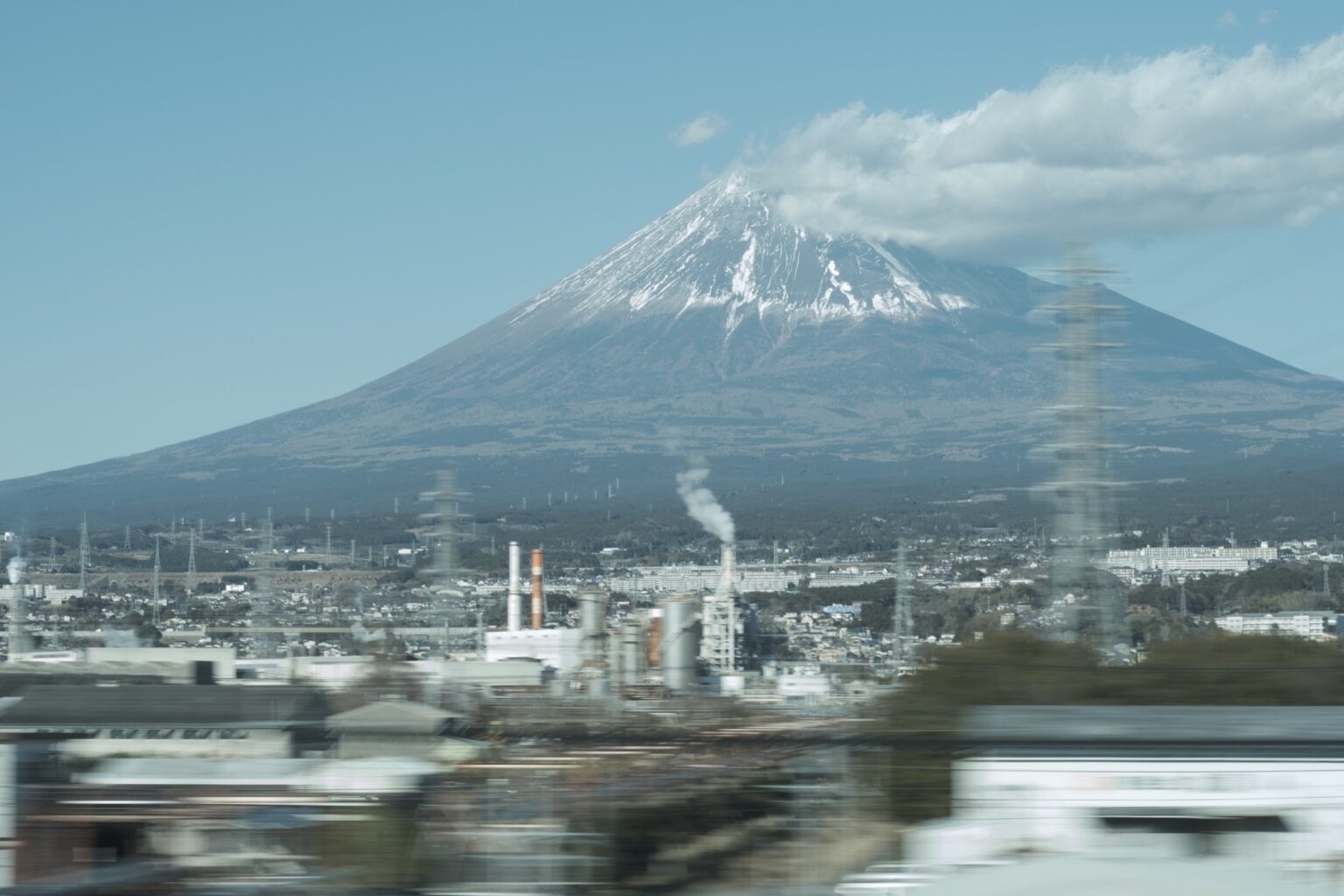
Seven days is the number most first-timers land on, and it’s the right one: enough for Tokyo, Kyoto and Osaka at a full pace with a single hotel move by shinkansen. In standard cars, book window seat E; the right side heading west is the Mt Fuji side on a clear day (in the Green Car it’s seat D). Our Mt Fuji shinkansen seat guide covers the timing.
I keep a complete, bookable version of this, with trains, neighbourhoods, where to sleep and in what order, as the 7-day Tokyo → Kyoto → Osaka itinerary. If you’ve already done Tokyo once, you can spend the same seven days entirely in Kansai: my 7 days in Kansai beyond Kyoto swaps the capital for mountain temples and pilgrimage trails.
10 days: the Golden Route plus one detour
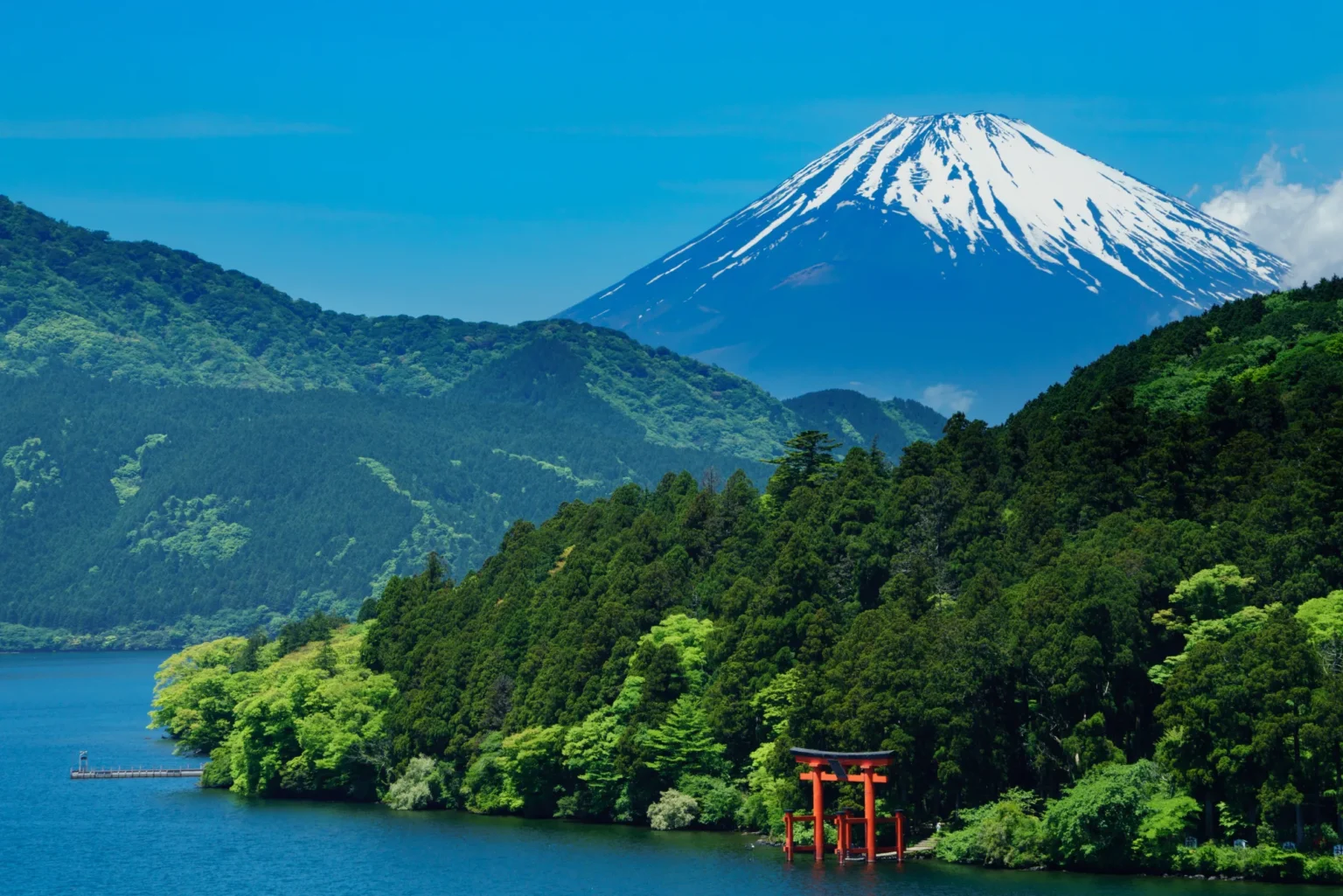
Ten days is my standing recommendation when a friend asks. It’s the same Golden Route with the pressure taken off. Add one of these, not three:
- Hakone: an onsen night with Lake Ashi and, weather willing, Mt Fuji across the water.
- Hiroshima: a shinkansen run west, about 1 hour 25 minutes from Shin-Osaka.
- Kanazawa: gardens and the fish market, about 2½ hours from Tokyo, if your route passes back through Tokyo.
After choosing one detour, use the remaining time for longer stays in Tokyo, Kyoto or Osaka rather than adding another destination. The 8–10 day itinerary is built on exactly this logic. For busy dates, reserve your rooms early. My booking timeline lays out what to reserve when.
14 days: add another region
Two weeks changes the question. With fourteen days, run the Golden Route at a comfortable pace and give the rest of the time, including the travel to get there, to a second region. The decision is which region. Three shapes that work:
North: the Tohoku loop
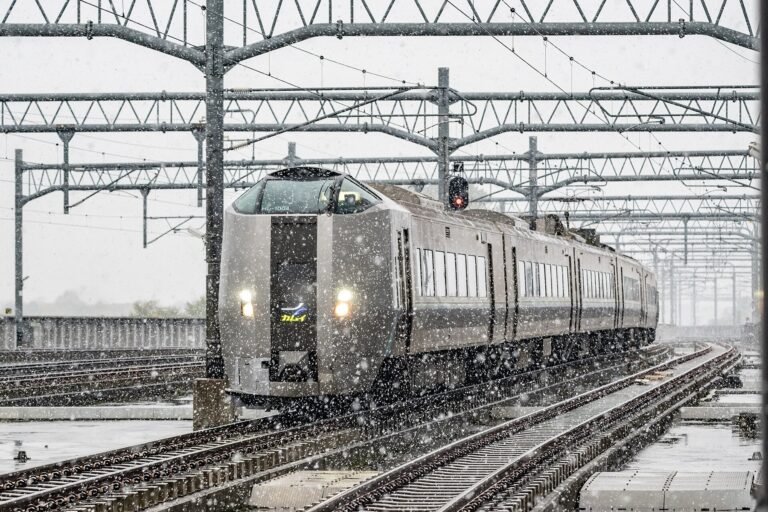
Sendai, Yamadera’s cliff temple, Ginzan Onsen’s gas-lit street, Hirosaki. Five days on the Hayabusa shinkansen plus connecting local trains and buses, through towns the Golden Route never touches.
Inland Sea: Shikoku
Naoshima’s art islands, the Iya Valley’s vine bridges, Dogo Onsen’s bathhouse. Five days of art islands, a mountain valley and an old public bathhouse.
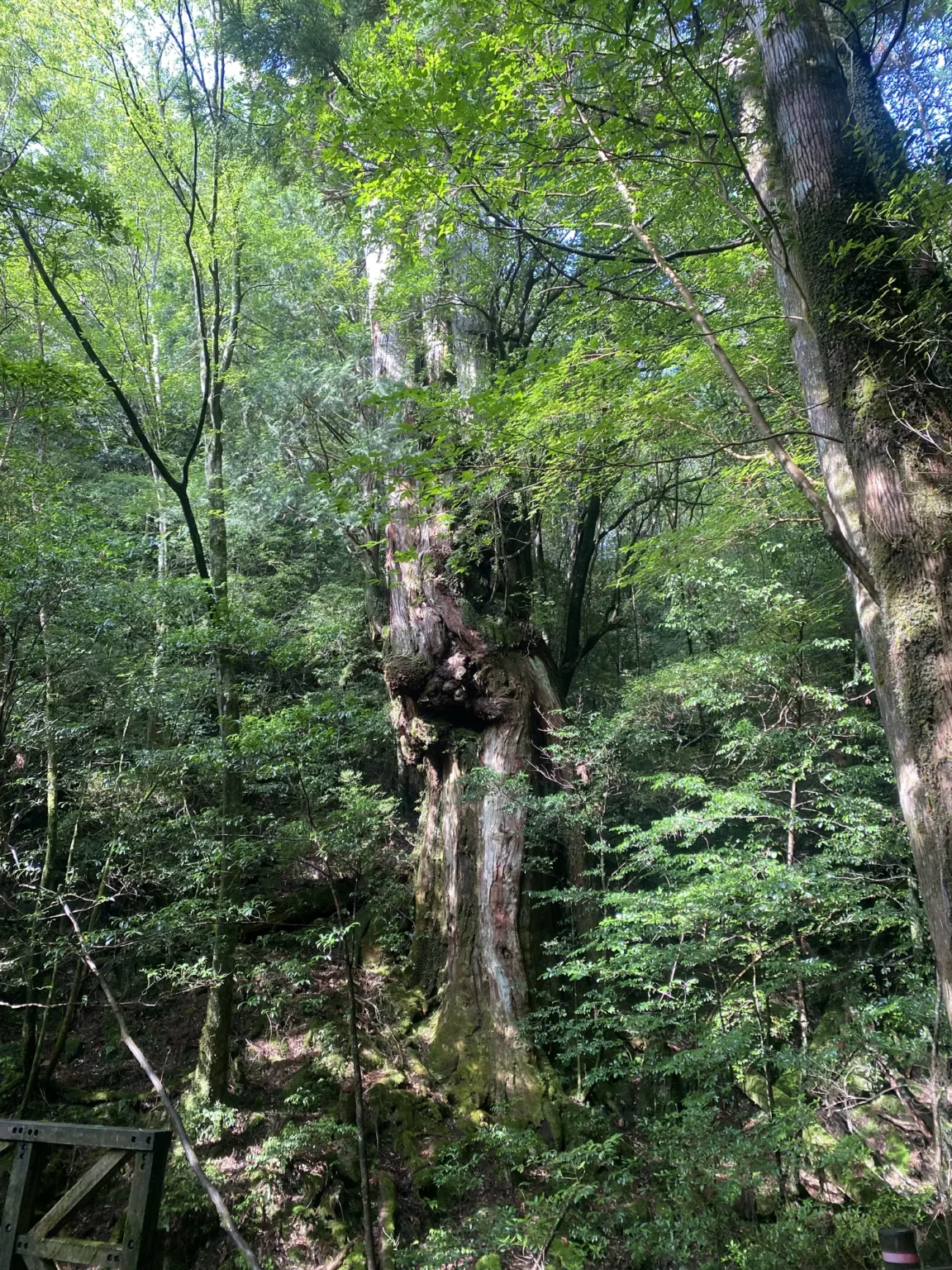
South: Yakushima
A cedar-forest island south of Kyushu, reached by ferry or a short flight. Three days in the cedar forests; allow extra time for the ferry or flight there and back.
Two-week trips with several long-distance legs are also where the 14-day rail pass can start to earn its keep; more on the money below.
The season changes the answer
Cherry-blossom season and peak autumn foliage compress everything: hotel prices climb, trains and temples fill, and the same seven days simply hold less. If your dates are flexible, decide the season first and the length second. My month-by-month comparison of the best time to visit Japan exists for exactly this decision.
Where trip length hits your wallet
Length decides your rail strategy. The nationwide Japan Rail Pass costs ¥50,000 for 7 days, ¥80,000 for 14 and ¥100,000 for 21 (ordinary car, bought on the official website). Since 1 October 2026, buying through an overseas agency costs more: ¥53,000, ¥84,000 and ¥105,000. A plain Golden Route week doesn’t come close to breaking even; point-to-point tickets win. Add Hiroshima and a return to Tokyo inside seven days and the pass gets competitive, but it isn’t automatically cheaper, and pass holders need an extra ticket to ride the fastest Nozomi trains. Run the numbers for your exact stations; the full calculation is in JR Pass vs individual tickets.
Book transport and rooms
These are affiliate links; the site may earn a commission if you book through them.
Flying into Tokyo and out of Osaka, or the other way round, avoids backtracking to your arrival city. Open-jaw pricing varies by airline, so compare, but when it’s close it removes a 2½-hour backtrack over 500 kilometres of track, plus the hotel-to-station time at both ends.
Common questions
Is 5 days enough for Japan?
Enough for one region, yes: Tokyo with a day trip, or the Kyoto–Osaka–Nara triangle. Combining Tokyo and Kyoto in five days means giving close to half a day to the move and rushing both. My 5-day comparison goes deeper.
Is 7 days enough for Tokyo, Kyoto and Osaka?
Yes; it’s the classic first trip for a reason. Expect a busy schedule. The 7-day itinerary lays it out day by day, from the arrival evening in Tokyo to the Day 7 departure from Osaka (KIX).
Do arrival and departure days count as travel days?
Yes, both count toward the trip lengths on this page, but they usually contribute little sightseeing time. An arrival evening and a morning departure leave a seven-day trip with five full sightseeing days.
What if I have 6 or 9 days?
Round to the nearest shape. Six days: run the 5-day one-region plan and add a day trip. Nine days: the 8–10 day itinerary is built to flex; keep the detour and trim the slack day.
How many days do you need for Tokyo alone?
Three full days cover the classic neighbourhoods without rushing; five let you add day trips (Kamakura, Nikko) and the odd unplanned afternoon, which is where Tokyo is best. Start with the first-trip guide.
Is two weeks in Japan too long?
No. You can spend two weeks on the Golden Route at a slower pace, or use part of the trip for another region. Give the classic cities most of the trip and the remaining days to a second region such as Tohoku or Shikoku. For Yakushima, use the five-day slot for three days on the island plus travel there and back.
Whatever number you land on, the next step is the same: pick the route built for it. Every itinerary on this site, from one day in Hiroshima to the full ten-day arc, is collected on one page, sorted by trip length. Start there, borrow freely, and leave one day unplanned.
Sources: Japan Rail Pass prices · JR East, Narita Express · JR Central, Tokaido Shinkansen timetable · JR West, Hokuriku Shinkansen · Digital Agency, Visit Japan Web · train times and fares checked October 2026.
Join travelers discovering Japan's hidden side
Weekly dispatches from off-the-beaten-path Japan — spots and stories you won't find in guidebooks.
No spam. Unsubscribe anytime.
Welcome aboard!
You're in. See you in your inbox soon.