
Japan · Yamanashi · Fujikawaguchiko · Misaka Pass
Tenka-chaya is a wooden teahouse on the old Misaka Pass road above Lake Kawaguchiko, looking straight at Mount Fuji across the lake. Dazai Osamu stayed there in 1938 and wrote it into the story Fugaku Hyakkei. I went on the afternoon of 13 November 2026: the leaves were starting to fall, the view was overwhelming, and it was not crowded. I had hōtō inside and walked up to the Dazai monument.
I’m Nobu, and I live in Yamanakako village, on the next lake east. The photos on this page were taken between 2:19 and 2:45 p.m. on Friday 13 November 2026. Below: the teahouse and the hōtō, the short path to the monument, the view in mid-November, the story behind the place, and the road and the morning bus.
My afternoon at Misaka Pass, 13 November 2026
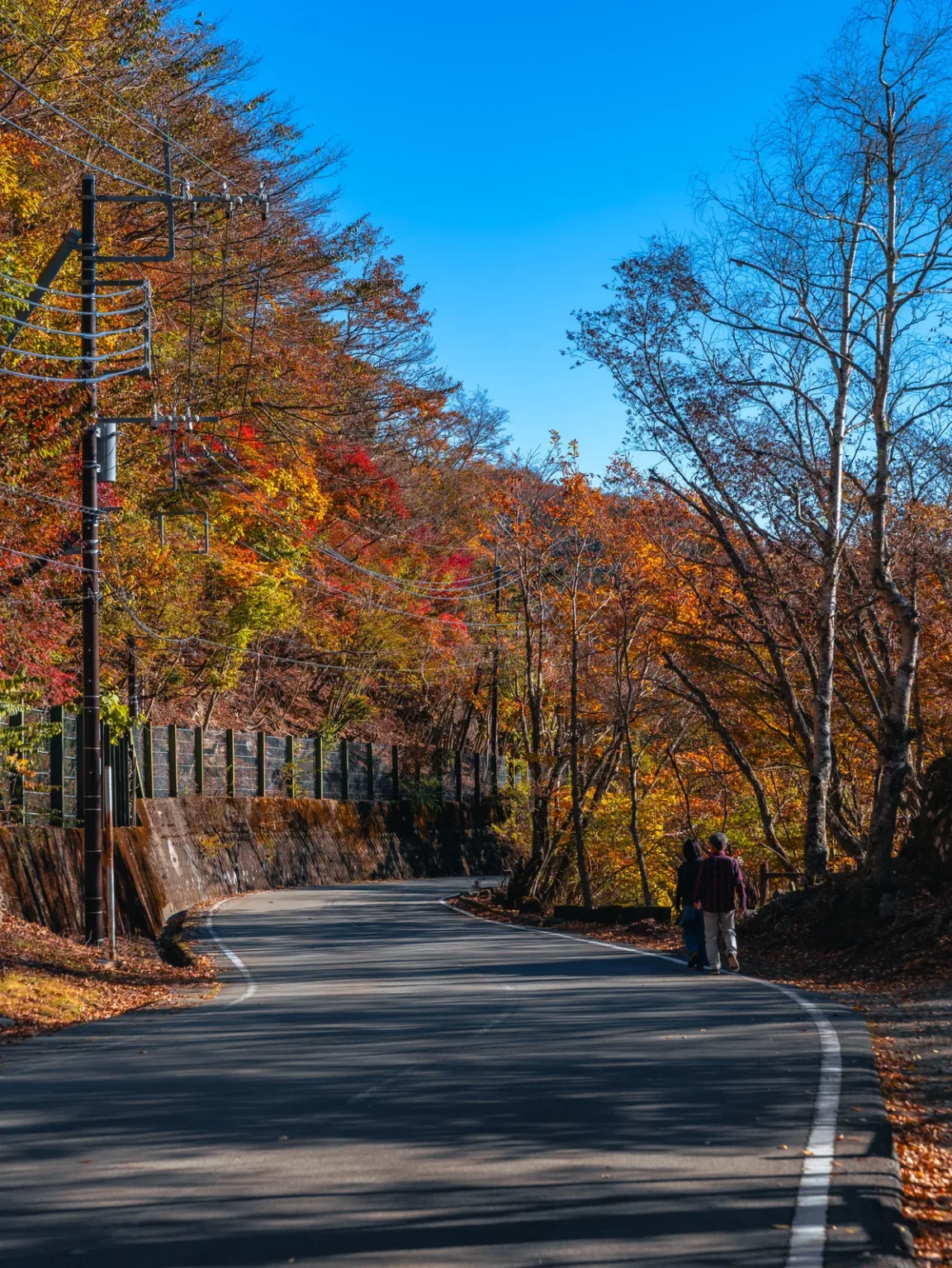
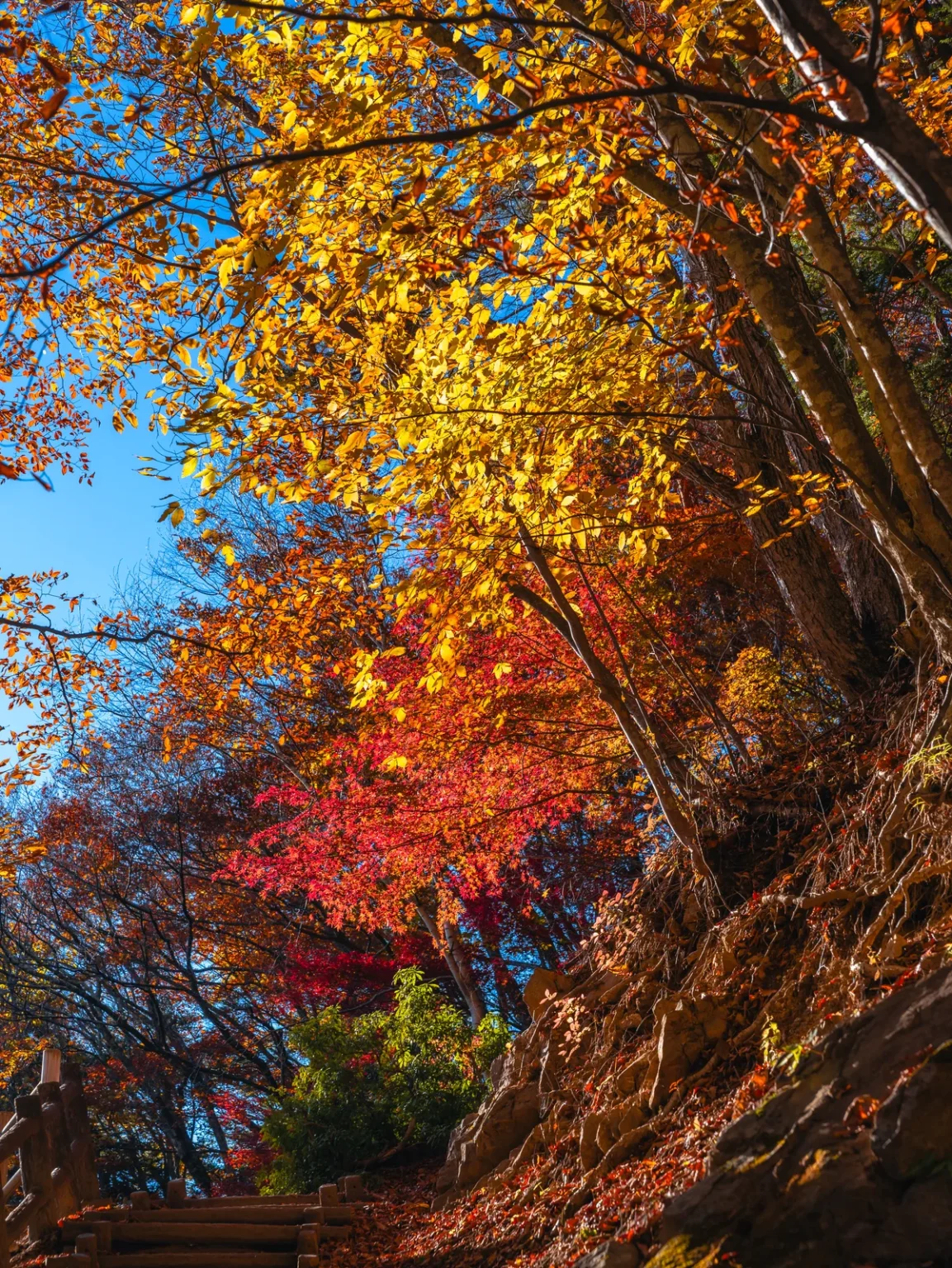
I drove up from the Kawaguchiko side. My 2:19 p.m. photo here is of the pass road itself: two people walking along it under yellow, orange and red trees, with a few already bare.
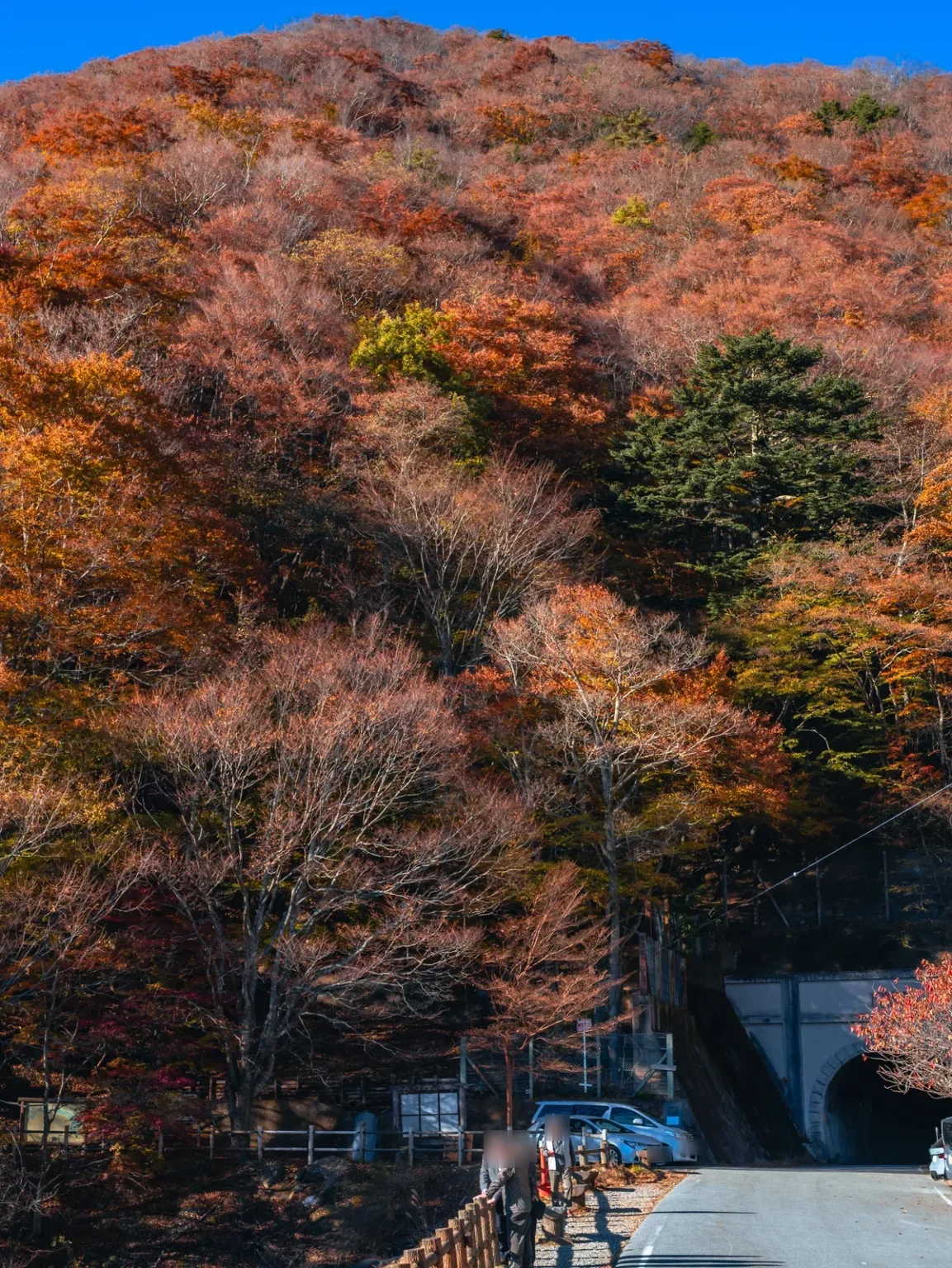
The teahouse stands right next to the mouth of the old Misaka Tunnel. Above the tunnel mouth, the hillside in my photo is rust and orange, with bare branches showing among the colour.
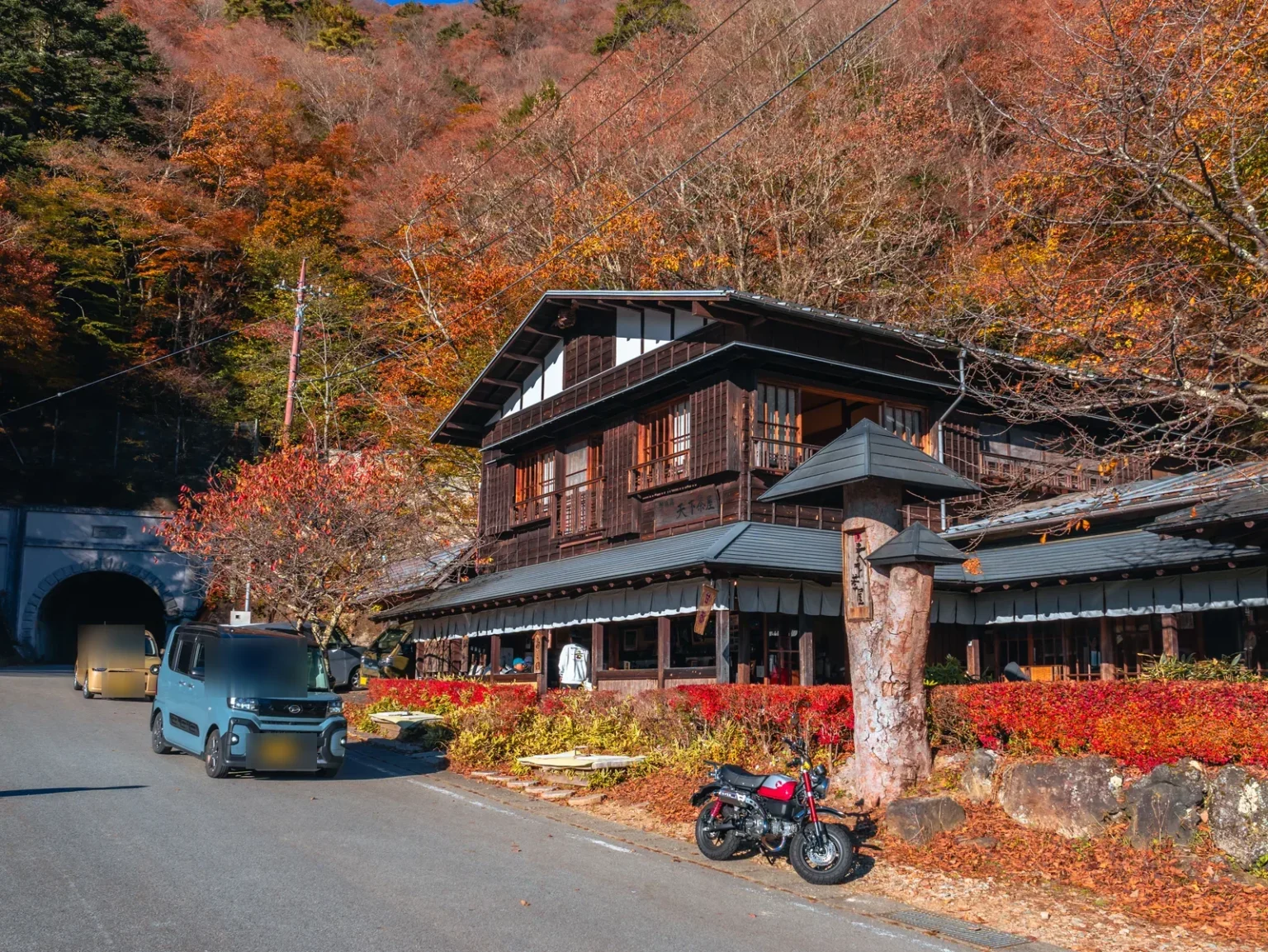
What is Tenka-chaya, and what can you eat there?
It is a teahouse that first opened on this pass in 1934, and its signature dish is hōtō. I went in and had hōtō. Hōtō is the Yamanashi dish of thick, flat noodles simmered with vegetables in a miso broth; the teahouse’s own description of its hōtō pot is plenty of vegetables and homemade noodles, finished with local miso.
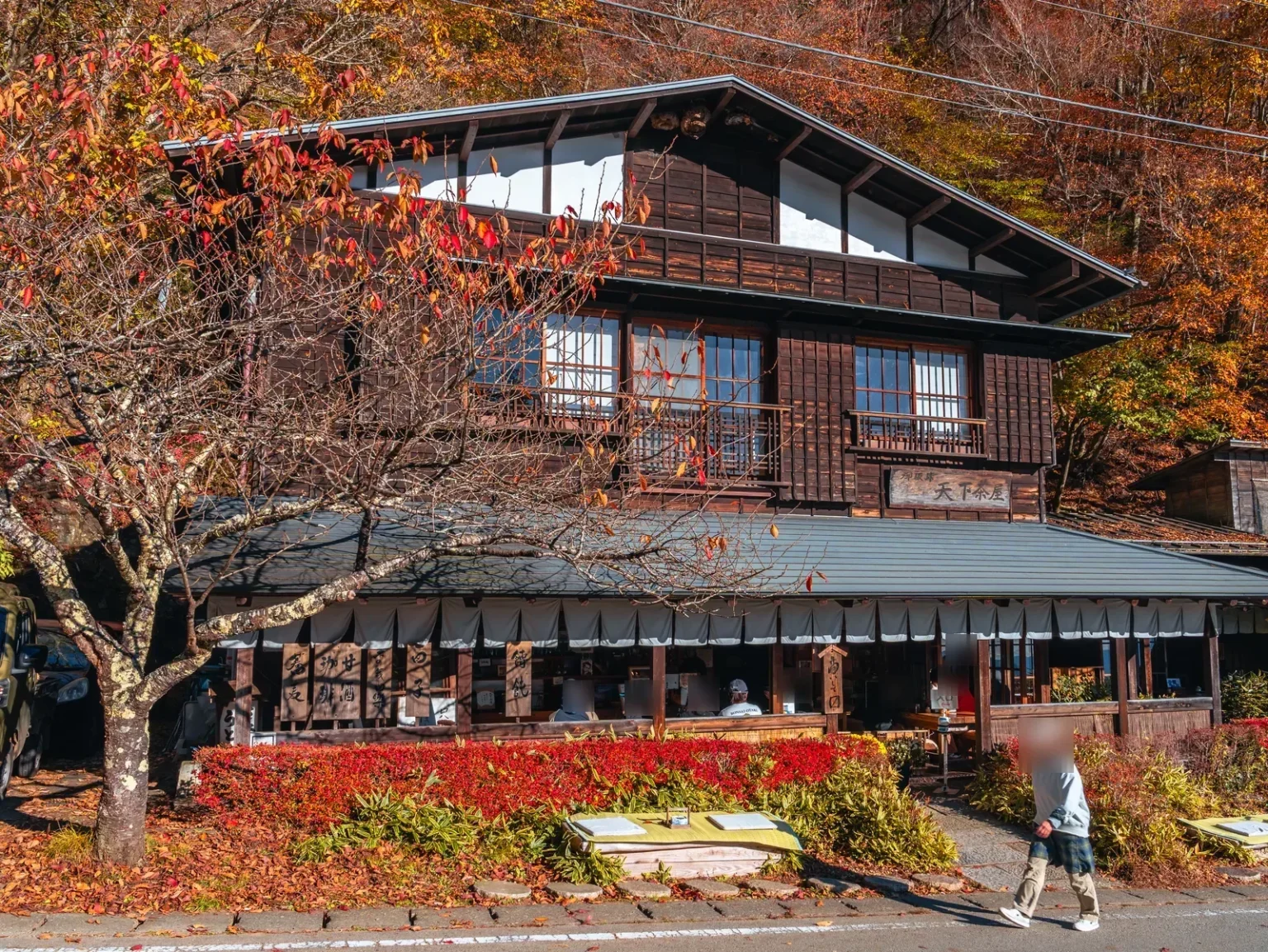
The teahouse’s menu page lists, for Tenka-chaya itself, a hōtō pot and a mushroom hōtō pot, potato dumplings, miso dengaku, coffee and homemade amazake. It shows prices but no date, so I have left them out here; check the menu when you are there.
The teahouse’s history page tells a story from Dazai’s stay. When hōtō was served, Dazai grew sulky and asked, “Are you talking about me?” Once told that hōtō is a local dish of Kōshū (old Yamanashi), Dazai was relieved and ate it happily, and the page says it seems to have become a favourite. The previous owner used to say Dazai seemed to have taken hōtō for 放蕩, a word for dissolute living that is also read hōtō.
Hours
The teahouse gives 10:00–16:00, open every day, but it may close in winter because of the weather. The town tourism association lists 10:00–17:00; I would go by the teahouse’s own page.
The Dazai room
Upstairs is the Dazai Osamu Literary Memorial Room, which recreates the room where Dazai stayed; the teahouse says the reconstruction occupies a six-tatami-mat room with views of Mt Fuji and Lake Kawaguchiko, with the desk and brazier Dazai used, and first editions of Fugaku Hyakkei, The Setting Sun and No Longer Human. Free if you eat or drink at the teahouse; 10:00–17:00, every day from early April to early December, closed in winter.
The lower branch
The teahouse also runs a branch, Touge-no-chaya, lower down on Route 137 on the Kawaguchiko side: 11:00–15:00, with parking for 50 cars and 15 coaches, and the same caveat about winter weather.
The description of the upstairs memorial room comes from the teahouse’s official website.
How do you get to the Dazai Osamu monument from Tenka-chaya?
On foot, a short way up the hill. I walked from the spot that Google Maps marks as the Misaka-yama trailhead (御坂山登山口), by the teahouse, to the Dazai Osamu literary monument (太宰治文学碑), and saw the monument. The town tourism association says a walking path leads from the teahouse to the monument, short enough for a quick walk. Yamanashi Prefecture’s tourism site says the monument stands a little way up the trail into the Misaka hills, facing Mount Fuji.
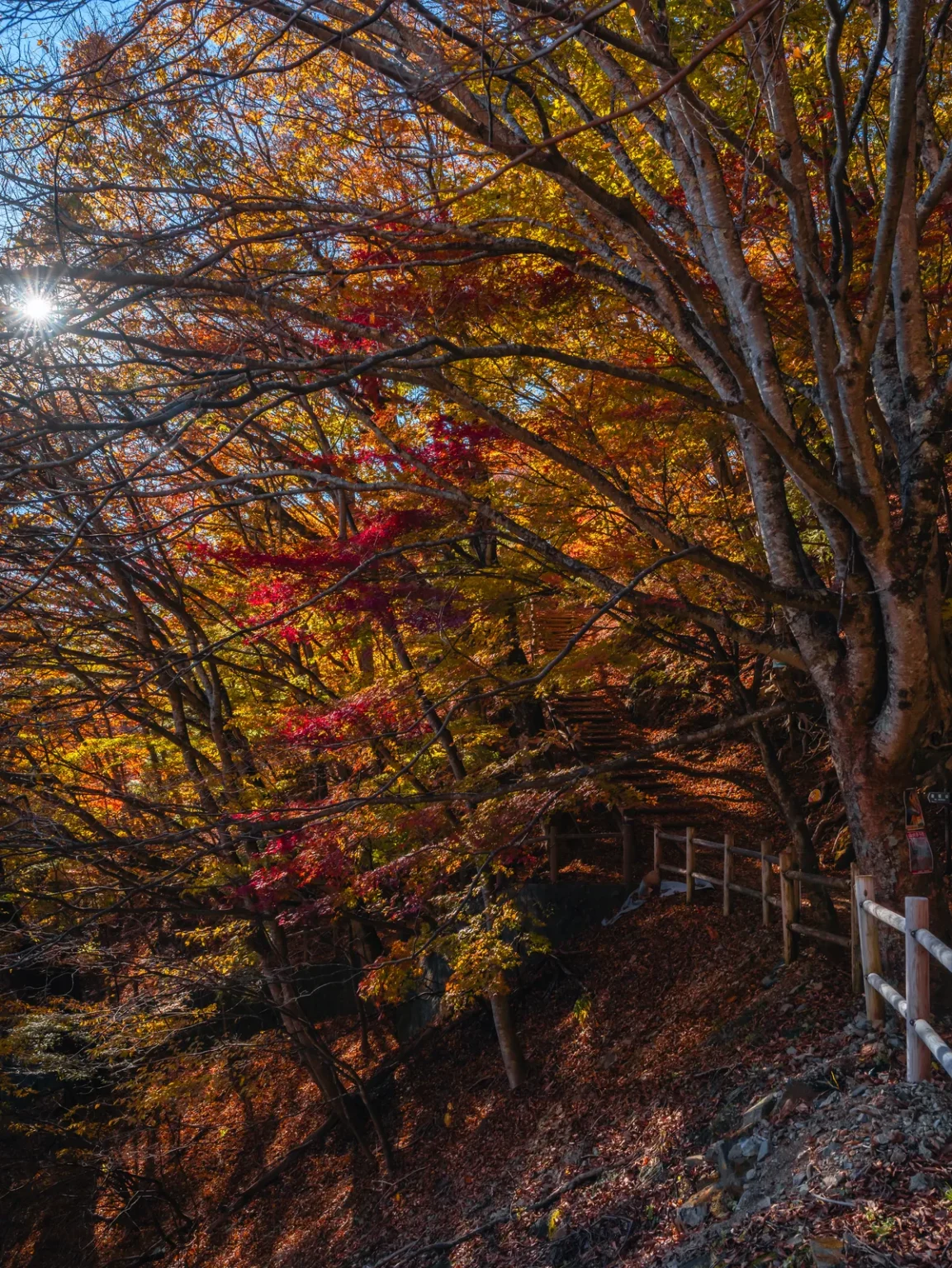
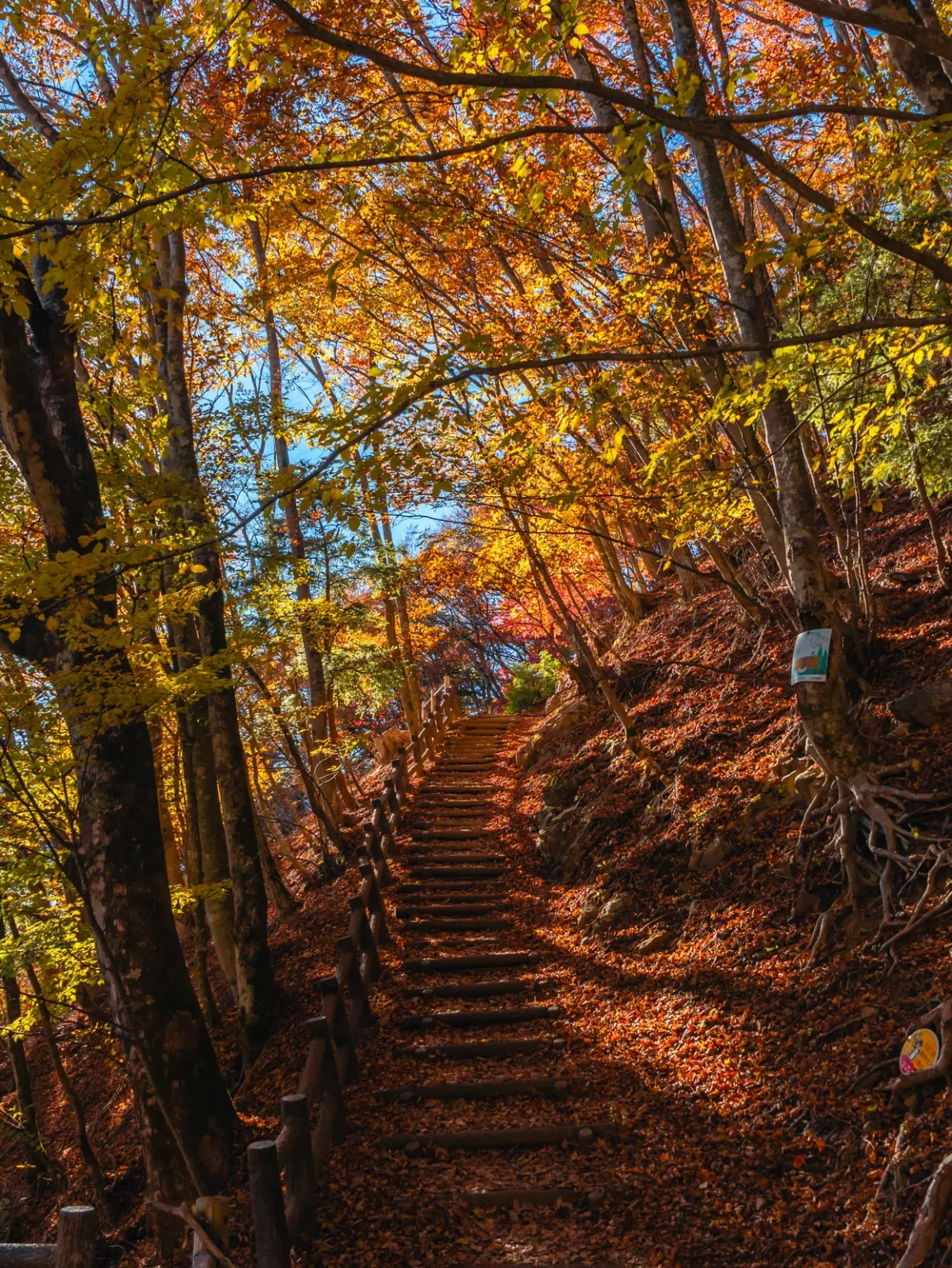
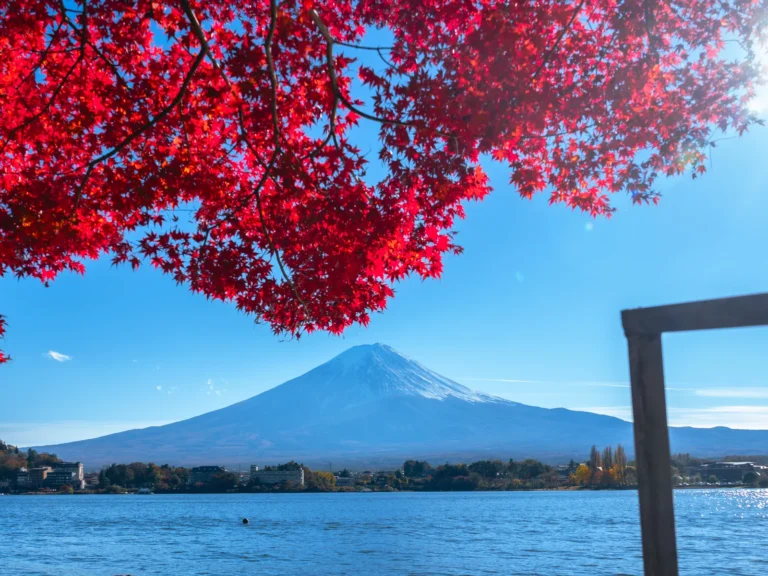
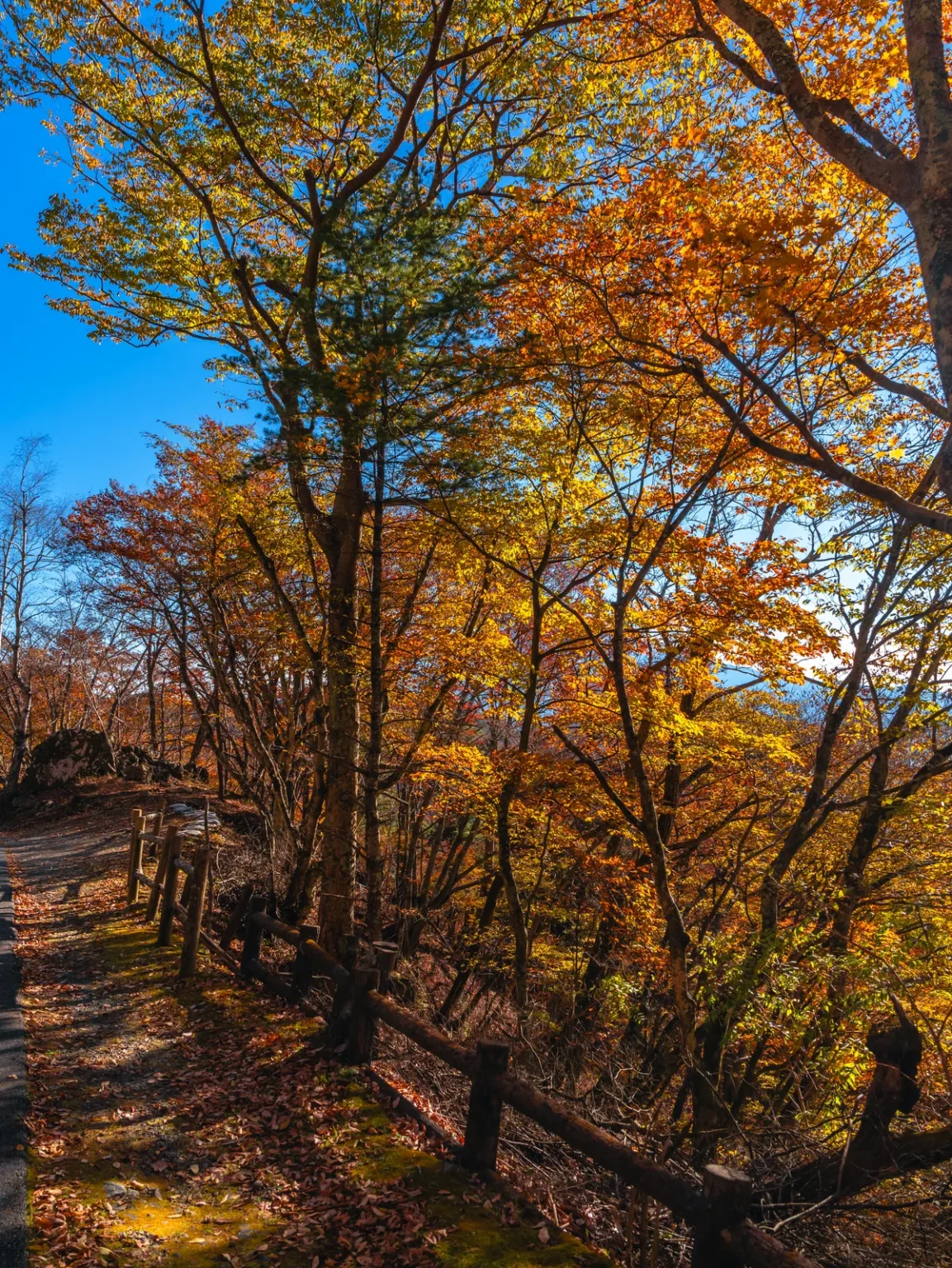
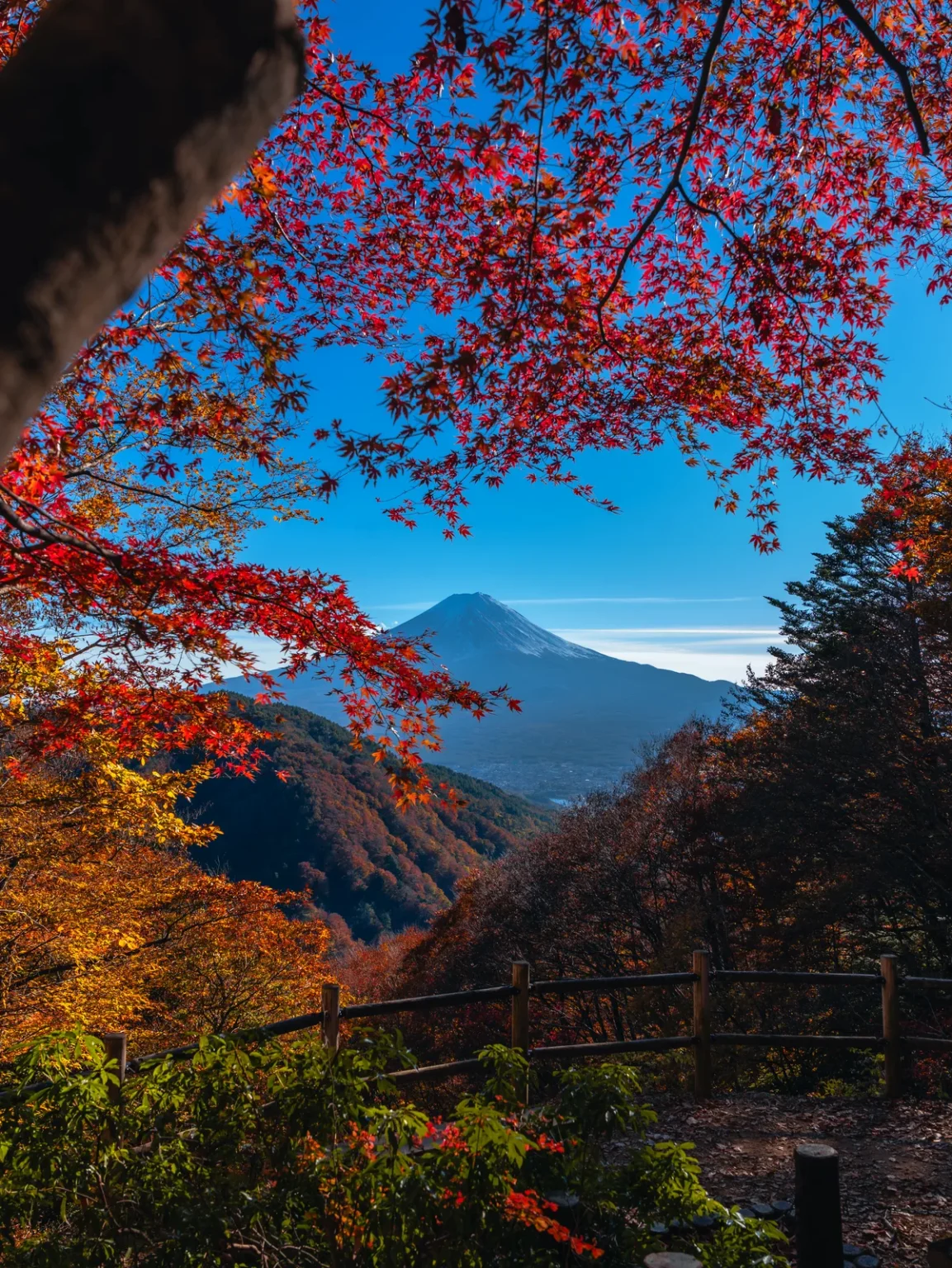
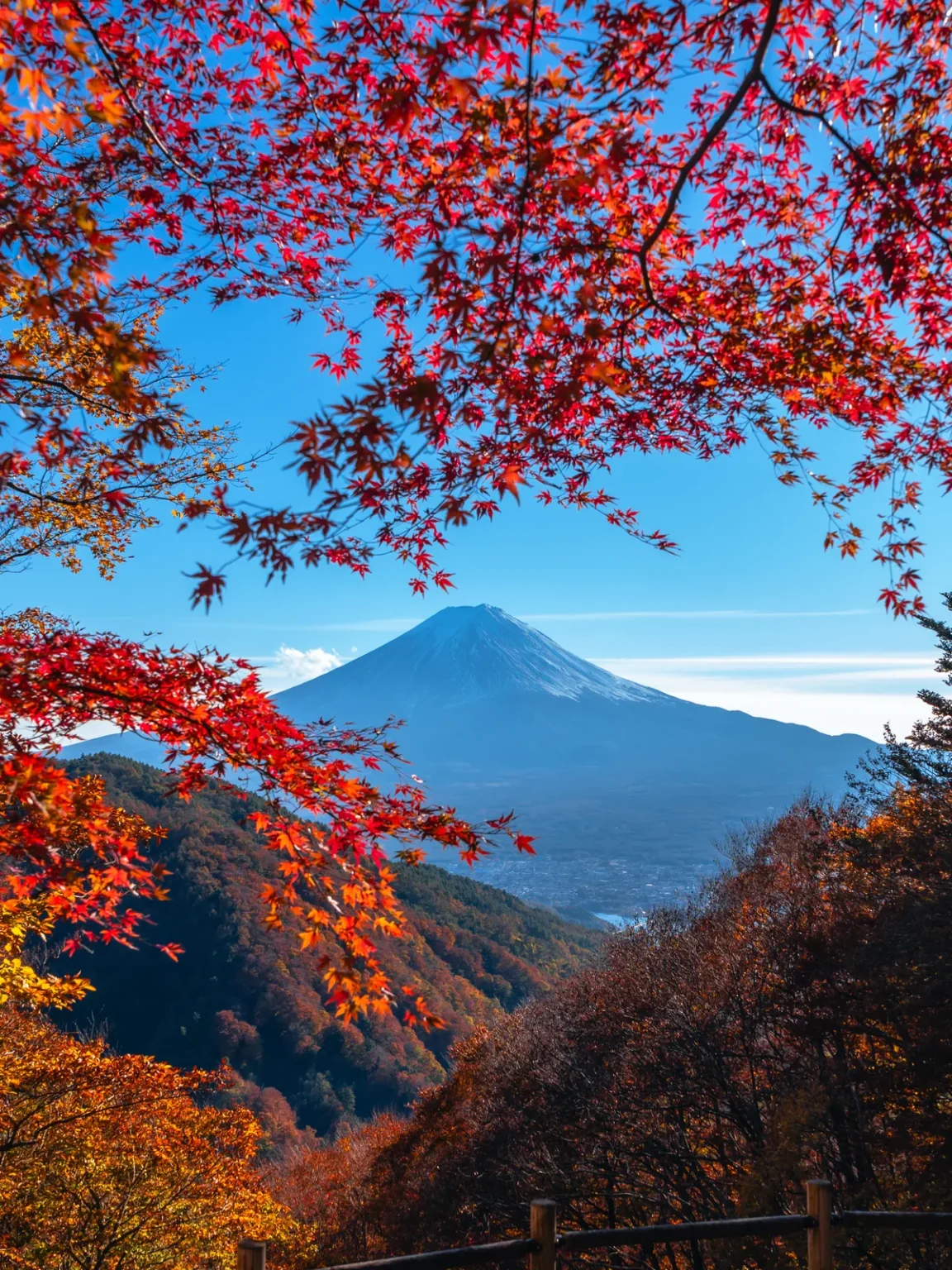
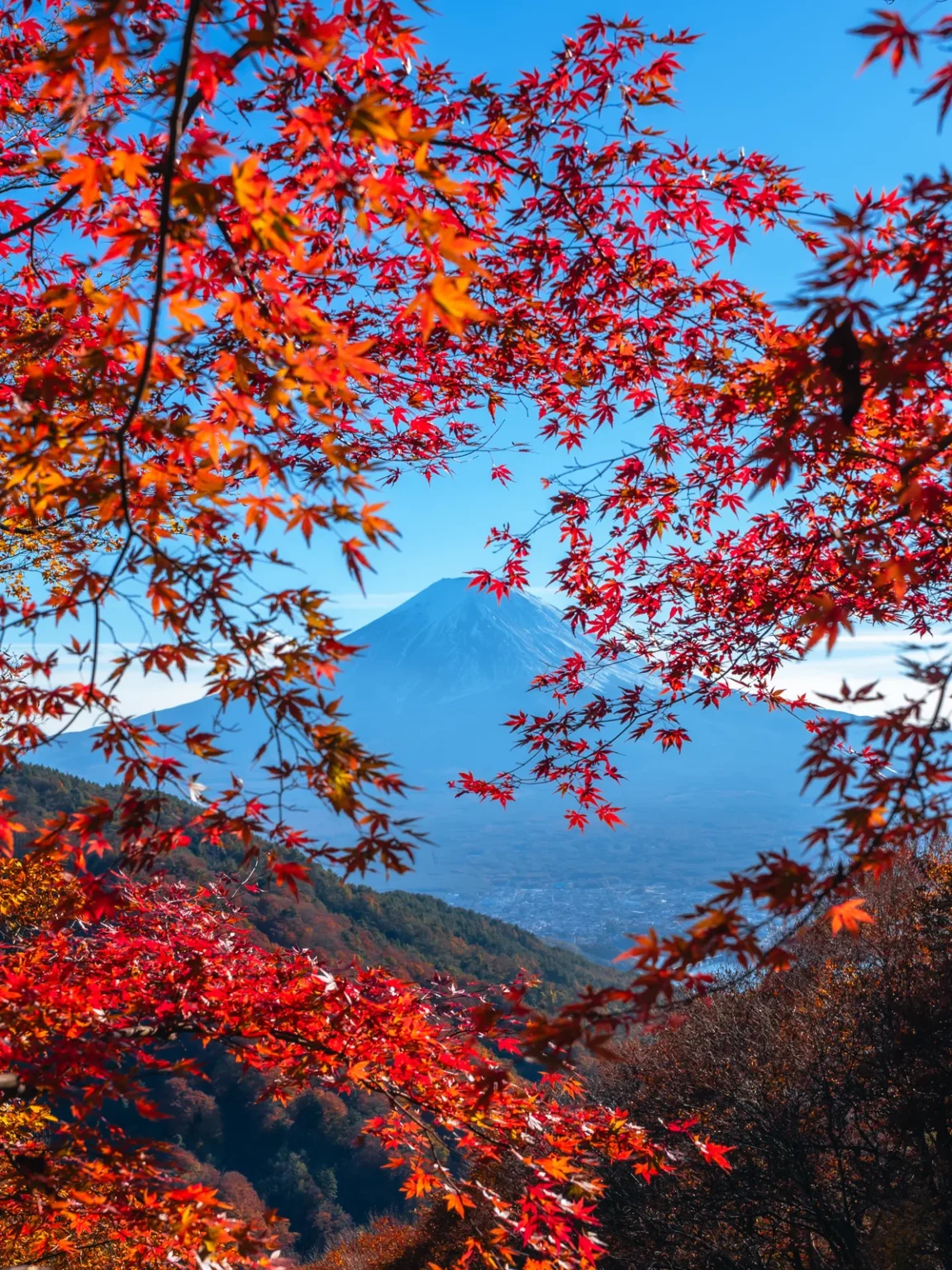
At 2:26 p.m. I was at a spot with a wooden fence, red maples overhead and Fuji straight ahead. The photo at the top of this page is from the same minute.
The monument is a large rounded stone with a dark plaque set into it, beside a few wooden posts, with red maples and white birch trunks on the slope above. I photographed it at 2:29 p.m.
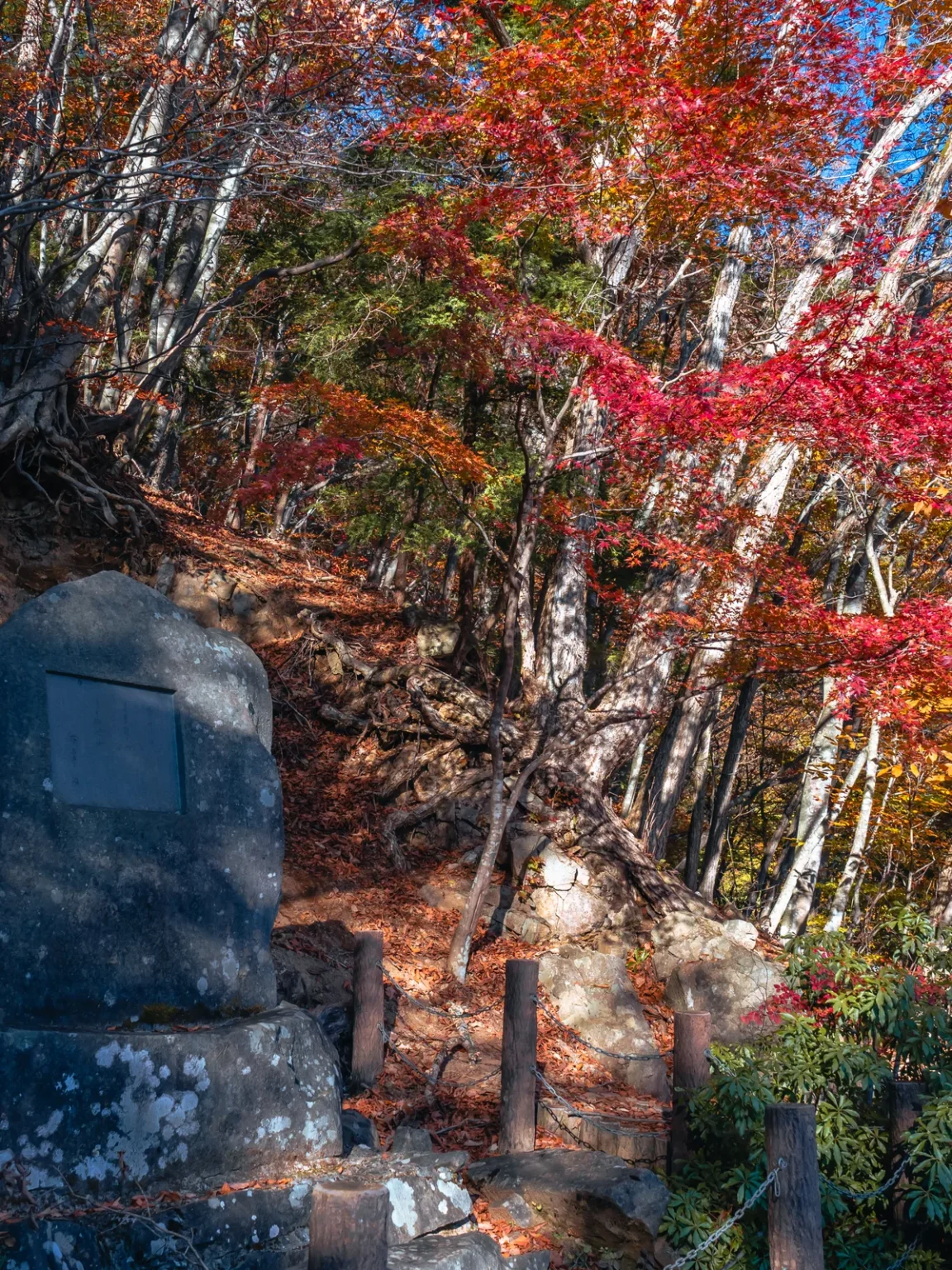
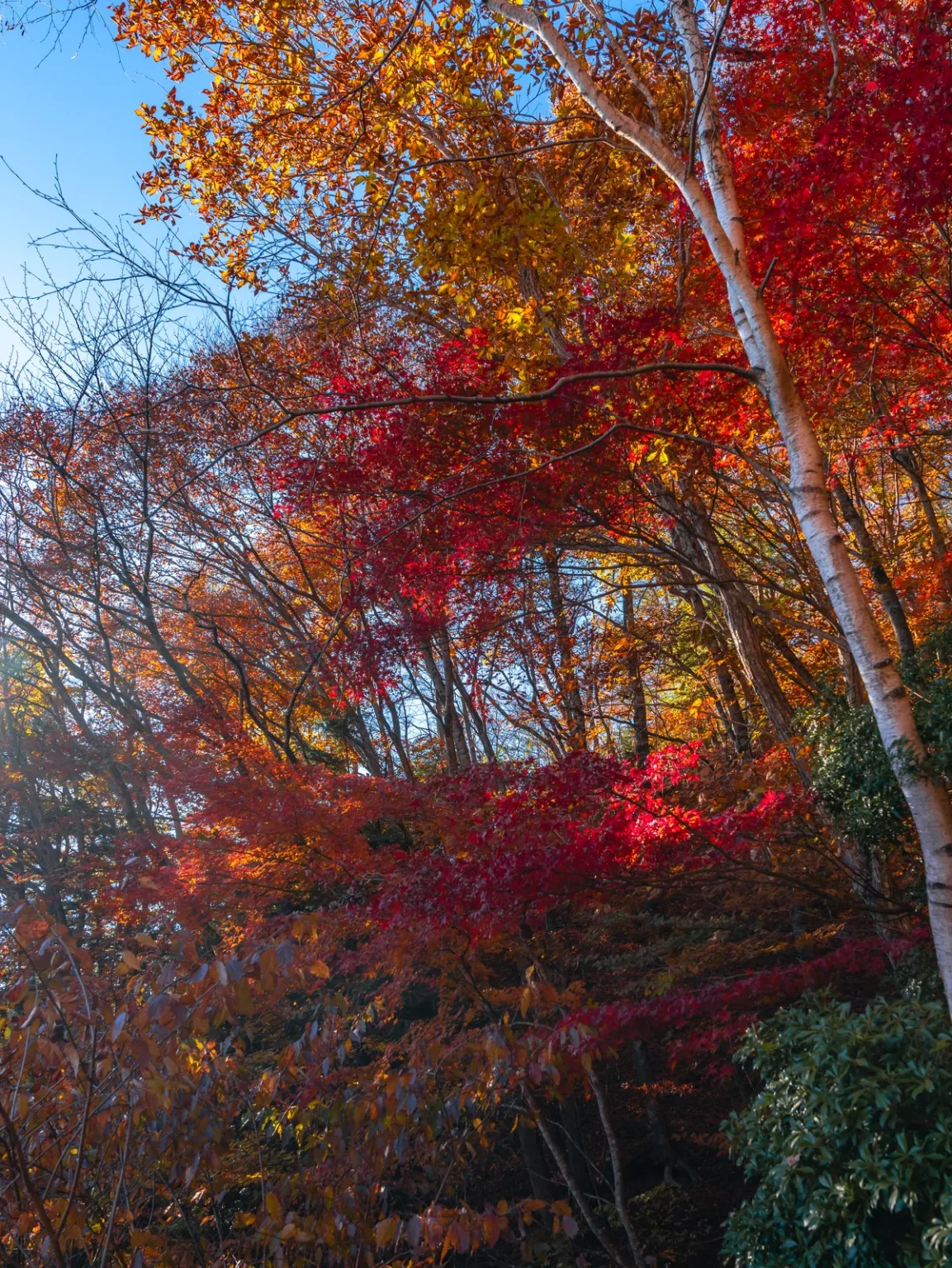
The teahouse’s history page says it put up the monument together with Ibuse Masuji in 1953, after Dazai’s death. The plaque was not readable in my photo. Yamanashi Prefecture’s tourism site calls it the monument to the line “Fuji ni wa tsukimisō ga yoku niau“, and says the inscription is in Dazai’s own handwriting, with words by Ibuse on the back.
What does the view from Tenka-chaya look like in autumn?
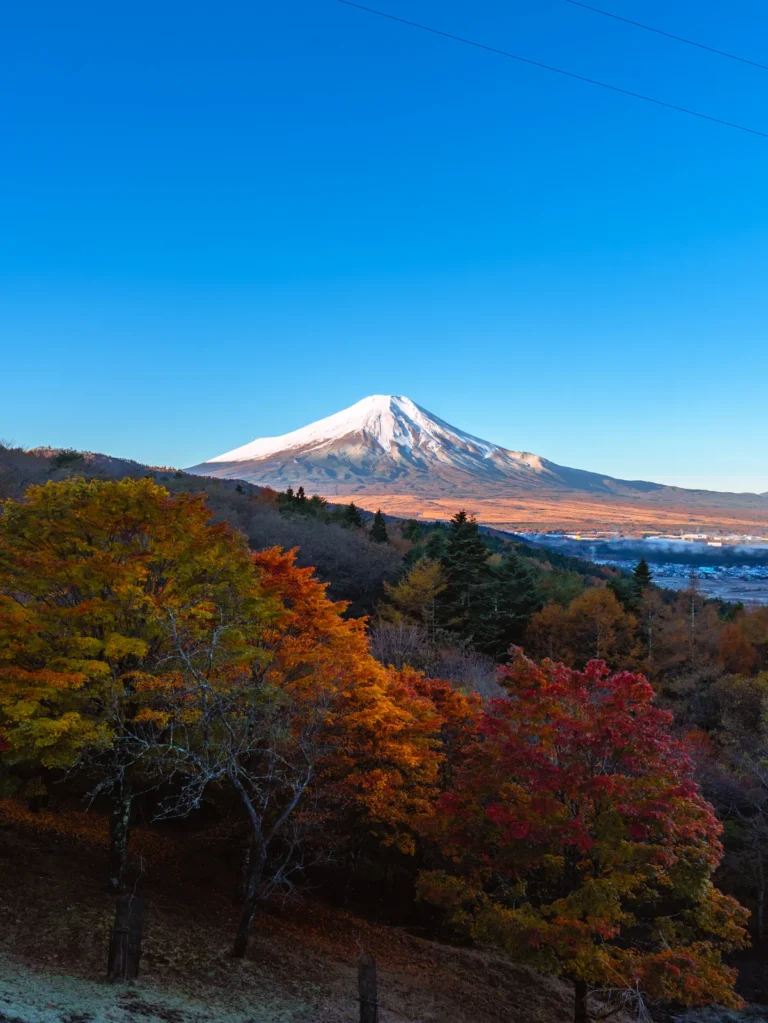
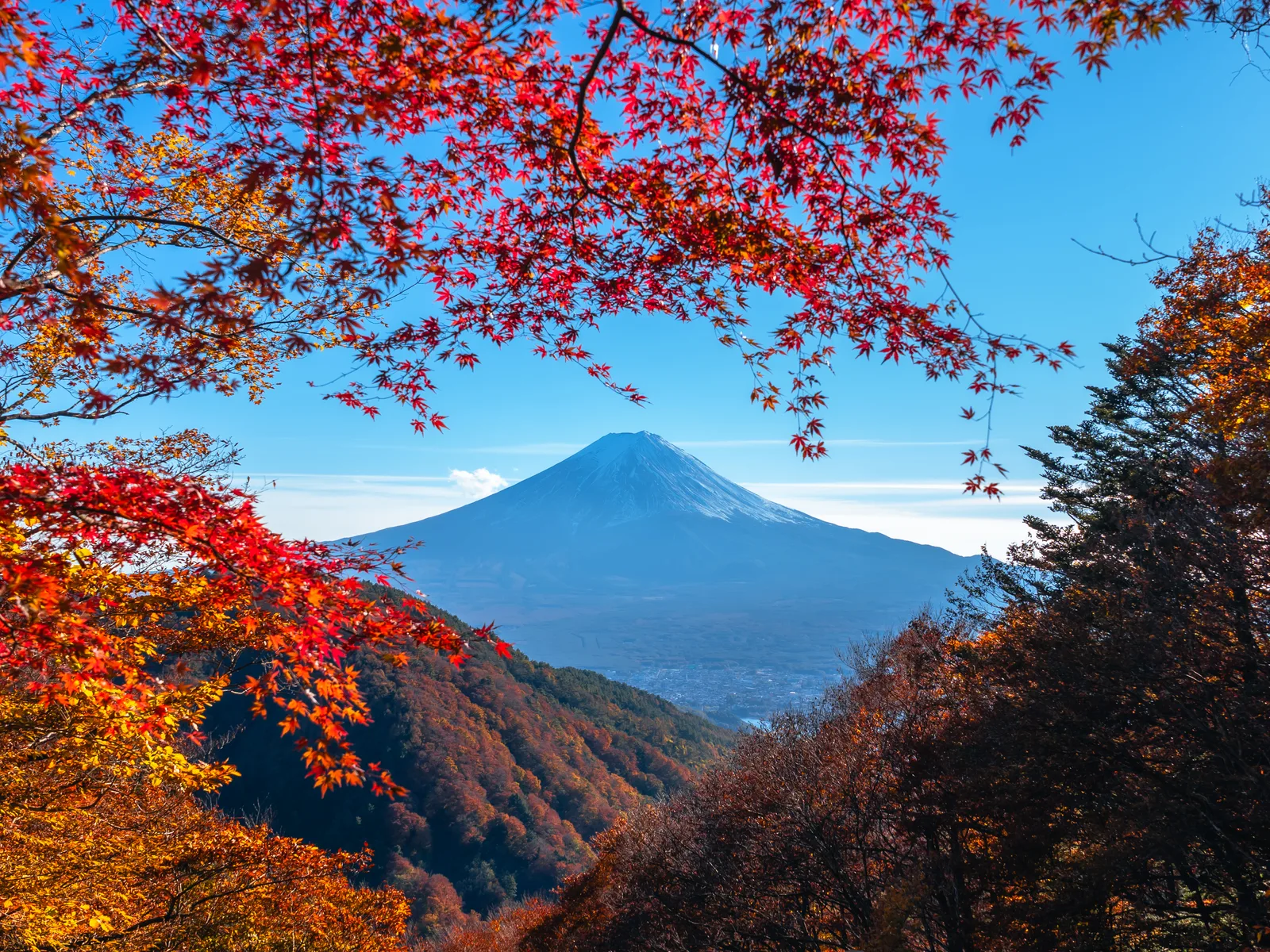
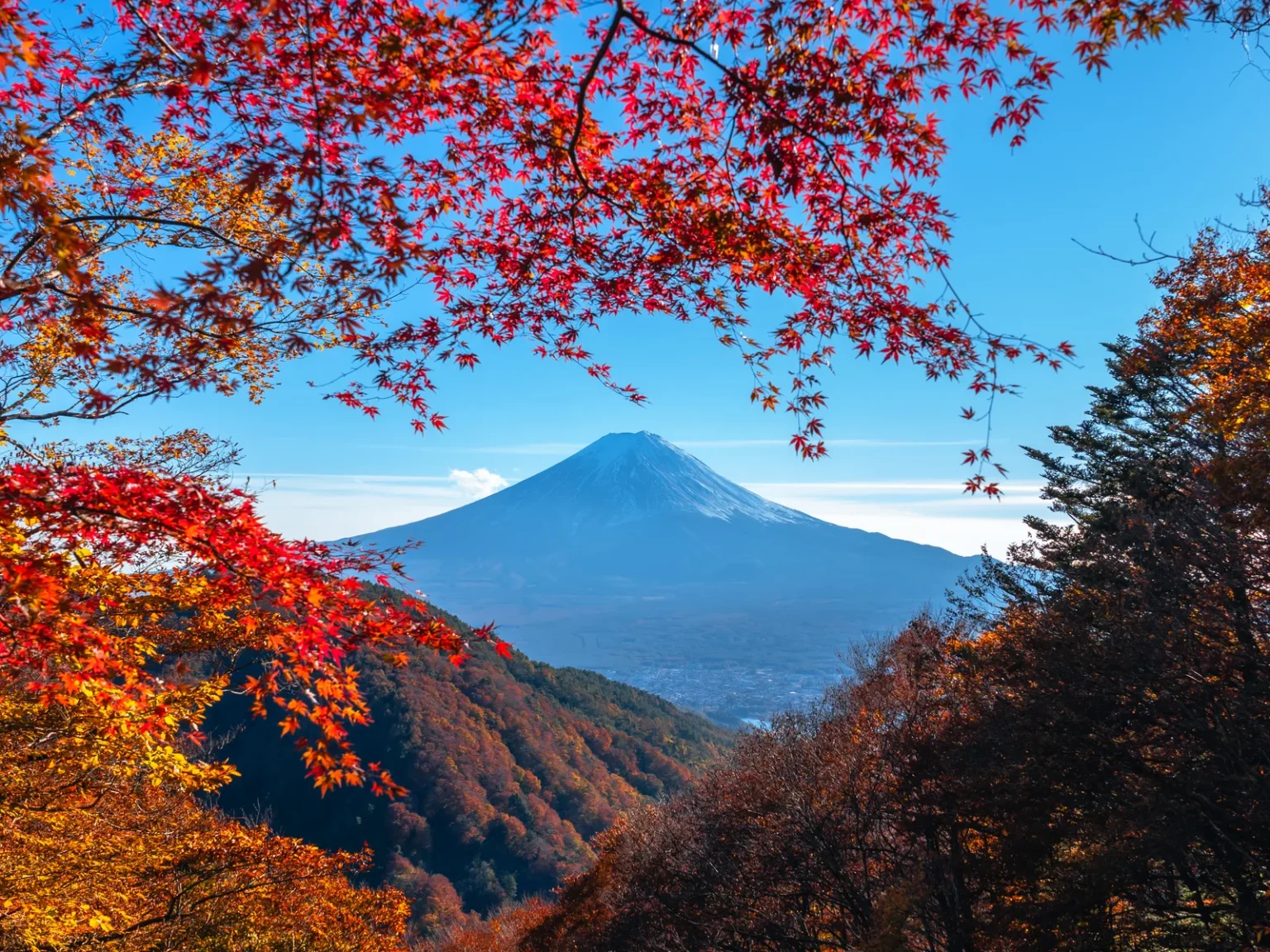
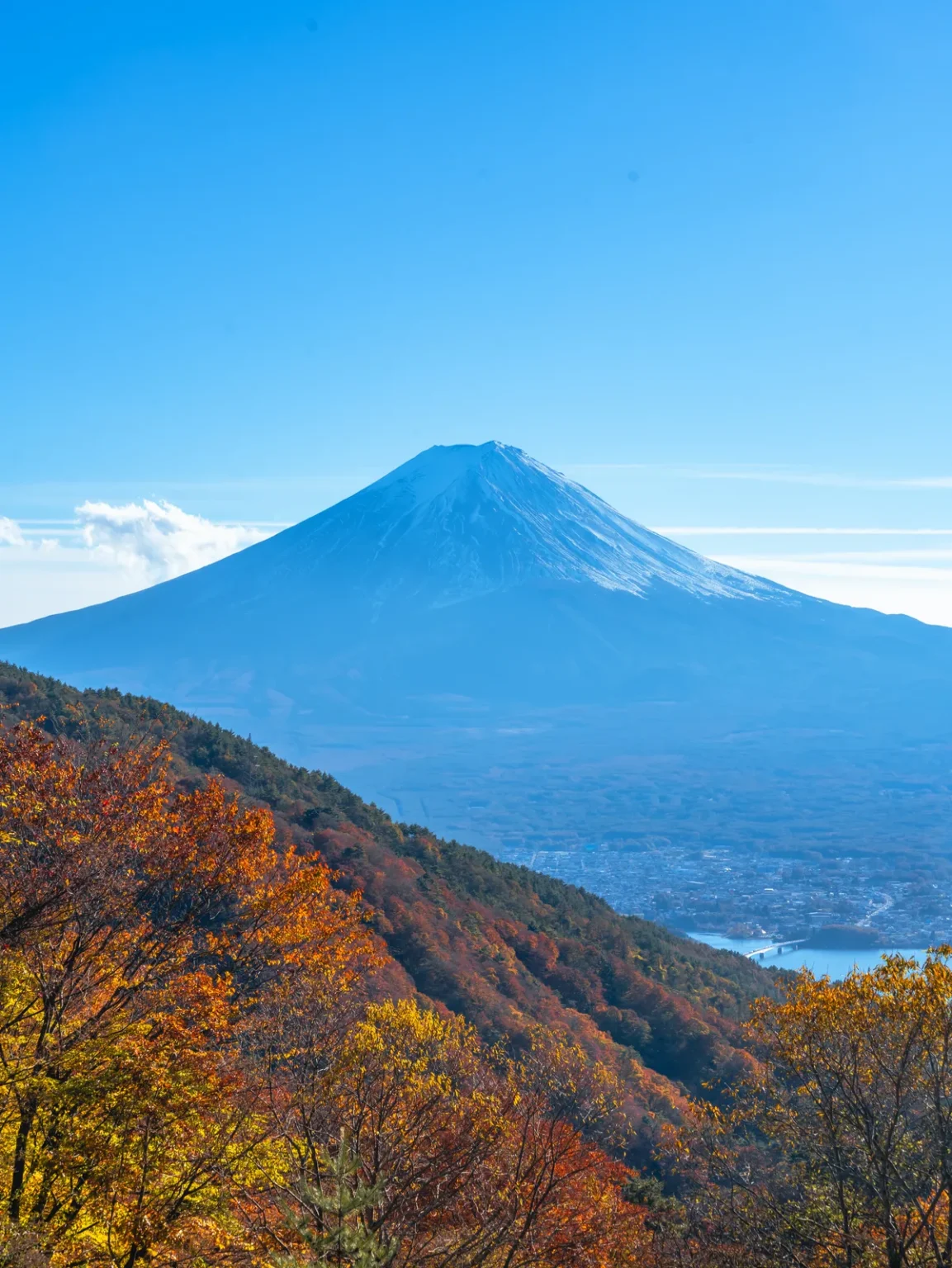
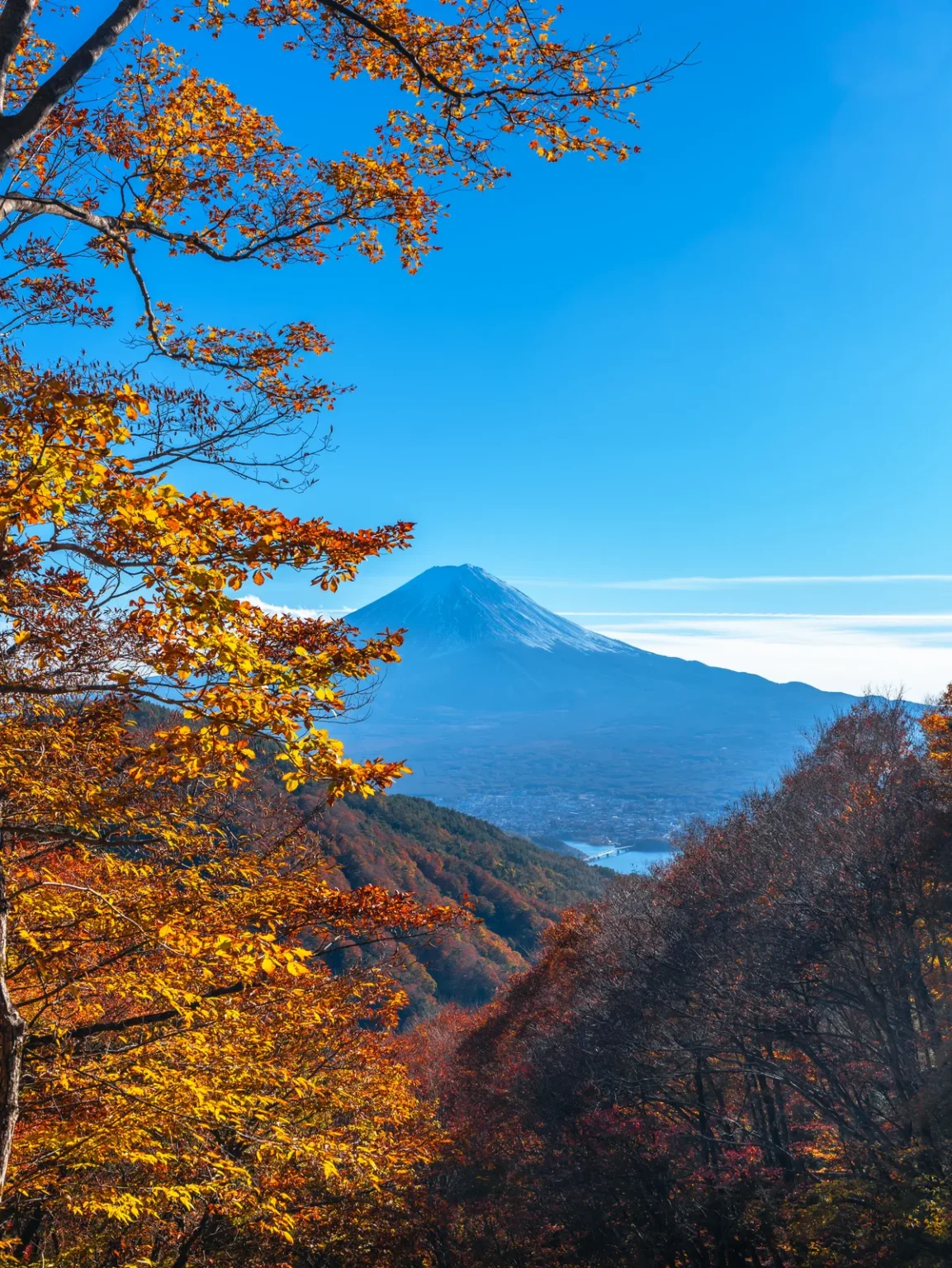
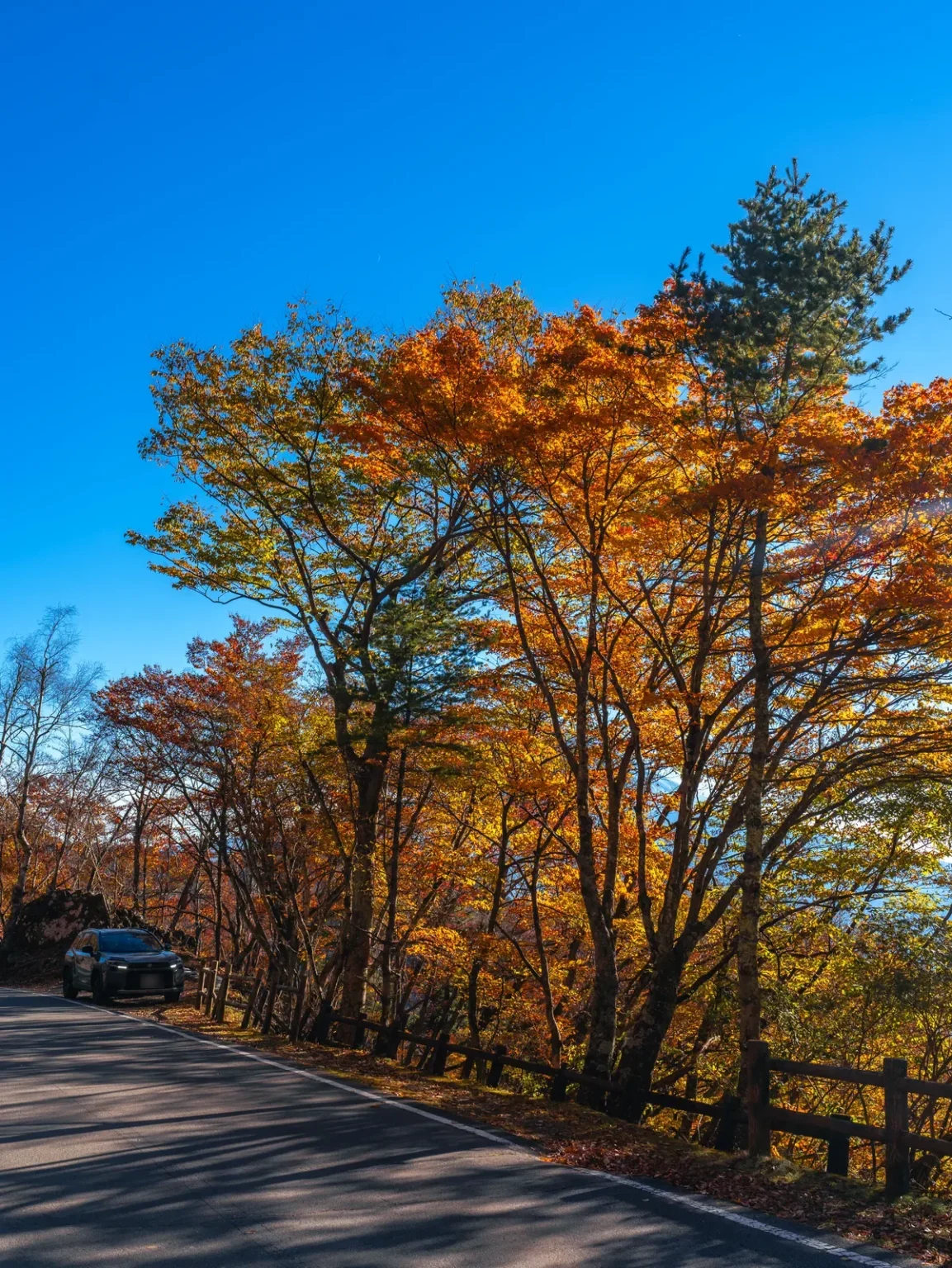
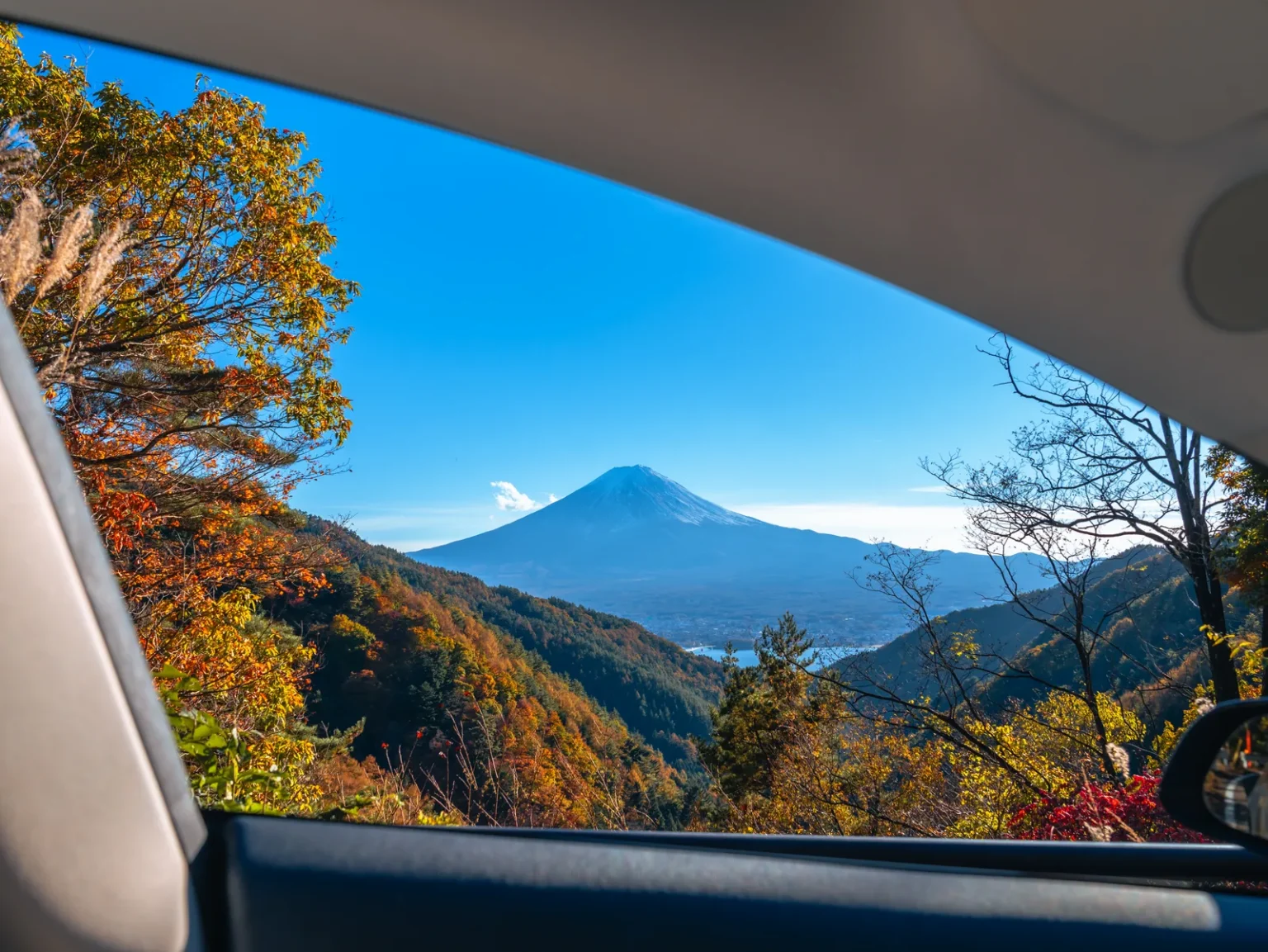
Fuji fills the middle of the view, Lake Kawaguchiko lies below it, and the ridges in front were orange and rust on my visit. To me the view was overwhelming, and it was not crowded. The leaves were starting to fall. One thing I was a little sorry to see: some trees had been cut down.
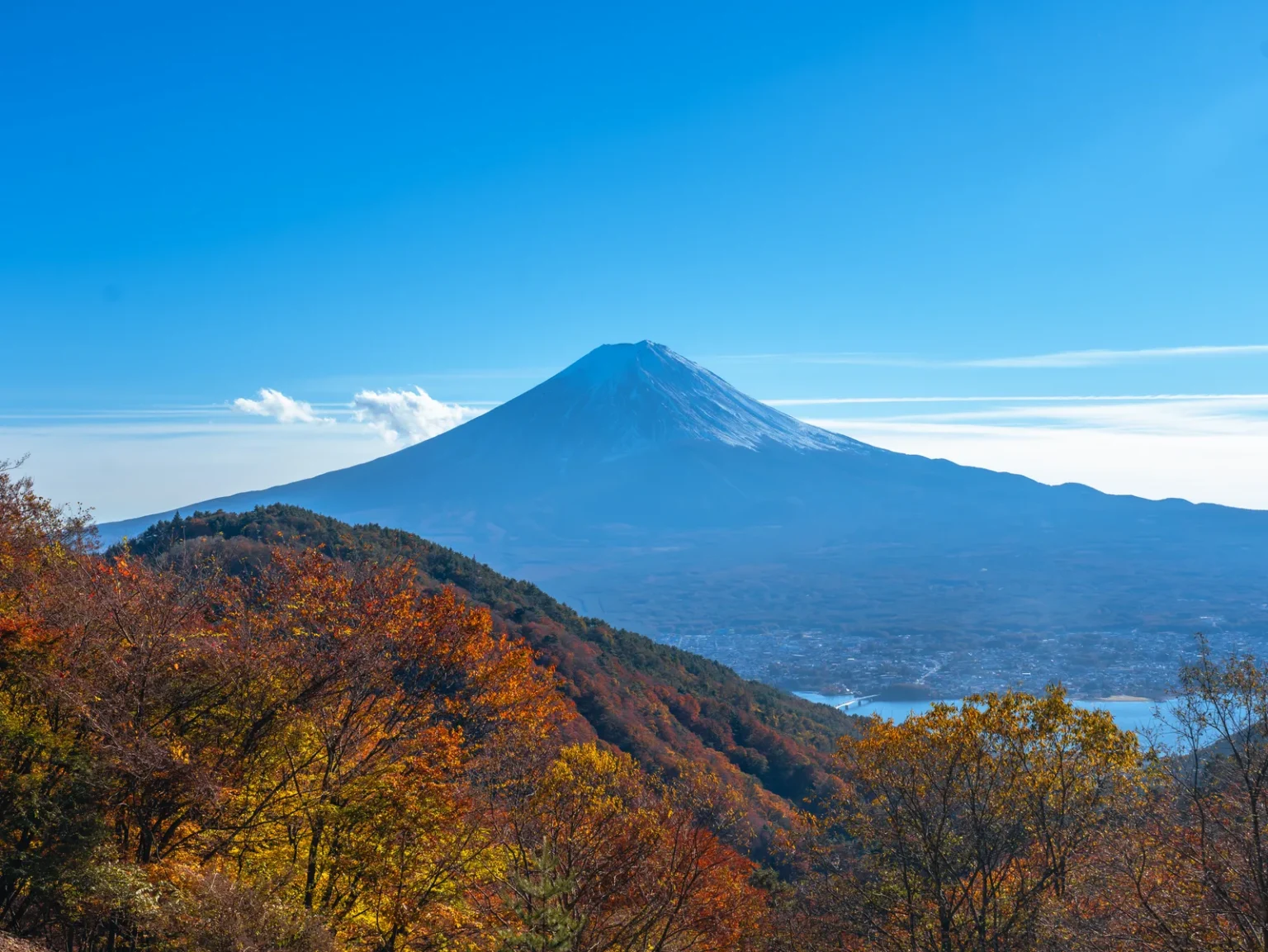
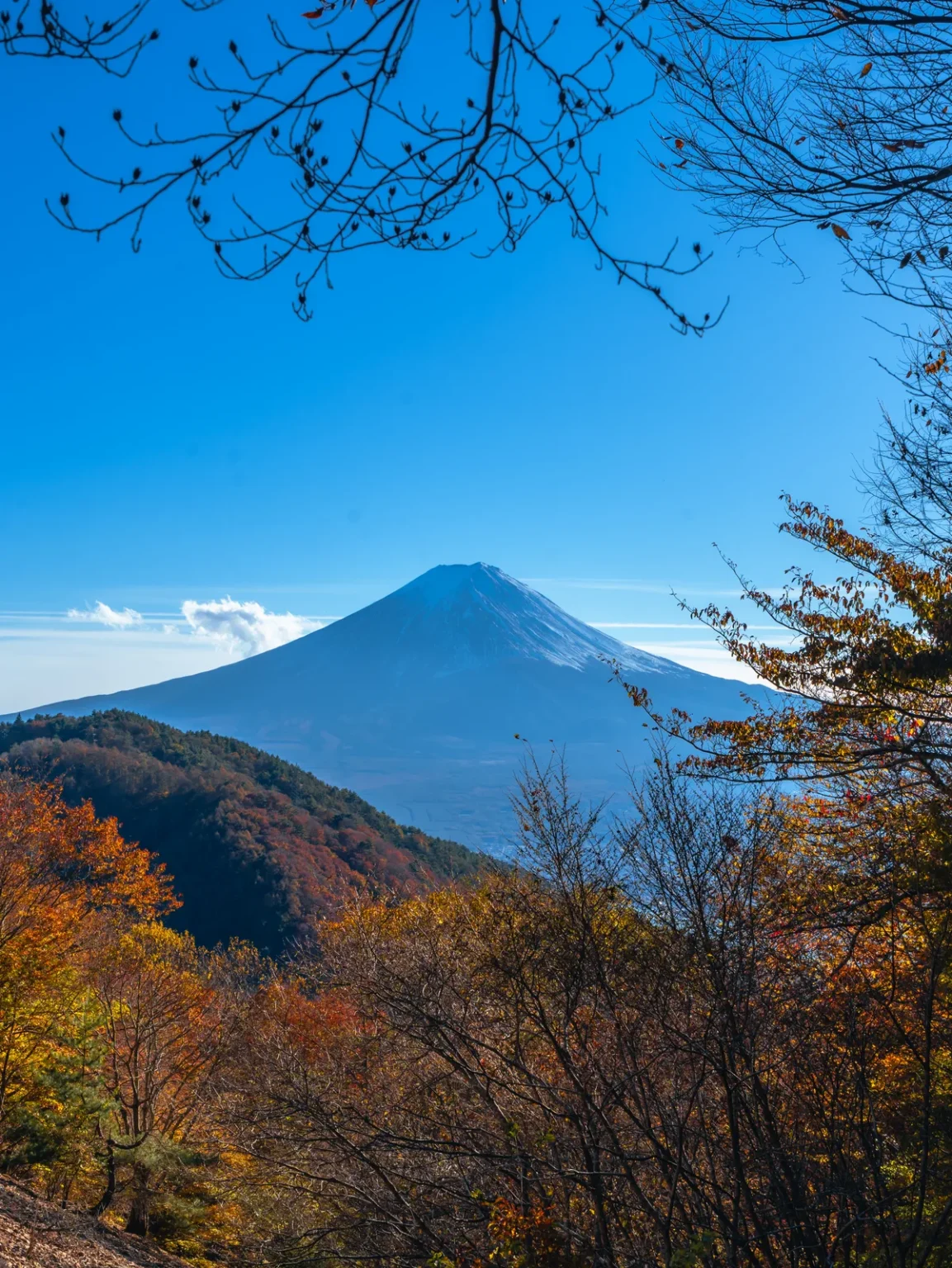
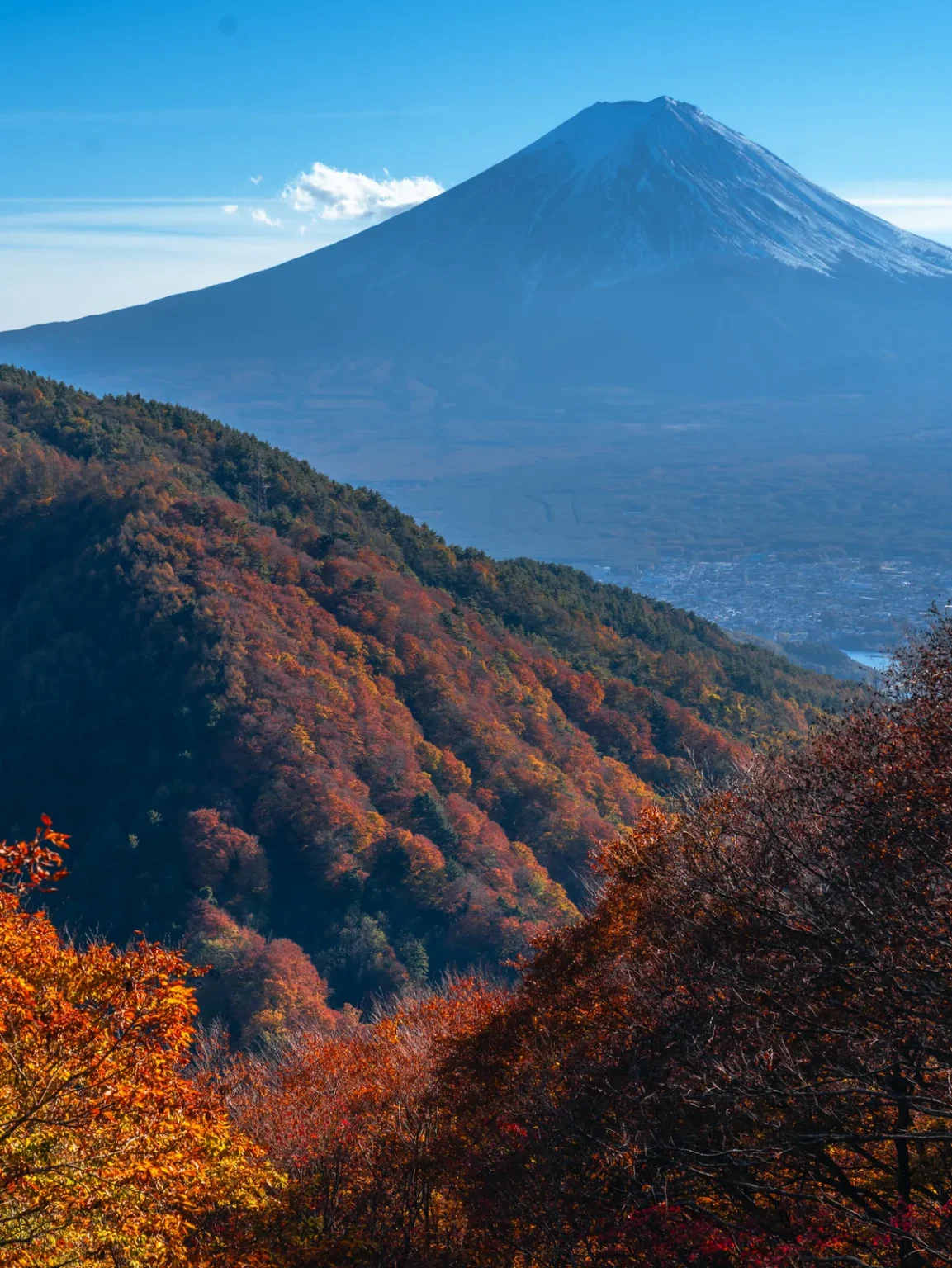
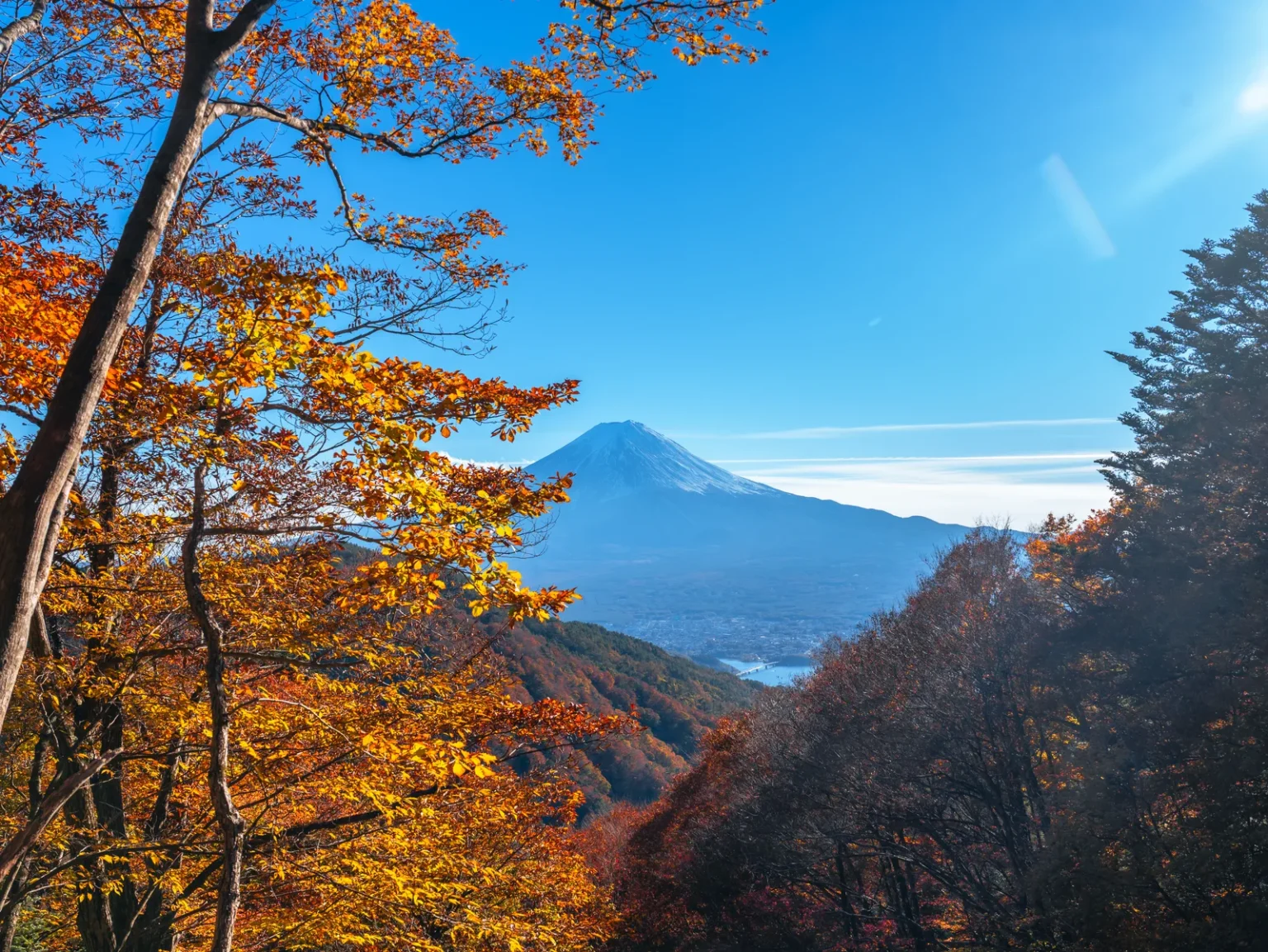
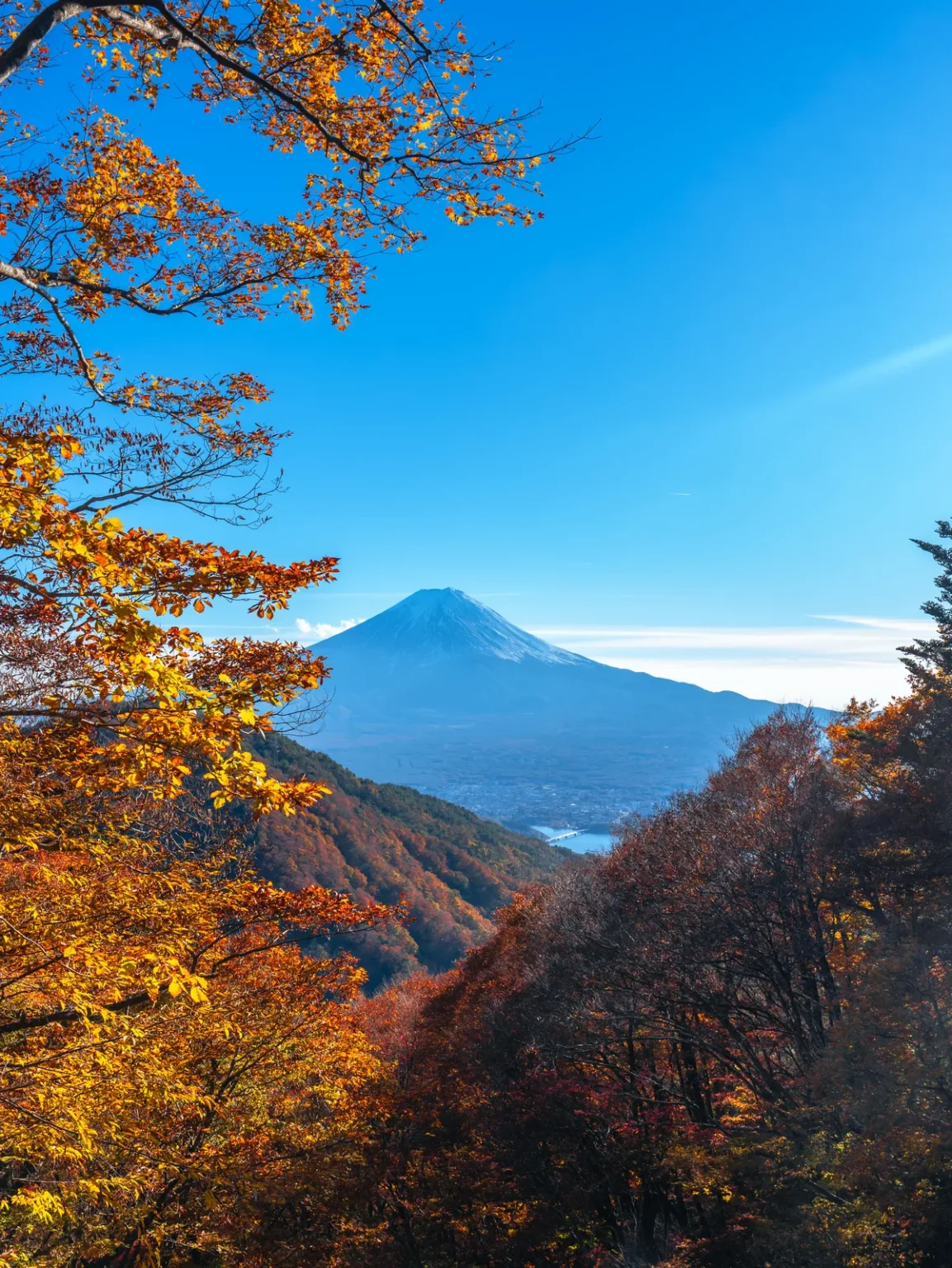
In Fugaku Hyakkei, Dazai did not care for this view. The story calls it too perfect, Fuji in the middle and the lake spread white below, “like a painting on a bathhouse wall, a stage backdrop” (まるで、風呂屋のペンキ画だ。芝居の書割だ。). The story also describes the leaves: in mid-October the mountain was “blood-red”, and by the end of October the colour had darkened and one stormy night stripped the trees. That is 1938, in a story. On 13 November 2026 the leaves up here were only starting to fall.
At 2:34 p.m. I photographed the road again, and at 2:45 p.m., with the car stopped, I photographed Fuji through the car window.
Why is there a teahouse at the top of Misaka Pass?
Because this was the way over the mountains to Fuji. In Fugaku Hyakkei, Dazai describes the pass as sitting on the Kamakura Ōkan, the old road from Kōfu towards the Tōkaidō, and as the classic place to see Fuji from the north. The Japan Tourism Agency’s text on Lake Kawaguchiko says that for Fuji-kō pilgrims coming by the old route, reaching Misaka Pass was a special moment: their first clear view of the mountain, with even a torii to mark their entry into its presence. Japan’s land ministry lists the Misaka, Kamakura Ōkan and Mitsutoge area among its views of Fuji from the Kantō region and links it to Hokusai’s print Kōshū Misaka Suimen.
The teahouse itself opened in the autumn of 1934 as a small two-storey wooden building with three eight-mat rooms, serving meals to people crossing the pass. Its history page says it was first called names like Fujimi-chaya (“Fuji-view teahouse”), until the journalist Tokutomi Sohō wrote about it in a newspaper as Tenka-chaya and the name stuck.
Dazai came in September 1938, brought by the writer Ibuse Masuji; in the story, Ibuse had been working upstairs since early summer. The teahouse puts Dazai’s stay at about three months. In the story, Dazai works on the second floor until 15 November, two days later in the month than my visit, and this is the story with the line that both the teahouse and the prefecture quote: 富士には月見草がよく似合ふ, which the prefecture’s English site gives as “Evening primroses look very well in the landscape of Fuji.”
When the new Misaka Tunnel opened in 1967, the teahouse had to close for about ten years. The second generation reopened it in 1978.
How do you get to Tenka-chaya?
By car, up the old pass road; or by the morning bus from Kawaguchiko Station. In winter the bus does not run, the teahouse says, and the prefecture says the road may be impassable because of snow.
Parking
The teahouse lists parking for 10 cars. I parked at the roadside.
By bus
The teahouse and the town tourism association both say a few buses run in the morning. The Fujikyu timetable sheet checked for this guide (linked from its site on 15 November 2026, revised 7 April 2025) shows one morning round trip: Kawaguchiko Station 9:50, Mitsutoge-tozanguchi 10:15, Tenka-chaya 10:18, and back from Tenka-chaya at 10:18. On that sheet there is no later bus down. The teahouse says the bus does not run in winter.
Toilets
The prefecture lists a toilet at the viewpoint here, and says the public toilet is closed for winter from 1 November to 31 March (its information is as of October 2024).
Height
About 1,300 m, the figure in both Dazai’s story and the prefecture’s cycling page, and the cycling page tells riders to bring warm layers for the ride down. The tourism association notes it stays fairly cool even in summer.
The bus up here runs only in the morning and not in winter, so with a car you can choose your own time.
Compare rental cars around Mount Fuji Search Rakuten Travel rental carsWhat else is on the same road?
Lower down the same pass road towards the lake is Fujimi-bashi Observation Deck, where I once spent a night photographing Fuji. The bus to Tenka-chaya also stops at Mitsutoge-tozanguchi, and Mount Mitsutoge is the mountain Dazai climbs with Ibuse early in the story; my Mount Mitsutoge hiking guide covers the routes and this year’s closure on one of them.
On the lakeshore below, Ubuyagasaki is where you can take the classic Mt Fuji and autumn-leaves photo, but it gets crowded. If you are here during the festival, my Kawaguchiko autumn leaves festival guide has the dates and the light-up. Over the pass on the Kōfu side, Kanjukuya in Fuefuki is another hōtō I have written about. Check the Mount Fuji visibility forecast before you drive up for the view, and start at my Mount Fuji guide for everything else.
Where to stay for Misaka Pass
The pass road starts from the north side of Lake Kawaguchiko. If you are deciding between the lake and the town next door, my Kawaguchiko vs Fujiyoshida comparison sets out the trade-offs.
The only bus up on Fujikyu’s sheet leaves Kawaguchiko Station at 9:50; staying at the lake the night before is one way to be there for it.
Places to stay at Lake Kawaguchiko on Booking.com Compare Kawaguchiko stays on AgodaMore from my November 2026 autumn visits around Mt Fuji
Ginkgo trees beside Dallas Village (6 Nov) · Lake Yamanaka autumn leaves festival (6 Nov photos) · Nijumagari Pass (11 Nov) · Oshino Hakkai (11 Nov) · Mt Fuji Radar Dome Museum (11 Nov) · Kaneyama Falls (11 Nov) · Birch-and-maple path near Michi-no-Eki Fujiyoshida (11 Nov) · Suwa-no-Mori Nature Park (11 Nov) · Ubuyagasaki (13 Nov) · When the leaves were reported at their best (calendar) · All ten spots compared (summary)
Tenka-chaya: FAQ
What are Tenka-chaya’s opening hours?
The teahouse’s own site gives 10:00–16:00, open every day, with possible closures in winter because of the weather. The Dazai memorial room upstairs is open 10:00–17:00 from early April to early December and closed in winter.
Is the Dazai Osamu memorial room free?
Yes, if you eat or drink at the teahouse, according to its site. The memorial room recreates the room where Dazai stayed, with Dazai’s desk and brazier and first editions of Dazai’s books.
How far is the Dazai monument from Tenka-chaya?
A short uphill walk. The tourism association describes the path from the teahouse as a short walk, and I walked it from the Misaka-yama trailhead by the teahouse.
Can I get to Tenka-chaya by bus?
Only in the morning. The teahouse and the tourism association say a few buses run in the morning; the Fujikyu sheet checked for this guide (revised 7 April 2025) shows one round trip, leaving Kawaguchiko Station at 9:50, reaching Tenka-chaya at 10:18 and heading back at 10:18. The teahouse says the bus does not run in winter.
Is there parking at Tenka-chaya?
The teahouse lists parking for 10 cars. I parked at the roadside when I went on Friday 13 November 2026.
Were the autumn leaves good in mid-November?
On 13 November 2026 they were starting to fall. There was still red and orange around the path and the monument, and bare branches on the hillside. The view of Fuji was clear and it was not crowded.
Sources
My own visit and the official pages behind the facts above (checked 15 November 2026)
- My own visit on Friday 13 November 2026; photos taken between 2:19 and 2:45 p.m. (camera times).
- Tenka-chaya (official site): home; hours, parking, access and the memorial room; history; menu
- Fujikawaguchiko Tourism Association: Tenka-chaya
- Yamanashi Tourism Organization: viewpoint on the Fujikawaguchiko–Fuefuki prefectural road; Tenka Chaya (English); column on Dazai and Yamanashi; Tenka-chaya cycling climb
- Japan Tourism Agency multilingual commentary: Lake Kawaguchiko
- Ministry of Land, Infrastructure, Transport and Tourism, Kanto Regional Development Bureau: Misaka, Kamakura Ōkan and Mitsutoge (Kantō Fuji views)
- Fujikyu Bus: timetable incl. Kawaguchiko Station–Tenka-chaya, revised 7 April 2025
- Dazai Osamu, Fugaku Hyakkei (1939), text on Aozora Bunko
Some links above are affiliate links — they cost you nothing extra and help keep this site going.
Join travelers discovering Japan's hidden side
Weekly dispatches from off-the-beaten-path Japan — spots and stories you won't find in guidebooks.
No spam. Unsubscribe anytime.
Welcome aboard!
You're in. See you in your inbox soon.