
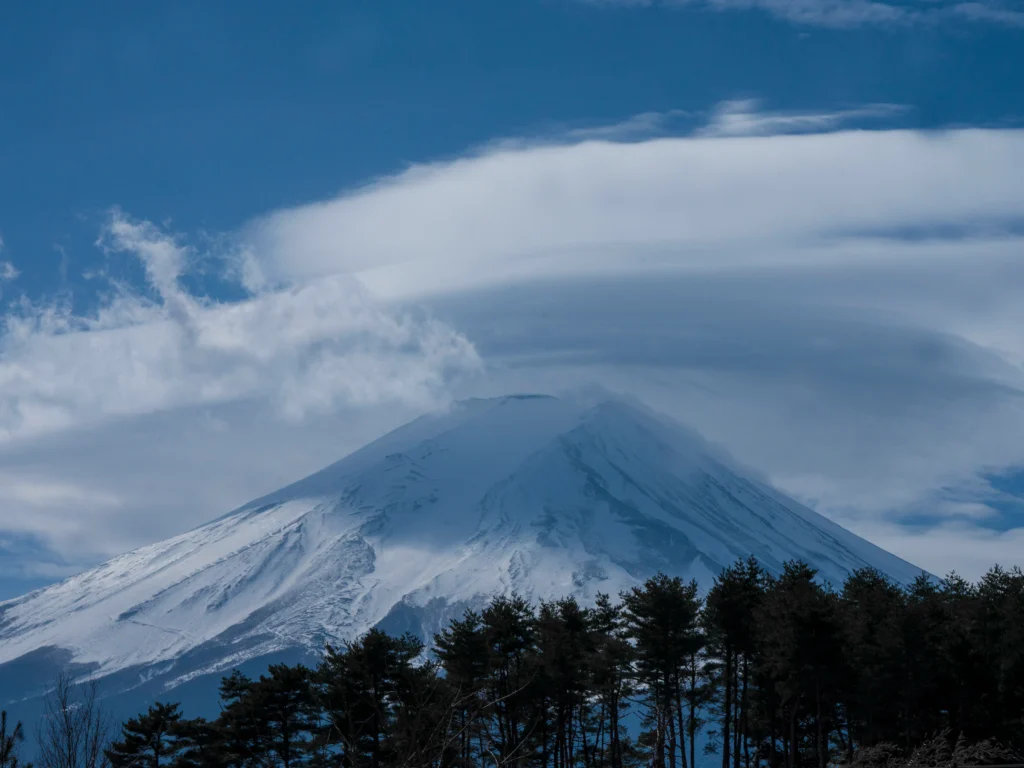
Planning a trip to Japan’s most iconic peak?
You might be wondering what the best time to see Mt Fuji is. While many assume summer is the ideal season, the recorded odds run the other way: winter mornings are the most reliable. This guide sets out what the monthly figures show, so you can pick the season that matches what you want to see.
Table of Contents
Part of the full Mt. Fuji travel guide.
Every Month, Ranked by 35 Years of Observation
Forget myths and hearsay. The ranking below is built from published visibility scores, credited under the table. The results are clear: winter reigns supreme.
| Month | Fuji visible at all | Whole mountain visible |
|---|---|---|
| December | 84.9% | 61.7% |
| January | 82.3% | 60.0% |
| November | 78.7% | 53.9% |
| February | 74.9% | 52.6% |
| October | 68.8% | 41.1% |
| March | 61.3% | 40.7% |
| April | 58.3% | 36.3% |
| September | 54.0% | 27.2% |
| May | 51.2% | 30.2% |
| August | 35.6% | 14.6% |
| June | 33.8% | 12.4% |
| July | 24.6% | 9.9% |
Source: 富士山観測の記録 — 令和7年報告 (Fuji City, published 5 February 2026). The city has logged Mt Fuji three times a day — 8 a.m., noon and 4 p.m. — since May 1990, by fixed camera or by eye from its own city hall (the eighth floor now, the sixth when the record began). Each observation is filed as the whole mountain visible, partly visible, or not visible at all; the city notes that because the call is made by eye, the boundaries between those three are approximate rather than exact. The monthly table above uses the 8 a.m. reading, which the city notes is the hour with the best odds. Fuji City sits on the south side; these are its numbers, not Fujiyoshida’s.
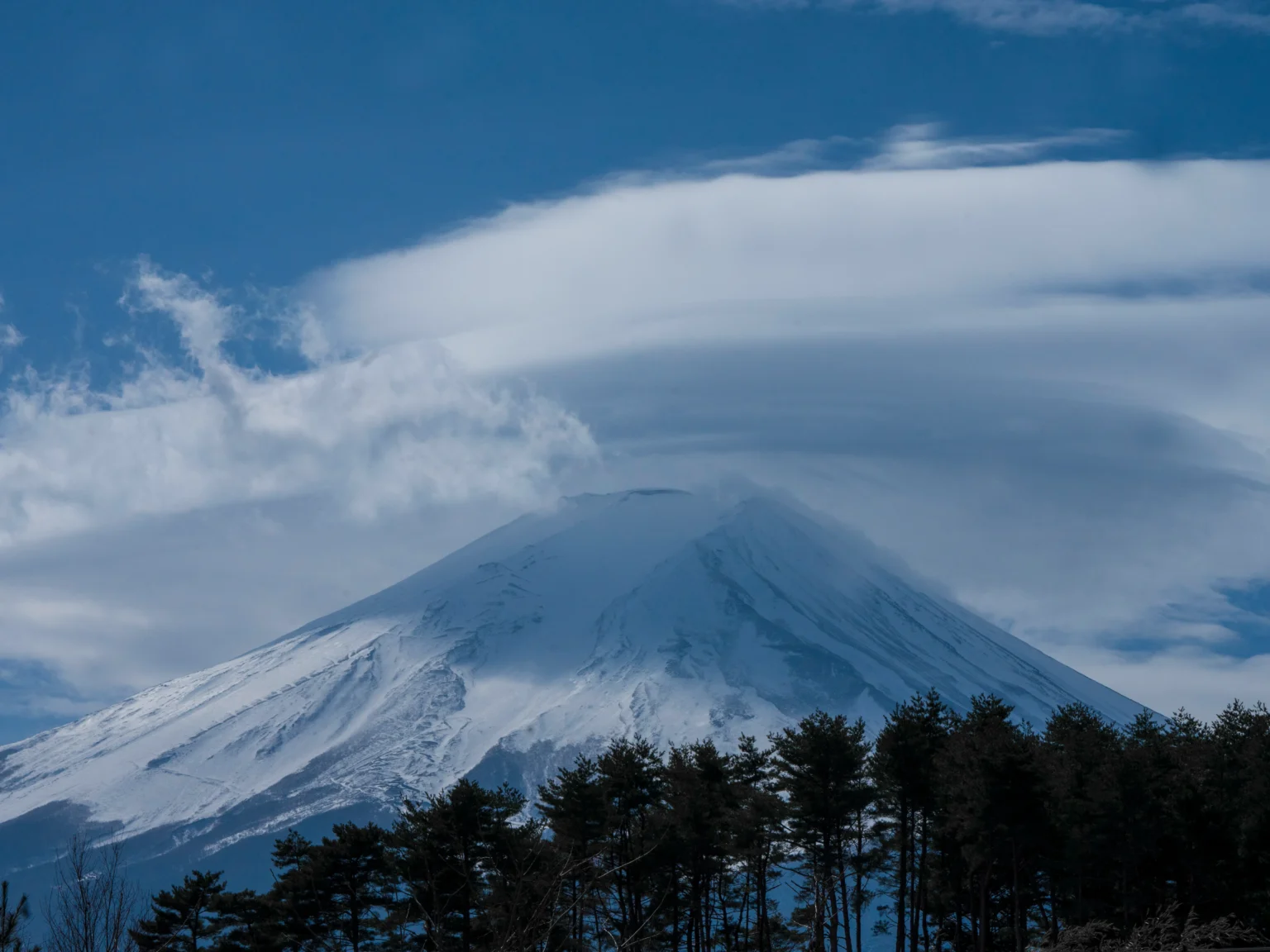
The city’s own summary of the 35 years: the mountain shows most often from November to February, least from June to August, and both the spring haze of March to May and the September typhoon season pull the odds down. It also warns that a clear sky is not the same thing as a clear mountain — cloud and mist sitting on Fuji itself do not care what the weather is doing at ground level.
Plan Your Mt. Fuji Viewing Trip
A Seasonal Guide to Find the Best Time to See Mt Fuji
Each season paints Mount Fuji in a different light. Whether you’re chasing cherry blossoms or fiery autumn leaves, here’s what to expect throughout the year.
Winter (December – March): The Season of Clarity
This is the king of seasons for Fuji viewing. The air is at its driest and clearest, leading to the highest probability of seeing the mountain in its full, majestic glory. The snow cap is full, creating the iconic image of Japan. While temperatures can be cold, the reward is magnificent, unobstructed views and fewer tourists.
•Pros: Highest visibility, beautiful snow cap, fewer crowds.
•Cons: Cold temperatures, potential for snow or ice on roads.
•Don’t Miss: Diamond Fuji from Lake Yamanaka — the sun setting onto the peak, roughly mid-October to late February.
Spring (April – May): A Fleeting, Floral Beauty
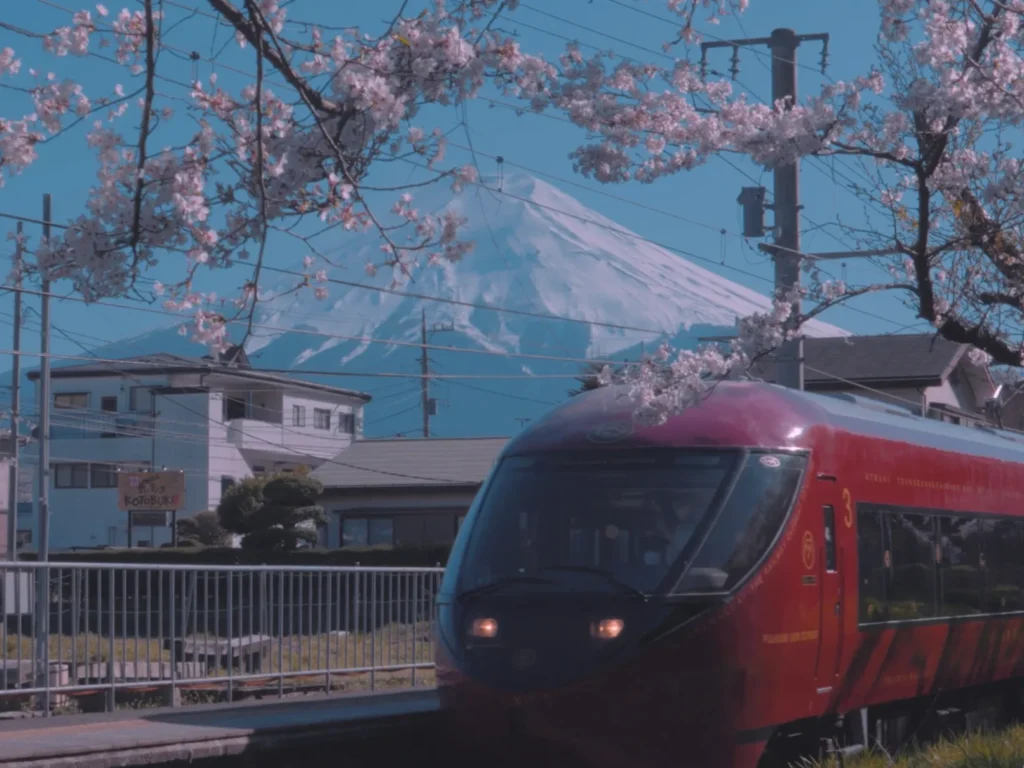
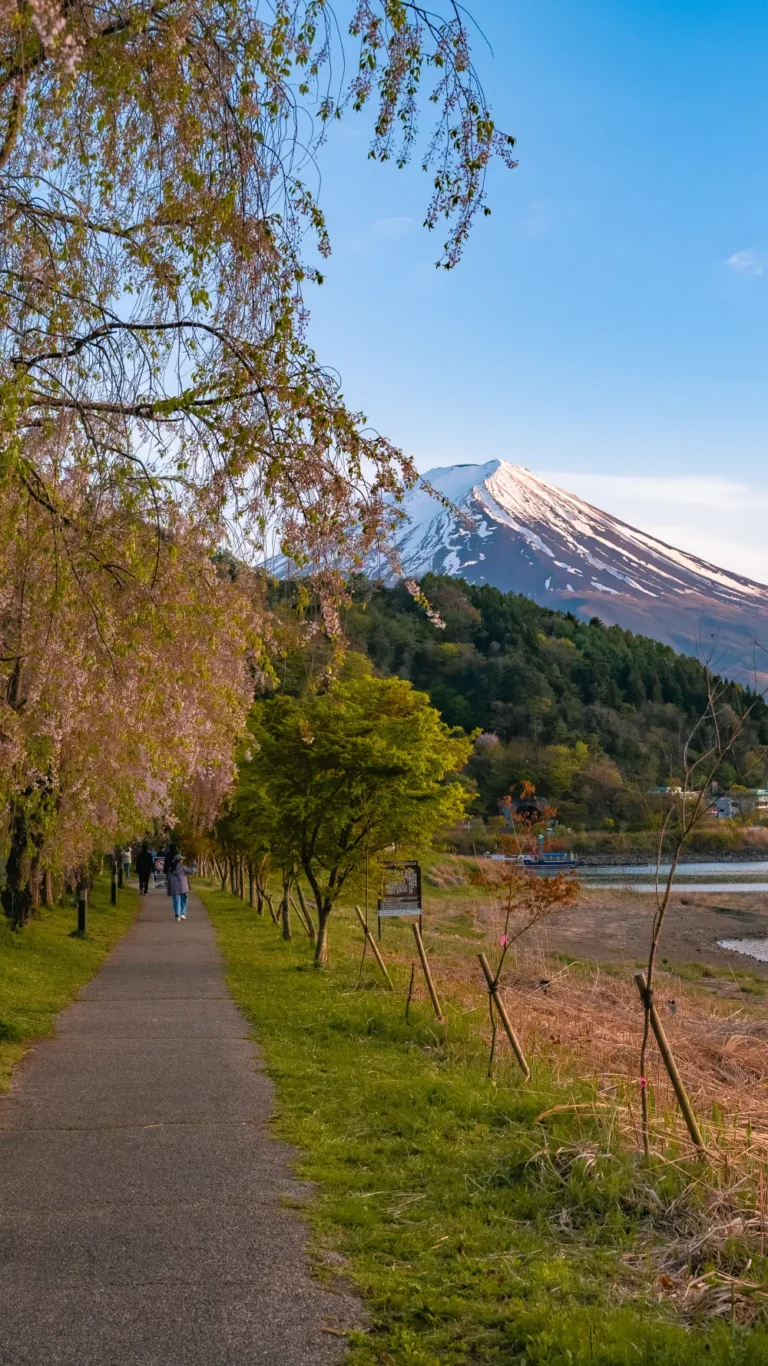
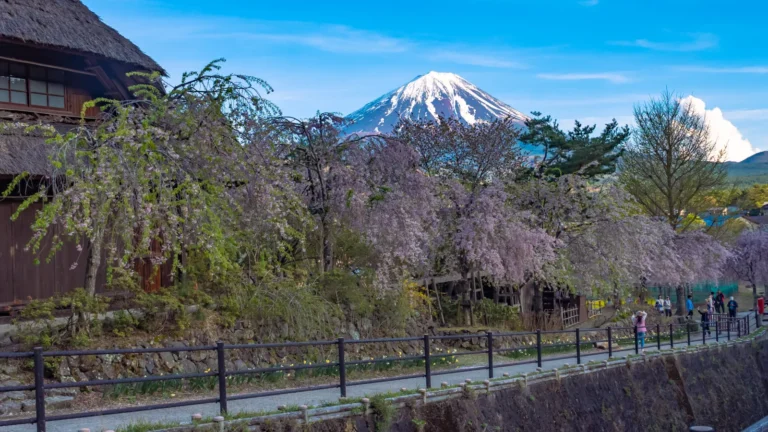
Spring brings the world-famous cherry blossoms, offering a chance to capture the quintessential photo of sakura framing Mt. Fuji. However, this season is a gamble. As temperatures rise, so does haze and cloud cover, significantly reducing visibility compared to winter. Mornings offer the best chance before afternoon clouds build up. Before you lock in a Chureito or lakeside morning, check the 7-day Mt. Fuji weather outlook for cloud cover, wind and rain around your dates.
•Pros: Cherry blossoms, pleasant weather.
•Cons: Unstable weather, increasing haze, crowds during Golden Week (late April to early May).
•Don’t Miss: The Chureito Pagoda with cherry blossoms (typically early to mid-April).
Summer (June – September): The Season of Climbing
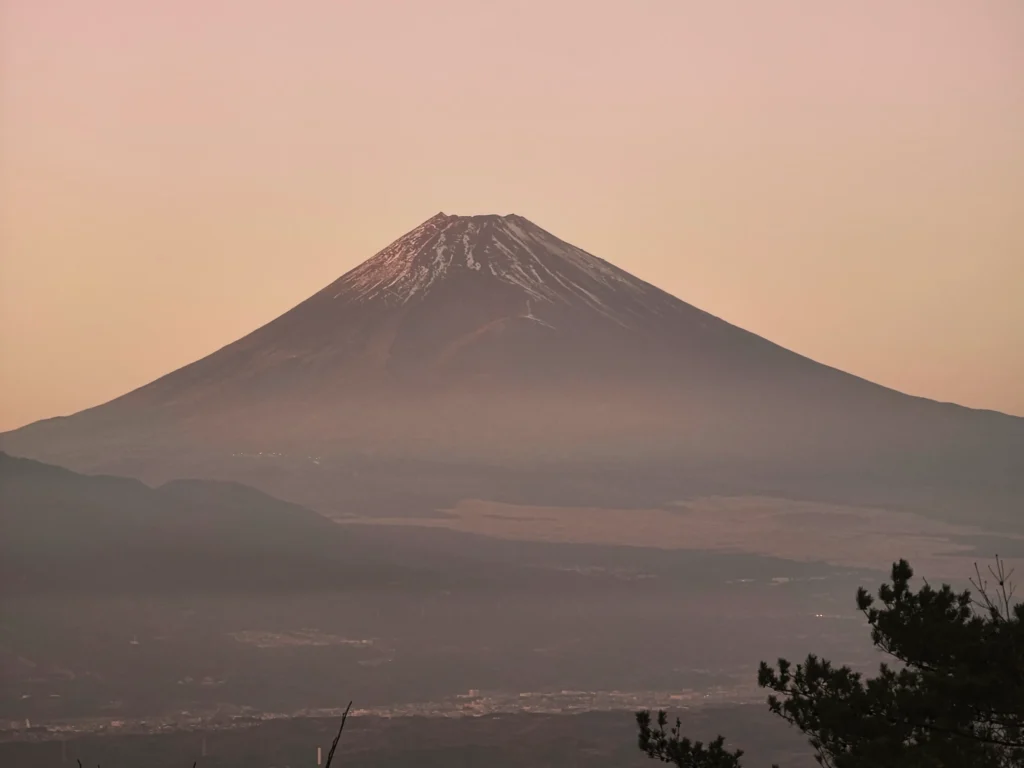
Summer is the official climbing season (early July to early September), but it’s ironically the worst season for viewing the mountain from afar. The rainy season (June to mid-July) and high humidity create a persistent haze and cloud cover, often hiding the mountain for days on end. If you’re climbing, you may get great views from above the clouds, but don’t expect clear panoramas from the Fuji Five Lakes region.
•Pros: Official climbing season is open, warm weather.
•Cons: Lowest visibility, rainy season, typhoons, snow cover retreats through summer.
•Don’t Miss: The experience of climbing the mountain itself.
Autumn (October – November): A Splash of Color
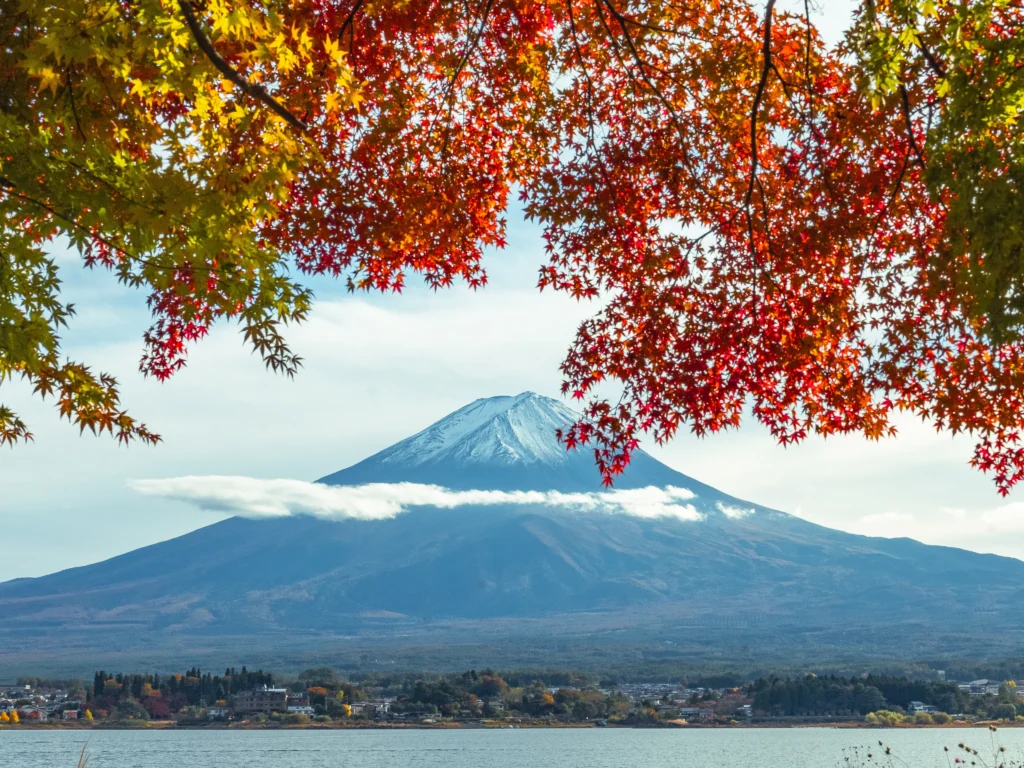
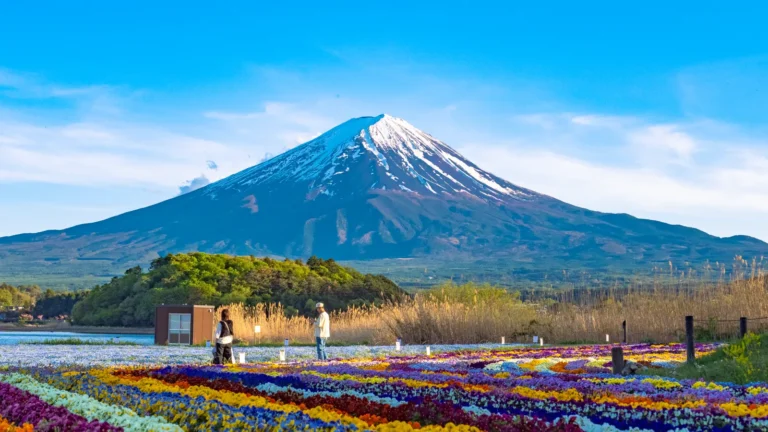
As the summer humidity subsides, a second window of clear skies opens up. Autumn offers a spectacular combination of crisp air and the vibrant colors of autumn foliage. The area around Lake Kawaguchiko becomes a canvas of red, orange, and yellow, perfectly complementing the now snow-dusted peak of Mt. Fuji. November, in particular, rivals winter for its excellent visibility.
•Pros: Beautiful autumn colors, pleasant weather, good visibility.
•Cons: Can be crowded during peak foliage season.
•Don’t Miss: The Fuji Kawaguchiko Autumn Leaves Festival (Momiji Matsuri).
What’s Your Goal? A Quick Guide to the Best Season
To find your personal best time to visit, match your travel goals with the right season using this handy table.
| Your Main Goal | Recommended Month(s) | Key Points & Considerations |
| See a Crystal-Clear, Snow-Capped Fuji | December, January | Highest chance of clear skies. Pack for cold weather. |
| Photograph Cherry Blossoms & Fuji | Early to Mid-April | Timing is crucial as bloom dates vary. Weather can be unpredictable. |
| Enjoy Autumn Leaves & Fuji | Early to Mid-November | Lake Kawaguchiko is famous for its Momiji (maple leaf) tunnel. |
| Climb to the Summit of Mt. Fuji | July, August | This is the official climbing season. Reserve a Mt Fuji mountain hut well in advance. |
| See the “Diamond Fuji” Phenomenon | Mid-October – February | The sun lines up with the peak — at Lake Yamanaka it is a sunset event. Check specific dates and spots. |
Frequently Asked Questions (FAQ)
Can I still see Mt. Fuji in the summer?
Yes, but the odds are against you. Over Fuji City’s 35-year record, July is the worst month of the year: the mountain was visible at all on 24.6% of 8 a.m. observations, and fully visible on just 9.9%. June and August are only a little better. Morning is the best window — 8 a.m. is the strongest of the city’s three daily readings, and the odds fall through the day.
When does the snow cap appear and disappear?
The first snow cap usually appears in October (recent years have run late), and the snow mostly melts by summer, though patches can linger into July. For the classic snow-covered look, aim for November to April and avoid the summer months.
Is morning or evening better for viewing Mt. Fuji?
Morning, and Fuji City’s record puts numbers on it. Across 35 years the whole mountain was visible on 36.6% of 8 a.m. observations, 23.3% at noon and 22.5% at 4 p.m. Counting partial views as well, the figures are 58.9%, 53.4% and 49.7%. The city observes only at those three times, so nothing here speaks to before dawn.
Quick answer — Mt. Fuji’s snow cap in 2026: Fuji’s first observed snow cover usually comes in October (recent years have run late — October 23 in 2025, November 7 in 2024, the latest in the visual-observation record that began in 1894), and the snow mostly melts by summer, though patches can linger into July. So if you specifically want the postcard snow-capped Fuji, aim for November through April (November to February has the clearest skies). During the official summer climbing season (July–early September) the snow cover keeps retreating — leftover patches near the summit are most likely early in the season.
Stay close to the mountain — it changes everything
Most day-trippers from Tokyo reach the lakes mid-morning (the earliest bus, 6:05 from Shibuya, is due at Kawaguchiko at 8:05). Spending one night in Kawaguchiko or Yamanakako lets you be at the lakeshore at dawn — and the long-term record shows 8 a.m. beating noon and 4 p.m. Booking has the wider hotel selection; Rakuten has the deeper ryokan and onsen inventory locals actually use.
Conclusion: Plan for the Best, Prepare for the Rest
While winter is statistically the best time to see Mt Fuji, every season offers a unique charm. By understanding the monthly visibility patterns and seasonal characteristics, you can plan a trip that maximizes your chances of a spectacular view. Use this guide to pick your ideal season, and get ready for an unforgettable experience with Japan’s most sacred mountain.
Travelling soon and want today’s odds, not just the seasonal average? Check our daily Is Mt. Fuji Visible Today? live forecast — photographed each morning from Fujiyoshida with a 7-day outlook, so you can pick the clearest day of your trip.
Stack the Odds For a Clear-Fuji Morning
Three doors. Booking flexibility for hotels, Rakuten for traditional inns, rental car for the dawn drive. Pick one based on how you travel.
Sources
[1] Fuji City — 富士山観測の記録(令和7年報告), 35 years of daily Mt Fuji observation, 1991–2025
[2] fujisan-climb.jp – Official Web Site for Mt. Fuji Climbing
[3] Live Japan – Will Mt. Fuji Be Visible During My Trip?

If you’re optimising for the alpine sister of Mt. Fuji, the same month-by-month logic applies to Kamikochi (1,500 m, Japanese Alps): from mid-November to mid-April normal bus and taxi access is suspended (in 2026 it resumed on 17 April), late October delivers the canonical autumn shot, July–August is comfortable but crowded, mid-June is the year’s quietest in-season weekday. Full breakdown: Best Time to Visit Kamikochi 2026.
Asumiko Pond (Hasu-ike)
A lesser-known Fujiyoshida pond — lotus, hydrangea, and Fuji on a clear day.
Where to stay near Mt Fuji: compare hotels and prices on Booking.com or Trip.com — booking early pays off in peak season.
Join travelers discovering Japan's hidden side
Weekly dispatches from off-the-beaten-path Japan — spots and stories you won't find in guidebooks.
No spam. Unsubscribe anytime.
Welcome aboard!
You're in. See you in your inbox soon.