Osaka · Kansai · Castle
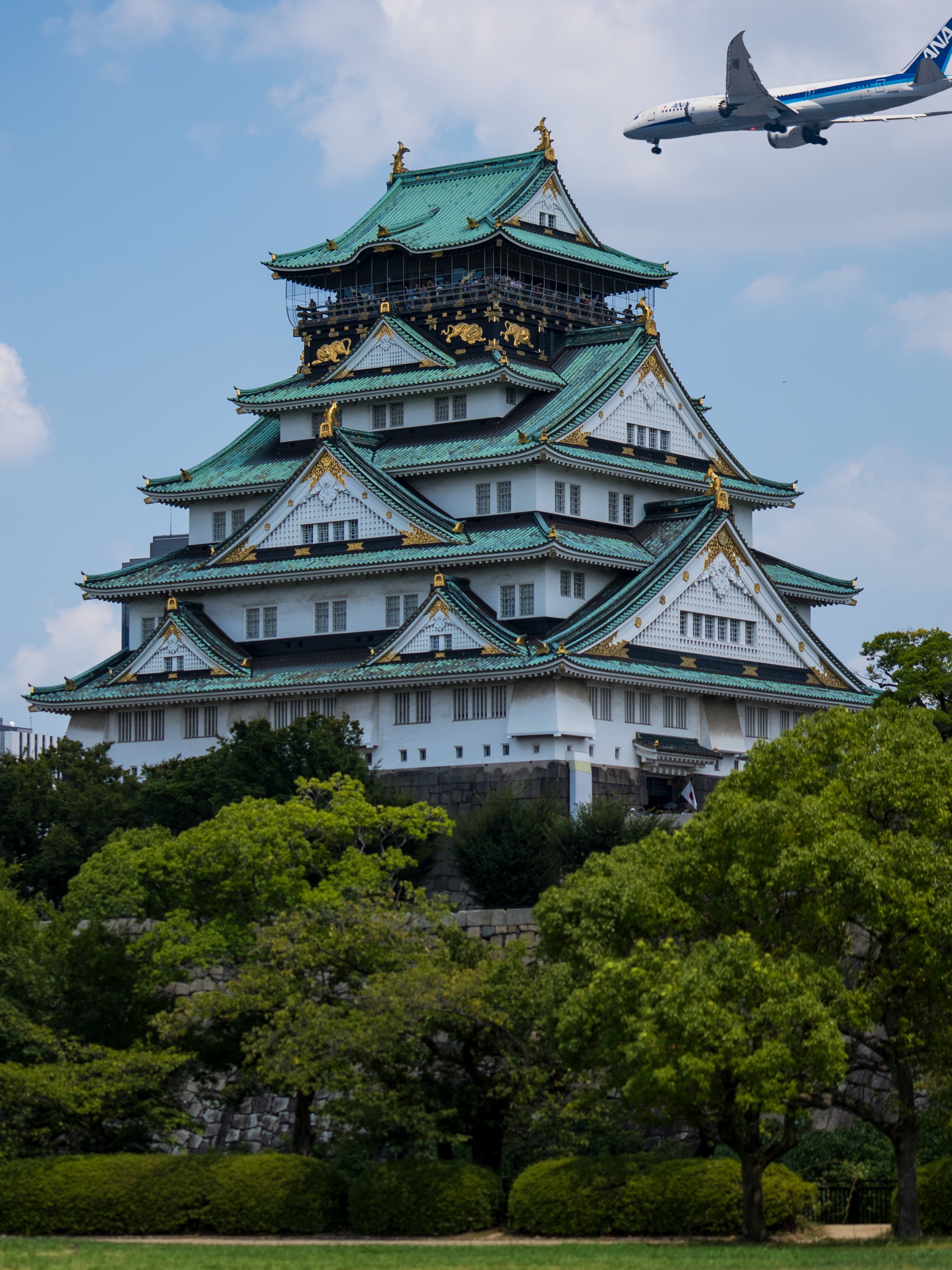
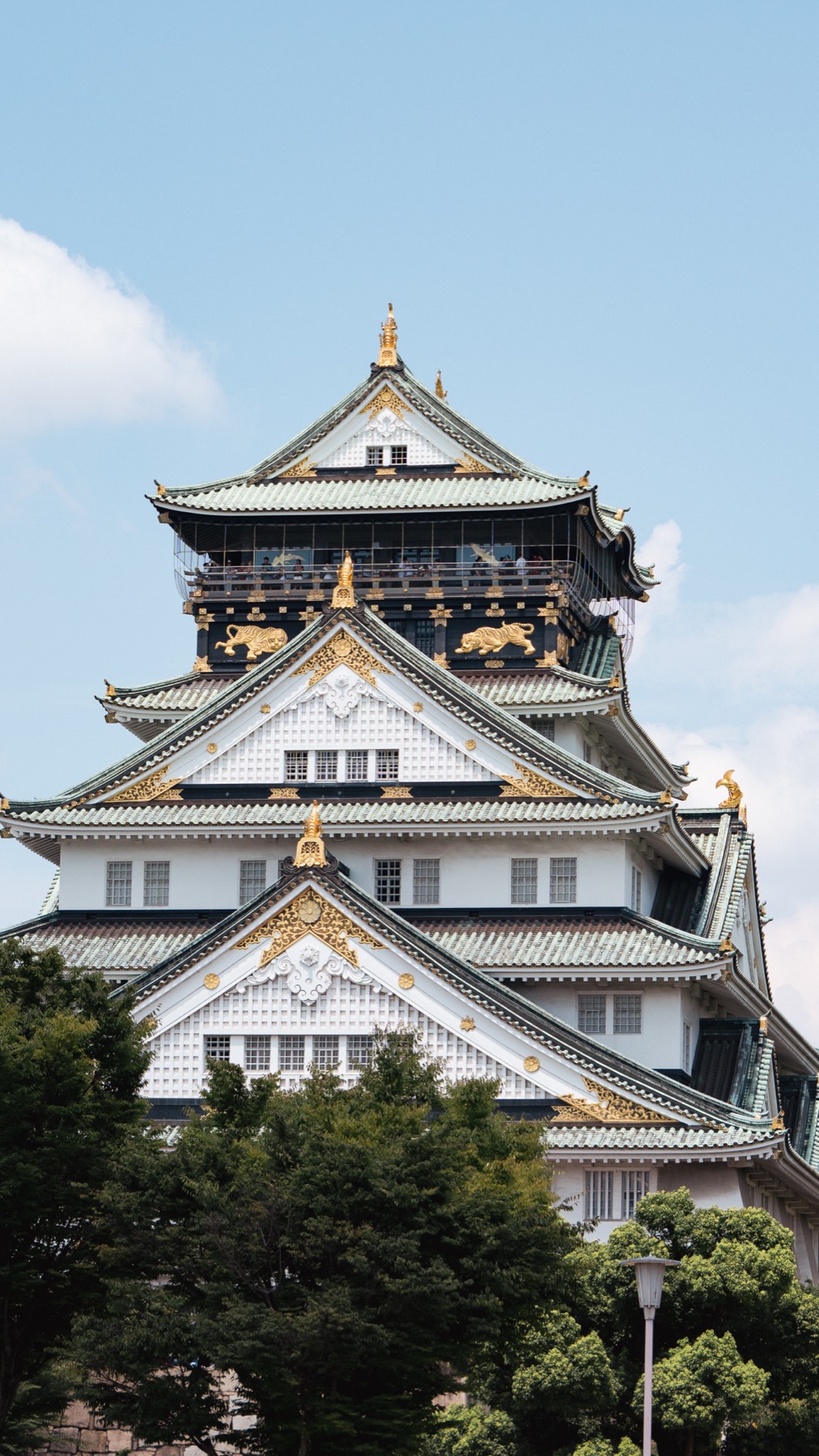
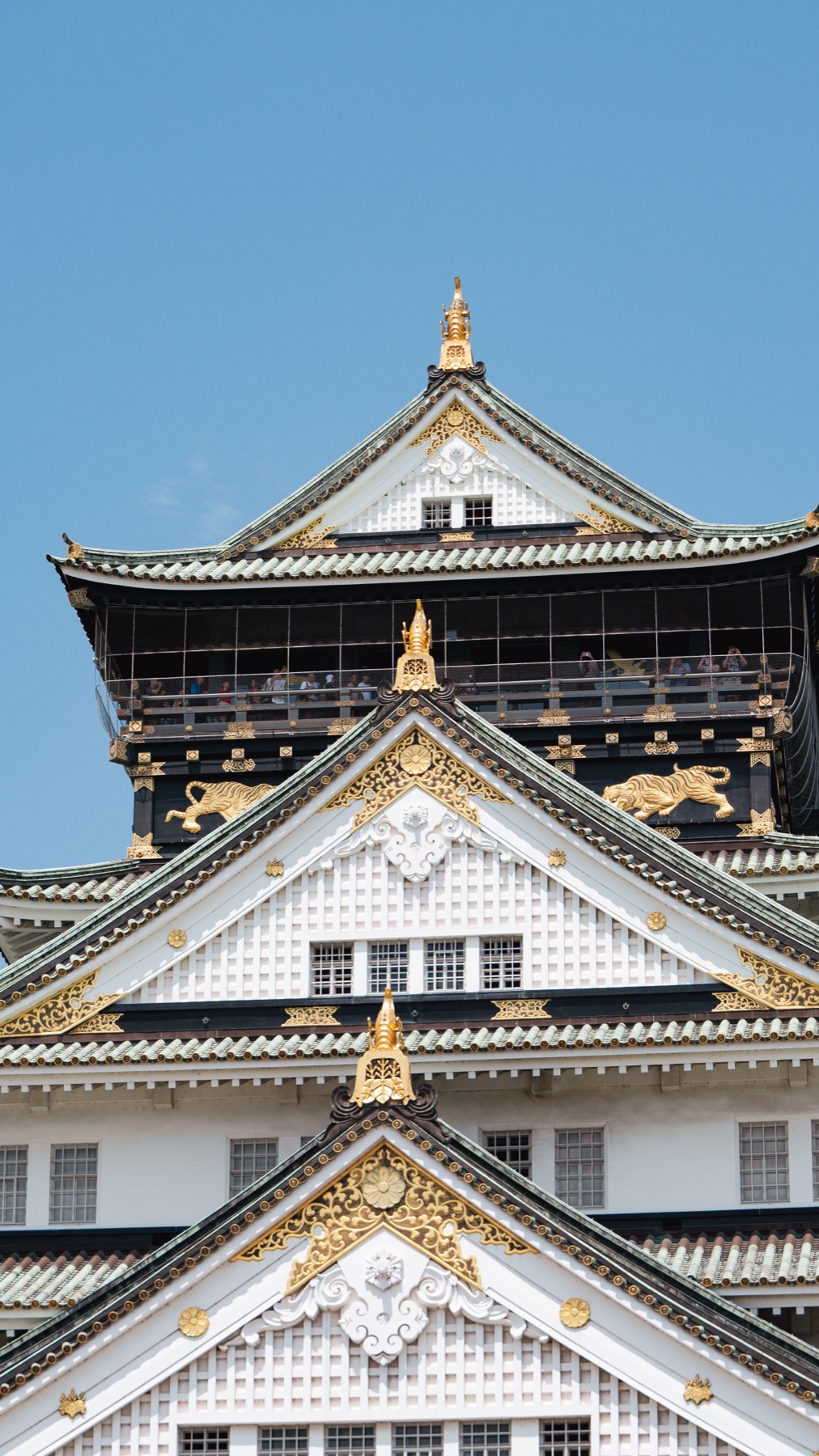
Osaka Castle’s main keep is a 1931 reconstruction — the third on this spot since Toyotomi Hideyoshi raised the first in 1583 — and inside it’s a museum, not an old interior. What’s genuinely old is everything around it: thirteen Edo-period gates, turrets and walls survive as Important Cultural Properties, including the colossal “Takoishi” stone by the Sakuramon gate. Admission to the keep is currently ¥1,200, free for junior-high age and under, and it’s open 9:00–18:00.
The keep is a 1931 reconstruction — and that’s the point
It helps to know what you’re looking at. Toyotomi Hideyoshi built the first Osaka Castle in 1583, and at the time it was the largest in the country. It fell in the 1615 Siege of Osaka; the Tokugawa then rebuilt it bigger through the 1620s, only for that keep to be struck by lightning and burn down in 1665. The tower you see now is the third — finished in 1931, paid for by Osaka citizens’ donations, and built in reinforced concrete. Inside is a well-run history museum across eight floors, mostly about Hideyoshi and the castle’s sieges, with a top-floor observation deck looking over the city. It’s a reconstruction, but a historic one in its own right — it has stood for over ninety years and carries cultural-property status.
What’s actually old: the stones, gates and turrets
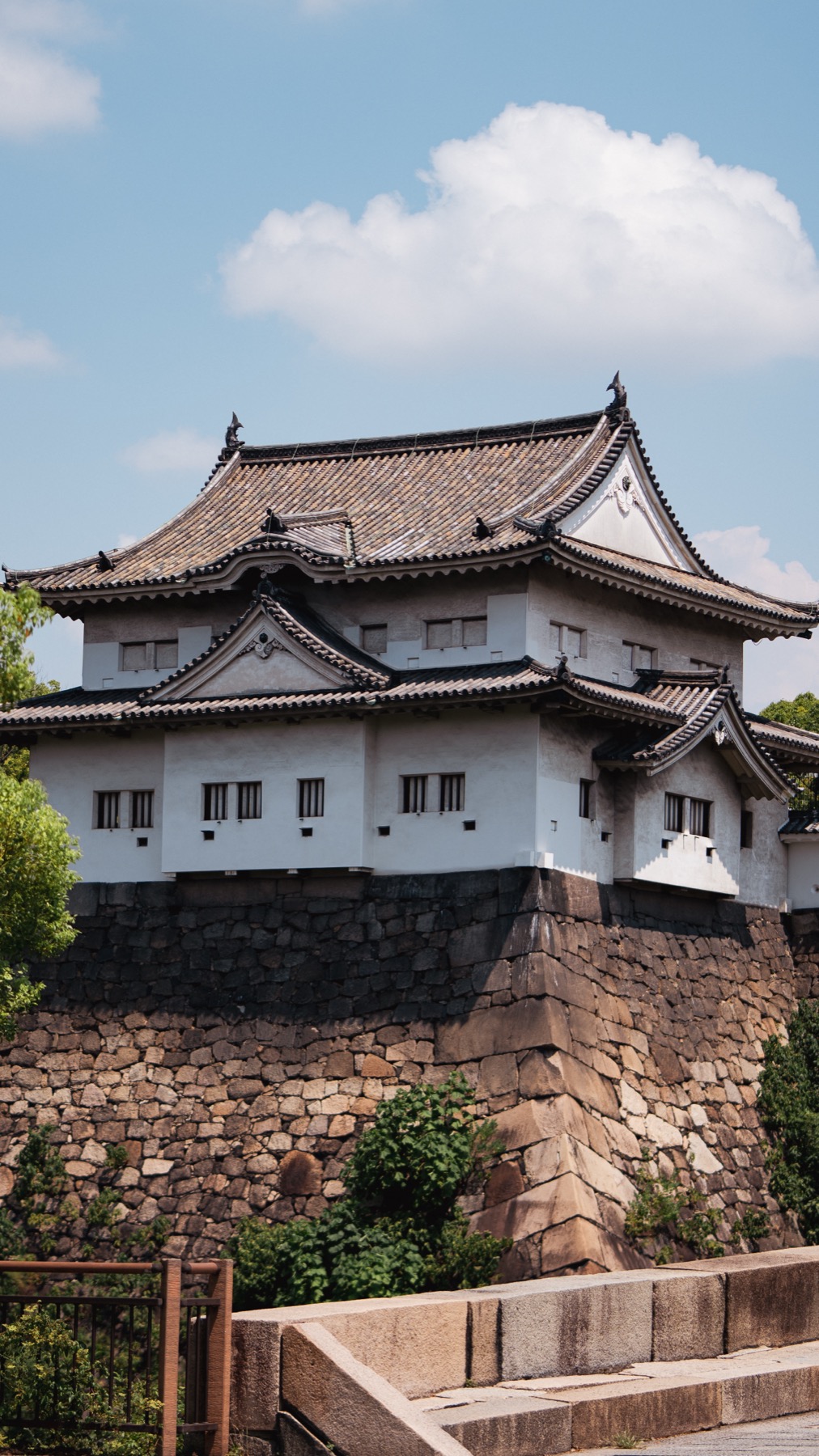
The real Edo-period fabric is at ground level. Thirteen structures from the Tokugawa rebuild survive as Important Cultural Properties — gates, corner turrets, storehouses and a well-house — and they’re free to see as you walk the grounds. The showpiece is the stonework. By the Sakuramon gate stands the Takoishi (“octopus stone”), the largest in the castle: a single granite slab whose face is around 36 tatami mats and which is estimated to weigh about 130 tons. Moving stones that size from quarries by sea was a Tokugawa-era show of power, and standing under it is more impressive than any reconstructed interior.
Tickets, hours and beating the crowds
Only the keep museum charges admission; the park, gates and stone walls are free. The keep is currently ¥1,200 for adults and ¥600 for high-school and university students (bring ID), with junior-high age and younger free — Osaka has been revising its rates, so it’s worth confirming on the official site before you go. Hours are 9:00–18:00 with last entry at 17:30, extended in peak seasons, and it’s closed only over New Year (Dec 28–Jan 1).
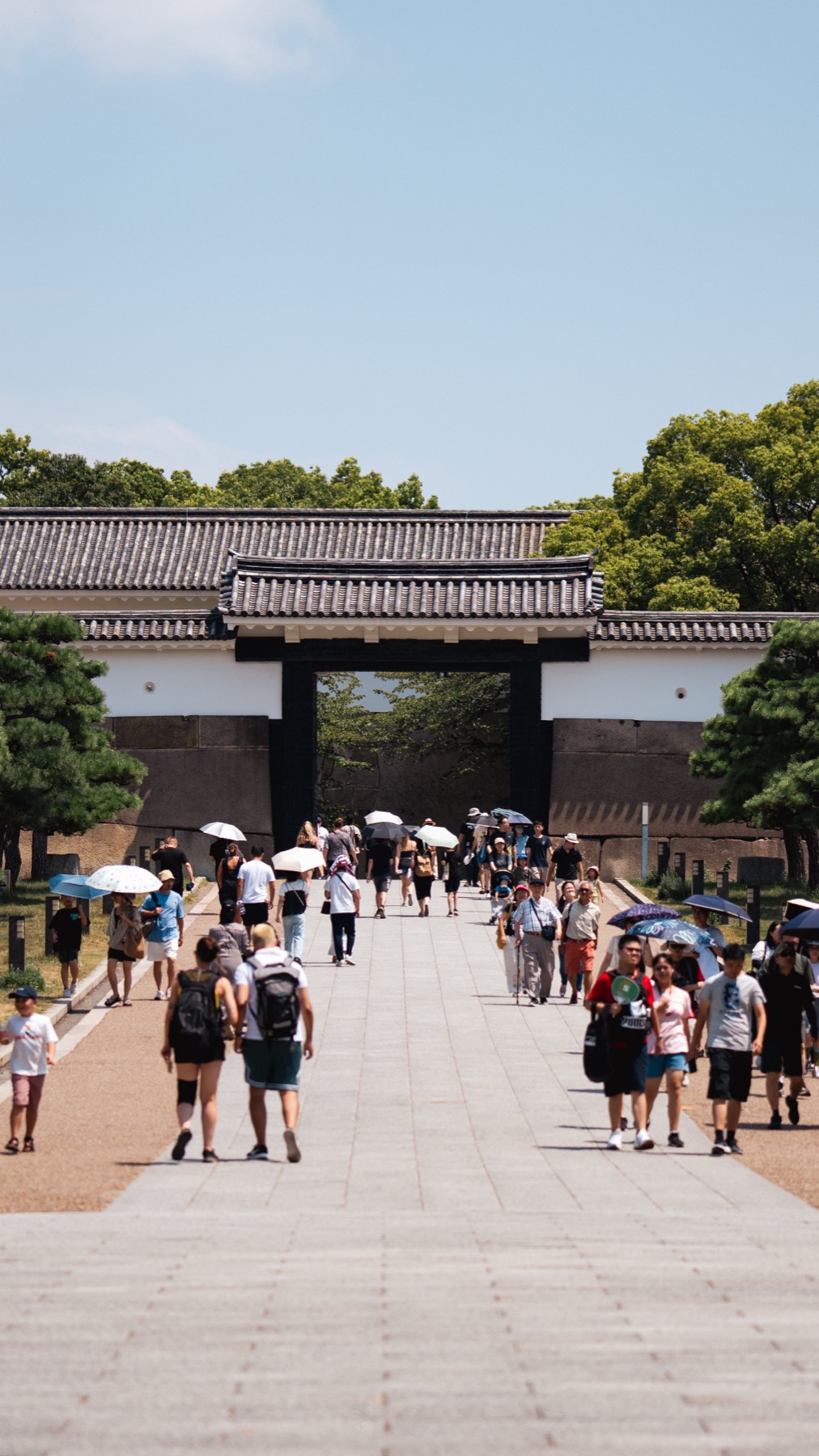
This is one of Osaka’s busiest sights, and the keep and its lift queue badly in the middle of the day — the photo above was a normal summer afternoon. Come at opening, or late in the afternoon. For the classic postcard view, cross to the Nishinomaru Garden (separate admission): a broad lawn with the keep framed behind it, lovely in plum and cherry season.
Staying in Osaka
The castle pairs easily with Namba, Umeda or the bay on a city break. Booking has the deepest choice across central Osaka; Rakuten Travel is strong for Japanese-run hotels.
Good to know
In Osaka in August? The summer high-school baseball championship at Koshien is a short train ride away — a very local slice of the season.
Is Osaka Castle the original?
No — the main keep is a 1931 reconstruction in concrete, the third on the site after Toyotomi Hideyoshi’s 1583 castle and the Tokugawa rebuild. It houses a history museum. The original Edo-period structures that survive are the gates, turrets, walls and stonework around it, thirteen of which are Important Cultural Properties.
How much is admission and what are the hours?
The keep museum is currently ¥1,200 for adults and ¥600 for high-school/university students (ID required); junior-high age and under are free. It’s open 9:00–18:00 (last entry 17:30), with longer hours in peak seasons, closed December 28–January 1. The park and walls are free. Confirm rates on the official site, as they have been revised.
What is the Takoishi stone?
The “octopus stone” by the Sakuramon gate — the largest stone in the castle, a single granite slab with a face of about 36 tatami mats, estimated at roughly 130 tons. It dates from the Tokugawa rebuild and is one of the most impressive things to see, and it’s free.
Do I need to go inside the keep?
Not necessarily. The museum is good if you want the history and the top-floor view, but the grounds, gates, turrets and giant stones — the genuinely old parts — are free and arguably the highlight. Many visitors enjoy the park without paying to enter the tower.
How do I get there?
Osakajōkōen Station on the JR Loop Line, or Tanimachi 4-chōme / Morinomiya on the subway. The park is large, so allow 15–20 minutes on foot from any station to the keep.
When is it least crowded?
Right at the 9:00 opening or in the late afternoon. Midday, especially in spring and summer, the keep and its lift get very busy. The Nishinomaru Garden gives the best keep view with far fewer people.
Plan an Osaka Trip
The castle is half a day; here’s how to build the rest.
Takeda Castle (Sea of Clouds)
A castle that floats: Hyogo’s “castle in the sky.”
Osaka in a Day on Foot
Namba, Dōtonbori and Shinsekai, walked end to end.
7 Days in Kansai
A week beyond Kyoto, Osaka included.
Matsumoto Castle
If you want a real, original keep — Japan’s oldest, in Nagano.
Skip the Crowds in Japan
Calm alternatives to Japan’s busiest icons.
Top-rated, well-reviewed places, booked through Agoda:
Hotel 88 Shinsaibashi
Agoda 9.5/10 · 3★ · 5,299 reviews
Acro Capsule Hotel Namba Dotonbori
Agoda 9.4/10 · 3★ · 8,305 reviews
Hotel Royal Classic Osaka
Agoda 9.4/10 · 4★ · 3,012 reviews
Or search all Osaka hotels on Agoda →
We may earn a commission from Agoda bookings, at no extra cost to you.
Join travelers discovering Japan's hidden side
Weekly dispatches from off-the-beaten-path Japan — spots and stories you won't find in guidebooks.
No spam. Unsubscribe anytime.
Welcome aboard!
You're in. See you in your inbox soon.