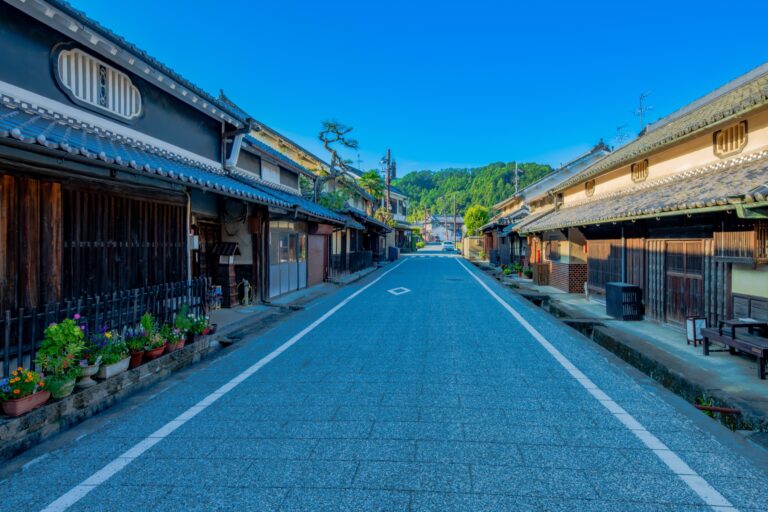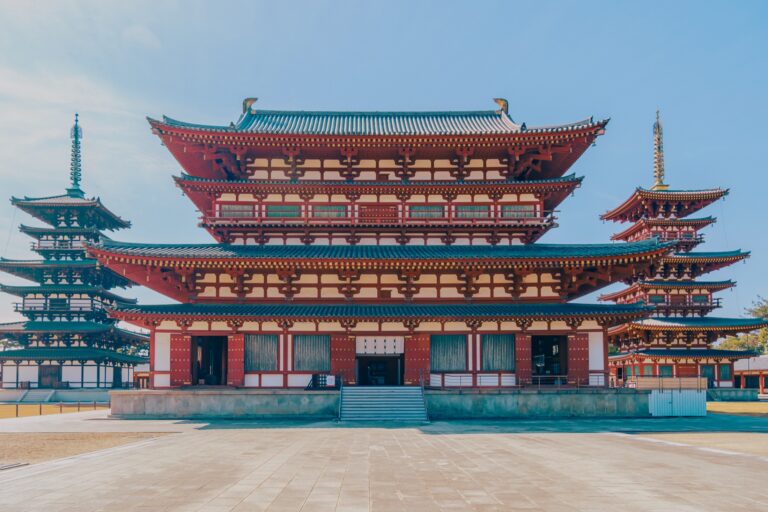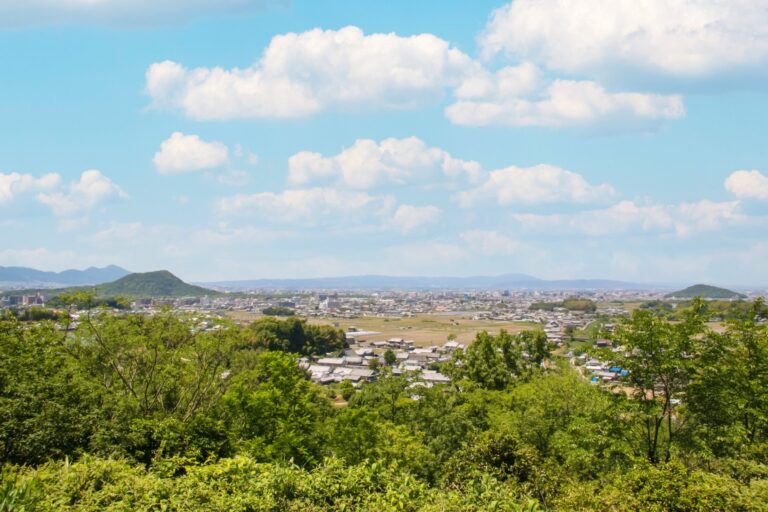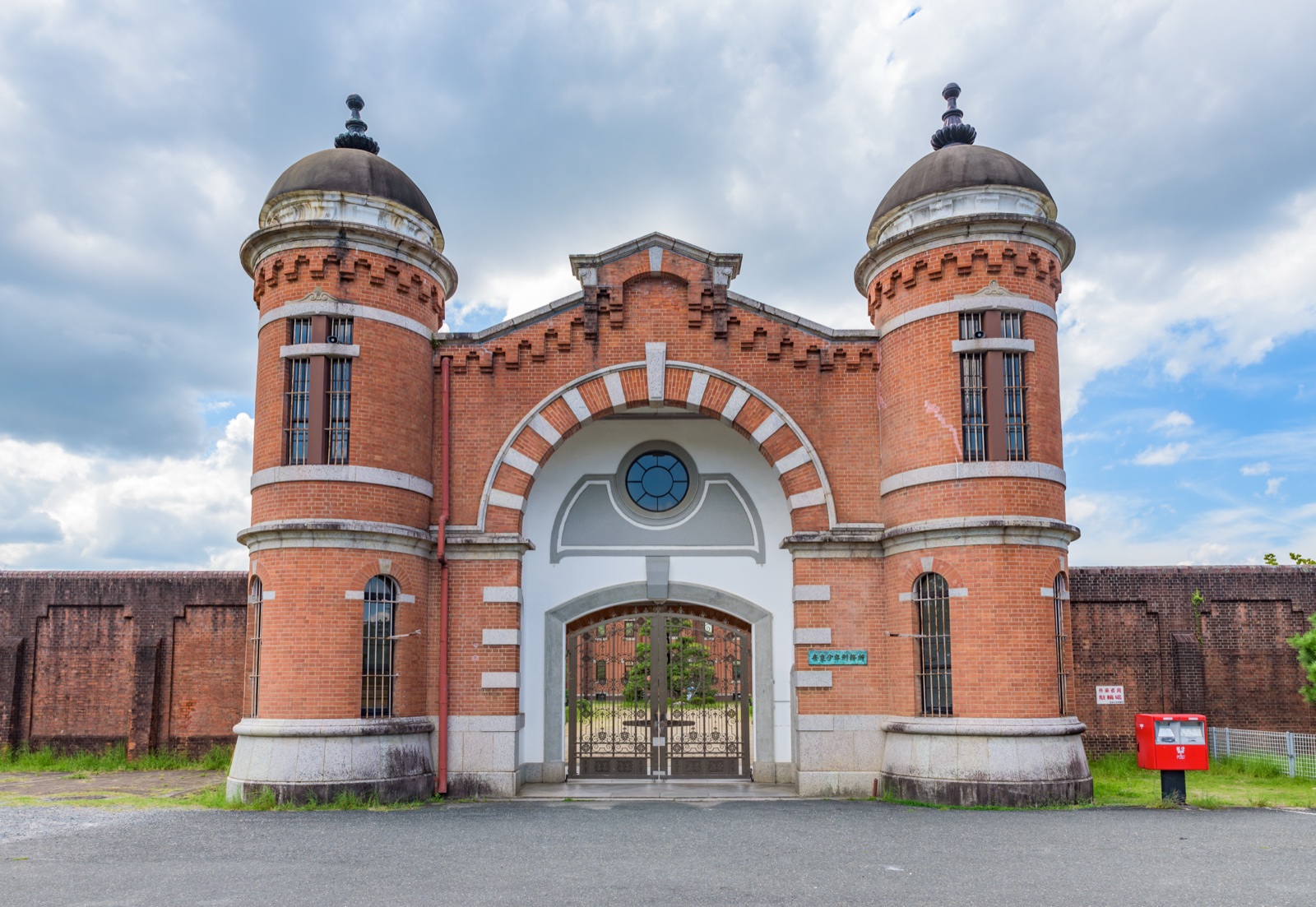

On April 27, 2026, one of Japan’s most striking Meiji-era buildings became a permanent public museum for the first time — because for over a century it was a working prison. The Nara Prison Museum lets you walk through the former Nara Prison, a red-brick complex from 1908 that is the only fully intact survivor of the Meiji era’s “Five Great Prisons.” I make the trip down to Nara often, and this is one of the most unusual things to open in the old capital in years.
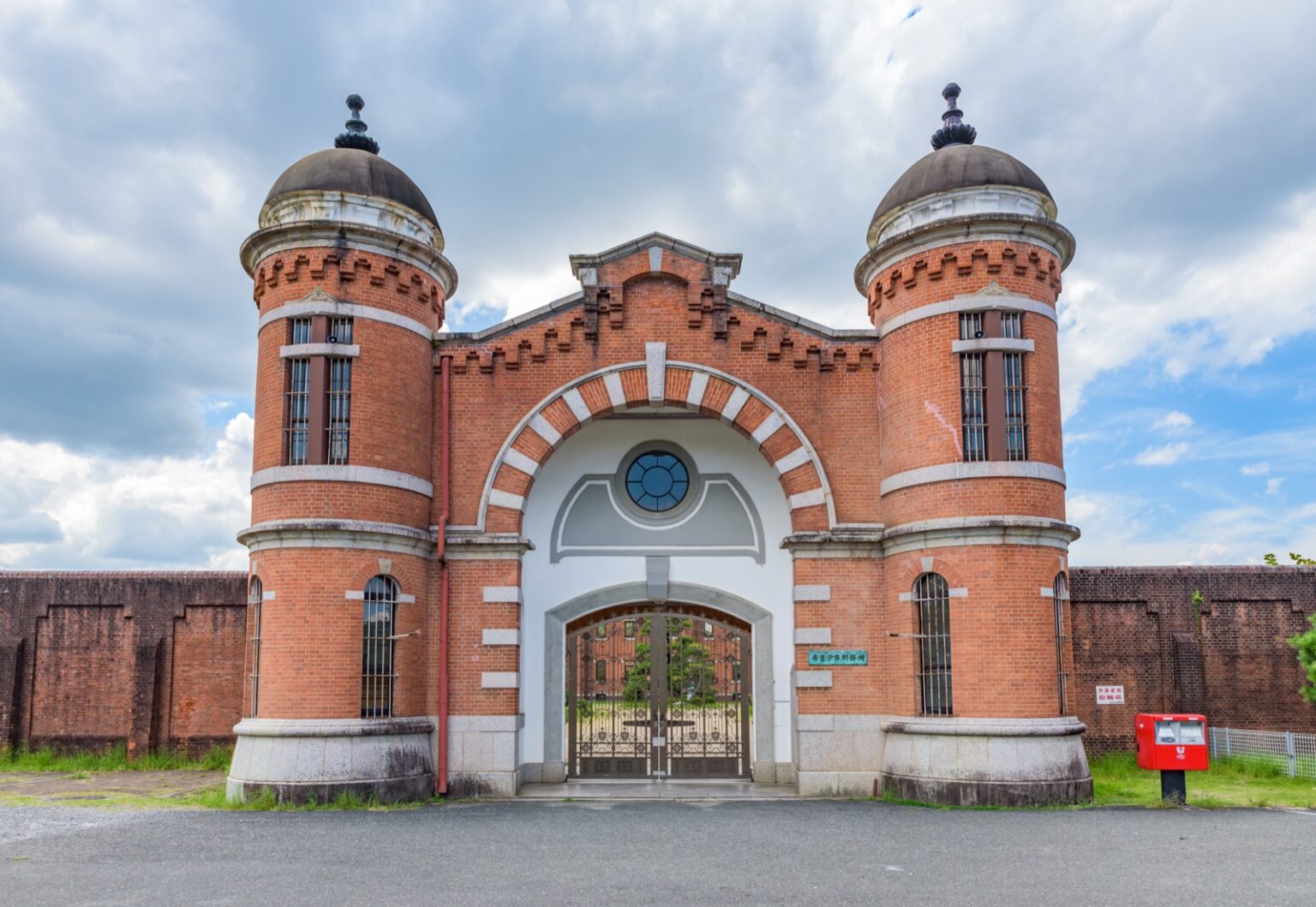
Most travelers come to Nara for the deer, Todaiji’s Great Buddha, and thousand-year-old temples. This is something else entirely: a Meiji-era penitentiary so handsome it’s often described in Japan as “the too-beautiful prison,” now carefully turned into a museum by Hoshino Resorts. Here is what it is, what you can see inside, what it costs, and how to fit it into a Nara day.
| What it is | A museum inside the former Nara Prison (旧奈良監獄), a preserved 1908 red-brick prison |
|---|---|
| Opened | April 27, 2026 (as the Nara Prison Museum by Hoshino Resorts) |
| The building | Completed 1908, architect Keijiro Yamashita; the only fully intact of the Meiji “Five Great Prisons”; Important Cultural Property (2017) |
| Hours | 9:00–17:00 (last entry 16:00), open daily except maintenance days |
| Admission | Adults ¥3,500 (overseas visitors); ¥2,500 Japan residents, ¥2,000 Nara residents; students ¥1,500; ages 7–15 ¥700; under 7 free — book ahead |
| Address | 18 Hannyaji-cho, Nara City |
| Access | ~18 min from Kintetsu Nara Station; 1-min walk from the direct bus stop; ~13-min walk from Todaiji |
| Also here | HOSHINOYA Nara Prison — a 48-room luxury hotel in the same complex (opened June 25, 2026) |
Why a prison is one of Nara’s most beautiful buildings
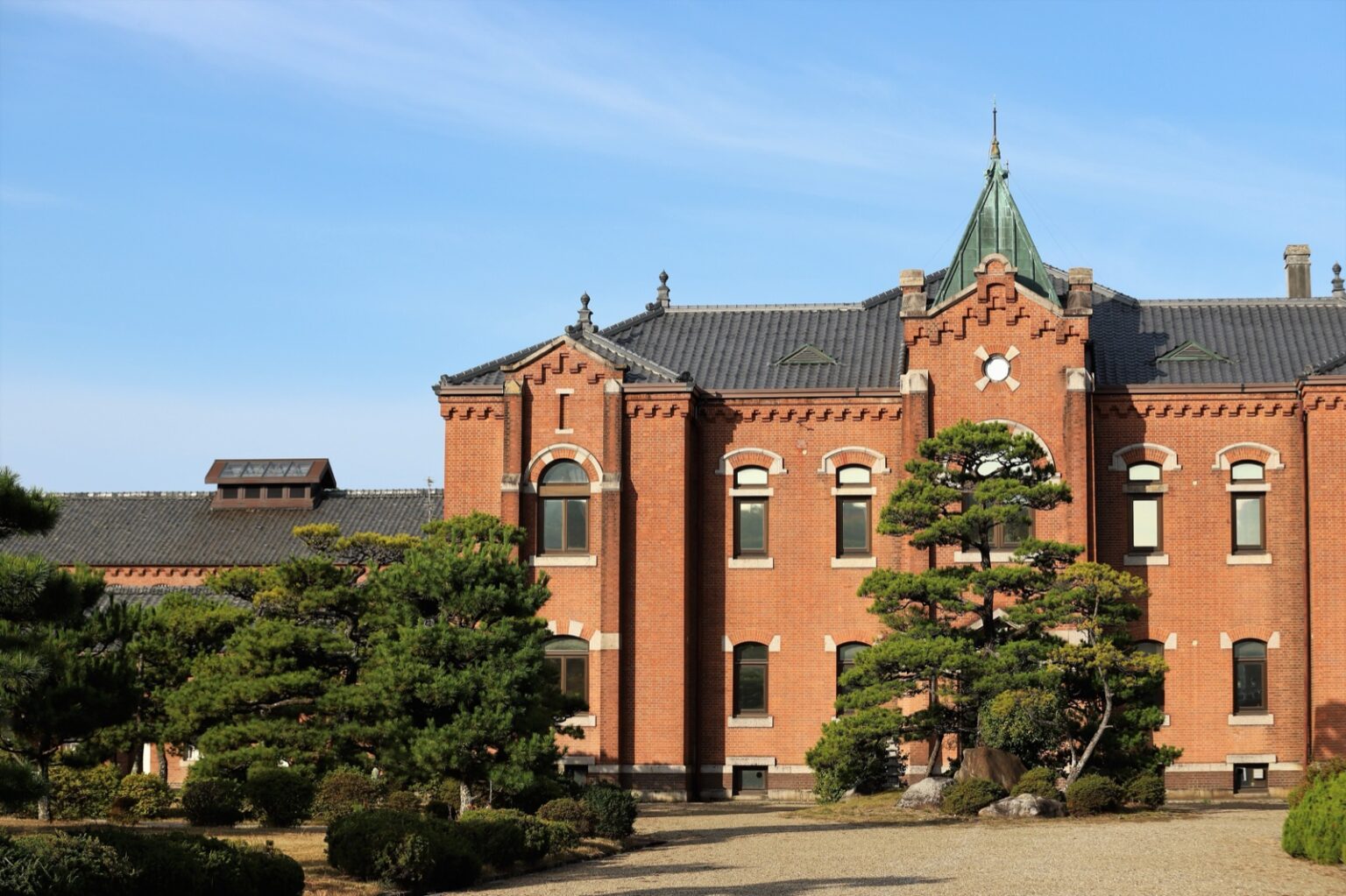
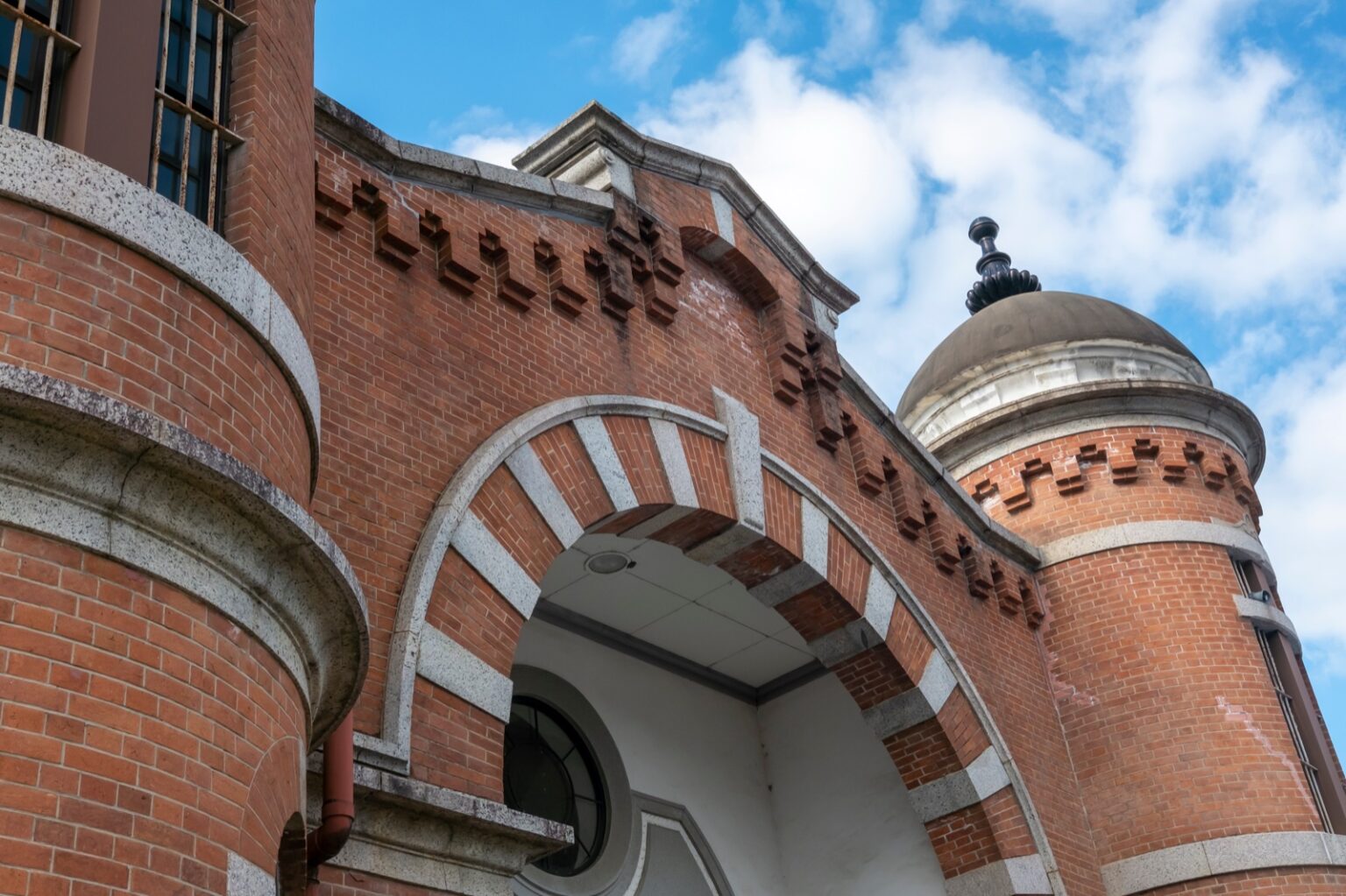
When Japan was modernizing in the Meiji period, the government built five flagship prisons to show the world it had a modern justice system. The architect Keijiro Yamashita gave Nara’s a Romanesque red-brick face — arched gates, twin domed turrets, symmetry you’d expect on a European station or a university, not a jail. It was completed in 1908. Of those five “Great Prisons of Meiji,” Nara’s is the only one that survives fully intact, and in 2017 it was designated a national Important Cultural Property.
It kept working as a prison — latterly as a juvenile facility — for more than a hundred years, closing in 2017. That’s the strange tension that makes a visit worth it: you’re admiring genuinely lovely architecture that was built to hold people.
| Year | What happened |
|---|---|
| 1908 | Completed as Nara Prison, designed by Keijiro Yamashita — one of the Meiji “Five Great Prisons” |
| –2017 | Operated for over a century (later as a juvenile prison), then closed |
| 2017 | Designated a national Important Cultural Property |
| Apr 27, 2026 | Reopens to the public as the Nara Prison Museum by Hoshino Resorts |
| Jun 25, 2026 | HOSHINOYA Nara Prison hotel opens in the same complex |
What you can see inside
The museum is organised into four experiences, and the building itself is the biggest exhibit. You walk into the real cell blocks rather than a reconstruction.
Including Cell Wing No. 3 with its 96 solitary cells — the radiating brick corridors that defined a Meiji prison, now open to walk through.
Exhibition rooms tracing the history of Japan’s prisons and justice system, from the Meiji reforms onward.
Design-driven rooms that use the space to explore prison life, confinement and the idea of freedom.
Work by five artists shown alongside prison-related art projects — the human side of the place.
Sleeping in a cell: the HOSHINOYA hotel
Next to the museum, in the same protected complex, Hoshino Resorts opened HOSHINOYA Nara Prison on June 25, 2026 — which Hoshino Resorts calls Japan’s first luxury hotel inside a former prison. Its 48 rooms are built by combining clusters of nine to eleven former cells into single suites, with separate zones for sleeping, dining and relaxing. Rates start around ¥147,000 per room per night, so it’s a splurge rather than a base — but even if you’re only visiting the museum, it’s worth knowing the two share a site. Hotel guests get complimentary access to the museum during their stay.
Getting there, hours & tickets
The museum sits on the northern edge of Nara, in Hannyaji-cho. From Kintetsu Nara Station it’s about 18 minutes (25 from JR Nara), and a direct bus drops you a one-minute walk from the gate. If you’re already at Todaiji or Nara Park, it’s a walkable ~13 minutes north.
Hours are 9:00–17:00 with last entry at 16:00, open daily apart from occasional maintenance closures, and there’s a café and shop on site. Admission is ¥3,500 for overseas visitors, ¥2,500 for residents of Japan and ¥2,000 for Nara residents, with students ¥1,500, ages 7–15 ¥700 and under-7s free (tax included). Advance booking is prioritized and same-day tickets aren’t guaranteed, so reserve a timed slot online before you travel and check the official site for the latest.
What’s nearby
The prison is at the quiet northern end of the Nara sightseeing area, so it’s easy to combine. Just around it: Hannya-ji, a small temple in the same neighbourhood known for its cosmos flowers in autumn; and a short walk south brings you back to Todaiji, Nara Park and the deer. If you’re basing yourself in the Kansai region, Nara is an easy day trip — here’s how I’d string it together:
Nara is a full day of maps, timetables and translation, and the museum’s own tickets are online-only — if your data isn’t sorted, an eSIM for Japan is the simple fix. Most visitors day-trip to Nara from a base in Osaka or Kyoto, both under an hour away by train.
Frequently asked questions
When did the Nara Prison Museum open?
It opened on April 27, 2026, as the Nara Prison Museum by Hoshino Resorts, inside the former Nara Prison. The adjacent HOSHINOYA Nara Prison hotel opened separately on June 25, 2026.
What is the building?
It’s the former Nara Prison, completed in 1908 and designed by Keijiro Yamashita. It is the only fully intact survivor of the Meiji era’s “Five Great Prisons,” and was designated a national Important Cultural Property in 2017 after operating as a prison for over a century.
What can you see inside?
Four things: the preserved architecture including Cell Wing No. 3 with its 96 solitary cells, eight rooms on the history of Japan’s prisons, seven design-driven themes, and art installations by five artists shown alongside prison-related art projects.
How much are tickets and do I need to book?
Adult admission is ¥3,500 for overseas visitors, ¥2,500 for residents of Japan and ¥2,000 for Nara residents; students are ¥1,500, ages 7–15 ¥700, and under-7s free (tax included). Advance booking is prioritized and same-day tickets aren’t guaranteed, so reserve a timed slot online before you go.
What are the opening hours?
9:00 to 17:00, with last entry at 16:00, open daily apart from occasional maintenance closures. There’s a café and shop on site.
How do I get there, and what’s nearby?
It’s about 18 minutes from Kintetsu Nara Station (25 from JR Nara), with a direct bus stopping a minute’s walk away. Todaiji and Nara Park are about a 13-minute walk south, and Hannya-ji temple is in the same neighbourhood.
Related reads
Join travelers discovering Japan's hidden side
Weekly dispatches from off-the-beaten-path Japan — spots and stories you won't find in guidebooks.
No spam. Unsubscribe anytime.
Welcome aboard!
You're in. See you in your inbox soon.