
Itineraries · First Trip · 8–10 days
With 8 to 10 days in Japan, the right move isn’t adding more cities. Keep the Tokyo–Kyoto–Osaka loop intact and insert exactly one quiet detour. The short answer: with 8 days, day-trip to Kamakura without changing hotels; with 9, spend one night in Hakone (Freepass from Shinjuku ¥7,100 for 2 days); with 10, give Kanazawa one or two nights. Pick one. This guide shows how to choose, day by day, at October 2026 fares.
Some links on this page are affiliate links; they never change what I recommend.
Japan in 8–10 days: the short answer
Eight to ten days sounds like enough for five cities. It isn’t, not enjoyably. Almost every city you add costs a hotel change, a luggage move and half a day of transit (the exception is a day trip from a base you already have), and on a first trip those are the hours that were supposed to be the trip. So this itinerary does something deliberately boring: it keeps our 7-day Tokyo–Kyoto–Osaka route in the same order and adds one detour matched to the days you have, plus an extra night in Tokyo or Kyoto where the detour needs it. If you’re still choosing your trip length, start with the first-trip planner.
Still weighing 7 against 10, or stretching toward 14? The day-count comparison is in how many days do you need in Japan?, and every route on this site is collected on one page.
How should you extend a 7-day trip?
Insert, don’t append. The Golden Route runs one way, from Tokyo down to Kansai, and the best extensions sit on or near that line: Kamakura hangs off Tokyo, Hakone sits between Tokyo and Kyoto, Kanazawa links to both Tokyo and Kyoto by direct or one-change trains, and Takayama branches off the Nagoya stop on the shinkansen. Any of the four fits as a single detour; Takayama simply adds the most out-and-back rail time. What doesn’t fit in 8–10 days is a second region: Hiroshima plus one of these, or Tohoku, or Hokkaido. Save those for a 12–16-day trip, where the quieter alternatives come into their own.
Which quiet detour fits your trip?
One honest note first: none of these places is empty. Hakone-Yumoto on a Saturday and Komachi-dori in Kamakura at noon are as crowded as anywhere in Kyoto. “Quiet” here is something you engineer: by sleeping there while day-trippers go home, by walking at 7:00 instead of 11:00, and by staying one street off the main drag.
Kamakura · 8–9 days
No extra hotel. About an hour and ¥1,040 from Tokyo. Lowest friction: temples and the coast. Weakness: the main streets are crowded by mid-morning.
Hakone · 9–10 days
One night. About 75–85 minutes by Romancecar from Shinjuku. Your first onsen-ryokan night. Weakness: weather can erase the Fuji view, and the transfers are hilly.
Kanazawa · 9–10 days
One or two nights. About 2.5 hours from Tokyo, about 2 hours on to Kyoto. Gardens, food, crafts. Weakness: one more long rail leg, with a change at Tsuruga.
Takayama · 10 days
One or two nights. About 2.5 hours on the Hida from Nagoya. Mountain townscape. Weakness: the most transit of the four.
Kamakura: the lowest-friction detour
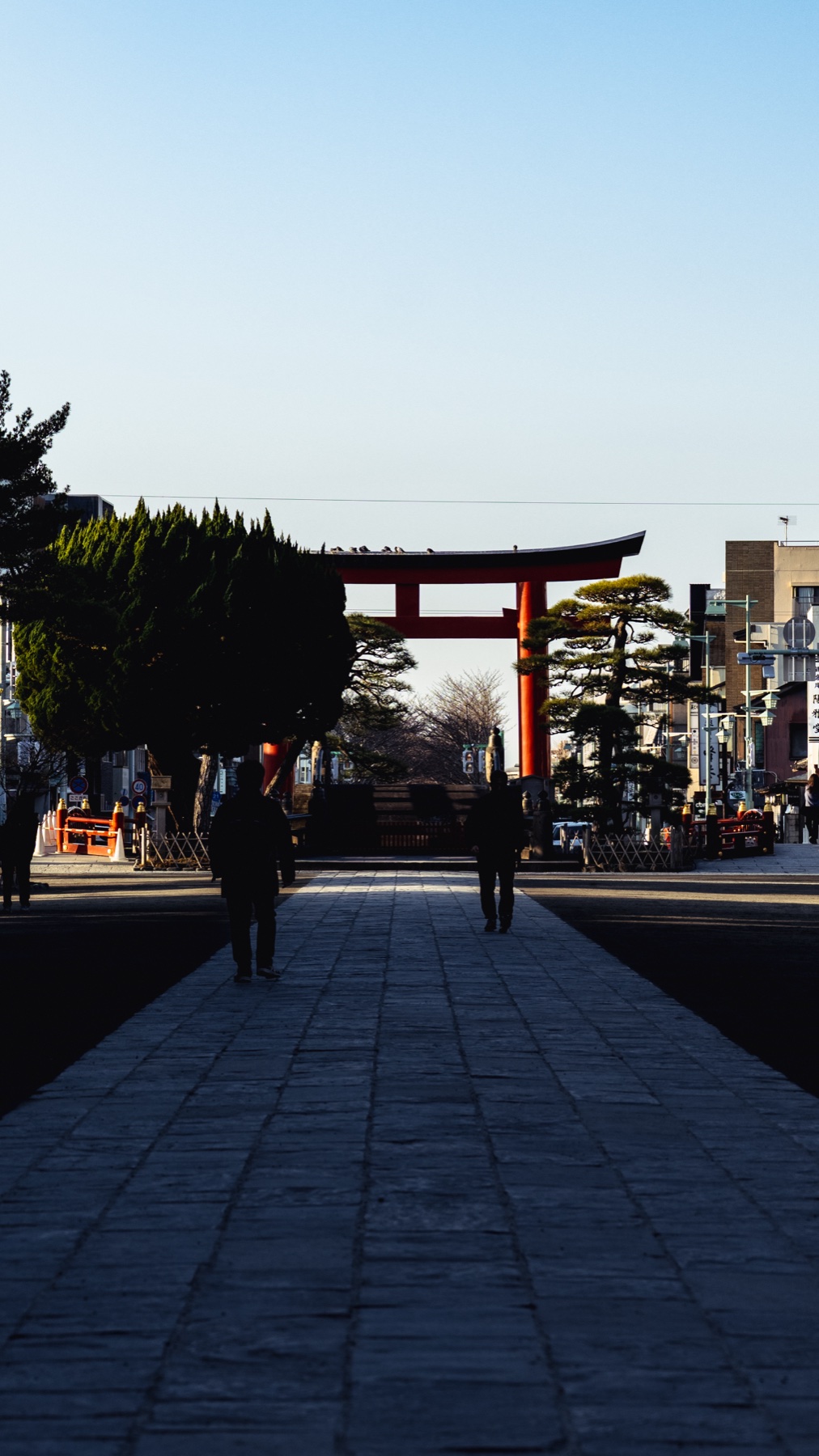
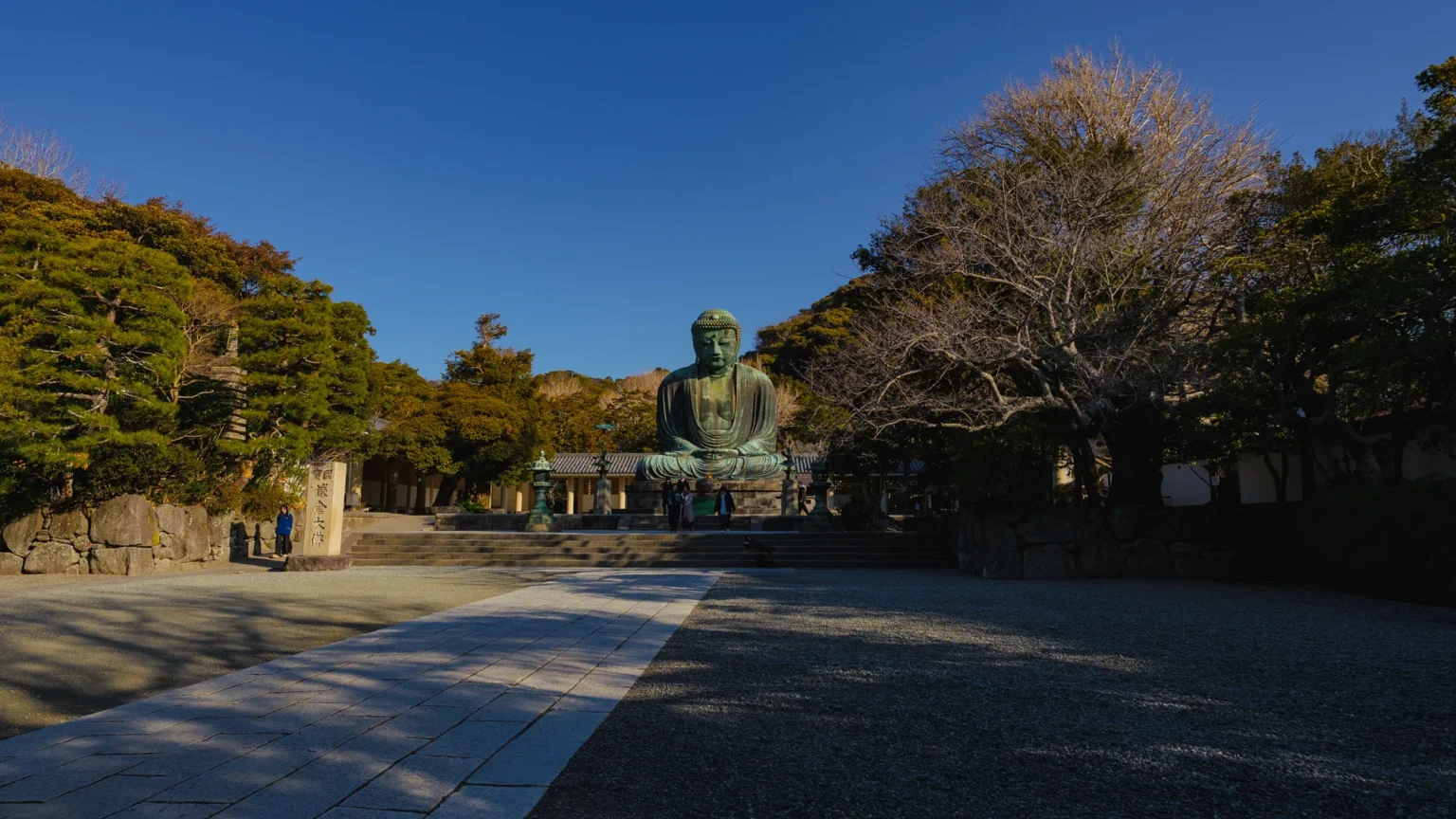
Kamakura is the only option that costs you nothing structurally: same Tokyo hotel, a ¥1,040 Yokosuka Line ticket from Tokyo Station, and just under an hour each way on a direct train. I’ve walked it at dawn: the Great Buddha’s courtyard and the Dankazura approach belong to locals and pigeons before 9:00, and the crowds are concentrated enough to route around all day. The spot-by-spot plan is in our Kamakura guide: the classics before 10:00, the coast in the afternoon, the Enoden line back at dusk.
Hakone: the easiest overnight between Tokyo and Kyoto
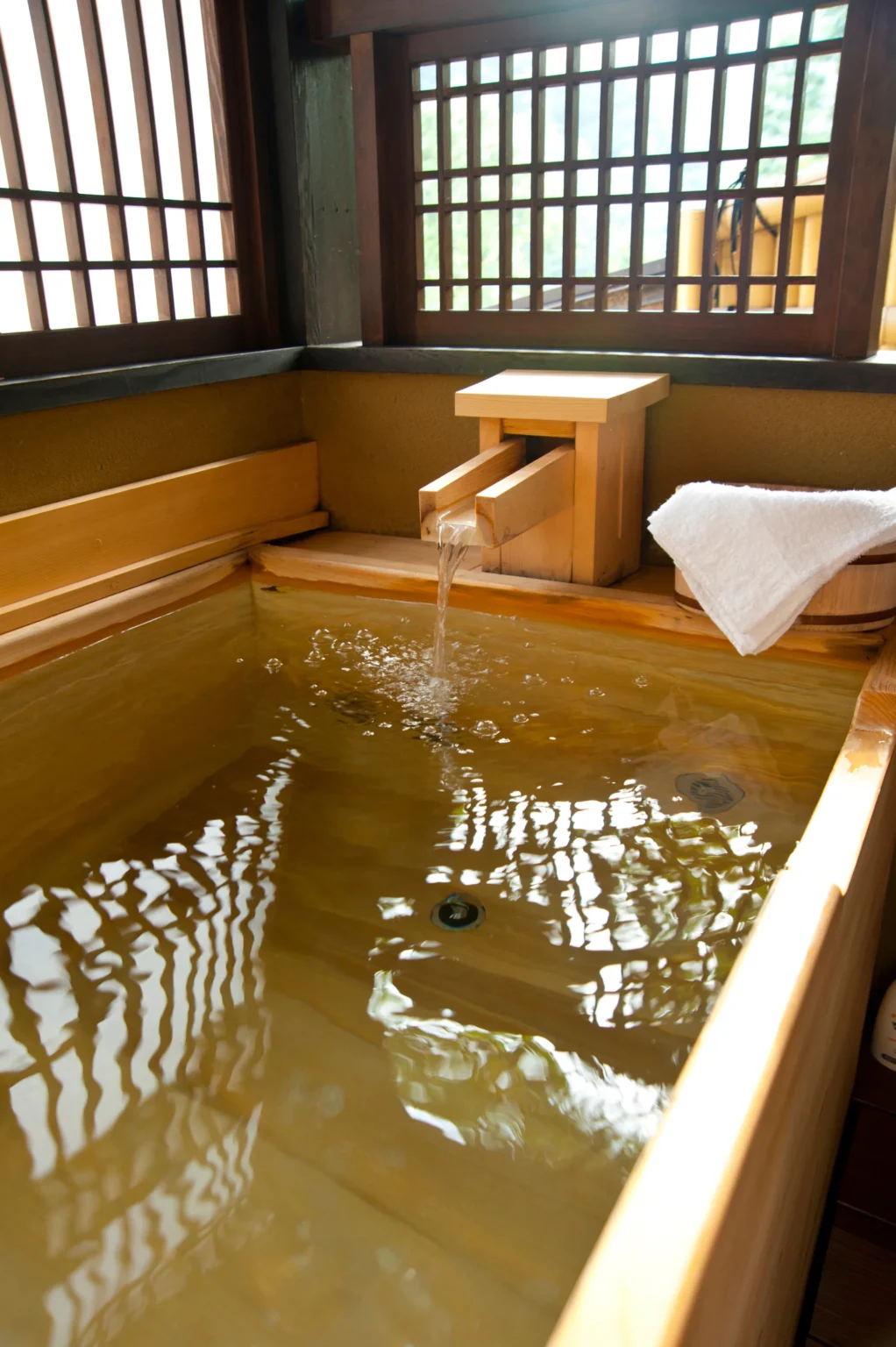
Hakone earns its place on one condition: you sleep there. As a day trip it shrinks to ropeway queues and a rushed loop; as an overnight, the day-trippers drain away in the late afternoon and the onsen evening becomes the reason you came.
| Item | Price (adult) |
|---|---|
| Hakone Freepass from Shinjuku | ¥7,100 (2 days) · ¥7,500 (3 days) |
| Hakone Freepass from Odawara | ¥6,000 (2 days) · ¥6,400 (3 days) |
| Romancecar seat fee, Shinjuku → Hakone-Yumoto | ¥1,150 online · ¥1,200 otherwise |
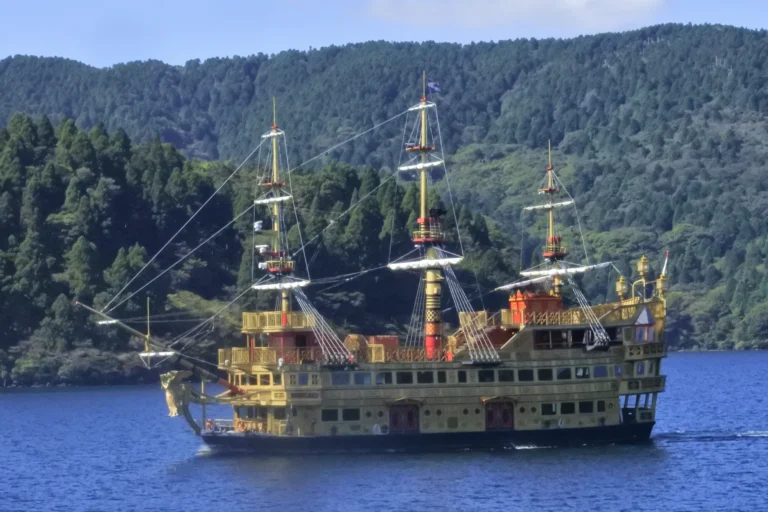
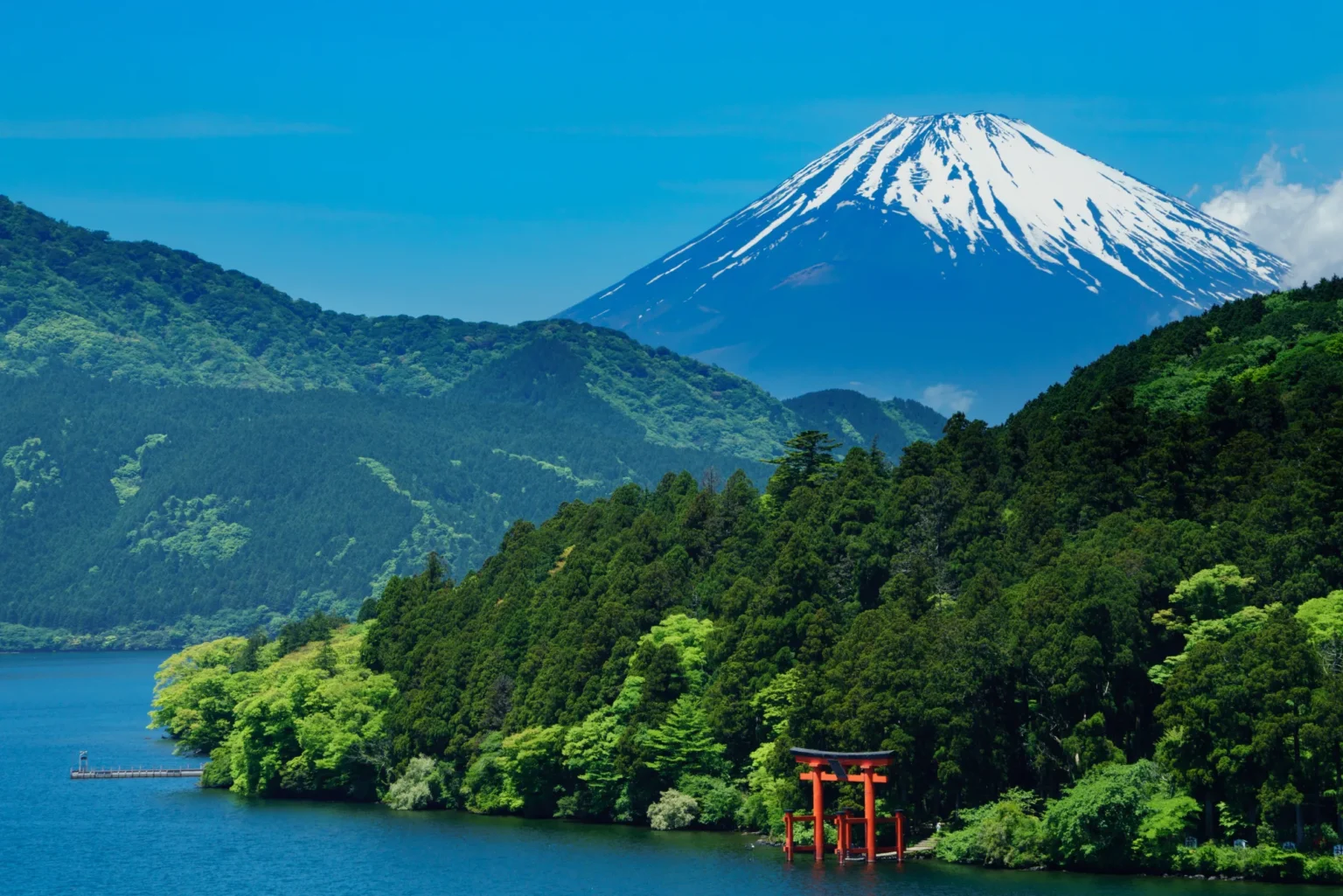
The Freepass covers the Hakone Tozan trains and buses (designated areas), the cable car, the ropeway and the sightseeing cruise on Lake Ashi; the Shinjuku version also includes one return trip on the Odakyu Line to Odawara. The Romancecar takes about 75–85 minutes to Hakone-Yumoto. Keep expectations level: the Fuji-over-the-lake view depends on the weather and is far from guaranteed outside the clear winter months, so treat it as a bonus. The ropeway also stops for volcanic gas, strong wind or maintenance; check the status on Hakone Navi the morning you go. Next day, go back to Odawara and ride the shinkansen west to Kyoto. For the route choices in detail, see Tokyo to Hakone: Romancecar or shinkansen.
Kanazawa: the cultural detour for 9–10 days
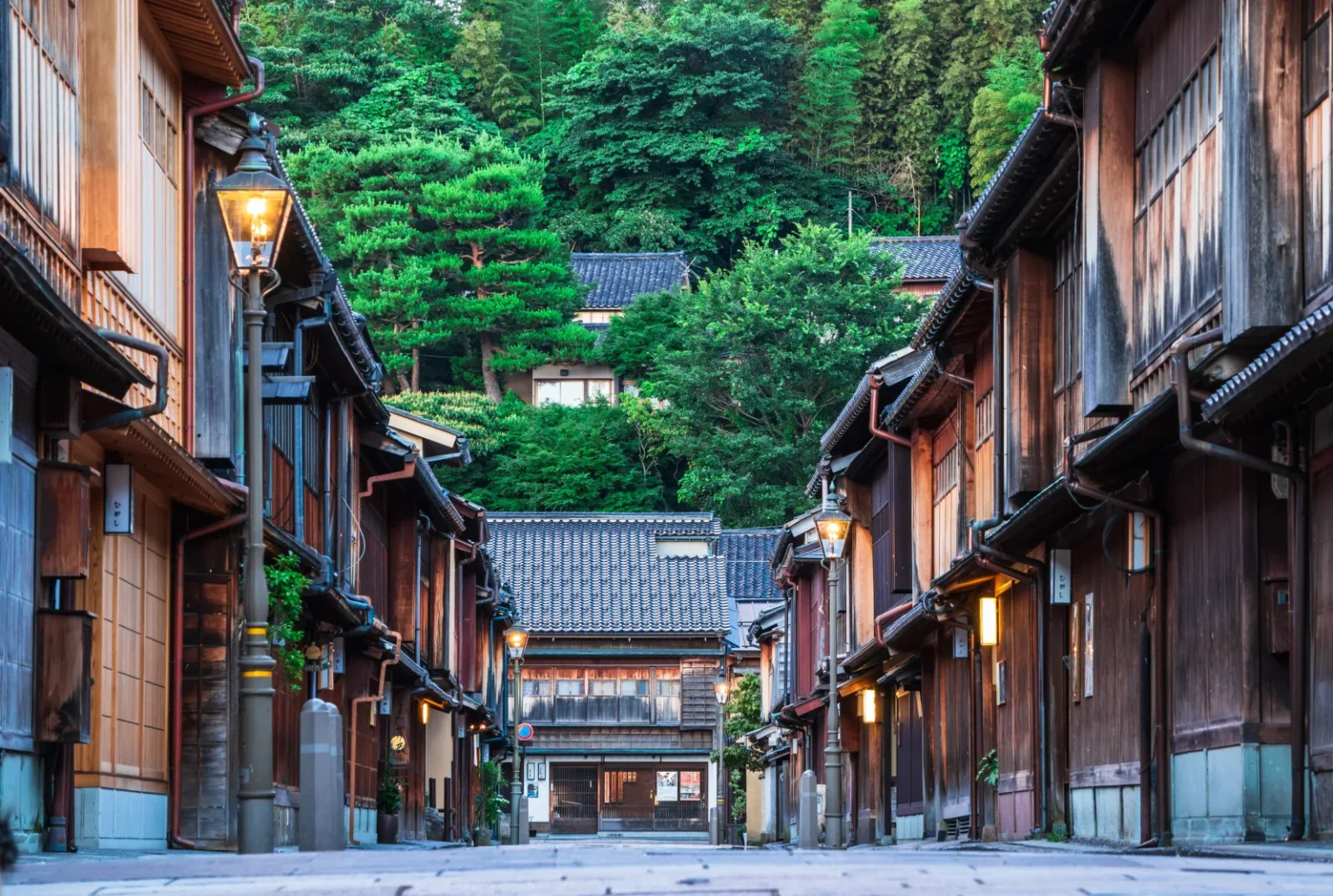
Kanazawa is the pick for gardens, food and crafts without adding another region: Kenrokuen at opening time, the Higashi Chaya teahouse streets, a market breakfast, and craft shops you can actually afford. It asks for more logistics than Hakone. From Tokyo, the Kagayaki on the Hokuriku Shinkansen takes about 2 hours 30 minutes (¥14,600 reserved, ¥14,400 with a shinkansen e-ticket). Continuing to Kyoto, the Tsurugi shinkansen to Tsuruga and the Thunderbird limited express onward take about 2 hours including the change (¥7,720 as a regular reserved ticket; JR West’s online tickets are cheaper). The clean shape is Tokyo → Kanazawa for one or two nights → Kyoto, so the detour sits inside the route instead of doubling back.
Takayama: worth it only if you accept the transit
Takayama’s preserved old town and morning markets are widely praised, and it is still the wrong choice for most 8–10-day first trips: the Hida limited express from Nagoya alone takes about 2 hours 25 minutes (¥6,140 reserved) each way, on top of the shinkansen leg. Choose it only if mountain townscapes are the one thing you came for, you have the full 10 days, and you’d rather cut an Osaka evening than skip it. If old streets are the draw but the transit isn’t, Japan’s post towns give you the atmosphere with less commitment. Shirakawa-go is about 50 minutes from Takayama by Nohi Bus (¥2,800 one way; some departures must be booked ahead), much photographed and firmly a fair-weather add-on.
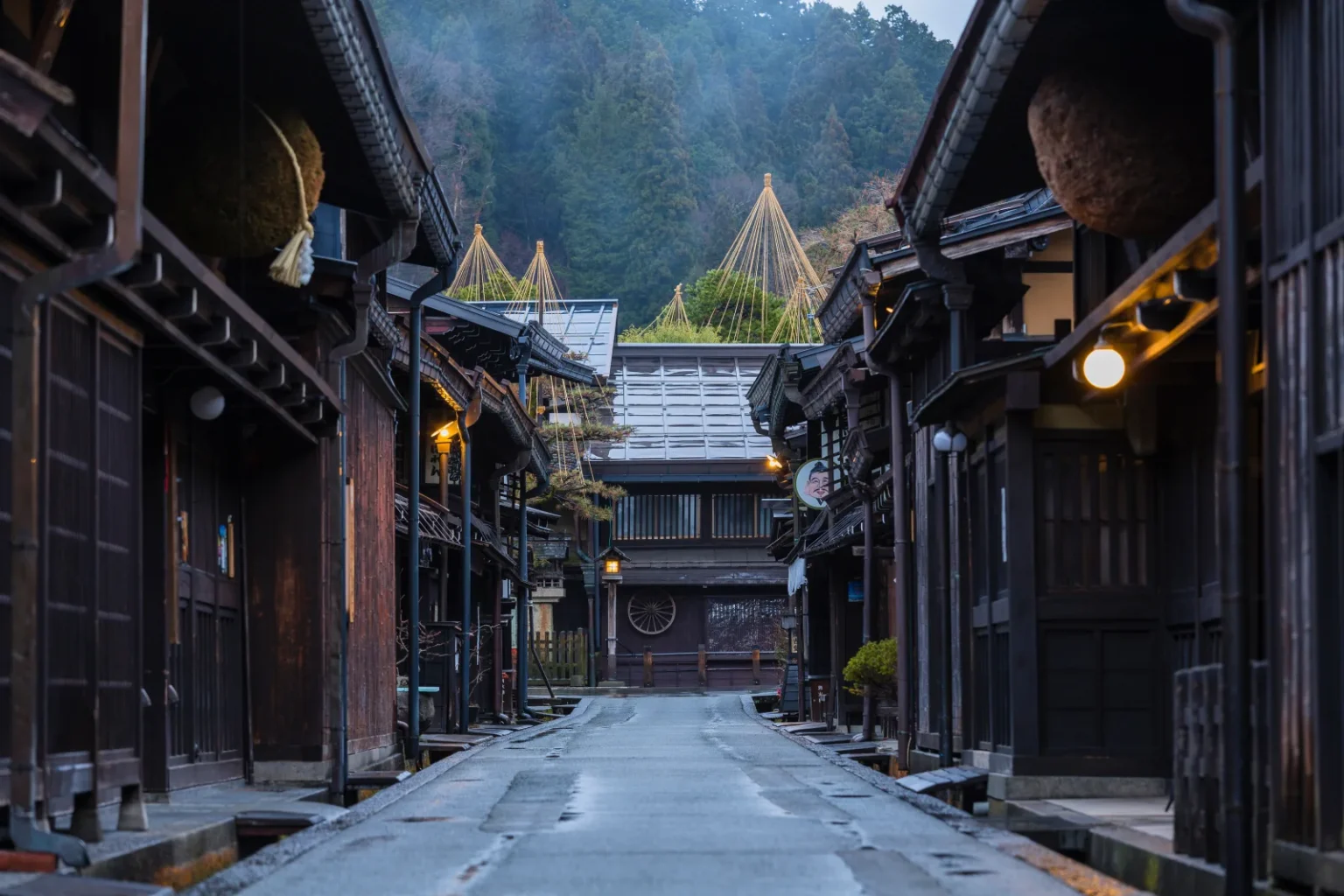
8-day itinerary: Kamakura without another hotel
| Day | Plan | Sleep |
|---|---|---|
| 1–3 | Tokyo, exactly as in the 7-day route | Tokyo |
| 4 | Kamakura day trip: Great Buddha and Hasedera early, coast after lunch | Tokyo |
| 5 | Shinkansen west, Fushimi Inari late afternoon | Kyoto |
| 6 | Kyoto: Arashiyama early, Nishiki, Gion | Kyoto |
| 7 | Nara deer and Todai-ji, evening in Dotonbori | Osaka |
| 8 | Osaka morning, fly out from Kansai (Itami for domestic connections) | — |
9-day itinerary: one night in Hakone
| Day | Plan | Sleep |
|---|---|---|
| 1–3 | Tokyo days | Tokyo |
| 4 | Romancecar to Hakone, loop the lake in the afternoon, onsen dinner | Hakone ryokan |
| 5 | Open-Air Museum early, Odawara, shinkansen to Kyoto | Kyoto |
| 6–7 | Kyoto, two full days (Fushimi Inari late on day 6) | Kyoto |
| 8 | Nara, then Osaka; Dotonbori evening | Osaka |
| 9 | Osaka Castle or Umeda morning, fly home | — |
10-day itinerary: Kanazawa (or Takayama)
| Day | Kanazawa version | Sleep |
|---|---|---|
| 1–3 | Tokyo days | Tokyo |
| 4 | Hokuriku Shinkansen to Kanazawa, chaya streets at dusk | Kanazawa |
| 5 | Kenrokuen at opening, Omicho Market, craft afternoon | Kanazawa |
| 6 | Train to Kyoto via Tsuruga, Gion evening | Kyoto |
| 7–8 | Kyoto, two full days | Kyoto |
| 9 | Nara, then Osaka; Dotonbori dinner | Osaka |
| 10 | Osaka morning, fly out | — |
The Takayama version replaces days 4–6: shinkansen to Nagoya, the Hida to Takayama for two nights (a Shirakawa-go bus day in between if the skies are clear), then back through Nagoya to Kyoto. Don’t try to do both Kanazawa and Takayama on a first trip; it quietly turns the itinerary into a transit-heavy five-city route.
How do you book trains, luggage and hotels?
Trains: skip the JR Pass
A 7-day JR Pass costs ¥50,000 on the official site (¥53,000 through overseas agencies since 1 October 2026). Even the Kanazawa version of this route needs only about ¥22,300 for its two long JR legs (Tokyo → Kanazawa and Kanazawa → Kyoto), plus the shorter rides, so the pass comes out well above point-to-point tickets. Recalculate if you add Hiroshima or other long JR legs; our transport guide shows the arithmetic. Buy shinkansen seats individually, a day ahead at the station or in advance through Klook if you want them prepaid in your own currency.
Luggage: forward the big bag
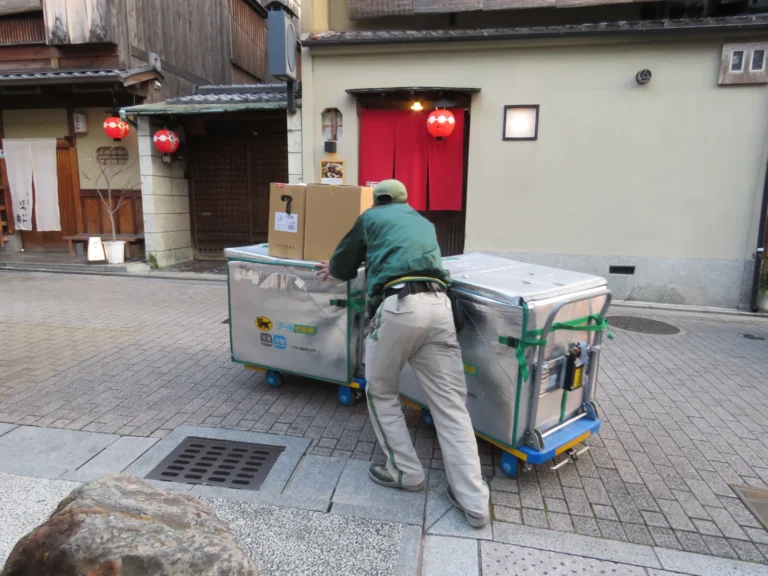
On detour days, ask the hotel front desk to send your suitcase by courier (takkyubin) to your next hotel and ride the Romancecar or the Hida with a daypack. Yamato raised its rates for larger parcels in October 2025: a large suitcase costs from roughly ¥2,600 within one region and more between Tokyo and Kansai, and the desk will quote the exact price. Delivery is usually next day, sometimes two, so confirm the date when you hand it over.
Hotels: book the detour night first
One-night ryokan rooms sell out first. Compare on Booking.com or Agoda, and set the budget with our 2026 cost guide. In Kyoto, add the accommodation tax raised in March 2026: ¥400 per person per night for rooms of ¥6,000–19,999 per person, ¥1,000 for ¥20,000–49,999. And keep the pacing rule: three hotel changes at most across ten days, and two-night stays wherever you can, with exceptions only for your chosen detour and the final Osaka night.
FAQ: planning an 8–10 day Japan trip
Is 8 days enough for Tokyo, Kyoto and Osaka?
Yes, comfortably, if you treat arrival and departure days as half-days. Eight days covers the full 7-day Golden Route plus one Kamakura day trip without changing hotels or pace.
Should I add Hiroshima to a 10-day first trip?
You can, but something else pays for it: Hiroshima and Miyajima done properly need an overnight, which usually costs Kyoto a day and adds two long rail legs. On a first trip we’d take one nearby detour instead and save Hiroshima for trip two.
Is the JR Pass worth it for 8–10 days on this route?
Usually not. The 7-day pass is ¥50,000 on the official site, and ¥53,000 through overseas agencies since 1 October 2026. Even the Kanazawa version of this route totals well under that in individual tickets. Do the maths for your exact legs before buying.
Hakone or Kamakura: which is better?
They do different jobs. Kamakura is a zero-friction day trip: temples, the Great Buddha and a beach without touching your hotel plan. Hakone is an overnight: the onsen-ryokan evening is the point, and it needs that extra night to make sense. Choose by whether you can give up a hotel night, not by which is “better”.
How do I get from Kanazawa to Kyoto in 2026?
Take the Hokuriku Shinkansen (Tsurugi or Kagayaki) to Tsuruga, then the Thunderbird limited express to Kyoto: about 2 hours in total, ¥7,720 as a regular reserved ticket, less with JR West’s online tickets. It’s sold as one journey, and the change at Tsuruga is signposted and quick.
What do I do with my suitcase on the Hakone night?
Forward it. Ask your Tokyo hotel’s front desk to send it by takkyubin to your Kyoto hotel (from roughly ¥2,600 for a large suitcase, more for the Tokyo–Kansai distance; usually next day, sometimes two, so confirm at the desk), and carry one night’s things in a daypack.
Can I do this route in reverse, Osaka to Tokyo?
Yes, everything works mirrored: fly into Kansai and out of Haneda or Narita. Put the detour in the same place on the map: Kamakura and Hakone near the Tokyo end, Kanazawa between Kyoto and Tokyo.
Sources (checked October 2026): Odakyu Romancecar charges · Hakone Navi · Hakone Freepass · JR West e5489 · JR timetables · Nohi Bus, Shirakawa-go · Yamato Transport · JR Pass prices
Join travelers discovering Japan's hidden side
Weekly dispatches from off-the-beaten-path Japan — spots and stories you won't find in guidebooks.
No spam. Unsubscribe anytime.
Welcome aboard!
You're in. See you in your inbox soon.