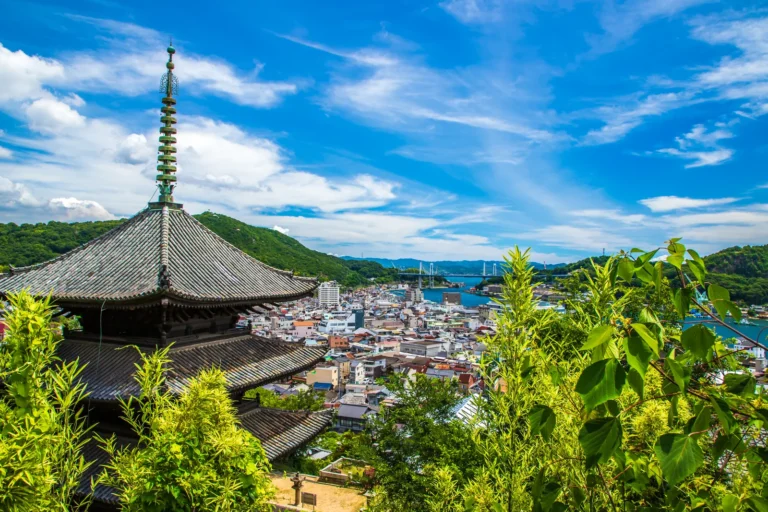

Hiroshima · One-day route
Yes, you can see the Atomic Bomb Dome and walk out towards the floating torii gate in the same day. Here’s how — hour by hour, train by train, meal by meal. I frequently guide friends through this exact route. Many travelers assume they need two days for Hiroshima and Miyajima, but with the right timing you can fit in the Peace Memorial Museum, a UNESCO shrine and three of the region’s signature foods, for under ¥10,000 per person (Shinkansen excluded).

On this page: Quick facts · Which first · The two routes · Morning · Lunch · Afternoon · Evening · Transport and budget (transport table, budget per person) · When to go · Tips · Getting here · FAQ · Sources
Quick answers: One day enough? · Best itinerary · Which first? · How long to stay · JR Pass and the ferry · Closing times
Hiroshima also works well as a lower-cost base than Kyoto for exploring western Japan. We compare it with other options in our cheaper-than-Kyoto base cities guide.
Which first: Peace Park or Miyajima?
The tide decides. Check the tide table before you go — it tells you whether to start at the Peace Park or on Miyajima.
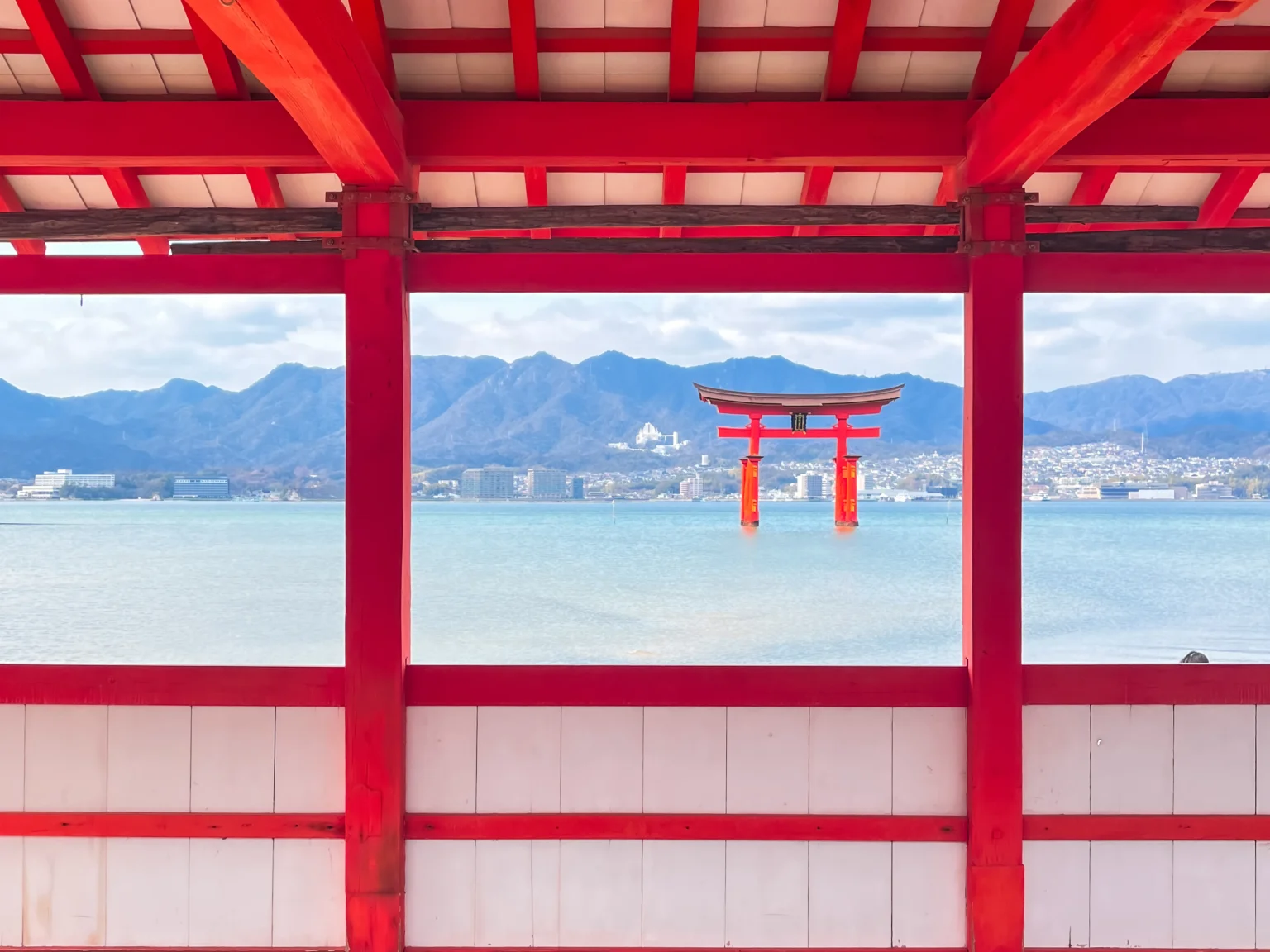
According to the Miyajima Tourist Association, you can walk out to the Great Torii when the tide level is below 100 cm, and the shrine appears to float when it’s above 250 cm. It stresses that “low tide” and “high tide” alone aren’t enough — it’s the level that counts. Before your trip, check the official Miyajima tide table, which lists the walkable and floating windows for each day.
Walkable window in the afternoon
Peace Park in the morning, okonomiyaki for lunch, Miyajima in the afternoon. This is the most common route and the one detailed below.
Walkable window in the morning
Reverse it: Miyajima first thing, lunch on the island, Peace Park in the afternoon, and dinner at Mitchan’s Hatchōbori main store or its ekie branch in the station. The museum’s quieter late-entry slot (online tickets only) is optional; if you use it, push dinner and your train back accordingly.
Morning: the Peace Memorial Park
This route assumes you arrive by Shinkansen from Osaka (about 1 hour 20 minutes) or Kyoto (about 1 hour 40 minutes).
| Time | What to do |
|---|---|
| 8:30 | Arrive at Hiroshima Station. Take Hiroden tram line 2 (for Miyajima) or 6 (for Eba) to Genbaku Dome-mae, ¥240. |
| 9:00 | Peace Memorial Museum, ¥200. Allow 1.5–2 hours. Optional audio guide ¥500 (about 70 minutes). |
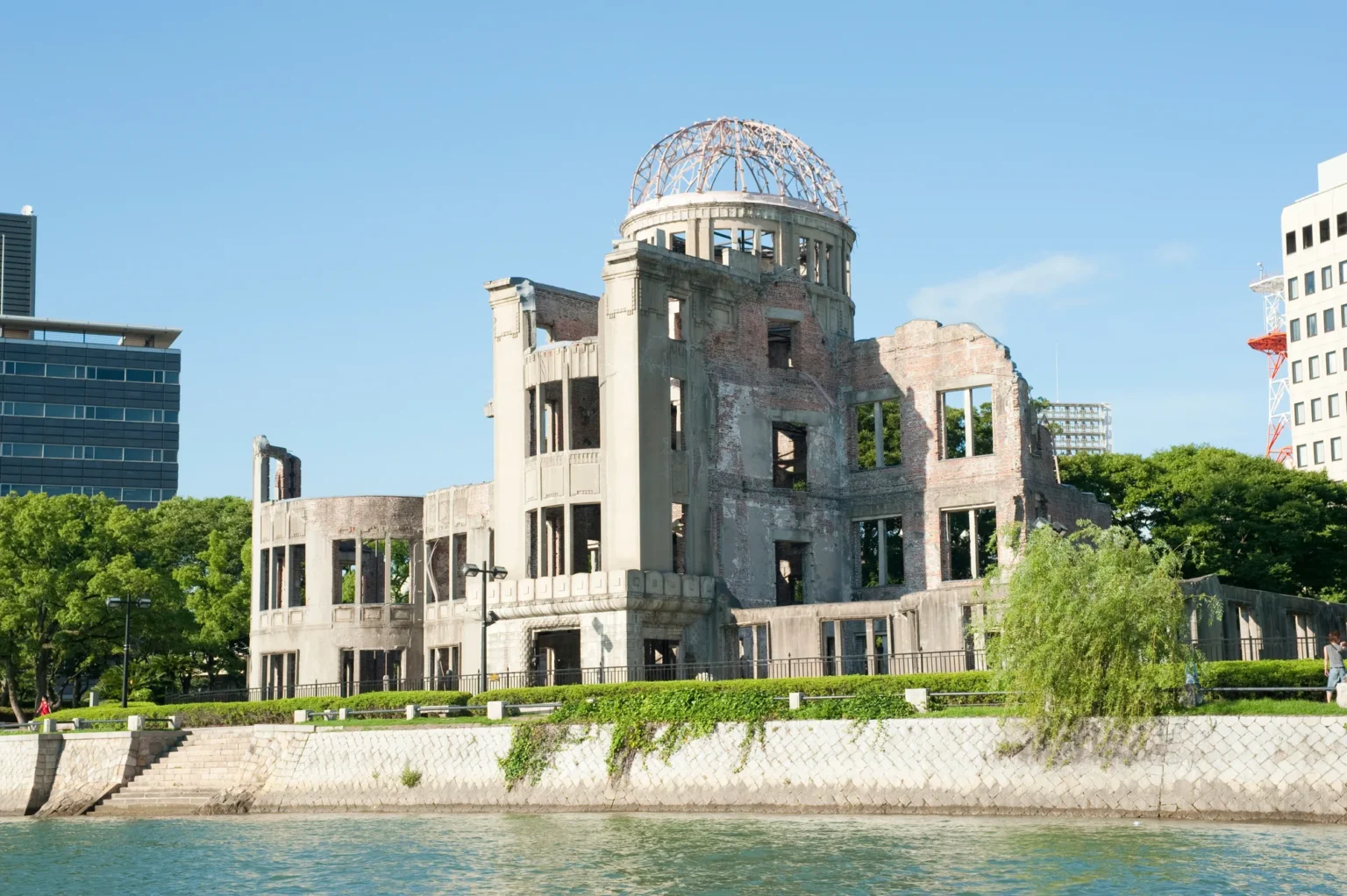
| 11:00 | Walk the park: the Atomic Bomb Dome, the Cenotaph and the Children’s Peace Monument (30–45 min). |
The Peace Memorial Museum is a heavy, important experience. Starting here means you take in the history while you have the most energy and focus. The museum says daytime is very crowded and recommends buying a web ticket in advance. If you want the quieter 7:30–8:30 early-entry period, book an online ticket for that slot specifically; there are no counter sales then. Large bags are better left in the museum’s coin lockers in the East Building (a ¥100 coin, returned). For the monuments and what to expect inside, read our guide to Hiroshima Peace Memorial Park.
Lunch: Hiroshima-style okonomiyaki
Okonomiyaki is the local specialty. Mitchan Sōhonten opened in 1950, and the shop calls its founder, Mitsuo Ise (“Mitchan”), the father of Hiroshima-style okonomiyaki. Its Orizuru Tower branch is on the ground floor of the tower next to the Atomic Bomb Dome, 11:00–21:00. Order the soba niku tamago (noodles, pork and egg, ¥960) and a plate of teppan-grilled oysters (¥1,150). Prices vary slightly by branch.
The Hatchōbori main store has long lines; the Orizuru Tower branch is the convenient one for this route, and it takes reservations on weekdays except public holidays. For more food ideas, see our Hiroshima food guide.

Afternoon: Miyajima and Itsukushima Shrine
| Time | What to do |
|---|---|
| 12:45 | Tram back to Hiroshima Station (¥240), then JR Sanyō Line to Miyajimaguchi (about 27 min aboard, ¥420, JR Pass valid). With the transfer, allow about an hour. Or ride Hiroden line 2 straight from Genbaku Dome-mae to Hiroden-Miyajimaguchi (¥240, about 50 min aboard). |
| About 13:45 | At Miyajimaguchi. Optional: pick up an anagomeshi bento at Ueno by the ferry pier (regular ¥2,700). If the line is long, take a later ferry and shorten the time on Omotesandō, or skip the bento. |
| About 14:15 | Ferry to Miyajima (check the ferry timetable for your date), about 10 min: ¥200 plus the ¥100 visitor tax. The JR ferry is covered by the JR Pass; the tax isn’t. |
| 14:30 | Walk along the shore past the deer to the shrine. |
| 14:45 | Itsukushima Shrine, ¥300. 30–45 min along the corridors. |
| 15:30 | Great Torii: walk out if the level is under 100 cm, or photograph from the shore. |
| About 16:00 | Omotesandō shopping street: age-momiji, momiji manjū, grilled oysters. |
The anago bento: Anagomeshi Ueno, next to Miyajimaguchi Station, has sold conger-eel rice since 1901 and the restaurant queue can run 30–60 minutes. The bento is the shortcut, but not a no-wait one: you can reserve by phone, email or at the shop up to a month ahead, yet reserved and walk-in customers wait in the same single line, and the shop warns pickups can take time on busy days.

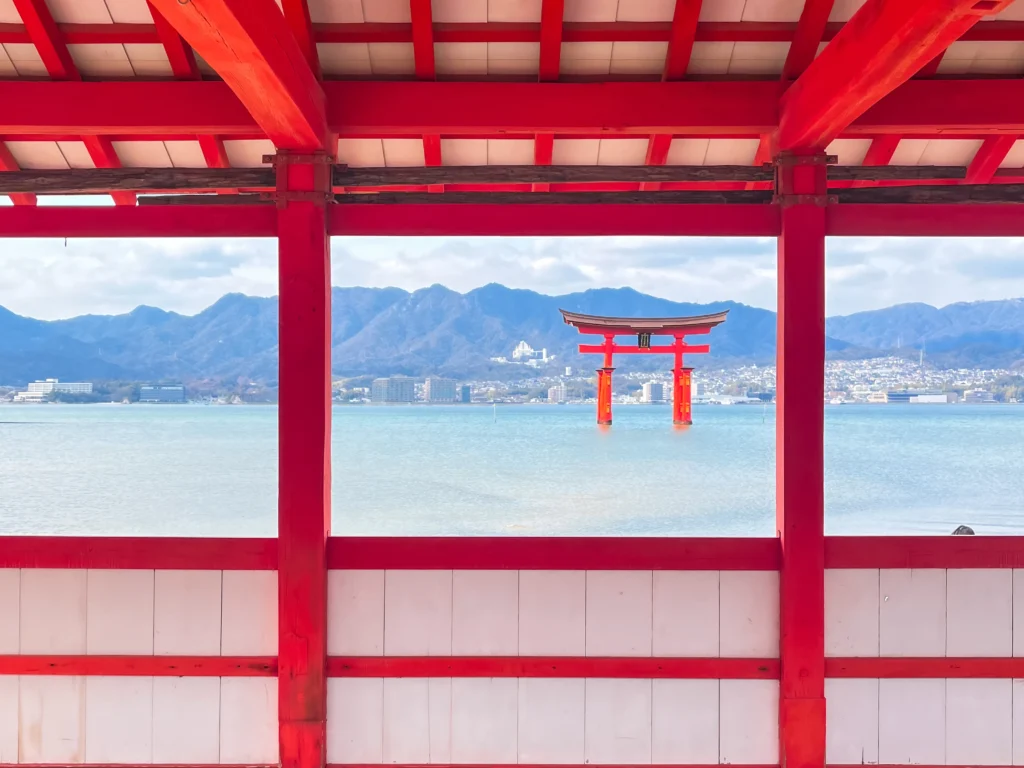
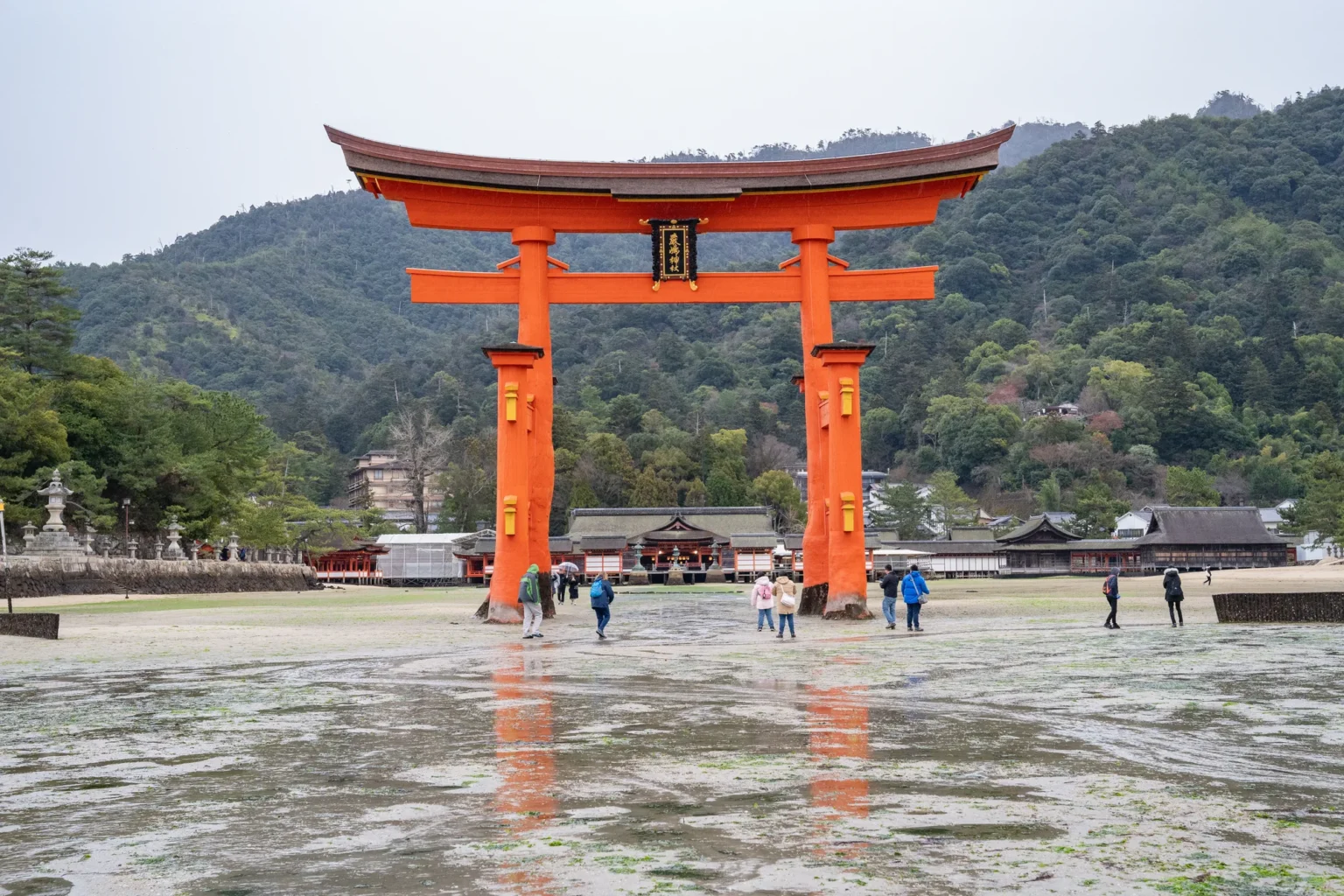
The shift from the morning’s history to Miyajima’s shoreline and forest in the afternoon makes the day feel balanced. On Omotesandō, try age-momiji at Momijidō (紅葉堂): the maple-leaf cakes are battered and deep-fried, crisp outside and warm inside.

For the island’s history, deer etiquette and ferry options, read our Miyajima & Itsukushima Shrine guide.
Evening: Seto Inland Sea sushi at the station
| Time | What to do |
|---|---|
| About 16:45 | Ferry back and JR to Hiroshima Station (about 37 min aboard, ¥620; allow about an hour with walking and waiting). |
| 18:00 | Dinner at Sushi Tatsu in the ekie dining area inside Hiroshima Station. |
| 19:30 | Shinkansen to your next stop. |
Finish with Seto Inland Sea fish at Sushi Tatsu, a conveyor-belt sushi counter right inside the station that’s open into the evening; expect to spend ¥1,500–3,000. The station location keeps the connection to your train simple. If you’d rather have a second okonomiyaki, Mitchan also has a branch in ekie.
Transport and budget
| Leg | How | Time | Cost | JR Pass? |
|---|---|---|---|---|
| Shin-Osaka → Hiroshima | Shinkansen (Nozomi) | ≈ 1h20m | ≈ ¥11,000 | Nozomi needs an extra ticket; Hikari/Sakura covered |
| Tokyo → Hiroshima | Shinkansen (Nozomi) | ≈ 4h | ≈ ¥19,800 | Nozomi needs an extra ticket; Hikari covered (slower, with a change) |
| Station → Peace Park | Hiroden tram | 15–25 min | ¥240 | No |
| Peace Park → Station | Hiroden tram | 15–25 min | ¥240 | No |
| Station → Miyajimaguchi | JR Sanyō Line | ≈ 27 min | ¥420 | Yes |
| Miyajimaguchi ↔ Miyajima | Ferry | 10 min | ¥200 each way + ¥100 tax | JR ferry yes; tax no |
| Miyajimaguchi → Station | JR Sanyō Line | ≈ 27 min | ¥420 | Yes |
If you are traveling across multiple cities, a JR Pass can save you significant money. Search Shinkansen tickets and JR Pass options on Trip.com.
Klook.comBudget per person
| Item | Cost |
|---|---|
| Peace Memorial Museum (audio guide ¥500 extra, not included) | ¥200 |
| Itsukushima Shrine | ¥300 |
| Local transport (trams, JR, ferries, visitor tax) | ≈ ¥1,820 |
| Okonomiyaki (Mitchan) | ¥960 |
| Teppan-grilled oysters | ¥1,150 |
| Anago bento (Ueno), optional | ¥2,700 |
| Age-momiji and other snacks | ≈ ¥500 |
| Sushi (Sushi Tatsu) | ≈ ¥2,000 |
| Total with the bento | ≈ ¥9,630 |
| Total without the bento | ≈ ¥6,930 |
When to go
The route works most of the year (the museum closes on 30–31 December), and each season changes it a little.
- Spring (March–April): cherry blossoms in the Peace Park and on Miyajima’s hillsides. The busiest season, so book the museum’s early slot. Our cherry blossom forecast has peak dates.
- Summer (June–September): start 30 minutes earlier. August afternoons in Hiroshima reach around 32°C with high humidity; carry water and use the shaded shrine corridors. If you’re used to Singapore or Bangkok, the humidity may feel familiar; use sun protection and take shaded breaks.
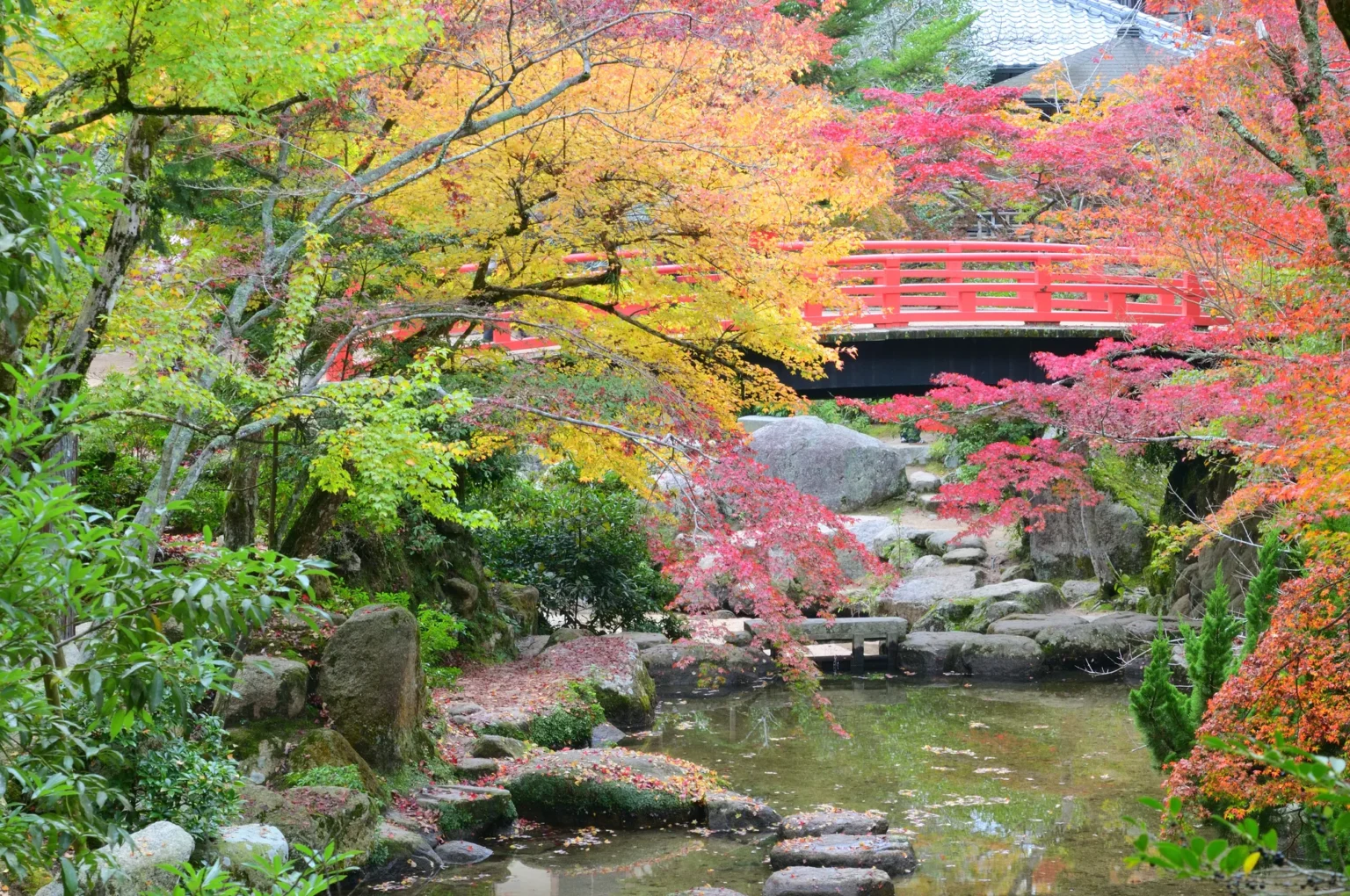
- Autumn (October–November): Momijidani (Maple Valley) Park behind the shrine turns red around mid-November. From 15 October to 30 November the shrine closes at 17:30.
- Winter (December–February): fewer crowds and clear skies, but Hiroshima in December is around 7°C — pack a warm jacket. The shrine closes at 17:00 in December, so move your afternoon earlier. The Peace Memorial Museum is closed on 30–31 December; check its website for any other closure days before you go.
Practical tips
- JR Pass: covers the JR Sanyō Line, the JR ferry and Hikari/Sakura Shinkansen; Nozomi and Mizuho need an extra ticket. You still pay the ¥100 visitor tax and the trams (¥240 a ride).
- IC cards: for the trams, use Suica or ICOCA. See how to get and use IC cards in Japan — they work like EZ-Link or Rabbit cards.
- Miyajima shuts early: most shops and food stalls on Omotesandō close around 17:00–17:30. Don’t plan dinner on the island unless you’re staying overnight.
- Luggage: Hiroshima Station has coin lockers of several sizes; the museum’s own lockers are free (¥100 coin returned).
- Cash: the shrine doesn’t take credit cards, and many food stalls on Omotesandō are cash only. Carry ¥3,000–5,000.
- Halal food: halal-certified restaurants are hard to find. Nagata-ya, another well-known okonomiyaki shop, has been noted as halal-friendly by some Muslim travelers, but confirm directly. Convenience-store onigiri and bento can work in a pinch, but check the ingredients first.
Want to stay the night? Near the station or the Peace Park is easiest. Search Hiroshima hotels on Agoda, and see our guide to hotel booking sites in Japan for getting the lowest prices.
Prefer someone else to handle the logistics and explain the history? We may earn a commission, at no extra cost to you.
Hiroshima & Miyajima day tours on Klook →Getting to Hiroshima from abroad
Hiroshima Airport (HIJ) has few international routes, so most visitors fly into Kansai International (KIX), Narita or Haneda and take the Shinkansen. From Southeast Asia, low-cost carriers such as Scoot (Singapore), AirAsia (Kuala Lumpur) and Cebu Pacific (Manila) fly to KIX. From there, take the Haruka limited express to Shin-Osaka and change to the Shinkansen; allow about 2.5–3 hours in total. For airport options, read our Japan airport & flight guide.
Visas: Singapore and Malaysia passport holders can visit visa-free for up to 90 days, and Thailand and Indonesia for up to 15 days (conditions apply). Philippine passport holders need a visa. Check Japan’s Ministry of Foreign Affairs or your local Japanese embassy before you book.
Frequently asked questions
Can I visit Hiroshima and Miyajima in one day?
Yes. Arrive in Hiroshima by about 8:30, move between the city and the ferry by tram and JR, and check the tide table to decide whether Miyajima goes in the morning or the afternoon. Allow 10–11 hours.
Should I go to Miyajima or the Peace Park first?
It depends on the tide. You can walk to the Great Torii when the level is below 100 cm, and the shrine looks like it’s floating above 250 cm. The tide table at miyajima.or.jp lists both windows for each day. If the walkable window is in the morning, go to Miyajima first.
Do I need to book the Peace Memorial Museum?
Not for daytime entry, but the museum recommends buying a web ticket in advance because daytime is very crowded. Entry between 7:30 and 8:30, and in a late slot each evening, is only possible with an online ticket.
How long do I need in Hiroshima?
One full day covers the Peace Park, the Dome and Miyajima. Two days lets you slow down, add Momijidani or a hike up Mount Misen, or visit Kure or Onomichi.
Is the JR Pass valid for the Miyajima ferry?
Yes, on the JR Miyajima Ferry. The ¥100 Miyajima Visitor Tax (charged since October 2023) is not covered and is collected with the fare.
What time does Miyajima close?
The island doesn’t close, but most shops and food stalls on Omotesandō shut around 17:00–17:30. Itsukushima Shrine opens at 6:30 and closes at 18:00 from March to 14 October, 17:30 from 15 October to 30 November and from 4 January to February, and 17:00 in December. New Year hours differ (open from midnight on 1 January, until 18:30 on 1–3 January). Aim to leave the island by about 17:00.
Onomichi hillside walk
Senkōji Temple and the start of the Shimanami Kaidō: a relaxed second day.
Otake: Simose Art Museum
Forty minutes down the Sanyō Line, with villas recreating houses by Shigeru Ban.
Tsunoshima Bridge, Yamaguchi
Cobalt water if you’re driving further west.
Ariake Ferry
Kumamoto to Nagasaki by sea, if you’re heading on to Kyushu.
Getting around Japan
Our complete guide to trains, passes and buses.
Sources: Miyajima Tourist Association · Hiroshima Peace Memorial Museum · Itsukushima Shrine · Hiroden · Mitchan Sōhonten · Anagomeshi Ueno · Hatsukaichi City (visitor tax) · checked October 2026.
Join travelers discovering Japan's hidden side
Weekly dispatches from off-the-beaten-path Japan — spots and stories you won't find in guidebooks.
No spam. Unsubscribe anytime.
Welcome aboard!
You're in. See you in your inbox soon.