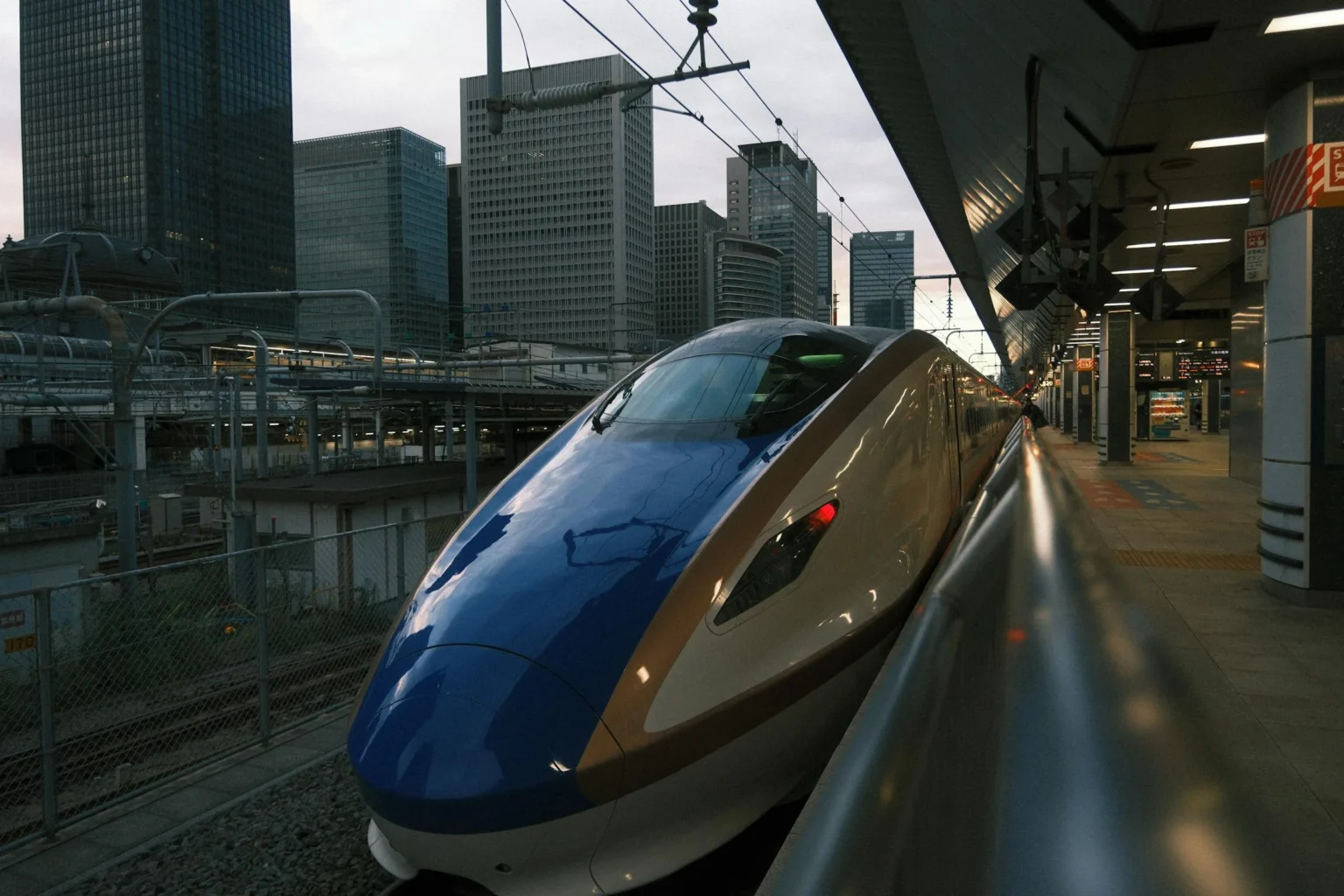
Itineraries · First Trip · 7 days
One week, three cities, six hotel nights: Tokyo for three, Kyoto for two, Osaka for one. Day 1 is an arrival evening, Days 2 to 6 are full sightseeing days, and Day 7 is the departure day from Osaka (Kansai Airport). Fly into Tokyo and home from Osaka so you never double back, ride the shinkansen once, and buy point-to-point tickets instead of a JR Pass. This is the trip I’d hand to a first-time friend. If you’re still choosing route, season or trip length, start with the first-time Japan planning guide.
| Day | Where | Highlights | Sleep |
|---|---|---|---|
| 1 | Tokyo | Arrival evening: settle into Asakusa, first bowl of ramen | Asakusa |
| 2 | Tokyo | Meiji Shrine, Harajuku, Shibuya, Shinjuku | Asakusa |
| 3 | Tokyo | Tsukiji Outer Market, teamLab Planets, Asakusa and Skytree at night | Asakusa |
| 4 | Tokyo → Kyoto | Shinkansen, Fushimi Inari late afternoon, Gion after dark | Kyoto |
| 5 | Kyoto | Arashiyama early, Kinkakuji and Ryoanji, Nishiki Market | Kyoto |
| 6 | Kyoto → Nara → Osaka | Todai-ji and the deer, Dotonbori dinner | Osaka (Namba) |
| 7 | Osaka | Departure day: Osaka Castle, Umeda Sky, fly home from KIX | — |
Not sure a week is the right length? Compare 5, 7 and 10 days in how many days do you need in Japan?, or browse every itinerary on this site on one page. Jump to: costs · variations · FAQ.
Before you leave home: four things to book first
Book these in order. The first two hold your dates. Once your dates are set, also reserve the timed tickets in this plan (teamLab Planets, Shibuya Sky) as soon as they go on sale; the eSIM and the shinkansen seat can wait until the week before, unless you travel in a holiday period or want a particular seat, in which case reserve the train earlier. For a month-by-month booking calendar, see the Japan trip booking timeline.
- Flights. Into Tokyo (Haneda or Narita), home from Osaka (Kansai International; Itami handles domestic flights only). An open-jaw ticket saves a day of doubling back. Check flight prices on Trip.com →
- Three hotels. Book Tokyo, Kyoto and Osaka before you lock transport. Good mid-range rooms in October and November fill two to three months out; for cherry-blossom dates, book about six months ahead. Links are in each day below.
- An eSIM. It installs in a couple of minutes, covers all seven days and costs less than a dinner. Browse Japan eSIMs on Klook →
- The Tokyo → Kyoto shinkansen. One ride, so a JR Pass doesn’t pay off (see the FAQ). Reserve a seat ahead so you’re not working out the departure board at Tokyo Station with a suitcase. Reserve on Klook →
Day 1 · Tokyo: arrival evening in Asakusa
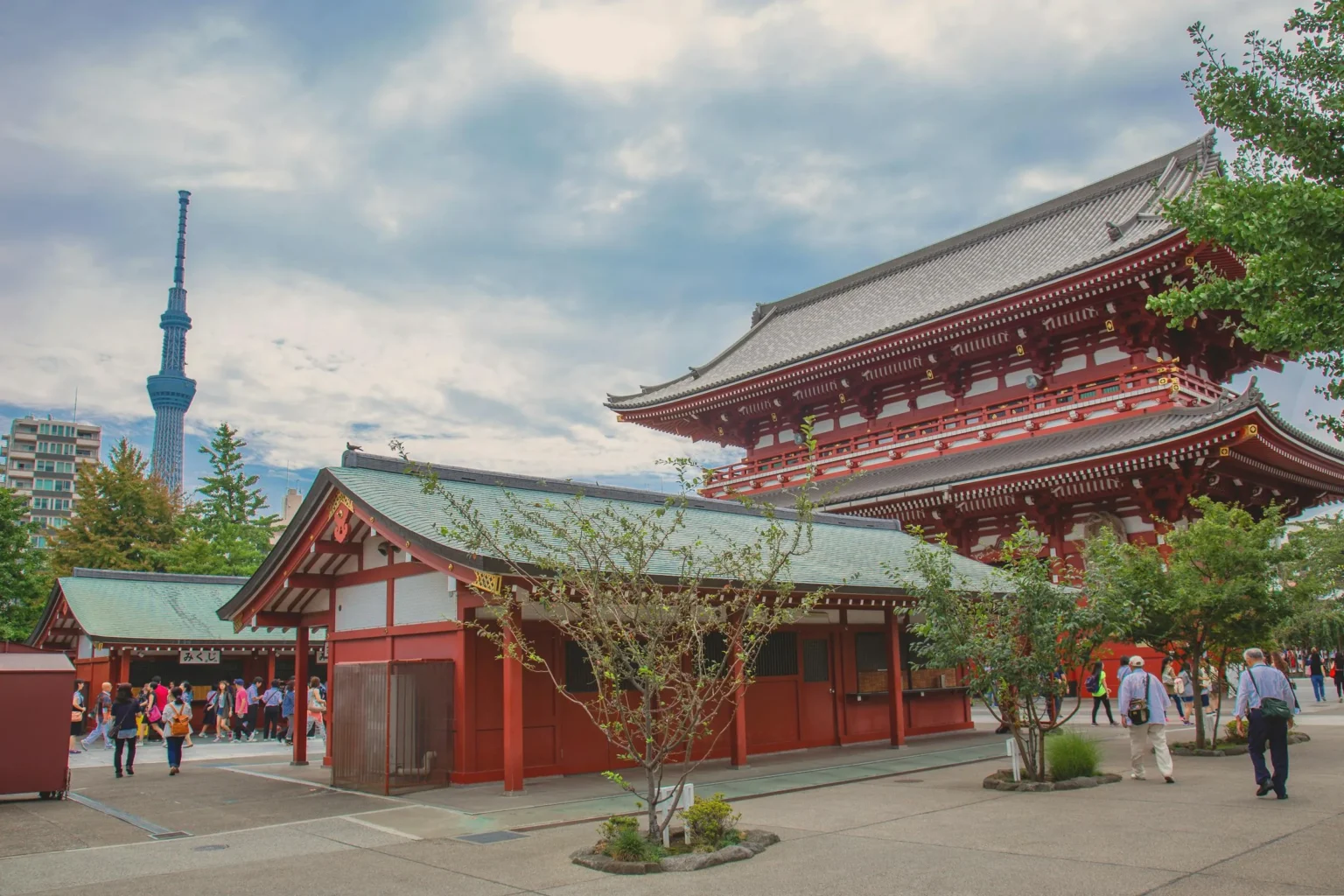
Asakusa is the right base for your first night. You’re still half-dazed from the flight, the streets are narrow, the shops along Nakamise are shuttering but the side streets stay busy, and a bowl of ramen is never far away.
Airport to Asakusa
From Haneda, Keikyu trains run straight through onto the Toei Asakusa Line to Asakusa: about 40–50 minutes and roughly ¥650, no change needed on a through train. From Narita, take the Keisei Skyliner to Ueno (¥2,580 including the seat ticket), then the Ginza Line three stops to Asakusa; allow 60–70 minutes door to door. Skip the Airport Limousine Bus unless you have small children or a lot of luggage. Book the Narita Skyliner →
Where to sleep
Book three nights in or near Asakusa. Mid-range: Richmond Hotel Premier Asakusa International or The Gate Hotel Kaminarimon. Budget: Wise Owl Hostels River Tokyo, just across the Sumida River by Honjo-azumabashi Station. Asakusa hotels on Agoda →
Dinner
Ichiran for tonkotsu ramen in a solo booth, or a hot menchi-katsu from Asakusa Menchi, eaten in the shop’s own eating space. If you’re still standing, walk to the Sumida riverside for a first look at Skytree lit up.
Day 2 · Tokyo: shrine, street, crossing, skyline
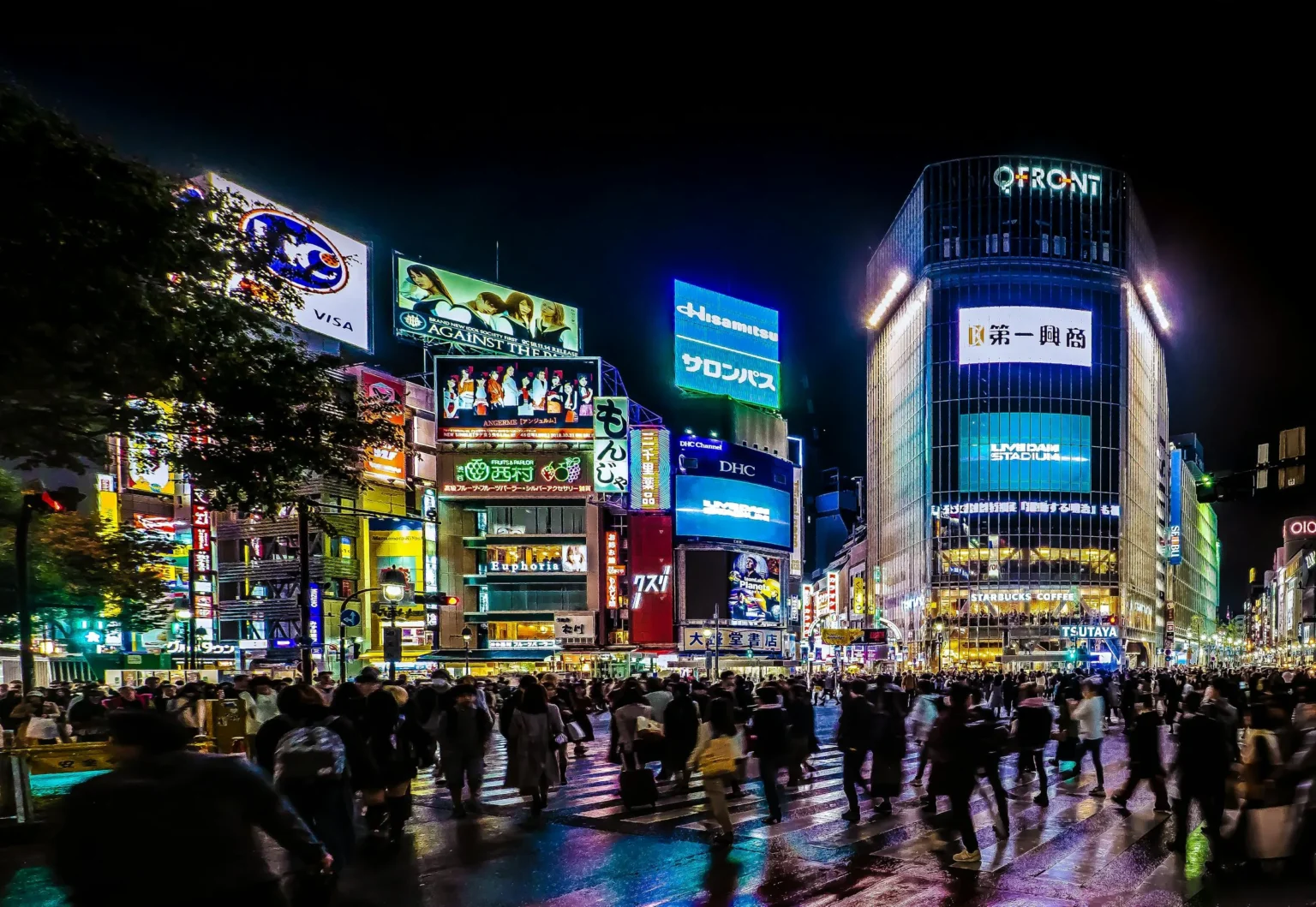
The classic Tokyo day. Don’t over-plan it; it’s more about atmosphere than a checklist.
Morning: Meiji Jingu
Ride the JR Yamanote Line to Harajuku and walk into Meiji Shrine by 8:00. The forest approach is quiet early and crowded by 10:00. Come out on the Harajuku side and walk Takeshita-dori for the contrast.
Lunch
Ukai-tei Omotesando if you want a proper lunch course (book ahead). Otherwise, pick up a katsu sandwich from a department-store food hall; Shibuya Tokyu Food Show is at the bottom of the walk.
Afternoon: Shibuya
Walk down Omotesando to Shibuya, watch the scramble from above, then cross it yourself. Shibuya Sky gives the wide view over Tokyo, with Mt Fuji on clear days. Adult online tickets are ¥2,700 for entry before 15:00 and ¥3,400 for the sunset slots from 15:00, so book a slot in advance. Shibuya Sky tickets →
Evening: Shinjuku
Train to Shinjuku. Walk Omoide Yokocho, the yakitori alley by the west exit, and eat at two or three counters. End at Golden Gai, a few lanes packed with around two hundred tiny bars, many seating six or so. Pick one with an English-friendly sign out front.
Day 3 · Tokyo: market, art, river
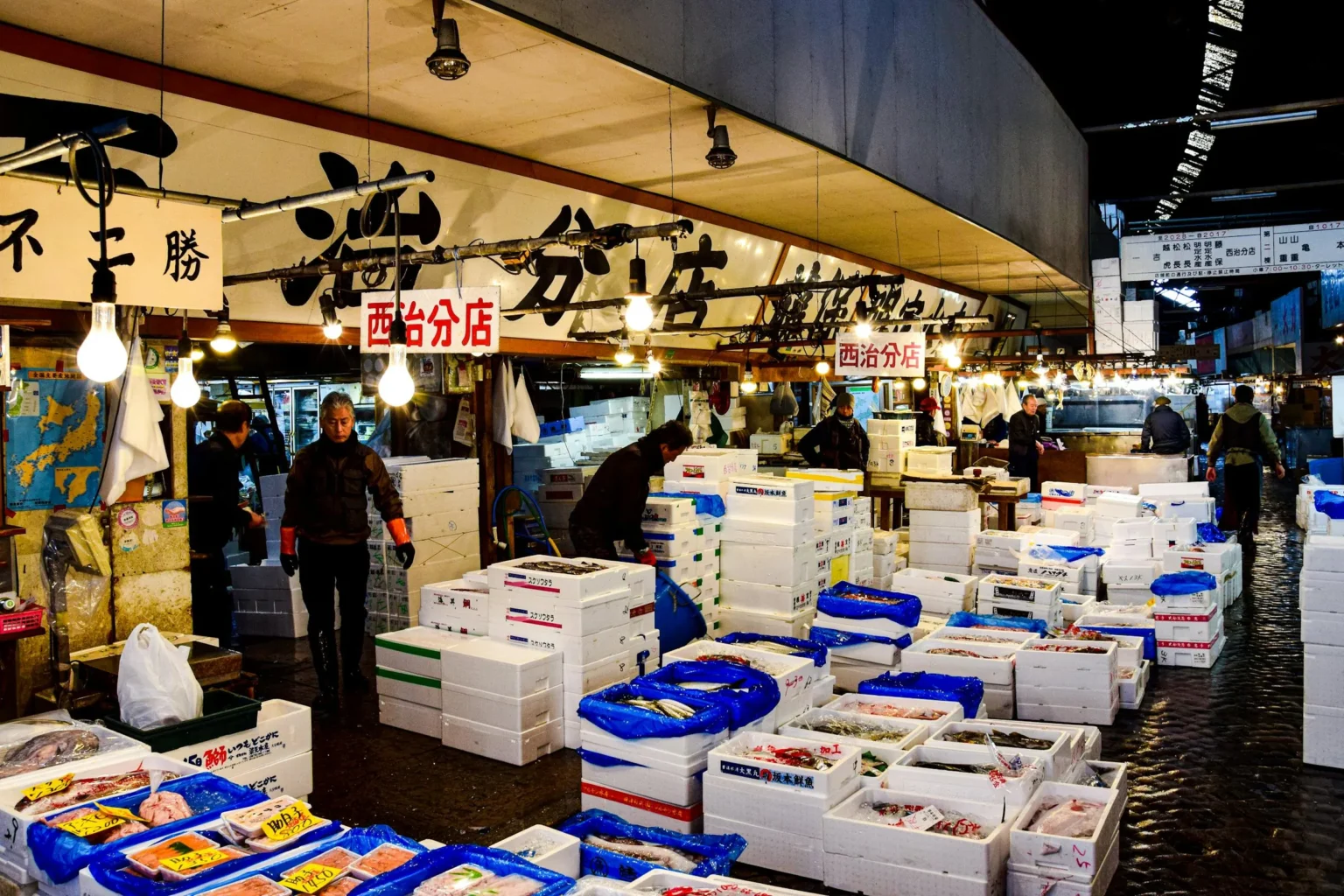
Morning: Tsukiji Outer Market
The wholesale market moved to Toyosu in 2018, but the Outer Market’s shops and stalls stayed in Tsukiji. Arrive around 7:30 with an empty stomach for tamagoyaki on a stick, sea urchin and grilled seafood. Tsukiji Hongan-ji is two blocks away for a quiet few minutes afterwards.
Afternoon: teamLab Planets
Book teamLab Planets in Toyosu in advance; popular slots sell out and prices vary by date (adults from ¥3,600). You walk barefoot, and in the water area it can reach your knees, so wear trousers that roll up above the knee. teamLab Planets tickets →
Evening: Asakusa and Skytree
Back to Asakusa: Sensoji is lit up after dark. Cross the Sumida River to Tokyo Skytree for the night view (Tembo Deck from ¥1,800 online; counter tickets cost ¥500 more), or skip the tower and sit down at a riverside izakaya. Skytree tickets →
Day 4 · Tokyo → Kyoto: shinkansen, Inari, Gion
Morning: Tokyo Station
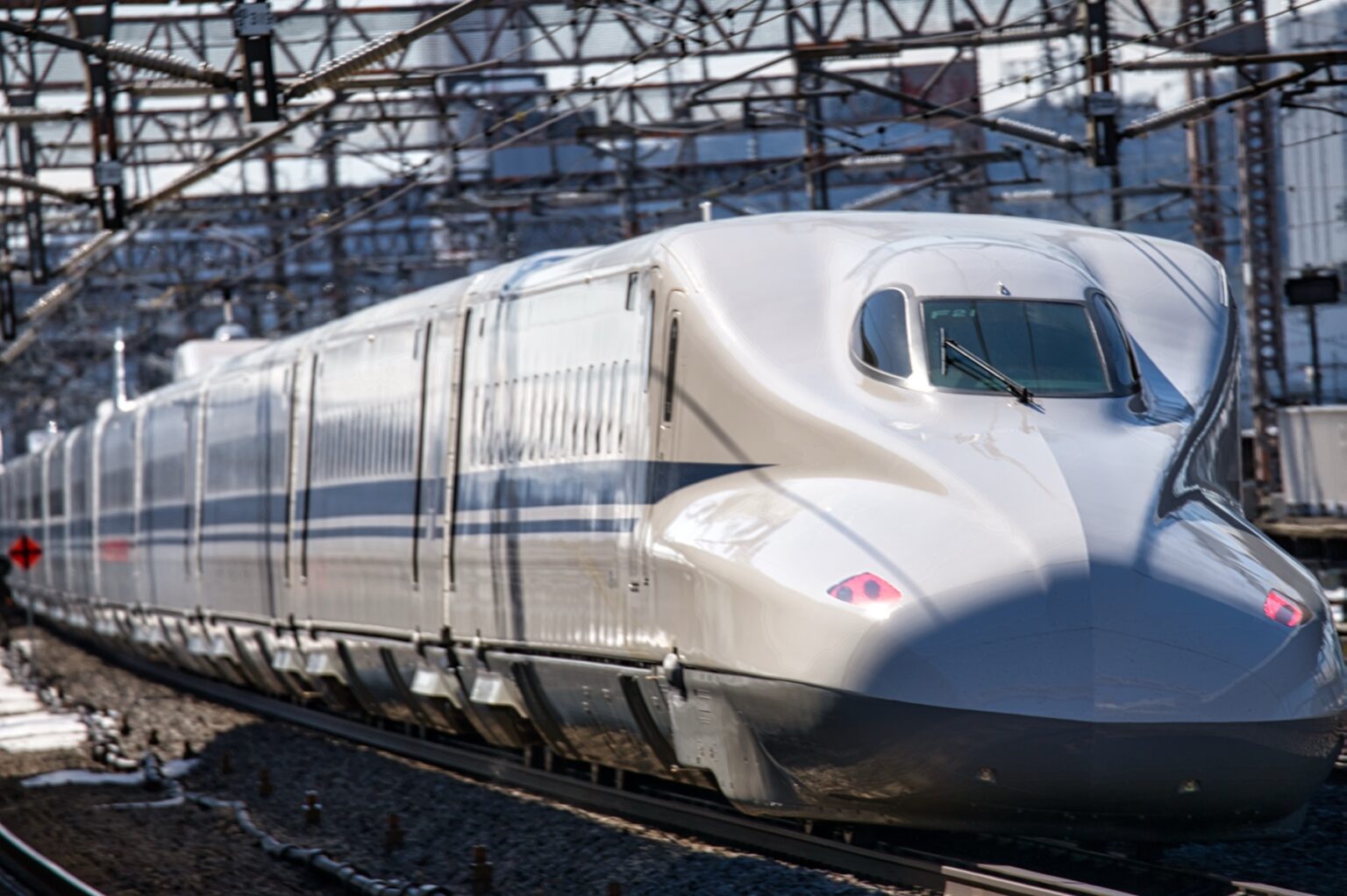
Aim for a Nozomi around 10:00 and you’re in Kyoto a little after noon. Buy an ekiben (station bento) before boarding; the beef-tongue boxes are a good choice. Book a seat on the right-hand side (E seats in standard class) for Mt Fuji views around 40–45 minutes out, near Shin-Fuji; our Mt Fuji shinkansen seat guide has the details. Reserved fares rise by ¥200–400 at New Year, Golden Week and Obon. Shinkansen tickets →
Where to sleep
Two nights in central Kyoto. Mid-range: Cross Hotel Kyoto (Kawaramachi, walkable to Gion) or The Thousand Kyoto (beside Kyoto Station, best for the early trains). Ryokan splurge in Gion: Ryokan Motonago. Kyoto’s accommodation tax went up on 1 March 2026: ¥400 per person per night for rooms of ¥6,000–19,999 per person, ¥1,000 for ¥20,000–49,999, and more above that, usually paid at the hotel. Kyoto hotels on Agoda →
Late afternoon: Fushimi Inari
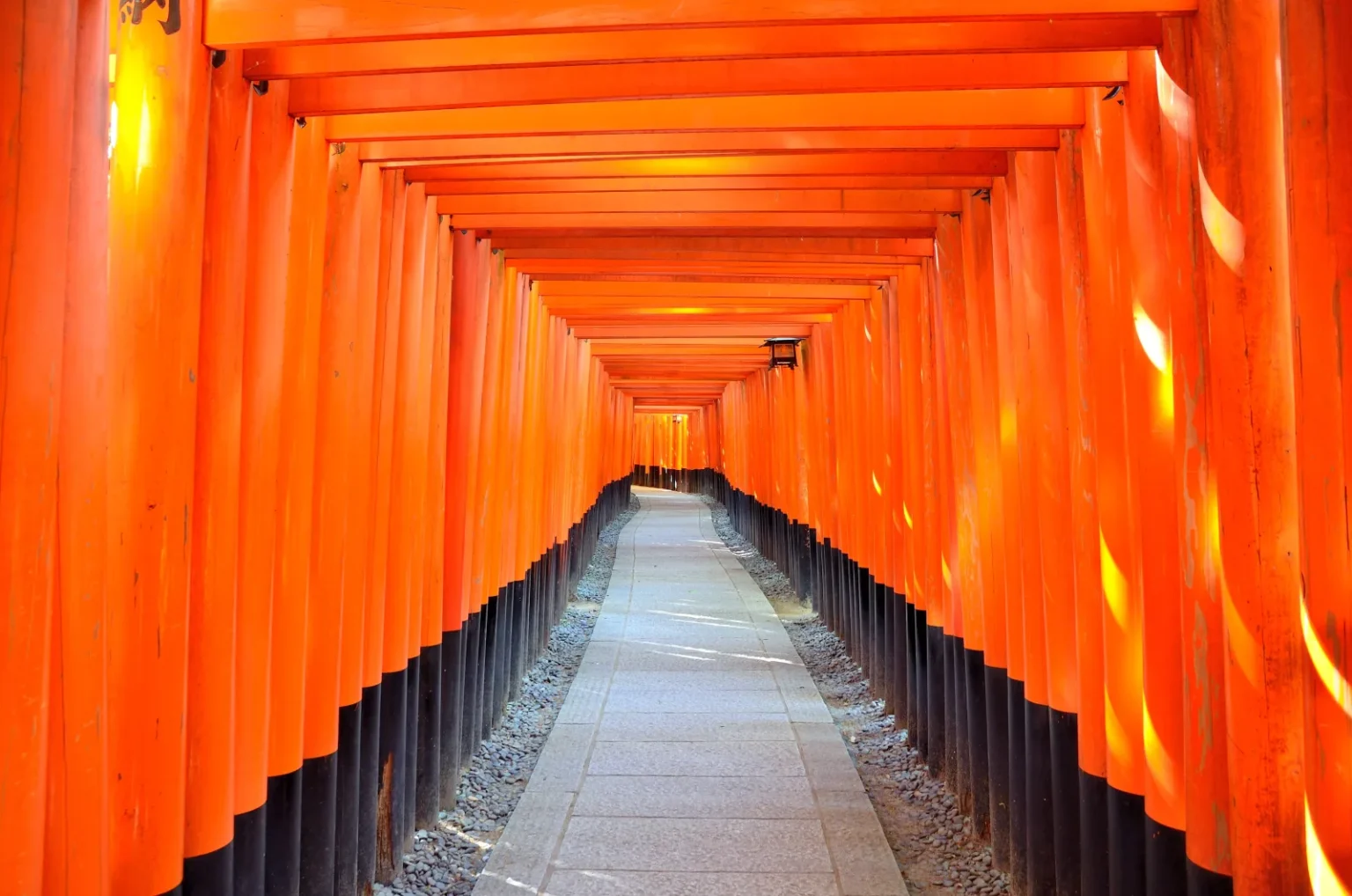
Drop your bags, then take the JR Nara Line from Kyoto Station to Inari (about 5 minutes). The shrine is open around the clock and free. Start climbing around 16:00; the crowds thin the higher you climb.
Evening: Gion
Take the Keihan Line to Gion-Shijo and walk Hanamikoji-dori and the Shirakawa canal after dark. For dinner, book kaiseki at Gion Karyo, or eat casually along Shijo-dori. Stay on public streets: since April 2024 signs at the entrances to several private alleys in Gion tell tourists to keep out and warn of a ¥10,000 fine. Don’t follow or photograph geiko and maiko.

Day 5 · Kyoto: bamboo, gold, market
Early: Arashiyama
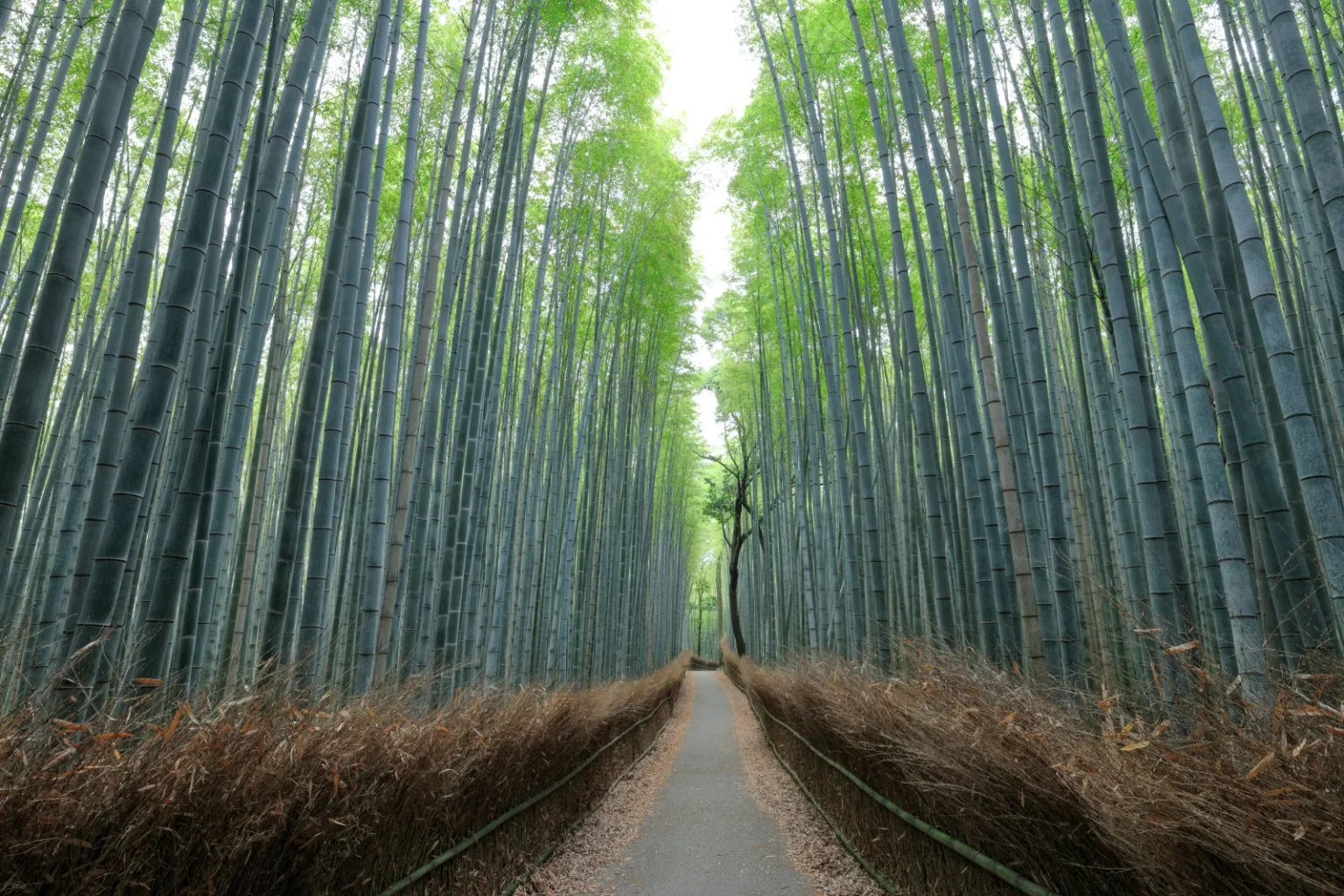
Take an early JR Sagano Line train from Kyoto Station to Saga-Arashiyama and walk the bamboo grove by 8:00; by 10:00 the path is crowded. Tenryu-ji’s pond garden is next door. If you stay in Arashiyama until 11:00, Shoraian above the Oi River serves tofu kaiseki from then (reservation advised; usually closed on Wednesdays, and young children aren’t admitted). Arashiyama rickshaw →
Midday: Kinkakuji and Ryoanji
From Arashiyama, ride the Randen tram to Kitano-Hakubaicho, then take a short bus ride or walk about 20 minutes north to Kinkakuji (¥500). The pavilion is smaller than the photos suggest; the reflection across the pond is the shot. Ryoanji’s rock garden is 15–20 minutes’ walk along the Kinukake-no-michi road, or about five minutes by city bus. Sit for ten minutes before you take any photos. Our Ryoanji guide explains how the rock garden is laid out.


Afternoon: Nishiki Market, then dinner nearby
Take the bus back to Shijo-Karasuma and walk Nishiki Market from west to east: tamago skewers, yuba, pickles, sake tastings, fresh mochi. Most stalls close by early evening, so go in the afternoon and eat dinner in the Kawaramachi or Pontocho streets nearby. Nishiki food tour →
Day 6 · Kyoto → Nara → Osaka: deer, Great Buddha, neon
Send your suitcase ahead to your Osaka hotel (confirm the delivery day when you book) if you’d rather not carry it around Nara.
Morning: Nara
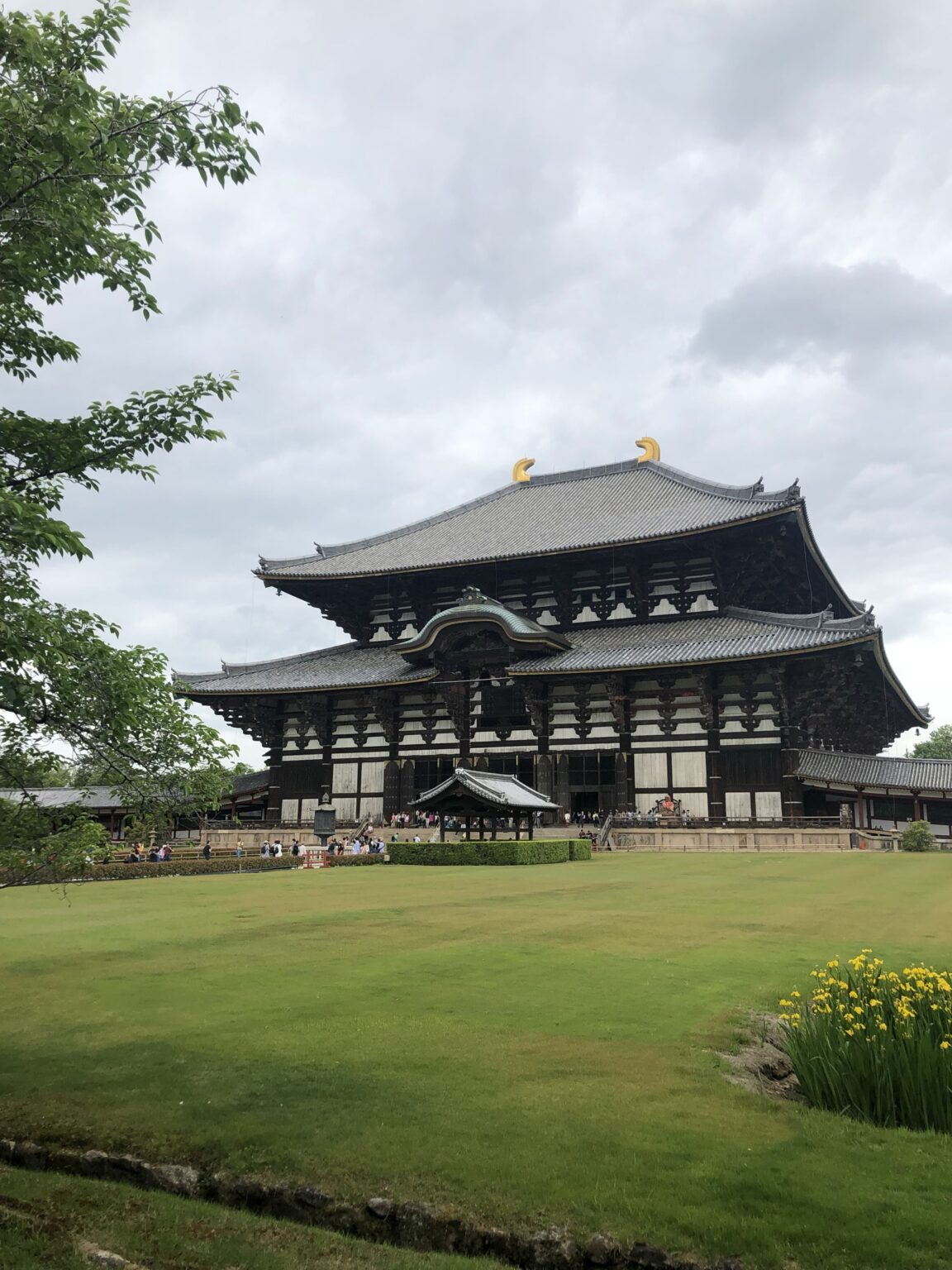
Take the Kintetsu limited express from Kyoto to Kintetsu-Nara (about 35 minutes) and walk through Nara Park to Todai-ji. The park’s deer are wild but used to people: the July 2026 count found about 1,700, the highest on record. Many bow back if you bow, mostly because they want a deer cracker. Todai-ji’s Daibutsuden (¥800) houses the Great Buddha and is one of the largest wooden buildings in the world.
Afternoon: on to Osaka
Kintetsu from Nara to Osaka-Namba takes about 40 minutes on a rapid express (¥680, no surcharge). Stay within walking distance of Namba Station, which puts Dotonbori on your doorstep; Cross Hotel Osaka is a reliable mid-range pick. Osaka hotels on Agoda →
Evening: Dotonbori
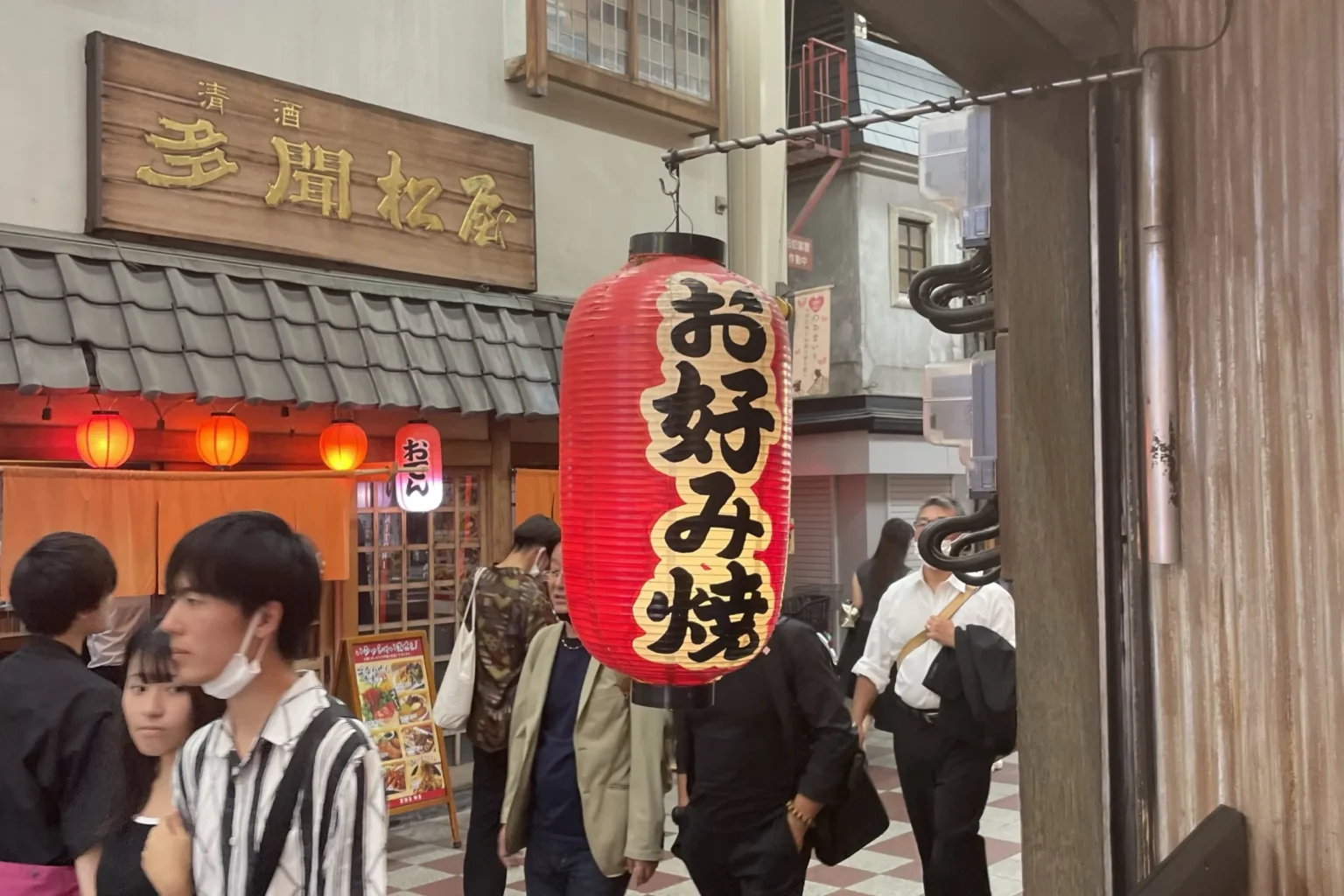
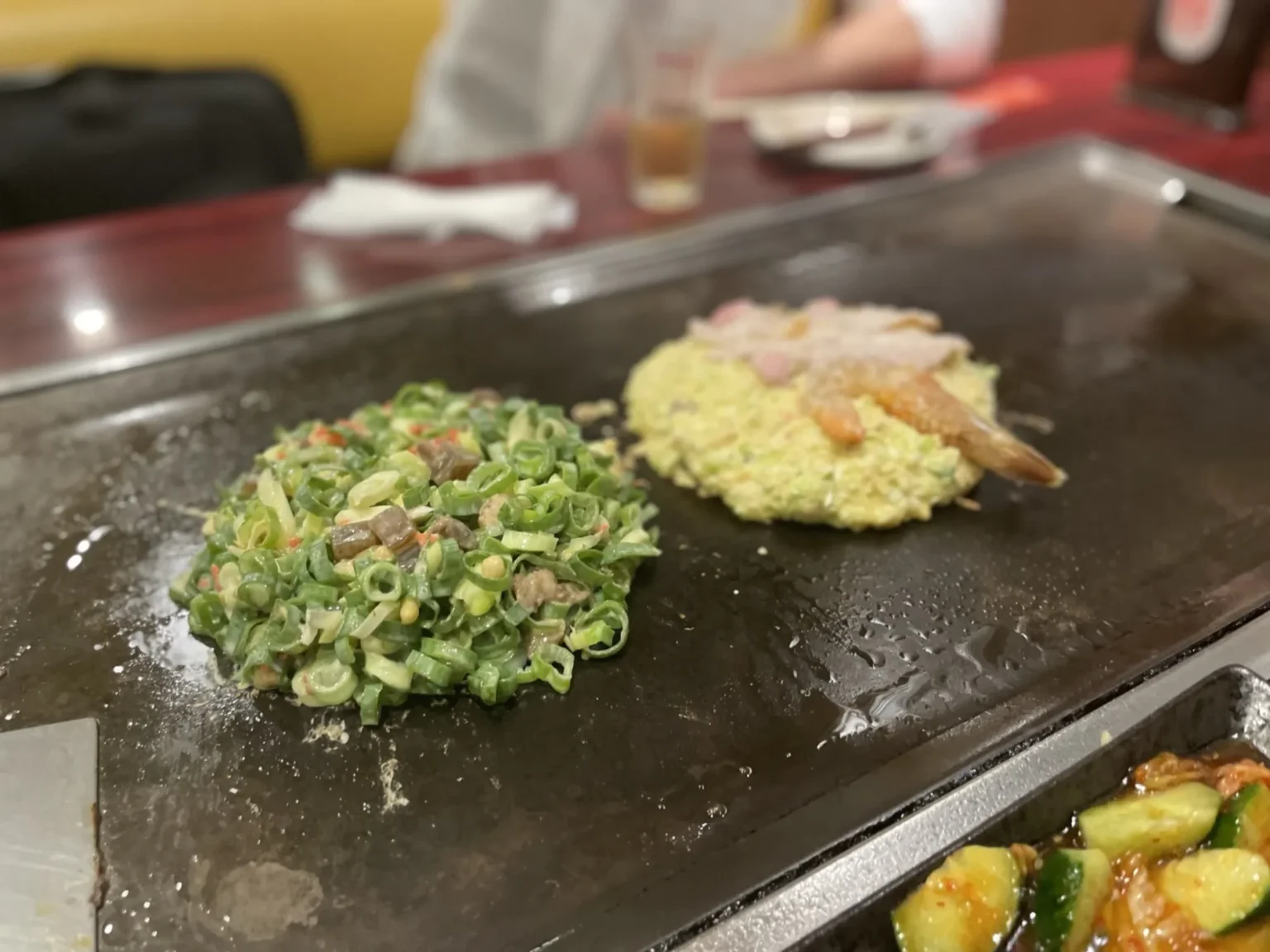
Walk to Dotonbori after dark for the neon along the canal and eat your way through it: takoyaki, okonomiyaki, kushikatsu. Finish in Hozenji Yokocho, a stone-paved alley one block south, for a quieter drink after the noise. Osaka food tour →
Day 7 · Osaka: castle, sky, departure

Morning: Osaka Castle
Check out and leave your bags at the hotel. Take the metro to Osaka Business Park or Tanimachi 4-chome. The main keep is a 1931 concrete reconstruction (¥1,200), but the moats and the giant stones of the walls are the real thing, and the top floor has a clear view. JO-TERRACE OSAKA by Osakajokoen Station has cafés for a coffee. More detail in our Osaka Castle guide.
Lunch: Umeda
Train to Umeda. Okonomiyaki at Kiji in the Takimi Koji retro food street in the basement of the Umeda Sky Building, then ride up to the Floating Garden Observatory (¥2,000 at the door) for the last view of the trip. Umeda Sky tickets →
Afternoon: to the airport
Collect your bags. From Namba, the Nankai Rapi:t runs to Kansai Airport in 34–40 minutes (the reserved-seat surcharge is ¥520 on top of the fare). If you’re connecting through Itami on a domestic flight, the airport bus is the simplest option. Aim to reach Kansai Airport about three hours before an international flight, plus the train time from Namba; check-in, security and immigration queues there can be long. Airport transfer →
What it actually costs
Per person, mid-range, two travellers sharing twin rooms. Fares and fees checked October 2026.
| Category | Detail | Cost (¥) |
|---|---|---|
| Hotels | 6 nights × ¥12,000 average (shared) | 72,000 |
| Kyoto accommodation tax | 2 nights × ¥400 | 800 |
| Shinkansen | Tokyo → Kyoto, Nozomi reserved | 14,170 |
| Local trains and metro | Suica/ICOCA top-ups, 7 days | 10,000 |
| Kintetsu | Kyoto → Nara → Osaka | 2,500 |
| Airport transfers | Skyliner ¥2,580 + Rapi:t about ¥1,500 | 4,100 |
| Food | Daily allowance ¥7,500 × 7 days, including snacks and travel-day meals | 52,500 |
| Attractions | teamLab from ¥3,600, Shibuya Sky from ¥2,700, Skytree from ¥1,800, Kinkakuji ¥500, Todai-ji ¥800, Osaka Castle ¥1,200, Umeda Sky ¥2,000, plus temple extras | 18,000 |
| eSIM | 7 days | 3,000 |
| Experiences | Food tour and rickshaw (optional) | 12,000 |
| Buffer | Coffee, souvenirs, coin lockers | 15,000 |
| Total per person, excluding flights | 204,070 | |
Flights vary widely: from Europe or the US East Coast, expect roughly ¥120,000–180,000 return in shoulder season; from the US West Coast or Southeast Asia, ¥60,000–100,000. Since 1 July 2026 Japan’s departure tax is ¥3,000 per person, normally already included in the ticket price. See our airport and flights guide for routes.
Want to change it?
Three common adjustments. If you can stretch the trip, the full extended plan is the 8–10 day Japan itinerary, which adds Kamakura, Hakone or Kanazawa without rushing the classics.
Shorter: 5 days
Drop Day 3 (Tsukiji and teamLab) and the Nara part of Day 6. That makes four nights: Tokyo 2, Kyoto 1, Osaka 1. After the Kyoto sightseeing on Day 5, take the train to Osaka in the evening for Dotonbori, then do Day 7 as written.
With kids
Skip Golden Gai on Day 2. Add the Kyoto Railway Museum on Day 5 and pick a lunch other than Shoraian. For Universal Studios Japan, add an extra Osaka night rather than squeezing it into Day 7, your departure day.
Longer: 10–14 days
Start from the 8–10 day version: Hakone (onsen and Fuji) between Tokyo and Kyoto, then Kanazawa or Kamikochi. Our Mt Fuji hub covers the Fuji side.
FAQ
Is a JR Pass worth buying for this itinerary?
No. A 7-day JR Pass costs ¥50,000 on the official website, and since 1 October 2026 ¥53,000 when bought through an overseas agency. This route’s JR travel is one Tokyo → Kyoto shinkansen (¥14,170) plus a few short local rides; this itinerary uses Kintetsu to Nara and the Nankai Rapi:t to Kansai Airport, private railways the pass doesn’t cover. Pass holders also need a separate supplement ticket to ride the Nozomi. Save the pass for longer trips that add Hiroshima, Tohoku or Kyushu. The full maths is in JR Pass vs individual tickets 2026.
Can I do this trip without speaking any Japanese?
Yes. Stations in Tokyo, Kyoto and Osaka have English signage, and a translation app’s camera mode handles most menus. The harder part is train-line transfers, and a maps app solves those. See our 2026 essential tips for the apps that actually help.
Is three nights in Tokyo too few?
It’s tight; this plan keeps to the highest-impact sights. With 10 days, add a fourth Tokyo night for the Ghibli Museum, Shimokitazawa or Yanaka. Don’t take it from Kyoto; Kyoto is what people most regret cutting short.
Should I go in cherry-blossom season?
If you can book six months ahead, yes, but expect much higher hotel prices and crowds at every stop on this route. Late October is an easier alternative. Mid-to-late November brings Kyoto’s autumn colours, but also heavy crowds. Try our 60-second quiz, or see the month-by-month comparison in Best Time to Visit Japan. Going in November? Read Kyoto in November for the reservation rules first. Then compare Kyoto autumn temples beyond the usual circuit, including access and crowd notes.
What about the Gion tourist fine?
Since April 2024 signs at the entrances to several private alleys in Gion’s Kobu area tell tourists to keep out and warn of a ¥10,000 fine. Stay on Hanamikoji-dori and the other public streets and around Shirakawa, and don’t chase geiko or maiko for photos. Our 2026 essentials covers more etiquette.
How much is Kyoto’s hotel tax now?
Since 1 March 2026 Kyoto City charges per person per night: ¥200 under ¥6,000, ¥400 for ¥6,000–19,999, ¥1,000 for ¥20,000–49,999, ¥4,000 for ¥50,000–99,999 and ¥10,000 from ¥100,000.
Can I book everything through this page?
You book directly with the providers (Agoda, Klook, Trip.com), not with me. I’m not a travel agency and never handle reservations or payments. The links are affiliate links: book through them and the site earns a small commission at no extra cost to you, which keeps it free.
Start with the flights and the three hotels, then reserve the timed tickets as soon as they go on sale; the eSIM and the train seat can wait until the last week (book the train earlier for holiday periods). Rather plan a different trip? The 60-second quiz points you to the region that fits.
Check flights → Take the quiz →Sources: JR Pass prices · Tokyo Skytree tickets · Kyoto City accommodation tax · Japan Tourism Agency, departure tax · fares and entry fees checked October 2026.