
Yakushima · 3-day route
Allow three days for this route: arrival, Jomon Sugi, and the west-coast drive. With less time, much of the visit goes on getting on and off the island. More is welcome, especially if you want to swim or rest, but if you have three days, this is the rhythm I’d give you: one arrival day, one Jomon Sugi day, and one west-coast drive that ends at the port or the airport. By the third afternoon you’ve seen the cedars, the waterfalls, the sea-turtle beach, and the stretch of road where macaques sit on the tarmac.
This page is the trip map. Each day has its own deeper guide; use the links inside each day for the hour-by-hour when you’re actually packing.
| Day | What | Time | Guide |
|---|---|---|---|
| 1 | Kagoshima → Yakushima, check in | Travel day | Access guide |
| 2 | Jomon Sugi via the Arakawa Trail | 8–10 hours on foot | Jomon Sugi guide |
| 3 | West-coast drive, then the boat or plane out | 5–6 hours | West drive guide |
Day 1: Arrive, settle in, early night
| The day at a glance | |
|---|---|
| Route | Tokyo or Osaka → Kagoshima → Yakushima, about 9 hours in all |
| By boat | Toppy/Rocket direct, early afternoon, about 1 h 50 min to Miyanoura; ¥14,000 one way, ¥25,900 return |
| By air | JAC from Kagoshima Airport, 35–40 min |
| Sleep | Anbo, or the north shore |
Take a morning flight from Tokyo or Osaka to Kagoshima Airport. From there you have two ways onward: a JAC flight to Yakushima Airport (35–40 minutes), or the airport bus to Kagoshima’s main port for the early-afternoon direct hydrofoil (13:35 in the summer timetable, 13:30 from October; about 1 hour 50 minutes to Miyanoura). Other sailings go via Tanegashima and take closer to three hours. Toppy fares went up on 11 May 2026: ¥14,000 one way, ¥25,900 return. The flight saves time; the boat is a real sea crossing. Both work.
Aim to be on the island by mid-afternoon. Pick up your rental car at the port or airport, drive to your hotel, and resist the urge to do anything else. The mountain council asks hikers to buy the Arakawa bus ticket and pay the mountain contribution in advance, so do it today at a tourist information centre (Anbo, Miyanoura or the airport) and you won’t need to buy anything that morning. Allow time for boarding queues anyway. Ask your hotel for a breakfast and lunch bento for the trek. Tomorrow is the long day; be in bed by 21:00.
Full access guide (Toppy vs flight) · THE HOTEL YAKUSHIMA review
Day 2: Jomon Sugi, 22 km to the ancient cedar
| The day at a glance | |
|---|---|
| Distance | 22 km round trip, about 700 m of climbing |
| Arakawa bus | ¥2,000 return, from Yakusugi Museum; up at 5:00, 5:20 (not June), 5:40 |
| Contribution | ¥1,000 day trip (¥2,000 if sleeping on the mountain) |
| Last bus down | 17:45 from Arakawa Trailhead |
| Cars | No private cars on the Arakawa road, 1 March – 30 November |
Wake at 4 a.m. and eat the breakfast you arranged the night before. From March to November the road to the Arakawa Trailhead is closed to private cars, so you drive or take the early route bus to the Yakusugi Museum (Yakusugi-shizen-kan) and change to the Arakawa mountain bus: about 35 minutes, ¥2,000 return, no reservations or seat numbers. If you didn’t buy the ticket and pay the ¥1,000 mountain conservation contribution yesterday, the counter at the Yakusugi Museum stop opens at 4:30.
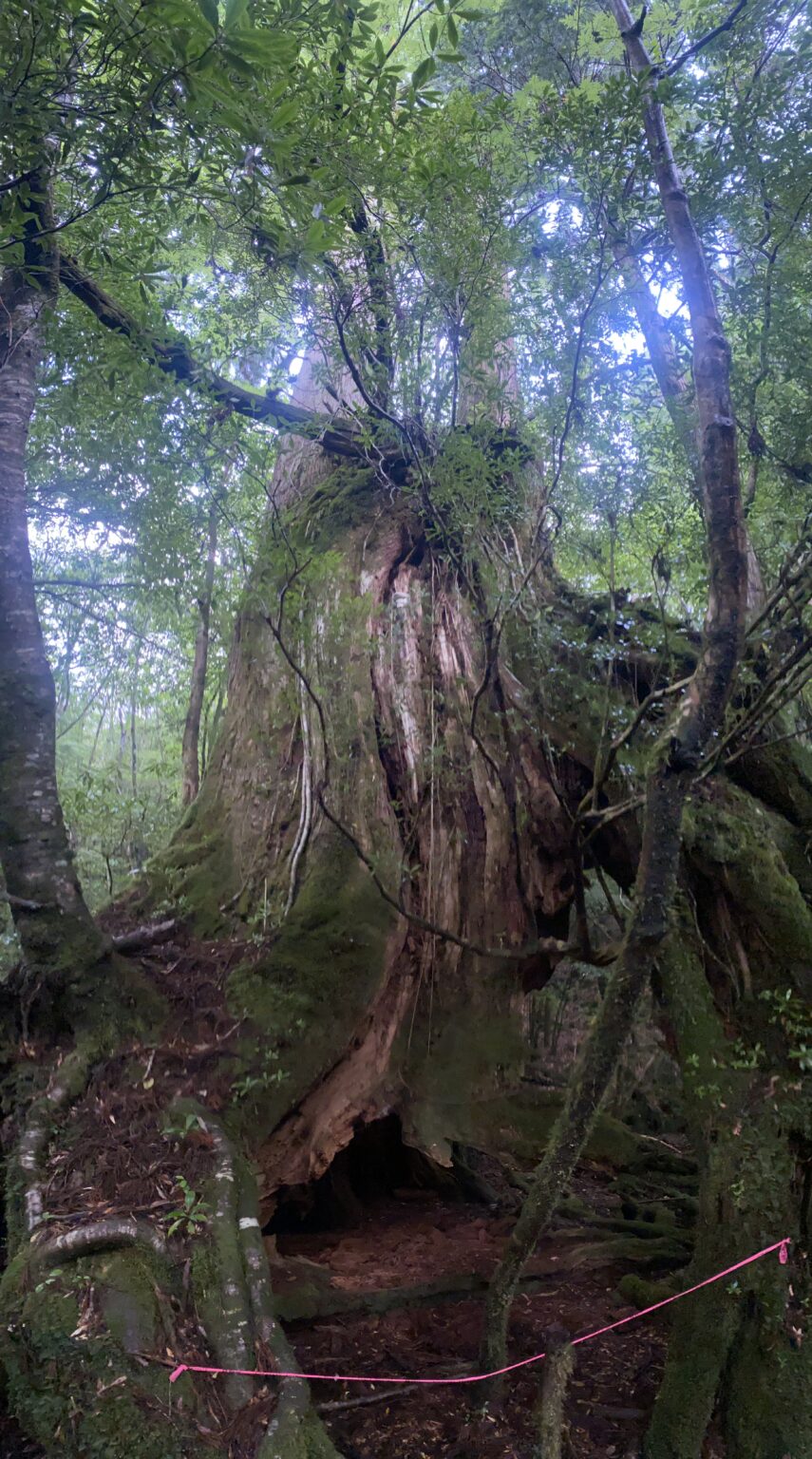
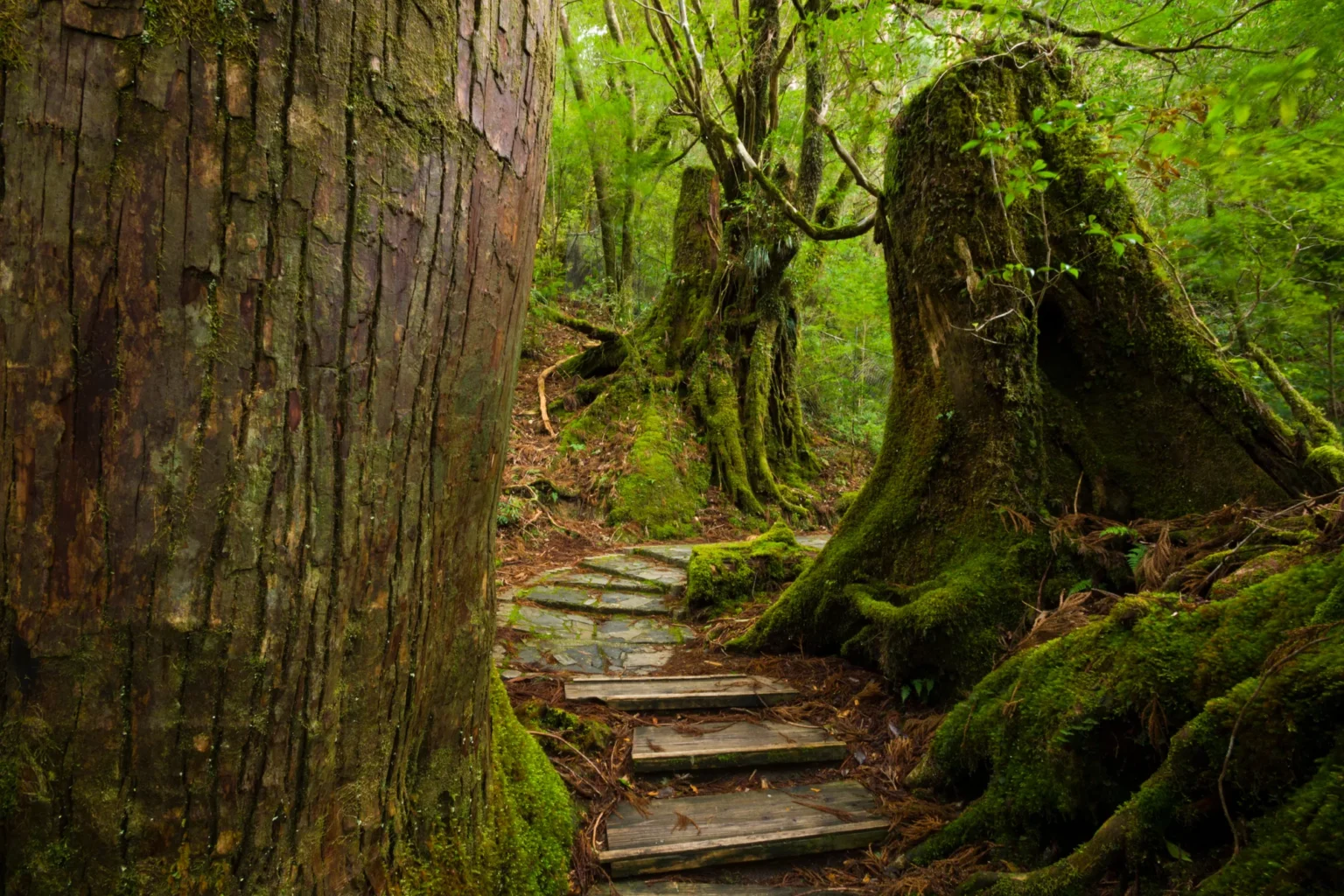
The first 8 km or so follow the old logging tramway, which is still used to carry waste off the mountain; it’s mostly gentle, with wooden walkways along parts of it. After the tramway ends, the trail turns into mossy stairs and roots for the last 3 km. Wilson’s Stump — the hollow cedar with the heart-shaped opening — comes early in that steep section, about three hours in.
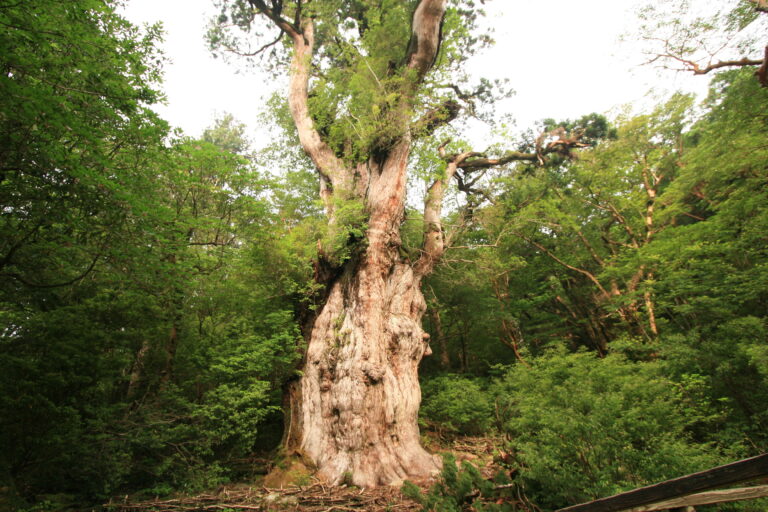
“It doesn’t feel like seeing a tree. It feels like seeing a building that turned out to be alive.” — from my notes on the Jomon Sugi viewing platform
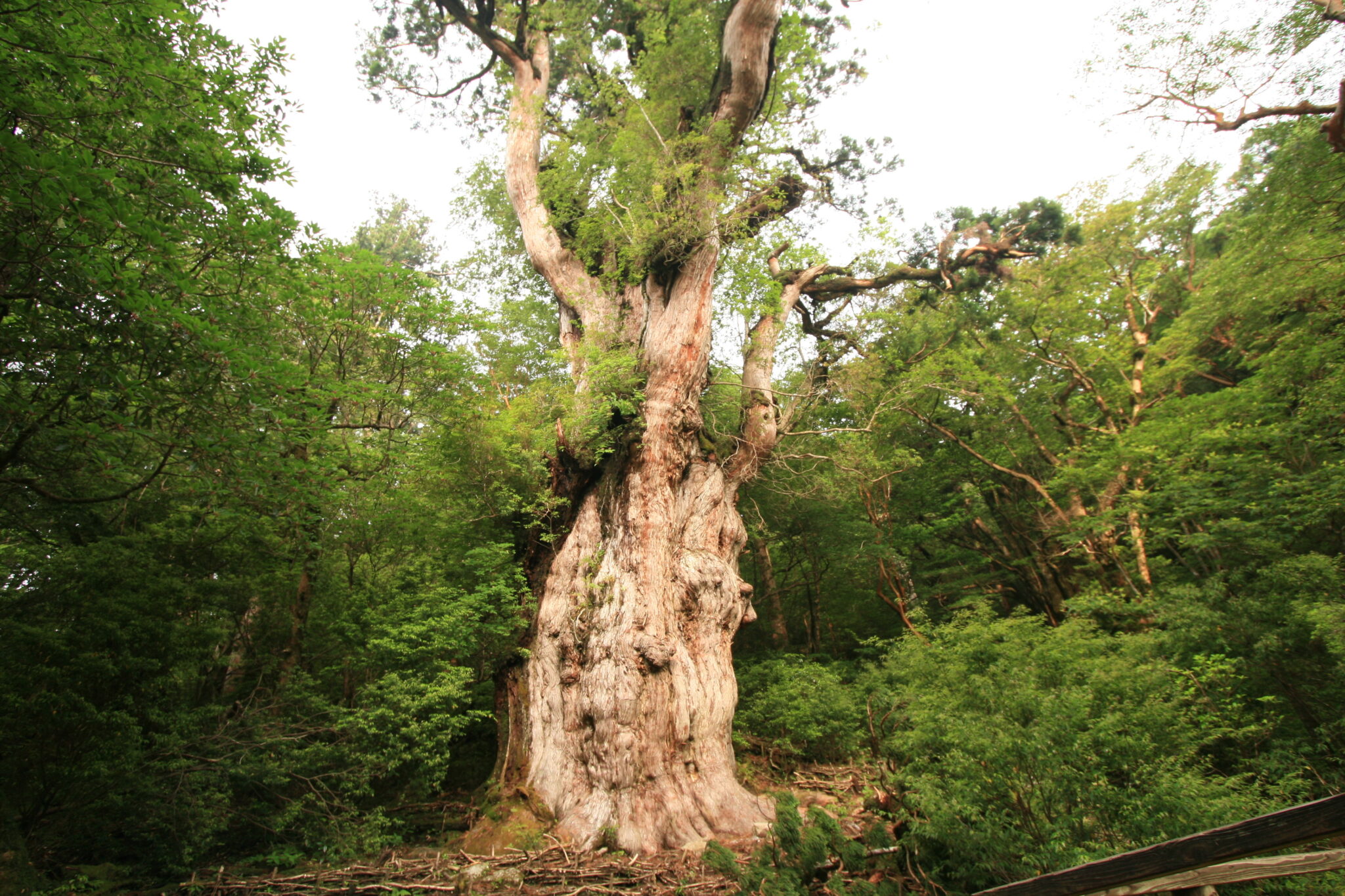
Plan to turn back from Jomon Sugi by about 12:30. The last scheduled Arakawa bus leaves the trailhead at 17:45; plan to catch an earlier one and don’t count on other transport being available. With the drive and bus transfers on top of 8–10 hours of walking, expect a 4 a.m. start and to be back at your hotel in the evening. Sleep early.
Day 3: The west-coast drive, then off the island
| The day at a glance | |
|---|---|
| Route | Anbo → Ohko Falls → Seibu Rindo → Nagata Lighthouse → Yoggo Valley → Inakahama → Miyanoura |
| Driving plan | Most of the island ring road, the long way round; 5–6 hours with stops |
| Wildlife | Yakushima macaques and sika deer; don’t feed them; stay at least 10 m away |
| Leave the island | Last boats from Miyanoura 15:45 and 16:00; flights from Yakushima Airport |
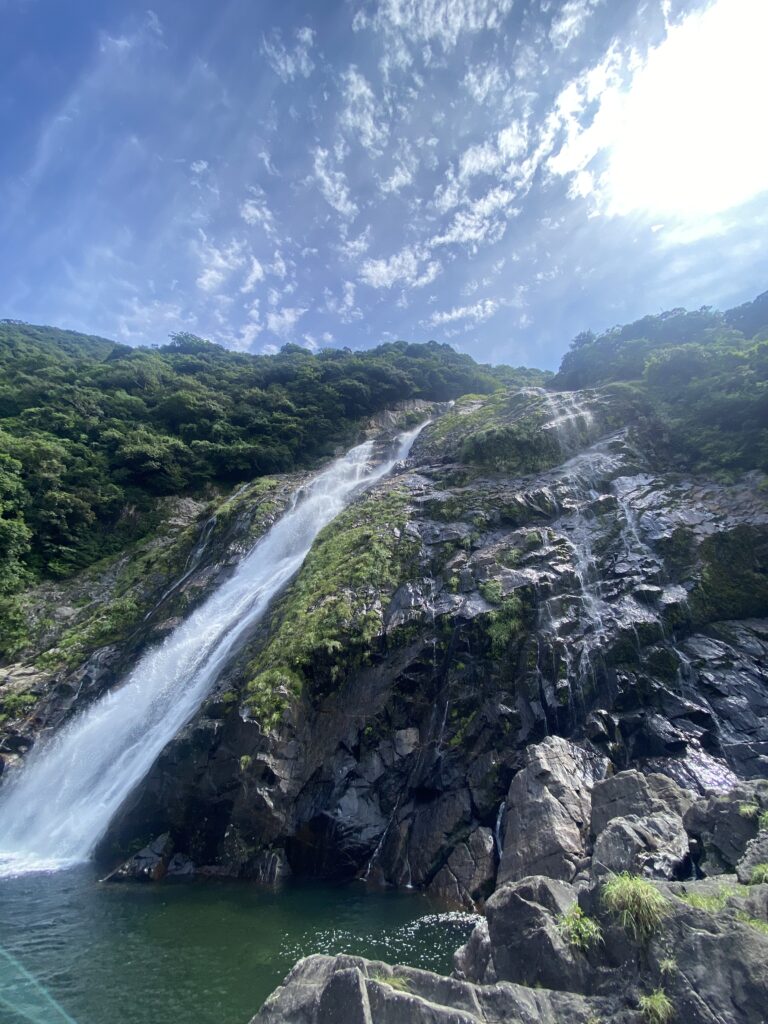
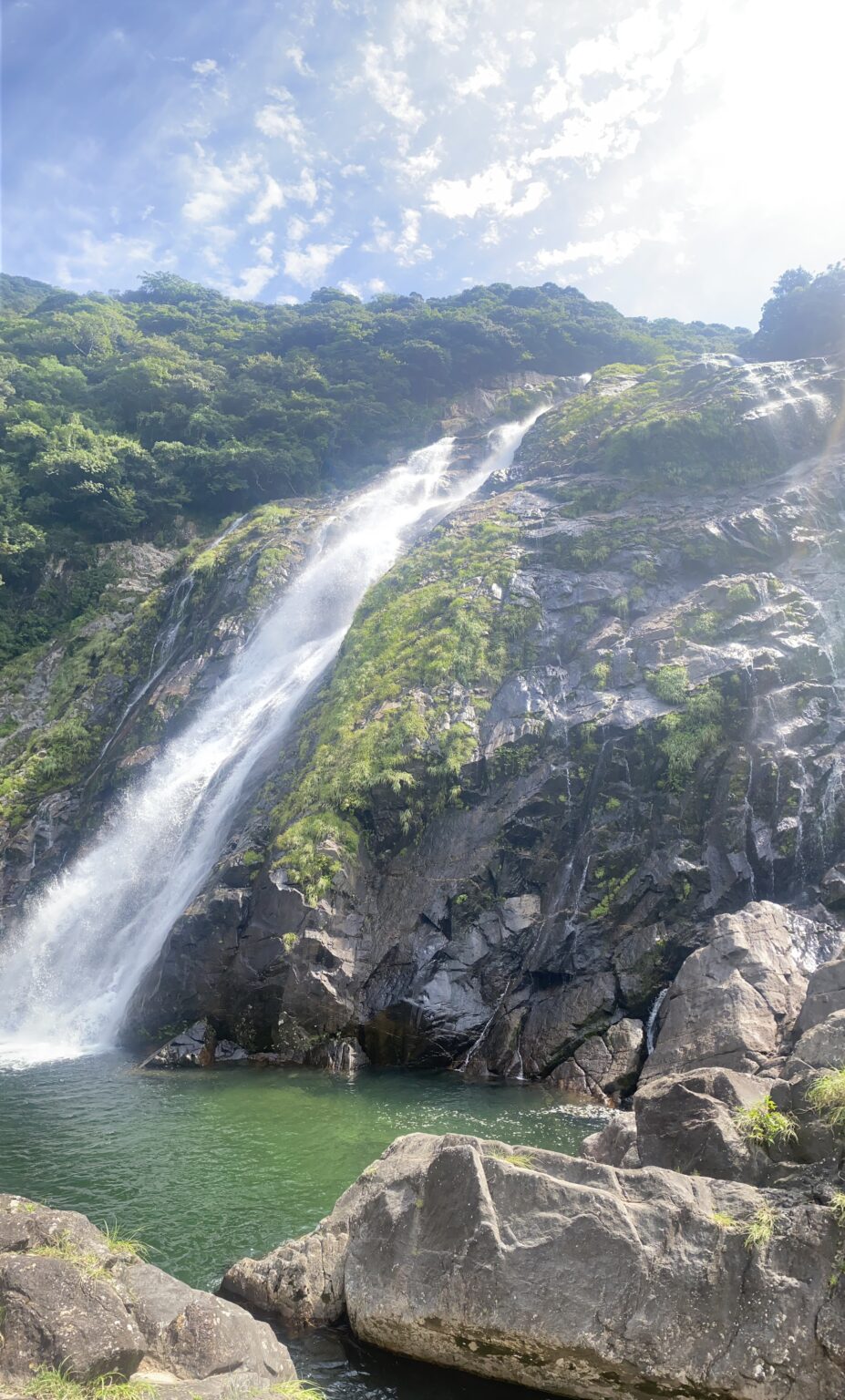
Day 3 is the easier day. Check out, and leave Anbo at about 07:30 heading clockwise. First stop is Ohko Falls, 88 metres high and on Japan’s list of 100 top waterfalls, with a path to the base. Pack lunch before you leave the south coast; there are no shops along the western stretch.
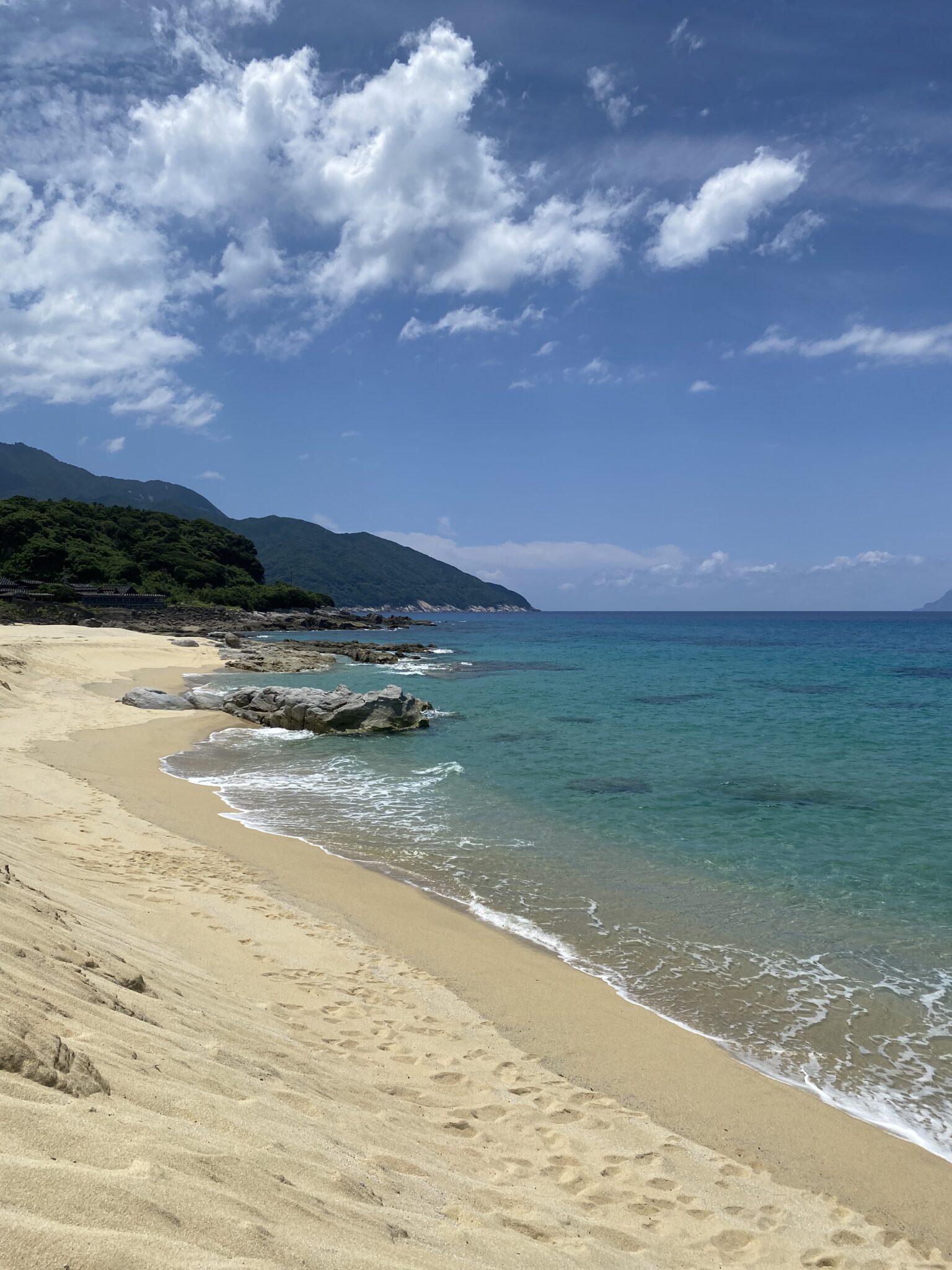
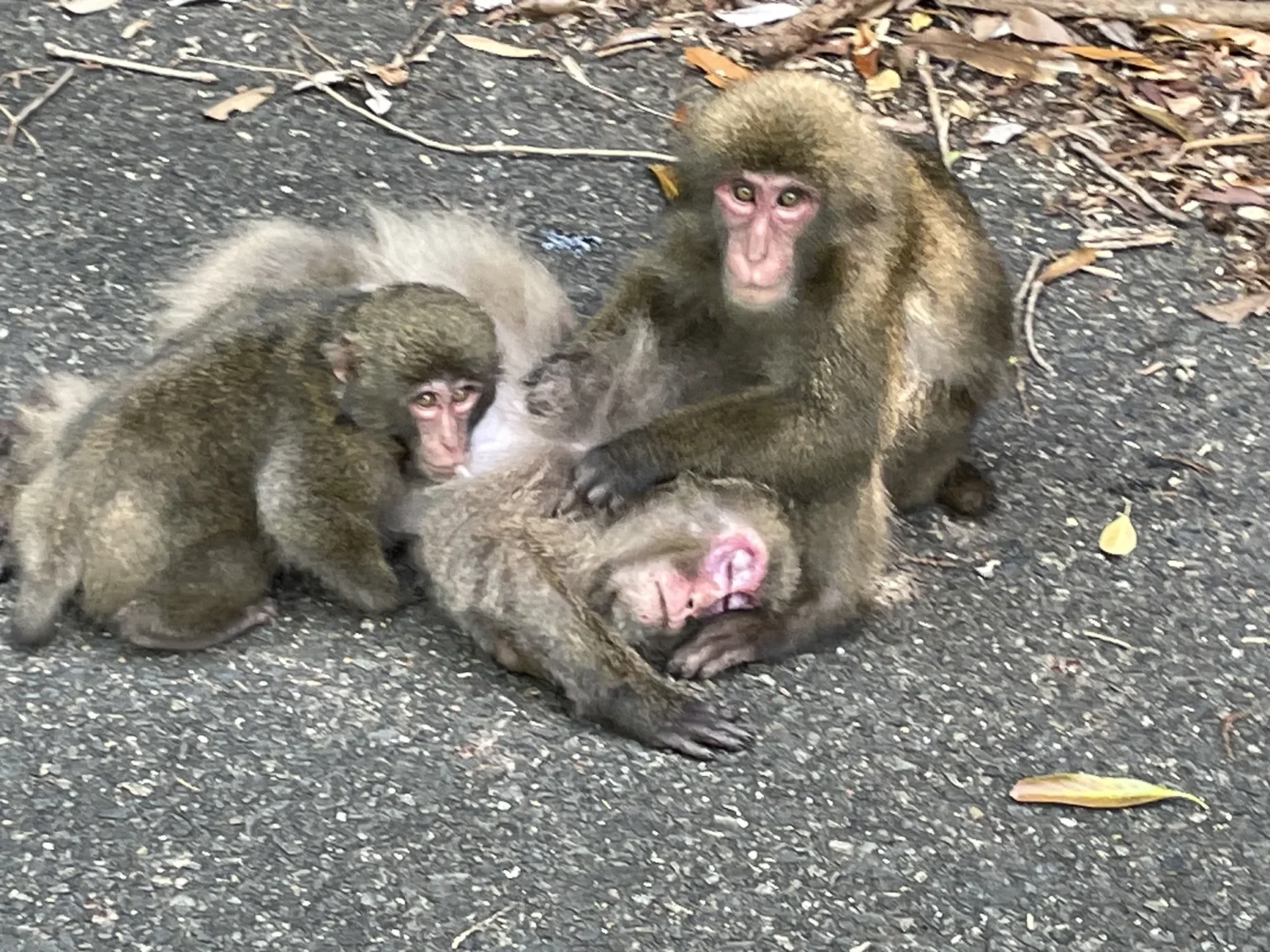
The middle section is the Seibu Rindo, a narrow, mostly single-lane road that runs right through the World Heritage area — the only road on the island that does. Drive slowly, stop when monkeys or deer are on the road, and don’t feed them. Near the northern end of the Seibu Rindo, take the side road out to Nagata Lighthouse, then return to the main road towards Nagata village. Behind the village, a small road inland leads to Yoggo Valley (Yokogawa-keikoku, 横河渓谷), a gorge of granite boulders and pools, and on the coast is the long pale beach of Inakahama, where loggerhead turtles still come ashore to nest in summer. From there the faster north-coast road takes you to Miyanoura for the boat, or on to Yakushima Airport for a flight. Leave time to return the rental car before you check in.
Ad · We earn a commission on qualifying bookings made through this link.
Where to stay in Yakushima
Compare hotels and ryokan in Yakushima on Booking.com. Check the location on the map and the cancellation terms for your exact dates before you book.
If you have a fourth day
In a normal year I’d send you to Shiratani Unsuikyo, the moss-covered ravine linked to the look of Princess Mononoke: a 4–5 hour walk on a maintained trail, far easier than Jomon Sugi, with a ¥800 forest fee. It reopened in part on 18 October 2026 after typhoon damage: the Taikoiwa (Taiko Rock) return route and the Bugyosugi course are open, but part of the Yayoisugi course, the Hiryu bridge and path, and the stretch from the entrance beyond the second car park to marker 12 are still closed for repairs, so check which routes are open before you go. Check the mountain council’s status page before you plan around it.
The open alternative is Yakusugi Land, on the road up from Anbo, which reopened on 16 September 2026. Its marked courses run from 30 minutes to about 3.5 hours through old cedar forest, though some routes have been changed. It’s a different, smaller-scale forest from Jomon Sugi and the easiest way to add more cedars to the trip.
What this trip costs in 2026, per person
Mid-range, from Tokyo, two nights, without a trekking guide (get a separate quote if you follow the current advice to go guided). The Toppy fare is current as of 11 October 2026; airfare and the other lines are planning estimates.
| Item | Cost |
|---|---|
| Tokyo ↔ Kagoshima flights (return, booked 2–3 weeks ahead) | ¥36,000 |
| Kagoshima ↔ Yakushima Toppy (return) | ¥25,900 |
| Hotel × 2 nights (mid-range guesthouse in Anbo, breakfast) | ¥18,000 |
| Rental car (3 days, compact, fuel) | ¥10,000 |
| Arakawa bus, mountain contribution, bento | ¥4,500 |
| Two dinners, Day 3 lunch and snacks | ¥9,000 |
| Total, baseline | ¥103,400 |
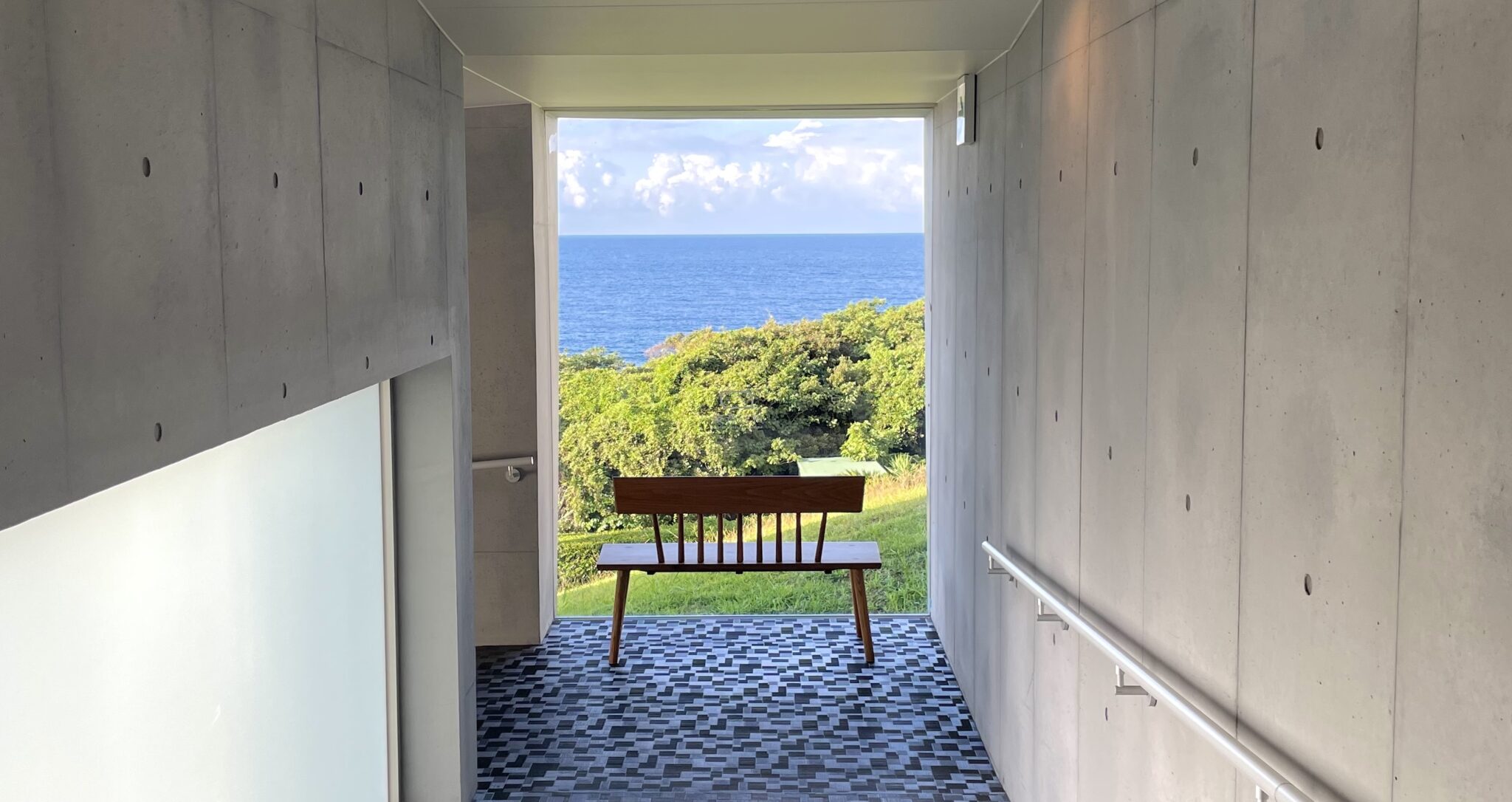
The biggest variable is where you sleep. An architect-designed hotel instead of a guesthouse adds ¥80,000–120,000 for the two nights; a hostel brings the total down.
Kagoshima is the long leg; island hotels are small and fill a month ahead in peak season.
Search Tokyo → Kagoshima flights Yakushima accommodationAd · We earn a commission on qualifying bookings made through these links.
Book your Yakushima stay
If this trip includes a night in Yakushima, the Booking.com search below opens on Yakushima — add your dates to see what is free.
Frequently asked questions
Can I swap the order, drive first and hike second?
It depends on your arrival. This order suits the afternoon arrival assumed here: a 5–6 hour drive won’t fit into the rest of Day 1, and the trek is better kept off departure day: 8–10 hours of walking plus the bus and drive leaves too little margin for a reliable boat or flight connection. If you reach the island early on Day 1, you could do the drive that day, trek on Day 2, and keep Day 3 for a short walk or a rest before you leave. The drive is also the easier day to do in moderate rain.
What if it rains on the trek day?
Yakushima gets roughly 4,000–10,000 mm of rain a year, depending on where you are on the island. Plan for rain on at least one of the three days; a full rain jacket and rain trousers are non-negotiable for Day 2. If a typhoon or heavy rain is forecast, the Arakawa bus can be cancelled; follow @yakusansharyou on X. Travel insurance is worth considering for August and September trips.
Two nights or three?
This route needs exactly two: arrive on Day 1, trek on Day 2, drive and leave on Day 3. The last boats leave Miyanoura at 15:45 and 16:00, so start the drive early; if you’re flying, check your flight time before you set off. Book a third night if you want a slower Day 3, or to add Yakusugi Land on a fourth day.
Should I book a guided Jomon Sugi tour?
In autumn 2026, yes, probably. After the September typhoon the mountain council recommends guided tours because of fallen trees and loosened ground. In normal times the trail is well marked and busy, and a guide is mainly worth it if you’re unsure of your fitness, don’t read Japanese, or have only one possible trek day.
Can I fit Yakushima into a wider Kyushu trip?
Yes. It works as a 3–4 day extension of a Kyushu loop, usually after a day or two in Kagoshima city for Sakurajima and Sengan-en. The Toppy also stops at Tanegashima, and a circuit ticket covering Kagoshima, Tanegashima and Yakushima costs ¥29,790. See the Kagoshima outer islands guide.
How to Get to Yakushima 2026
Toppy vs ferry vs JAC flight, ports, door-to-door from Tokyo.
Jomon Sugi Trekking 2026
The 22 km hike hour by hour, pack list, mountain huts.
Yakushima West Drive 2026
Ohko Falls, Seibu Rindo, Yoggo Valley, Nagata Inakahama.
THE HOTEL YAKUSHIMA Review
The architect-designed north-shore hotel, reviewed.
Kagoshima Outer Islands Guide
How Yakushima fits with Tanegashima, Amami, Yoron and the rest.
Visit: four days on Yakushima in August 2024. Sources: Yakushima Mountain Conservation Council (yakushima-tozan.com, status updated 1 Oct 2026), Yakushima Town Arakawa bus leaflet, Tane-Yaku Kosokusen (Toppy/Rocket) fares and timetable, Ministry of the Environment Yakushima office.
Join travelers discovering Japan's hidden side
Weekly dispatches from off-the-beaten-path Japan — spots and stories you won't find in guidebooks.
No spam. Unsubscribe anytime.
Welcome aboard!
You're in. See you in your inbox soon.