
Climbing season status
The 2026 climbing season ended on 10 September 2026
The official trails to the summit and the mountain huts are closed. Climbing to the top is not something to attempt now — the route markers, the huts and the first-aid stations that operate only during the season are gone until next summer, and so is the entry reception.
Some 5th Stations may still be reachable for sightseeing, depending on road, weather, snow and bus conditions on the day. That is not the same as the climbing trails being open.
Dates and current conditions: the official Mt Fuji climbing site.
Yamanashi · Mt Fuji · Getting there
From 3 July to 9 September 2026, Fujikyu Bus ran a new midnight express — the “deep-night” service, bus No. 1475 — direct from Busta Shinjuku in Tokyo to Mt Fuji’s Fifth Station on the Yoshida side, leaving at 23:25 and arriving around 2:00 AM. It cost ¥5,800, or ¥5,500 booked online, and it was pitched at climbers who wanted to start early and dodge the crowds. But with the Yoshida gate shut from 14:00 to 3:00 in 2026, who it actually suited — and how a foreign visitor books it — takes a little explaining.
I’m Nobu, and this is a genuinely useful addition for anyone climbing Mt Fuji from Tokyo without a car: one bus, no transfers, straight from Shinjuku to the trailhead in the middle of the night. But it lands you at the Fifth Station in a very specific window, and the 2026 climbing rules shape what you can actually do with it. Here’s exactly what the bus is, how to book it from abroad, and — honestly — who should and shouldn’t take it.
Season over: the published 2026 midnight service direct to the Fifth Station ended with the scheduled 9 September departure, and the climbing season ended on 10 September; the Yoshida trail above the Fifth Station is closed until next summer. Check Fujikyu’s announcements for any future service. The details below describe the 2026 service.
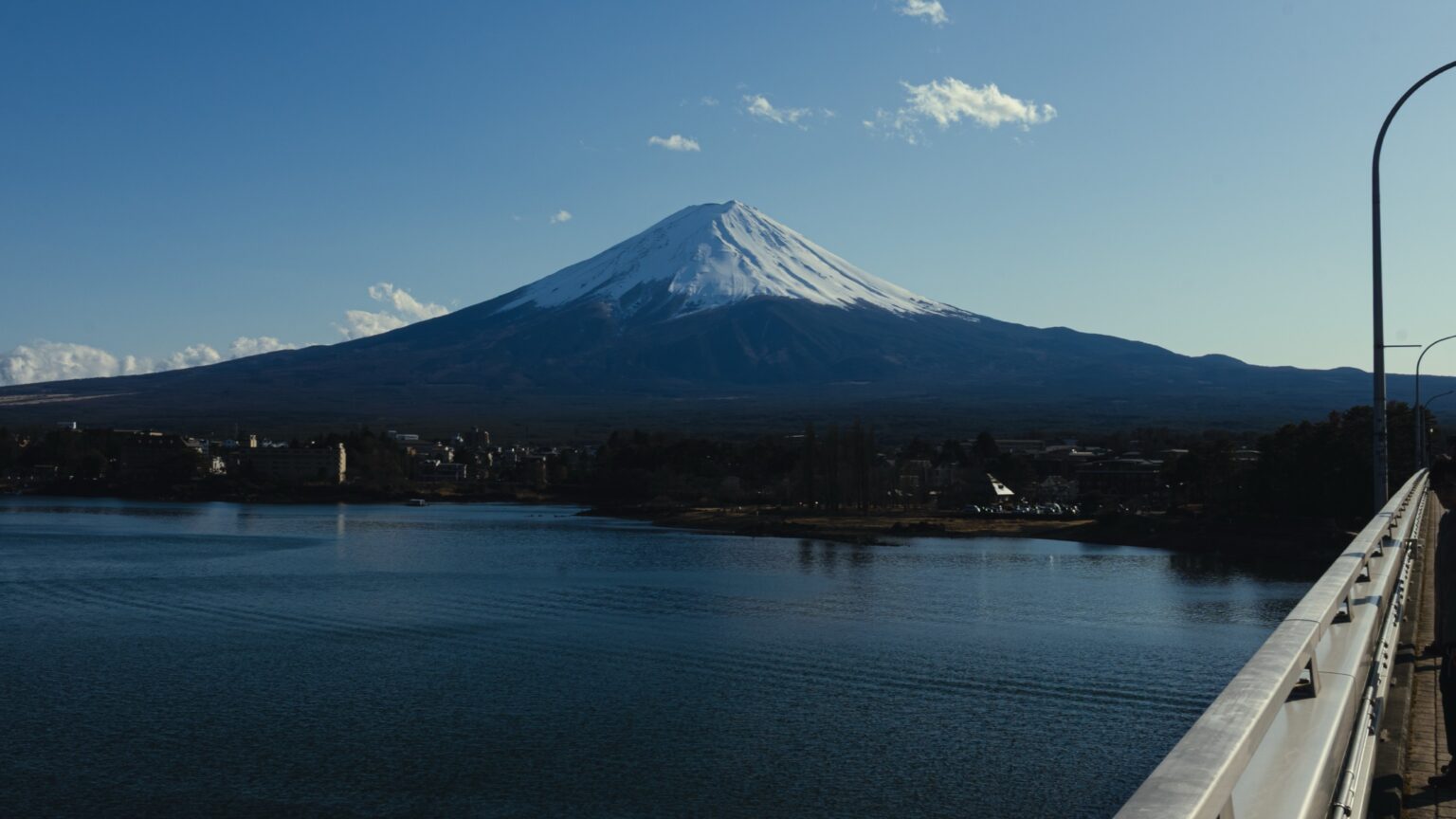
What the new bus is
Fujikyu Bus added the late-night departure to its existing Shinjuku–Mt Fuji Fifth Station line for the 2026 season. The daytime buses on that route already run; what’s new is a single overnight departure — bus No. 1475, leaving Busta Shinjuku at 23:25 and reaching the Fifth Station on the Yoshida (Fuji Subaru Line) side at about 2:00 AM, with no changes along the way. It operated nightly from 3 July to 9 September 2026. The stated aim is to let climbers reach the trailhead in the small hours, spread arrivals out across the day, and give people a shot at the sunrise (goraikō) and the sea of clouds without the daytime congestion.
| Deep-night bus (No. 1475) | |
|---|---|
| From | Busta Shinjuku, Tokyo |
| To | Mt Fuji 5th Station (Yoshida / Fuji Subaru Line) |
| Depart | 23:25 |
| Arrive | ~2:00 AM (scheduled) |
| Runs | 3 Jul – 9 Sep 2026, nightly |
| Fare | ¥5,800 counter / konbini · ¥5,500 web |
How a foreign visitor books it
The good news: you don’t need Japanese to reserve a seat. You book ahead through one of two channels — here’s how.
1 · Book online (English)
Reserve on Highway Bus dot-com, which has an English booking option for overseas visitors. Choose the Shinjuku → Mt Fuji Fifth Station line and the late-night 23:25 departure.
2 · Pay by card for the discount
Paying online by credit card gets you the ¥5,500 web fare rather than the ¥5,800 counter price. Reservations generally open about a month before the departure date.
3 · Or call Fujikyu
You can also reserve through the Fujikyu call centre (open 8:00–18:00), then pay at the counter or a convenience store — but that skips the ¥5,500 web discount.
Booking arrangements in 2026: this run was booked on Highway Bus dot-com (Shinjuku–Mt Fuji 5th Station line). The 2026 service had one nightly departure with limited seats in peak season, so it paid to reserve early rather than turn up at Busta and hope; check Fujikyu’s announcements for any future service and booking dates. To board, show the mobile ticket opened from the link Highway Bus dot-com sends, or a printed web ticket — the booking-complete e-mail or a booking-details screen is not the ticket.
Sort the rest of your Fuji trip
Who should take it — and who shouldn’t
Here’s the part the fare and timetable don’t tell you. Under the 2026 rules, the Yoshida gate at the Fifth Station is closed from 14:00 to 3:00 to everyone except people with a mountain-hut reservation. The bus arrives around 2:00 AM — so what happens next depends entirely on whether you’ve booked a hut.
✓ A day-climber wanting the earliest legal start
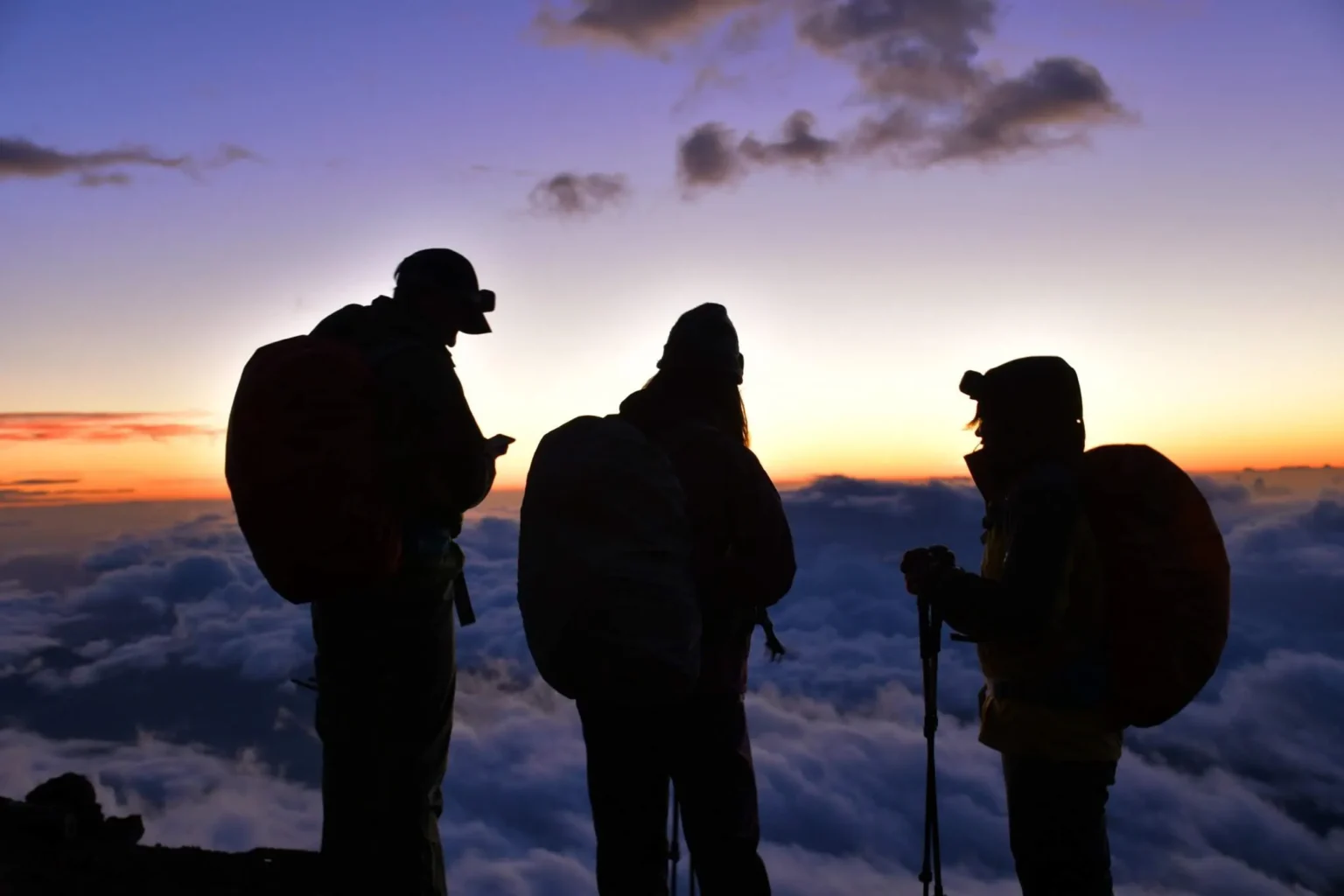
No hut booking? You arrive at 2:00, wait at the Fifth Station, and set off when the gate opens at 3:00. That’s the earliest anyone without a hut can start — good for beating the heat and crowds, with sunrise caught from up the trail.
✓ A climber with a mountain-hut reservation
With a hut booked you aren’t held by the 3:00 gate and can start up on arrival. It’s still a late, dark start, and the rules urge going up earlier for safety — so it suits a carefully planned hut itinerary, not a snap decision.
✗ Anyone chasing summit sunrise from this bus
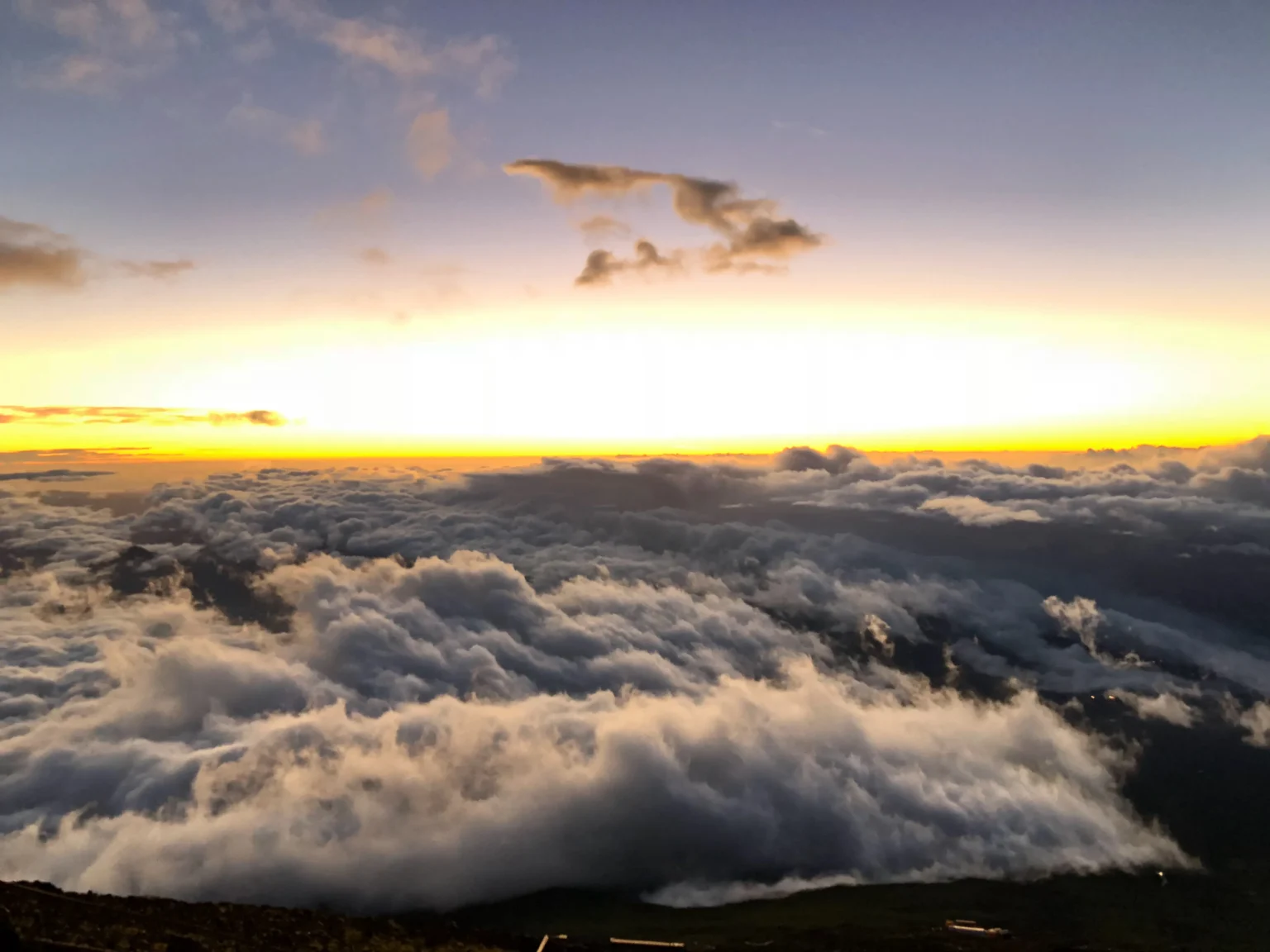
The official estimate for the Yoshida ascent is about 6 hours 10 minutes of walking, not counting rests — so even setting off the moment you arrive, you’d reach the summit hours after the roughly 4:30 AM July sunrise. For sunrise from the summit, you need a night in a hut high on the trail, not this bus.
✗ A rushed, unprepared first-timer
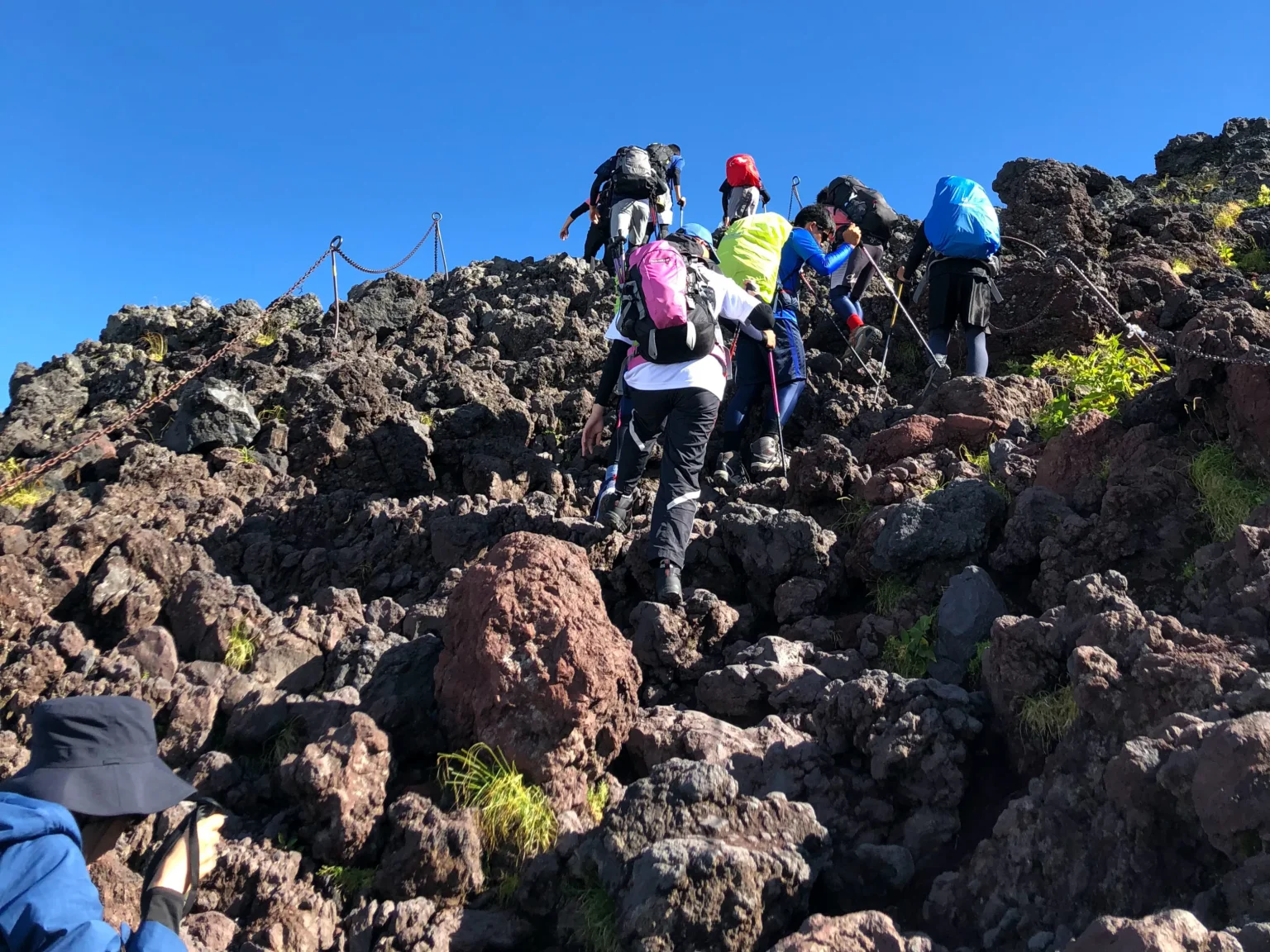
An overnight “bullet climb” without a hut was against the 2026 Yoshida rules, but a 3:00 start after a sleepless night on a bus is still hard on the body. If you’re not fit, acclimatised and properly kitted out, an overnight arrival and a hard climb is the wrong way to meet Mt Fuji.
The rules that shape your climb
These were the 2026 Yoshida-trail rules, whatever bus you took. The 2027 rules have not been announced yet.
| 2026 Yoshida trail | Rule |
|---|---|
| Entry toll | ¥4,000 per person, paid at the Fifth Station or online in advance |
| Daily cap | 4,000 climbers/day (does not apply to those with a mountain-hut booking) |
| Gate hours | Closed 14:00–3:00 (except mountain-hut guests) |
| Equipment check | Winter clothing, two-piece rain gear and proper footwear required to pass |
| Season | 1 July – 10 September 2026 (over; the trail is closed until next summer) |
The ¥4,000 toll is separate from the bus fare and from any mountain-hut cost, and since the daily cap doesn’t apply to hut guests, book a hut well ahead if it’s part of your plan. Our fuller guides walk through the choices.
Climbing Mt Fuji 2026
The full route, the ¥4,000 permit, the gear list and how the day actually runs.
Reserve & pay the permit
A screen-by-screen walkthrough of booking the ¥4,000 Yoshida permit in English before you travel.
Mt Fuji mountain huts
What staying in a hut is like — and why a hut booking changes your options on the gate.
Should you climb — or just see it?
Not sure the climb is for you? Weigh it up before you book a midnight bus.
Visitor tip: if the goal is the sunrise and you’re not committing to a hut, remember that goraikō from partway up the trail is still a memorable Mt Fuji experience — and easier on a first-timer than racing to the top. Match the bus to a realistic plan, not the other way round.
Mt Fuji sunrise (goraikō) guide
Timing, where to catch the sunrise, and what the summit dawn is really like.
Mt Fuji night climb
A visual walk through an overnight ascent from dusk to dawn.
Mt Fuji travel hub
How the trails, lakes, transport and seasons around the mountain fit together.
What exactly is the new Mt Fuji midnight bus?
It’s Fujikyu Bus’s late-night direct service (bus No. 1475) on the Shinjuku–Mt Fuji Fifth Station line, added for the 2026 season. It leaves Busta Shinjuku at 23:25 and arrives at the Yoshida-side Fifth Station at about 2:00 AM, with no transfers, and it ran nightly from 3 July to 9 September 2026.
How much is it, and how do I book from abroad?
The 2026 fare was ¥5,800 at the counter or convenience store, or ¥5,500 if you booked online and paid by credit card. In 2026, overseas visitors could reserve through Highway Bus dot-com, which has an English booking portal, or call the Fujikyu call centre (8:00–18:00). Booking opened about a month ahead, and seats were limited.
Can I see the summit sunrise if I take this bus?
Not from the summit. Even starting the moment you arrive at 2:00, the official estimate for the climb is about 6 hours 10 minutes of walking excluding rests, so you would reach the top hours after the roughly 4:30 AM July sunrise — you’d see it from up the trail instead. For sunrise from the very top, you need to spend the night before in a hut high on the trail.
Who is this bus best for?
Independent climbers heading up the Yoshida trail from Tokyo without a car — either day-climbers who want to start at the earliest legal time (the 3:00 gate) and catch sunrise on the way up, or people with a mountain-hut booking who want a late, direct arrival. It’s not built for a rushed, unprepared “bullet climb.”
What does it cost in total to climb, beyond the bus?
On the Yoshida trail there’s a separate ¥4,000 entry toll (paid at the Fifth Station or online in advance), plus any mountain-hut fee if you stay overnight, and your gear. The bus fare (¥5,500–¥5,800) is only the transport part.
What climbing rules applied in 2026?
Regardless of how you arrived, the Yoshida trail in 2026 had a ¥4,000 toll, a 4,000-per-day cap (waived for hut guests), a 14:00–3:00 gate closure, and an equipment check for winter clothing, rain gear and proper footwear. The season ran 1 July–10 September; the 2027 rules have not been announced yet.
Join travelers discovering Japan's hidden side
Weekly dispatches from off-the-beaten-path Japan — spots and stories you won't find in guidebooks.
No spam. Unsubscribe anytime.
Welcome aboard!
You're in. See you in your inbox soon.