Hokkaido · Winter 2026-27
The Hokkaido Rail Pass costs ¥22,000 for five consecutive days when bought in advance — and the itinerary it gets recommended for, a Sapporo–Hakodate round trip plus a day in Otaru, adds up to ¥21,140 at current regular-season fares. For those journeys alone, the pass loses by ¥860. Add a single New Chitose Airport leg inside the same five days and the tickets total ¥22,370 — the pass moves ¥370 ahead on one extra journey. That is the arithmetic this guide runs; the other thing to know is that every JR Hokkaido limited express now requires a seat reservation, which changes how you ride.
What the pass actually is
One product, three lengths, all counted in consecutive calendar days from a start date you choose. The prices below are JR Hokkaido’s current published figures; the ¥1,000 gap (¥500 for children) is the difference between the advance channels and buying at a designated station in Japan.
| Version | Overseas agent / JR-EAST Train Reservation | Designated stations in Japan |
|---|---|---|
| 5 consecutive days | ¥22,000 | ¥23,000 |
| 7 consecutive days | ¥28,000 | ¥29,000 |
| 10 consecutive days | ¥37,000 | ¥38,000 |
Children aged 6–11 pay exactly half of every figure above.
The pass covers unlimited rides on JR Hokkaido’s conventional lines — limited express, rapid and local trains, plus only the JR Hokkaido Bus routes listed in the official validity rules — with one large exception coming below. The days must be consecutive: a 5-day pass used on a Monday runs Monday to Friday, whether you ride every day or not.
Who can use it — and where reseller pages disagree
JR Hokkaido’s current rule is one sentence: “All non-Japanese passport holders can use the rail passes.” That has been the rule since 1 April 2025, when the company dropped the old tourist-visa restriction — the revision notice states plainly that Temporary Visitor status is no longer checked. You show your actual passport when exchanging or buying; a residence card or a passport copy is not accepted as the document, but being a resident of Japan no longer disqualifies you.
This is where several reseller pages have not caught up. Comparing well-known English sales pages against the official terms on 13 September 2026 (wording paraphrased; a reseller can also impose its own sales-channel conditions that are narrower than JR Hokkaido’s underlying eligibility):
| Sales page | Page wording, paraphrased | JR Hokkaido’s current terms |
|---|---|---|
| JRPass.com | Limited to Temporary Visitor visa entrants | Any non-Japanese passport holder |
| JRPass.com | Child 10-day pass ¥16,500 | ¥18,500 (advance) |
| JRPass.com | Pass cannot use automatic gates | Official guidance says to insert the pass into the automatic gates |
| My JR Pass | Requires a temporary-visitor entry stamp | That status is not checked since April 2025 |
| Klook | Permanent residents of Japan excluded | No such exclusion in the official conditions |
Every limited-express seat needs a reservation
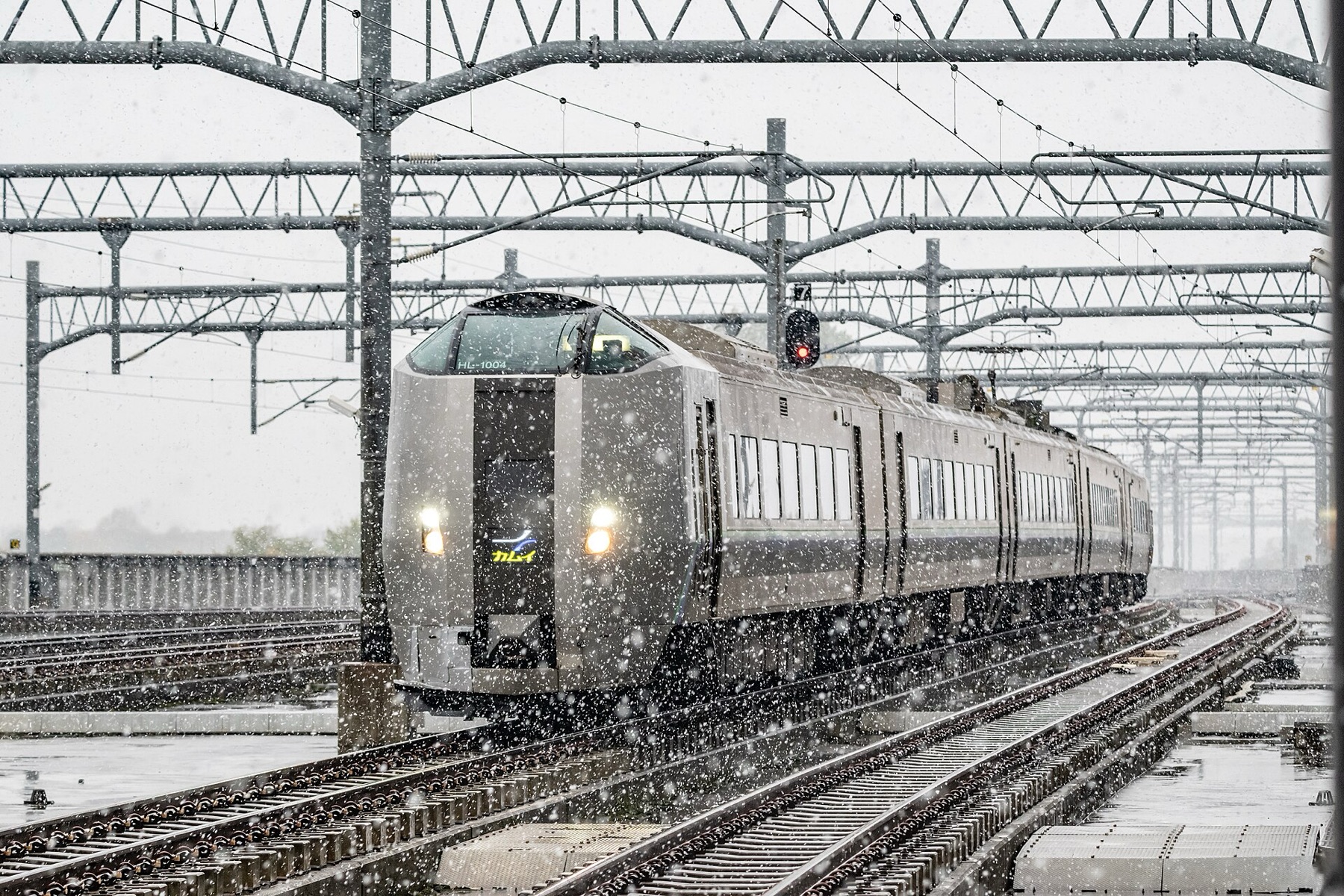
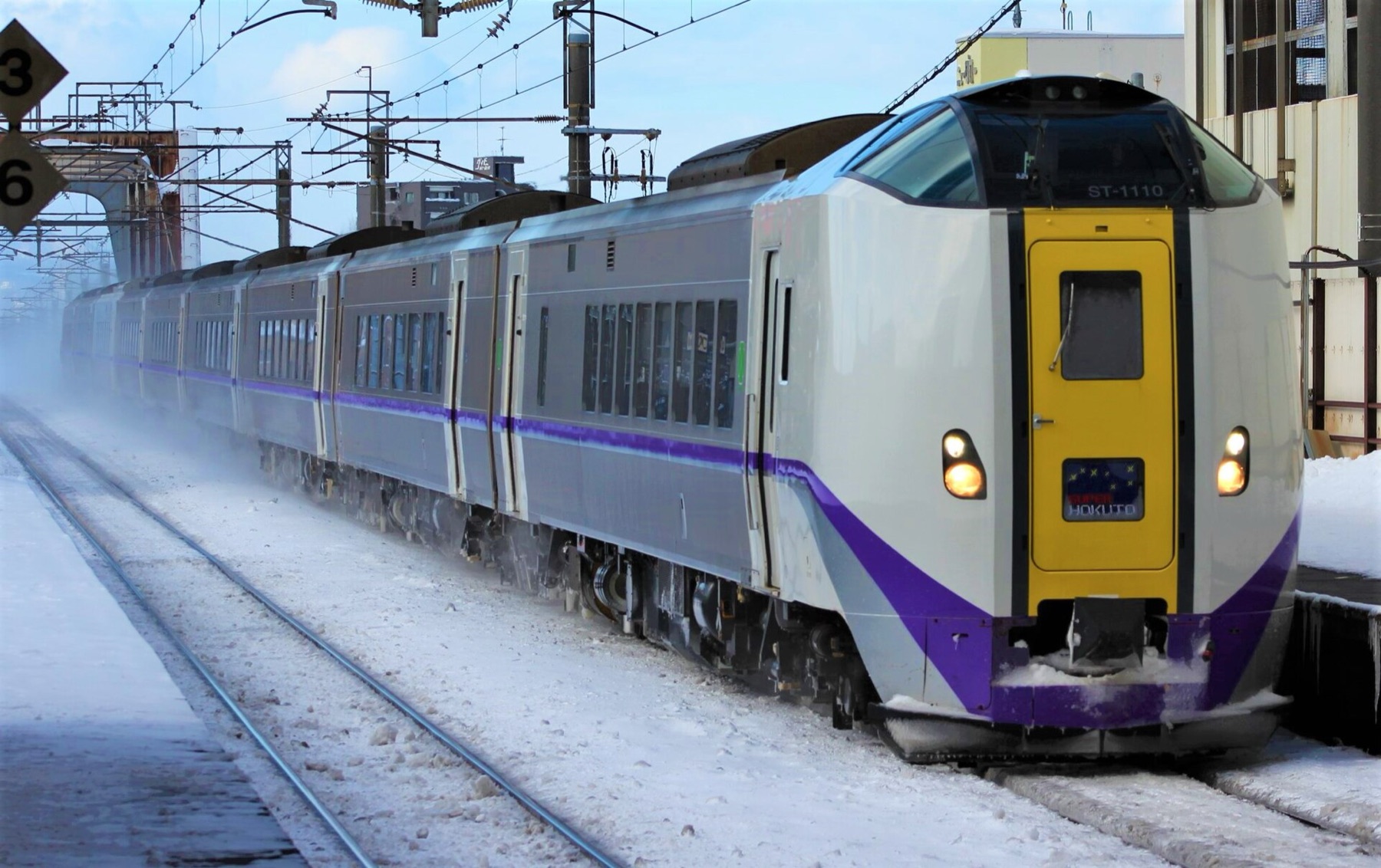
The most important operational rule on the official page is easy to skim past: “All seats are reserved on all JR Hokkaido’s limited express trains. There are no non-reserved seats.” You can no longer assume that showing a pass is enough. Before boarding a limited express such as the Hokuto, Kamui, Lilac, Suzuran, Okhotsk or Ozora, reserve a seat whenever one is available — free with the pass, issued as a physical ticket; seats cannot be assigned on board. If every seat is sold, the official rules let pass holders stand in ordinary cars (not in the Hokuto’s Green Car). The pass covers ordinary cars; Green Car use costs extra charges.
Where to get seats
Ticket counters, JR information desks, or the seat-reservation machines at major JR Hokkaido stations. Online through JR-EAST Train Reservation — but if the pass itself came from a travel agent, online reservations close two days before travel and the tickets must be collected at a counter by 9 pm the previous day.
If the train is full
Standing is allowed on a full limited express — except in the Hokuto’s Green Car — but the official conditions also note that reserved seats for pass users can be limited at busy times. Reservations open a month before travel at 10:00 JST; book the long legs as early as your plans allow.
Why it changes the maths
A paying passenger on these routes buys a reserved seat as standard now, so the comparison below uses regular-season reserved-seat fares. Discounted advance tickets (JR Hokkaido’s Tokudane fares) exist for some trains — check those for your dates too before deciding.
What it does not cover
The pass covers JR Hokkaido lines except the Hokkaido Shinkansen. That exclusion surprises people precisely because the train is called “Hokkaido”: ride the Shinkansen between Shin-Hakodate-Hokuto and Shin-Aomori and the pass is no help. It is also not valid on the third-sector South Hokkaido Railway (Goryokaku–Kikonai, though its trains run through to Hakodate over JR tracks), Sapporo’s subway and streetcar, Hakodate’s tram, or other non-JR local transport.
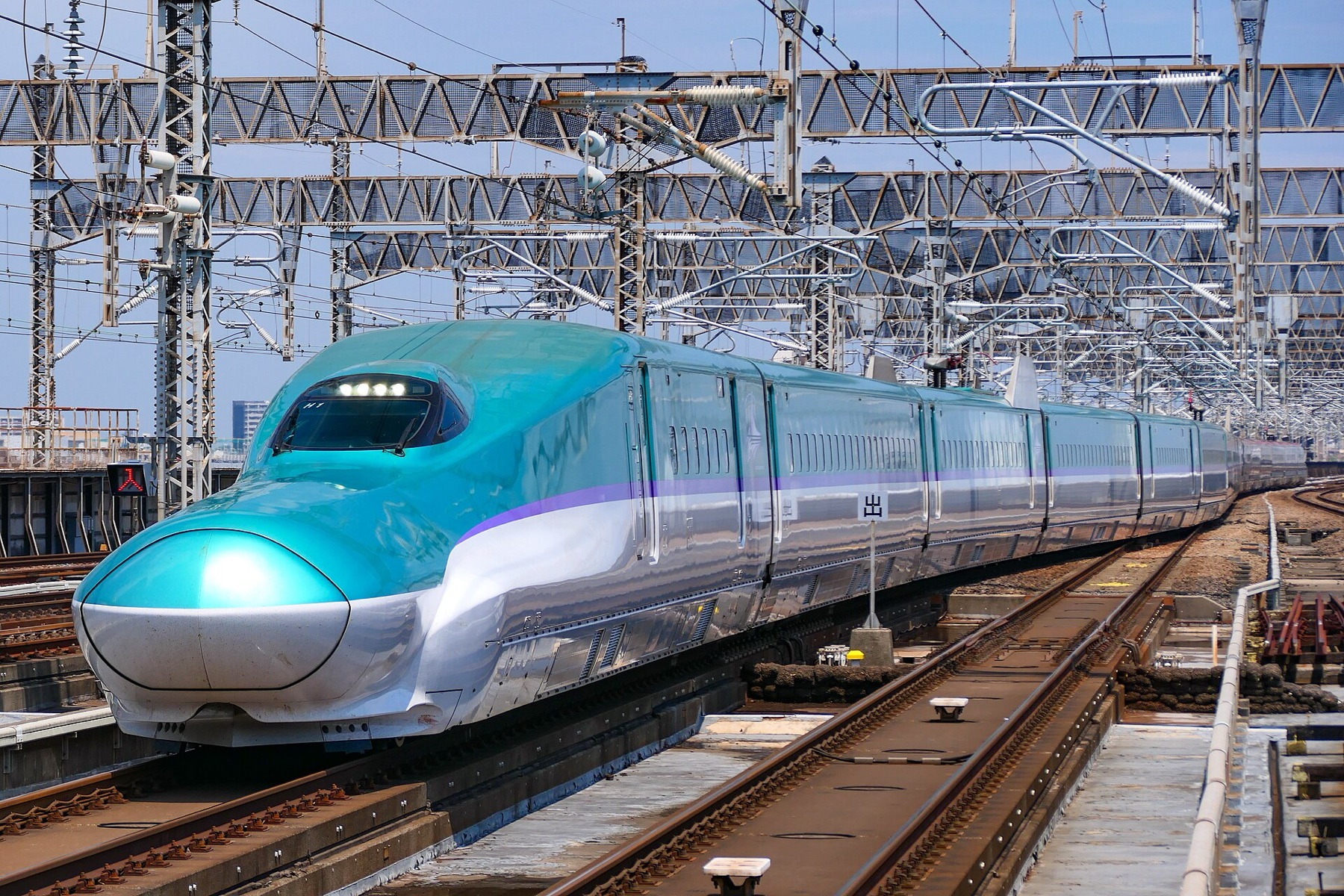
If your trip crosses between Honshu and Hokkaido by rail, the product built for that is different: the JR East-South Hokkaido Rail Pass, ¥40,000 for six consecutive days, which does cover the Hokkaido Shinkansen plus JR East’s area down through Tohoku. Its Hokkaido coverage is limited mainly to the Hakodate–Sapporo–Otaru corridor and the New Chitose Airport connection; it is not an all-Hokkaido pass.
The revised version, valid for travel from 14 March 2026, also covers the full Joetsu Shinkansen — see our GALA Yuzawa guide for that corridor, noting GALA sits on a seasonal branch from Echigo-Yuzawa, so confirm the branch on the current official area map. And if you are flying into the island instead, our flights and airports guide covers the New Chitose arrival.
The arithmetic: when it pays and when it doesn’t
These are JR Hokkaido’s current one-way totals — the prices a pass ride replaces. Limited-express rows use an ordinary-car reserved seat (the standard, now that non-reserved cars are gone); the Otaru row is the plain ordinary-car fare. These conventional-line fares carry no seasonal surcharge.
| One way from Sapporo | Train | Total one-way |
|---|---|---|
| Hakodate | Ltd. Exp. Hokuto | ¥9,770 |
| Asahikawa | Ltd. Exp. Kamui / Lilac | ¥5,440 |
| Noboribetsu | Ltd. Exp. Hokuto / Suzuran | ¥4,890 |
| Otaru | Local / rapid (ordinary car, no reservation required) | ¥800 (¥1,800 with reserved u-seat) |
Worked examples against the 5-day advance pass at ¥22,000 — standard adult fares, no discount tickets, and everything inside the same five consecutive days:
Hakodate return + Otaru: tickets win — barely
Sapporo–Hakodate return (¥19,540) plus an Otaru day trip in ordinary cars (¥1,600) is ¥21,140 — ¥860 under the pass, airport legs excluded. JR’s own comparison prices Otaru at ¥3,600 with the reserved u-seat both ways; in unreserved ordinary cars it is ¥1,600. One New Chitose Airport–Sapporo ride (¥1,230) inside the window tips the total to ¥22,370 and the pass wins.
Add Asahikawa: pass wins clearly
The Hakodate and Otaru round trips (airport trains excluded) plus an Asahikawa return (¥10,880) total ¥32,020 against ¥22,000 — a saving of ¥10,020. There is no neat rule of thumb by number of days: what counts is the covered-fare total inside the validity window.
Staying near Sapporo: area pass
JR’s own comparison for the ¥10,000 Sapporo–Noboribetsu Area Pass: a Noboribetsu return (¥9,780) plus an Otaru u-seat return (¥3,600) is ¥13,380. With ordinary cars to Otaru it is ¥11,380 — still ¥1,380 above the pass. Four consecutive days, New Chitose included; Toya is outside the area.
A pass saves money only when the covered fares inside its exact validity window beat the pass price — airport trains included.
The second area product, the Sapporo–Furano Area Pass (¥11,000 advance, 4 consecutive days), covers New Chitose, Sapporo, Otaru, Furano, Biei and Asahikawa — with Tomamu outside it. In winter that is the Furano corridor; in early autumn it can be an economical way to reach the JR gateways for Daisetsuzan’s early autumn colours — the buses and the ropeway beyond the stations are separate tickets, so compare the covered fares first. Both area passes exist only in 4-day versions; check your itinerary’s boundary stations against the official area maps, because Toya and Tomamu sit just outside the respective areas.
Buying it, in order of convenience
Prices favour the advance channels: JR-EAST Train Reservation (which sells this JR Hokkaido product directly and lets you collect reserved-seat tickets from machines later), or an exchange order through overseas agents. Buying in Japan works at designated JR Hokkaido stations for ¥1,000 more per adult pass (¥500 per child).
Klook lists the pass and both area passes; as displayed on 13 September 2026, its listing described a QR confirmation exchanged for the physical pass in Japan within 90 days of purchase, and date-specific availability was not showing — confirm the current voucher terms on the product page before paying.
Plan the rest of the Hokkaido trip
Where this fits a winter trip
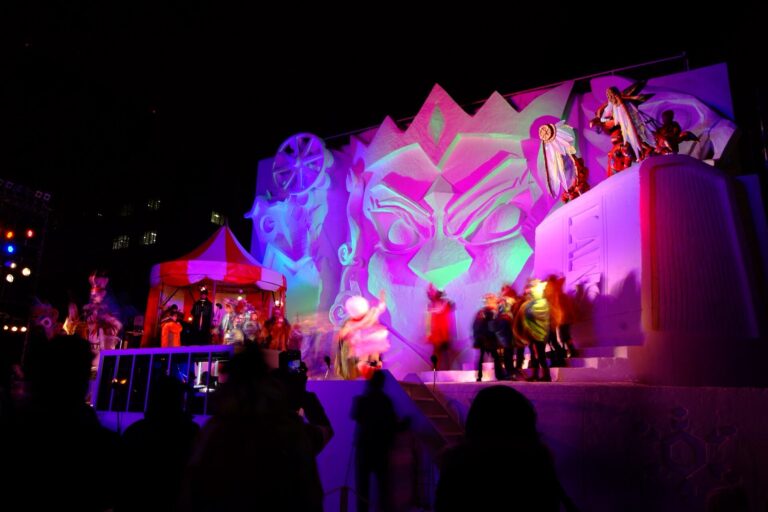
February travellers: the pass pairs naturally with the Sapporo Snow Festival (4–11 February 2027) — though the festival itself needs no long-distance trains — for a festival-only stay, price the individual airport tickets first, and look at an area pass only if you add covered side trips. Set up Visit Japan Web before you fly, and if you are still choosing when to come, our festival calendar (2026 edition, for seasonal context) lays out the winter months. The 2026-27 winter timetable was not yet published when I checked — confirm train times nearer your dates.
Common questions
Can foreign residents of Japan use the Hokkaido Rail Pass?
Yes. Since 1 April 2025 the official condition is simply holding a non-Japanese passport — JR Hokkaido’s revision notice states that Temporary Visitor status is no longer checked. Bring the passport itself when buying or exchanging; a residence card or a copy is not accepted as the identification document.
Does the pass cover the Hokkaido Shinkansen?
No. The valid area is JR Hokkaido lines excluding the Hokkaido Shinkansen. If your route includes the Shinkansen between Honshu and Hakodate, look at the JR East-South Hokkaido Rail Pass (¥40,000, 6 consecutive days), which covers it.
Can I just board any limited express with the pass?
Not any more. All JR Hokkaido limited expresses are reservation-only with no non-reserved cars: reserve a (free) seat before boarding whenever one is available — at a counter, a seat-reservation machine, or on JR-EAST Train Reservation. Seats cannot be assigned on the train; if every seat is sold you may stand, except in the Hokuto’s Green Car.
Is the 5-day pass worth it for Sapporo, Otaru and Hakodate?
Run the numbers first: a Sapporo–Hakodate round trip plus a Sapporo–Otaru round trip in ordinary cars costs ¥21,140 in regular tickets — ¥860 less than the pass. That figure excludes airport trains and assumes everything fits in the same five consecutive days; add a New Chitose leg (¥1,230) or any other covered ride worth more than ¥860 and the pass wins.
What is the difference between the full pass and the area passes?
The full pass covers JR Hokkaido’s conventional lines — not the Hokkaido Shinkansen — for 5, 7 or 10 days. The two area passes are 4-day products around Sapporo: Sapporo–Noboribetsu (¥10,000 advance; Toya not included) and Sapporo–Furano (¥11,000; Tomamu not included). An area pass costs less than the full pass, but individual tickets can still be cheaper — total your actual journeys either way.
What if my trip is longer than five days?
A longer holiday does not automatically need a longer pass — what matters is how many consecutive days your covered journeys span. If the ¥32,020 of journeys above spread over six or seven days, the 7-day pass (¥28,000) saves ¥4,020; if they fit inside five, the 5-day pass is the better buy. The 10-day version (¥37,000) would cost ¥4,980 more than those same tickets, and starts paying only once covered fares pass ¥37,000. One niche exception: the winter SL Fuyu-no-Shitsugen steam train needs a separate reserved-seat fee even with the pass.
Should I buy before arriving or in Japan?
Advance purchase saves ¥1,000 per adult pass (¥500 per child). In Japan, purchase is at designated stations — and from 20 October 2026, also at announced passport-reader machines at Sapporo Station and New Chitose Airport, per JR Hokkaido’s August 2026 notice.
Sources
Key sources and comparison pages, checked 13 September 2026
- JR Hokkaido — Rail pass product page (English) (prices, eligibility wording, valid area, all-reserved notes, area passes, 20 October machines)
- JR Hokkaido — April 2025 revision notice (PDF) (eligibility change) and August 2026 passport-reader machine announcement (PDF)
- JR Hokkaido — Regular ticket fare page (English) and fare table (PDF) (one-way fares used in the worked examples)
- JR East — JR East-South Hokkaido Rail Pass and JR Hokkaido’s January 2026 joint-pass revision (PDF)
- Reseller pages compared, as displayed on 13 September 2026: JRPass.com, My JR Pass and Klook
- Sapporo Snow Festival Executive Committee — 2027 outline (dates cited in the winter section)
Join travelers discovering Japan's hidden side
Weekly dispatches from off-the-beaten-path Japan — spots and stories you won't find in guidebooks.
No spam. Unsubscribe anytime.
Welcome aboard!
You're in. See you in your inbox soon.