Climbing season status
The 2026 climbing season ended on 10 September 2026
These incidents happened during the season, with huts, patrols and first-aid stations in place. Out of season none of that is there, and the same mistakes cost more. Check the official Mt Fuji climbing site before planning a climb.
Mt Fuji · Safety
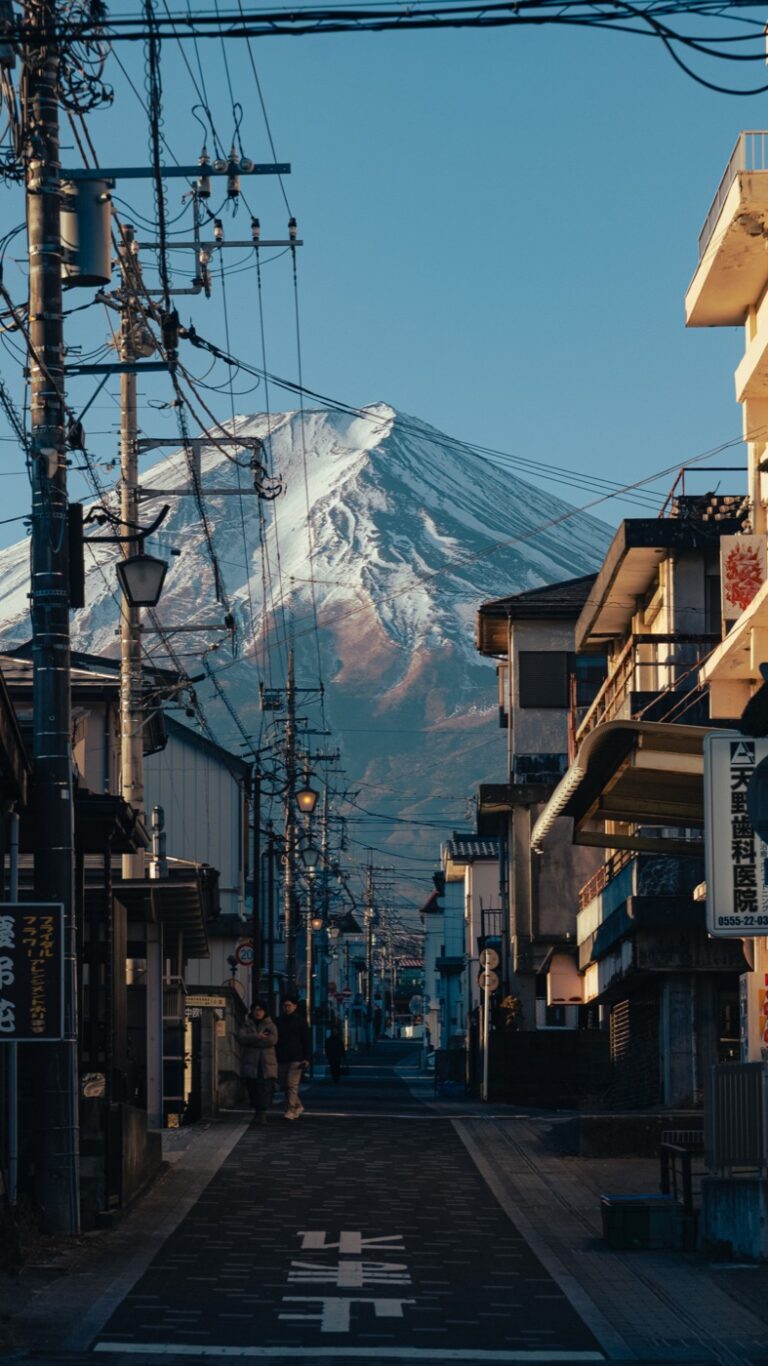
In a single 24-hour window this week, Mt. Fuji saw two serious incidents — one rescue, one fatal evacuation — that show how quickly an ordinary climb can turn serious. On 21 July, a 75-year-old first-time climber from Tokyo set off up the historic Yoshida route without hiking boots, ran out of strength near the 2nd station — still in the forest, far below the crowds — and spent the night beside the trail before being rescued the next day. The same afternoon on the Fujinomiya route, a 58-year-old Swiss climber collapsed at the Shin-7th station hut while climbing with his son; he lost consciousness during evacuation and was later confirmed dead. I watch this mountain from my window in Fujiyoshida every morning, and sadly, both cases fit patterns local rescuers see every season. That’s exactly why they’re worth reading before your own climb.
What actually happened
Case 1: the climb that ended before the mountain even started
The 75-year-old began at 9 a.m. from the bottom — the old pilgrim path that starts at Kitaguchi Hongū Fuji Sengen Shrine in Fujiyoshida, the route Edo-period climbers walked. It’s a beautiful, quiet forest trail. It’s also a long day’s work before you reach the 5th station, where most people’s climb begins. He carried a headlamp, rain gear and food — on paper, half-prepared — but no hiking boots, no companions, and it was his first real mountain. By the 2nd station, fatigue stopped him. He sat down beside the trail — as reported — and spent the night there, was reported to police at 11:25 the next morning and rescued around two and a half hours later. He even had a hut reservation higher up: a booking is not a plan.
Case 2: a fatal collapse on the Fujinomiya route
The Swiss father, 58, was climbing the Fujinomiya route with his son when he became unwell and collapsed at the Shin-7th station hut in the late afternoon. Rescuers brought him down by bulldozer — a reminder of how slow “getting down quickly” really is on Fuji’s upper slopes. He lost consciousness around the 5th station and was confirmed dead at hospital. Police haven’t published a cause, and I won’t speculate; what the reports do tell us is that a 58-year-old climber, not alone, on the shortest route to the summit, during the official season, didn’t make it home. That alone should recalibrate anyone’s idea of Fuji as “just a long walk.”
What these two days teach — five lessons I’d give any visitor
1 · Fuji punishes optimism about fitness
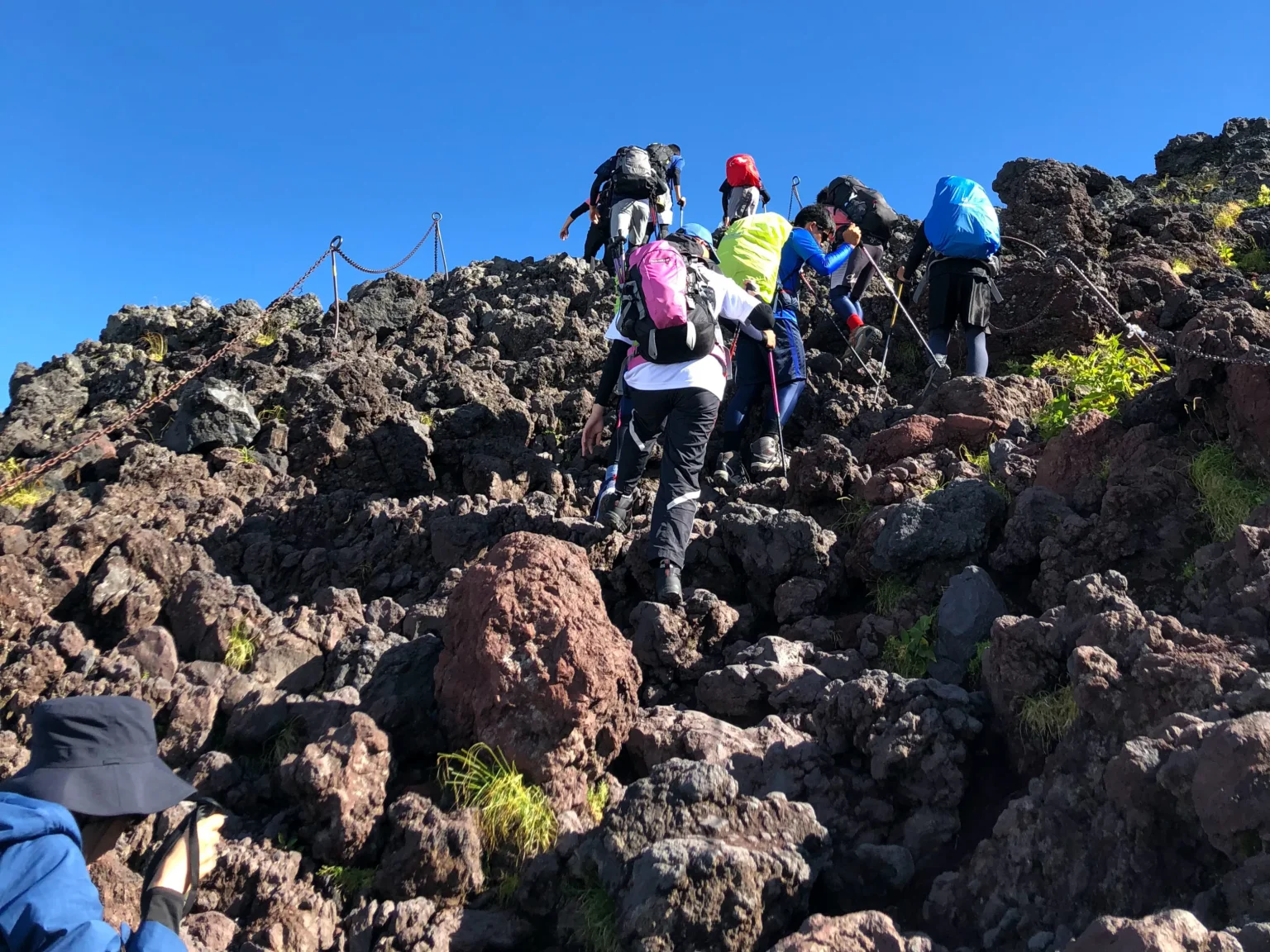
Both incidents happened well below the summit — one was reported as exhaustion, the other a sudden collapse with no published cause. The summit stands at 3,776 m, and above the treeline the standard routes are a long, exposed, non-technical grind — which is exactly why people who’d never attempt a “real” mountain attempt this one. Rate yourself on your worst recent day, not your best decade.
2 · A hut booking is not a plan
Case 1 had a reservation waiting above him when his body quit below. A plan means: route, realistic pace for your body, cutoff times, and what you’ll do when you fall behind them. The hut doesn’t come down to get you.
3 · Know what the historic routes actually are
Climbing “from the bottom” via the old Yoshida pilgrim trail is a magnificent thing — I’ve written about that forest with love. But it roughly doubles the day. If the phrase “first-time climber” applies to you, start at the 5th station like everyone else and save the pilgrim route for a separate day-hike to Umagaeshi.
4 · Turning back is a skill, not a failure
In reporting on the Fujinomiya incident, police put it bluntly: feel unwell, or unsure about the weather — stop climbing. On Fuji the summit is optional; the descent is not. Agree on abort signals with your group before you start: nausea or headache that won’t fade, pace collapsing, weather turning.
5 · Serious emergencies can happen to anyone, any day
Case 2 involved a climber with company, in season, at a staffed hut — and no published cause. Companions and open huts make it easier to spot trouble and summon help, but they can’t prevent every medical emergency. Preparation reduces some risks; it cannot remove them all. Build your plan knowing that.
The preparation that actually matters
Gear lists get the attention, but this week’s incidents were about bodies and judgment. Here’s the order of importance as I see it after years at the foot of this mountain:
| Priority | What | Why it matters (general guidance) |
|---|---|---|
| 1 | Acclimatise at the 5th station — spend at least an hour, ideally two, before climbing | Altitude stress compounds fatigue; neither incident was a fall — one was fatigue, one a sudden collapse |
| 2 | Climb over two days with a hut night, not a “bullet climb” | The 2026 gate rules are built to restrict one-push climbs: without a hut booking you can’t pass the 5th-station gate between 14:00 and 3:00 |
| 3 | Drink regularly with electrolytes — avoid both dehydration and forced over-drinking | July heat below the treeline dehydrates you before the altitude does |
| 4 | Set turnaround times and tell your group | Solo climbers have no one to share the turn-back decision with — decide your limits before you start |
| 5 | Footwear and layers — boots, rain jacket + pants, warm layer | Case 1 attempted Japan’s highest mountain without hiking boots |
Affiliate disclosure: as an Amazon Associate, Hidden Japan Gems earns from qualifying purchases — the links below are paid links to Amazon Japan, at no extra cost to you. For ordinary Fuji preparation, the small items worth having: electrolyte tablets for the drink-regularly rule, an oxygen can (brief relief for altitude headaches at best — it is not treatment, and persistent symptoms mean descend), a headlamp — essential kit, though as this week showed, it can’t compensate for an unrealistic schedule — and proper rain gear because Fuji’s weather turns without asking.
The mindset shift: respect without fear
I don’t want this to read as “don’t climb Fuji.” Roughly 200,000 people climb in a normal season, the overwhelming majority without serious incident — including plenty of fit climbers in their 70s. In the 2nd-station case, the reported problem wasn’t age itself so much as the gap between the plan and the body carrying it out; in the Fujinomiya case, no cause has been published, and I won’t pretend to know one. The mountain rewards humility: start high, sleep once, walk slower than feels natural, eat before you’re hungry, and treat any doubt as information rather than embarrassment. Caution doesn’t shrink the experience — it gives you options before a problem becomes an emergency.
If you’re still deciding whether the climb is for you at all, my honest breakdown is here: Should you climb Mt. Fuji — or just see it? If you’re committed, the practical chain is: the 2026 climbing guide for routes and rules, the permit walkthrough for the ¥4,000 route fee and slot reservation, and the hut guide for the night that makes lesson 2 possible.
Mt. Fuji safety — FAQ
Is Mt. Fuji dangerous for beginners?
It’s non-technical but physically serious: 3,776 m, thin air, big temperature swings and long hours. This week’s incidents — a first-timer rescued at the 2nd station and a 58-year-old climber who died on the Fujinomiya route — both happened during the official season on official routes. Many beginners complete the climb every day, and a two-day itinerary with acclimatisation time and conservative pacing reduces the risks — though nothing eliminates them.
What is the safest way for a first-timer to climb Mt. Fuji?
No itinerary removes all risk, but the conservative pattern is: start from the 5th station (not the historic base routes), spend an hour or more acclimatising, climb the Yoshida route over two days with a mountain hut night, start early after the hut, and fix a turnaround time in advance. Complete the ¥4,000 trail-entry procedure and book your hut separately before travelling.
What are the signs of altitude sickness on Mt. Fuji?
Headache, nausea, dizziness and unusual fatigue — the altitude at which they appear varies by person. Don’t keep ascending while symptoms are present; rest, drink moderately, and if they persist or worsen, descend — going down is the only reliable treatment. Confusion, inability to walk steadily, breathlessness at rest or loss of consciousness are emergencies: get help immediately.
Can older climbers safely climb Mt. Fuji?
Many climbers in their 70s complete the climb every season. Age alone isn’t the measure — recent hill-walking fitness, a two-day itinerary, companions who know the plan, and the discipline to turn around matter far more. A solo first attempt, as in this week’s 2nd-station rescue, stacks the risks at any age.
Should I climb Mt. Fuji from the base on the old pilgrim trail?
The historic Yoshida route from Kitaguchi Hongū Sengen Shrine is one of Japan’s great walks, but it adds many hours of forest ascent before the real climb begins. Treat it as its own trip — or walk just the lower section to Umagaeshi as a day hike — rather than bolting it onto a first summit attempt.
What should I do if I feel unwell during the climb?
Stop early, not late. Tell your group or hut staff, rest, and assess honestly; if you don’t recover within a short break — or symptoms include chest pain, confusion, unsteady walking or breathing difficulty at rest — descend or get help at the nearest hut, where staff can call rescue. As police advised after this week’s Fujinomiya incident: if your condition or the weather worries you, turn back.
Join travelers discovering Japan's hidden side
Weekly dispatches from off-the-beaten-path Japan — spots and stories you won't find in guidebooks.
No spam. Unsubscribe anytime.
Welcome aboard!
You're in. See you in your inbox soon.