
Climbing season status
The 2026 climbing season ended on 10 September 2026
The official trails to the summit and the mountain huts are closed. Climbing to the top is not something to attempt now — the route markers, the huts and the first-aid stations that operate only during the season are gone until next summer, and so is the entry reception.
Some 5th Stations may still be reachable for sightseeing, depending on road, weather, snow and bus conditions on the day. That is not the same as the climbing trails being open.
This article is not an invitation to climb out of season. It exists because people try anyway, and because the mountain in winter is a different mountain. Read it as a description of the risk, not a route plan.
Dates and current conditions: the official Mt Fuji climbing site.
Mt. Fuji’s official climbing season is early July to early September. Outside this window every summit route is closed, the huts on those routes are shut, no resident rescue team is on the mountain, and conditions on the upper slopes are -20°C with ice-coated rock and wind that can prevent standing. Rescue takes hours, not minutes. Recent fatalities include a man who slid 200+ m to his death in December 2025. This article is the Shizuoka Mountain Rescue Team’s plea against off-season climbing — drawn from a veteran rescuer’s 30 years on Fuji.
Mt. Fuji’s summit routes closed for 2026 on 10 September and will not reopen until July. Here is the number that should decide it for you: on the Shizuoka side in 2025, prefectural police recorded 36 mountain-rescue incidents during the official season and not one death. Outside the season they recorded nine incidents and one death — so every Mt. Fuji fatality logged on that side that year happened when the mountain was closed. The summit averages −18.2°C in January with a mean daily low of −21.4°C and a mean wind of 15.9 m/s, and the upper cone ices into what the rescue team calls a skating rink set on an incline. A slip there does not stop.
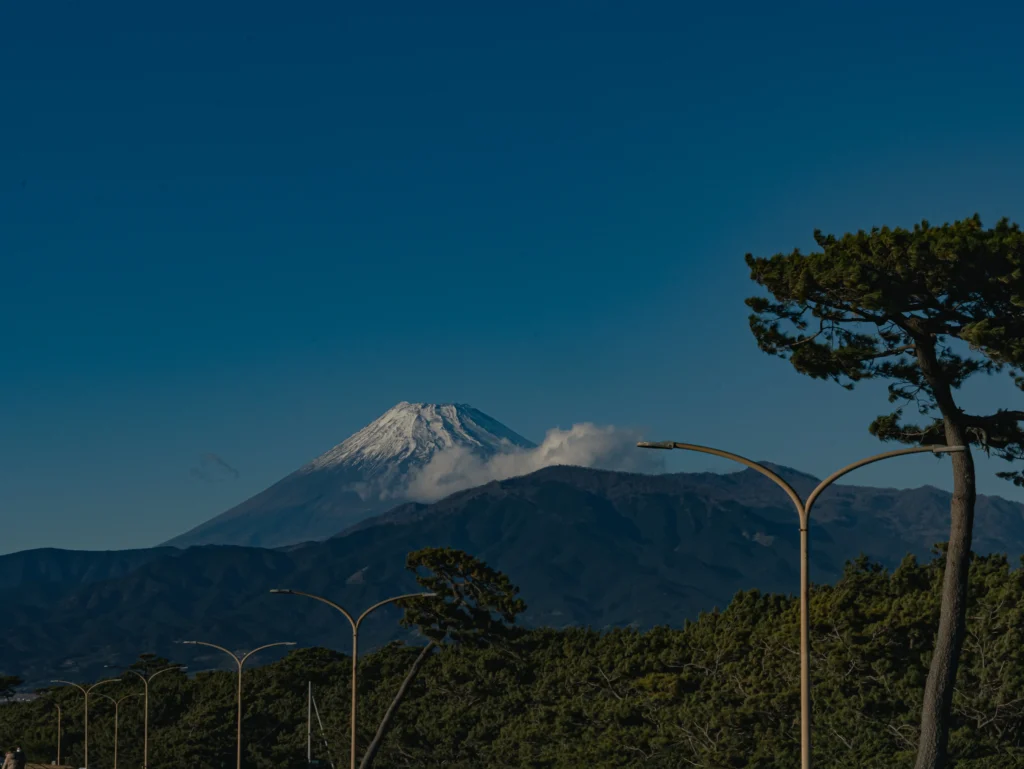
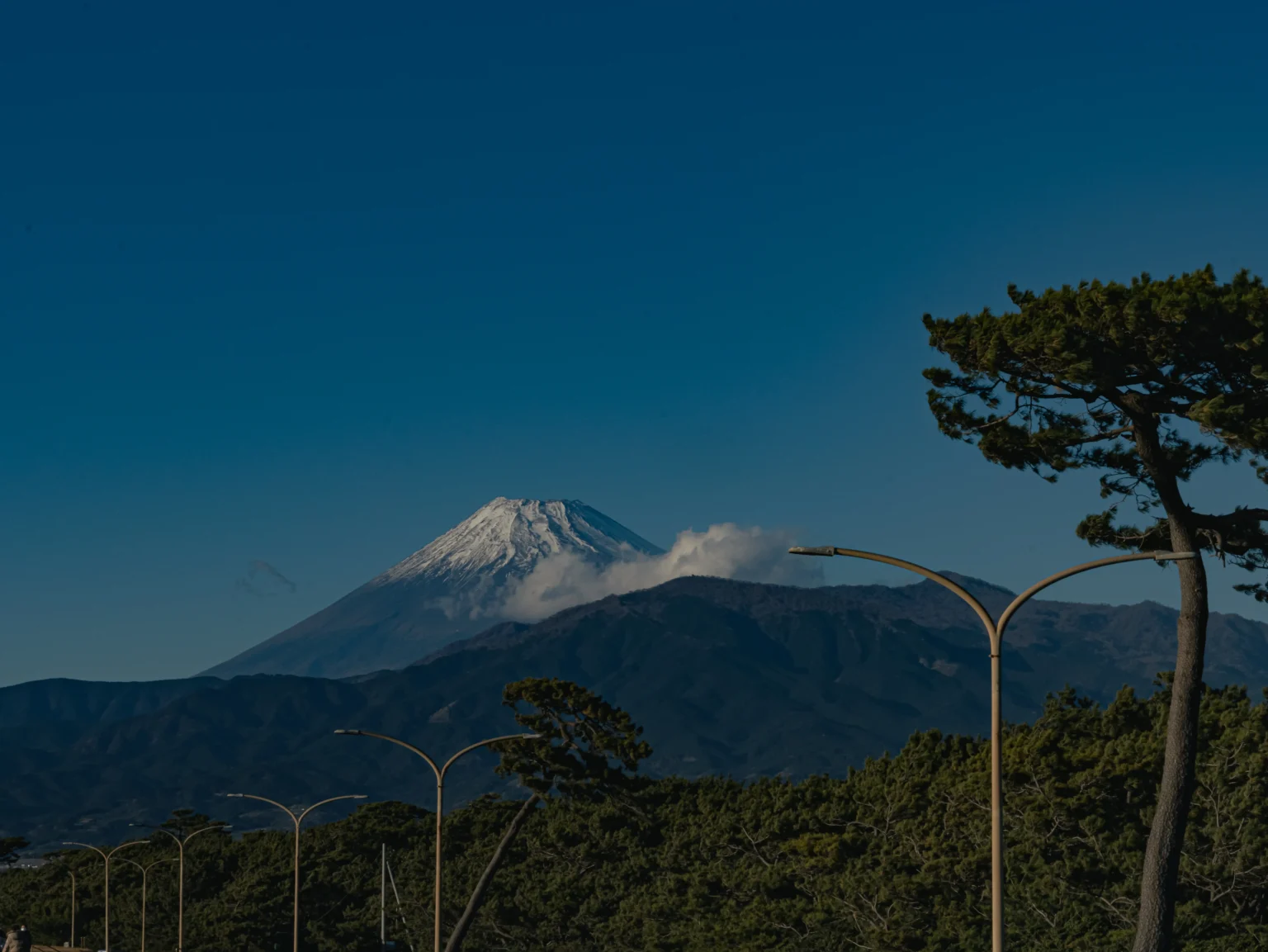
Mt. Fuji’s snow-covered summit at sunrise. The view from below is one thing. Standing up there at -20°C with no shelter is another.
Part of the full Mt. Fuji travel guide.
Why winter climbs end in accidents and fatalities
The allure of a snow-covered, crowd-free Mt. Fuji is undeniable. It masks a deadly reality. The official climbing season is short — early July to early September. Outside this window, all trails to the summit are officially closed. Despite this, accidents happen every year.
In January 2026, a 20-year-old Chinese national climbing alone fell and broke his ankle on the upper slope. He waited hours in the cold for the rescue team to reach him on foot. In December 2025, a 44-year-old man slid more than 200 meters to his death — a single slip on an iced slope.
The 2024 statistics make the pattern visible:
Ice, wind, and -20°C: the upper-slope reality
A veteran leader of the Shizuoka Mountain Rescue Team, with over 30 years on Fuji, described the conditions in stark terms.
During a training exercise in January 2026, the team experienced firsthand how quickly conditions can change. What started as a clear, sunny day at the lower elevations turned into a battle against ferocious winds and temperatures plummeting to -20°C by the sixth station.
Mt. Fuji is an independent peak — no surrounding mountains to break the wind. Once you’re above the tree line, there’s nothing between you and the open atmosphere. Combined with the icy slopes, this creates an environment where a single slip can be fatal. On bad days, the wind is so strong it’s impossible to stand up.
What the law actually requires, and what it does not
Two prefectures own Mt. Fuji, and they do not ask the same thing of you in winter.
Yamanashi makes it mandatory. Under the prefecture’s mountain-safety ordinance, anyone entering the Yamanashi side at or above 3,000 m between 1 December and 31 March must file a climbing notification before they go in. There is a specific form for deep winter, and you can file through Compass, YAMAP, email, fax or a physical submission box. Below that altitude, from around the sixth station up, filing is a statutory duty to endeavour rather than a hard requirement. Shizuoka only recommends it: the police ask for a plan in any format, through the same apps or their own channels. The joint guideline for both sides asks for it about a week ahead.
This is the part people get wrong. Submitting a climbing notification tells the authorities where to look for your body. It does not give you the right to pass a closed trail. That is governed separately, under the Road Act, and the published maximum penalty for passing a closed road is six months’ imprisonment or a fine of ¥300,000. Hiring a guide does not change it either — commercial winter Fuji ascents exist, but no guide can open a closed road.
And on the thing everyone assumes: police rescue, including police helicopters, does not bill you. Disaster-prevention helicopters are run by local governments, and so far one prefecture charges for them: Saitama bills ¥8,000 per five minutes of flight for rescues in designated mountain areas. In September 2026 Yamanashi announced plans to charge, in principle, for disaster-helicopter rescues on Fuji in the closed season, aiming to start in September 2027, with reductions or waivers for climbers who filed a plan and took safety measures. Beyond that, costs appear in private search and rescue — one provider publishes ¥50,000 per rescuer per day plus ¥50,000 per case, plus expenses, a 15% management charge and tax — and in the medical bills afterwards. Mountain insurance is strongly recommended and is not legally required. None of that is a reason to go; it is a reason to stop assuming the cost is what is stopping you.
What you can legitimately do on Fuji in winter
A page that only says no sends people to worse sources, so here is what is actually open. Sato-goya, the hut at the old Yoshida route’s fifth station, operates year-round and takes winter stays by reservation — the section up to it from Naka-no-chaya is listed as passable. The Subaru Line fifth station is reachable by road when conditions allow, on winter operating hours rather than a fixed closure, and gives you the snow-covered mountain above you without setting foot on the closed part of it. At the base, Mizugatsuka Park and the surrounding foothills carry organised snowshoe trips. All of it depends on the weather and on local closures on the day.
Why rescue takes hours, not minutes
One of the most critical points the rescue team leader emphasizes is the misconception about emergency services.
In winter, a rescue operation is a massive undertaking. While a summer rescue might require only two team members, a winter mission needs a minimum of ten. There are no resident rescue teams from September to July, and the huts on the summit trails are closed. A rescue operation involves:
- 1Mobilizing off-duty rescue personnel from their homes
- 2Driving to the highest accessible point on Fuji’s lower slopes
- 3Then proceeding on foot for hours, sometimes even days, in the same conditions that injured the victim
- 4Stabilizing and evacuating the victim — often requiring helicopter standby (helicopters cannot land on the upper slopes in winter wind)
For the person injured, this means enduring pain and severe cold for an extended, potentially fatal, period. The rescue team itself faces enormous risks, including the constant threat of falls and the possibility of secondary disasters where the rescuers become victims themselves.
“The courage to turn back”: a plea from the rescue team
The authorities are not trying to spoil an adventure. They are trying to save lives. The Shizuoka Prefectural Police have taken to social media to show the reality of winter rescues — slopes frozen solid, slips leading to instant long falls, and days where the wind makes standing impossible.
Climbing Mt. Fuji is a dream for many. That dream should be pursued during the official summer season when trails are open and support systems are in place. The silent, snow-covered beauty of the off-season hides a lethal danger that even experienced professionals treat with the utmost respect.
Summer vs winter on Mt. Fuji
| Aspect | Summer (official season) | Winter (off-season) |
|---|---|---|
| Trails | Open and maintained | Summit trails CLOSED by law; only lower sections, such as Fujinomiya’s 5th–6th station (usually until early November), stay open |
| Weather | Generally stable, but can change | −20°C, high winds, sudden blizzards |
| Surface | Dirt and rock paths | Solid ice (ice-burn), deep snow |
| Facilities | Mountain huts and toilets open; first-aid stations on three of the four routes (none on Gotemba; Fujinomiya’s ran only 17 July–4 September in 2026) | Huts on the summit trails CLOSED. No first-aid station. Sato-goya, at the old Yoshida route’s 5th station, takes winter stays by reservation. |
| Rescue | Teams stationed on the mountain | No resident teams. Slow, difficult, dangerous. |
| Climbing fee | ¥4,000 per climber (2026) | Not collected — trails are not officially open |
Key takeaways for your safety
- 1Stick to the official climbing season. Early July to early September. Outside this window, the trails to the summit are closed.
- 2Off-season climbing is for professional alpinists only. Even they treat it with respect. If you have to ask whether you’re experienced enough, you are not.
- 3If you must climb in winter, file a climbing plan with the prefectural police. Bring full alpine kit (crampons, ice axe, alpine boots, double layers, GPS beacon).
- 4Understand the rescue reality. Calling 119 from above the 5th station in winter gives you hours, not minutes. Your survival depends on not needing rescue in the first place.
- 5The courage to turn back is the climbing virtue. Every veteran climber will tell you the summit will be there next season. You may not.
FAQ
Is it ever safe to climb Mt. Fuji in the off-season?
For a small number of professional alpinists with full alpine kit, registered climbing plans, and current conditions information — yes, with significant risk. For everyone else, no. All official bodies, including local government and prefectural police, strongly discourage off-season climbing.
What are the official dates for the climbing season?
Early July to early September, with dates set each year by trail. In 2026 the Yoshida and Subashiri trails opened on 1 July, the Gotemba and Fujinomiya trails on 10 July, and all closed on 10 September. Check fujisan-climb.jp for the 2027 dates.
What happens if I get into trouble while climbing in winter?
You will have to call for emergency rescue, but help will not arrive quickly. You will face hours or days of waiting in extreme conditions. The rescue operation itself is complex and dangerous for rescuers, who climb the same icy slopes on foot to reach you. There is a real chance the rescue fails.
Related reading
- Climbing Mt. Fuji 2026: 4 Trails, New Rules & Costs — the proper summer-season climb guide
- Mt. Fuji Huts 2026 — the safe way to climb, with overnight at altitude
- Mt. Fuji Snow Weather Clothing Guide 2026
- Is Mt. Fuji Visible Today? — live cameras to view Fuji safely from below
Join travelers discovering Japan's hidden side
Weekly dispatches from off-the-beaten-path Japan — spots and stories you won't find in guidebooks.
No spam. Unsubscribe anytime.
Welcome aboard!
You're in. See you in your inbox soon.