
Travel tips · from Australia · bank cards, eftpos, roaming, Opal, medicine · checked 19 October 2026
For travellers with Australian cards, phone plans and habits. Bring a Visa- or Mastercard-branded card: eftpos is not on the overseas-card lists of Seven Bank or Japan Post Bank ATMs. Telstra, Optus and Vodafone all list Japan for daily roaming, at A$5 to A$10 a day on eligible plans. Opal and myki are not on PASMO’s list of the ten IC cards that work across Japan. Paracetamol, the active ingredient in plain Panadol, is not on Japan’s controlled list; codeine and pseudoephedrine above set limits need permission, and dexamphetamine cannot be brought in at all.
Quick answers for Australian travellers
| What you use at home | In Japan (and what to do) | Source · checked |
|---|---|---|
| Visa or Mastercard debit or credit card | Works. International-brand cards are generally accepted; carry some yen too | JNTO · 19 October 2026 |
| eftpos-only card | Not confirmed. eftpos is Australia’s domestic network, and neither Seven Bank nor Japan Post Bank lists it for ATMs. Use a Visa or Mastercard card in shops; at ATMs, Maestro and Cirrus are also on both banks’ lists, though individual cards are not guaranteed | Australian Payments Plus, Seven Bank, Japan Post Bank · 19 October 2026 |
| CommBank Travel Money Card, Wise card | Works with conditions. CommBank’s is a prepaid Visa that loads yen; each card has its own ATM fees (below) | CommBank, Wise · 19 October 2026 |
| Afterpay | Not confirmed. Afterpay’s Australian “How it works” page names no shops or use in Japan | Afterpay · 19 October 2026 |
| Telstra, Optus, Vodafone | Works with conditions. Japan is on each daily-roaming list; A$5 or A$10 a day, depending on telco and plan | Each telco’s page · 19 October 2026 |
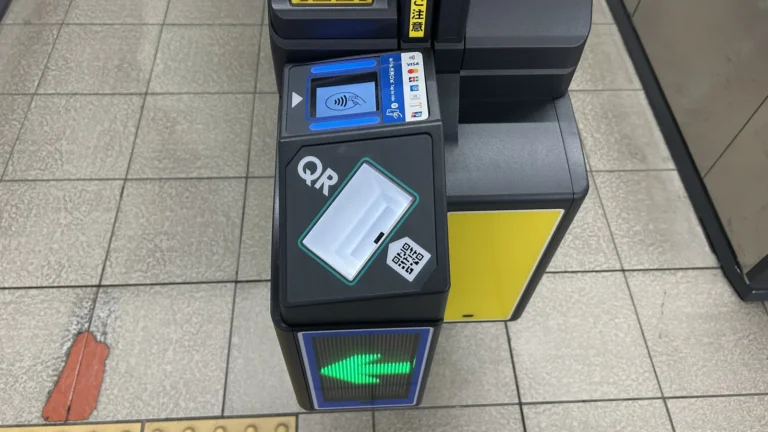
| Opal or myki | Not confirmed, and not on PASMO’s list of the ten IC cards that work across Japan. Use a Suica or PASMO | PASMO · 19 October 2026 |
| Australian plugs (Type I, 230 V) | Works with conditions. Japan is 100 V with Type A and B sockets: 100–240 V, 50/60 Hz devices need a plug adapter; 220–240 V-only appliances need a step-up transformer as well | IEC (archived 16 August 2026), JNTO, Kashimura · 19 October 2026 |
| Panadol (paracetamol) | Works for paracetamol-only products: not on the NCD controlled list (12 December 2024). Check every active ingredient | MHLW, Narcotics Control Department · 19 October 2026 |
| Codeine or pseudoephedrine products | Works with conditions. Above 1% codeine or 10% pseudoephedrine, you need permission before you fly | Narcotics Control Department list (12 December 2024) · 19 October 2026 |
| Dexamphetamine (ADHD) | Doesn’t work. Prohibited even with an Australian prescription | Narcotics Control Department · 19 October 2026 |
| Australian driver licence alone | Doesn’t work. Carry a 1949 Convention International Driving Permit from the AAA’s member clubs, with your physical licence card | National Police Agency, AAA · 19 October 2026 |
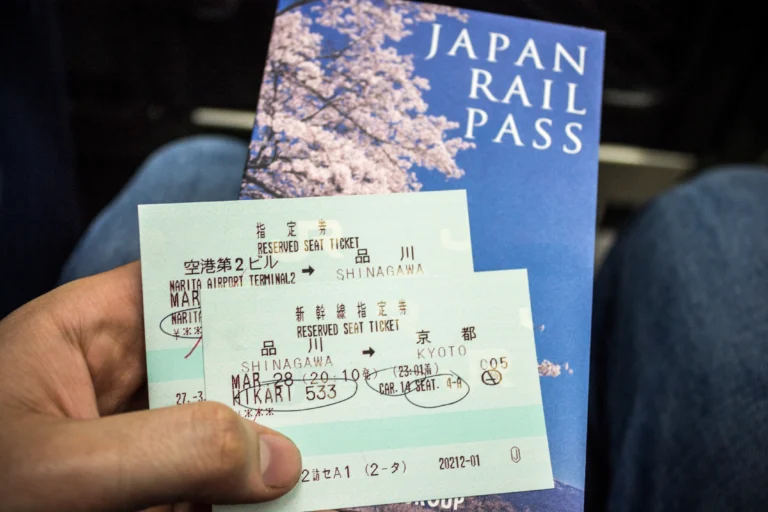
Taking a large suitcase on the Shinkansen? Read our Shinkansen luggage guide before you travel.
Australian bank cards: Visa, Mastercard and eftpos
JNTO says international-brand cards are “generally accepted throughout the country”, but “can’t always” pay short train or subway fares.
eftpos-only cards
Australian Payments Plus, which runs eftpos, calls it one of “Australia’s domestic payments services”; it says over 50 million Australian debit cards can use more than one network, “typically an international card network or the domestic eftpos network”. In Japan you need the international one. Seven Bank’s ATM card list shows Visa, PLUS, Mastercard, Maestro, Cirrus, UnionPay, American Express, JCB, Discover and Diners Club, and adds that some cards with these marks may not be accepted; Japan Post Bank lists Visa, PLUS, Mastercard, Maestro, Cirrus, JCB, China UnionPay and Discover. Neither list includes eftpos (both checked 19 October 2026). We found no official page saying an eftpos-only card works in Japan. If your debit card shows only the eftpos logo, ask your bank for a Visa or Mastercard debit card before you leave.
What your bank charges
Fees are set by your card’s bank. From each bank’s page, 19 October 2026:
| Card | Overseas fees on the bank’s page |
|---|---|
| CommBank (transaction accounts) | Debit Mastercard purchases: 3.5%, in yen or in Australian dollars at an overseas merchant. Overseas cash: A$5.00 plus 3.5% |
| NAB Visa Debit | 3.5% of the transaction; A$5 per overseas ATM withdrawal plus 3.5% of the amount. The NAB Platinum Visa Debit charges no international fee on purchases |
| ING Orange Everyday | ING advertises no ING international transaction fees and no ING international ATM withdrawal fees; third-party ATM operator fees may apply. The same page says its benefits apply “only when you deposit and pay with Orange Everyday”; check the current conditions |
| Up | No fees on international purchases; Mastercard’s exchange rate with no markup; free cash at international ATMs that accept Mastercard, though some ATMs add their own fee |
Westpac and ANZ fees are not quoted here; see your account’s fee schedule. At the till, if a Japanese shop terminal offers to charge you in Australian dollars, CommBank’s table still lists its 3.5% fee for purchases in Australian dollars at an overseas merchant.
Travel money cards: CommBank, Wise and Revolut
CommBank’s Travel Money Card is a prepaid Visa that can hold Japanese yen, with no international transaction fee; a cash withdrawal outside Australia costs A$3.50. Wise’s Australian card costs A$10 once; ATM withdrawals are free up to A$400 a month, then 2.69% of the amount over A$400; ATM networks may add charges. Wise also charges a conversion fee when it changes Australian dollars to yen; see its card-fees page. Revolut’s Australian site blocked our checker on 19 October 2026, so it is not covered.
Afterpay
Afterpay’s Australian “How it works” page says in-store use is with “participating retailers”, through the digital Afterpay Card in Apple Pay, Google Pay or Samsung Pay. That page names no shops in Japan, and we found no Afterpay page saying it works there (checked 19 October 2026). Which overseas payment apps do pay at Japanese shops: home payment apps in Japan. Where cash is still needed: Japan cash vs card in 2026.
Cash from a Japanese ATM
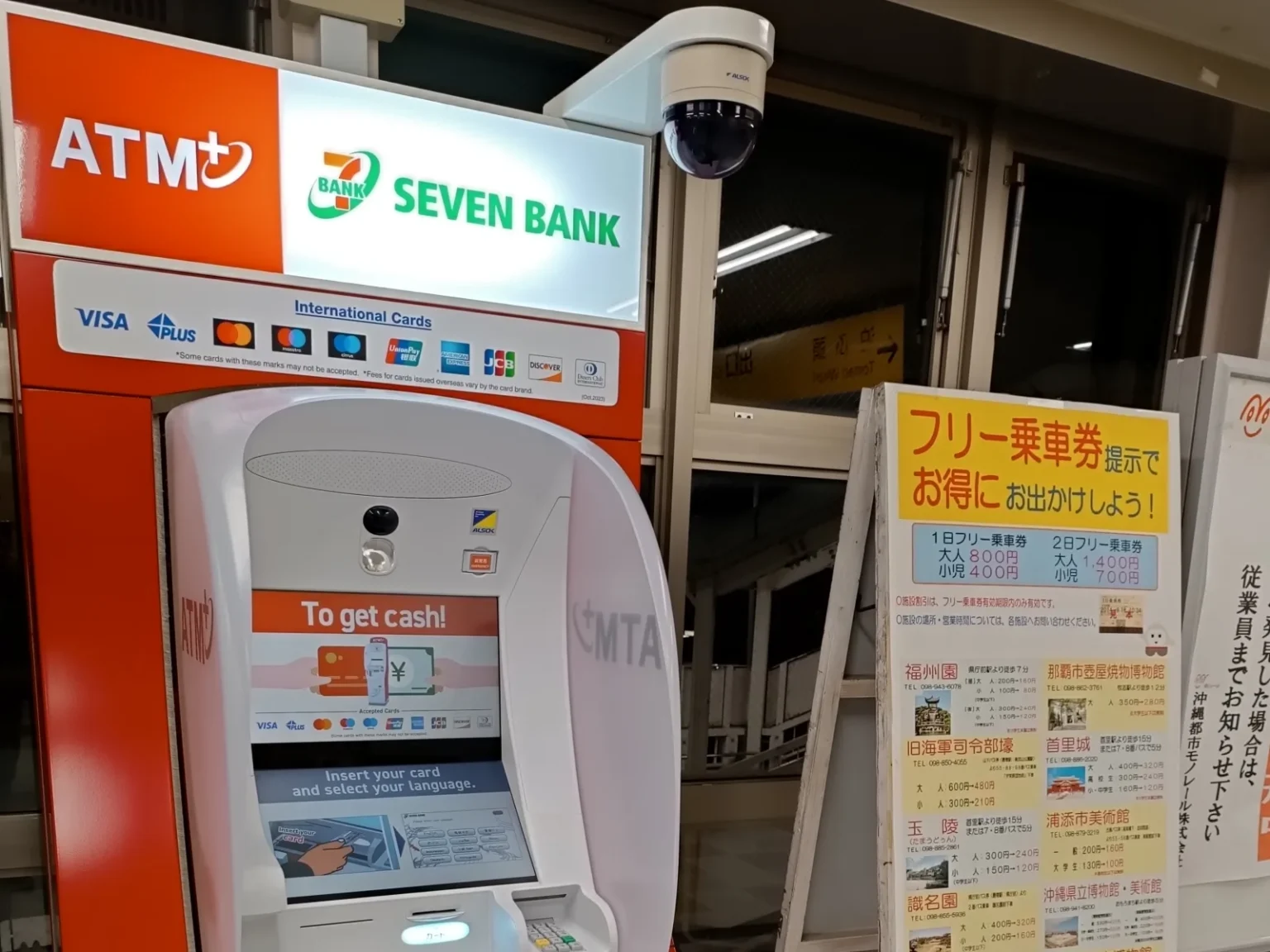
JNTO names Japan Post Bank and Seven Bank for withdrawals. Seven Bank lists Visa and Mastercard service 00:00–24:00, 365 days a year, though access to each machine depends on where it is. The limit for overseas cards is 100,000 yen per withdrawal (30,000 yen for magnetic-stripe cards). Seven Bank says fees for overseas cards vary by brand. Japan Post Bank may charge 220 yen per withdrawal for some overseas cards, caps each at 50,000 yen, and says your card issuer may add its own fee. Bank holidays and ATM hours: when banks close in Japan.
Telstra, Optus and Vodafone roaming in Japan
| Telco | Japan, from the telco’s page (19 October 2026) |
|---|---|
| Telstra | Japan is a Zone 2 Day Pass destination: A$10 a day for 2 GB, unlimited standard calls and SMS. Charged on days you make or receive a call, send a text or use data, including background data; receiving a text alone does not trigger it. Extra data: 2 GB for A$10. Pre-Paid services have separate roaming packs |
| Optus | Japan is a Zone 1 destination. Optus Daily Roaming: 5 GB for A$5 for 24 hours, with unlimited standard talk and text, on eligible plans (Optus names Choice Plus, Plus Family, Plus Promo, Qantas and mobile broadband plans); another 5 GB for A$5 is added automatically. The A$10 Roaming Pass (1 GB for 24 hours) is for selected other postpaid plans |
| Vodafone | Japan is on the $5 Roaming list: A$5 extra a day on eligible plans, using your plan’s own data (not speed-capped data), calls and texts, charged only on days you use them. Over your data limit, 1 GB is added for A$5 |
Telstra’s business roaming page notes that a Day Pass keeps your number for one-time passcode texts. If a daily charge is triggered on all 14 days of a trip, that is A$140 on a Telstra Day Pass and A$70 on Optus Daily Roaming or Vodafone’s $5 Roaming, before extra data. The other route is a Japanese data eSIM, with data roaming switched off on your Australian line, since Telstra counts background data as use; calls you make or receive and texts you send on that line can still trigger a Day Pass.
If you will use data every day, compare a Japan eSIM with your telco’s daily charge.
See Japan eSIM plansOpal, myki and Japanese ticket gates
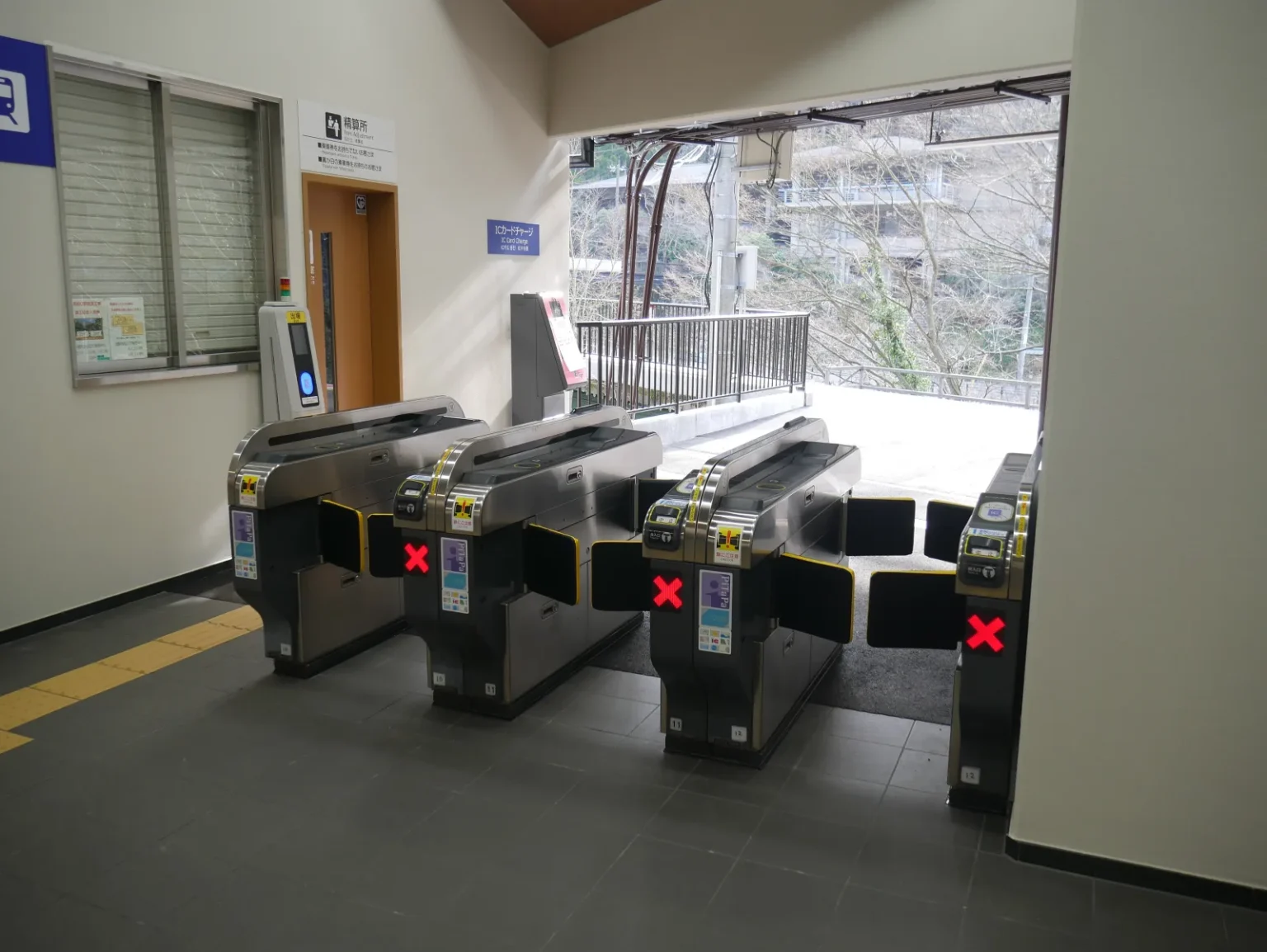
PASMO lists ten interoperable transit IC cards for trains and buses across Japan: PASMO, Suica, Kitaca, TOICA, manaca, ICOCA, PiTaPa, Hayakaken, nimoca and SUGOCA. Opal and myki are not on that list (checked 19 October 2026). How Suica and PASMO work: IC cards in Japan: Suica, PASMO and ICOCA.
Plugs and voltage
The IEC’s plug guide lists Australia as 230 V, 50 Hz, Type I, and Japan as 100 V with Types A and B. Type I’s angled pins do not fit Japan’s parallel slots. JNTO says Japan’s supply is “uniformly 100 volts”, 50 Hz in the east and 60 Hz in the west. An adapter changes only the plug shape, not the voltage. Read the INPUT line on each charger or appliance. If it says 100–240 V and 50/60 Hz, a plug adapter is usually all you need; Apple, for example, says its USB power adapters are designed for 100–240 V at 50–60 Hz. An appliance marked 220–240 V only needs a step-up transformer of enough capacity, and its frequency rating should cover 50 or 60 Hz; an adapter alone is not enough. Kashimura, whose WT-19EJ (1,500 VA) and WT-20EJ (3,000 VA) convert both ways, advises choosing two to three times the rated wattage for heating appliances such as hair dryers. Adapters, hair dryers and chargers: Japan plug type and voltage.
Medicine from Australia
Japan’s Narcotics Control Department (NCD) lists controlled substances by ingredient, not brand, and says to check your medicine’s category with your prescribing doctor. Panadol’s Australian site describes the brand as paracetamol pain relief; check every active ingredient on your specific pack.
| Ingredient | Rule in Japan · source |
|---|---|
| Paracetamol (Panadol) | Not on the NCD controlled list. Panadeine and other codeine combinations: see the codeine row. Non-prescription medicines: up to a 2-month supply without an import confirmation · NCD list, MHLW, 19 October 2026 |
| Codeine | A narcotic; products containing 1% or less are excluded. Above that, permission is needed before you enter Japan · NCD list (12 December 2024) |
| Pseudoephedrine | A stimulants’ raw material; products containing 10% or less are excluded. Above that, permission is needed · same list |
| Dexamphetamine (ADHD) | Prohibited: amphetamine, including dexamphetamine, cannot be imported “even if they are prescribed medicines in your country” · NCD application guide and list, 19 October 2026 |
| Lisdexamfetamine (Vyvanse) | A stimulants’ raw material: permission needed before you travel · NCD application guide |
| Methylphenidate, and sleeping and anxiety medicines such as diazepam, zolpidem and alprazolam | Psychotropics: no permission up to the amount in the NCD’s table; above it, carry a doctor’s certificate. For more than a month’s supply, the NCD says to email MHLW (yakkan@mhlw.go.jp) · NCD application guide |
| Oxycodone, morphine, fentanyl | Named as narcotics: permission needed · NCD application guide, 19 October 2026 |
| Other prescription medicines not on the NCD list | Up to a 1-month supply generally needs no import confirmation under MHLW’s quantity rule; check every ingredient first · MHLW, 19 October 2026 |
The NCD says to apply at least 14 days before travel, and that its Tokyo office “cannot accept any last-minute applications for any reason”. Whether a product is over the 1% or 10% line depends on its formulation; ask your pharmacist or doctor.
Driving with an Australian licence
Japan’s National Police Agency lists three ways for visitors to drive: a Japanese licence; an International Driving Permit under the 1949 Geneva Convention; or a licence from Switzerland, Germany, France, Belgium, Monaco or Taiwan with an official translation (list as of 1 April 2026). Australia is not in that last group. With an IDP you can drive for up to one year after landing, or until the IDP expires if that is sooner.
The Australian Automobile Association says the AAA and its member clubs are “the only authorised distributors of IDPs for Australian driver licence holders”. An IDP costs A$55 plus postage and is a physical book in the 1949 Convention format. It is valid only with your physical licence card: the AAA says “digital driver licences are not valid overseas”. It lasts 12 months from issue, or until your licence card expires if that is sooner. Both countries drive on the left: the AAA tells visitors that “Australians drive on the left”, and the Japan Automobile Federation says drivers in Japan “must keep to the left”. Road signs: Japanese road signs for foreign drivers.
If you will drive, compare rental cars once your IDP has arrived.
Compare rental carsUber, Costco and tipping
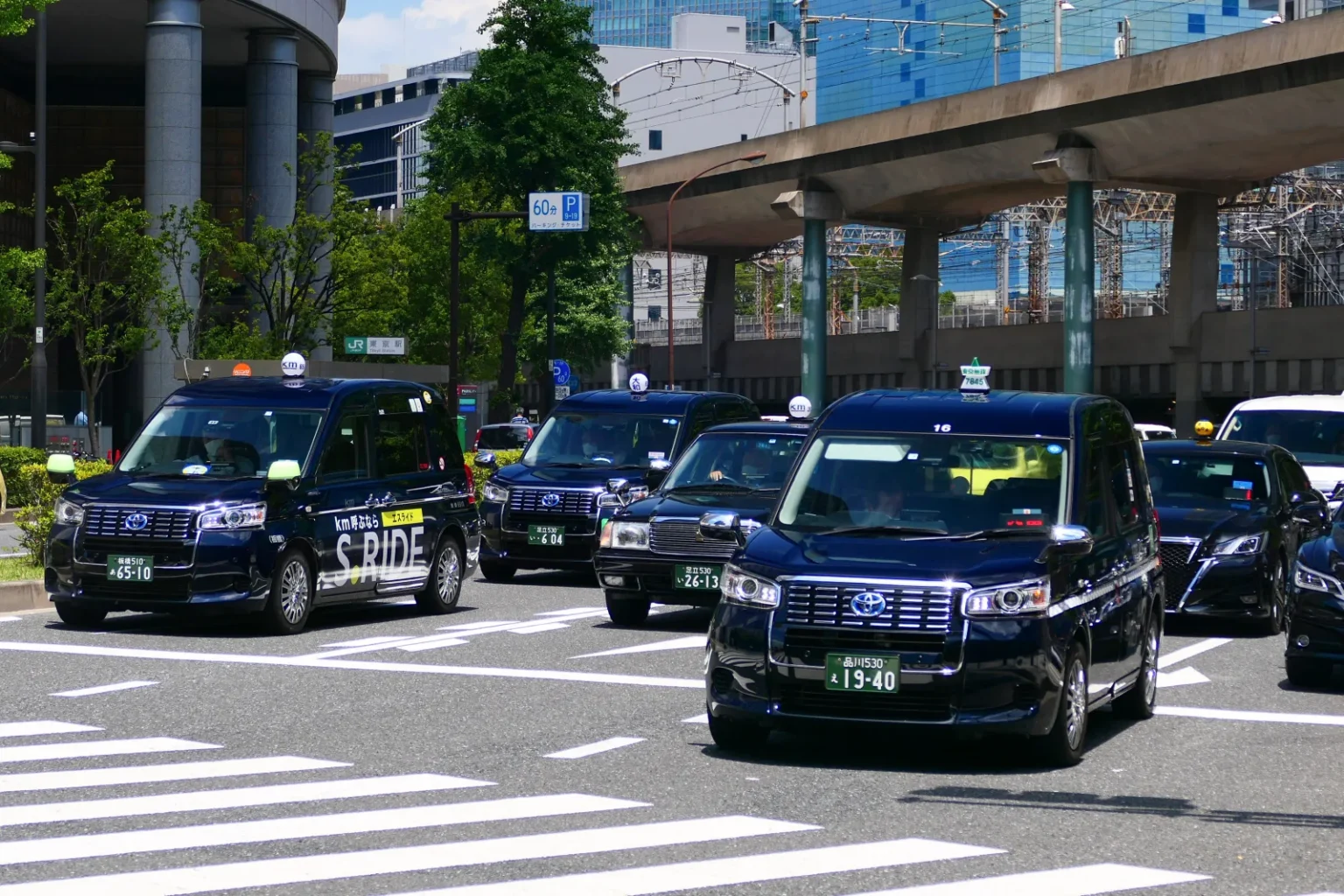
Uber. Your Uber app works in Japan. Uber’s Japan page lists Taxi, Premier Van, Private car, Priority Taxi and Assist, and says products “may vary across different cities”. For Taxi, the fare is the meter price, with a 100-yen app charge included; a booking fee of up to 680 yen and any facility usage fee are charged separately. More: Does Uber work in Japan?
Costco. Costco Australia says your membership card “can be used at any Costco Warehouse worldwide”. Costco Japan’s terms list cash, Costco’s own cards and all Mastercard-brand credit cards (not for some items); Visa is not on that list, and the terms do not mention debit cards. More: Costco Japan with a membership from home.
Tipping. JNTO says: “In Japan, it’s not common to tip for services such as those provided in bars, cafes, restaurants, taxis, and hotels.”
Going for the snow

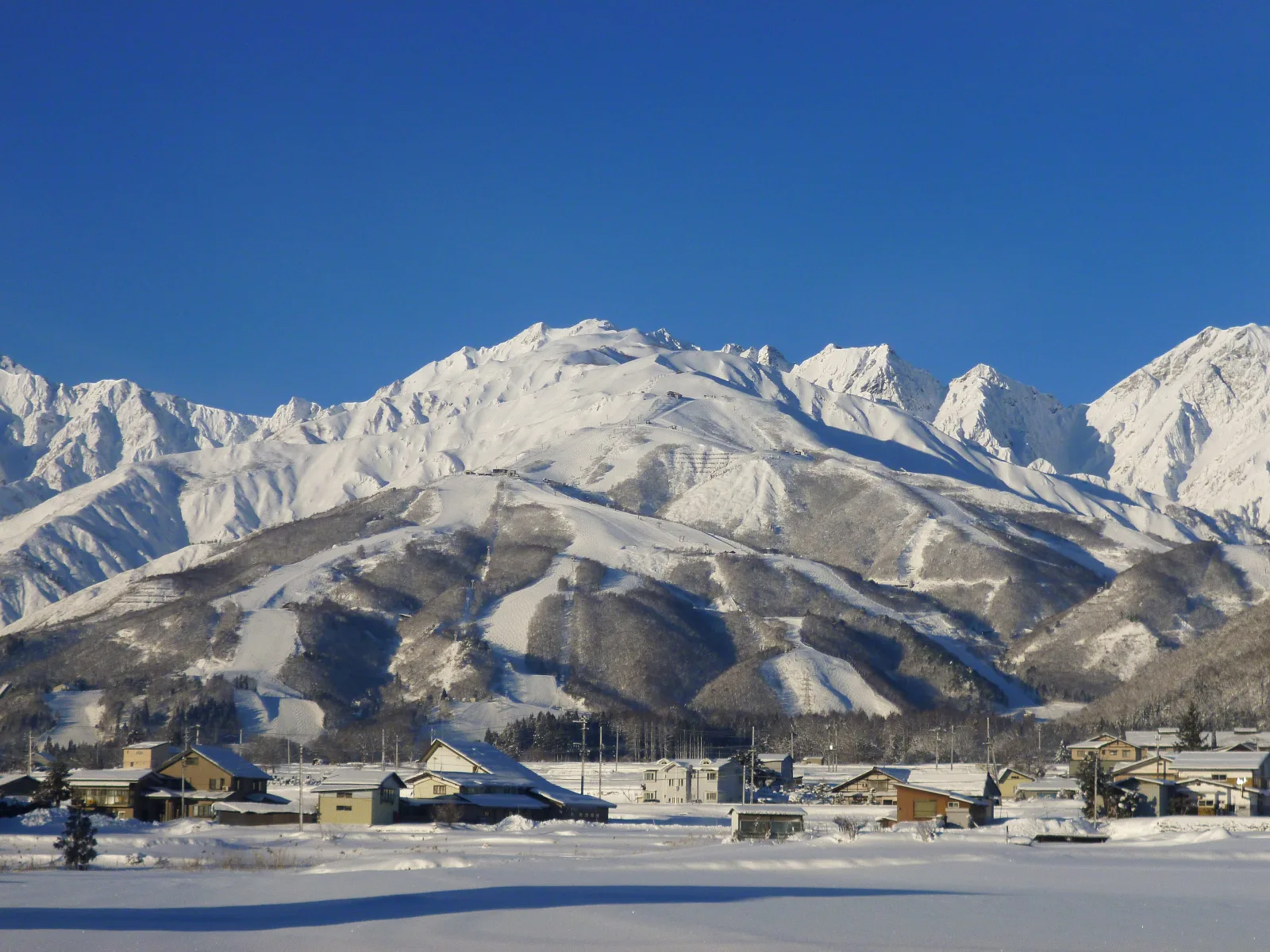
Resorts, prices and access for Hakuba: Snowboarding in Hakuba 2026-27. Nozawa Onsen with Zenkoji and the snow monkeys: Nagano in winter, a 4-day itinerary. Which season passes foreign visitors can buy: Japan ski passes 2026-27.
Where to stay for the snow
Before you leave Australia
- Check that your debit card has a Visa or Mastercard logo, not eftpos alone, and look up its overseas fees on your bank’s fee page.
- Check your roaming settings, or ask your telco to unlock the phone for a Japanese eSIM.
- Check every medicine’s active ingredients against the NCD list; apply at least 14 days ahead where permission is needed. Dexamphetamine cannot be brought in at all.
- Order an IDP from your state motoring club if you will drive, and pack your physical licence card.
Before you go
Questions Australian travellers ask
Can I use my eftpos card in Japan?
Not confirmed. eftpos is Australia’s domestic network, and neither Seven Bank nor Japan Post Bank lists it for ATMs (checked 19 October 2026). Bring a Visa- or Mastercard-branded card, or ask your bank for one.
What would Telstra roaming cost for a 14-day trip in Japan?
A$140 if the A$10 Day Pass is triggered on all 14 days, before extra data (Telstra, 19 October 2026). Optus and Vodafone list Japan at A$5 a day on eligible plans.
Can I use Afterpay in Japan?
Not confirmed. Afterpay’s Australian “How it works” page names no shops in Japan (checked 19 October 2026).
Can I use my Opal card in Japan?
Not as far as official pages show. PASMO’s list of the ten IC cards that work across Japan does not include Opal or myki (checked 19 October 2026). Get a Suica or PASMO.
Can I take Panadol or codeine to Japan?
Paracetamol-only products, yes: paracetamol is not on the NCD controlled list dated 12 December 2024. Check every active ingredient in any Panadol product. Products with more than 1% codeine need NCD permission before you travel (checked 19 October 2026).
Do I need an IDP to drive in Japan?
Yes: a 1949 Convention IDP from an AAA member club, carried with your physical licence card (NPA, AAA, checked 19 October 2026).
Sources
- Checked 19 October 2026 — Japan National Tourism Organization: Credit cards; Plugs and electricity; Tipping
- Checked 19 October 2026 — eftpos: Australian Payments Plus, Help centre and eftpos vs EFTPOS
- Checked 19 October 2026 — Banks: CommBank, rates and fees for transaction accounts and Travel Money Card; NAB, international transaction fees; ING, Orange Everyday; Up, Travel; Wise, Wise card (Australia) and card fees; Afterpay, How it works
- Checked 19 October 2026 — ATMs: Seven Bank, overseas cards usable at ATMs; Japan Post Bank, withdrawals with cards issued abroad
- Checked 19 October 2026 — Telcos: Telstra, International Roaming Day Pass and International Roaming for business (one-time passcode note); Optus, international roaming; Vodafone, $5 Roaming and $5 Roaming destinations
- Checked 19 October 2026 — Transit cards: PASMO, English site, interoperable transit IC cards
- Checked 19 October 2026 — Voltage: Apple Support, About Apple USB power adapters; Kashimura, WT-19EJ and WT-20EJ transformers (Japanese, PR TIMES, 26 June 2026)
- Checked 19 October 2026 — IEC, World Plugs (Internet Archive capture of 16 August 2026)
- Checked 19 October 2026 — Medicine: MHLW, bringing medicines for personal use into Japan; Narcotics Control Department, application guidance and controlled substances list (12 December 2024); Panadol, Australian site
- Checked 19 October 2026 — Driving: National Police Agency, How to Drive in Japan (licence list as of 1 April 2026); Australian Automobile Association, International Driving Permits and Driving in Australia; Japan Automobile Federation, Traffic rules in Japan
- Checked 19 October 2026 — Uber, Uber in Japan; Costco Australia, Membership; Costco Japan, terms (Japanese)
Join travelers discovering Japan's hidden side
Weekly dispatches from off-the-beaten-path Japan — spots and stories you won't find in guidebooks.
No spam. Unsubscribe anytime.
Welcome aboard!
You're in. See you in your inbox soon.