Nagano Prefecture · Hakuba Valley · Winter 2026–27
Hakuba Valley has ten resorts, and for a snowboarder they differ in parks, tree rules and beginner terrain. Hakuba47, Goryu, Iwatake, Tsugaike and Happo-one each publish a terrain park; five resorts have official gates for riding beyond the boundary; and Tsugaike and Happo-one sell 2026–27 beginner tickets for their lower lifts. None of the resort pages checked on 10 October 2026 bans snowboards, and a leash is required on every Hakuba Valley slope. The 2026–27 Hakuba Valley pass, valid at all ten resorts, is ¥11,100 a day for adults and goes on sale around November. From Tokyo, the usual route is the Hokuriku Shinkansen to Nagano, then a bus of about 70 minutes to Hakuba. This is a planning guide built from the resorts’ own pages, not a review of the runs.
Which Hakuba resort suits which snowboarder?
Hakuba Valley is a promotion board and shared pass covering ten ski areas in Omachi, Hakuba and Otari. They are separate businesses with their own lift companies and rules, and they sell resort-issued tickets, including two shared tickets (Hakuba47 with Goryu, Cortina with Norikura). The valley shuttle bus links them. For a snowboarder the useful differences are size, terrain parks, tree areas and how gentle the lower slopes are. Here is what each resort’s own pages point you to.
| If you are… | Where the resort pages point you |
|---|---|
| A first-timer | Tsugaike’s 1,200 m-wide lower slopes and its ¥5,900 beginner-area ticket; Happo-one’s ¥4,900 Happo Debut ticket for the base lifts; Goryu’s Toomi and Iimori slopes (Step Up Land in 2025–26); Iwatake’s 2025–26 snowboard debut package (lift, board, boots and a 2-hour lesson); check whether it returns in 2026–27 |
| A park rider | Hakuba47 (47 PARKS: half pipe, kickers up to 20 m); Goryu (Goryu Park, Goryu Waves); Tsugaike (TG PARKS, listed as open to early May, snow permitting); Iwatake (Iwatake Snow Park); Happo-one (HAPPO PARKS, banks and waves) |
| After big vertical | Happo-one: 1,071 m from 760 m to 1,831 m, longest run 8,000 m |
| After powder in the trees | Hakuba47’s Tree Riding Zone and Tsugaike’s TSUGA POW area, both armband-only in 2025–26 (check the 2026–27 terms); Cortina, which the valley describes as its snowiest resort and known for tree runs: ride only the areas open that day and respect its ropes and boundary markers |
| Riding at night | Goryu, which Hakuba Valley describes as the valley’s largest night area (night ticket ¥6,500 for adults); Cortina on set nights listed on its 2026–27 price page, from 26 December to 2 January and on Saturdays in January and February. The Hakuba Valley pass is not valid for night riding or the night shuttle. Tsugaike says it will not run night skiing in 2026–27 |
| A family or nervous rider | Jigatake (70% beginner terrain), Kashimayari Family Park, Sanosaka (gentle to moderate slopes) |
The ten resorts, with the figures Hakuba Valley lists for each:
Hakuba Happo-one
The largest: 220 ha, 1 gondola, 22 chairlifts, 1,071 m of vertical. Beginner 30%, intermediate 50%, advanced 20%. Its park is HAPPO PARKS in the Kitaone area, a “surf ride” layout of banks and waves built by the THE PARKS team, with up to 20 features from mid-January to late March (planned; the page shows no season year).
Hakuba47
32 ha, 794 m of vertical, linked at the top to Goryu. Its park, 47 PARKS, has a half pipe, a series of 10 kickers from small up to 20 m, rails, boxes and berms, plus park lessons from Japan Park School. Advanced terrain is 30%.
Able Hakuba Goryu
120 ha over three areas (Alps-daira, Toomi, Iimori), 926 m of vertical. Four parks in 2025–26: Step Up Land for complete beginners, Goryu Waves (about 900 m of rollers), Goryu Park (jibs and small jumps, with a 2025–26 night session from 18:15 to 20:30) and Goryu Bumps. Alps-daira is open until the end of Golden Week, in early May.
Hakuba Iwatake
125 ha, 539 m of vertical, wide views from the top. Iwatake’s park page, whose last posted layout is dated 29 January 2022, describes Iwatake Snow Park on the 5-sen South slope with kickers, waves, rails and boxes for beginner to upper-intermediate riders, 9:00–15:00. There is no backcountry gate here.
Tsugaike Mountain Resort
196 ha, 904 m of vertical, and lower slopes 1,200 m wide; 50% of its terrain is rated beginner. TG PARKS is set up on the Tsuganomori slope near the top, and the resort lists it as open until early May, snow permitting. Its designated powder area, TSUGA POW, is gated and open only to riders wearing its armband.
Hakuba Cortina
50 ha, 530 m of vertical; Hakuba Valley says it records the highest annual snowfall in the valley and is known for tree runs. Ski-in, ski-out Hotel Green Plaza Hakuba sits at the base. For 2026–27, its lift tickets are shared with Norikura, giving 15 lifts and 30 courses.
Hakuba Norikura Onsen
50 ha, 798 m of vertical, next to Cortina. Wide beginner slopes, a 38-degree steep course and a mogul course, with groomed and ungroomed runs. Its snowboard school lists Japanese only; English lessons come from other schools on Hakuba Valley’s list.
Jigatake, Kashimayari, Sanosaka
The three small resorts in the south, near Omachi: 30 ha, 68 ha and 40 ha. Jigatake lists 70% beginner terrain and no advanced runs. None of the three has a backcountry gate.
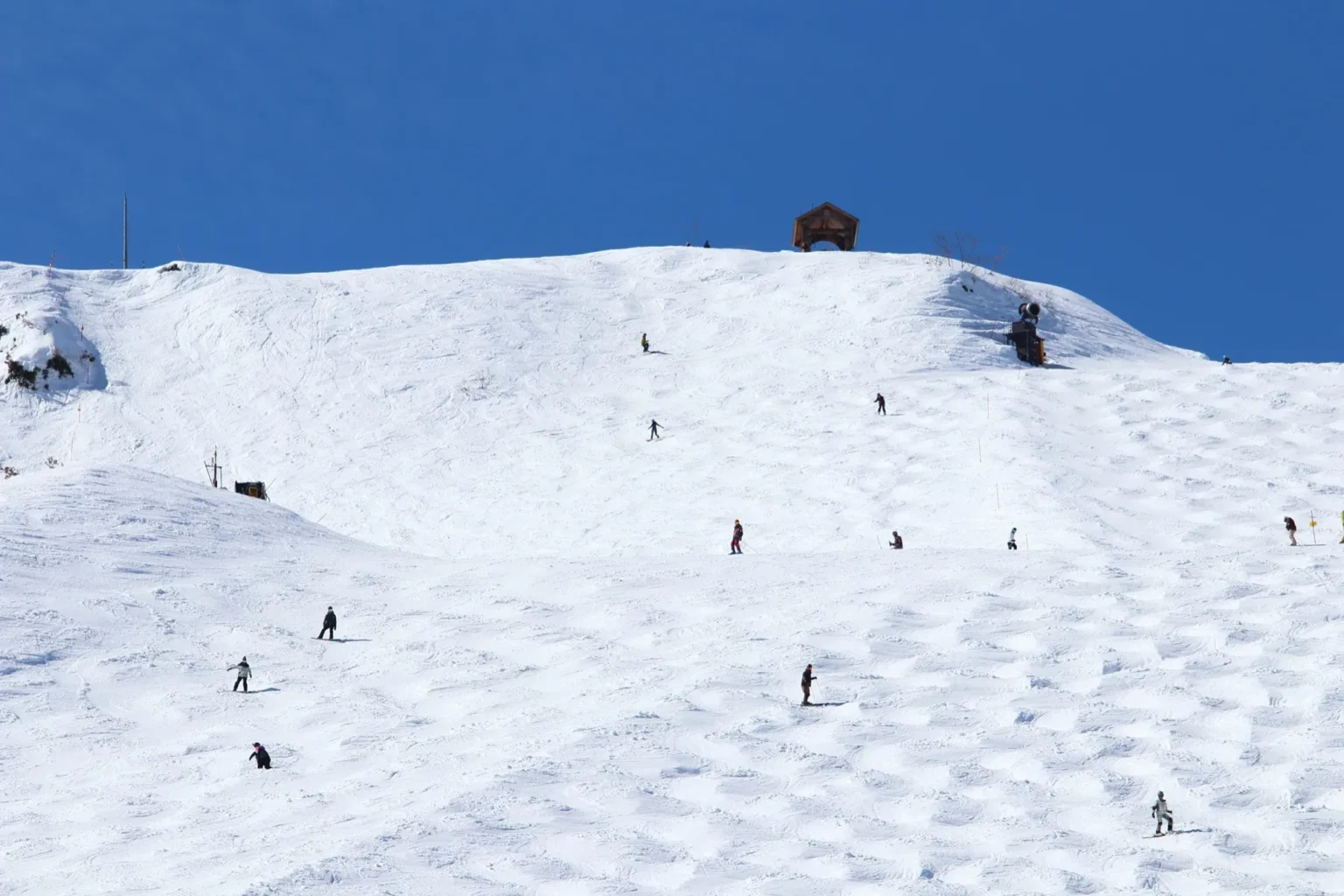
Tree riding, off-piste and backcountry: what the resorts allow
This is where Hakuba differs most from the image of free-for-all powder. The rules are written down, and they are not the same at every resort.
- Resort boundaries are marked. Across Hakuba Valley, a pole with a yellow and black top marks the edge of the resort, and a yellow top marks a closed area. Ducking a rope to leave the resort partway down a run is prohibited. If you break resort rules, your lift ticket can be suspended immediately and you can be removed from the resort.
- Five resorts have backcountry gates. Goryu, Happo-one, Tsugaike, Norikura and Cortina each have designated gates, and anyone heading into the backcountry has to go through one. Jigatake, Kashimayari, Sanosaka, Hakuba47 and Iwatake have no gates, so you cannot leave those resorts for the backcountry.
- Beyond the gate, nobody is managing the slope. The valley lists avalanches, hidden rocks, cracks and holes in stream beds; asks you to carry a transceiver, probe and shovel and know how to use them; to file a climbing plan; to check the Japan Avalanche Network’s morning bulletin; and, for inexperienced groups, to stay inside the resort when the danger level is 3 (Considerable). It recommends a guide holding a certification recognised by the international federation of mountain guides’ associations.
Hakuba47 Tree Riding Zone
2025–26 rules; the page showed that season as closed on 10 October 2026, so check the 2026–27 terms. The zone was high-hazard tree sections open only to riders wearing a TRZ armband. To get one: watch the safety video, sign the waiver, be 13 or older and over 150 cm (under-18s needed a parent’s consent and had to ride with the parent), and pay ¥500 in cash. Registration ran 9:00–10:00 at Restaurant Alice. Separate “open tree zones” on the map needed no armband.
Tsugaike TSUGA POW (DBD)
2025–26 rules; check the 2026–27 terms. A gated, armband-only powder area, closed at 14:00 and sometimes not opened at all after the morning patrol check. Riders watched a lecture video, signed the agreement and collected an armband at Kitchen Tsuganomori by the top gondola station. Age 18+, junior-high pupils with a guardian, high-schoolers with a parent’s signature.
Goryu’s gate and fees
Goryu’s backcountry access is the trailhead by the Alps No.4 chairlift. Its patrol asks you to leave by 14:00, not to leave tracks visible from the resort, and lists rescue fees for going out of bounds, charged per hour: ¥20,000 per patroller and ¥50,000 per snow groomer.
Lift passes for 2026–27: valley pass or single resort?
The Hakuba Valley All-Mountain Day Pass covers all ten resorts, and you can ride several of them on the same day. Its 2026–27 prices were on Hakuba Valley’s ticket page on 10 October 2026, and the pass is due on sale around November through the official webshop. Adult means age 13 and over; child, 6 to 12; under 6 is free (under 3 at Jigatake and Kashimayari).
| Hakuba Valley pass, 2026–27 | Adult / child, and how long it stays valid |
|---|---|
| 1 day | ¥11,100 / ¥6,400; the day of use only |
| 2 days | ¥21,800 / ¥12,500; within 4 days of first use |
| 3 days | ¥32,200 / ¥18,100; within 6 days |
| 5 days | ¥53,400 / ¥29,700; within 10 days |
| 7 days | ¥74,500 / ¥41,700; within 12 days |
| 10 days | ¥106,100 / ¥58,800; within 16 days |
If you will spend most days at one resort (or one of the two shared pairs), a resort-issued ticket is cheaper. These are the adult one-day prices each had published for 2026–27 by 10 October; the dates are ticket-price periods, not opening dates:
| Resort | Adult 1-day, 2026–27 |
|---|---|
| Happo-one | ¥9,800 at the window, 19 Dec 2026–22 Mar 2027 (adult is 18–64); ¥6,400 before and after. Happo Debut ticket for the base lifts ¥4,900 |
| Hakuba47 and Goryu (shared ticket) | ¥10,000 at the window in the main season (adult 23–64; youth 13–22 ¥6,500), ¥9,500 as a new online ticket. For the early and spring seasons the two resorts’ pages disagree on the window price of this shared ticket: ¥8,500 on Hakuba47’s page (before 15 December and after 15 March), ¥9,000 on Goryu’s (through 15 December and from 15 March), so budget ¥9,000 on those dates and ¥10,000 on 15 December and 15 March themselves. Both pages also list a ¥8,500 online day ticket, for different dates (Hakuba47: 9 March to closing; Goryu: opening to 15 December and 15 March to closing). Prices include a ¥500 card deposit |
| Tsugaike | ¥9,800 at the window from 12 December to 22 March; outside that, the first-snow and spring ticket is ¥8,000. Early-bird ¥6,500 online until 30 November; beginner-area ticket ¥5,900 |
| Iwatake | ¥7,500 normal price; early-bird ¥5,700, plus a ¥1,000 refundable card deposit |
| Cortina and Norikura (one shared ticket) | ¥6,500 at the window, ¥6,100 online |
For other discounts, see Japan ski passes for 2026–27, and which ones foreign visitors can buy; of the deadlines above, Tsugaike’s early-bird day ticket is on sale until 30 November. If you will spend a whole season in Nagano rather than a week in Hakuba, the NAGANO7 pass is a season pass for seven resorts in northern Nagano: Shiga Kogen, Nozawa Onsen, Madarao, Ryuoo, Tangram, Togakushi and Romance no Kami. None of the Hakuba Valley resorts is on it. Happo-one also lists a discount tied to the My Number card; check who qualifies and what you need in the Happo-one My Number discount explained.
Where to stay: which resort you can reach on foot
Choose where to sleep by the resort you will ride most, because walking to the lift beats waiting for a bus in ski boots. Hakuba Station, the Happo bus terminal and each resort’s lift base are separate places, so before you book, check the walking distance from the lodging to the lift base you will use, and the 2026–27 shuttle stops once the valley publishes them. Goryu and Hakuba47 share a ticket, and the express bus from Nagano stops at Hakuba Goryu. Tsugaike, Norikura and Cortina are further north: closer to their slopes, but further from Hakuba Station’s restaurants. Cortina has the ski-in, ski-out Hotel Green Plaza Hakuba at its base.
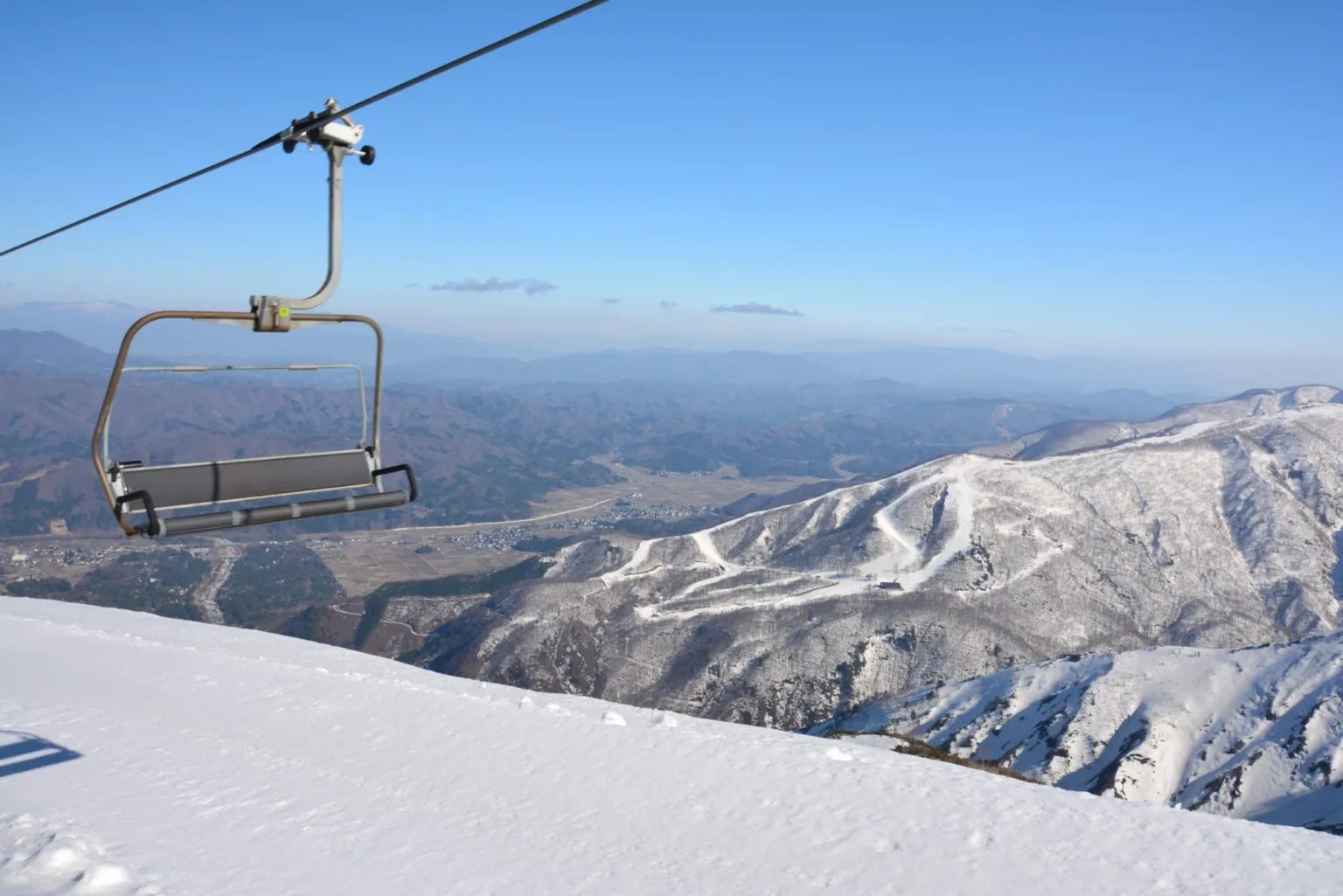
Search Hakuba stays by the resort you will ride most: Happo, Goryu, Tsugaike or Cortina.
See Hakuba hotels and lodges on Booking.comBoard rental and lessons in English
You don’t need to bring a board. The rental and lesson details below are only what I found on 10 October 2026 on the resort pages and on Hakuba Valley’s school list, which shows which schools teach snowboarding and in which languages.
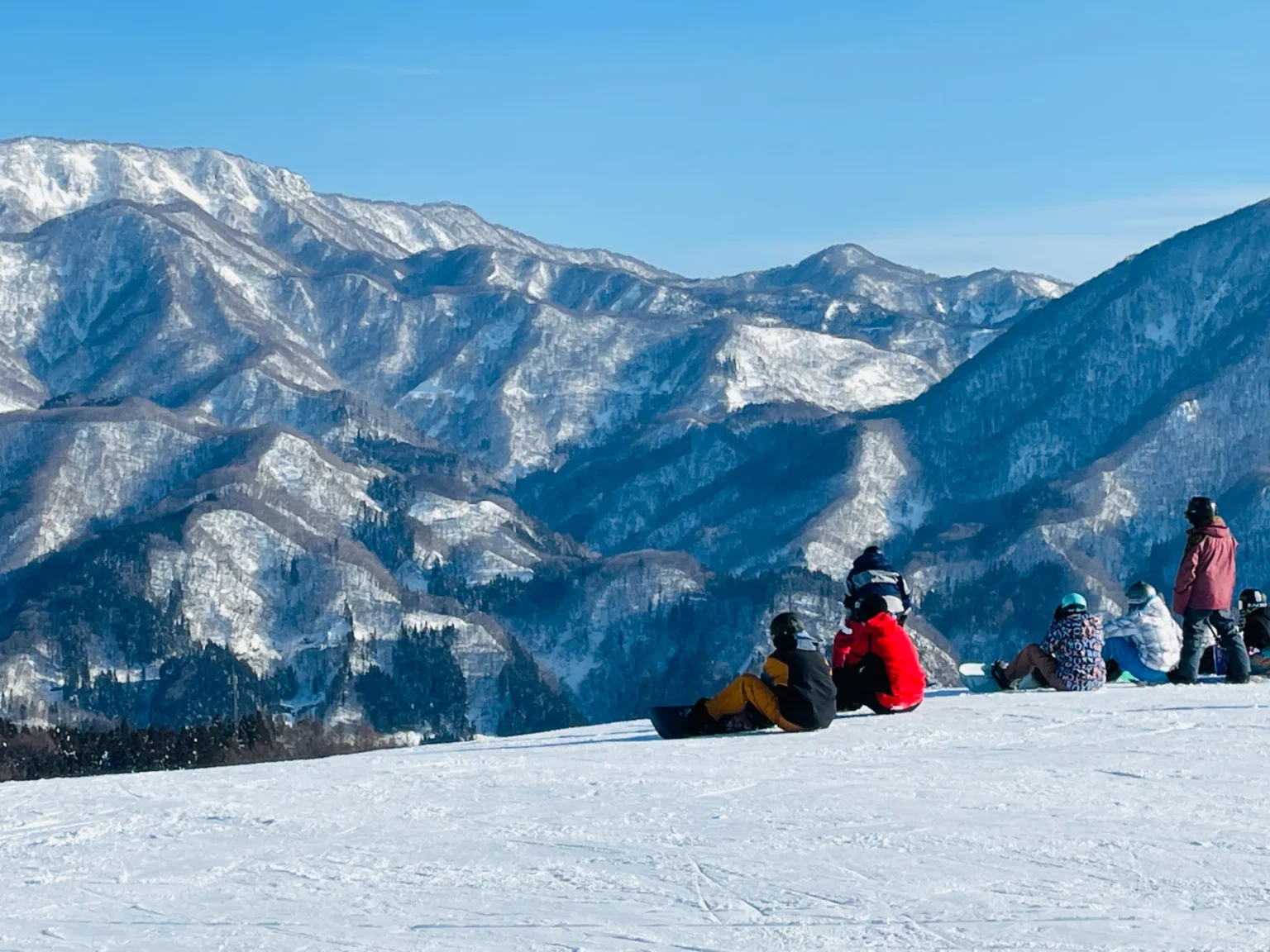
- Rental at the base. Hakuba47’s rental shop in the gondola station building listed a board-and-boots set at ¥6,000 a day for adults (¥5,000 half day, ¥4,000 for children), walk-in only, boards 80–170 cm, boots 15.5–32.5 cm, with photo ID required; the page shows no season, so check it before you go. Cortina’s 2026–27 price page lists a ski or snowboard set at ¥6,250 a day for adults. Happo-one’s rental page lists several shops in the village and says their staff can help in English with boot fitting and sizes.
- First-day packages. Iwatake’s 2025–26 snowboard debut plan bundled a 1-day lift ticket, board and boot rental and a 2-hour beginner lesson for ¥17,300 per adult, plus the ¥1,000 refundable card deposit on lift tickets; check whether it returns in 2026–27 before you plan around it.
- Lessons in English. At Happo-one, Hakuba Valley’s school list shows the resort’s own school teaching snowboarding in English as private lessons only, from age 8, with no snowboard group lessons; Evergreen International also lists English group snowboard lessons from age 7. At Goryu, the Hakuba Snow Sports School lists private and group snowboard lessons in English. At Hakuba47, the Hakuba47 Snowboard School teaches in Japanese and English from age 4. Several schools on the list teach in Japanese only, so read the language column before you book.
Getting to Hakuba from Tokyo
Hakuba Valley gives about 2 hours 50 minutes as the shortest trip from Tokyo, using the Hokuriku Shinkansen to Nagano and an express bus from there. There is also a direct highway bus from Shinjuku.
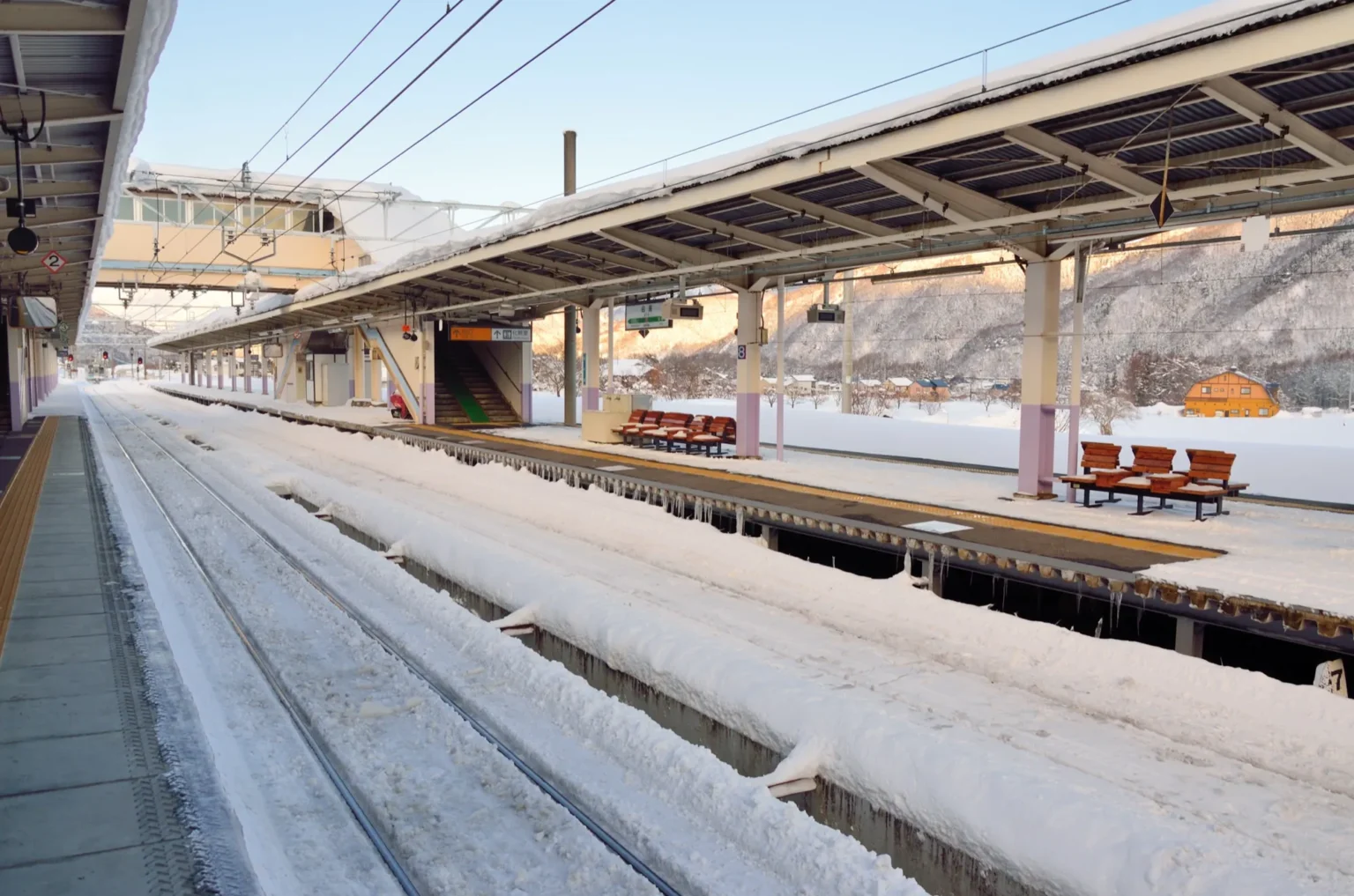
Shinkansen to Nagano, then the Alpico express bus
Alpico’s Nagano–Hakuba express bus leaves from the east exit of Nagano Station. In the timetable valid to 30 November 2026, the 8:20 departure reaches Hakuba Goryu at 9:17, Hakuba Station at 9:22 and the Happo bus terminal at 9:30, continuing to Iwatake, Tsugaike and Norikura. The adult fare from Nagano Station is ¥2,900 to Goryu, Hakuba Station or Happo, and ¥3,200 to Tsugaike or Norikura. That timetable does not need a reservation; Alpico notes that its reserved departures must be booked online at least 30 minutes before the first stop.
For the Shinkansen leg from Tokyo to Nagano.
Shinkansen e-tickets on KlookDoes the Japan Rail Pass cover it? The Shinkansen part, yes: the official JR Pass site lists all Hokuriku Shinkansen trains as covered in ordinary cars (Gran Class needs an extra fee). The Alpico bus is not JR, so you pay its fare separately (¥2,900 on the timetable valid to 30 November; check the winter fare). Unless you are using the pass for other long trips that week, add up the fares before you buy it.
Covering Hakuba as part of a longer rail trip around Japan?
Japan Rail Pass on KlookDirect highway bus from Shinjuku
Alpico and Keio run highway buses from Busta Shinjuku to Hakuba. In the timetable valid to 4 December 2026, the daily 7:35 departure reaches Hakuba Goryu at 12:36 and the Happo bus terminal at 12:48. Fares between Shinjuku and Hakuba start at ¥5,200 if you book and pay online, and run up to ¥7,000 on Alpico’s peak days. On its airport-bus pages, Alpico warns that boards may not fit in the luggage hold, so ask when you book.
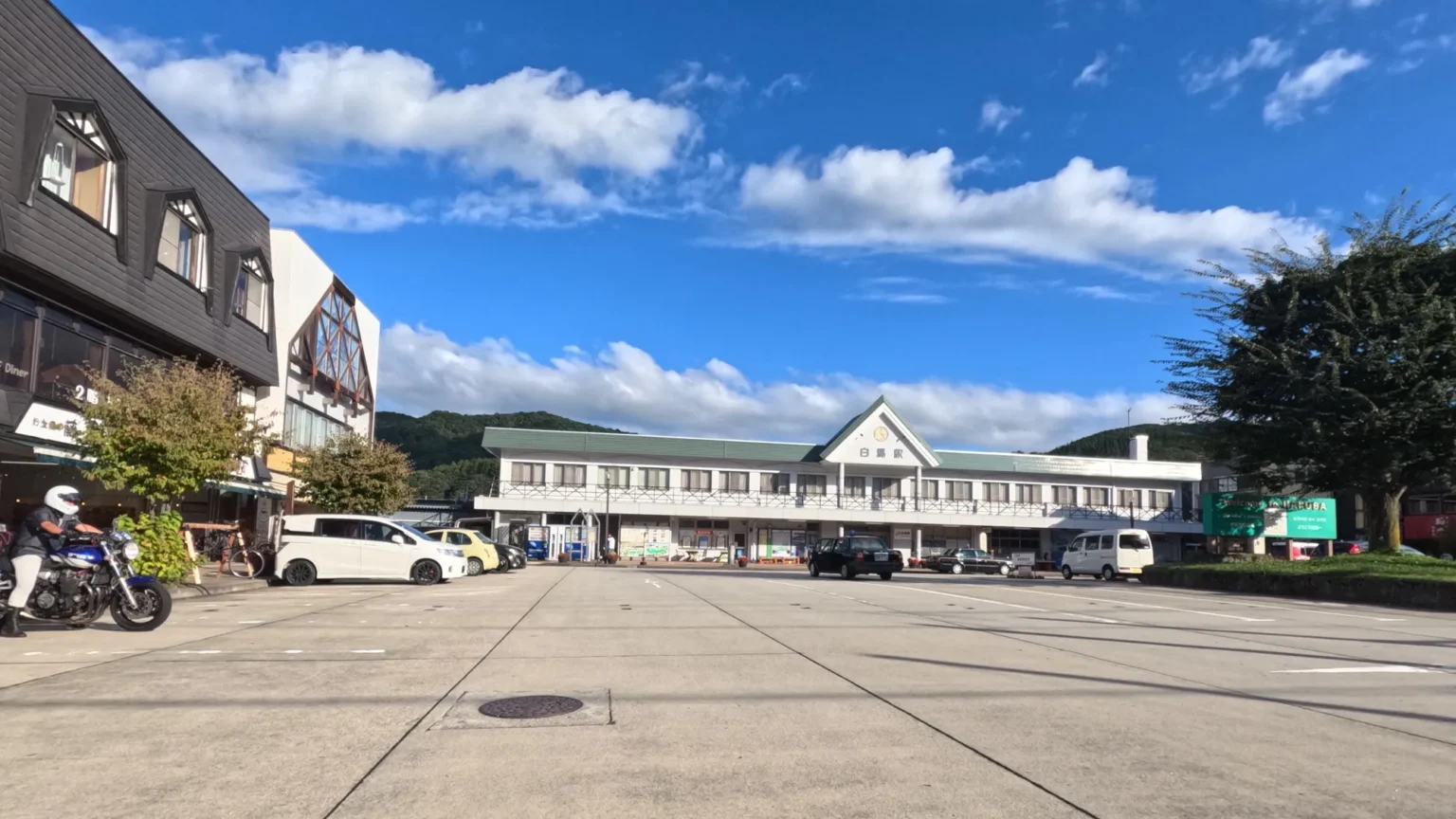
Getting between resorts: the Hakuba Valley shuttle bus
On 10 October 2026 the shuttle page still showed the 2025–26 service, so treat everything here as last season’s information: the 2026–27 routes, operating days and last buses were not yet posted. In 2025–26, Line V linked all ten resorts. The adult fare was ¥800 (child ¥400), paid by online ticket only, by card, PayPay, Google Pay or Apple Pay; cash on board was accepted only in emergencies, at ¥1,000. Holders of a Hakuba Valley pass or season pass rode free on the pass’s valid days. Separate resort-run lines (N, T, I, E, H, F, G, L, R, O) carried guests to single resorts, mostly towards the resort in the morning and back in the afternoon, and Line VN was a night bus at ¥500. Once you know where you are staying and riding, check the new timetable.
Two warnings on the same page: a full bus does not take more passengers, and the evening buses, especially the last one, get crowded, so be at the stop early. Timetables can change without notice.
Do you need a car in Hakuba?
Often not, if your lodging is near a bus stop. The express bus brings you from Nagano, and in 2025–26 the valley shuttle linked all ten resorts; check the 2026–27 shuttle before relying on it. A car makes sense if you want to ride the small southern resorts near Omachi, or move between several resorts on your own schedule.
If you do drive, Nagano Prefecture’s road-traffic rules require tyre chains or winter tyres on any road with snow or ice, with a fine of up to ¥50,000. A chain-only control, when road authorities declare one on a road section, needs chains even on winter tyres. For general preparation, read what to do before heavy snow lands, and check this season’s road and bus information separately: a storm can close roads and buses at the same time.
Driving from Nagano? Confirm winter tyres and chains with the rental company when you book.
Compare Nagano rental cars on TocooWhen is the snow reliable, and when is it crowded?
None of the resort pages I opened promises snow, but the dates they set tell you a lot. No park had posted a 2026–27 opening date by 10 October, so a park-focused trip is safer from late January.
| Resort | 2026–27 dates published by 10 October |
|---|---|
| Goryu | Planned to open on Saturday 21 November 2026 around the Toomi No.1 lift, using a new snowmaking system; the first time Goryu has fixed an opening date in advance |
| Cortina and Norikura | 12 December 2026 to 29 March 2027 (planned) |
| Happo-one | No opening date on its official site on 10 October 2026; ticket-price periods run from 1 December 2026, with high-season prices 19 December–22 March and spring prices to 5 May 2027 |
| Tsugaike | No opening date on its official site on 10 October 2026; scheduled to close 5 May 2027; window ticket sales from 12 December (a sales date, not an opening date) |
| Hakuba47, Iwatake, Jigatake, Kashimayari, Sanosaka | No date on their official sites on 10 October 2026. For reference, Iwatake’s 2025–26 season ran 19 December 2025–29 March 2026 |
Parks open later than the lifts. HAPPO PARKS lists mid-January to late March, with no season year on the page. In 2025–26, Goryu Park opened in late December and Goryu Waves on 31 January. TG PARKS at Tsugaike is listed as open until early May, snow permitting. If a particular park is the reason for your trip, wait for its 2026–27 opening notice.
Busy dates in 2027. Japanese public holidays fall on Monday 11 January, Thursday 11 February, Tuesday 23 February and Monday 22 March (a substitute holiday for 21 March). Lunar New Year’s Day is Saturday 6 February 2027, and Hong Kong’s public holidays run on 6, 8 and 9 February. Alpico’s peak-fare days on the Shinjuku bus in its 2026 fiscal year are 25 December–3 January, 11–14 February and 20–23 February. Expect fuller buses and lift lines on those dates, and book beds early.
Combine Hakuba with
Snow monkeys
A rest day from Nagano: Jigokudani Snow Monkey Park and when the macaques bathe.
Zenkoji in Nagano
On the way in or out; the temple is not at the station, so allow time to get there and back before your Hakuba bus: how to visit Zenkoji Temple.
Hakuba outside the slopes
Onsen, food and the village in every season: Hakuba Village, a year-round guide.
Closer to Tokyo
Short on time? GALA Yuzawa is reached directly from its Shinkansen station; Shiga Kogen has 18 ski areas on one ticket; and ski resorts near Tokyo compares day trips.
FAQ
Is Hakuba good for snowboarding?
It suits most riders if you match the resort to what you want. Hakuba47, Goryu, Iwatake, Tsugaike and Happo-one list terrain parks on their sites (check each for 2026–27 opening dates), Happo-one has the most vertical at 1,071 m, and Tsugaike and Happo-one sell 2026–27 beginner tickets for their lower lifts. None of the resort pages checked on 10 October 2026 bans snowboards; a leash is required throughout Hakuba Valley.
Which Hakuba resort is best for beginner snowboarders?
The resorts’ own pages point to Tsugaike (1,200 m-wide lower slopes and a ¥5,900 beginner-area ticket), Happo-one (¥4,900 Happo Debut ticket for the base lifts), Goryu’s Toomi and Iimori slopes, and Jigatake, which lists 70% beginner terrain. Iwatake had a debut plan with lift, rental and a 2-hour lesson in 2025–26 (¥17,300 for adults plus a ¥1,000 card deposit); check whether it returns for 2026–27.
How much is the Hakuba Valley lift pass for 2026–27?
¥11,100 for one adult day and ¥6,400 for a child, ¥32,200 for three days and ¥53,400 for five. It covers all ten resorts, and you can ride the valley shuttle on its valid days; a day spent only on the shuttle still uses one day of the pass. It is not valid for night riding or the night shuttle, and it goes on sale around November on the Hakuba Valley webshop.
Can you ride the trees or backcountry in Hakuba?
Only by each resort’s rules. In 2025–26, Hakuba47 and Tsugaike opened marked tree or powder zones to riders who watched a safety video, signed a waiver and wore an armband; check the 2026–27 terms. Backcountry is reached only through official gates at Goryu, Happo-one, Tsugaike, Norikura and Cortina, with avalanche gear; Jigatake, Kashimayari, Sanosaka, Hakuba47 and Iwatake have no gates.
How do I get from Tokyo to Hakuba?
Take the Hokuriku Shinkansen to Nagano, then Alpico’s express bus from the east exit: about 70 minutes to the Happo bus terminal and ¥2,900 in the timetable valid to 30 November 2026. Hakuba Valley gives about 2 hours 50 minutes as the shortest total time from Tokyo. A direct bus from Busta Shinjuku takes about 5 hours 15 minutes, with fares from ¥5,200, in the timetable valid to 4 December 2026. Winter timetables and fares were not posted on 10 October; check them before you travel.
Does the Japan Rail Pass cover the trip to Hakuba?
It covers the Hokuriku Shinkansen from Tokyo to Nagano in ordinary cars, but not the Alpico bus from Nagano to Hakuba, which cost ¥2,900 on the timetable valid to 30 November (check the winter fare).
When does the Hakuba ski season start in 2026?
Goryu plans to open the Toomi No.1 lift area on Saturday 21 November 2026. Cortina and Norikura plan 12 December 2026 to 29 March 2027. On 10 October 2026 the other resorts showed no opening date on their official sites, and no park had posted a 2026–27 opening date.
Sources
The primary sources behind the figures above, checked on 10 October 2026
- Hakuba Valley Promotion Board: 2026–27 All-Mountain Day Pass prices and Japanese version with validity rules; resort figures and ski-school list; safety tips (boundaries, leash, gates, backcountry); shuttle bus (2025–26 information); access times
- Hakuba Happo-one: 2026–27 lift prices; rental shops; THE PARKS: HAPPO PARKS
- Hakuba47: 2026–27 Hakuba47 / Goryu ticket prices; 47 PARKS; Tree Riding Zone; rental
- Able Hakuba Goryu: 2026–27 opening date (1 October 2026); lift tickets; parks; safety, rules and backcountry
- Hakuba Iwatake: 2026–27 early-bird tickets (31 August 2026); 2025–26 rates and snowboard debut plan; Iwatake Snow Park
- Tsugaike Mountain Resort: 2026–27 lift prices; slopes and TG PARKS; TSUGA POW DBD
- Hakuba Cortina: 2026–27 season dates; Cortina–Norikura shared ticket and rental prices
- Alpico: Nagano–Hakuba express bus (timetable and fare PDFs, 1 April–30 November 2026); Shinjuku–Hakuba highway bus (to 4 December 2026); Haneda and Narita route pages
- Japan Rail Pass: train accommodations and scope of validity
- Nagano Prefecture: winter road use and the slip-prevention rule (PDF); Ministry of Land, Infrastructure, Transport and Tourism: chain-only controls
- NAGANO7: Powder Dream Pass resort list
- Cabinet Office of Japan: 2027 public holidays; Hong Kong Government: 2027 general holidays
Join travelers discovering Japan's hidden side
Weekly dispatches from off-the-beaten-path Japan — spots and stories you won't find in guidebooks.
No spam. Unsubscribe anytime.
Welcome aboard!
You're in. See you in your inbox soon.