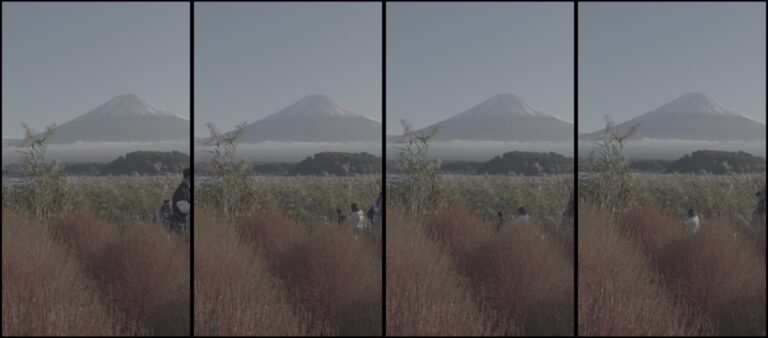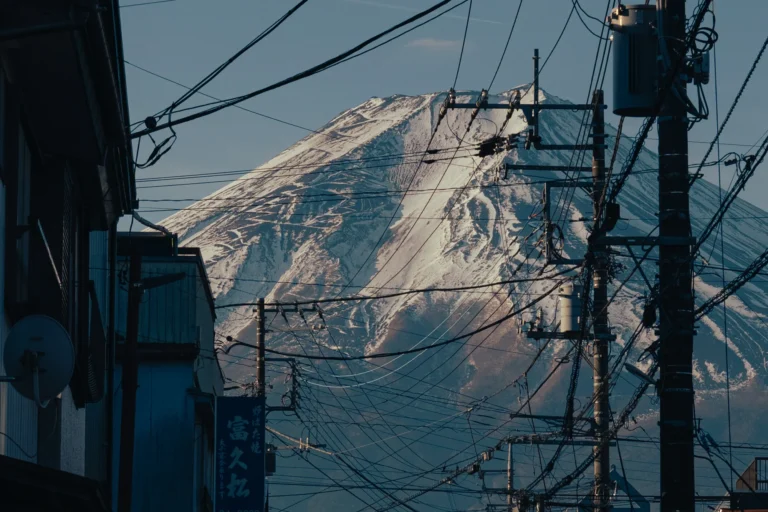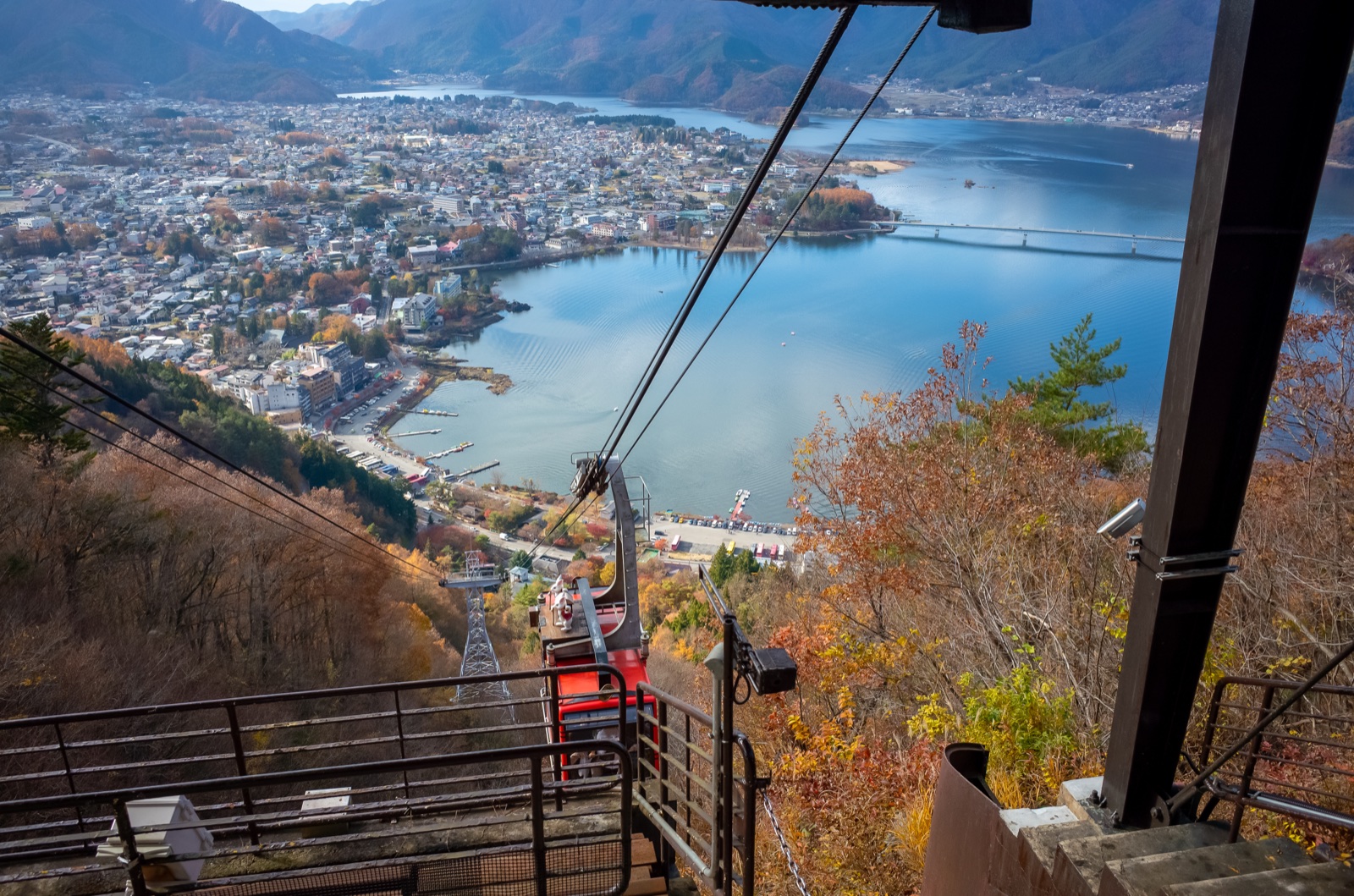

The Mt. Fuji Panoramic Ropeway climbs from the shore of Lake Kawaguchi to the observation deck near the top of Mt. Tenjo — about 1,075 metres up — in roughly three minutes, and its July 16, 2026 renovation added a red-torii stairway and a good-luck terrace that frame Mt. Fuji as you walk down. I live an hour away in Fujiyoshida, and this is the ride I send first-timers on when they have half a day and want the postcard view without a hike.
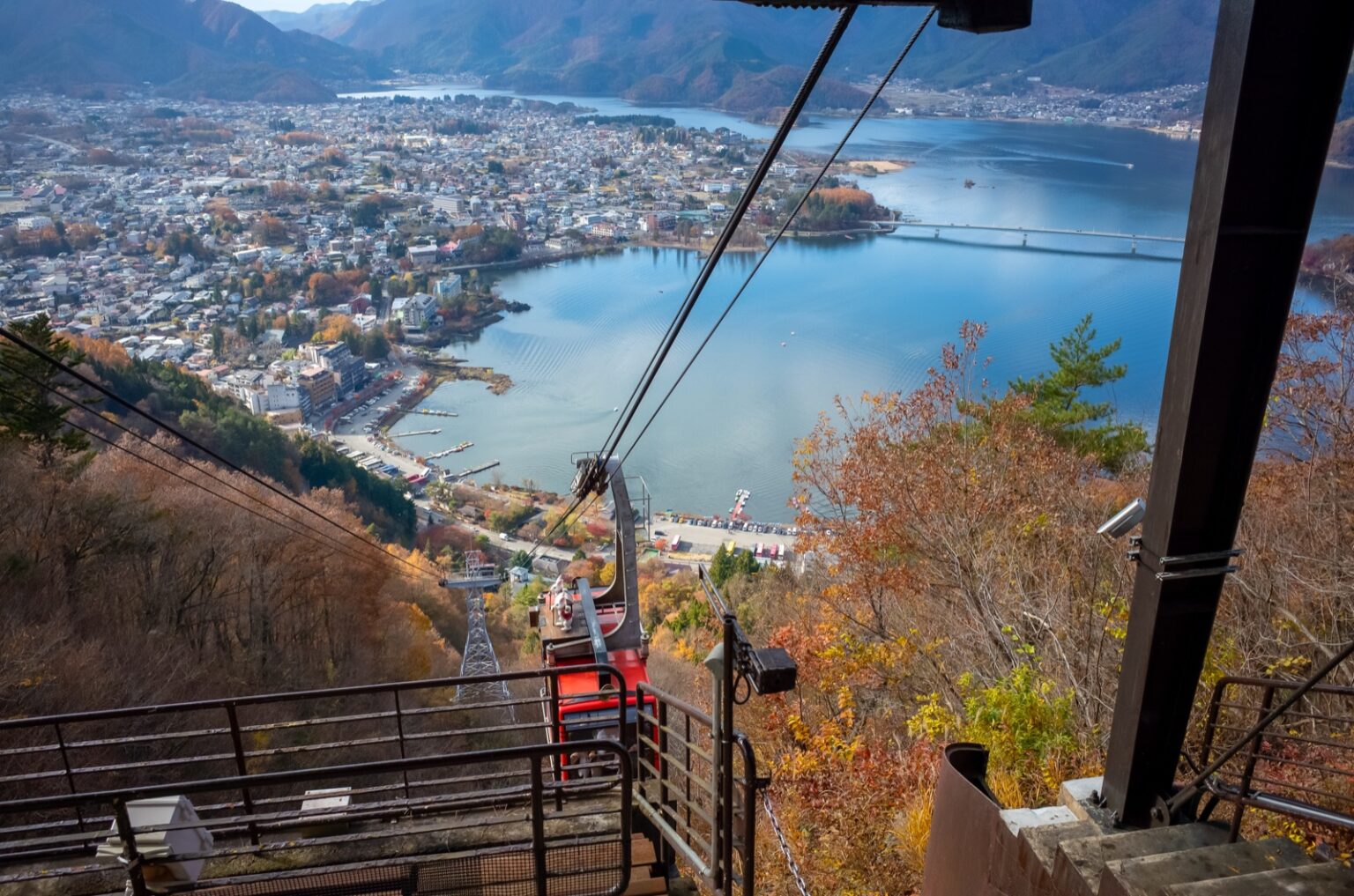
For years locals called this the “Kachi Kachi Yama Ropeway,” after the old rabbit-and-tanuki folktale long associated with this hill. It was rebranded the Mt. Fuji Panoramic Ropeway, but the story still runs through everything at the top — including the good-luck terrace that opened in the summer of 2026. Here is exactly what is new, what it costs, when to go, and how to reach it without a car.
| What it is | Aerial cable car to the Mt. Tenjo summit viewpoint over Lake Kawaguchi |
|---|---|
| Summit | Mt. Tenjo (天上山) — ropeway deck ~1,075 m; the new terrace sits in the summit area ~1,090 m |
| Ride time | ~3 minutes each way |
| New for 2026 | “Fuji Fortune Terrace” (ご利益広場) and the “Spectacular View Stairs” — opened July 16, 2026 |
| Round-trip fare | ¥1,000 adult / ¥500 child; ¥1,200 / ¥600 from 1 November 2026 |
| Hours | 8:30–17:00 (last descent 17:20); extended in summer. 2026 inspections: last ride up 15:00 and down 15:20 on October 21–22 and November 25–26; closure planned December 7–18 — see the hours section below |
| Lower station | Asakawa 1163-1, Fujikawaguchiko — about a 10–15 min walk from Kawaguchiko Station |
| Best paired with | A Lake Kawaguchi cruise (ropeway + boat set ¥1,700 / ¥850) |
What’s new: the “Fuji Fortune Terrace” (opened July 16, 2026)
On July 16, 2026, Fujikyu opened a new area in the summit precinct called the “Fuji Fortune Terrace” (ご利益広場), adding a good-luck theme to a viewpoint that already had plenty to do. It’s built around the mountain’s rabbit legend. There’s no extra admission to the terrace itself — you can walk straight in with your ropeway ticket — though the individual fortune activities each cost a small fee.
The Spectacular View Stairs (絶景展望階段)
The centrepiece is a short flight of 35 steps climbing a 7-metre rise, lined with a red torii gate and stone lanterns. It doubles as the approach path to the Rabbit Shrine. The trick is to climb it, turn around, and walk back down — as you descend, Mt. Fuji opens up framed inside the torii, with cherry blossom in spring and red-gold foliage in autumn. It’s the photo most people climb the stairs for.
What you’ll find on the terrace
A little shrine to the rabbit deities of the folktale, said to bless safe travel and strong legs — fitting, given how much walking a Fuji trip involves.
Toss small clay discs out over the valley to throw away bad luck — an old Japanese ritual you’ll also see at mountain temples.
A vending machine for wooden prayer plaques (ema) and charms (omamori), so you can leave a wish even when no one is staffing a booth.
A fishing-rod fortune game where you “catch” your paper omikuji — a nod to the tanuki-and-rabbit story the hill is named for.
Why rabbits and tanuki? The Kachi-Kachi Yama story
The hill behind the ropeway is tied to Kachi-Kachi Yama, one of Japan’s classic folktales — a story in which a clever rabbit avenges an old farming couple against a troublemaking tanuki (raccoon dog). The “kachi-kachi” is the click of the flint the rabbit strikes to set the tanuki’s load of kindling alight. That’s why you’ll see rabbit and tanuki mascots all over the summit, why the terrace’s shrine honours a rabbit, and why the omikuji game keeps the old name alive. You don’t need to know the tale to enjoy the view, but it explains the theme once you’re up there wondering about all the rabbits.
The ride up, and the summit
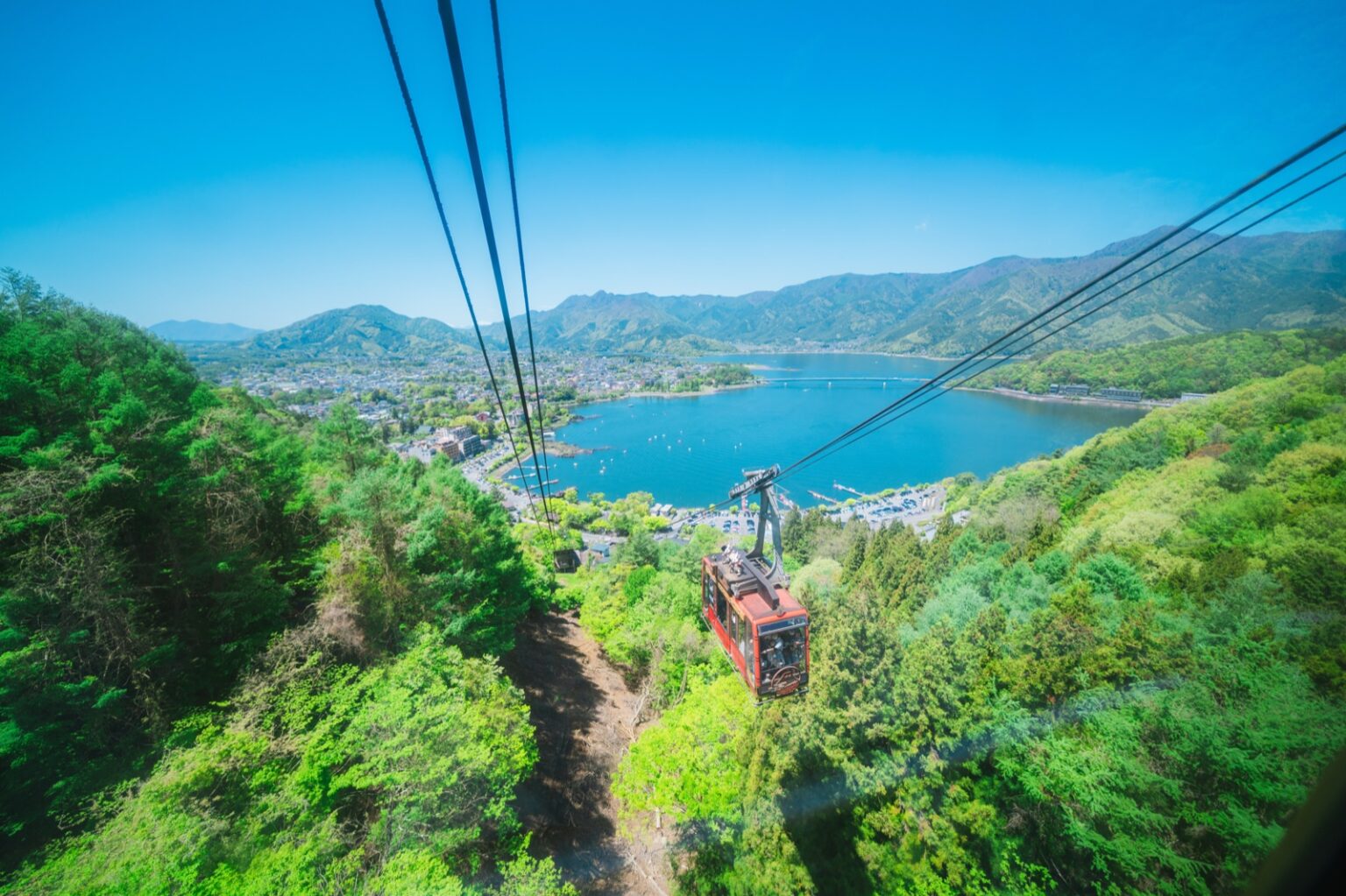
The cabins are small and the trip is short — roughly three minutes from the lakeshore to the top. On a clear morning the doors face the lake and town on the way up, and Mt. Fuji swings into view once you’re on the deck at the summit. Beyond the new terrace, the top has the things it’s always had: open viewing platforms looking straight across the lake, a “bell of the sky” you can ring, and a scenic swing that runs on its own schedule for a small extra fee (roughly 9:45–16:00, weather permitting) if you want a photo out over the drop. There’s a small tea hut at the top for a drink and a rest before you head back down.
Fares, hours & the smart set ticket
| Ticket | Adult | Child |
|---|---|---|
| Round-trip (ropeway only) | ¥1,000 (¥1,200 from 1 Nov 2026) | ¥500 (¥600 from 1 Nov 2026) |
| One-way | ¥600 | ¥300 |
| Ropeway + lake cruise set | ¥1,700 | ¥850 |
| Lake Kawaguchi Circular Pass (ropeway + cruise + 2-day retro bus) | ¥3,300 | ¥1,650 |
Prices above are as of 7 October 2026. The operator’s notice gives new round-trip fares from 1 November but does not list new one-way or set-ticket prices, so check those before travelling from that date.
Which one to buy: if you’re only riding up for the view, the round-trip is all you need (¥1,000, rising to ¥1,200 on 1 November 2026). But the summit and the lake give you the same Fuji-and-lake view from two heights, and the ropeway + cruise set at ¥1,700 adds a boat on the lake for ¥700 more than the adult round-trip fare valid through 31 October 2026 — either the 20-minute Appare sightseeing cruise or a one-way ticket on the Oishi Park Line — the pairing I’d pick on a first visit. If you’re also using the retro sightseeing bus to reach the north-shore flower parks, the Circular Pass rolls all of it into one 2-day ticket.
Hours: the ropeway normally runs 8:30–17:00, with the last descent at 17:20. It opens longer in summer — Fujikyu’s regular summer schedule is 8:30–18:00 from July 20 to August 31, and for 2026 it announced an even earlier 8:00 start from July 25 to August 23. Wind can pause or close it, so check the day’s status if the weather looks rough. It also has inspection days in late 2026. On October 21–22 and November 25–26 it opens at 8:30 as usual, but the last ride up is at 15:00 and the last ride down at 15:20. A closure for its annual inspection is planned for December 7–18, 2026 (ropeway website, checked October 11, 2026).
Note that the lake now also has a new point-to-point service across to the north-shore flower gardens — the Oishi Park Line — a scheduled boat rather than the sightseeing loop above. If you’re planning to combine the summit with the lavender-and-Fuji view at Oishi Park, I’ve written that up separately:
How to get there (no car needed)
The lower station is an easy 10–15 minute walk from Kawaguchiko Station — head toward the lake and follow the signs. If you’d rather not walk, it’s about 5 minutes on the Kawaguchiko Sightseeing Bus — get off at the “Sightseeing Boat / Ropeway Entrance” stop. The bus fare is covered by the day pass most visitors already buy for the lake; the ropeway ticket is separate. From Tokyo, the simplest route is a direct highway bus or the Fuji Excursion train to Kawaguchiko Station, then the short walk.
When to go for the clearest Fuji
The single biggest factor here isn’t the season — it’s the time of day and the air. Mornings, and the colder months, give you the sharpest, most reliable Mt. Fuji. Autumn (mid-November) brings red maples to the stairway and the lakeshore; winter is cold but crystal-clear; spring adds cherry blossom to the torii view. Summer is greenest but haziest, so lean on that early-cabin window. If you want to line the mountain up on a specific day, my Fuji visibility notes and the Diamond Fuji calendar are the two things I check first:
Kawaguchiko is a place you’ll want maps, bus times and translation working all day — if you haven’t sorted data yet, an eSIM for Japan is a simple fix. And if you’d rather grab the ropeway ticket and other Fuji-area experiences in advance, you can browse Mt. Fuji tickets & tours. Prefer a local guide over going solo? You can also join a small-group Mt. Fuji tour with an English-speaking guide.
Frequently asked questions
What is new at the Mt. Fuji Panoramic Ropeway in 2026?
On July 16, 2026 the summit gained the “Fuji Fortune Terrace” (ご利益広場) and the “Spectacular View Stairs” — a 35-step, torii-lined stairway that frames Mt. Fuji as you walk down, plus a Rabbit Shrine, kawara-ke disc throwing, an ema and charm vending machine, and a fishing-rod omikuji game. Wandering the terrace is included in the ropeway fare, though the individual activities cost a small fee.
How much does the ropeway cost?
As of 7 October 2026, a round-trip is ¥1,000 for adults and ¥500 for children, and the new individual round-trip fares from 1 November are ¥1,200 and ¥600. The operator’s notice does not give new one-way, cruise-set or Circular Pass prices, so confirm them for travel from 1 November. The current one-way fare is ¥600 / ¥300. A set ticket that adds a Lake Kawaguchi sightseeing cruise is ¥1,700 / ¥850, and a 2-day Circular Pass with the cruise and the retro bus is ¥3,300 / ¥1,650. The new Fuji Fortune Terrace has no separate admission, but its fortune activities — the disc throwing, the charms, the omikuji — each cost a small extra fee.
What are the opening hours?
Normally 8:30 to 17:00, with the last cabin down at 17:20. During peak summer (July 20 to August 31) it runs later, to 18:00, with the last descent at 18:20. It may pause or close in strong wind. On October 21–22 and November 25–26, 2026 the last ride up is at 15:00 and the last ride down at 15:20. A closure for the annual inspection is planned for December 7–18, 2026.
How do I get to the ropeway from Kawaguchiko Station?
It’s about a 10–15 minute walk toward the lake, or one stop on the Kawaguchiko Sightseeing Retro Bus (red line), which stops at the ropeway and cruise entrance and is covered by the day pass.
How high is the summit and how long is the ride?
The ropeway’s observation deck sits about 1,075 metres up Mt. Tenjo, with the new Fuji Fortune Terrace in the summit area around 1,090 metres. The ride takes roughly three minutes each way.
When is Mt. Fuji most likely to be visible from the top?
Early morning gives the clearest view, especially in autumn and winter when the air is driest. Summer afternoons are the haziest, so ride up soon after the 8:30 opening for the best chance of a sharp mountain.
Related reads
Join travelers discovering Japan's hidden side
Weekly dispatches from off-the-beaten-path Japan — spots and stories you won't find in guidebooks.
No spam. Unsubscribe anytime.
Welcome aboard!
You're in. See you in your inbox soon.