Skip the Crowds in Japan 2026: 12 Overtouristed Spots and Where I Go Instead
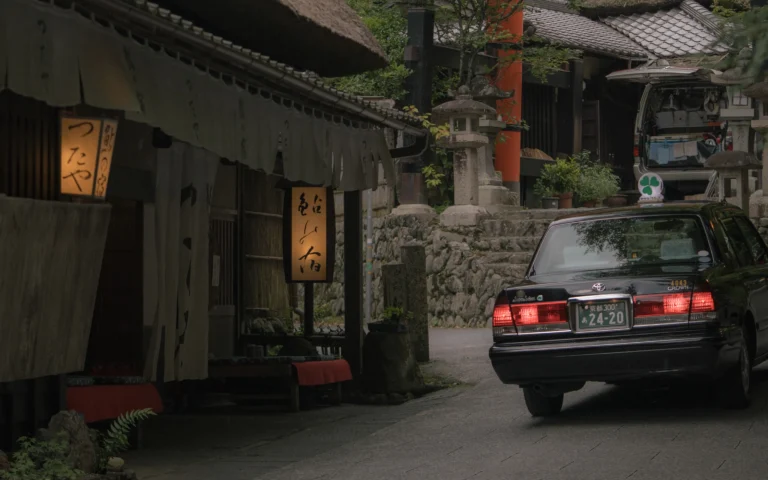
Japan's famous spots are mobbed in 2026 — here are 12 of them and the quieter places I send travelers to instead, with verified crowd data and first-hand routes.
Practical travel information to help you plan and travel Japan smoothly.
Japan's famous spots are mobbed in 2026 — here are 12 of them and the quieter places I send travelers to instead, with verified crowd data and first-hand routes.
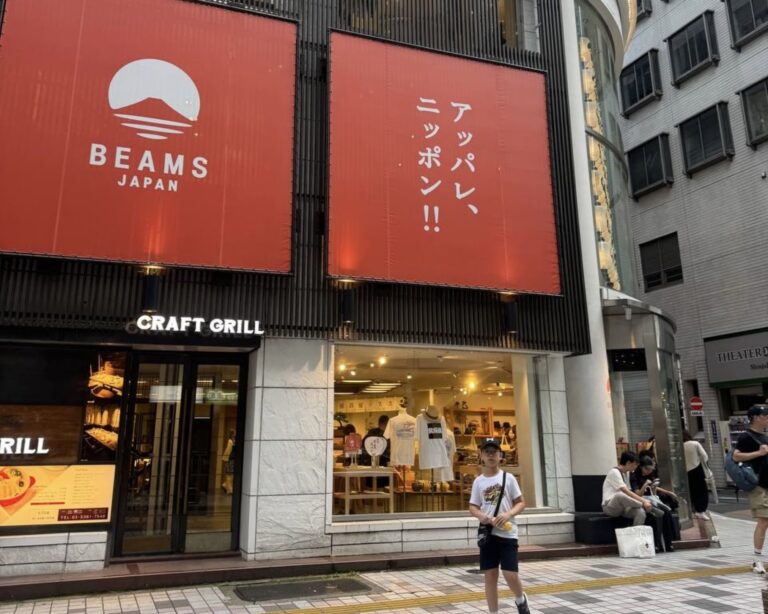
BEAMS Japan in Shinjuku is a six-floor, Japan-themed store — souvenirs from all 47 prefectures, crafts, fashion and art, plus a restaurant. Free entry, tax-free, a minute from the station.
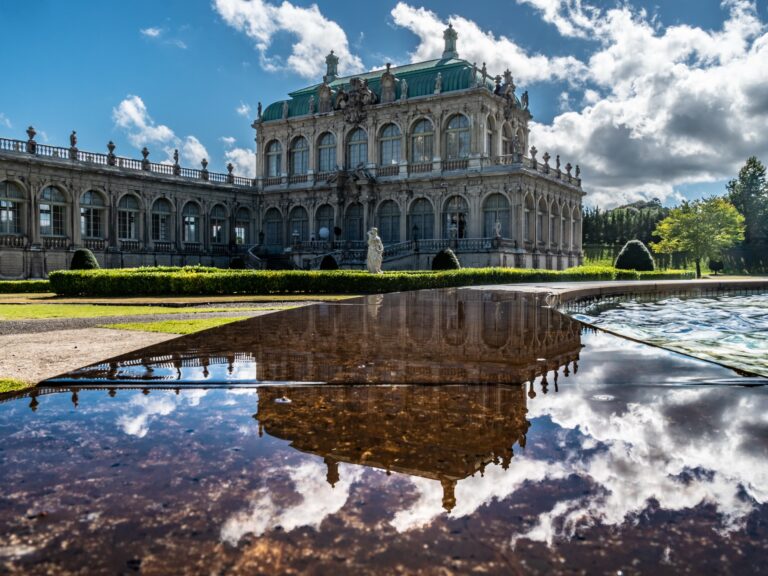
Arita Porcelain Park in Saga is a free theme park built around a full-scale replica of Dresden's Zwinger Palace — with a sake brewery, porcelain workshops and a baroque garden.
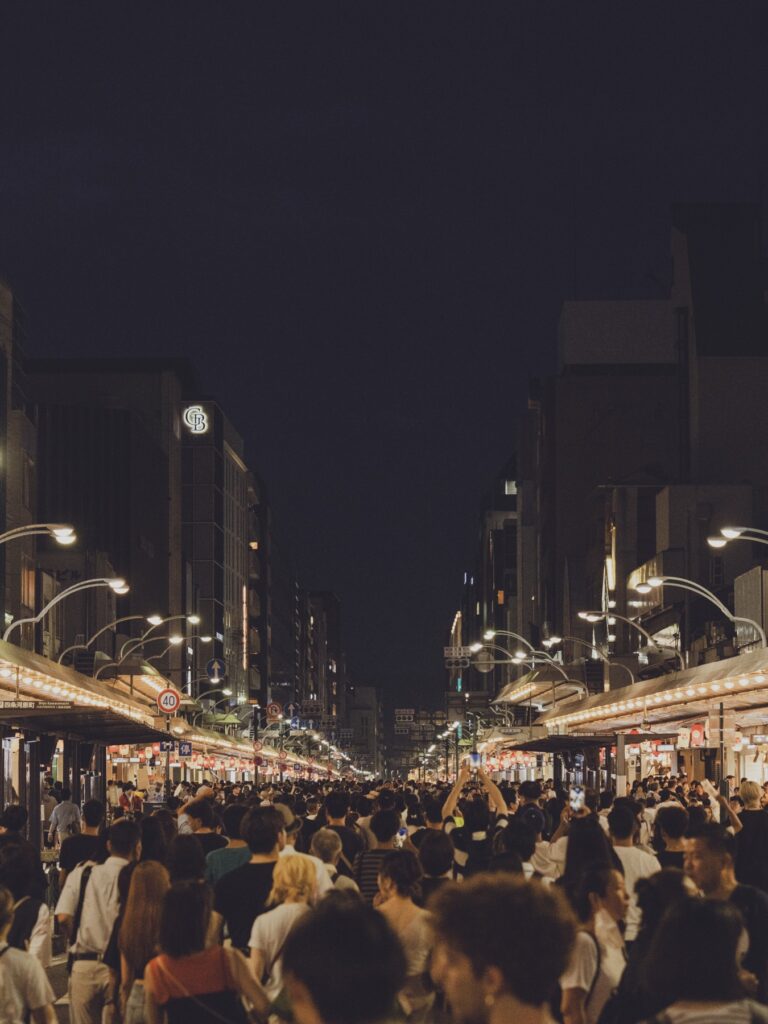
An honest, first-hand list of what's worth buying for a hot, humid Japanese summer — cooling rings, fans, sunscreen, rain gear — what a convenience store already covers, and what to skip.
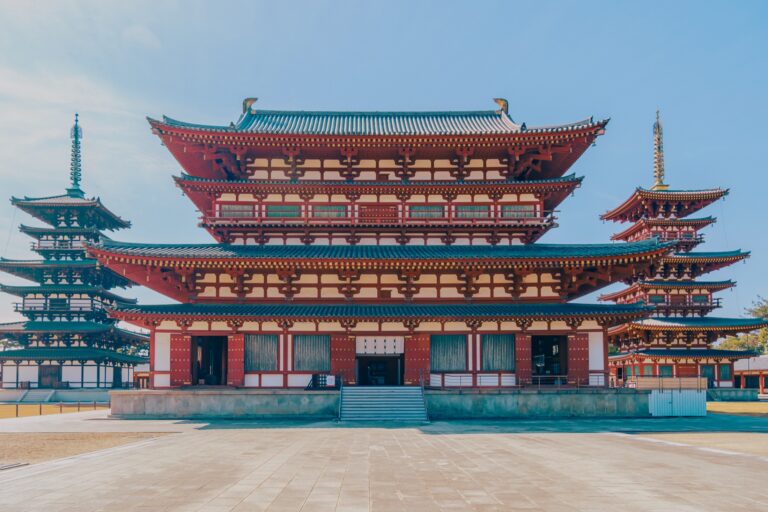
Yakushiji in Nara's Nishinokyō is a World Heritage temple founded in 680 — its East Pagoda (730) is the only original building left, and its bronze Yakushi Triad is a National Treasure.

Yoshinogari Historical Park in Saga preserves one of Japan's largest Yayoi-period moated settlements — reconstructed watchtowers, a ceremonial hall and a leaders' burial mound on a 117-hectare site.
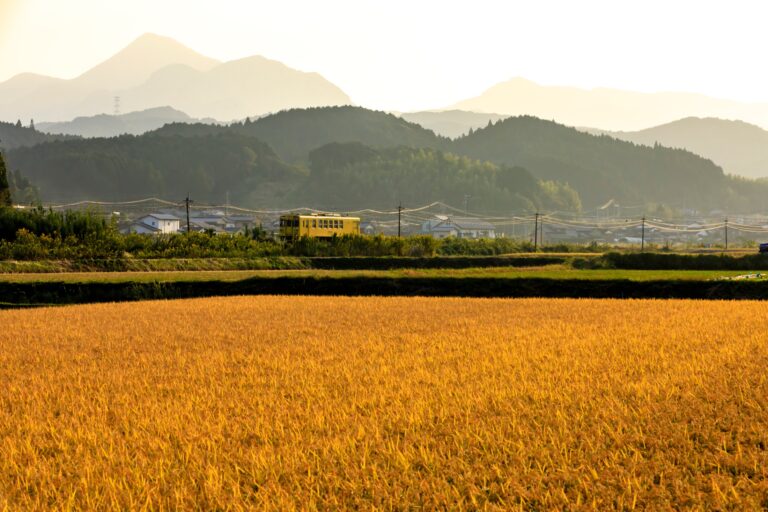
How to reach Imari and Arita from Fukuoka — the split Chikuhi Line, the limited express to Arita, the Matsuura Railway, and why a car wins.
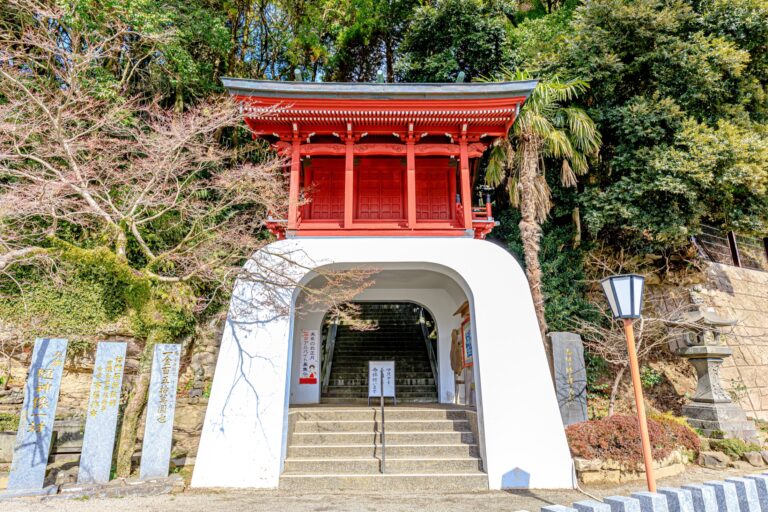
Imari Shrine in Saga: a photogenic vermilion gate over a white tunnel, a rare shrine to the god of sweets, and the Tontenton fighting festival.
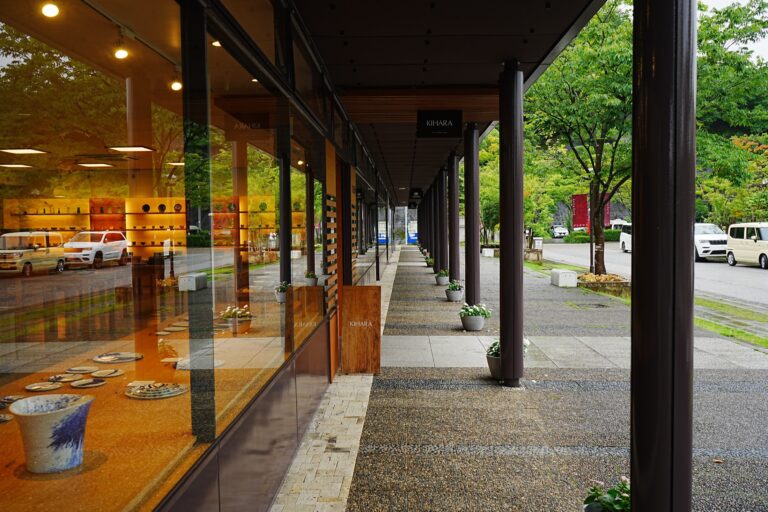
Arita Sera: 22 Arita-porcelain shops on one hilltop in Saga, open year-round with free parking — the easy place to buy the real thing.
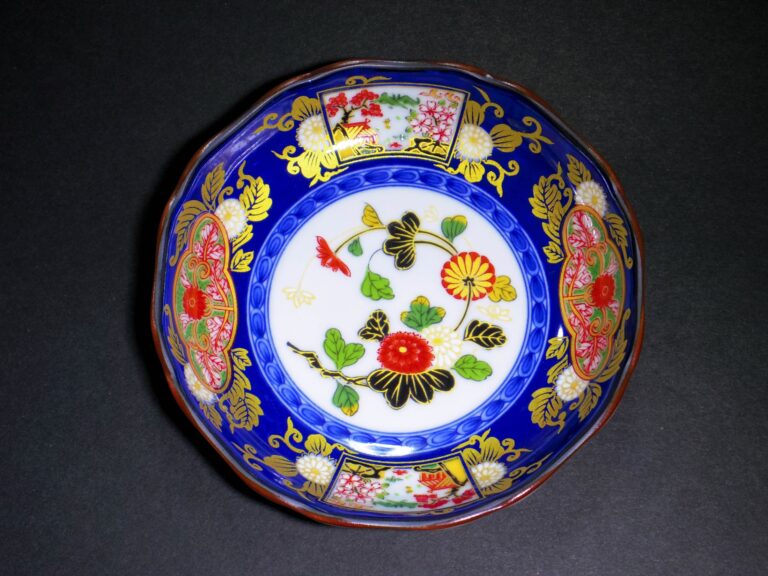
Imari ware is Japan's first porcelain — made in Arita from the 1610s, named for the port it shipped from, and exported to Europe as Old Imari.
Field notes, weekly
One email a week. The Japan worth planning around.
Nearly every image on Hidden Japan Gems was photographed by me on a Sony α7 across five years of walking Japan; a few licensed photos fill the gaps. Please don't re-use my photos without permission — reach out if you'd like to.
For licensing, write to hello@hiddenjapan-gems.com