
Travel tips · from the US · cards, phone plans, apps, medicine · checked 19 October 2026
For travellers with US-issued cards, a US phone plan and US apps: Visa and Mastercard are among the most widely accepted cards; Discover rides on JCB’s network in Japan; Venmo will not even let you sign in from Japan; T-Mobile, Verizon, AT&T and Google Fi all list Japan, at very different prices; and Adderall cannot be brought into Japan even with a US prescription.

Quick answers for US travellers
| What you use at home | In Japan (and what to do) | Source · checked |
|---|---|---|
| Visa or Mastercard | Works. Among the most widely accepted cards; carry some yen too | JNTO · 19 October 2026 |
| American Express | Works with conditions. Seven Bank ATMs list it; Japan Post Bank’s card list does not. Bring a Visa or Mastercard too | JNTO, Seven Bank, Japan Post Bank · 19 October 2026 |
| Discover | Works with conditions, through JCB’s network in Japan | Discover Network (13 May 2026), both banks · 19 October 2026 |
| US debit card for cash | Works with conditions. Seven Bank and Japan Post Bank ATMs take foreign cards; your issuer may add its own fee | Seven Bank, Japan Post Bank · 19 October 2026 |
| T-Mobile, Verizon, AT&T, Google Fi | Works with conditions. Japan is listed; what you get depends on the plan | Each carrier’s page · 19 October 2026 |
| Apple Pay, Google Pay | Works with conditions. JNTO says they “sometimes cannot be used in Japan” | JNTO · 19 October 2026 |
| Venmo | Doesn’t work (the app). Venmo says you cannot sign in from outside the US; its user agreement makes an exception only for the Venmo Debit Card | Venmo Help Center, Venmo User Agreement · 19 October 2026 |
| Cash App | Card works with conditions (3% international fee); sending money does not work outside the US or UK | Cash App Help · 19 October 2026 |
| Uber | Works. Uber Japan lists taxi options; a taxi ride is charged at the meter fare plus fees | Uber Japan · 19 October 2026 |
| Adderall | Doesn’t work. Amphetamine, including dexamphetamine, cannot be imported even for treatment | Narcotics Control Department · 19 October 2026 |
| US driver’s licence alone | Doesn’t work. You need a 1949 Geneva Convention International Driving Permit, issued in the US by AAA or AATA | National Police Agency, USA.gov · 19 October 2026 |
| Costco membership | Works. Costco Japan’s terms list cash, Mastercard credit cards and Costco’s own cards | Costco US and Costco Japan terms · 19 October 2026 |
US credit and debit cards
Visa, Mastercard and American Express
JNTO says the most widely accepted credit cards in Japan are Visa, JCB and Mastercard, and that credit, debit and prepaid cards of international brands are “generally accepted throughout the country”. American Express is not in that “most widely accepted” list. JNTO also warns that many places, especially in rural areas, may still take only cash, “even hotels”.
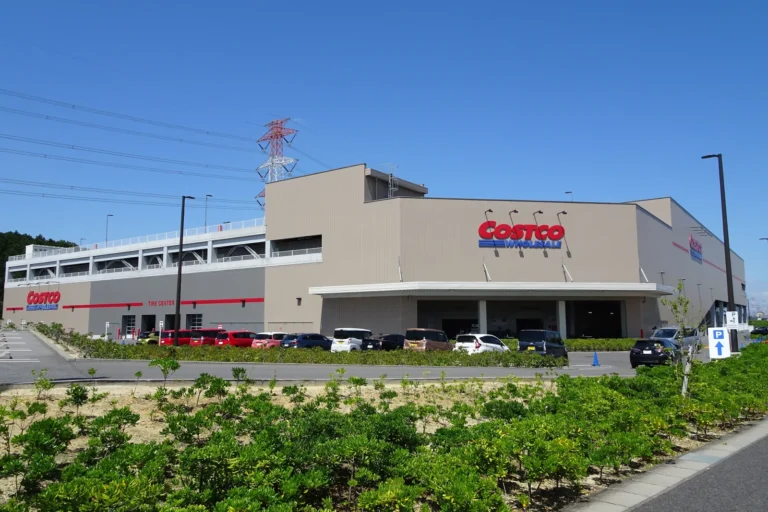
JNTO adds that cards pay for Narita Express and shinkansen fares, but you “can’t always use them for short distance train/subway fares”. At Costco, the card brand matters too: Costco Japan’s terms list cash, Costco’s own Shop Card and Global Card, and “all Mastercard brand credit cards”, not Visa or Amex. Your US membership itself is valid there; see Costco Japan with a membership from home. If you will take the shinkansen between several cities, see the Japan Rail Pass on Klook and add up your fares first.
Foreign transaction fees are set by the bank that issued your card; check your card agreement.
Discover in Japan
In a joint release of 13 May 2026, JCB and Discover Network said that since 2006 their arrangement has let “Discover cardholders use their cards across JCB’s acceptance network in Japan”. The release does not say every JCB merchant accepts Discover; carry a second card.
Cash with a US debit card
JNTO names Japan Post Bank and Seven Bank for cash withdrawals. Their card lists differ.
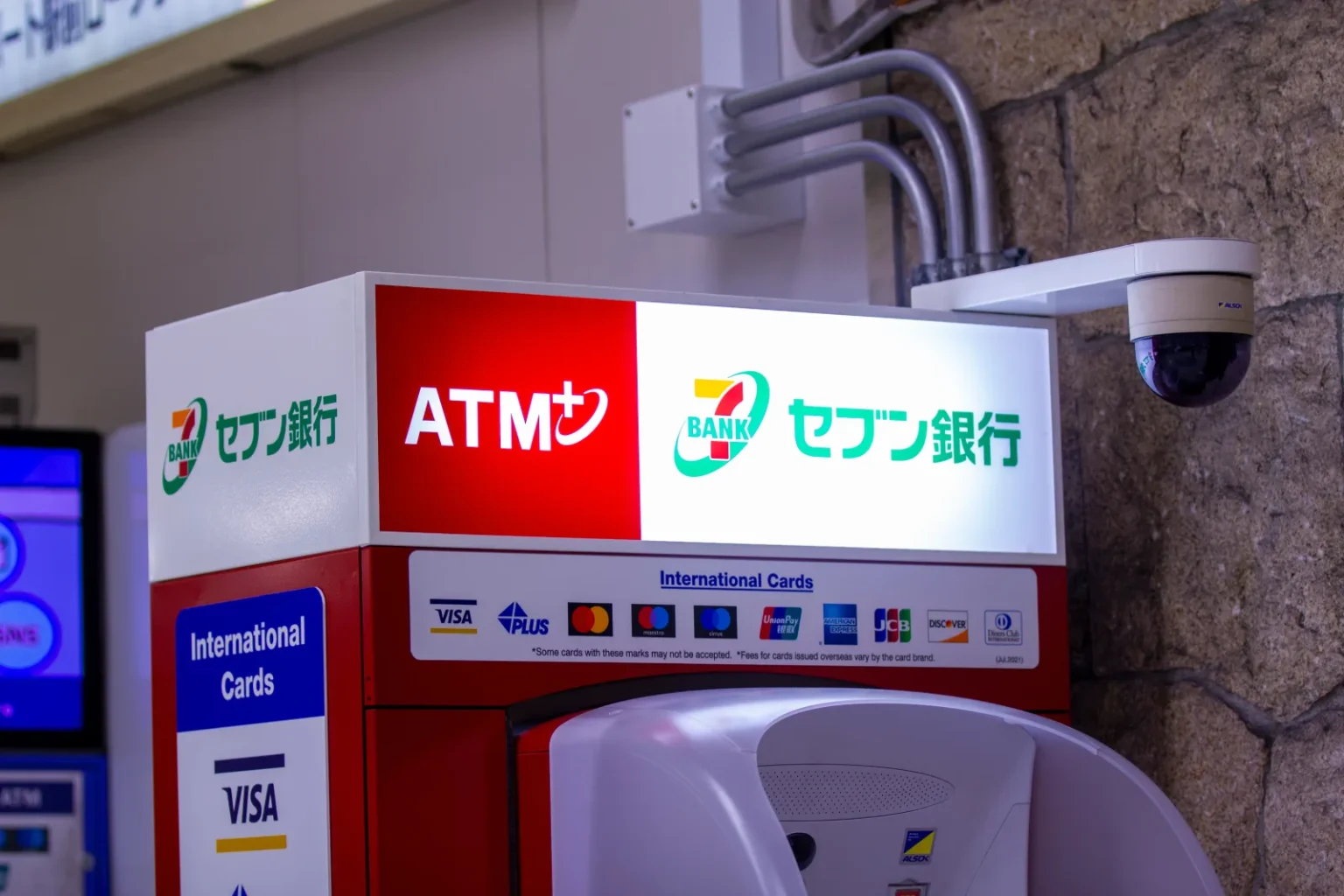
| Card brand | Seven Bank ATM hours (365 days) |
|---|---|
| Visa, Mastercard | 00:00–24:00 |
| American Express | 00:05–23:50 |
| Diners Club | 00:05–23:55 |
| JCB, Discover, UnionPay | 00:10–23:50 |
Source: Seven Bank, “Overseas Cards Usable at ATMs”, checked 19 October 2026. Seven Bank’s limit for overseas cards is 100,000 yen per withdrawal, or 30,000 yen with a magnetic-stripe card, and it says fees for overseas cards vary by card brand. With Visa or Mastercard the ATM may offer to bill you in US dollars instead of yen.
Japan Post Bank lists Visa, PLUS, Mastercard, Maestro, Cirrus, JCB, China UnionPay and Discover, not American Express (checked 19 October 2026). A fee of 220 yen (tax included) per withdrawal may apply to certain foreign cards, each withdrawal is capped at 50,000 yen, and your card issuer may charge its own fee. ATMs at post offices run 7:00–23:00 Monday to Saturday and 7:00–21:00 on Sundays and holidays; hours vary by machine. Bank and ATM hours, and holiday closures: when banks close in Japan. Where cards work and where cash is still needed: Japan cash vs card in 2026.
Your US phone plan in Japan
All four carriers below list Japan. Prices are from each carrier’s page on 19 October 2026.
| Carrier | Japan, from the carrier’s page |
|---|---|
| T-Mobile | Japan is on the list of included destinations. Data by plan:
|
| Verizon | TravelPass in Japan: $12 a day, charged only on days you use the phone; 5 GB high-speed per session, then 3G speeds. TravelPass is added automatically on Unlimited Plus and Unlimited Welcome; Verizon says Unlimited Ultimate includes international data, talk and text. Or the $100 International Monthly Plan (20 GB high-speed, 250 minutes) |
| AT&T | International Day Pass: $12 a day for one line, $6 for each extra line used the same day, no more than 10 daily fees per line per bill period. Japan is on AT&T’s Day Pass destination list. Talk, text and data are unlimited when it is added to an AT&T Unlimited plan; on other plans, AT&T says overage charges may apply. AT&T adds Day Pass to smartphones on arrival in an included destination if you have not signed up |
| Google Fi | Japan is on Fi’s list for Flexible and Unlimited Premium. On Flexible, data costs the same $10 per GB as in the US; Unlimited Premium includes international data. Fi lists data beyond Canada and Mexico only for those two plans |
For more high-speed data, T-Mobile’s International Pass page lists 2 GB for $10 (one day), 15 GB for $50 (10 days) and 30 GB for $75 (30 days); a qualifying plan is required and one pass is active at a time (viewed in a browser on 19 October 2026).
The other route is a Japanese eSIM for data. If you also keep your US line on for calls and texts, check your plan first: Verizon charges TravelPass on any day you use your phone abroad, and AT&T charges Day Pass for each 24-hour period you talk, text or use data. AT&T’s own Japan article notes that your phone must be unlocked to use a local SIM card or eSIM; ask your carrier before you leave if you are not sure.
If your plan charges by the day, compare a Japan data eSIM for the length of your trip.
See Japan eSIM plansApple Pay, Google Pay and Suica on your iPhone
JNTO says smartphone payment methods used overseas, “such as ApplePay, GooglePay and AliPay sometimes cannot be used in Japan”, and that shops taking contactless payment display the logos.
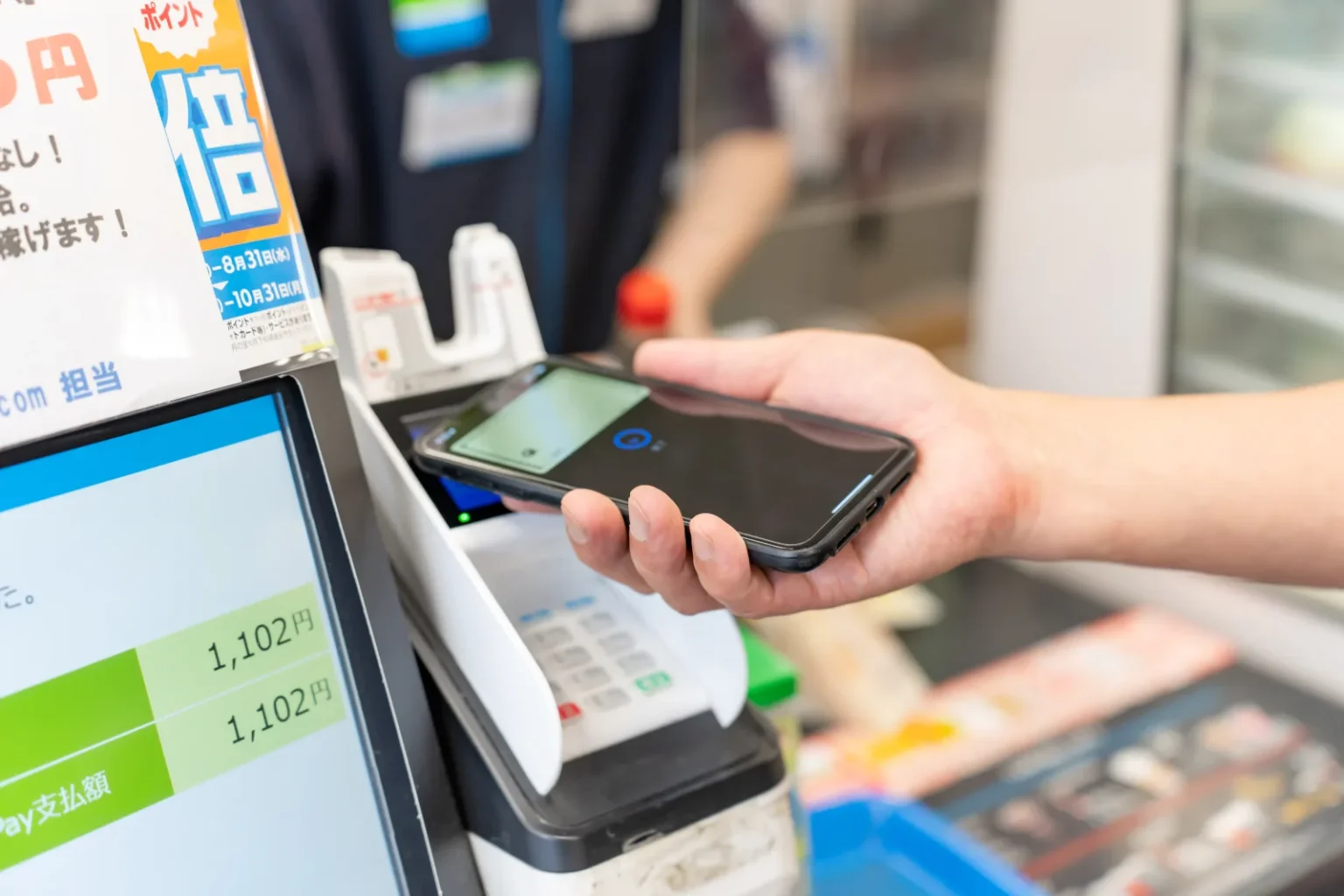
For trains, you can add a Suica, PASMO, ICOCA or TOICA transit card to Apple Wallet. Apple’s support page (published 25 March 2026) says you need an Apple Account with two-factor authentication and “an eligible payment card in Apple Wallet”. Apple lists iPhone 7 or 7 Plus or later for Suica; its general requirement for adding a new transit card is iPhone 8 or later. Apple Watch has its own requirements on the same page. Check Apple’s current compatibility details for your device. It describes adding a new transit card in Japan. Apple’s page does not say which card brands or countries of issue are eligible (checked 19 October 2026). If your US card is refused, the IC card options are in IC cards in Japan: Suica, PASMO and ICOCA.
Venmo, Cash App, Zelle and PayPal
None of these is on PayPay’s Alipay+ or HIVEX lists of overseas apps that can pay at Japanese shops (checked 19 October 2026). The full list, and what does work for Asian wallets, is in which home payment apps work in Japan. What each US app says about use abroad:
- Venmo. Venmo’s help page says that if you are not in the US, “you will not be able to sign into your Venmo account”, and suggests creating a PayPal account instead. Its user agreement (effective 24 August 2026) allows use from outside the US only for the Venmo Debit Card.
- Cash App. Cash App says its card is supported in all countries except a listed few (Japan is not on that list), with a 3% international use fee that Cash App Green customers may have waived for in-person purchases. Sending a payment, adding funds and withdrawing funds “are unavailable outside the US or UK”.
- Zelle. Zelle’s FAQ says the sender and recipient must have US bank accounts.
- PayPal. Not on PayPay’s lists; PayPal’s own country pages were not checked for this article.
Uber and Lyft
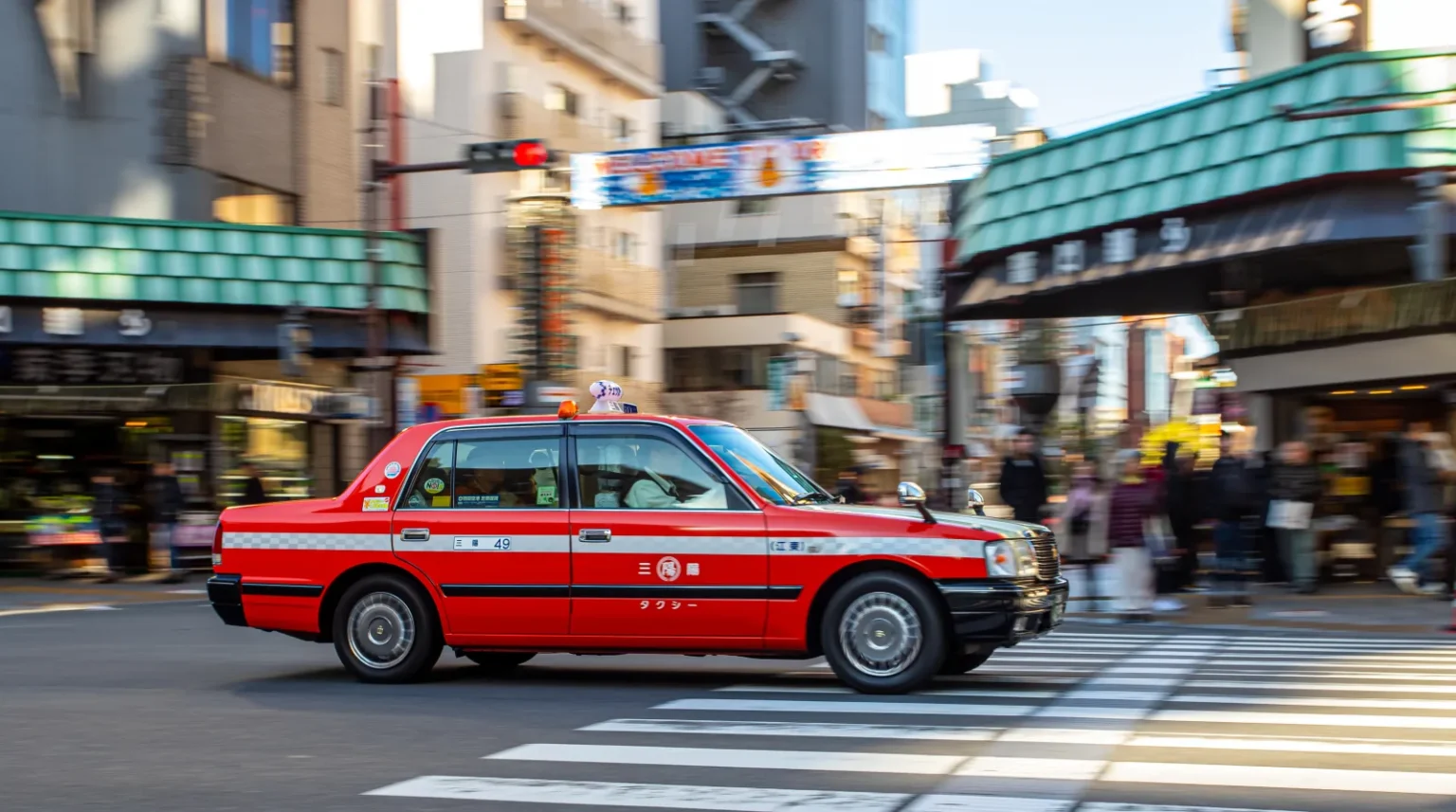
Your Uber app works in Japan; for Uber Taxi, the fare is the price on the taximeter, with booking and facility fees charged separately (Uber Japan). Lyft’s 30 September 2026 announcement lets North American riders use the app in the US, Canada and Europe; Japan is not named in it. Taxi apps, rideshare rules and airport taxis: Does Uber work in Japan?
Medicine from the US
The US Embassy in Tokyo warns that “many common medications and over-the-counter drugs in the United States are illegal in Japan”, and that a valid US prescription does not protect you if the drug is illegal there. It sends travellers to Japan’s Ministry of Health, Labour and Welfare (MHLW), and suggests carrying a copy of your prescription and a doctor’s letter stating the purpose of the drug.

| US medicine (ingredient) | Rule in Japan · source |
|---|---|
| Adderall (amphetamine) | Cannot be brought in, “even for treatment purposes”. Amphetamine is a prohibited stimulant · Narcotics Control Department FAQ, 19 October 2026 |
| Vyvanse (lisdexamfetamine) | Allowed only with permission obtained before you travel; apply at least 14 days ahead · Narcotics Control Department, 19 October 2026 |
| Decongestants containing pseudoephedrine | Pseudoephedrine is a “stimulants’ raw material”; products containing 10% or less are excluded. Above that, advance permission is needed. US labels give milligrams per tablet, not this percentage, so ask MHLW or the NCD before you travel with any product containing pseudoephedrine · NCD list, version dated 12 December 2024 (checked 19 October 2026) |
| Hydrocodone, oxycodone | Listed as narcotics: advance permission needed · NCD list, version dated 12 December 2024 (checked 19 October 2026) |
| Methylphenidate | Listed as a psychotropic: up to 2.16 g in total needs no permission or doctor’s certificate; above that, carry a doctor’s certificate, and for more than a 1-month supply the NCD says to contact MHLW · NCD table and guidance, 19 October 2026 |
| Medicines containing codeine | Codeine is listed as a narcotic; products containing 1% or less are excluded. Above that, advance permission is needed · NCD list, version dated 12 December 2024 |
| Over-the-counter medicines such as Tylenol (acetaminophen) or Advil (ibuprofen) | MHLW’s “other drugs” group: up to a 2-month supply without an import confirmation, unless the product contains a controlled ingredient. Acetaminophen and ibuprofen are not on the NCD controlled list · MHLW and NCD, 19 October 2026 |
| Other prescription medicines | Up to a 1-month supply without an import confirmation; more needs an import confirmation (“Yunyu Kakunin-sho”) before you leave · MHLW, 19 October 2026 |
The NCD list does not use brand names; it says to check your medicine’s category with the prescribing doctor. Zolpidem and alprazolam are also psychotropics, with table limits of 300 mg and 72 mg. For medicines that need a permit, the NCD says you must carry them yourself; they cannot be sent to Japan. For anything unclear, the US Embassy advises emailing the active ingredients, product name, dosage and quantity to MHLW at yakkan@mhlw.go.jp; MHLW’s own page lists kiyakuji@mhlw.go.jp for arrivals at Kansai, Chubu, Fukuoka and Naha. The NCD says its Tokyo office does not accept last-minute applications.
Plugs and voltage
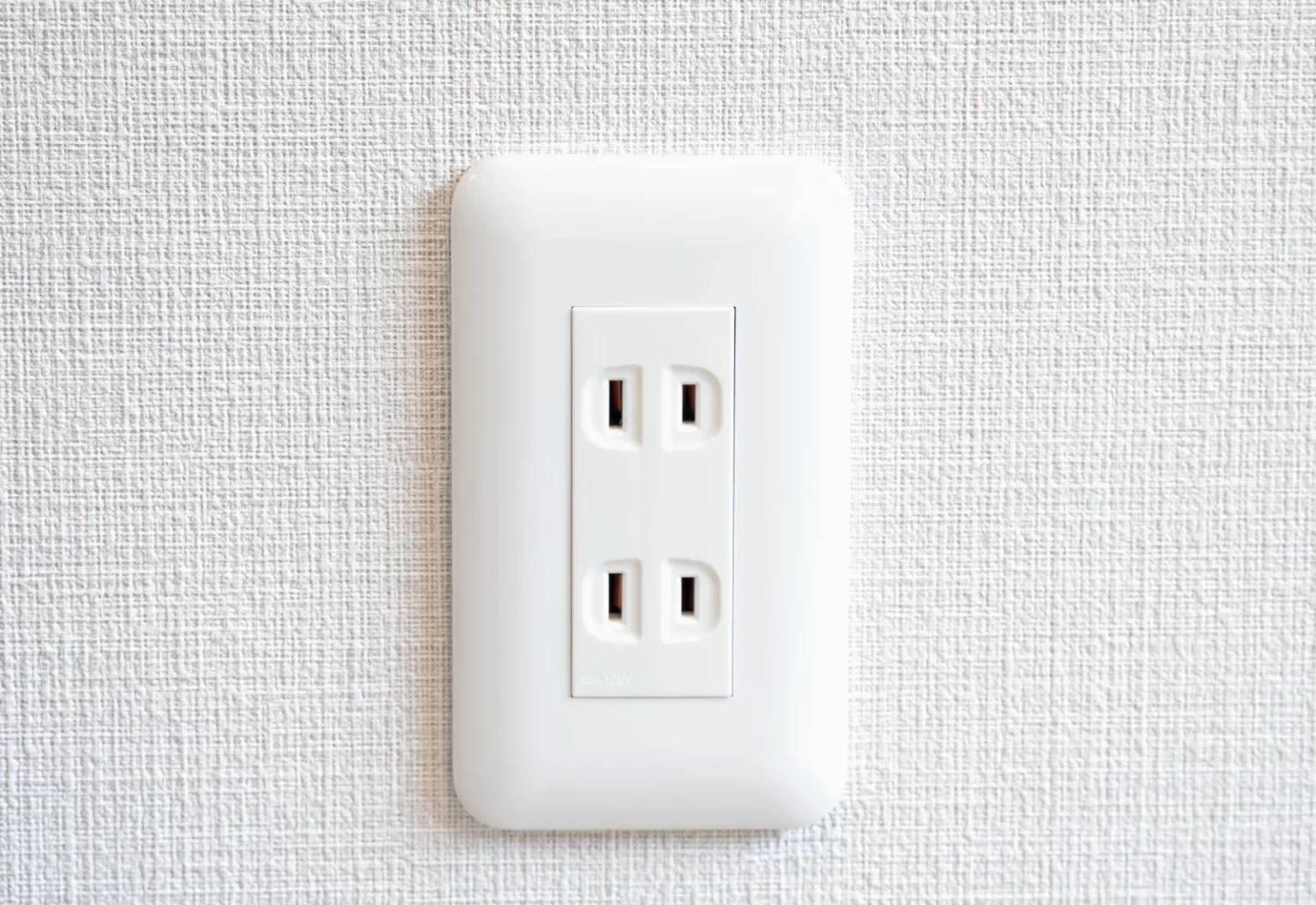
JNTO says Japan’s supply is 100 volts everywhere, at 50 Hz in the east and 60 Hz in the west. Read the INPUT line on your charger: a label of 100–240V covers Japan. A device labelled 110–120V only is not labelled for 100 V; check the manual or ask the maker. A plug adapter does not change the voltage. The IEC’s plug guide (archived August 2026) says the American neutral pin is wider than the Japanese one, so Japanese plugs fit US sockets “but often not the other way around”; a two-slot socket like the one above also has no hole for a third, earth pin. More in Japan plug type and voltage.
Driving with a US licence
Japan’s National Police Agency lists three ways to drive: a Japanese licence; an International Driving Permit issued under the 1949 Geneva Convention; or a licence from Switzerland, Germany, France, Belgium, Monaco or Taiwan with an official Japanese translation (list as of 1 April 2026). A US licence is not in the third group, so on its own it does not let you drive. With an IDP you can drive for up to one year after landing, or until the IDP expires if that is sooner.
USA.gov says only two organisations are authorised by the State Department to issue IDPs: AAA and the American Automobile Touring Alliance (AATA). Carry both the IDP and your US licence; an IDP is valid for one year and cannot be renewed. USA.gov warns that other websites claiming to issue international licences are often fraudulent. Get the IDP before you leave the US. Road signs: Japanese road signs for foreign drivers.
If you will drive outside the cities, compare rental cars once your IDP is in hand.
Compare rental carsTipping
JNTO says: “In Japan, it’s not common to tip for services such as those provided in bars, cafes, restaurants, taxis, and hotels.”
Before you leave the US
- Check each card’s foreign transaction fee, and pack a Visa or Mastercard.
- Look up your phone plan, or ask your carrier to unlock the phone for a Japanese eSIM.
- Check every prescription ingredient against the NCD list and MHLW quantities; apply at least 14 days ahead where permission is needed.
- Get an IDP from AAA or AATA if you will drive.
Before you go
Flights and airports: planning a trip to Japan from the USA.
Questions US travellers ask
Can I use my US credit card in Japan?
Yes. JNTO says international-brand credit, debit and prepaid cards are generally accepted, and names Visa, JCB and Mastercard as the most widely accepted (checked 19 October 2026). Some places, especially in rural areas, take only cash, so carry yen too.
Can I use my US debit card in Japan?
For cash, yes: Seven Bank and Japan Post Bank ATMs list Visa and Mastercard among the foreign cards they take. Seven Bank allows up to 100,000 yen per withdrawal and Japan Post Bank up to 50,000 yen; your bank may add its own fee (checked 19 October 2026).
Does my Discover card work in Japan?
Yes, with conditions. JCB and Discover Network said on 13 May 2026 that Discover cardholders can use their cards across JCB’s acceptance network in Japan. Carry a second card.
Can I use my US phone in Japan?
Yes, if your plan includes roaming. T-Mobile, Verizon, AT&T and Google Fi all list Japan (checked 19 October 2026). T-Mobile’s Japan page lists data from unlimited at 256 kbps up to 30 GB of high-speed data, depending on the plan. Verizon TravelPass and AT&T’s International Day Pass are $12 a day for one line; Verizon’s Unlimited Ultimate includes international use. An unlocked phone can use a Japanese eSIM instead.
Does Venmo work in Japan?
Not the app. Venmo’s help page says you cannot sign in from outside the US, and its user agreement makes an exception only for the Venmo Debit Card (checked 19 October 2026). Venmo is not on PayPay’s lists for Japanese shops. Pay friends back before or after the trip.
Can I bring Adderall or Sudafed to Japan?
Not Adderall: Japan’s Narcotics Control Department says amphetamine cannot be imported even for treatment. Pseudoephedrine, a decongestant ingredient, is a stimulants’ raw material in Japan, and some products containing it need permission before you travel. Check with MHLW or the NCD before packing any product that lists it (checked 19 October 2026).
Can I drive in Japan with a US driver’s licence?
Not alone. Carry a Geneva Convention International Driving Permit from AAA or AATA with it (checked 19 October 2026).
Japan Cash vs Card in 2026
Where cards work and where cash is still needed.
Getting Around Japan
Trains, buses and the JR Pass.
Japan Tax-Free Shopping 2026
Passport, receipts and the rules for visitors.
Sources
- Checked 19 October 2026 — Japan National Tourism Organization: Cashless payments in Japan; Credit cards; Plug and electricity; Tipping in Japan
- Checked 19 October 2026 — ATMs: Seven Bank, overseas cards usable at ATMs and how to withdraw cash; Japan Post Bank, withdrawals with cards issued abroad
- Checked 19 October 2026 — Discover Network, JCB and Discover Network mark 20 years of collaboration (13 May 2026); Costco, membership privileges and conditions (US) and Costco Japan terms (Japanese)
- Checked 19 October 2026 — Carriers: T-Mobile, international plans, Japan, International Pass and included destinations (all four viewed in a browser on 19 October 2026); Verizon, TravelPass countries, international travel and TravelPass FAQs; AT&T, International Day Pass, Day Pass details and using your US phone in Japan (2 June 2025); Google Fi, international rates
- Checked 19 October 2026 — Apple Support, Add a transit card to Apple Wallet in Japan (published 25 March 2026)
- Checked 19 October 2026 — PayPay merchant help (Japanese): What is Alipay+ and What is HIVEX (linked overseas apps)
- Checked 19 October 2026 — Payment apps: Venmo, accessing Venmo while abroad and user agreement; Cash App, travel and international transactions; Zelle, Can I use Zelle internationally?
- Checked 19 October 2026 — Ride apps: Uber, Uber in Japan; Lyft, Lyft app launches in Europe (30 September 2026)
- Checked 19 October 2026 — Medicine: U.S. Embassy & Consulates in Japan, importing medication; MHLW, bringing medicines for personal use into Japan; Narcotics Control Department, application guidance and FAQ and psychotropics table and controlled substances list (version dated 12 December 2024)
- Checked 19 October 2026 — IEC, World Plugs, Type A and Type B (Internet Archive capture of 16 August 2026)
- Checked 19 October 2026 — Driving: National Police Agency, How to Drive in Japan (published 7 May 2026); USA.gov, International driver’s license for U.S. citizens
Join travelers discovering Japan's hidden side
Weekly dispatches from off-the-beaten-path Japan — spots and stories you won't find in guidebooks.
No spam. Unsubscribe anytime.
Welcome aboard!
You're in. See you in your inbox soon.