Tokyo · Art & Gardens
Some of Japan’s best museums are worth visiting before you look at a single artwork — the building and the garden are the first exhibit. Within day-trip range of Tokyo you can walk a 236,000-square-metre hillside garden above the sea in Atami, tour a 1933 Art Deco prince’s residence for ¥1,400 (or just its gardens for ¥200), and finish under maples beside Kengo Kuma’s 2009 Nezu Museum, eight minutes on foot from Omotesando station. Here are five museums where architecture and garden carry the day — the three everyone should know, plus two I’d add from my own corner of Japan — with 2026 hours, fees and access checked against the official sites.
The five at a glance
| Museum | Adult fee | Hours / closed | From Tokyo | Time needed |
|---|---|---|---|---|
| MOA Museum of Art (Atami) | ¥2,000 | 9:30–16:30; closed Thu | Shinkansen to Atami + bus 7 min (¥200) | 2–3 hr |
| Teien Art Museum (Shirokanedai) | Exhibition ~¥1,400; gardens only ¥200 | 10:00–18:00; closed Mon | 7 min walk from Meguro stn | 1.5–2.5 hr |
| Okada Museum of Art (Hakone) | ¥2,800 | 9:00–17:00; closed Dec 31–Jan 1 & changeovers | Shinkansen to Odawara, bus to Kowakien | 2.5–4 hr |
| Nezu Museum (Minami-Aoyama) | ¥1,400–1,600 online; walk-ups when space allows | 10:00–17:00; closed Mon | 8 min walk from Omotesando stn | 1.5–2.5 hr |
| Itchiku Kubota Art Museum (Kawaguchiko) | ¥1,500 | 10:00–17:00 (to 16:30 Dec–Mar) | Bus from Shinjuku ~100 min + loop bus | 1.5–2.5 hr |
MOA Museum of Art — the hilltop above the sea
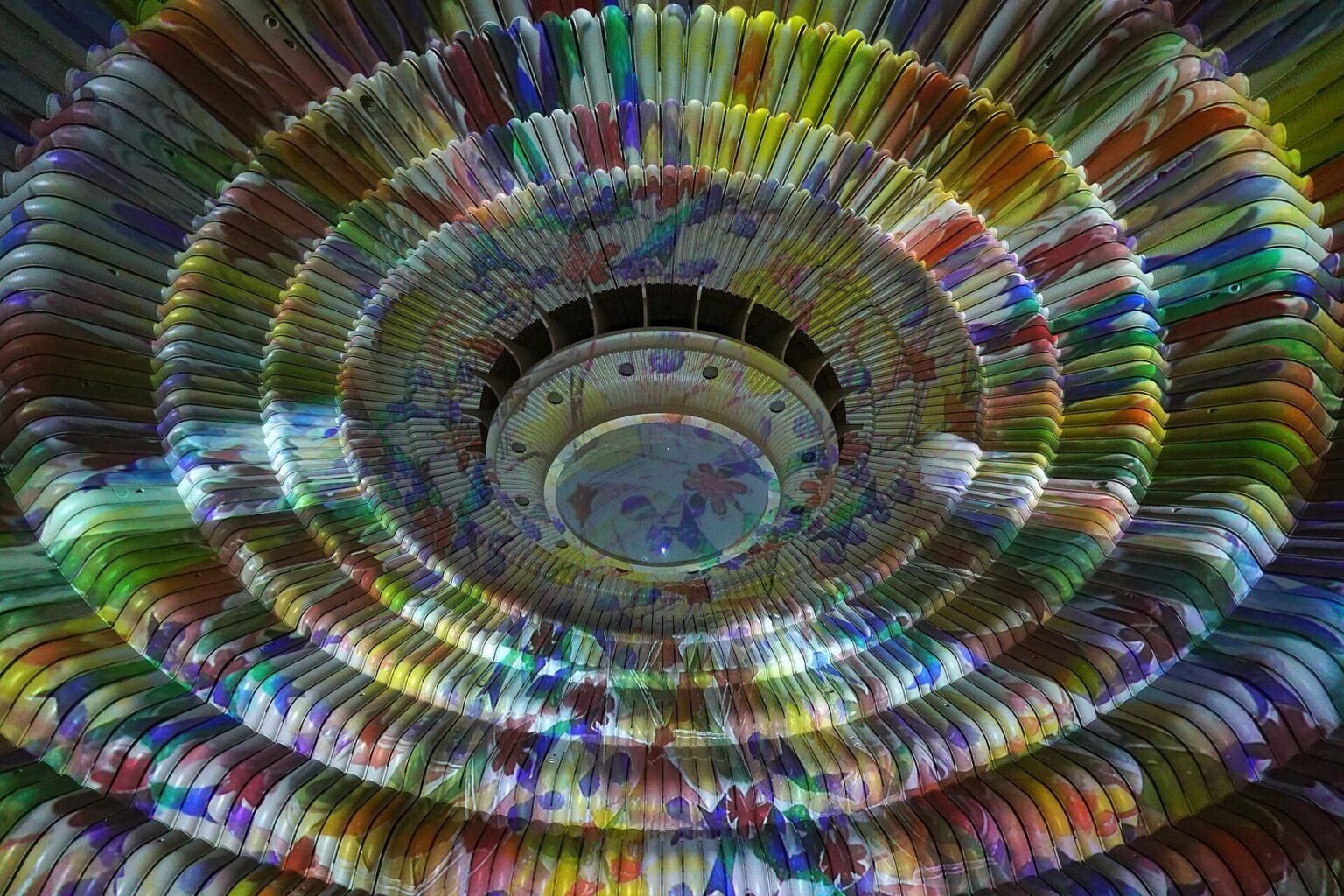
Atami’s MOA stands roughly 250 metres above the bay, and the approach itself — a series of long escalators rising through the hill — is pure theatre. The 2017 renovation of the lobby and galleries was designed by New Material Research Laboratory, the practice of artist Hiroshi Sugimoto and architect Tomoyuki Sakakida, all dark stone, low light and framed sea. The collection runs to National Treasures and Important Cultural Properties of Japanese art, and the museum also stages Noh performances.
The garden, Zuiunkyo, spreads across about 236,000 square metres of hillside, with the tea house Ippaku-an and a 1985 reconstruction of painter Ogata Korin’s residence among the trees, and views to Hatsushima and Oshima on clear days. Practicals: ¥2,000 adults (junior-high and under free — note the old senior and JAF discounts ended in March 2025), 9:30–16:30, closed Thursdays; the bus from Atami station stand 8 takes about 7 minutes (¥200). Atami is under 90 minutes from Tokyo by shinkansen — pair it with Kinomiya Shrine’s 2,000-year-old camphor tree down the hill, and if you make it an overnight, Atami’s onsen hotels are at their best value midweek.
Tokyo Metropolitan Teien Art Museum — the Art Deco prince’s house
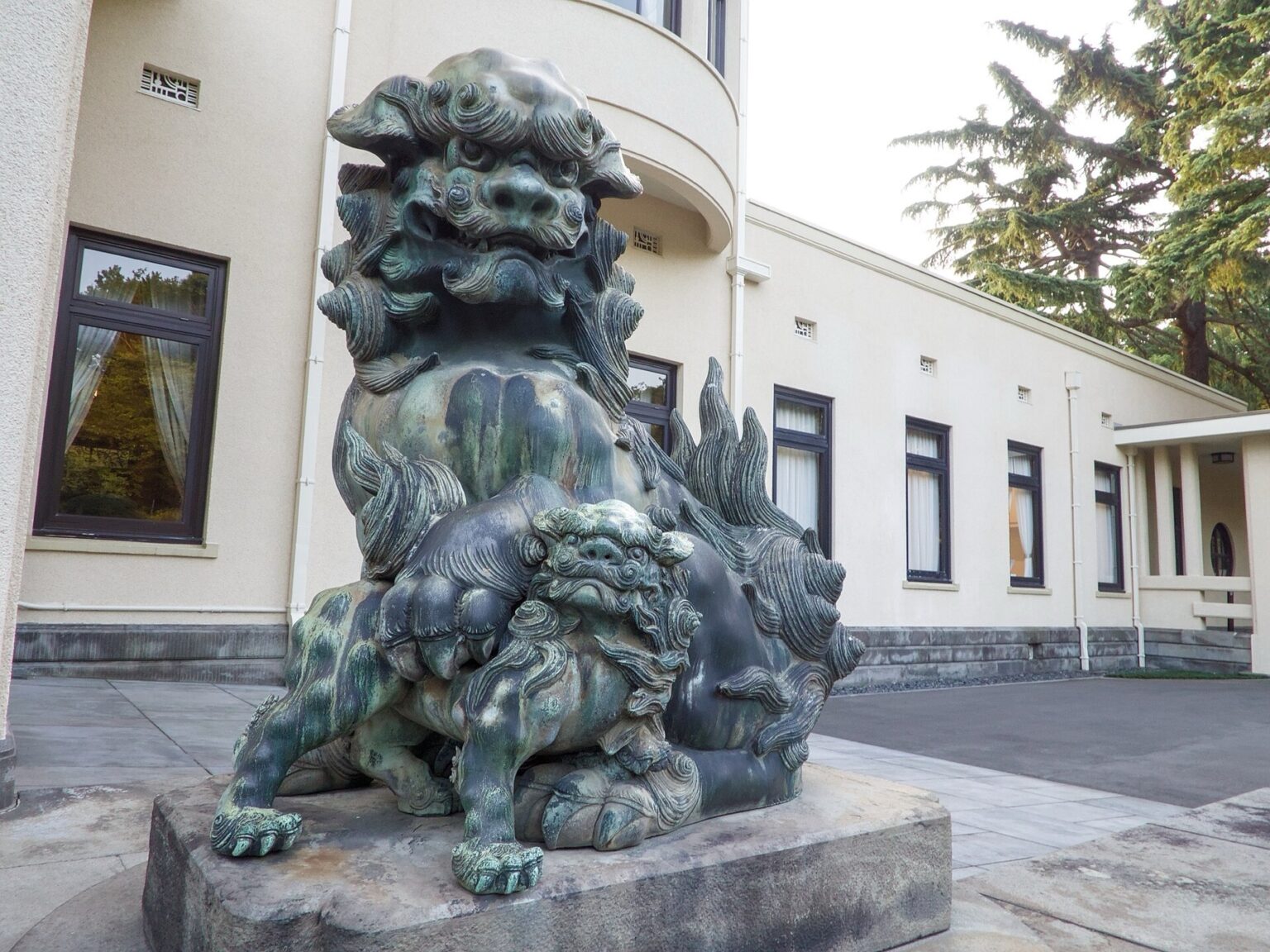
The easiest of the five: a seven-minute walk from Meguro station. The main building is the 1933 Former Residence of Prince Asaka, built at the height of the Art Deco moment by the Imperial Household Ministry’s works bureau, with principal interiors by Henri Rapin and glasswork by René Lalique, used as a museum since 1983 and designated an Important Cultural Property in 2015. Exhibitions rotate (through September 13, 2026 it’s the ceramicist Lucie Rie, ¥1,400 adults, and the exhibition ticket includes the gardens).
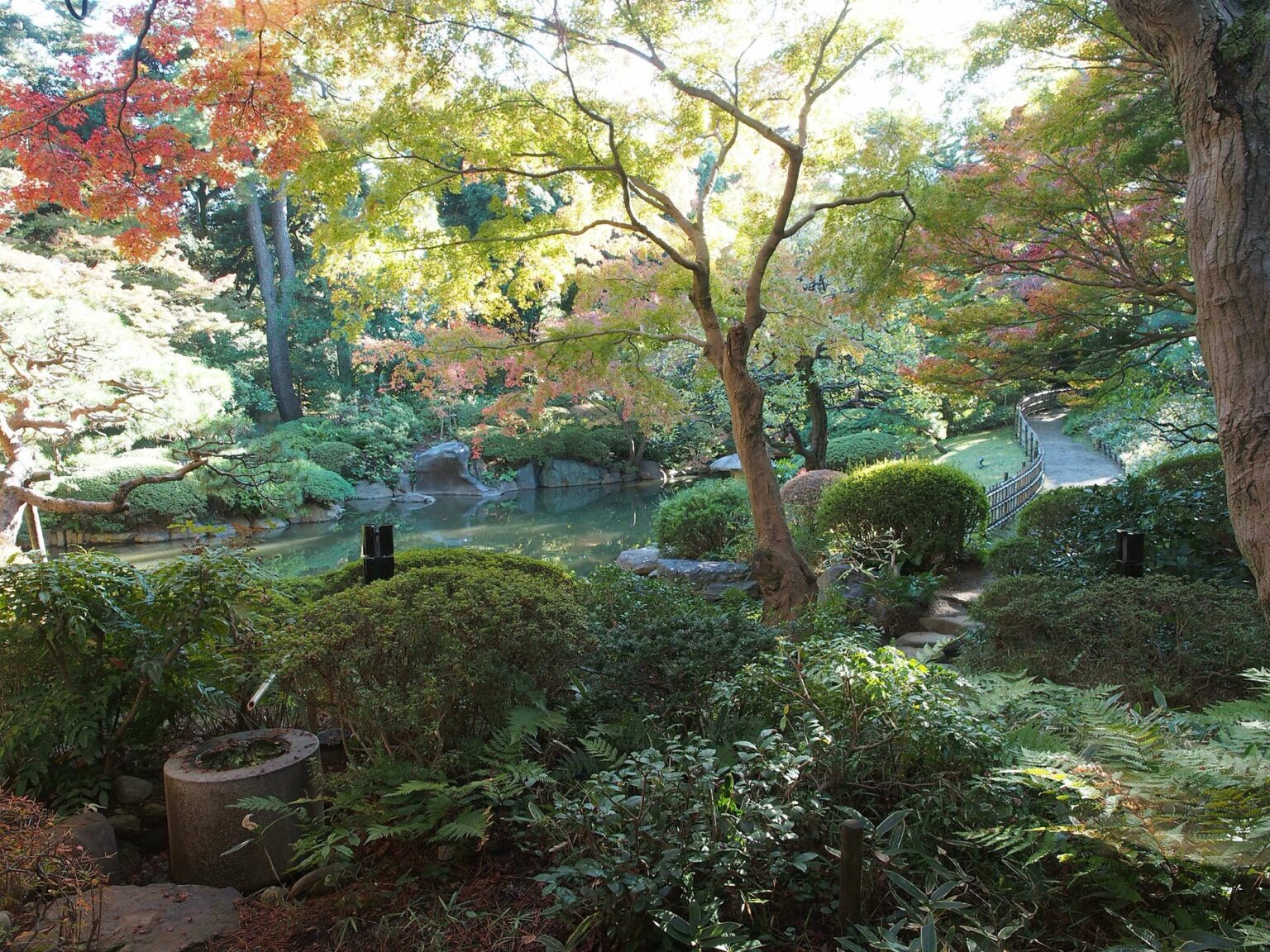
The garden divides into three: a broad lawn against the house, a Japanese garden on rolling ground around the tea house Koka — itself part of the Important Cultural Property designation — and a small Western garden. The quiet trick most visitors miss: a gardens-only ticket costs ¥200, no reservation needed — one of central Tokyo’s best-value green escapes. Closed Mondays. Photography rules change by exhibition — for Lucie Rie, personal photography is allowed in much of the building except marked works; the gardens are fine, though not inside the tea house Koka.
Okada Museum of Art — Hakone’s five-floor heavyweight
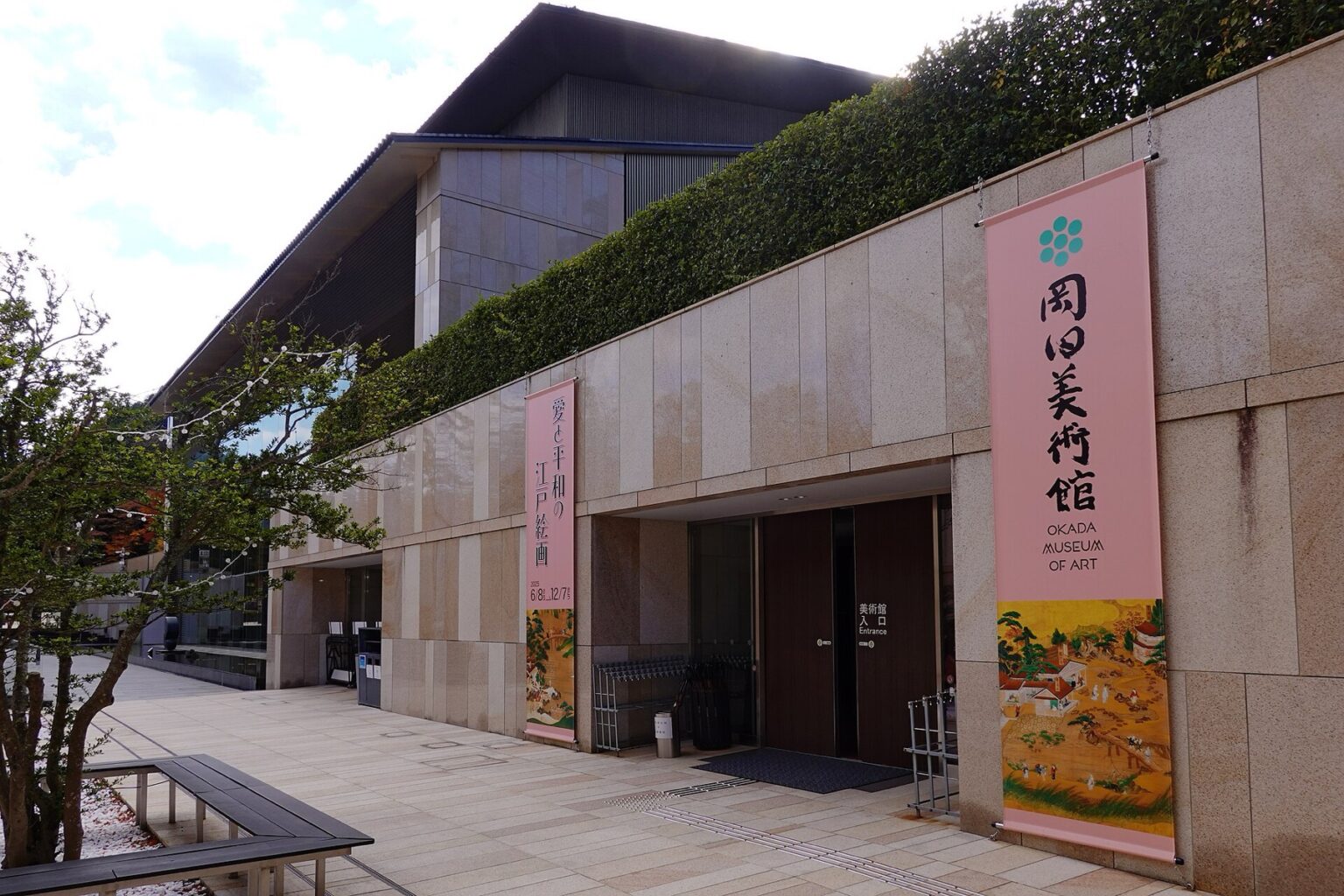
Hakone’s 2013-opened giant: five floors of Japanese and East Asian art — painting, ceramics, Buddhist sculpture — on a forested slope at Kowakudani. At ¥2,800 it is one of Japan’s most expensive museum tickets, and it earns the price with sheer depth; allow the better part of a half day. Security is airport-style: phones, cameras and drinks go into free lockers, so treat the inside as a no-photo zone.
Outside, a roughly 15,000-square-metre strolling garden climbs the hillside around streams and ponds — the separate ¥300 garden fee is currently waived while the stream-walk section is closed — and a footbath café fed by 100% free-flowing hot-spring water faces the giant facade mural (museum admission waives the ¥500 footbath fee; food and drinks are separate). Access: shinkansen to Odawara (~35 min), then Hakone-Yumoto and a ~20-minute bus to the Kowakien stop. If you’re building a full Hakone loop around it, Hakone transport passes on Klook cover the circuit; for the overnight it deserves, compare Hakone ryokan on Trip.com when you plan the wider trip.
Nezu Museum — Kuma’s bamboo approach and a valley garden
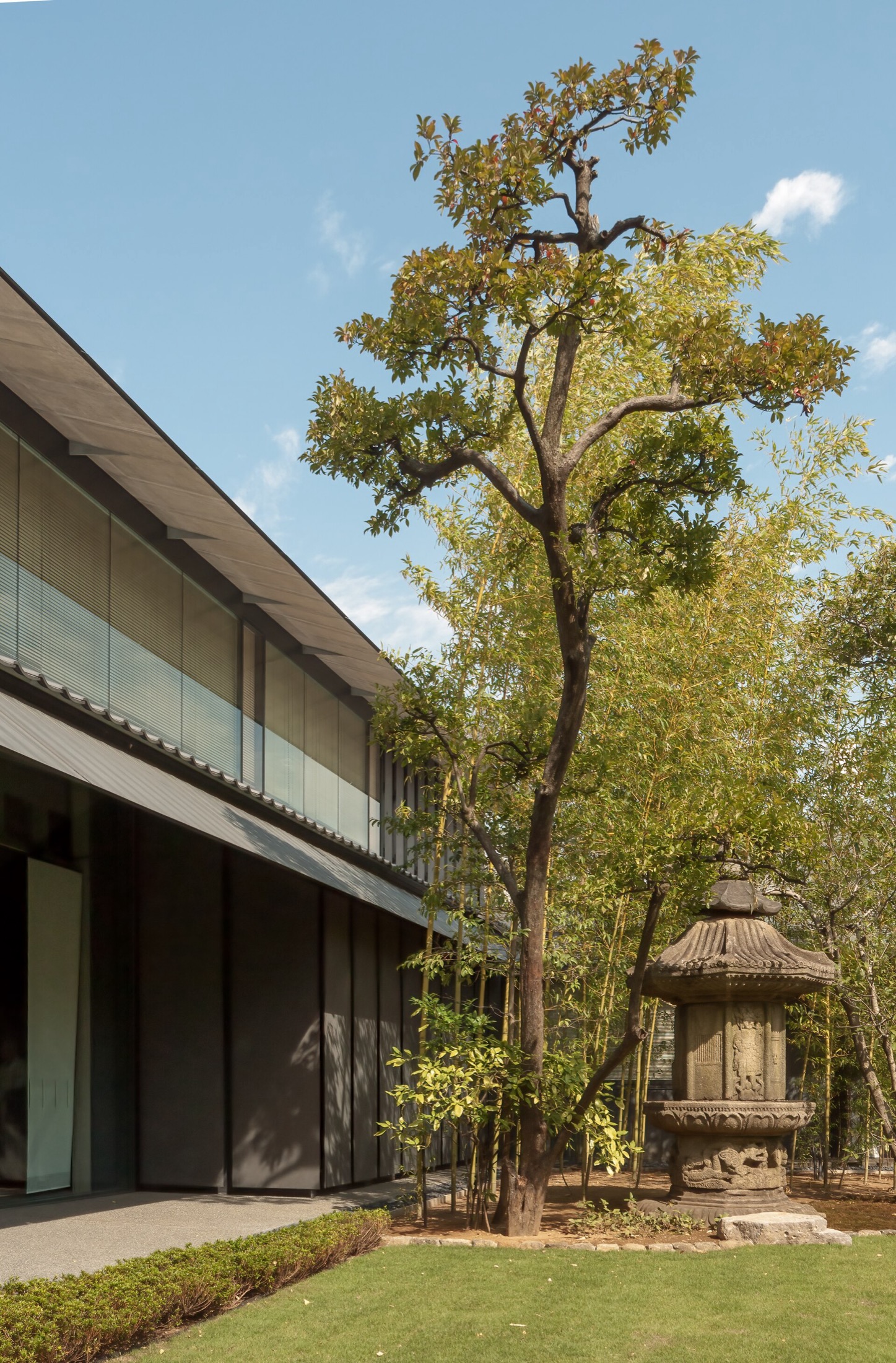
Two more I’d put on the same list. First, the Nezu — because no museum in Tokyo fuses building and garden better. Kengo Kuma’s 2009 main building funnels you down a long bamboo-lined approach that resets your pace before you’ve paid, the collection is premodern Japanese and East Asian art, and behind it the land drops into a 17,000-square-metre valley garden with four tea houses, stone lanterns and the NEZUCAFÉ glasshouse. In late April and early May the garden’s kakitsubata irises bloom — traditionally timed with the museum’s annual showing of Ogata Korin’s National Treasure Irises screens — and autumn brings deep maple colour through the valley. Note the garden is open to museum visitors only.
Practicals: 10:00–17:00, closed Mondays; online timed tickets (¥1,400–1,600 depending on exhibition) get priority and walk-up tickets can sell out on busy days, so book the slot. Eight minutes on foot from Omotesando station — it pairs with an Aoyama afternoon rather than a journey. If you’re basing in the city anyway, Tokyo hotels on Agoda around the Yamanote’s south side keep both this and the Teien within an easy reach.
Itchiku Kubota Art Museum — kimono, stone and water above Kawaguchiko
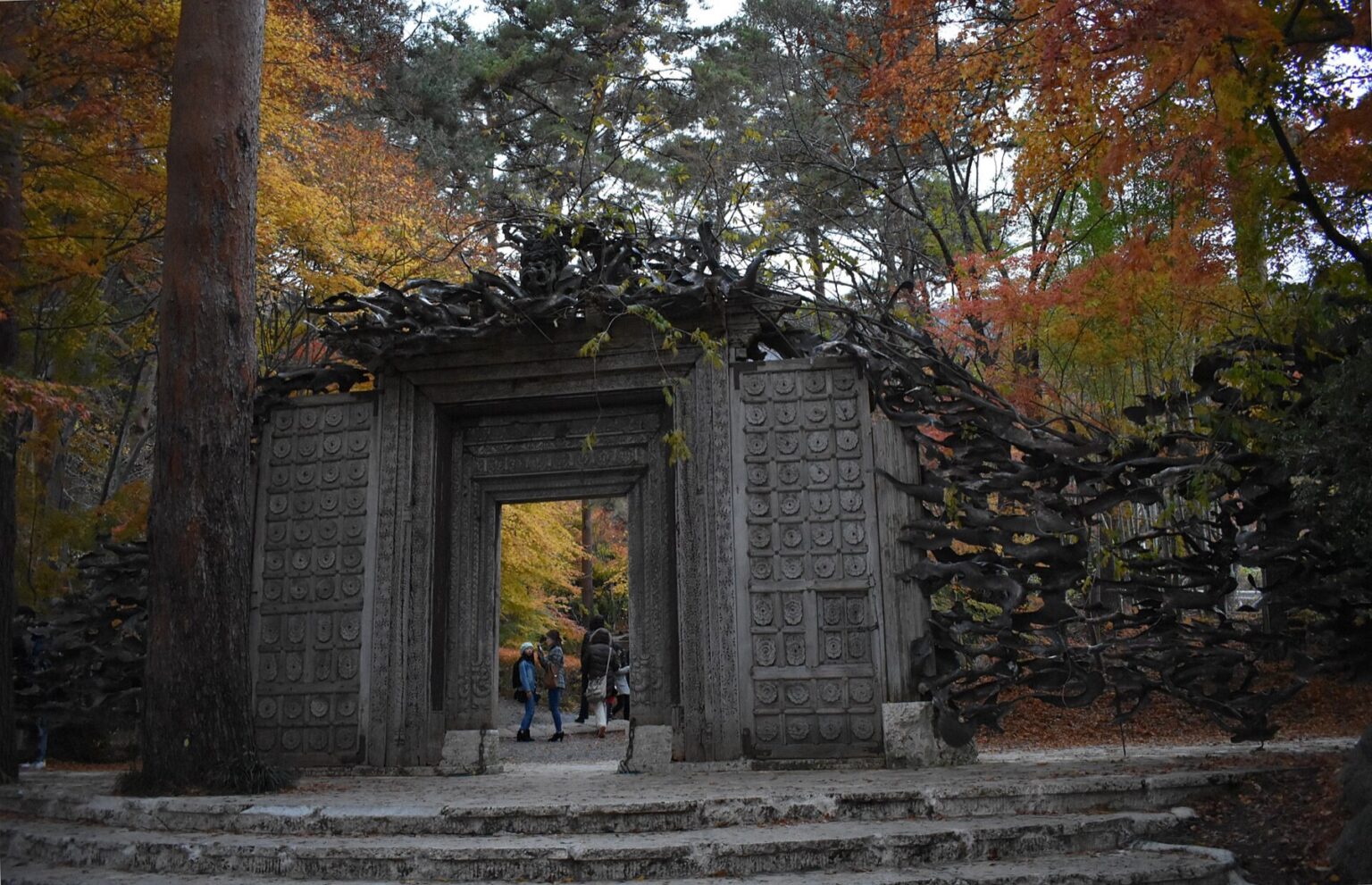
And one from my home turf above Lake Kawaguchiko: the museum of kimono artist Itchiku Kubota, who developed “Itchiku Tsujigahana” — his modern reinvention of the historical tsujigahana dyeing tradition. The 1994 main hall and 1997 annex sit in a garden of streams, a waterfall and primitive art, behind a carved gate that looks like nothing else in Japan — an organic, coral-like design that defies filing under any style. The kimono themselves, dyed as vast landscape panoramas, stop even people who think they don’t care about textiles.
Practicals: ¥1,500 adults, 10:00–17:00 (to 16:30 December–March), no reservation needed for individuals; the Kawaguchiko Red Line loop bus stops at the gate (~20–25 min from the station). From Shinjuku the highway bus reaches Kawaguchiko in about 100 minutes — the full logistics are in our Tokyo–Kawaguchiko access guide — and the north-shore location puts it minutes from Oishi Park’s flower-and-Fuji views. Make it an overnight: some north-shore lakefront Kawaguchiko hotels have rooms facing Mt. Fuji across the water — check the room-view category — and the museum is a short bus hop from that shore.
How to plan these without wasting a day
Teien and Nezu work as a same-day pair — both close Mondays, and door to door they are about 30–40 minutes apart by train and foot — together one of Tokyo’s best quiet days. MOA is a half-day from Tokyo by shinkansen; make it a full Atami day with Kinomiya Shrine and the sea. Okada wants a Hakone overnight. And Kubota’s museum slots into any Mt. Fuji trip as the rainy-day card that turns out to be a highlight. Autumn is strong across the group, but the timing differs: Hakone and Kawaguchiko usually peak from early to mid-November, while central Tokyo’s Nezu and Teien gardens run later, into late November and early December.
FAQ
Do I need reservations for these museums?
Only the Nezu Museum really rewards booking: its online timed tickets get priority entry and walk-ups can be refused on crowded days. For the current Lucie Rie exhibition, buy a timed-entry ticket in advance — the ¥200 gardens-only ticket is separate and generally walk-up. MOA, Okada and the Itchiku Kubota Museum need no individual reservation.
Which one is best if I only have half a day in central Tokyo?
Pair the Nezu Museum and the Teien Art Museum — about 20 minutes apart by metro with one transfer, plus short walks — both mix architecture and gardens, and if budget matters you can do the Teien gardens alone for ¥200. Avoid Mondays, when both close.
Is the Okada Museum worth ¥2,800?
If you like Japanese and East Asian art, yes — it’s five floors deep and easily fills three hours, and the ticket waives the ¥500 footbath entry (food and drink separate), and the garden fee is currently waived too. If you mainly want a quick garden-and-building stop, MOA or the Teien deliver more per yen.
Can I photograph inside?
Check the rules on the day — they differ by museum and exhibition. Okada goes furthest: phones and cameras are locked away at entry. Nezu bans gallery photography; MOA restricts flash and borrowed works; Teien varies by exhibition (the current Lucie Rie show allows personal photos of much of the interior). Gardens and exteriors at all five are generally fine for personal photos, with tea-house interiors the usual exception.
When is the best season?
They work year-round — that’s their advantage over flower parks — but November is the collective peak, when the Nezu and Teien gardens, Hakone’s hillside and Kawaguchiko all colour. April brings Nezu’s irises (late April–early May) and the Teien’s cherry trees. Summer visits are best in the morning, then the cool interiors.
Sources
MOA Museum of Art official (fees, hours, bus, renovation & garden pages); Tokyo Metropolitan Teien Art Museum official (visit, ticket, garden pages); Okada Museum of Art official (guide, garden, footbath café, access); Nezu Museum official and online ticketing; Itchiku Kubota Art Museum official (hours, fees, access). All checked August 2026 — exhibitions and fees rotate, so confirm on the museum’s page before travelling.
Nearby on Hidden Japan Gems: Kinomiya Shrine, Atami · Tokyo to Kawaguchiko · Cool day trips from Tokyo · Art hotels you can sleep in.
Join travelers discovering Japan's hidden side
Weekly dispatches from off-the-beaten-path Japan — spots and stories you won't find in guidebooks.
No spam. Unsubscribe anytime.
Welcome aboard!
You're in. See you in your inbox soon.