
Aomori · Towada · Oirase Stream · Lake Towada · Hakkoda
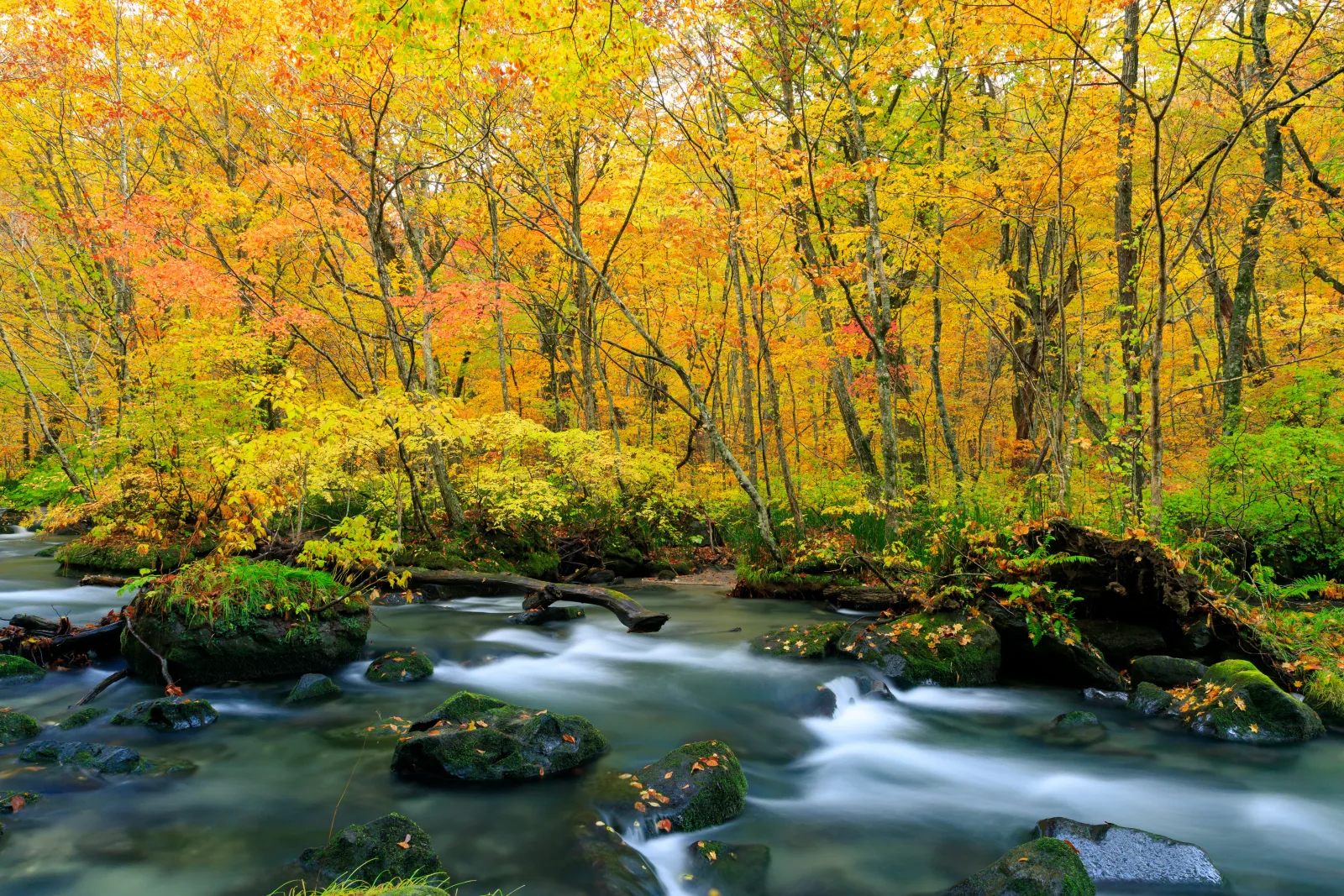
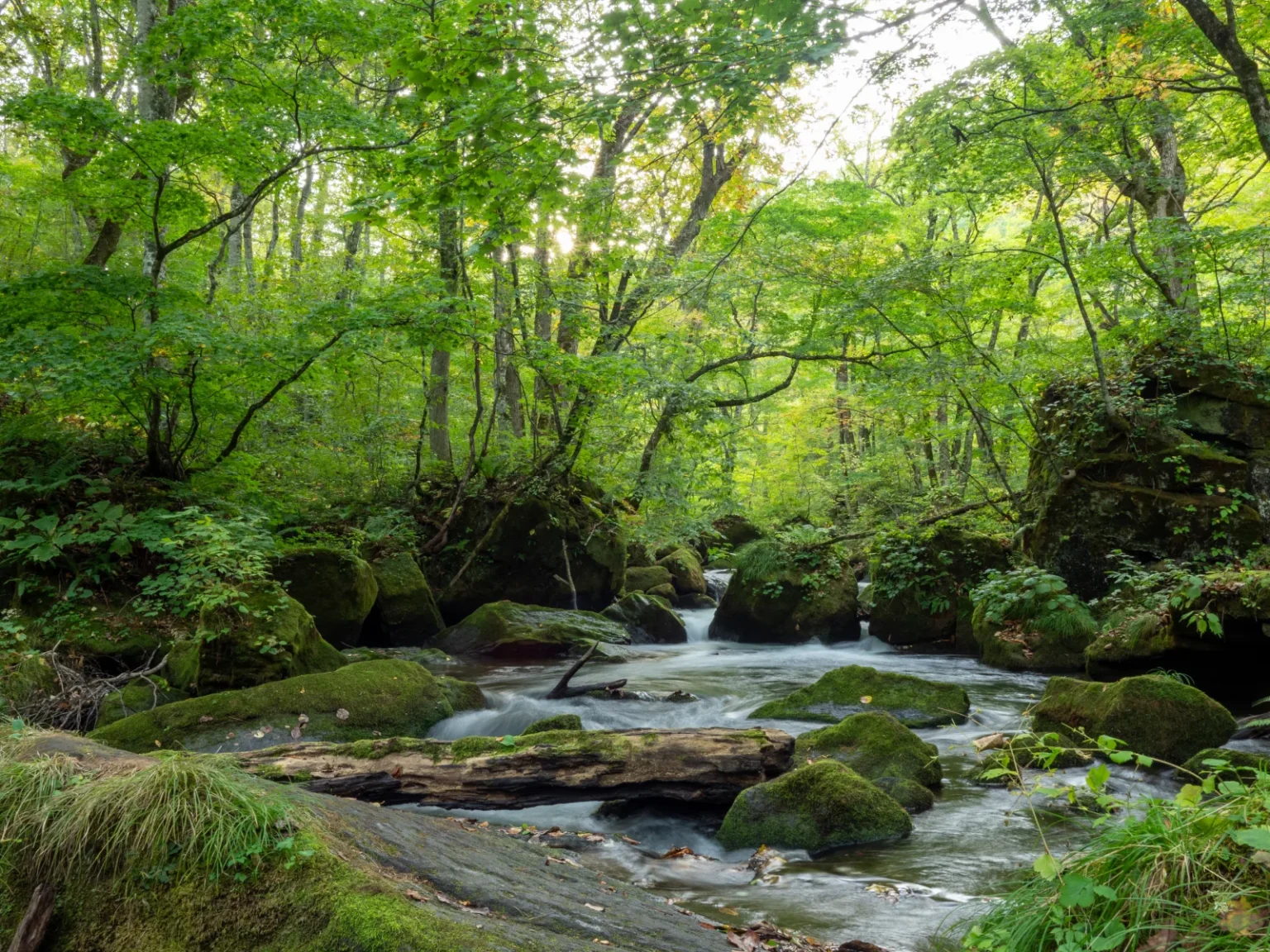
The Oirase stream runs for about 14 km out of Lake Towada in Aomori, with a walking path beside it from end to end that joins the road in places. The leaves usually turn first at the top, near the lake, from mid-October, and the lower stream around Yakeyama usually keeps its colour into early November. Below are walking times for each section, the 2026 bus and boat dates, and two day plans that fit them. One change this year: the private-car restriction on the gorge road was held in September instead of late October.
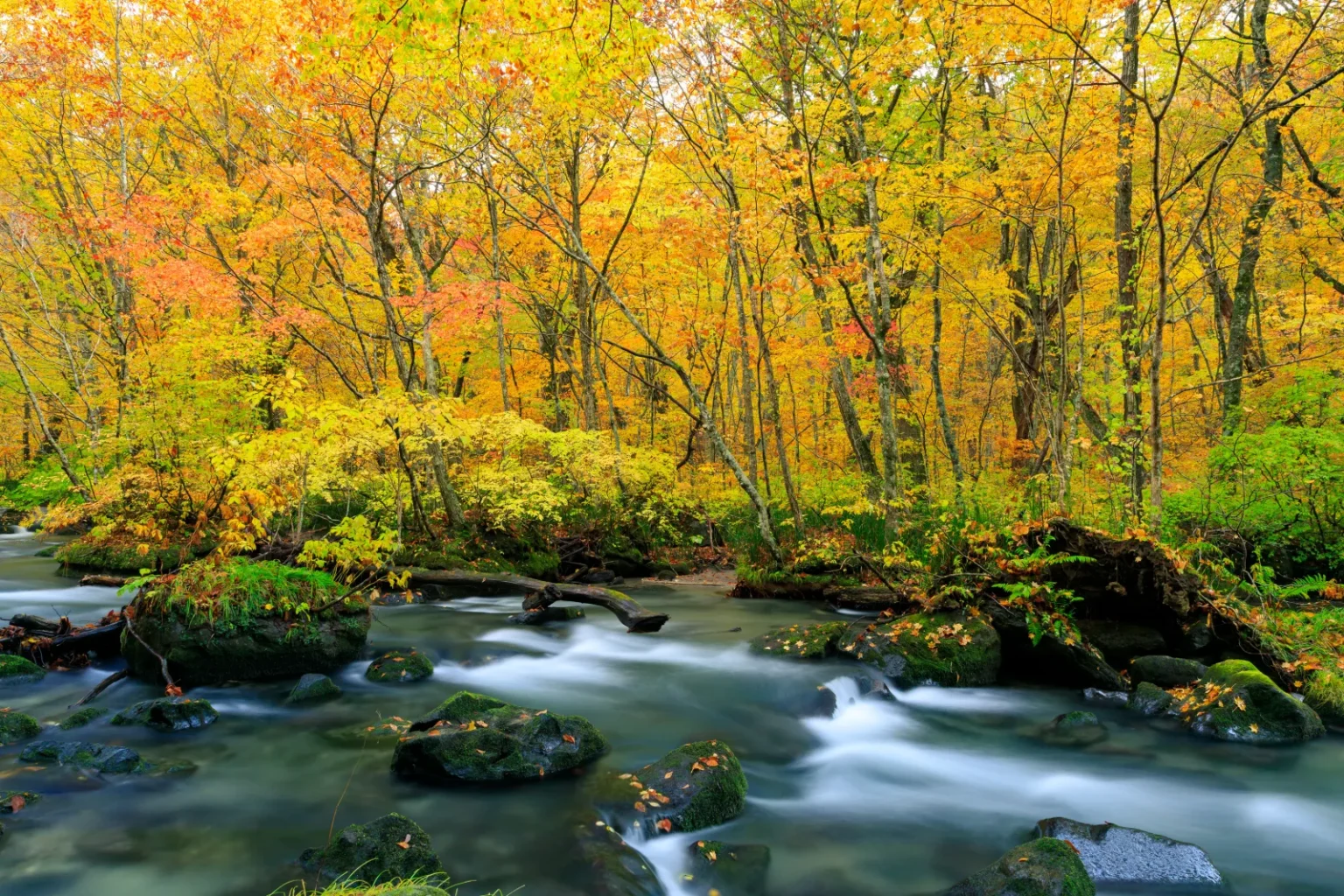
The stream drops about 200 m in 14 km, from 400 m at Nenokuchi to 200 m at Yakeyama. The gradient is gentle, but it is still a long walk on a natural path that turns muddy after rain. JR buses stop at nine points along Route 102 beside it: get off at one stop, walk any section, and get back on further along.
When do the leaves turn at Oirase Gorge?
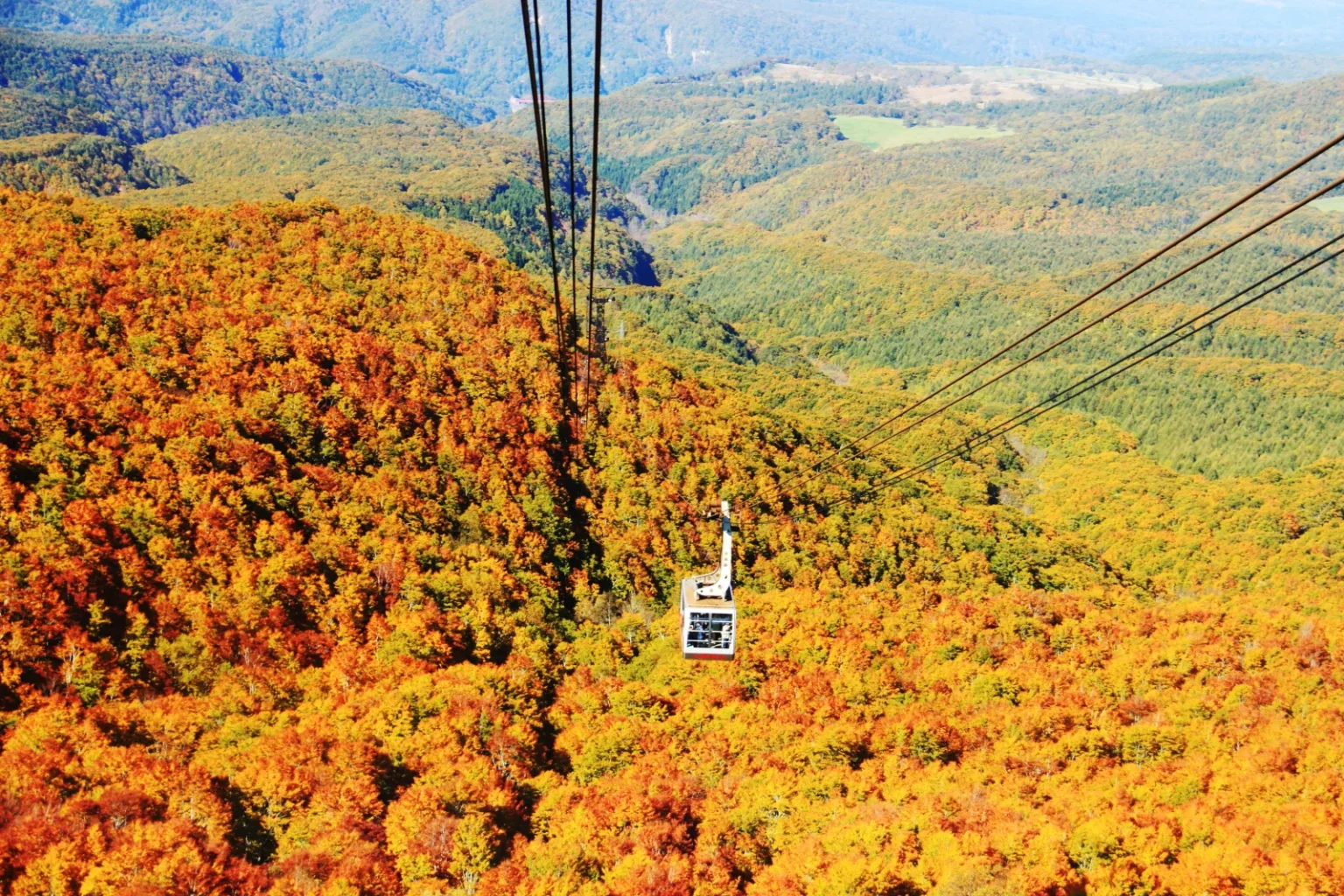
Aomori Prefecture’s map text says the colour begins on the Hakkoda summits in late September and takes about a month to reach the stream. Usual timings in the gorge, from the Towada Oirase Tourism Organization:
| Where | Usual timing |
|---|---|
| Hakkoda summits (above the gorge) | From late September (prefecture map text) |
| Upper stream: Nenokuchi (400 m), Choshi Otaki | From mid-October |
| Middle stream: Kumoi Falls, Ashura, Ishigedo | Between the two; no separate date given |
| Lower stream: Yakeyama (about 200 m) | Into early November |
2026 update: on 13 October 2026 the Hakkoda Ropeway reported the summit leaves fallen and the foot of the mountain at 40%. We found no 2026 Oirase colour report on towadako.or.jp (Towadako National Park Association), its blog or towada.travel when we checked on 16 October 2026. Our live koyo tracker adds forecasts as they publish.
If I had to pick dates without any forecast, I would aim for the last ten days of October, and move down the stream if the top is past its best.
Once you have dates, check rooms around Lake Towada and Oirase on Booking.com if you want to start walking early, and check each property’s location (see Where to stay below).
Who is Oirase for, and when to skip it?
| Go if | Think again if |
|---|---|
| You would rather walk beside water than stop at one viewpoint | You want one view and little walking: a single stop at Choshi Otaki or Kumoi Falls may be enough |
| You can travel early on a weekday | Your only date is a fine foliage weekend and you have not booked the Hachinohe bus, which JR Bus warns can fill up |
| You can stay a night at Yasumiya or Yakeyama | You come in winter without a car: the JR buses no longer serve the gorge |
The Oirase stream section by section
Distances and walking times from the Oirase ecotourism project’s 2026 walking map, top to bottom:
| Section | What you see |
|---|---|
| Nenokuchi → Choshi Otaki 1.5 km · 30 min | Calm flats leaving the lake, young beech, then Choshi Otaki |
| Choshi Otaki → Shiraito Falls 1.1 km · 25 min | Deep gorge with cliffs; Kudan and Shimai falls, old katsura trees |
| Shiraito Falls → Kumoi-no-nagare 1.6 km · 35 min | More side falls, including Shiraginu and Tamadare |
| Kumoi-no-nagare → Kumoi Falls 1.8 km · 35 min | Shirogane-no-nagare; part of the path leaves the road |
| Kumoi Falls → Makadoiwa 1.5 km · 35 min | Ashura-no-nagare |
| Makadoiwa → Ishigedo 1.3 km · 25 min | The “gate rock” cliffs, then the rest house |
| Ishigedo → Sobe junction 1.8 km · 35 min | Ishigedo rapids, Sanran-no-nagare; path away from the road |
| Sobe → Kise → Shimeikei → Keiryu-kan 3.5 km · 70 min | Wider river; beech and horse-chestnut woods |
| Whole route | About 14 km, about 5 hours (official walking page) |
For Ishigedo to Nenokuchi, the project’s walking page says about 2.5 hours, its FAQ 3–4 hours; the map’s times add up to 3 hours 5 minutes. I would plan on 3 hours plus stops. The Oirase Field Museum, run by Aomori Prefecture’s road division, recommends walking upstream, from Yakeyama towards the lake, so that the water comes towards you and the forest is backlit.
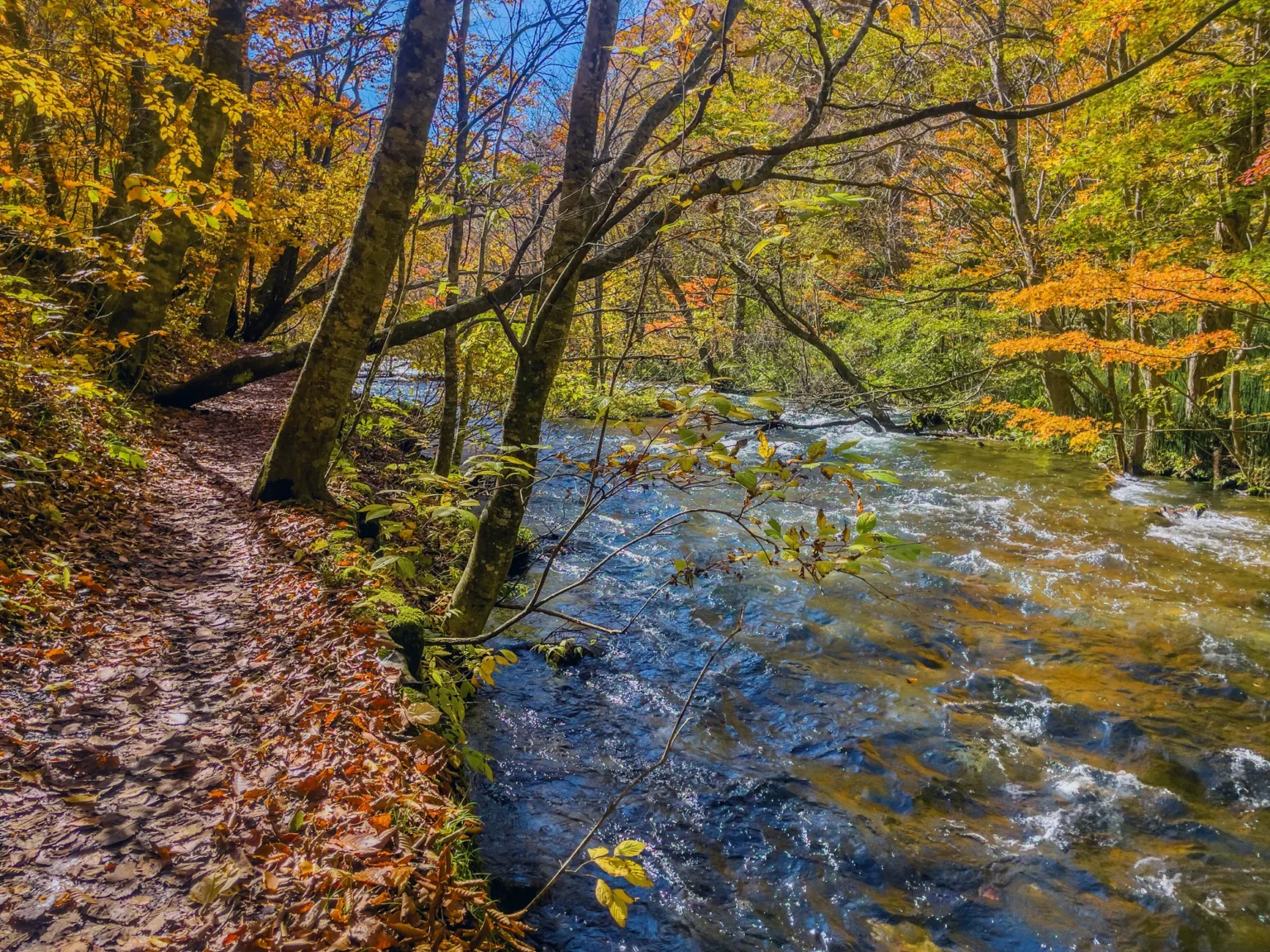
The Towada caldera formed about 15,000 years ago; later its rim gave way and a flood from the lake carved the valley (Field Museum). Prefecture map text says the lake has long evened out the flow, and with a drop of only 1 m in every 70 m, moss and shrubs grow even on small rocks and fallen trees in the river. Since 2013 the Bryological Society of Japan has listed Oirase as one of its “precious moss forests of Japan”, with more than 300 species recorded.
Nenokuchi: where the lake becomes a river
Nenokuchi is the outlet of Lake Towada, with a bus stop, a boat pier and a rental-bike counter. A sluice gate here lets a set flow into the stream in the daytime; at night and in winter it is almost closed, and the stream runs lower, mainly on its side streams (prefecture map text).
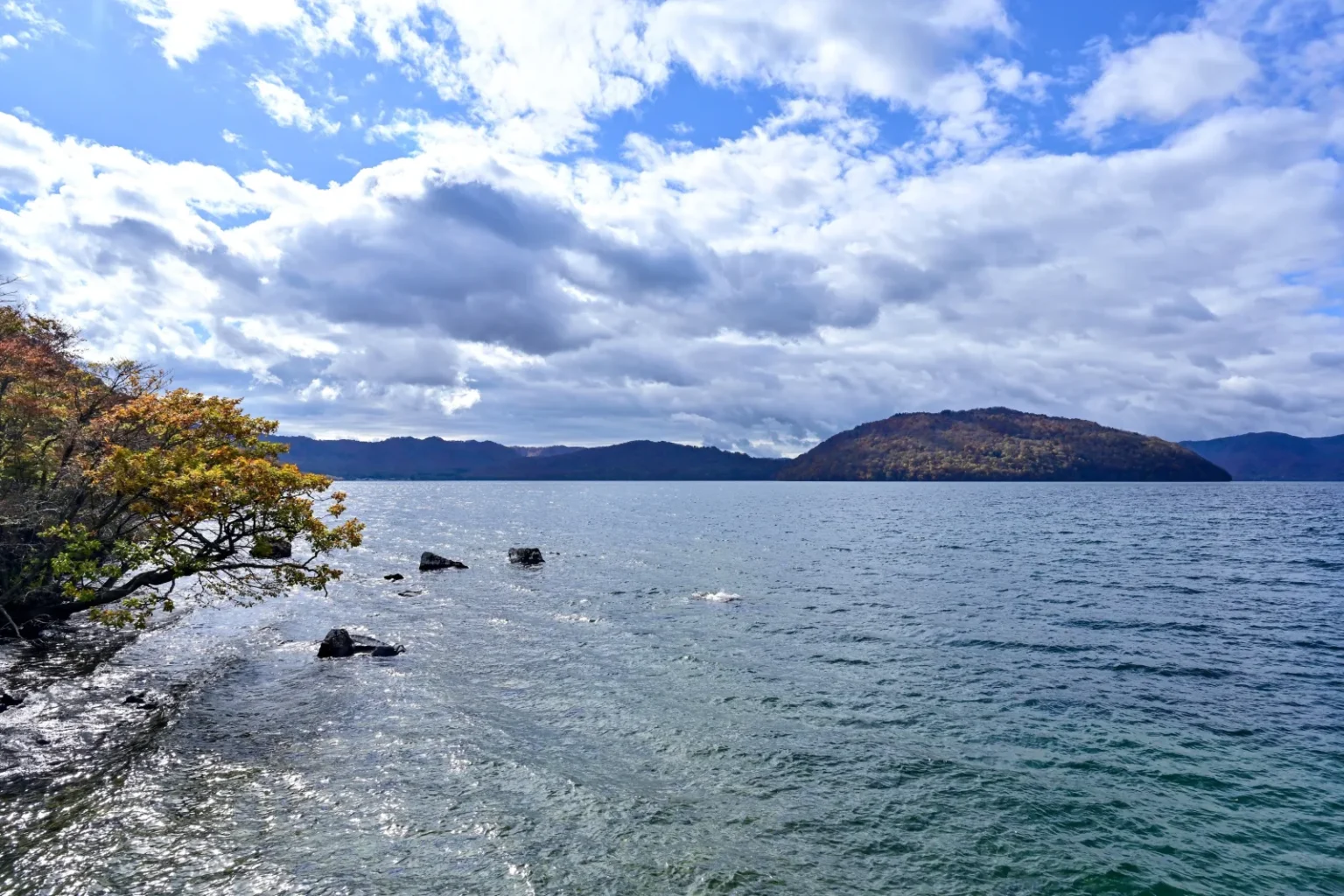
Usual colour: from mid-October, the first part of the gorge to turn. Access: Nenokuchi bus stop or the boat from Yasumiya.
Choshi Otaki
Choshi Otaki is the only waterfall across the main stream: 7 m high and 20 m wide. Prefecture text says it stopped fish swimming up into the lake, hence its other name, Uodome-no-taki, “the fall that stops the fish”. It has its own bus stop, so you can see it with little walking.
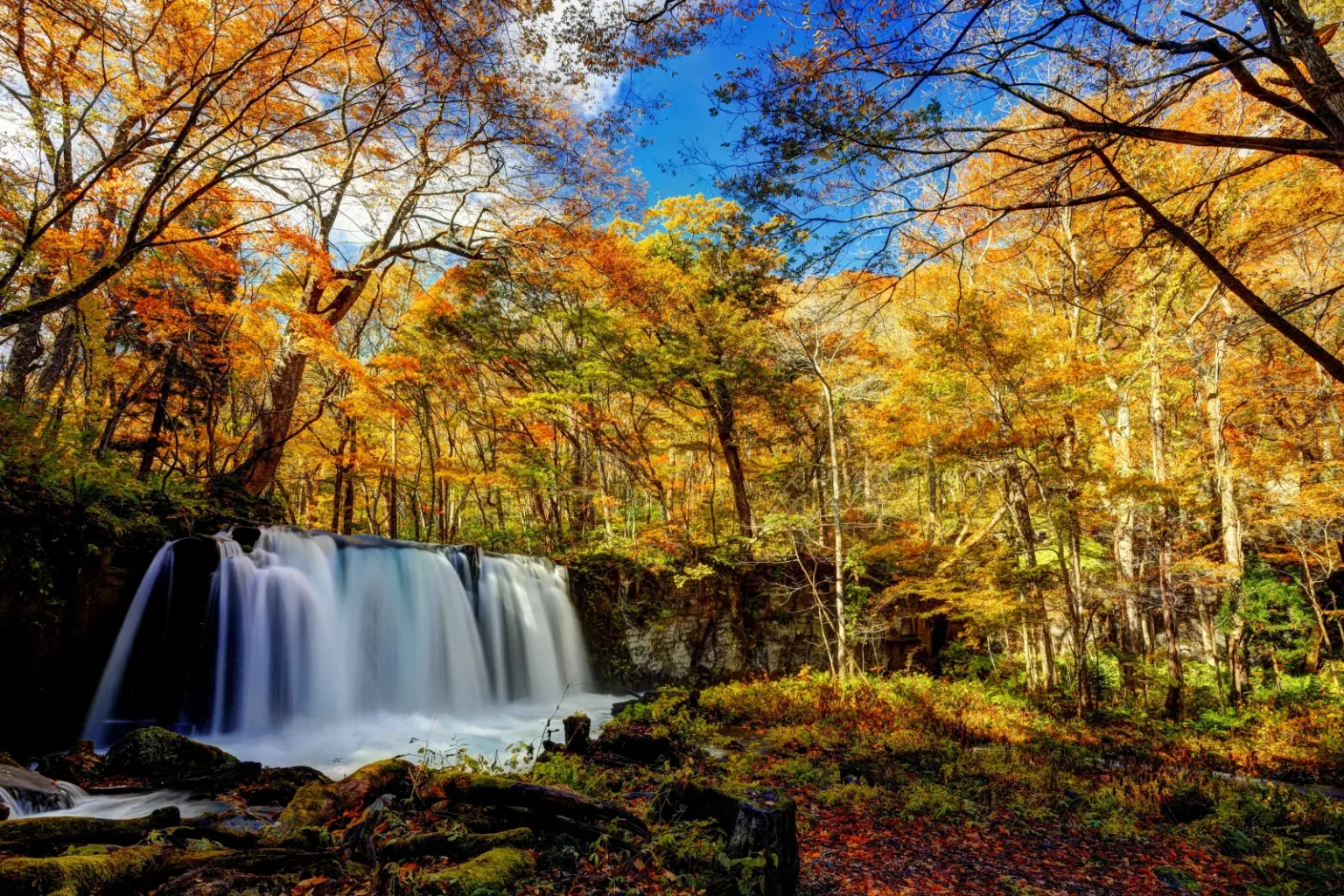
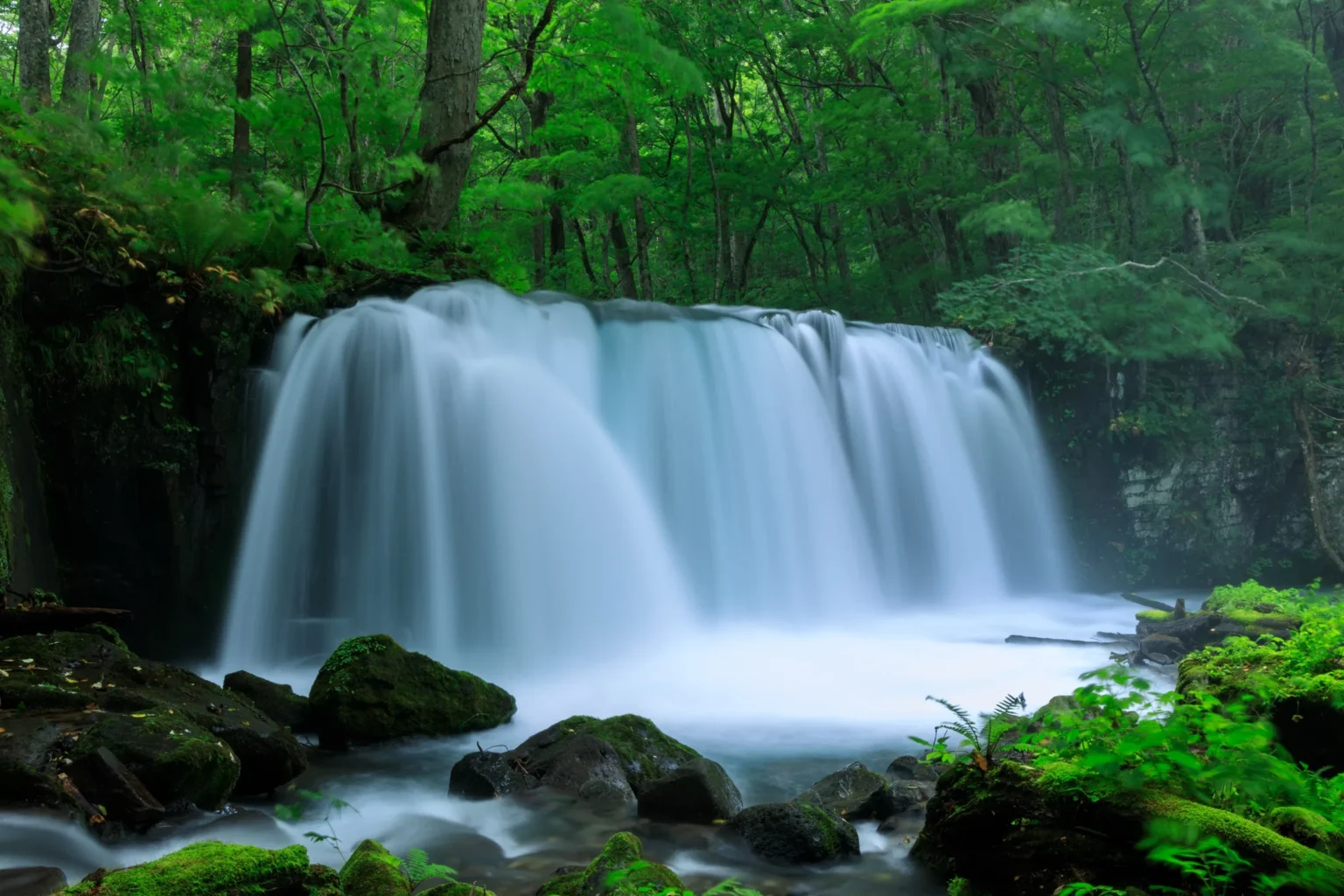
Access: Choshi Otaki bus stop; 1.5 km from Nenokuchi.
Kumoi Falls
Kumoi Falls comes off a cliff in the forest in three steps, 20 m in all. Side falls slowly wear back into the cliff; Kumoi carries more water than the others, so it has worn much further back, prefecture map text says.
Access: Kumoi-no-taki bus stop, beside the road. The nearest public toilet upstream is at Tamadare, about 500 m from the Kumoi-no-nagare stop towards the lake (project FAQ).
Ashura-no-nagare
Ashura-no-nagare, between Kumoi Falls and Makadoiwa, is the stretch prefecture text says “can be said to represent Oirase”: fast water pushing between rocks under thick trees. The Field Museum notes that much of the middle section runs beside the road and is the busiest part of the gorge. I would walk it early; on the Hachinohe plan below you reach it around midday, the busiest time.
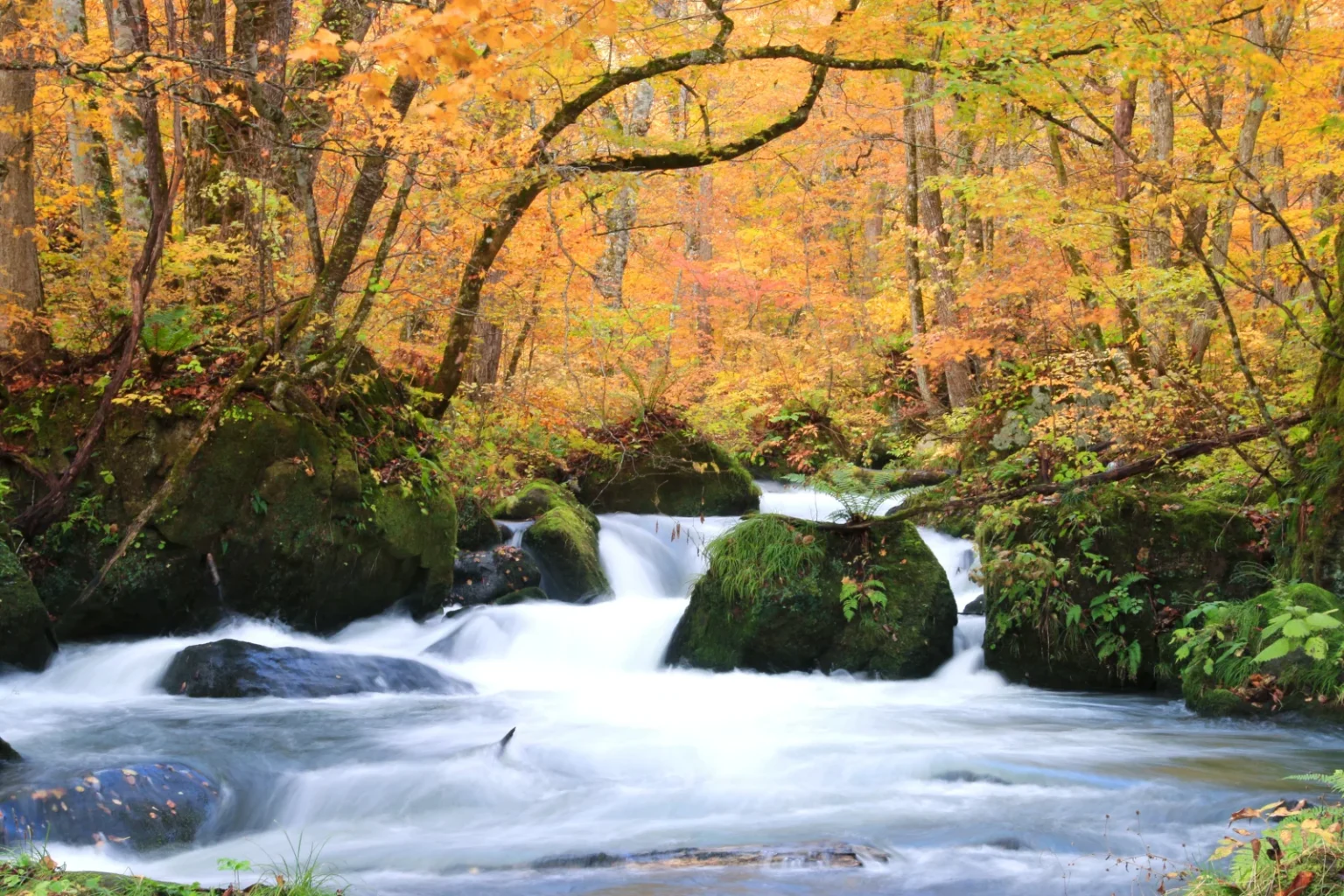
Access: between the Kumoi-no-taki and Makadoiwa stops, 1.5 km apart.
Ishigedo
Kedo is local dialect for a hut, so Ishigedo is the “stone hut”: a large rock propped up by a katsura tree beside the path. It has the gorge’s only rest house, and the official highlight section up to Nenokuchi starts here.
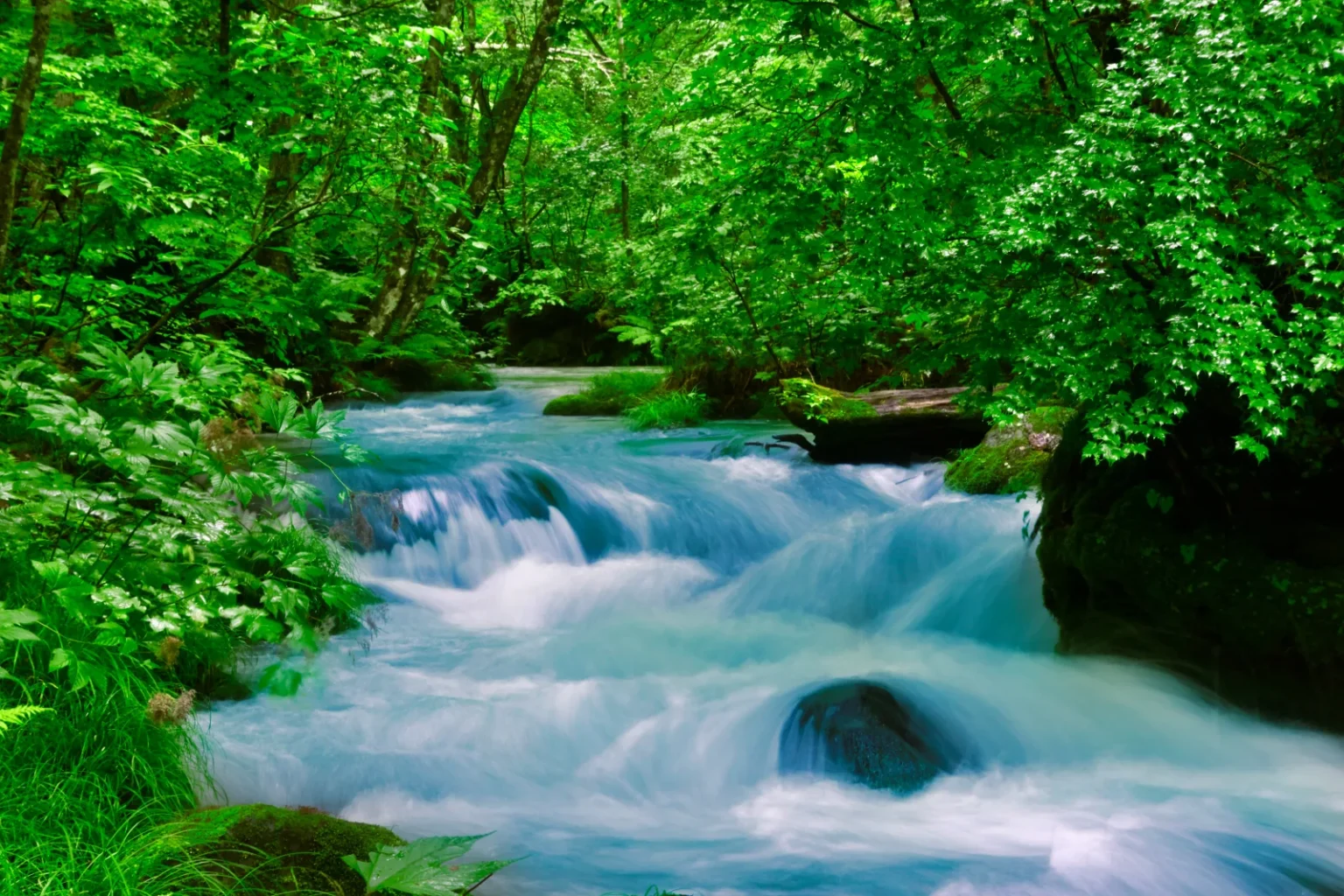
Access: Ishigedo bus stop. The rest house has no car park, the operator says.
Yakeyama and the Oirase Keiryu-kan
The bottom of the gorge is Yakeyama, where the Tsuta River joins. The Oirase Keiryu-kan here is the visitor centre, with exhibits, a nature-guide desk, a shop and a cafe. Before you set off, ask at the guide desk whether any part of the path is closed that day. The prefecture’s inspection of the whole path on 24 April 2026 found one collapse and “no serious hazards”. Usual colour: into early November.
Other stops:
Makadoiwa
Cliffs standing on both banks like a gate (mon). Bus stop: Makadoiwa.
Sanran-no-nagare
A gentle stretch with plants growing on the rocks in the stream; the path to Ishigedo leaves the road. Bus stop: Ishigedo.
Shimai Falls to Kudan Falls
Upper stream, below Choshi Otaki. The Field Museum singles out the katsura trees here, several hundred years old. Bus stop: Choshi Otaki.
Shimeikei
A wide riverbed in the lower stream; prefecture map text calls it a fine photo spot in winter. About 20 minutes’ walk from the Keiryu-kan. Bus stop: Shimeikei.
Sobe and Kise woods
Beech and horse-chestnut forest in the lower stream, good for ferns and moss, the Field Museum says. Kise has a public toilet.
Hours, toilets and bikes
| Place | Hours and what is there |
|---|---|
| Oirase Keiryu-kan (Yakeyama) | 9:00–17:30, open every day; 16:30 close from mid-November. Guide desk 8:30–17:30, 9:00–16:30 from 15 November |
| Ishigedo rest house | 8:30–16:30; light meals, souvenirs, toilets; closed 31 December–1 January |
| Toilets on the path | Only three: Kise (between the Keiryu-kan and Ishigedo), the Ishigedo rest house, and Tamadare (500 m from the Kumoi-no-nagare stop towards the lake) |
| Rental bikes | Early April to early November; Keiryu-kan area, Ishigedo or JR Bus Nenokuchi Operator: 9:00–16:30; e-assist ¥3,000, city ¥1,000 / 4 h Project FAQ: city ¥1,000, e-assist ¥2,000, e-Bike ¥3,000; Nenokuchi counter closes 16:00. Check when you book |
- The path joins the road in places: watch for cars (Field Museum).
- Take nothing from the gorge, not even fallen leaves (Field Museum).
- Phone signal is weak in the gorge, the 2026 walking map warns: screenshot your bus times first.
How do you get to Oirase Gorge?
From Tokyo
Take the Tohoku Shinkansen to Hachinohe, 2 hours 49 minutes on the Hayabusa 1 (JR East’s October 2026 timetable; times differ on some days, so check yours), then the JR bus. From Shin-Aomori the only bus towards the lake leaves at 11:50 and reaches Ishigedo at 14:07, too late for a long walk.
The JR buses: Oirase-go and Mizuumi-go
The Oirase-go runs from Hachinohe Station (west exit), the Mizuumi-go from Aomori over the Hakkoda mountains; both serve the gorge stops and end at Yasumiya. Key 2026 autumn times:
| Going in | Times |
|---|---|
| Oirase 21 book · to 17 Nov | Hachinohe 10:00 Keiryu-kan 11:36 Ishigedo 11:44 Kumoi-no-nagare 11:54 Nenokuchi 12:05 Yasumiya 12:20 |
| Oirase 23 book · to 16 Nov | Hachinohe 13:30 Ishigedo 15:14 Nenokuchi 15:35 |
| Mizuumi 102 to 11 Nov | Aomori 7:30 Ishigedo 9:39 Nenokuchi 10:00 Yasumiya 10:15 |
| Mizuumi 2 / 4 to 11 Nov | Aomori 8:10 / 9:00 Ishigedo 10:19 / 11:09 |
| Coming back | Times |
|---|---|
| Mizuumi 3 / 101 to Aomori to 11 Nov | Nenokuchi 14:00 / 14:45 Aomori 16:29 / 17:14 |
| Mizuumi 5 to Aomori to 11 Nov | Yasumiya 15:00 Nenokuchi 15:15 Ishigedo 15:34 Aomori 17:44 |
| Oirase 24 to Hachinohe to 17 Nov | Yasumiya 16:00 Nenokuchi 16:15 Ishigedo 16:34 Keiryu-kan 16:42 Hachinohe 18:20 |
| Down the gorge only | Nenokuchi to the Keiryu-kan, 27 min, and the Oirase Keiryu Onsen stop for the ski-area car parks 3 min later (the 8:15 does not go there). About hourly 8:15–16:15 until 11 Nov; from 12 to 17 Nov only 8:15, 10:15, 12:15, 16:15 |
| Bus fares (adult) | Yen |
|---|---|
| From Hachinohe | Ishigedo ¥2,380 Nenokuchi ¥2,600 Yasumiya ¥3,050 |
| From Aomori | Ishigedo ¥2,820 Nenokuchi ¥3,060 Yasumiya ¥3,480 |
| Yasumiya ↔ Nenokuchi | ¥720 |
Shorter runs between Yakeyama and Yasumiya fill the gaps. IC cards are accepted; there is no toilet on board, but the long runs stop for 5–10 minutes. Every stop and time is in JR Bus Tohoku’s 2026 timetable (PDF).
Rail passes: the JR East Pass and the Japan Rail Pass are valid on these buses; the two South Hokkaido rail passes are not (JR Bus Tohoku).
Coming up from Tokyo on a rail pass: check the pass options before you fly.
See the Japan Rail Pass on Klook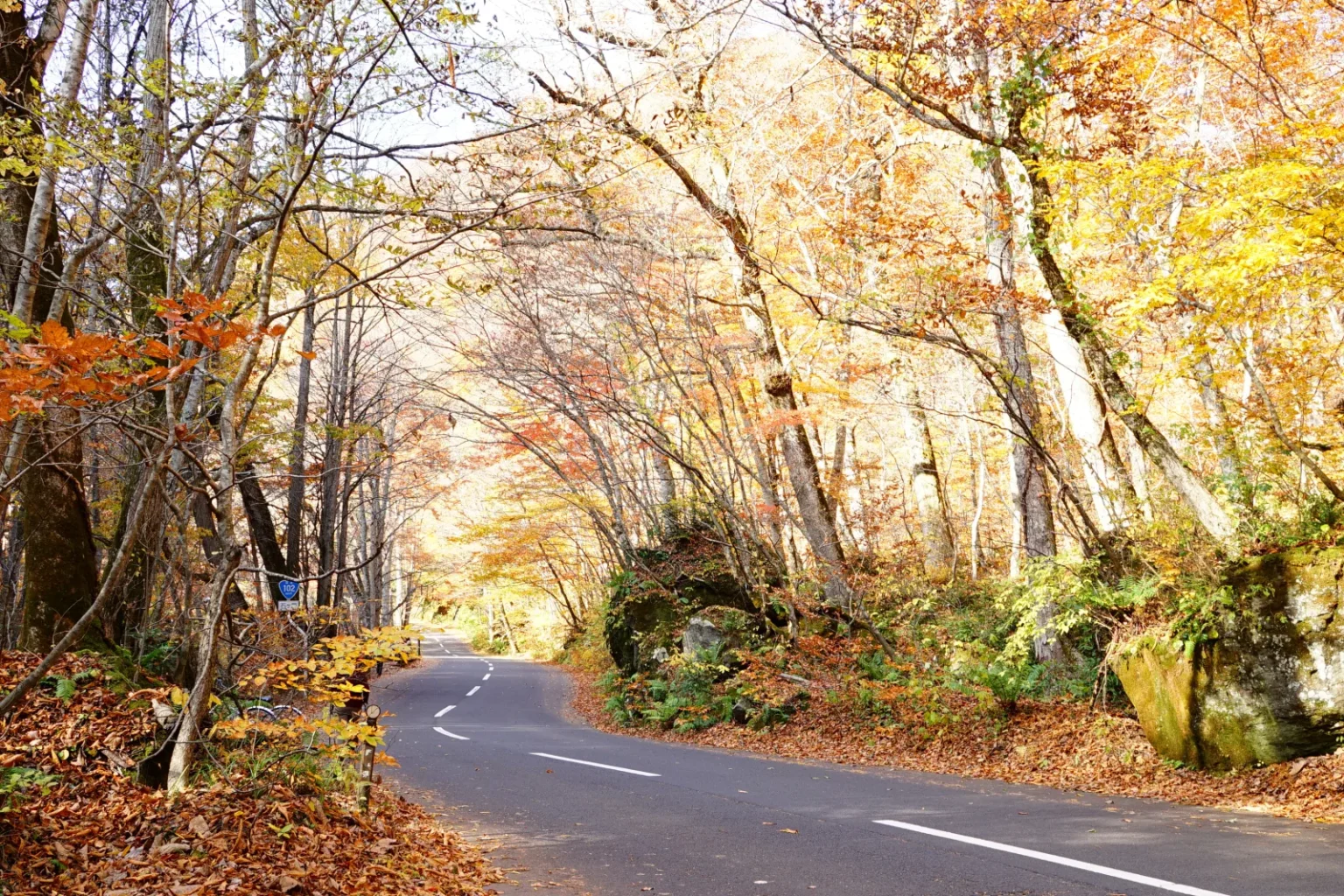
After the autumn timetable:
- JR buses: the Aomori line stops serving the gorge and the lake from 12 November 2026 and runs only to Sukayu Onsen until 31 March 2027; the Hachinohe line stops from 18 November (JR Bus Tohoku).
- Local bus: Towada Kanko Dentetsu’s bus from Towada city reaches the Oirase Keiryu-kan at Yakeyama several times a day on weekdays (timetable as of 1 October 2026). On Saturdays, Sundays and holidays only one bus goes in (arriving 15:51) and the only one back leaves at 8:54, so a same-day return is not possible.
- The path: snow closes it from late December to mid-April, the Field Museum says.
Can you drive through Oirase Gorge in autumn 2026?
Yes. Aomori Prefecture and the Oirase ecotourism project have trialled closing Route 102 through the gorge to private cars since 2003, to protect the forest and ease traffic. Recent dates:
| Year | Private-car restriction on Route 102 |
|---|---|
| 2023 | 23–29 October |
| 2024 | 21–27 October |
| 2025 | 27 October–2 November |
| 2026 | 7–13 September, daytime only (10:00–16:00 weekdays, 9:00–16:00 at the weekend); on 13 September tour buses and taxis were also kept out, for the first time. Ended |
No second, autumn restriction was listed on the prefecture or project pages when we checked on 16 October 2026. When no restriction is in place, private cars can use the road, so check for updates before driving. The project’s parking and driving times (to the gorge and Lake Towada area):
- Park: free car parks by the Oirase Keiryu Onsen ski area at Yakeyama (340 spaces), or paid car parks at Yasumiya (640 spaces)
- Kosaka interchange: about 40 minutes
- Towada interchange: about 50 minutes
- Hachinohe-nishi smart interchange: about 1 hour
- Aomori city, over the Hakkoda–Towada Gold Line: 1.5–2 hours
With a car, park at Yakeyama, walk up and take a “down the gorge” bus that serves the Oirase Keiryu Onsen stop (not the 8:15).
Driving from Hachinohe or Aomori: compare rental cars for your dates.
Compare rental cars on Discover CarsA bypass is planned to take cars out of the gorge
Japan’s transport ministry (MLIT) is building the Oirase (Aobunayama) bypass, 5.2 km from Aobunayama to Nenokuchi, to take traffic around the gorge; work on the main tunnel began in June 2025. Aomori Prefecture plans year-round vehicle restrictions on the gorge section of Route 102 once it opens, turning the gorge into what it calls the “Oirase Natural History Museum”, centred on people walking. That is a project name, not a building or the Oirase Field Museum website quoted above. The prefecture already uses it for the private-car restriction week, and billed the full closure on 13 September 2026 as a one-day taste of that future. No opening date was given on the pages we checked.
Lake Towada by boat, and what is near the pier
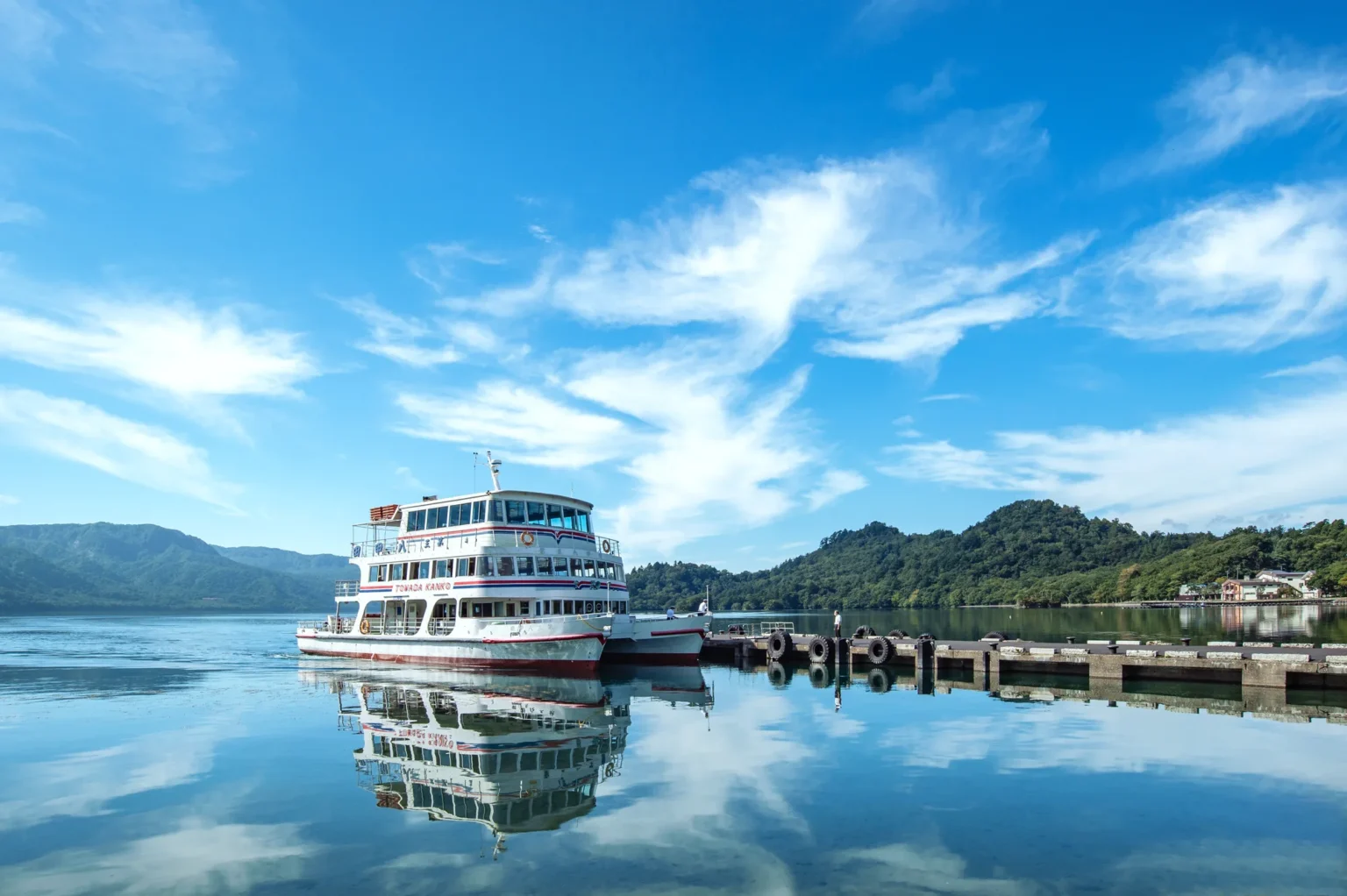
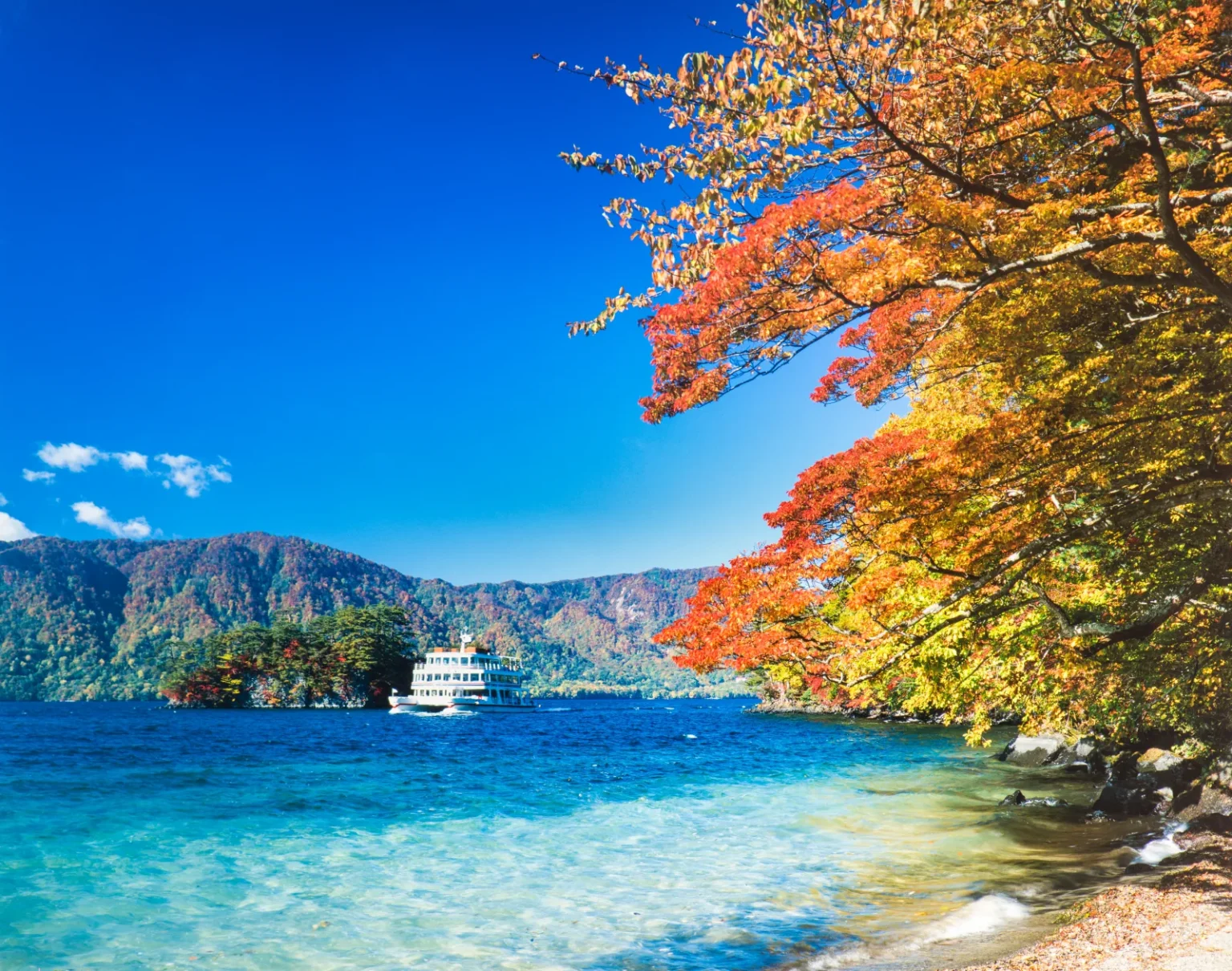
Lake Towada is a caldera lake, 327 m at its deepest point and the third-deepest in Japan, the operator says. The sightseeing boat crosses from Yasumiya, the main lakeside village, to Nenokuchi in about 50 minutes.
| Lake Towada boat, 2026 | Times and fare |
|---|---|
| Yasumiya → Nenokuchi (A course) | 9:30, 12:15, 14:45, until 5 November 2026 |
| Nenokuchi → Yasumiya (A course) | 11:00 and 13:30, until 5 November 2026 |
| Yasumiya loop (B course, Ogura and Nakayama peninsulas) | 10:15, 11:45, 13:15, 14:40 until 16 November; 8:45 until 5 November |
| Fare | ¥1,760 adults, ¥880 children; green-room upgrade ¥550 |
Near the Yasumiya pier:
Towada Shrine
At the base of the Nakayama point behind Yasumiya, honouring Yamato Takeru; until the Meiji era a place of water-deity worship. Its cedar-lined approach, about 900 m, was planted around 250 years ago.
Otome statue
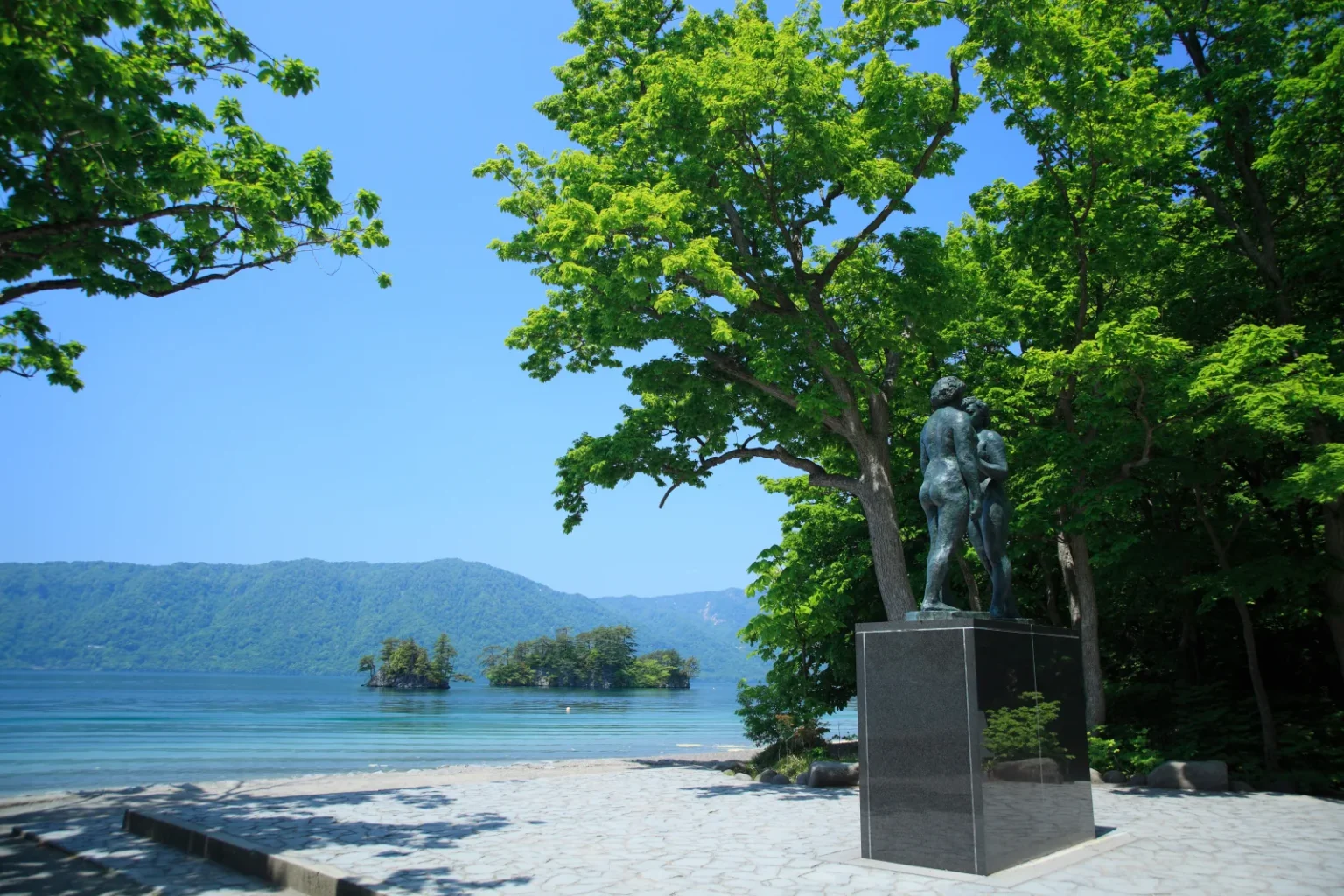
Bronze nudes by the poet and sculptor Takamura Kotaro on the Ominogahama shore, unveiled on 21 October 1953 to honour three men credited with making Lake Towada known: the writer Omachi Keigetsu, Governor Takeda Chiyosaburo and village head Ogasawara Koichi.
One-day plans that fit the 2026 timetable
Plan A: from Hachinohe (or a long day from Tokyo), until 17 November
The train times are examples from JR East’s October 2026 timetable, not confirmed for November; check both trains for your date before you book the bus.
| Time | Place and how you move |
|---|---|
| 06:32–09:21 | Hayabusa 1, Tokyo to Hachinohe (skip if you slept in Hachinohe) |
| 10:00–11:44 | Oirase 21 (booked), Hachinohe west exit to Ishigedo |
| 11:45–about 15:00 | Walk upstream, Ishigedo to Nenokuchi, about 9 km: Ashura, Kumoi Falls, the katsura woods, Choshi Otaki. Carry lunch, or buy a quick one at the Ishigedo rest house as you start |
| 16:15–18:20 | Oirase 24 from Nenokuchi to Hachinohe |
| 19:08–22:04 | Hayabusa 42 back to Tokyo |
| Bus fares | ¥2,380 + ¥2,600 = ¥4,980, plus the ¥300 seat booking |
The 16:15 bus leaves 4.5 hours after you start, enough even at the FAQ’s 3–4 hours. To add the lake you must reach Nenokuchi by about 14:40 (the 2.5-hour pace, no long stops), until 11 November: the 14:50 bus to Yasumiya (15:05, ¥720), then the Oirase 24 from there at 16:00 (¥3,050 to Hachinohe).
Without a car restriction the road can be busy on fine weekends, and 48 minutes between the bus and the train is not much slack; a night in Hachinohe is safer. In poor weather, shorten the walk: get off at Kumoi-no-nagare (11:54) and walk the top 4.2 km on the 2026 map to Nenokuchi, about 90 minutes.
Plan B: from Aomori, with the boat (until 5 November)
| Time | Place and how you move |
|---|---|
| 07:30–09:39 | Mizuumi 102, Aomori Station to Ishigedo (no booking) |
| 09:40–about 12:45 | Walk upstream, Ishigedo to Nenokuchi, about 9 km |
| 13:30–14:20 | Boat, Nenokuchi to Yasumiya |
| 14:20–15:00 | Yasumiya pier area; Towada Shrine if you are quick (keep the Otome statue for a night at the lake) |
| 15:00–17:44 | Mizuumi 5, Yasumiya to Aomori Station over the Hakkoda mountains |
| Fares | Bus ¥2,820 + boat ¥1,760 + bus ¥3,480 = ¥8,060 |
You have about 3 hours 45 minutes to reach the 13:30 boat: comfortable at the map’s 3 hours, too tight at the FAQ’s 4. If things change:
- Boat cancelled: if you hear in time to catch it, take the 13:30 bus from Nenokuchi instead (Yasumiya 13:45, ¥720) and keep the rest of the plan; you still have over an hour at Yasumiya before the 15:00 bus. If you miss it, use the buses below.
- Missed the boat or that bus: buses go straight back to Aomori from Nenokuchi at 14:00, 14:45 and 15:15 (Aomori 16:29, 17:14 and 17:44; ¥3,060; all until 11 November).
With a night at the lake: take the 9:30 boat from Yasumiya to Nenokuchi (10:20) and walk down to Ishigedo for a late lunch; from there the 15:34 bus goes to Aomori (until 11 November) and the 16:34 to Hachinohe. You walk downstream, against the Field Museum’s advice, but you catch the morning boat. If Oirase is one stop on a longer trip, our 5-day Tohoku itinerary shows where it fits.
Would rather not plan around the bus timetable? Look at tours from Aomori, and check that they run on your dates.
See Aomori tours on KlookHow cold is it, and what should you wear?
The Japan Meteorological Agency station at Yasumiya on the lake, 414 m up and about the height of the top of the gorge, has 1991–2020 normals of an average daily high of 15.1°C and low of 6.5°C in October (152.5 mm of rain), and 8.2°C and 0.9°C in November (127.5 mm).
Late-October afternoons are usually cooler than that average high, and November mornings can be near freezing. For October and November the Field Museum advises a thick fleece or down jacket, a knit hat, gloves and rainwear, and waterproof walking shoes because the path gets muddy after rain. Our guide to what to wear in Japan in November has a fuller list.
More autumn in Tohoku: Naruko Gorge in Miyagi and Yamadera in Yamagata. Closer to Tokyo, see Nikko’s autumn leaves.
Where to stay for Oirase and Lake Towada
A night near the gorge lets you start walking early; you still need the bus for the leg you do not walk.
Yakeyama (Oirase Keiryu Onsen)
Hot-spring hotels at the bottom of the gorge, by the Keiryu-kan and the bus stops. Best for walking upstream first thing.
Yasumiya (Lake Towada)
The lakeside village with the boat pier, Towada Shrine and the end of both bus lines. Best if you want the morning boat to Nenokuchi.
Hachinohe or Aomori
City hotels by the station. Best if you are passing through and taking the morning bus.
Search hotels and ryokans around Lake Towada and Oirase for your dates.
See Lake Towada and Oirase stays on Booking.comQuestions travellers ask
When is the best time to see autumn leaves at Oirase Gorge?
Usually from mid-October at the top near Lake Towada to early November at Yakeyama, the Towada Oirase Tourism Organization says. For this year’s progress, see our live koyo tracker; we found no 2026 Oirase report from the Towada tourism bodies when we checked on 16 October 2026.
How long is the Oirase Gorge walk, and which part should I walk?
The full route is about 14 km, about 5 hours. The official highlight section, Ishigedo to Nenokuchi, is about 9 km: the project’s pages give about 2.5 hours and 3–4 hours, so allow at least 3. It passes Ashura-no-nagare, Kumoi Falls and Choshi Otaki. The Field Museum suggests walking upstream.
How do I get to Oirase from Tokyo?
Shinkansen to Hachinohe, then the JR bus. On JR East’s October 2026 timetable, for example, Tokyo 06:32 reaches Hachinohe at 09:21 for the 10:00 bus to Ishigedo (11:44), and the 16:15 bus back from Nenokuchi reaches Hachinohe at 18:20 for the 19:08 train. Train times differ on some days and are not confirmed for November, so check your date. Both buses run until 17 November 2026. JR Bus asks you to book the 10:00 from Hachinohe online; seats without a booking are limited and not guaranteed.
Is the JR bus to Oirase covered by the JR Pass?
Yes: JR Bus Tohoku accepts the Japan Rail Pass and the JR East Pass on the Oirase-go and Mizuumi-go, but not the South Hokkaido rail passes. For the two Hachinohe Station departures, 10:00 (until 17 November 2026) and 13:30 (until 16 November), JR Bus asks you to book online (¥300 per seat), pass or not; seats without a booking are limited and not guaranteed. The Aomori buses need no booking and run until 11 November.
Can I drive through Oirase in autumn? Are there car restrictions?
Yes. The 2026 private-car restriction on Route 102 ran from 7 to 13 September, and no autumn one was listed when we checked on 16 October 2026. Park at Yakeyama (free) or Yasumiya (paid); there is no car park at the Ishigedo rest house.
Is Lake Towada worth adding?
Yes, if the timing works: the boat from Nenokuchi to Yasumiya (about 50 minutes, ¥1,760) links the walk to Towada Shrine and the Otome statue. The last boat leaves Nenokuchi at 13:30, until 5 November 2026. Without the boat, JR buses to Yasumiya take 15 minutes (¥720). From 13:30 they leave at 13:30, 14:28, 14:50 and 15:35 until 11 November; only at 13:30 and 15:35 from 12 to 16 November; and on 17 November nothing after the 13:30. Gorge buses end after 17 November.
Where can I eat, find a toilet or stay?
The Ishigedo rest house (8:30–16:30) has light meals and toilets, and the Oirase Keiryu-kan at Yakeyama has a cafe. The only other toilets on the path are at Kise and Tamadare, so carry lunch if you start from Nenokuchi. For a bed, Yakeyama and Yasumiya let you walk in the morning; Hachinohe and Aomori work for a day trip.
8 Autumn Gems for October 2026
Oirase alongside Kamikochi, the Kiso Valley and Geibikei.
Tohoku in 5 Days
Sendai, Yamadera, Ginzan, Hirosaki and Aomori, with room to add Oirase.
Live Koyo Tracker
Where the leaves are turning across Japan this week.
Japan in October 2026
Weather, events and foliage across the month.
Sources
- Checked 16 October 2026 — JR Bus Tohoku: Aomori/Hachinohe–Oirase–Lake Towada route notice, 18 September–17 November 2026; winter notice from 18 November 2026; Mizuumi-go and Oirase-go timetable, stops and pass rules; 2026 timetable leaflet with fare table (PDF); WILLER TRAVEL: Oirase-go reservation notes
- Checked 16 October 2026 — JR East timetables (October 2026): Hayabusa 1, Hayabusa 42; Towada Kanko Dentetsu: Towada–Yakeyama bus timetable (as of 1 October 2026)
- Checked 16 October 2026 — Aomori Prefecture: Route 102 (Oirase) traffic restriction and bypass plans; trail inspection, 24 April 2026; bear warning and 2026 incidents (updated 22 August 2026); Oirase Field Museum: introduction, field map, formation, history, walking advice, clothing
- Checked 16 October 2026 — Oirase ecotourism project: 2026 restriction (ended), walking times and 2026 viewing map, FAQ (walking times, toilets), access, parking
- Checked 16 October 2026 — Towada Oirase Tourism Organization, autumn; Aomori Prefecture map text (2020), hosted by the Towadako National Park Association: Oirase–Nenokuchi, Yasumiya; Towadako National Park Association: Towada Shrine, Otome statue; Hakkoda Ropeway colour report, 13 October 2026
- Checked 16 October 2026 — Oirase Keiryu-kan; Ishigedo rest house; Oirase rental bikes
- Checked 16 October 2026 — Towada Kanko Dentetsu: Lake Towada sightseeing boat and 2026 timetable
- Checked 16 October 2026 — MLIT Aomori office: Oirase (Aobunayama) bypass and project leaflet; JMA normals, Yasumiya
Join travelers discovering Japan's hidden side
Weekly dispatches from off-the-beaten-path Japan — spots and stories you won't find in guidebooks.
No spam. Unsubscribe anytime.
Welcome aboard!
You're in. See you in your inbox soon.