
Japan · January 2027 · Weather, dates and what to wear
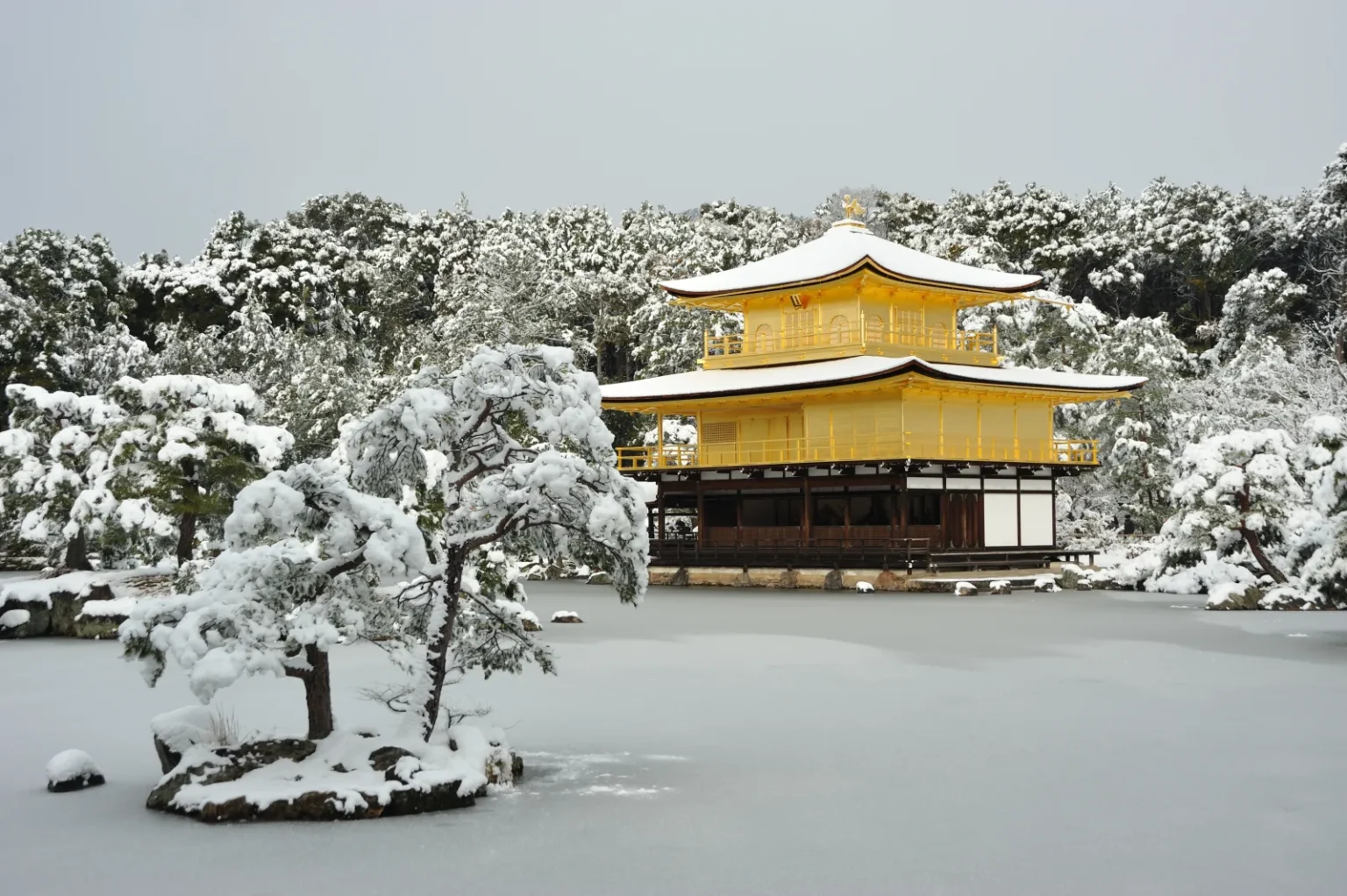
Yes, January is a good time to visit Japan if you plan around it. In JMA’s 1991–2020 normals, January is Tokyo’s coldest month and also its sunniest, with 193 hours of sunshine; Kanazawa, on the Sea of Japan coast, gets 62 hours and more than four times Tokyo’s precipitation. In 2027, New Year’s Day is a Friday, government offices stay closed to 3 January, and Coming of Age Day is Monday 11 January.
Is January a good time to visit Japan?
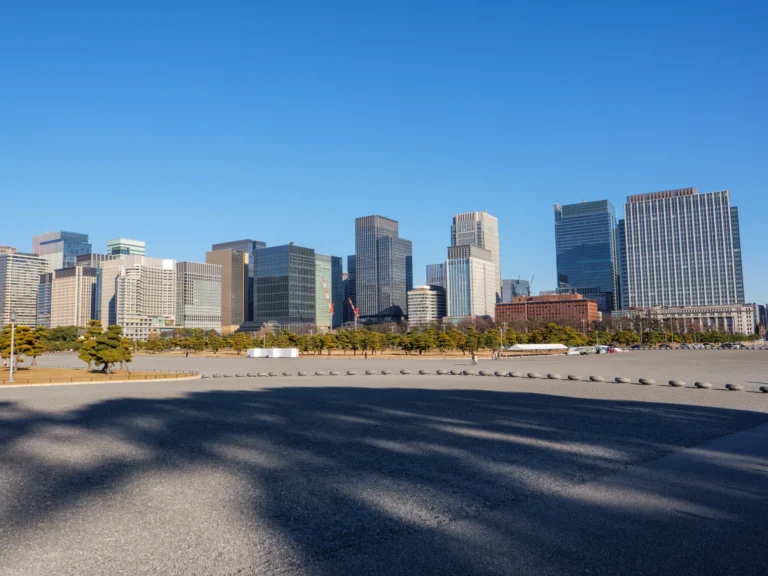
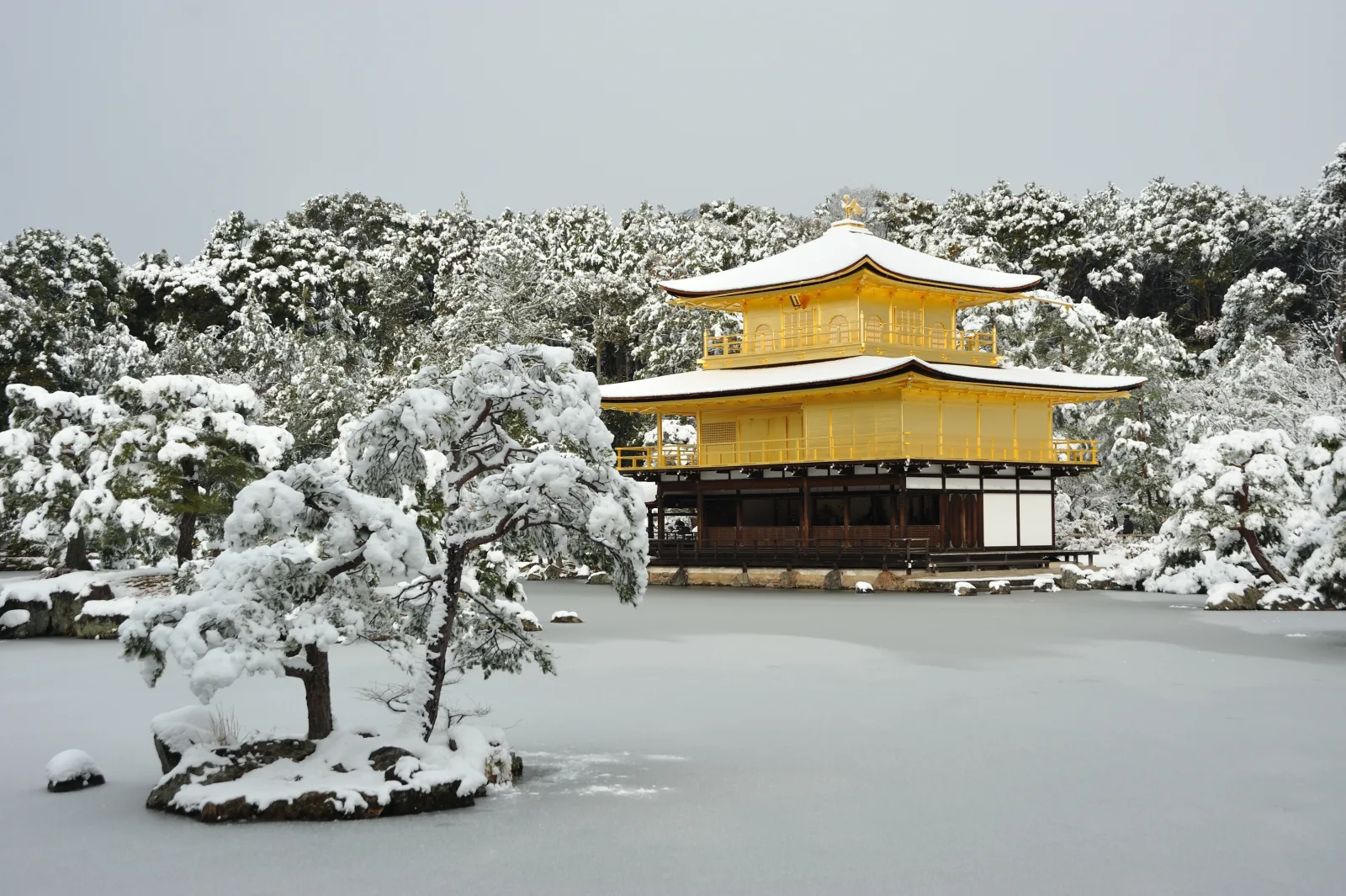
It depends on which side of the mountains you are on. The Pacific side is dry and bright: in the normals, Tokyo gets 192.6 hours of sunshine in January, more than in any other month, and only 59.7 mm of precipitation. The Sea of Japan side is grey and wet: Kanazawa gets 62.3 hours, its lowest month, and 256.0 mm. Niigata gets 56.4 hours. Explaining the heavy snow of winter 2021–22, JMA’s Tokyo Climate Center wrote that cold air from Siberia flowed towards Japan with an intensified East Asian winter monsoon, causing heavy snowfall on the Sea of Japan side.
What works in January
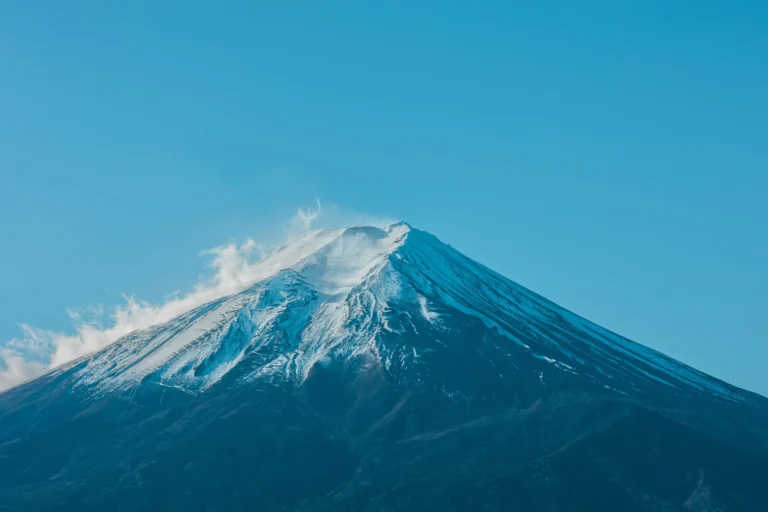
Clear days on the Pacific side. Mt Fuji fully or partly visible from Fuji City on 82% of January mornings at 8 a.m. (1991–2025). Snow country at its snowiest: in the normals, January brings more new snow than any other month in Sapporo, Niigata, Kanazawa and Nagano. Zao’s snow monsters grow through January; the ropeway describes February as their peak. Lower hotel occupancy in Kyoto in January 2026 than in November 2025 (figures below).
What to plan around
The cold: Tokyo’s normal low is 1.2°C, Sapporo’s −6.4°C. The New Year closures. Heavy snow on the Sea of Japan side, which can close expressways and stop trains for a day or more.
Trap 1: the first three days. Under the Act on the Holidays of Administrative Organs, government offices close from 29 December to 3 January. Shops and restaurants set their own days. What stays open, sector by sector, is in our Japan New Year 2026–2027 closures calendar. In 2027 government offices reopen on Monday 4 January.
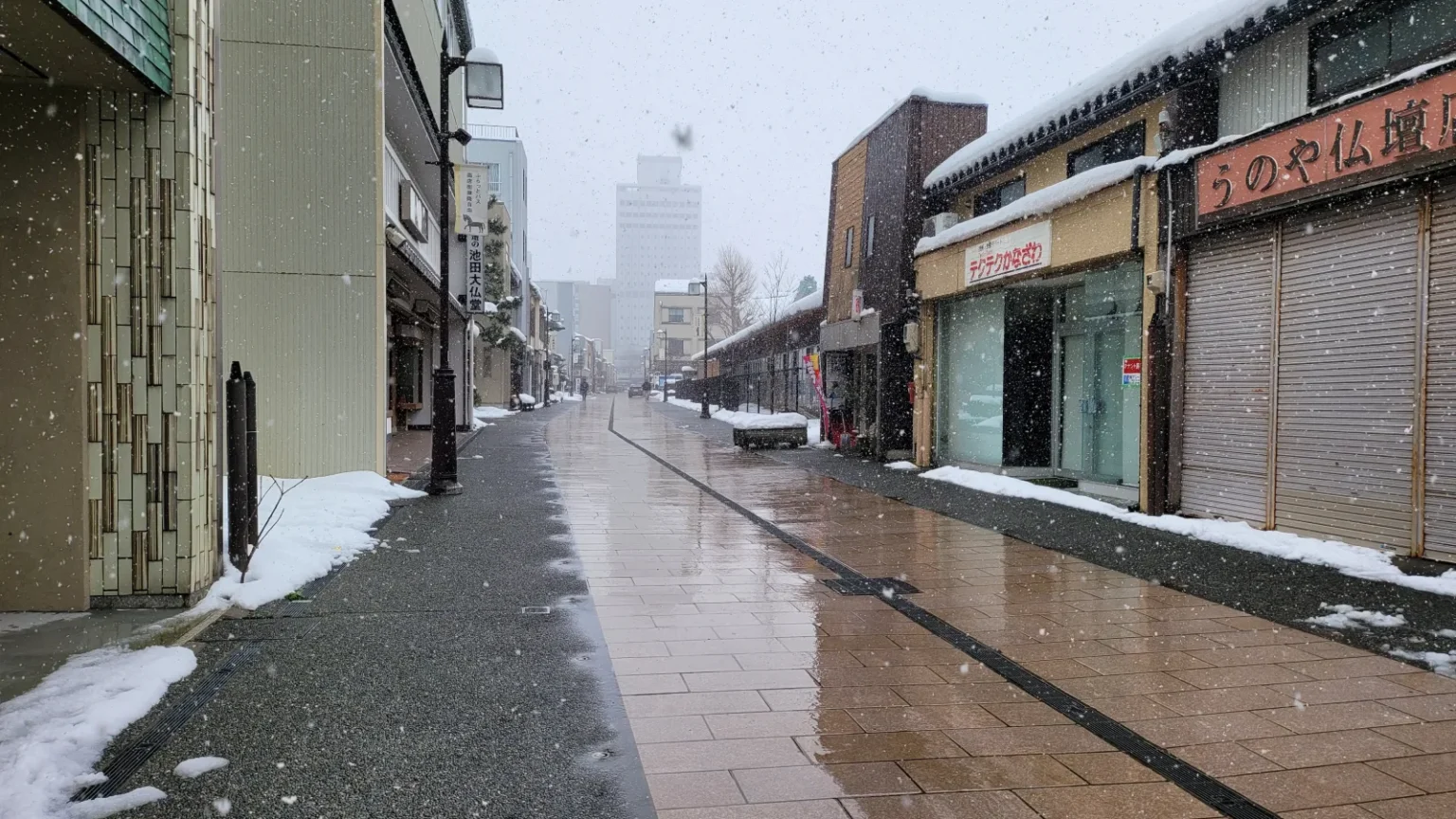
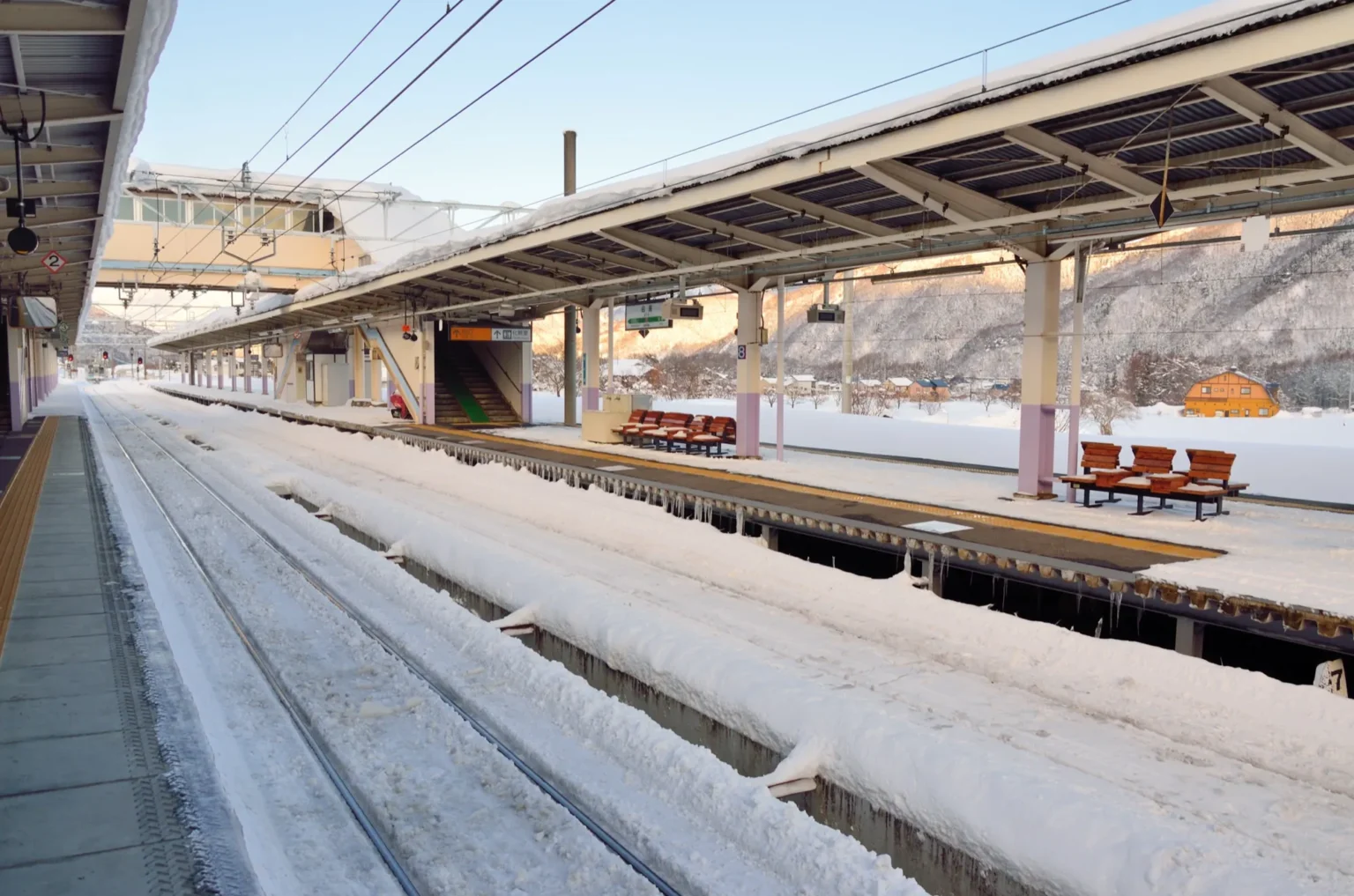
Trap 2: snow on the Sea of Japan side. Since a 2021 transport ministry committee report, the guidance for road managers has been to close roads early and widely when heavy snow threatens, rather than keep traffic moving and risk stranding. Some rail operators announce suspensions in advance: during a heavy-snow spell in January 2026, JR West said on the 24th that some limited expresses would stop that evening and stay suspended from the first trains the next day. If your route crosses Niigata, Hokuriku or the mountains of Nagano, keep a spare day and check operators the evening before (details in the snow card below).
January 2027 at a glance
Labels as checked on 14 October 2026: 2027 confirmed (posted on an official page), fixed date (the same date every year), usually (an official rule, no 2027 notice yet), customary (a custom kept by many shrines, not a single event) or not yet posted. Organisers add details as the date nears, so check each organiser’s 2027 page before you go.
| Date | What happens, where, and its label |
|---|---|
| Fri 1 Jan | New Year’s Day, national holiday. 2027 confirmed: Cabinet Office. First shrine visits (hatsumode) begin; government offices closed to Sun 3 Jan. |
| Sat 2 Jan | Imperial Palace New Year greeting, Tokyo. Not yet posted. When checked on 14 October 2026, the Imperial Household Agency’s page still gave the arrangements for 2 January 2026 (around five balcony appearances planned, and a note that the greeting may be cancelled for snow or storms). Check its 2027 notice for entry times before visiting. |
| Mon 4 Jan | Government offices reopen. |
| Sat 9 – Mon 11 Jan | Three-day weekend; Coming of Age Day on Mon 11. 2027 confirmed: Cabinet Office. In the justice ministry’s 2022 survey, 75.7% of municipalities that had decided planned their ceremony for the Coming of Age Day long weekend (see the card below). |
| Mon 11, Sun 17, 24 and 31 Jan | Shirakawa-go winter light-up, Gifu, 17:30–19:30. 2027 confirmed: Shirakawa-go Tourism Association. Advance booking only; no entry tickets on the day. |
| To Fri 15 Jan | Dondo-yaki and sagicho: bonfires of New Year decorations and old charms. Customary: Jinja Honcho says many shrines hold them between New Year’s Eve and 15 January (koshogatsu, the “little New Year”). |
| Fri 15 Jan | Nozawa Fire Festival, Nozawa Onsen, Nagano. Fixed date: every 15 January. In 2026, entry to the festival ground was by ticket for villagers and guests staying in the village; when checked on 14 October 2026 the 2027 rules were not posted; check the organisers’ 2027 notice before you go. |
| Sun 17 Jan | Toshiya archery (Omato Taikai), Sanjusangendo, Kyoto. Usually: the temple holds it on the Sunday nearest 15 January, which in 2027 is the 17th; 2026’s was on 18 January. No 2027 notice when checked on 14 October 2026; check the temple’s notices before you go. |
| Sat 23 Jan | Wakakusa-yama burning, Nara. 2027 confirmed: organising committee. Fireworks at 18:15, the hillside is lit at 18:30. |
| All month | Ski season across Nagano, Niigata, Tohoku and Hokkaido; Zao’s snow monsters in their growth period; the snow monkeys at Jigokudani. |
| From Thu 4 Feb | If you are staying into February: Sapporo Snow Festival 2027, 4–11 February. 2027 confirmed: the festival organisers’ notice of 13 July 2026. |
The Nara burning is the one to plan a night around: the organisers’ 2027 site has about 300 members of the city fire brigade lighting the hillside at 18:30, burning to about 19:30. On 5 November 2026 the organisers announced that paid viewing tickets go on sale at 10:00 on Friday 20 November. A standing place in the hillside area costs ¥2,000 until 23:59 on 15 January 2027 and ¥2,500 from 16 January until 23:59 on 22 January; on the day it is ¥3,000 in cash at the venue only, and only if advance tickets have not sold out. Purchase and ticketing fees are extra. You must bring a paper ticket printed at a convenience store, as a phone screen is not accepted, and exchange it for a wristband at the Nara Kasugano International Forum Iraka between 14:30 and 17:30; the hillside viewing area is about a 30-minute uphill walk from there. Nozawa is the opposite case: under the 2026 rules, a visitor without a room in the village could not get a ticket to the festival ground. The 2026 programme and the ticket rules are in our Nozawa Fire Festival guide.
Shirakawa-go’s light-up is advance booking only: entry tickets go only to people who booked through one of the routes the association lists, and none are sold on the day. As listed when checked on 14 October 2026, those routes include a stay in the village (by lottery; applications until 31 October, winners told on 10 November), a parking reservation (the first round had sold out; the second goes on sale at 13:00 Japan time on 1 December), and bus tours run by route-bus companies (most book through Japan Bus Online; Hokutetsu through its own site) or by travel agencies (links due on the association’s page at 13:00 Japan time on 2 December). Check the association’s page for what is still available. For booking pages, maps and timetables on the move, a data connection helps: get a Japan eSIM before you land.
Japan weather in January, city by city
The Japan Meteorological Agency’s 1991–2020 January averages describe a normal month, not a forecast for 2027.
| City | High / low · precipitation · sunshine · snow |
|---|---|
| Sapporo | −0.4 / −6.4°C 108.4 mm · 90 h sun 137 cm of snowfall · snow on 29.1 days |
| Sendai | 5.6 / −1.3°C 42.3 mm · 149 h sun 21 cm of snowfall · snow on 23.8 days |
| Niigata | 5.3 / 0.1°C 180.9 mm · 56 h sun 63 cm of snowfall · snow on 26.8 days |
| Kanazawa | 7.1 / 1.2°C 256.0 mm · 62 h sun 67 cm of snowfall · snow on 22.7 days |
| Nagano | 3.8 / −3.9°C 54.6 mm · 128 h sun 63 cm of snowfall · snow on 24.0 days |
| Tokyo | 9.8 / 1.2°C 59.7 mm · 193 h sun 4 cm of snowfall · snow on 2.8 days |
| Kyoto | 9.1 / 1.5°C 53.3 mm · 124 h sun 5 cm of snowfall · snow on 16.3 days |
| Osaka | 9.7 / 3.0°C 47.0 mm · 147 h sun 0 cm of snowfall · snow on 4.7 days |
| Fukuoka | 10.2 / 3.9°C 74.4 mm · 104 h sun 1 cm of snowfall · snow on 9.2 days |
| Naha | 19.8 / 14.9°C 101.6 mm · 93 h sun no snow in the normals |
Source: Japan Meteorological Agency, monthly normals 1991–2020, January; sunshine rounded to the hour. Snowfall is the total of new snow over the month, not what lies on the ground.
Niigata and Kanazawa are milder than Sendai at night but far wetter and darker: Kanazawa has about a third of Tokyo’s sunshine. Kyoto shows snow on 16.3 days but only 5 cm in the month, which points to light snow. Sapporo’s normal high is below freezing, and JMA’s normal for its deepest January snow cover is 76 cm, against 27 cm in Kanazawa and 3 cm in Tokyo.
What to wear in Japan in January
Driven by the normals above; dress for the lows if you are out early or after dark.
| Where (January normal) | What to pack |
|---|---|
| Tokyo, Kyoto, Osaka, Fukuoka highs 9–10°C, lows 1–4°C; Fukuoka has the most precipitation (74.4 mm) and least sunshine (104 h) of the four | A warm winter coat, a sweater or fleece, a scarf and light gloves for early starts and evenings. Ordinary walking shoes on most days. |
| Sendai 5.6 / −1.3°C | As above, a heavier coat, and a hat for nights below freezing. |
| Kanazawa, Niigata 180–256 mm, snow on 23–27 days | A waterproof outer layer and waterproof shoes with a grippy sole; an umbrella. Lows just above freezing mean wet snow and slush more than deep cold. |
| Nagano and the mountains 3.8 / −3.9°C in Nagano city | Insulated waterproof boots, a hat, warm gloves and thermal layers; colder again at ski resorts and onsen villages higher up. |
| Sapporo and Hokkaido −0.4 / −6.4°C, snow on 29 days | A heavily insulated coat, thermal layers, a hat that covers the ears, warm gloves and boots with grip for icy pavements. |
| Naha, Okinawa 19.8 / 14.9°C | Long sleeves and a light jacket; a rain layer for showers. |
Around Mt Fuji and the Fuji Five Lakes, mornings are colder than in Tokyo; month-by-month advice is in Mt Fuji snow and what to wear. A thermal base layer (Amazon Japan) is an easy extra layer under a coat.
What Japan itself is talking about in January
Three subjects come up in Japan’s own official documents and news about January. Each card gives the date of its source and what it means for a visitor.
Coming of Age at 18, or at 20?
What it is. Since April 2022, Japan’s age of adulthood under the Civil Code has been 18, not 20. The coming-of-age ceremony is not set by law: the Ministry of Justice’s 2020 report says each local government decides who it is for and how it is held.
What local governments chose. In the ministry’s follow-up survey of January 2022, 985 of the 1,177 municipalities that answered had decided: 934 (94.8%) chose 20-year-olds, 49 chose 21 and 2 chose 18. The top reason given (72.6%) was that a ceremony in an 18-year-old’s January would clash with university entrance exams. Kyodo News reported in April 2021 that 40 of the 47 prefectural capitals would keep 20 and that some had renamed the event, such as Morioka’s 「二十歳のつどい」 (“gathering of twenty-year-olds”).
Other views. The ministry’s report recorded the view that a ceremony kept at 20 could drop the name “coming of age”. In a survey of high-school PTA heads it cites, 26.6% preferred 18, and Iga in Mie Prefecture chose 18 (Kyodo, 2021).
For you. Each municipality runs its own ceremony for its own young people. Yokohama’s, 「二十歳の市民を祝うつどい」 at Yokohama Arena on 11 January 2027, is for registered residents born between 2 April 2006 and 1 April 2007, and its page says others cannot attend. One public place to see new adults is Sanjusangendo in Kyoto, where, the temple says, they compete in its archery event in festive dress (usually the Sunday nearest 15 January; 17 January in 2027 if the pattern holds).
Closing roads before the snow arrives
What it is. A transport ministry committee report of March 2021 records about 2,100 vehicles stranded on the Kan-Etsu Expressway in December 2020 and about 1,600 on the Hokuriku Expressway in January 2021, each taking at least two days to clear; in the second, for the first time, occupants who chose to were moved to hotels or lodgings.
Official position. The report changed the goal to “put human life first and thoroughly avoid large-scale stranding on trunk roads”: close widely and without hesitation, close an expressway and the parallel national road together if snow exceeds what ploughs can handle, and, once a situation is judged critical, act “without fearing a false alarm” (空振りを恐れずに). On 26 December 2025, the Kanto regional bureau, JMA’s Tokyo office, the expressway companies and others said snowfall could be very heavy in northern Nagano and Gunma from about 4 January 2026 and that preventive closures might follow.
Rail. On 24 January 2026, Kyodo reported via Nikkei that JR West had announced a planned suspension of some limited-express services from 8 p.m. that day on two stretches: Nagahama–Tsuruga on the Hokuriku Line and Omi-Maiko–Omi-Shiotsu on the Kosei Line. JR West said those services would stay suspended from their first departures on the 25th, with a restart not expected before the evening.
The cost. People are asked to stay home on heavy-snow days and accept delivery delays, and a closure can come on a day that turns out less snowy than forecast.
For you. Check road and rail operators the evening before and in the morning, and keep a spare day on Sea of Japan routes. What to do before a cold wave is in travelling Japan in heavy snow.
January 2026 arrivals fell from January 2025
What it is. JNTO estimated 3,597,500 visitors in January 2026, 4.9% fewer than a year earlier, partly because Lunar New Year moved from late January in 2025 to mid-February in 2026; it also reported higher snow-season demand in many markets.
For you. In Kyoto, the city tourism association’s survey of 114 main hotels put January 2026 occupancy at 65.7% and the average room rate at ¥17,645, against 86.9% and ¥29,085 across 110 hotels in November 2025. The association notes that its rate is revenue per occupied room, not the price a booking site shows, and neither figure predicts January 2027.
Mt Fuji in January
In Fuji City’s records, January is among the best months to see the mountain. Fuji City records the view at 8 a.m. each day; over the 35 years from 1991 to 2025, Mt Fuji was fully visible on 60.0% of January mornings and partly visible on another 22.3%. Only December scores higher, at 85%. The city watches from the southern, Shizuoka side, and publishes its monthly figures for 8 a.m. because the mountain is more likely to be visible at that time of day.
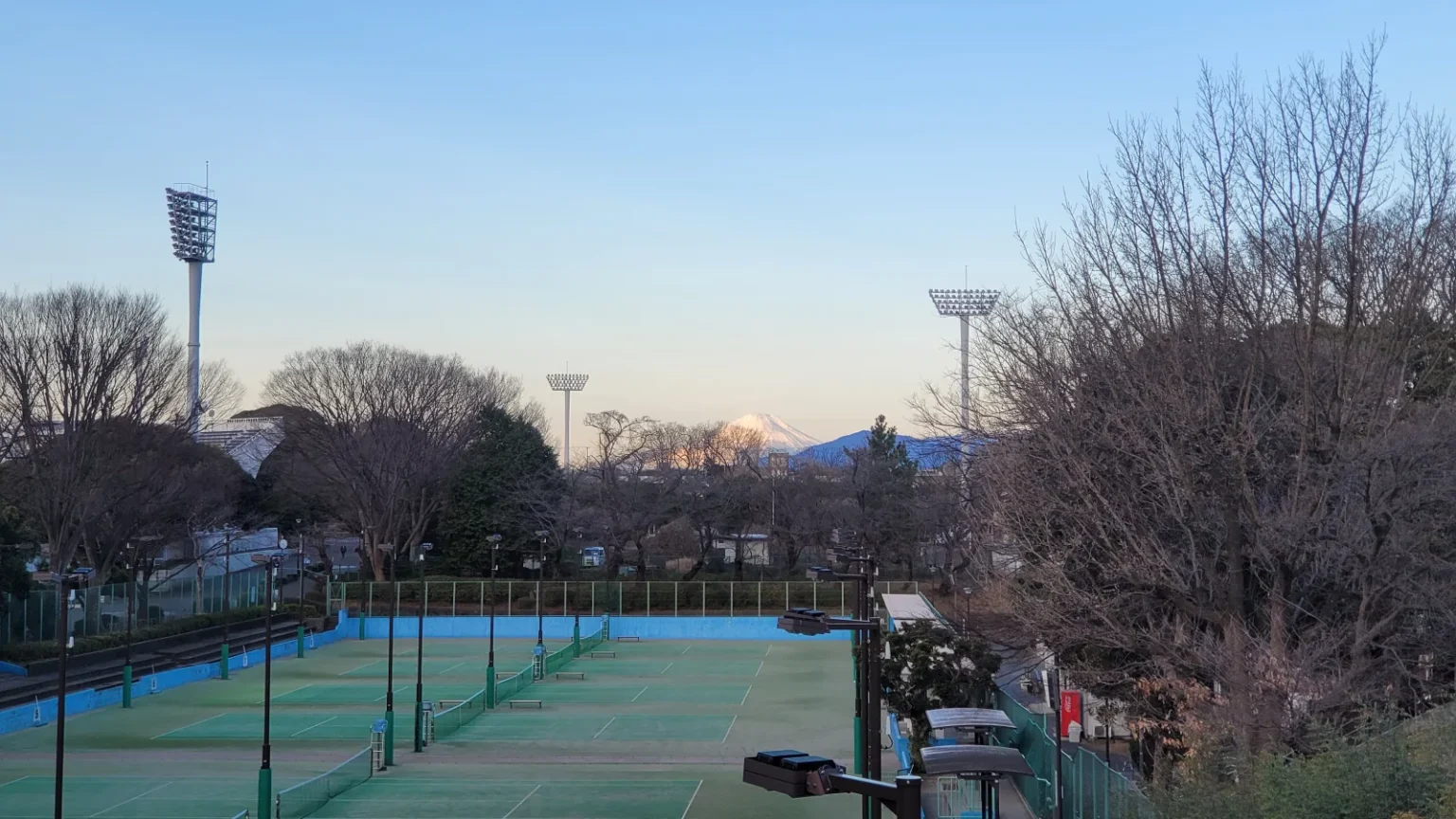
I live in Fujiyoshida, on the Yamanashi side; Fuji City’s figures are not a rate for Kawaguchiko. The month-by-month picture is in the best time to see Mt Fuji. To go with a guide from Tokyo, compare Mt Fuji day tours on Klook and check each itinerary.
Where to go in Japan in January
| If you want | Go to, and read first |
|---|---|
| Snow monsters (rime-covered firs) | Zao Onsen, Yamagata. Zao Ropeway calls January the growth period and February the peak; the night light-up runs on set dates. Zao snow monsters guide |
| Monkeys in a hot spring | Jigokudani, Nagano. The park says bathing helps the monkeys cope with Jigokudani’s winter cold, which can fall below −10°C. It also says they bathe more on heavy-snow days, and that on some days none appear. Snow monkey park guide |
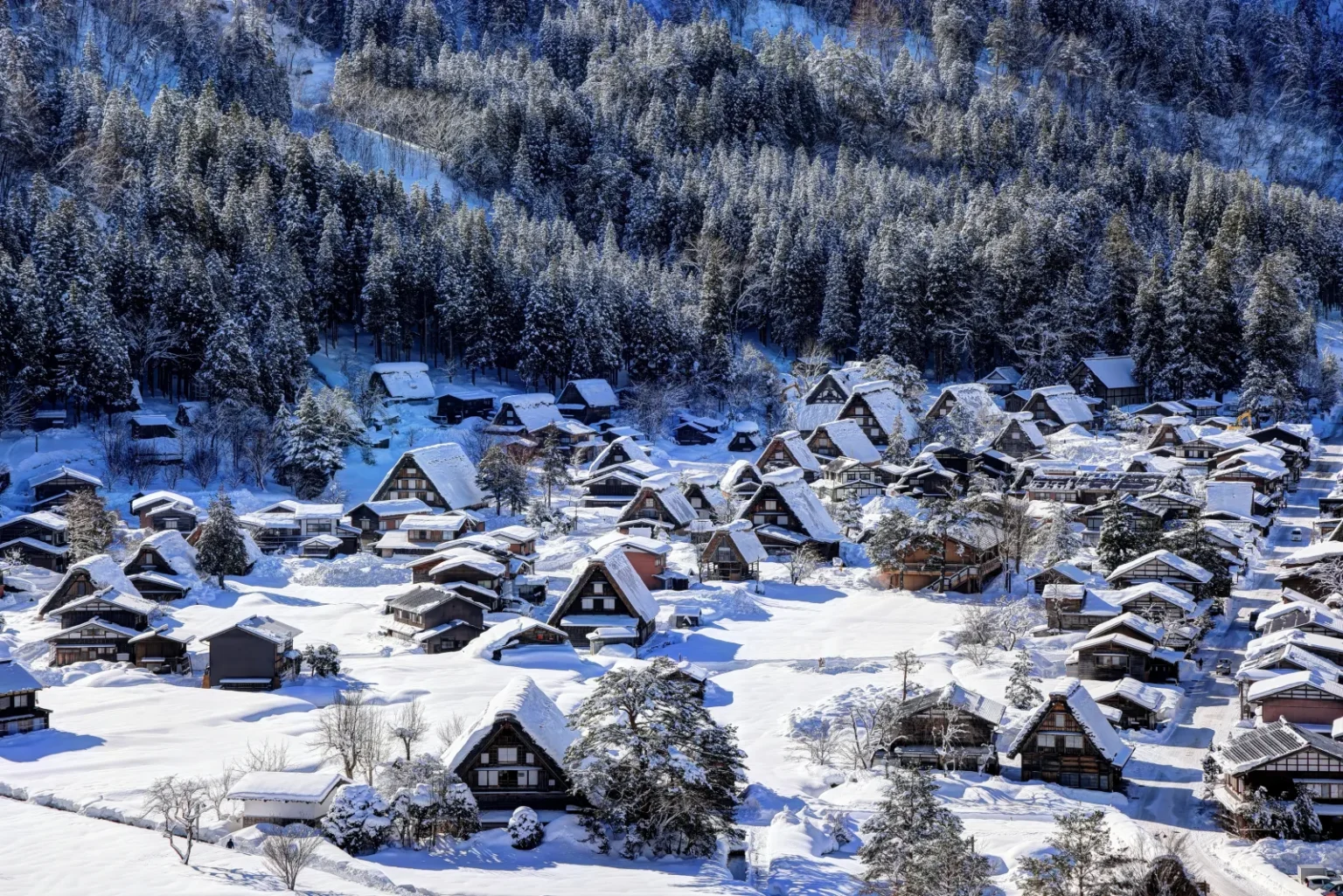
| A lit village under snow | Shirakawa-go, Gifu, on the four light-up evenings; booking only, and the association says it may cancel if a major cold wave threatens transport. Shirakawa-go guide |
| Skiing or snowboarding | Hakuba Valley, Nagano: ten resorts on one valley pass. Hakuba 2026–27 guide |
| A fire festival | Nozawa Onsen on 15 January (2026 entry was for villagers and guests staying in the village), or Nara’s Wakakusa-yama on 23 January (paid viewing tickets on sale from 20 November 2026). |
| Dry, sunny sightseeing | Tokyo, Yokohama, Osaka and Kyoto, with Mt Fuji views on clear mornings. |
| Warmth | Naha, Okinawa: normal high 19.8°C, low 14.9°C. |
For a Zao light-up night, a room in Zao Onsen, where the ropeway starts, saves the bus back to Yamagata. Check Zao Onsen on Booking.com.
For temples in Kyoto, January 2026 ran well below November 2025 in hotel occupancy, though that does not predict 2027: compare Kyoto rooms on Agoda for your dates, and keep the 1–3 January closures in mind.
Japan in January: FAQ
Is January a good time to visit Japan?
For dry, bright sightseeing on the Pacific side and for snow country, yes: Tokyo’s normal January has 193 hours of sunshine and 59.7 mm of precipitation. Plan around the New Year closures and the chance of heavy snow on the Sea of Japan side.
How cold is Japan in January?
In JMA’s 1991–2020 normals, the January high and low are 9.8°C and 1.2°C in Tokyo, 9.1°C and 1.5°C in Kyoto, −0.4°C and −6.4°C in Sapporo, and 19.8°C and 14.9°C in Naha.
Does it snow in Tokyo in January?
A little, in some years. Tokyo’s normal is 4 cm of snowfall over the whole month and snow on 2.8 days. Kanazawa’s is 67 cm on 22.7 days, and Sapporo’s 137 cm on 29.1 days.
What is closed in Japan in early January?
Government offices close from 29 December to 3 January by law. Shops and restaurants set their own days; our New Year closures calendar lists what stays open. Government offices reopen on Monday 4 January 2027.
What should I wear in Japan in January?
In Tokyo, Kyoto and Osaka, a warm coat, layers, a scarf and gloves for lows of 1–3°C. On the Sea of Japan side, waterproof outerwear and shoes. In Hokkaido and the mountains, an insulated coat, a hat, thermal layers and boots with grip.
What’s on in Japan in January 2027?
Coming of Age Day on Monday 11 January; the Shirakawa-go light-up on 11, 17, 24 and 31 January (booking only); the Nozawa Fire Festival on 15 January; and the Wakakusa-yama burning in Nara on Saturday 23 January. The full list is in the calendar above.
Sources (checked 14 October 2026)
- Sapporo Snow Festival: 2027 outline (in Japanese), 13 July 2026.
- Japan Meteorological Agency, 1991–2020 monthly normals: Sapporo, Sendai, Niigata, Kanazawa, Nagano, Tokyo, Kyoto, Osaka, Fukuoka, Naha; JMA Tokyo Climate Center, heavy snowfall on the Sea of Japan side, 1 Feb 2022 (PDF)
- Cabinet Office, national holidays 2026 and 2027; e-Gov, Act on the Holidays of Administrative Organs, Article 1; Imperial Household Agency, New Year greeting (Japanese)
- Events: Wakakusa-yama Yamayaki 2027, organising committee and its paid viewing tickets page (checked 5 November 2026); Shirakawa-go Tourism Association, 41st light-up; Nozawa Onsen, 2026 festival entry rules; Sanjusangendo annual events and Kyoto City tourism listing, 2026; Jinja Honcho on ofuda and sagicho; Zao Ropeway on snow monsters; Jigokudani Yaen-koen (all Japanese)
- Coming of age: Ministry of Justice, report on the timing and form of coming-of-age ceremonies, March 2020 (PDF) and follow-up survey, January 2022 (PDF); Nikkei (Kyodo), 4 April 2021; Yokohama City, 2027 ceremony (all Japanese)
- Snow: MLIT committee, road traffic in heavy snow, revised March 2021 (PDF) and press release, 31 March 2021; Kanto Regional Development Bureau and others, notice of 26 December 2025 (PDF); Nikkei (Kyodo), JR West planned suspension, 24 January 2026 (Japanese)
- Visitors and hotels: JNTO, visitor arrivals, January 2026 estimate (PDF); Kyoto City Tourism Association, January 2026 and November 2025 hotel data (Japanese)
- Fuji City, Mt Fuji observation record, 1991–2025 (PDF)
Join travelers discovering Japan's hidden side
Weekly dispatches from off-the-beaten-path Japan — spots and stories you won't find in guidebooks.
No spam. Unsubscribe anytime.
Welcome aboard!
You're in. See you in your inbox soon.