
Japan · Summer Festivals
Paid seating is quietly becoming the norm at Japan’s big summer fireworks festivals. A Teikoku Databank survey released on 22 July 2026 found that 84 of Japan’s 106 major fireworks festivals — about eight in ten — now sell paid seating, and 45 of them raised prices for 2026. The average premium seat costs ¥40,611 this summer, 7.36 times the average cheapest paid seat (¥5,517) — the widest gap on record. Here’s what that means if you’re planning a fireworks night in Japan, and when the free riverbank is still the better ticket.
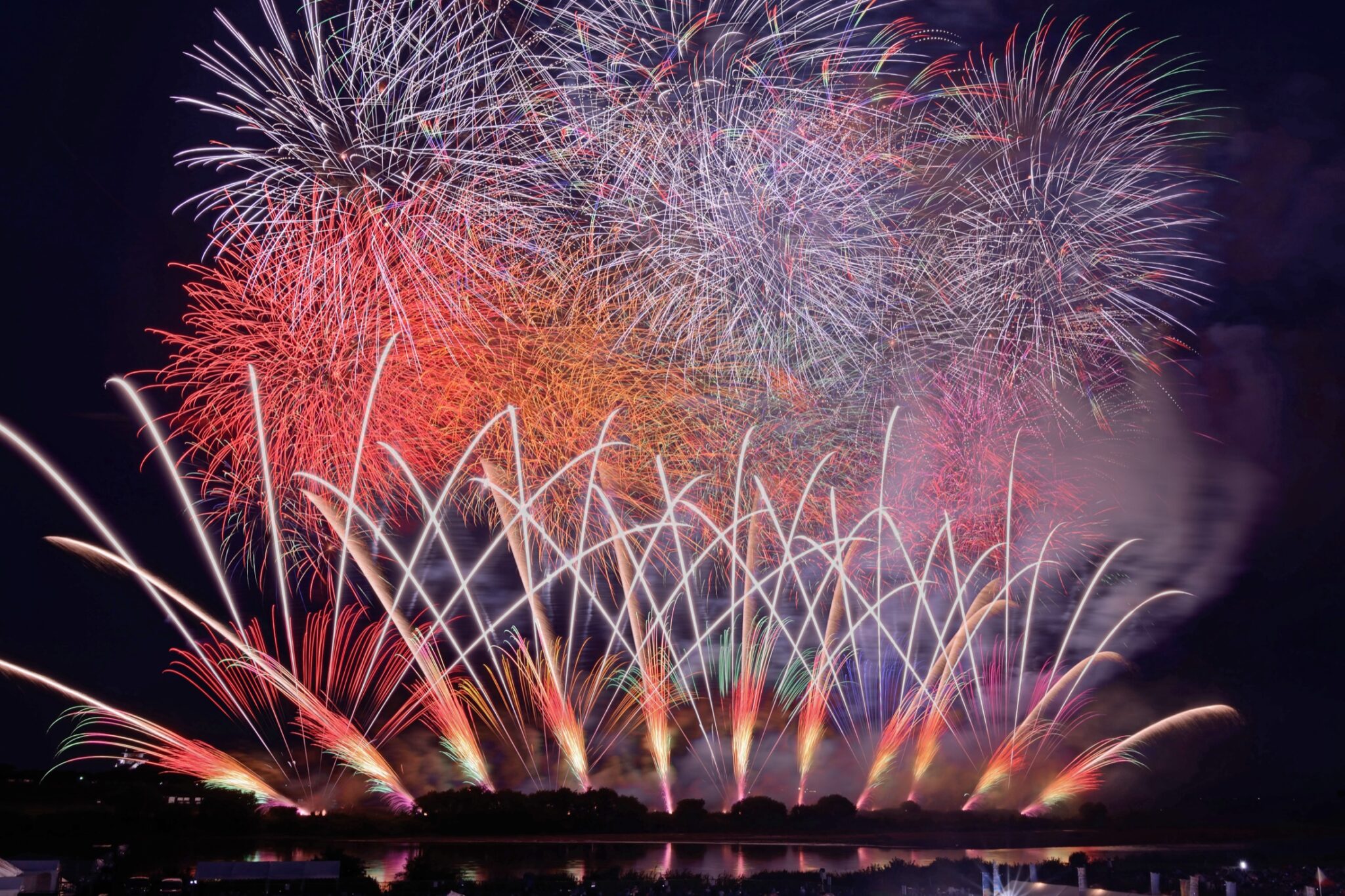
What the 2026 survey actually says
Teikoku Databank has tracked paid seating at Japan’s major fireworks festivals (those drawing 100,000+ visitors) since 2023, and the direction is one-way. For 2026: 84 of 106 festivals sell tickets, 45 raised prices over last year, and the premium tier rose 7.4% year-on-year to an average of ¥40,611 — while the cheapest paid tier rose 4.4% to ¥5,517. Since the survey began in 2023, the cheapest seats are up roughly 16% and premium seats roughly 23%. (One caveat when reading the averages: many top-tier “seats” are boxes or tables for two or more people, so premium figures aren’t strictly per-person.)
| 2023 | 2026 | Change | |
|---|---|---|---|
| Cheapest paid seat (avg.) | ¥4,768 | ¥5,517 | ≈ +16% |
| Premium seat (avg.) | ¥32,791 | ¥40,611 | ≈ +23% |
My read: this is less greed than survival. Security and crowd-control costs have risen sharply nationwide; the volunteer base in host towns is ageing; and the fireworks themselves — much of the material imported — have become far more expensive to launch. Some festivals have been cancelled outright in recent years when costs outran what a town could raise. Paid seats are how the survivors keep the sky lit.
Would I pay for fireworks seats?
Honestly: sometimes yes, mostly no — and almost never for the premium tier.
When I’d pay (cheap tier)
At the mega-festivals that have gone fully ticketed, or anywhere I have one shot on a fixed itinerary. ¥2,000–6,500 buys you a reserved spot with a dependable sightline and a place to sit. That’s not a luxury — it’s sanity insurance for a crowd of half a million.
When I wouldn’t (premium tier)
The average premium seat now costs over seven times the average cheapest one — but the view doesn’t scale that way; the sky is the same size from the ¥5,000 bench. You’re paying for a table, a bento and legroom. If that’s your idea of a splurge, fine. Mine is spending that money on a lakeside ryokan and watching from the bath.
What I actually do
Skip the giants entirely. Japan still has plenty of regional river festivals with free viewing — including a handful of genuinely huge ones, like Sakai’s 30,000-shell Tone River display. The show is most of what a Tokyo mega-festival delivers; the crowd is a fraction.
If the ryokan option appeals, browse ryokan on Rakuten Travel or compare stays on Agoda near the festival you pick.
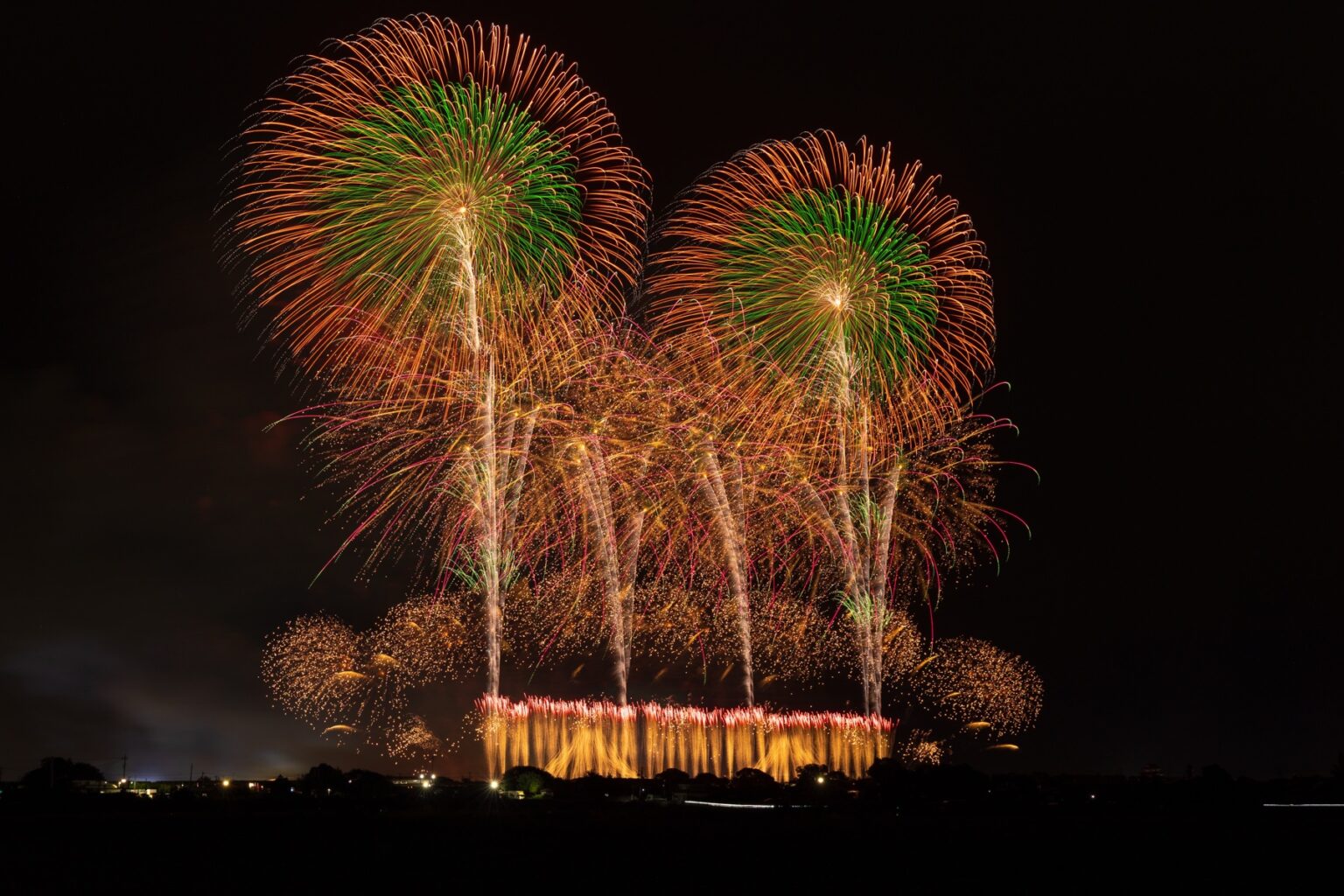
How the math looks at three real festivals
Three 2026 examples, verified against the official ticket pages, that show the whole spectrum:
| Festival | 2026 date | Paid seats | Free viewing? |
|---|---|---|---|
| Lake Biwa Grand Fireworks (Shiga) | Thu 6 Aug | ¥5,000 entry – ¥115,000 two-person luxury package | Not really — viewing inside the official venue is ticket-only |
| Itabashi Fireworks (Tokyo) | Sat 1 Aug | ¥2,000 unreserved – ¥48,000 group package | Limited — riverbanks fill hours ahead |
| Tone River Grand Fireworks (Ibaraki) | Sat 19 Sep | ¥2,000 slope seats – ¥500,000 camping-car packages | Yes — free viewing from the riverbank; organiser suggests arriving by ~14:00 |
The pattern in these three: the bigger the city and the bigger the name, the smaller the free option has become. Inside Lake Biwa’s official venue, viewing is ticket-only. Meanwhile at Sakai — 30,000 shells, one of the best shows I’ve seen anywhere in Japan — the free bank still works. My full guide: Tone River Grand Fireworks.
The starkest 2026 example of the paid-seat era is Osaka: the Naniwa Yodogawa Fireworks (October 17) sells every official seat in advance from ¥5,000 to ¥28,000, closes the entire Umeda-side riverbank to viewing, and offers no same-day tickets at all.
How do foreign visitors buy fireworks seats in Japan?
Simpler than it looks, with two catches: sales open one to three months ahead and popular tiers sell out fast, and some platforms want a Japanese address or phone number.
1 · Official festival site
Every festival above links its ticket seller from the official page. Most route through platforms like e+ (eplus) — whose HANABITO fireworks portal runs each summer — or ticket pages run by the organiser.
2 · Buy early, check the ticket format
Sales typically open May–June for August festivals, and cheapest tiers go first. Crucially: check whether your ticket is electronic or paper — Itabashi and the Tone River festival both require physical tickets, printed or collected before the day. Screenshots are backup, not entry.
3 · If it’s sold out
Don’t buy from resellers at inflated prices. Switch to a festival with free viewing, or book a hotel room on the launch side — some rooms are the best “paid seat” in town and come with air-conditioning and a bed.
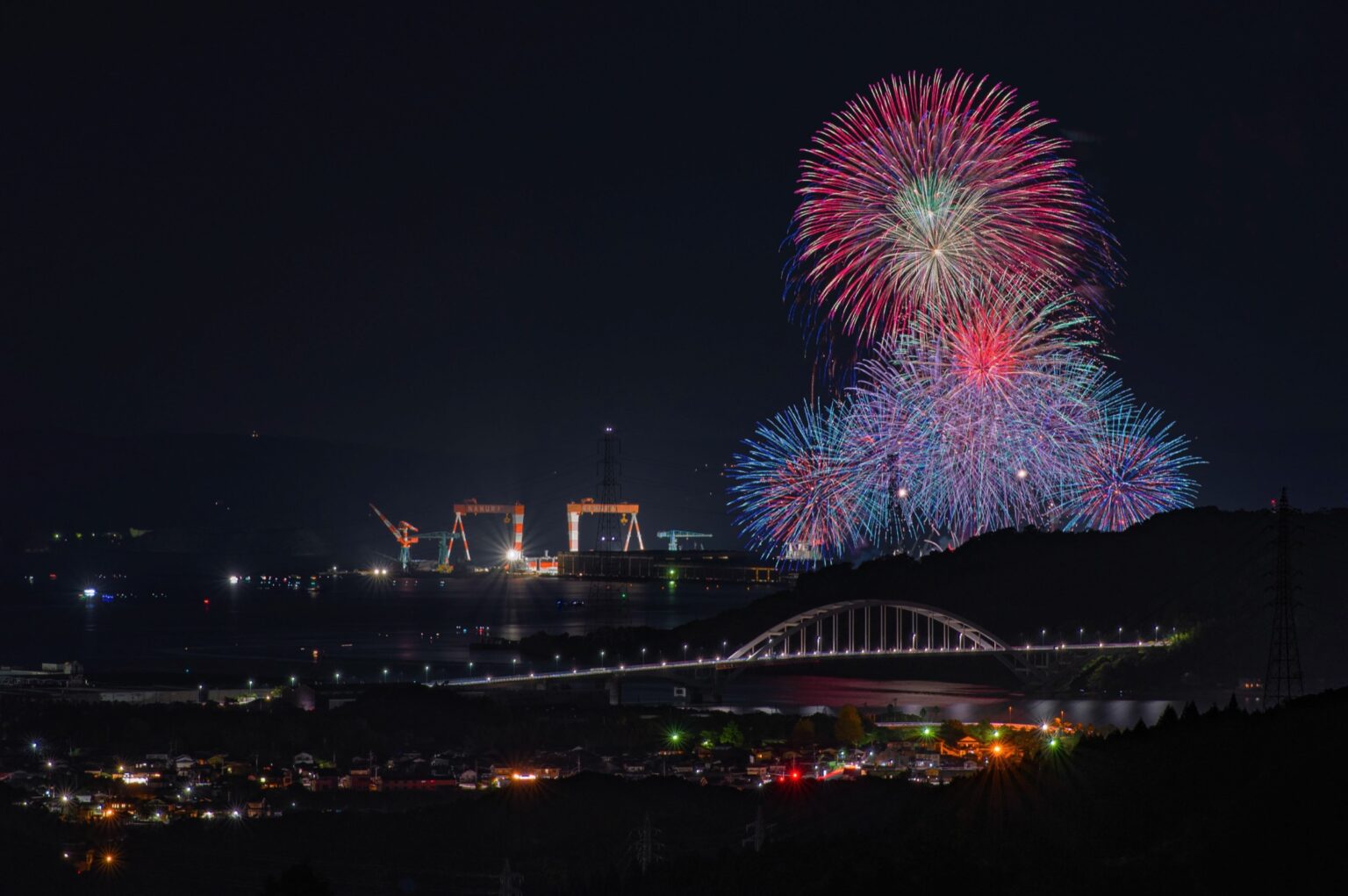
The free-viewing playbook (wherever free areas survive)
Check the official venue map first — free zones, restricted areas and rules differ by festival. Where free viewing is allowed, the difference between a great night and a miserable one is mostly logistics:
For a live example of the free-first tradition holding out: Kawaguchiko’s Kojosai (5 August) lists no paid seating at all — a century-old lake festival funded partly by town crowdfunding rather than ticket gates. In fact the whole surrounding series stays free: four lakes, four free nights, 2–5 August.
And at the other end of the spectrum: Japan’s Big Three — Nagaoka, Omagari and Tsuchiura — have now gone fully ticketed, with Nagaoka’s 2026 lottery already sold out and Omagari selling out ahead of its 29 August night, which the hometown maker Komatsu went on to win (results and full guide). I’ve broken down what each of the three is and which you can still get into.
Arrive 3–4 hours early
Not for the front row — for the exit-friendly middle. Lay a picnic sheet (a ¥300 konbini buy), then take turns exploring the food stalls.
Check the wind
Sit upwind or side-wind of the launch site. Downwind means watching smoke, not fireworks — the highest-value check on this list.
Consider the far bank
Where access is permitted, the bank opposite the “official” side is often far less crowded with a mirror-image view. Locals are already there.
Plan the exit before the finale
Stations jam for an hour after the last shell. Either leave during the finale’s opening minutes or — better — settle in, let the crowd drain, and treat the last train as your deadline.
Heading to a festival this summer? Staying within walking distance of the venue makes the whole evening easier. Search the festival town on Booking.com or Expedia (affiliate links). For dates across the whole season, my month-by-month calendars: Japan in July 2026 and Japan in August 2026 — festivals & fireworks.
Fireworks paid seats in Japan — FAQ
How much do paid seats cost at Japanese fireworks festivals in 2026?
Across the major festivals in Teikoku Databank’s July 2026 survey, the cheapest paid seats average ¥5,517 and premium tiers average ¥40,611 (top tiers often seat two or more people). In practice the common range is ¥2,000–6,500 for a basic reserved spot and ¥18,000–48,000+ for group boxes and premium tables.
Do all fireworks festivals in Japan charge for seats now?
No — 84 of the 106 major festivals sell paid seating, and only some of those have removed free viewing entirely (Lake Biwa is the famous example: viewing inside the venue is ticket-only). Most festivals, especially regional river festivals, still have free banks and parks with excellent sightlines.
Are premium fireworks seats worth it?
For the view alone, rarely — the ¥5,000 seat sees the same sky as the ¥40,000 table. What premium tiers buy is comfort — depending on the festival, that can mean tables, bento, easier access and exits. They make sense for groups with kids or anyone who can’t sit on a tarp for four hours, not as a proportionally better view. Check exactly what’s included before paying.
Why have Japanese fireworks festivals become so expensive?
Security costs rose sharply after organisers nationwide tightened crowd control, host-town volunteer bases are ageing, and imported gunpowder and setup costs have climbed. Paid seats are how festivals cover bills that donations and sponsorship no longer meet — festivals that couldn’t close the gap have, in some cases, folded.
Can foreigners buy fireworks tickets without a Japanese address?
Sometimes, but it varies by festival. Itabashi offers an English ticketing route, many festivals sell via e+ (eplus) whose summer HANABITO portal lists major shows, while others require a Japanese platform account or phone number. Check the official ticket page for account, payment and pickup requirements before you plan a trip around a specific seat.
Do I need to print or pick up fireworks tickets in Japan?
Often yes — several major festivals, including Itabashi and the Tone River Grand Fireworks, use paper tickets that must be printed or collected (typically at convenience-store kiosks) before festival day. Confirm the format when you buy; a phone screenshot alone may not get you in.
What’s the best free way to watch fireworks in Japan?
Pick a mid-size regional festival rather than a metropolitan giant, arrive three to four hours early, sit upwind of the launch site, and consider the opposite riverbank. A September show like the Tone River Grand Fireworks in Sakai delivers one of the best large river displays I’ve seen in Japan, with a genuinely open free bank.
Join travelers discovering Japan's hidden side
Weekly dispatches from off-the-beaten-path Japan — spots and stories you won't find in guidebooks.
No spam. Unsubscribe anytime.
Welcome aboard!
You're in. See you in your inbox soon.