Fukushima · Beat the Heat
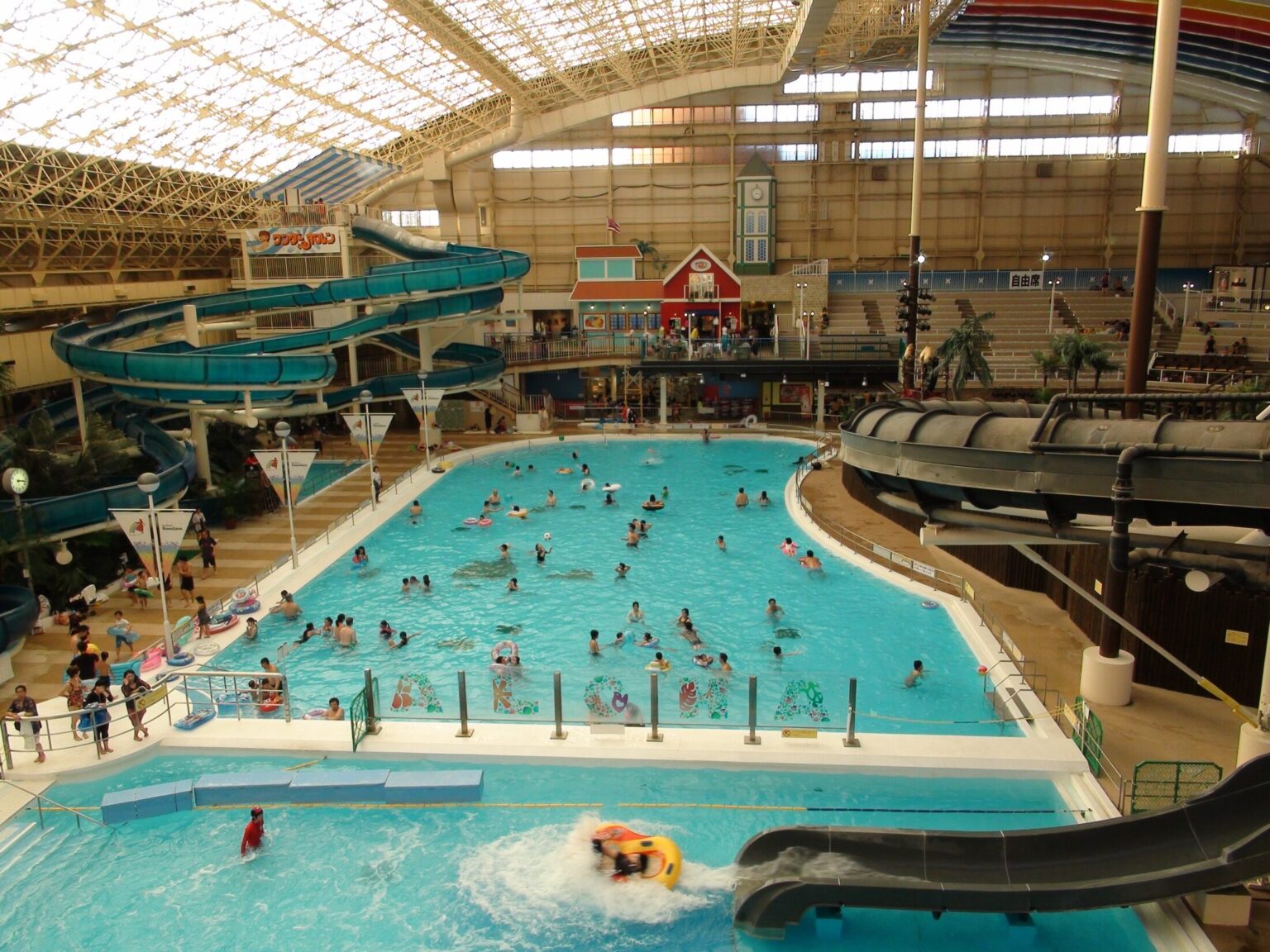
Spa Resort Hawaiians, in Iwaki, Fukushima, is a giant all-weather resort where the pools are filled with real Iwaki-Yumoto hot-spring water kept around 30°C, all under a tropical dome — so on a 40°C August day you can swim, ride Japan’s longest body slide and watch a live hula show without ever standing in the sun. It has run since 1966, it’s about two and a quarter hours from Tokyo by limited express, and it is one of the most genuinely family-proof rainy-day-or-heatwave escapes in the country.
Why it works as a summer escape
Japan’s recent summers have been brutal — strings of 40°C days, real heatstroke risk, and a sun that makes an ordinary outdoor pool a bad idea by 11 a.m. Spa Resort Hawaiians answers that in the most literal way possible: it puts the tropics under a roof. The main Water Park is a single enormous climate-controlled dome, so you get the swim, the slides and the palm-tree atmosphere with none of the UV. On a rainy day it works exactly the same. That’s the pitch, and after decades in business it delivers on it.
First, what “all-weather” actually covers
The resort is bigger than the famous dome, and the areas split into two kinds — which matters a lot for what you wear and what’s covered by your ticket:
Water Park (indoor)
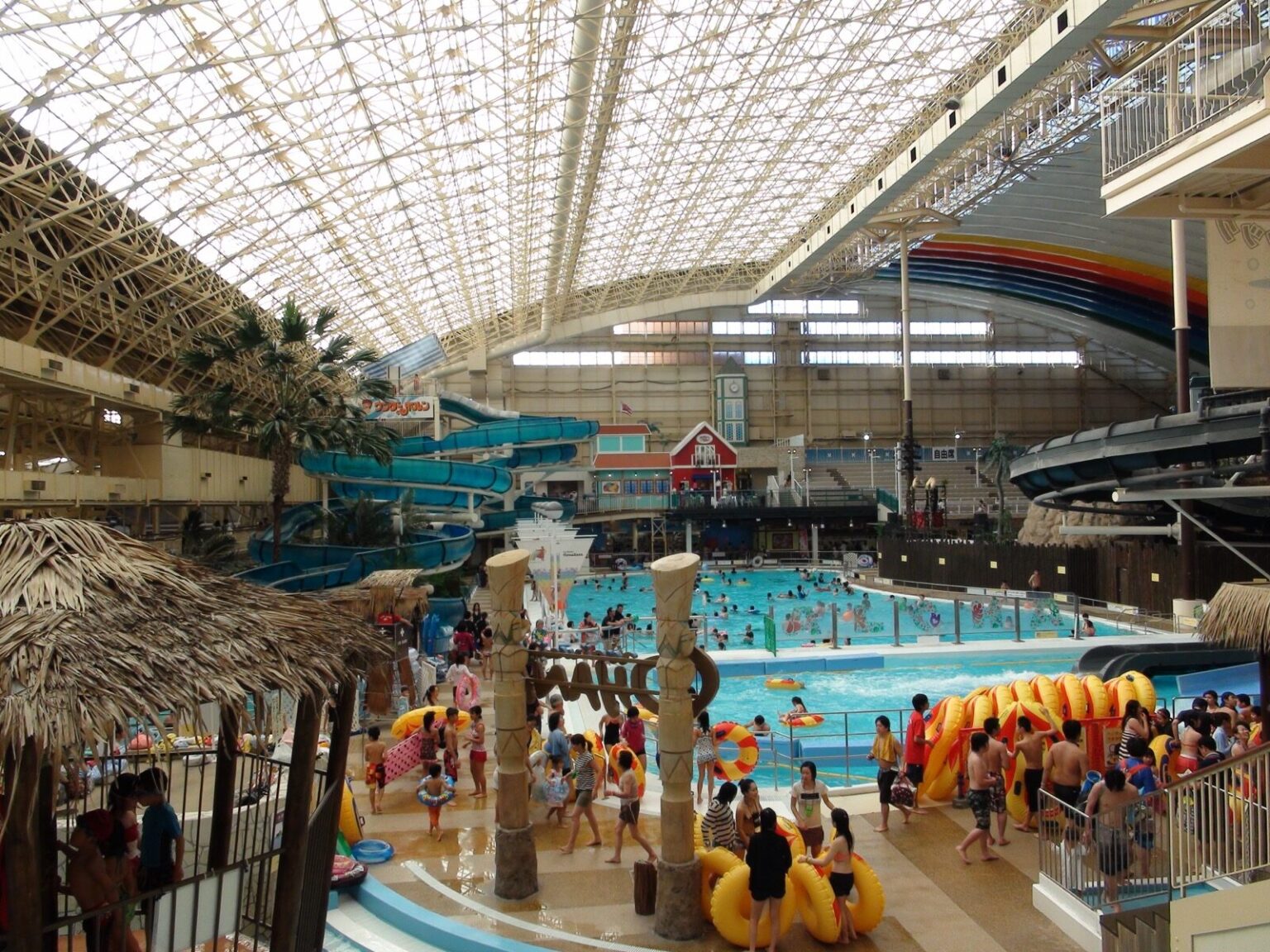
The headline dome: a big wave pool, the slide tower, the Fish-Go-Round aquarium pool, kids’ zones. Fully under cover.
Spring Park / Spring Town (indoor)
A calmer, southern-European-styled indoor spa you swim in by swimsuit — warm circular pools around 34°C.
Spa Garden Pareo (outdoor)
An open-air onsen-pool garden with jacuzzis and a dome sauna. Lovely at dusk — but it’s outside, so weather applies.
Nude onsen (indoor)
Traditional Japanese baths (Palace and Edo Jowa Yoichi) — no swimsuit, single-sex. A different experience from the pools.
From coal town to hula resort: the real story
This is the part most water parks can’t offer. Iwaki was a coal town — the Joban coalfield — and as Japan switched from coal to oil in the postwar years, the mines were dying and the jobs with them. In 1966 the mining company opened the “Joban Hawaiian Center” on the site, heated by the hot water the miners had always had to pump out of the ground, and retrained daughters of mining families as hula and Polynesian dancers. It was, the resort says, Japan’s first themed leisure resort of its kind, and the dancers — the “hula girls” — became its symbol.
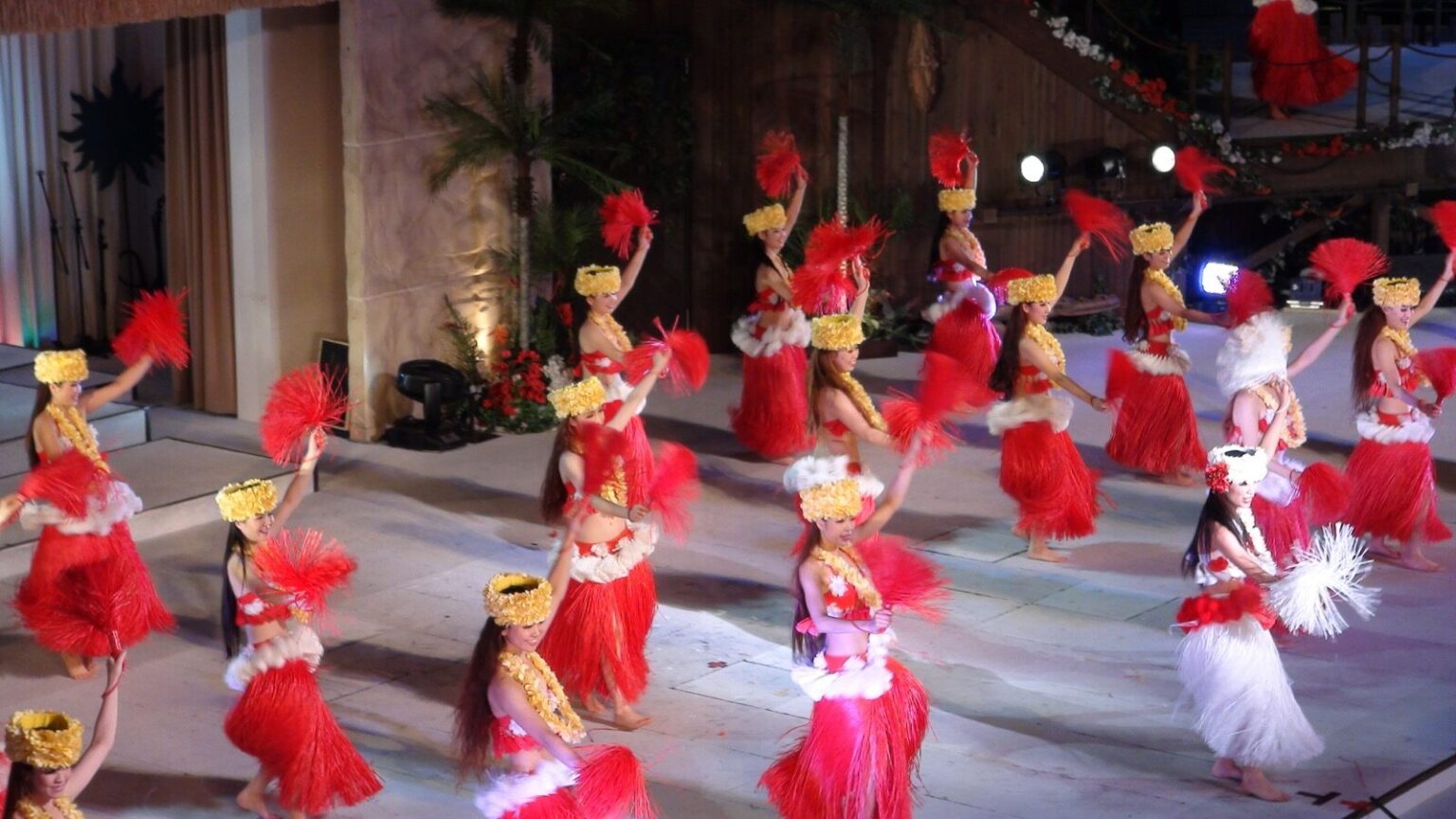
That origin story was made into the hit 2006 film Hula Girls, which is based on those real events (dramatised, not a documentary). And in 2011, after the Great East Japan Earthquake, the resort closed for roughly half a year; while it was shut, its dancers toured the country performing to keep the name alive before it reopened. The Polynesian show you’ll watch today is the direct descendant of that 1966 troupe — it runs daily, afternoon and evening.
What you can actually do
Enough for a full day, easily. The centrepieces:
The slide tower
Six slide machines across eleven courses, from gentle kids’ runs to Big Aloha — a body slide with a 40.5 m drop over 283 m, billed as Japan’s longest and highest of its kind.
Fish-Go-Round
Japan’s first “flowing aquarium” pool — a 130 m lazy river that loops past tanks of roughly 1,300 fish across 35 species, including sharks. Float and drift.
Kids’ zones
WaiWai Ohana has a suspension bridge, mini-slides free with admission, and a shallow “angels’ water” area where even pre-toddlers in swim nappies can paddle.
The hula show
The daily Polynesian show is the cultural heart of the place — worth planning your day around. Check the current show times on arrival.
Are the pools really hot springs?
Mostly, yes — and this is the detail that makes Hawaiians unusual. The resort draws Iwaki-Yumoto onsen water (it cites around 3.5 tonnes a minute) and uses it to fill the baths and most of the pools, which is why the water sits at a comfortable ~30°C year-round and you don’t get cold after hours in it. The honest caveat, per the resort’s own information: the children’s and toddler pools are the exception. So “you’re swimming in an onsen” is true for the main pools, not literally every basin.
Swimsuit areas vs. nude onsen: two different rules
This trips up a lot of first-time visitors, so keep it straight:
| Area | What you wear | Mixed / single-sex |
|---|---|---|
| Water Park, Spring Park, Spa Garden Pareo | Swimsuit required | Everyone together |
| Onsen baths (Palace, Edo Jowa Yoichi) | No swimsuit — traditional nude bathing | Separate men’s and women’s |
In other words, you can spend the whole day in a swimsuit and never enter a nude bath if that’s not for you — or use the traditional baths for a proper Japanese onsen soak. Both are included with entry. If you have tattoos, note that Japanese pools and baths often restrict them; Hawaiians doesn’t publish a clear English rule, so contact the resort ahead if this affects you rather than assuming either way.
Tickets and the extra costs to expect
Admission uses variable pricing — it changes by date, so treat any single figure as a guide and check the official day-by-day calendar before you buy. As a rough shape at the time of writing: a standard adult day pass runs about ¥3,570, rising to roughly ¥4,120–4,620 on peak summer dates; children and toddlers are cheaper. Later entry is discounted — an afternoon pass (from 3 p.m.) and a night pass (from 6 p.m.) cost less than a full day — though it is a discount, not the half-price rate you may see quoted second-hand.
Getting there from Tokyo
It’s far more doable as a day trip than most people assume. The train is the clean option:
By limited express
Take the JR Hitachi limited express from Tokyo or Ueno on the Joban line to Yumoto station — about 2 hours 15 minutes from Tokyo. From Yumoto, the resort runs a free shuttle (~13 minutes).
By car
Via the Joban Expressway to the Iwaki-Yumoto interchange, then a short drive. There’s on-site parking.
How the free buses actually work
Hawaiians is famous for free buses, but read the fine print so you’re not caught out — there are two different things:
Yumoto station shuttle
A free shuttle between JR Yumoto station and the resort, for anyone. This is your last leg if you came by train.
Direct buses from the city
Free long-distance buses from Tokyo, Shinjuku, Yokohama, Saitama and more — but these are for overnight hotel guests only, fully reservation-based, on set departures (the Tokyo bus leaves around 10:00). Not a walk-up service.
English, and what to bring
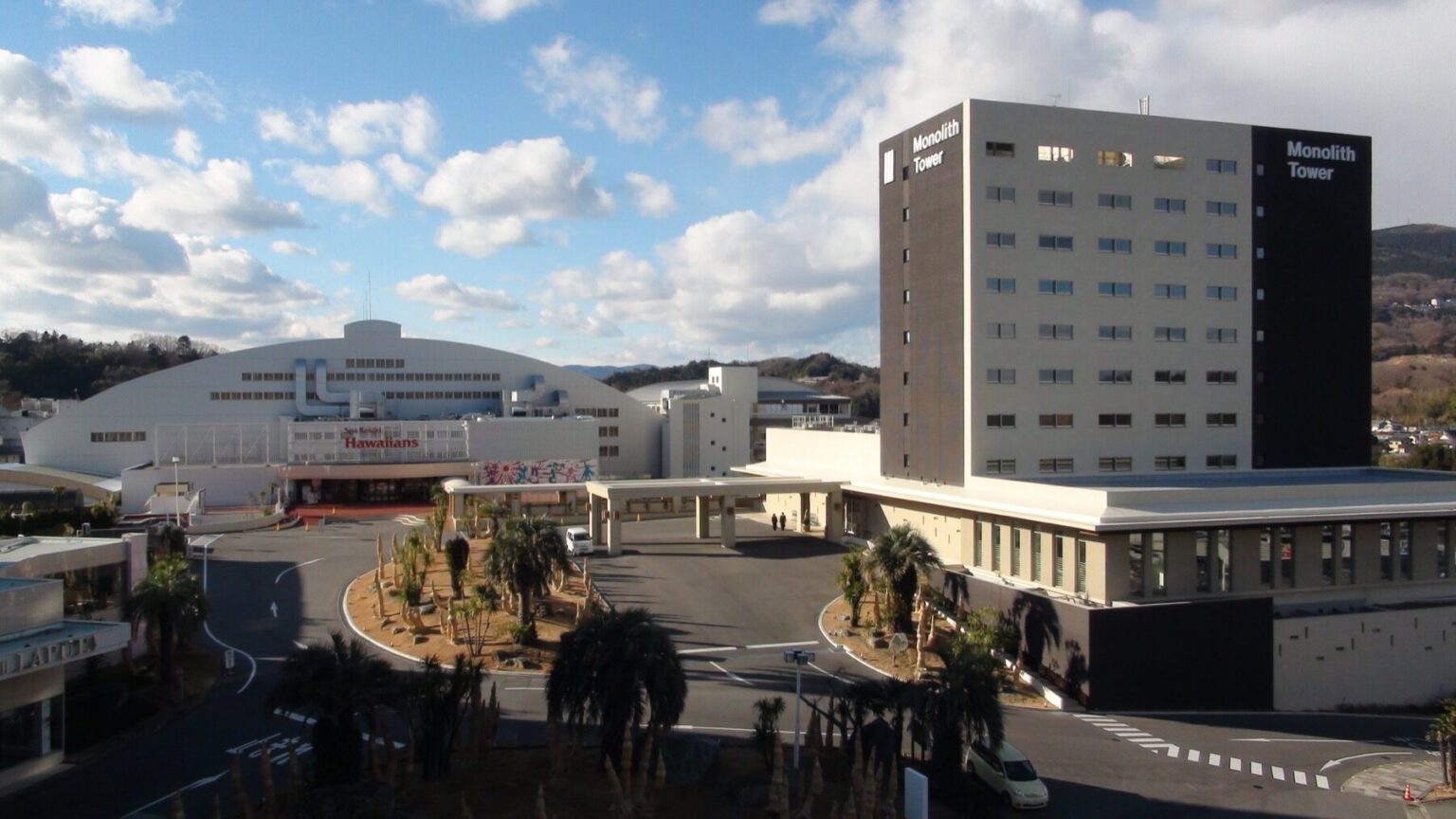
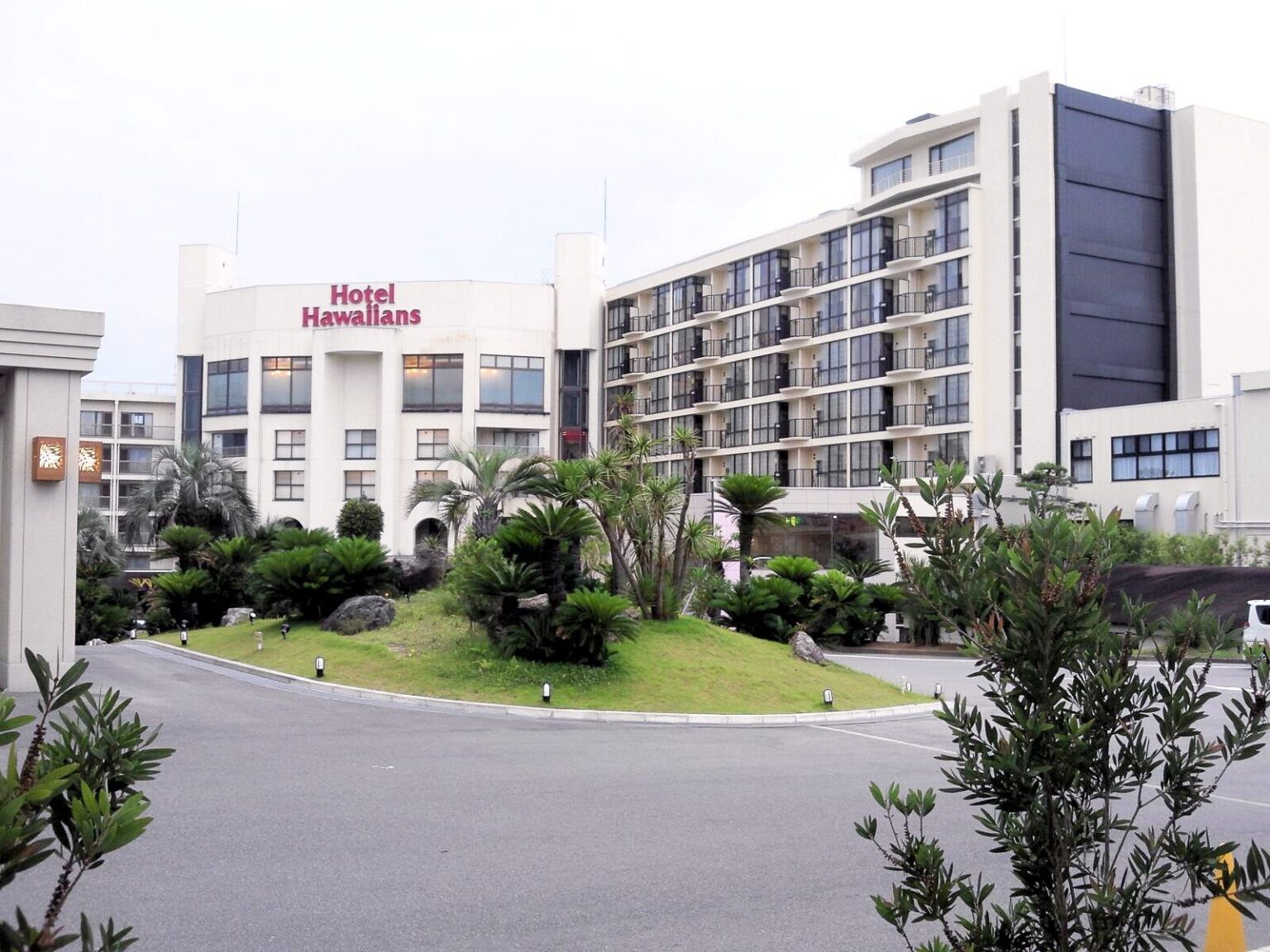
The resort has an official English website with English booking paths for day tickets and hotel stays, which makes planning from abroad straightforward. In-park English signage is less certain, but the layout is visual and staff are used to visitors. Bring or rent a swimsuit (required in all pool areas), and remember the traditional baths are swimsuit-free and single-sex. If you’re staying over, the resort has four lodging options from the big Hotel Hawaiians (which added family kids’ rooms and a top-end suite in 2026) to a glamping village.
Make it an overnight
Prefer to stay inside the resort? Book the official Hawaiians hotels and day tickets directly on the resort’s own English site — that’s also where the free guest buses are arranged.
What’s new for summer 2026
Season-specific, so treat these as 2026 dates and confirm before travelling:
| What | When (2026) | Note |
|---|---|---|
| Chiikawa collaboration | 17 Jul – 6 Sep | Photo spots, a pop-up store, stage events tied to the Chiikawa film |
| Onoa’s Cafe & Grill (new restaurant) | Opened 10 Jul | Hawaiian grill with close-up hula; lunch/dinner open to day guests |
| ALOHA Lumina night illumination | 18 Jul – 30 Aug, from 18:00 | Dusk is the photogenic window, in the outdoor garden |
| Happy Dream Circus | 18 Jul – 23 Aug (closed Wed) | Free with admission — acrobatics over the pool |
| Extended hours | Through 30 Aug | Open until 22:00 on most summer dates |
Is Iwaki OK to visit? Fukushima, plainly
It’s a fair question and worth answering directly rather than dodging. Iwaki is a city in southeastern Fukushima Prefecture, on the Pacific coast near the Ibaraki border — a normal, functioning city that has operated this resort continuously for decades. Fukushima is a large prefecture and conditions vary by location, so “Fukushima” is not one single situation. If you want current specifics, the responsible move is to check the radiation-monitoring data and evacuation-zone maps published by Japan’s national government, Fukushima Prefecture and Iwaki City, rather than any single site’s reassurance. Millions have visited Hawaiians in the years since 2011; the practical experience today is simply that of a large family water park.
Who it’s for — and who it isn’t
Great for
Families with kids, a rainy or dangerously hot day, onsen-curious first-timers who want to ease in by swimsuit, and anyone building a one-night trip out of Tokyo.
Maybe not for
Travellers after a quiet, contemplative onsen retreat, or a cool air-conditioned escape — this is a lively, warm, crowded-in-summer resort. Come for the energy, not the calm.
Questions travelers ask
Can I do Spa Resort Hawaiians as a day trip from Tokyo?
Yes. It’s about 2 hours 15 minutes to Yumoto station by JR Hitachi limited express, then a free ~13-minute shuttle. A day trip works, but with the slides, pools and the hula show, many people find an overnight stay more relaxed — especially with kids.
Are the swimming pools really hot-spring water?
Most of them, yes — the resort fills its baths and main pools with Iwaki-Yumoto onsen water kept around 30°C. The children’s and toddler pools are the exception. So you’re genuinely swimming in onsen water in the main areas, which is why you don’t get cold.
Do I have to get naked?
No. The Water Park, Spring Park and Spa Garden Pareo are all swimsuit areas you can enjoy all day. The traditional nude onsen baths are separate, single-sex, and optional — use them only if you want the classic Japanese bath experience.
Is the free bus from Tokyo really free for anyone?
No — the direct free buses from Tokyo and other cities are for overnight hotel guests only, by reservation, on set departures. The free shuttle between JR Yumoto station and the resort, however, is open to everyone.
Is it actually cool inside?
It’s out of the sun and rain, but not cold — the dome is deliberately kept warm and humid like a tropical resort. Think “escape the UV and the heatstroke risk,” not “air-conditioned.” You’ll be comfortable in a swimsuit.
Is it safe to visit, given it’s in Fukushima?
Iwaki is a normal coastal city in southeastern Fukushima that has run this resort for decades, and today the visit is simply that of a big family water park. Fukushima is large and varies by area; for current specifics, check the radiation-monitoring and evacuation-zone information published by Japan’s national and local authorities.
Related: cool day trips from Tokyo · Tochigi waterfalls · where locals escape the summer heat.
Join travelers discovering Japan's hidden side
Weekly dispatches from off-the-beaten-path Japan — spots and stories you won't find in guidebooks.
No spam. Unsubscribe anytime.
Welcome aboard!
You're in. See you in your inbox soon.